
Post
A 2026 Clinical Guide to Holistic Wellness Clinic Cheongdam: The Bonecure Approach to Structural Restoration
Hello, I am Director Song Jung-hyun, a practitioner specializing in structural restoration through advanced needle therapies. A holistic wellness clinic in Cheongdam is defined as a specialized medical facility that integrates structural science and systemic health to restore optimal bodily function through personalized care.
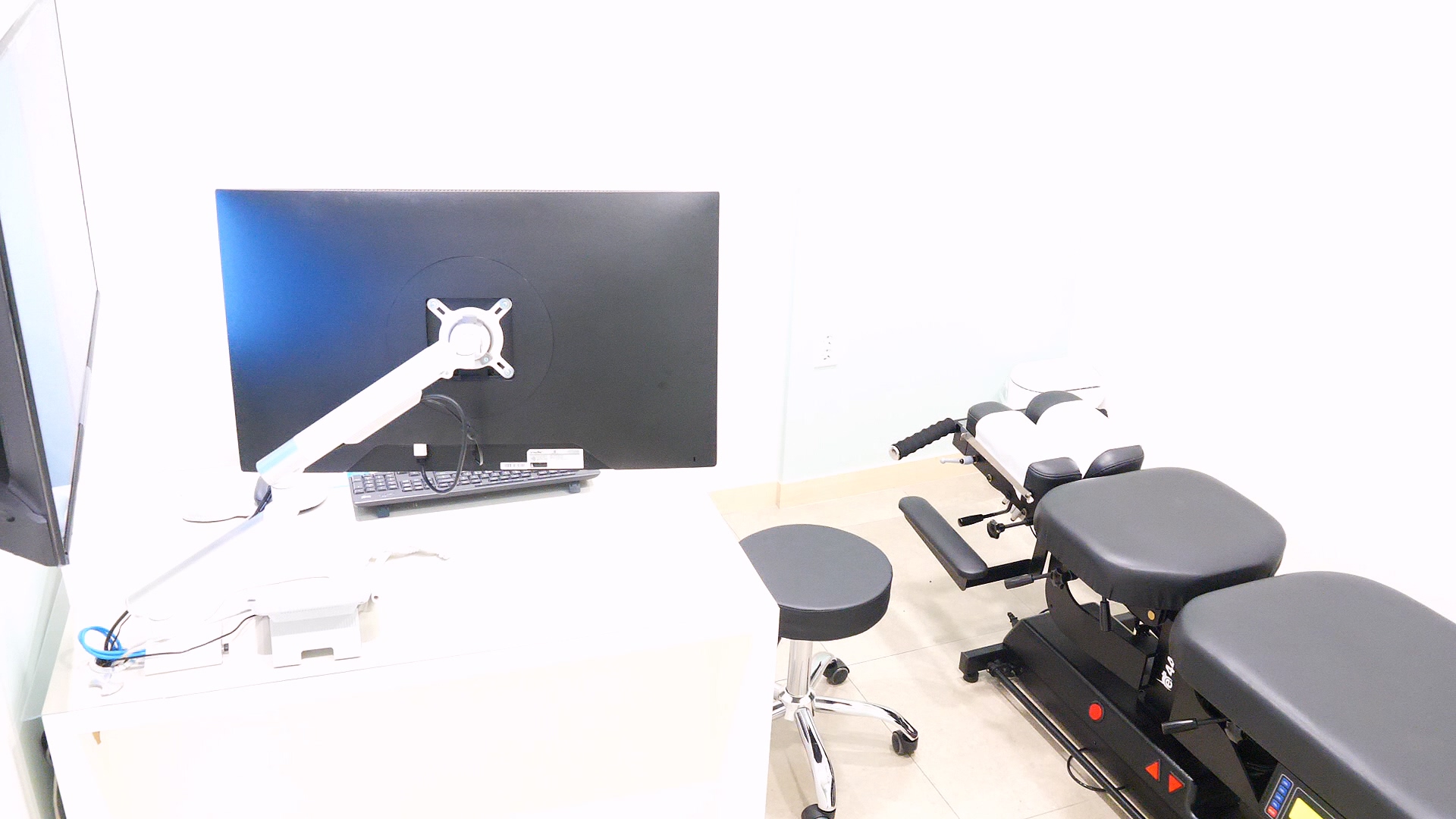
This guide explores how scientific bone alignment and tissue release can address chronic conditions beyond simple pain management, offering a comprehensive path to physical vitality in 2026.
What Defines a Holistic Wellness Clinic in Cheongdam?
A holistic wellness clinic in Cheongdam is defined as a medical facility that prioritizes the integration of structural integrity, neurological balance, and systemic health rather than focusing on isolated symptoms. These institutions represent an advanced approach to personalized healthcare by utilizing refined therapeutic techniques to address the underlying causes of physical dysfunction, utilizing diagnostic data obtained through trusted external partner hospitals. In a district known for its exacting standards, a holistic approach ensures that every aspect of a patient's physiology is considered during the recovery process.
The Concept of Integrated Structural Balance
Integrated structural balance refers to the harmonious alignment of the skeletal system and the surrounding soft tissues to ensure optimal nerve conduction and blood flow. When the body loses its alignment due to poor posture or injury, it creates mechanical stress that leads to chronic inflammation and functional decline. At a holistic wellness clinic, practitioners view the spine as the central axis of health, where even a minor deviation can trigger systemic issues such as headaches or digestive problems. By restoring this balance, patients can experience improved mobility and a significant reduction in recurring discomfort. This approach is fundamental to achieving long-term wellness because it prevents the compensatory patterns that often lead to secondary injuries. Through careful analysis and targeted interventions, we aim to support the natural structural symmetry that helps maintain physical balance throughout the aging process.
Why Cheongdam is the Hub for Premium Healthcare
Cheongdam has established itself as a global center for premium healthcare due to its concentration of highly specialized clinics and demanding patient demographic. Professionals and international patients seek care here because the standards for clinical outcomes and patient experience are exceptionally high. The healthcare environment in this district fosters innovation, where traditional wisdom is frequently combined with modern biomechanical research to aim for improved clinical outcomes. Patients expect more than just temporary relief. They demand scientifically validated protocols and measurable improvements in their quality of life. As a result, clinics in this area often lead the way in developing new methodologies for treating intractable conditions that have failed to respond to conventional medicine. The infrastructure here supports a level of therapeutic refinement that is difficult to find elsewhere, making it the preferred destination for those who prioritize their long-term structural and neurological health.
Bonecure: A New Standard in Structural Recovery
Bonecure represents a new standard in structural recovery by focusing on the precise release of deep tissue adhesions and the restoration of spinal alignment. We believe that when the skeletal structure is correctly positioned, the entire body functions more efficiently, leading to our philosophy that a healthy frame is the foundation of a happy life. Our clinic utilizes specialized Acupotomy techniques to target hardened tissues that restrict movement and compress vital nerves. By addressing these structural barriers, Bonecure facilitates a regenerative process that goes beyond masking pain. We emphasize objective data, such as whole-spine X-ray data referred from our partner hospital, to track the progress of every patient. This evidence-based approach ensures that each treatment plan is tailored to the specific anatomical needs of the individual. While our therapies are highly effective, it is important to understand that chronic conditions may require multiple sessions to achieve lasting stability, and individual results can vary based on the severity of the structural misalignment.
Core Principles of Structural Alignment and Restoration
Core principles of structural alignment refer to the biomechanical laws and therapeutic techniques used to correct skeletal deviations and soft tissue adhesions. These principles emphasize that the form of the human body directly dictates its function, meaning that any architectural distortion will inevitably lead to physiological dysfunction. By focusing on the restoration of these core structures, we can improve the body's resilience and efficiency.
The Scientific Mechanism of Adhesion Release Therapy
Acupotomy, or adhesion release therapy, serves as a primary tool at Bonecure for resolving chronic pain. This specialized needle therapy focuses on releasing microscopic adhesions that form in the fascia and muscle tissues. When tissues remain in a state of chronic inflammation, they often bind together, creating internal tension that restricts movement and compresses nerves. By utilizing a blade-shaped needle, a practitioner can precisely detach these adhesions to restore blood flow and facilitate tissue regeneration. This process is particularly effective for patients who have not responded to standard treatments. It is important to note that patients may experience minor bruising, temporary soreness, or localized bleeding at the site of treatment. These symptoms typically resolve within a few days as the body begins its natural healing process. Clinical case reports indicate that this targeted intervention can significantly improve range of motion and reduce localized discomfort in patients with long-standing spinal issues.
How Bone alignment Influences Systemic Vitality
The alignment of the spine and pelvis plays a critical role in maintaining systemic vitality by ensuring the nervous system can communicate without interference. When vertebrae are misaligned, they can put pressure on the spinal nerves, leading to symptoms that may seem unrelated to the back, such as fatigue, dizziness, or even organ dysfunction. Proper alignment allows for the optimal flow of cerebrospinal fluid and enhances the body's ability to regulate the autonomic nervous system. This structural foundation is essential for mental clarity and physical energy levels. In my clinical experience, patients who undergo structural restoration often report an improvement in their overall sense of well-being and a reduction in stress-related symptoms. By correcting the frame, we are essentially removing the physical obstacles that prevent the body from functioning at its peak. This connection between structure and systemic health highlights why a holistic approach is necessary for anyone seeking to optimize their physical and mental performance.
Objective Data Tracking for Spinal Health Improvements
At Bonecure, we prioritize objective data to ensure that our structural restoration protocols are producing tangible results for our patients. We utilize whole-spine X-ray data referred from our partner hospital and digital posture analysis to identify specific areas of misalignment and track changes over the course of treatment. This data-driven approach allows us to refine our techniques and provide patients with clear evidence of their progress. For example, we monitor changes in spinal curvature and joint spacing to verify that the skeletal structure is moving toward a more neutral and healthy position. By using standardized evaluation scales for pain and function, we can quantify the improvements that patients experience. This commitment to transparency and scientific rigor helps build trust and ensures that our treatments are both safe and effective. While subjective improvements in pain are important, the long-term goal is always the objective restoration of structural integrity, which serves as the best predictor for preventing future relapses and maintaining a high quality of life.
Comparing Conventional Physical Therapy and Holistic Structural Care
Comparing physical therapy and structural care involves evaluating the differences between temporary pain suppression and long-term functional restoration of the musculoskeletal framework. While various therapeutic methods focus on muscle strengthening and mobilization, holistic structural care at Bonecure targets deep-seated adhesions and skeletal misalignments to support functional recovery. Understanding these differences is crucial for choosing the right path toward recovery.
Our structural care focuses on root cause restoration and skeletal alignment through adhesion release and spinal re-alignment. By analyzing the structural alignment and autonomic balance, we target deep fascial adhesions and joint structures to promote functional regeneration and long-term structural stability.
Addressing Chronic Pain at the Root Source
Addressing chronic pain requires a deep understanding of how internal scarring and structural shifts create a cycle of recurring discomfort. Many patients suffer for years because their treatments only address the surface symptoms rather than the underlying mechanical failures. For instance, chronic tinnitus can sometimes be linked to cervical spine misalignment that affects nerve signals. By focusing on the underlying source, such as releasing adhesions in the upper neck, we aim for structural improvements. In my clinical experience, I have observed cases where patients reported significant reductions in tinnitus evaluation scores following targeted structural intervention, though results vary by individual. This shift from management to restoration is what defines the success of a holistic wellness clinic. It requires patience and a willingness to investigate the complex relationships between different parts of the body, but the result is a more resilient and pain-free life that is not dependent on temporary fixes or medication.
Personalized Treatment Protocols for Modern Professionals
Modern professionals in Cheongdam often face unique health challenges due to high-stress environments and prolonged periods of static posture. These factors lead to specific patterns of structural breakdown, such as forward head posture and pelvic tilts, which require personalized treatment protocols. At Bonecure, we design programs that fit the busy schedules of our patients while providing the intensive care needed to reverse years of postural strain. A typical program might involve a series of sessions to support functional improvement, depending on the initial state of the spine and the patient's individual response to treatment. We integrate postural education with clinical treatments to ensure that the progress made in the clinic is maintained in daily life. A 2026 Clinical Guide to Cheongdam-dong Wellness Services: The Bonecure Structural Approach outlines how these specialized services cater to an international and local clientele seeking peak performance. By tailoring the intensity and frequency of the sessions, we can provide a recovery path that is both efficient and sustainable for those with demanding lifestyles.
Holistic Approaches to Chronic Conditions and Autonomic Balance
Holistic approaches to chronic conditions identify the interplay between the cervical spine, nervous system, and systemic symptoms like tinnitus or fatigue. These conditions are often the result of long-standing structural imbalances that have begun to affect the body's internal regulatory systems. By treating the structure, we can often restore balance to the autonomic nervous system, leading to improvements in diverse symptoms.
Managing Tinnitus and Dizziness Through Cervical Alignment
Tinnitus and dizziness are frequently linked to issues in the upper cervical spine, where misalignments can interfere with blood flow to the inner ear and disrupt nerve pathways. Traditional treatments often overlook this connection, but a holistic wellness clinic focuses on restoring the proper curvature and mobility of the neck to alleviate these symptoms. Clinical case reports, including those published by Director Song Jung-hyun, have documented instances of functional improvement in patients with Meniere's disease or chronic ear ringing through spinal correction. For example, in one specific case study, a patient with severe dizziness experienced significant auditory improvement after a series of structural treatments; however, these results are specific to that case and do not guarantee identical outcomes for all patients. This highlights the importance of checking the neck whenever a patient presents with vestibular or auditory issues. While results can vary, the correction of the cervical structure provides a logical and scientific basis for managing these difficult conditions. Traditional Korean Medicine Practitioner Insights: The Science of Structural Restoration at Bonecure in 2026 further explains the methodology behind these specialized treatments.
Restoring the Autonomic Nervous System for Mental Clarity
The autonomic nervous system (ANS) controls our involuntary functions, and its balance is essential for mental clarity and emotional stability. Structural stress, particularly in the neck and upper back, can keep the ANS in a state of constant fight-or-flight, leading to anxiety, brain fog, and chronic fatigue. By releasing the physical tension in these areas, Bonecure helps patients transition into a more balanced state where the body can rest and repair itself. We use specific evaluation scales to measure autonomic function and track how structural improvements correlate with mental well-being. This approach is particularly beneficial for those suffering from autonomic dysregulation, as it provides a physical solution to what is often perceived as a purely psychological problem. As the spine becomes more aligned, many patients find that their ability to concentrate improves and their overall stress levels decrease. This synergy between physical structure and neurological health is a cornerstone of the care we provide, ensuring that patients feel better both physically and mentally.
Case Study Review: Structural Corrections and Functional Recovery
Reviewing clinical case studies provides valuable insight into the potential outcomes of structural restoration for complex conditions. One notable case report involved a patient with medium-grade idiopathic scoliosis who achieved postural improvement and pain reduction through a dedicated treatment protocol. Another case report involving a patient with long-standing tinnitus demonstrated how releasing deep cervical adhesions could lead to clinical improvement. These reports, which are based on specific clinical outcomes, serve as evidence for the effectiveness of our methods. It is crucial to remember that these results are specific to the individuals involved and do not guarantee the same outcome for every patient. However, they do illustrate the power of addressing the body's structure to solve intractable health issues. A 2026 Clinical Guide to Structural Restoration at BonCure Korean Medicine Clinic offers more detailed accounts of how these protocols are applied. By documenting these successes, Bonecure continues to advance the field of structural medicine and provide hope for those seeking a more permanent solution to their health challenges.
Key Takeaways
- Holistic wellness in Cheongdam focuses on the root cause by aligning the skeletal structure and releasing deep tissue adhesions.
- Bonecure utilizes objective data, such as whole-spine X-ray data referred from their partner hospital and standardized pain scales, to track and verify patient progress.
- Structural restoration can significantly impact non-musculoskeletal issues, including tinnitus, dizziness, and autonomic nervous system balance.
- Treatment plans at Bonecure are highly personalized, often requiring multiple sessions to achieve lasting stability for chronic conditions.
- Possible side effects like minor bruising or temporary soreness are typical and usually resolve quickly as part of the healing process.
Frequently Asked Questions
Q. What is the primary focus of a holistic wellness clinic in Cheongdam?
It focuses on restoring the body's natural balance by addressing structural misalignments and adhesions, rather than just temporarily masking pain. This involves a deep look at the skeletal system and how it interacts with the nervous system. By treating the root cause, these clinics aim for long-term health rather than a quick fix.
Q. Is the treatment at Bonecure based on scientific evidence?
Yes, our approach uses objective measures such as whole-spine X-ray data referred from our partner hospital and clinical case reports to track the restoration of structural integrity. We rely on measurable data to ensure that our protocols are effective and tailored to each patient's unique anatomy. This evidence-based methodology is central to our clinical practice in Cheongdam.
Q. How long does a typical structural recovery program take?
While some notice immediate relief in mobility, chronic or severe conditions often require a series of sessions tailored to the individual's specific spinal state. A typical program might span several weeks or months to ensure the structural changes are stable. The exact duration depends on the patient's age, history, and the severity of their adhesions.
Q. Are there any side effects to the specialized needle therapies used?
Minor bruising, temporary soreness, or localized bleeding may occur at the site of treatment, but these symptoms typically resolve quickly as the tissue heals. These are considered normal reactions to the release of deep adhesions. We always monitor patients closely to ensure their comfort and safety during and after the procedure.
Q. Can structural alignment help with non-musculoskeletal issues like tinnitus?
Yes, by correcting cervical misalignments that affect blood flow and nerve signals, we have observed significant functional improvements in cases of tinnitus and dizziness. Many patients find that their ear ringing or vertigo decreases as the tension in their neck is released. This connection between the neck and the head is a key focus of our holistic treatments.
Q. How does Bonecure differ from a standard orthopedic clinic?
We combine modern structural science with traditional Korean medicine principles to release deep tissue adhesions and promote long-term regenerative healing. Unlike clinics that may focus solely on surgery or medication, we prioritize the manual restoration of alignment. Our goal is to fix the underlying mechanical issues that cause pain to return.
Q. Is a consultation necessary before starting a wellness program?
Absolutely. A professional evaluation by a licensed practitioner is required to determine the most effective and safe course of treatment for your unique condition. During the consultation, we review your medical history and perform a structural analysis. This ensures that the treatment plan we create is both appropriate and safe for you.
For more information on personalized structural restoration programs, please contact our clinic directly to schedule a professional evaluation.
Bonecure / Director Song Jung-hyun
FAQ
- What is the primary focus of a holistic wellness clinic in Cheongdam?
- It focuses on restoring the body's natural balance by addressing structural misalignments and adhesions, rather than just temporarily masking pain. This involves a deep look at the skeletal system and how it interacts with the nervous system. By treating the root cause, these clinics aim for long-term health rather than a quick fix.
- Is the treatment at Bonecure based on scientific evidence?
- Yes, our approach uses objective measures such as whole-spine X-ray analysis and clinical case reports to track the restoration of structural integrity. We rely on measurable data to ensure that our protocols are effective and tailored to each patient's unique anatomy. This evidence-based methodology is central to our clinical practice in Cheongdam.
- How long does a typical structural recovery program take?
- While some notice immediate relief in mobility, chronic or severe conditions often require a series of sessions tailored to the individual's specific spinal state. A typical program might span several weeks or months to ensure the structural changes are stable. The exact duration depends on the patient's age, history, and the severity of their adhesions.
- Are there any side effects to the specialized needle therapies used?
- Minor bruising, temporary soreness, or localized bleeding may occur at the site of treatment, but these symptoms typically resolve quickly as the tissue heals. These are considered normal reactions to the release of deep adhesions. We always monitor patients closely to ensure their comfort and safety during and after the procedure.
- Can structural alignment help with non-musculoskeletal issues like tinnitus?
- Yes, by correcting cervical misalignments that affect blood flow and nerve signals, we have observed significant functional improvements in cases of tinnitus and dizziness. Many patients find that their ear ringing or vertigo decreases as the tension in their neck is released. This connection between the neck and the head is a key focus of our holistic treatments.
- How does Bonecure differ from a standard orthopedic clinic?
- We combine modern structural science with traditional Korean medicine principles to release deep tissue adhesions and promote long-term regenerative healing. Unlike clinics that may focus solely on surgery or medication, we prioritize the manual restoration of alignment. Our goal is to fix the underlying mechanical issues that cause pain to return.
- Is a consultation necessary before starting a wellness program?
- Absolutely. A professional evaluation by a licensed practitioner is required to determine the most effective and safe course of treatment for your unique condition. During the consultation, we review your medical history and perform a structural analysis. This ensures that the treatment plan we create is both appropriate and safe for you.