
Post
A 2026 Clinical Guide to Cheongdam-dong Wellness Services: The Bonecure Structural Approach
Hello. I am Song Jung-hyun, a Korean medicine practitioner who has specialized in acupotomy and structural restoration for many years. In the fast-paced environment of 2026, maintaining physical balance is essential for long-term health. Cheongdam-dong Wellness Services represent a specialized category of integrative healthcare that focuses on the synergy between advanced structural alignment and deep tissue regeneration to address chronic pain and autonomic dysfunction.
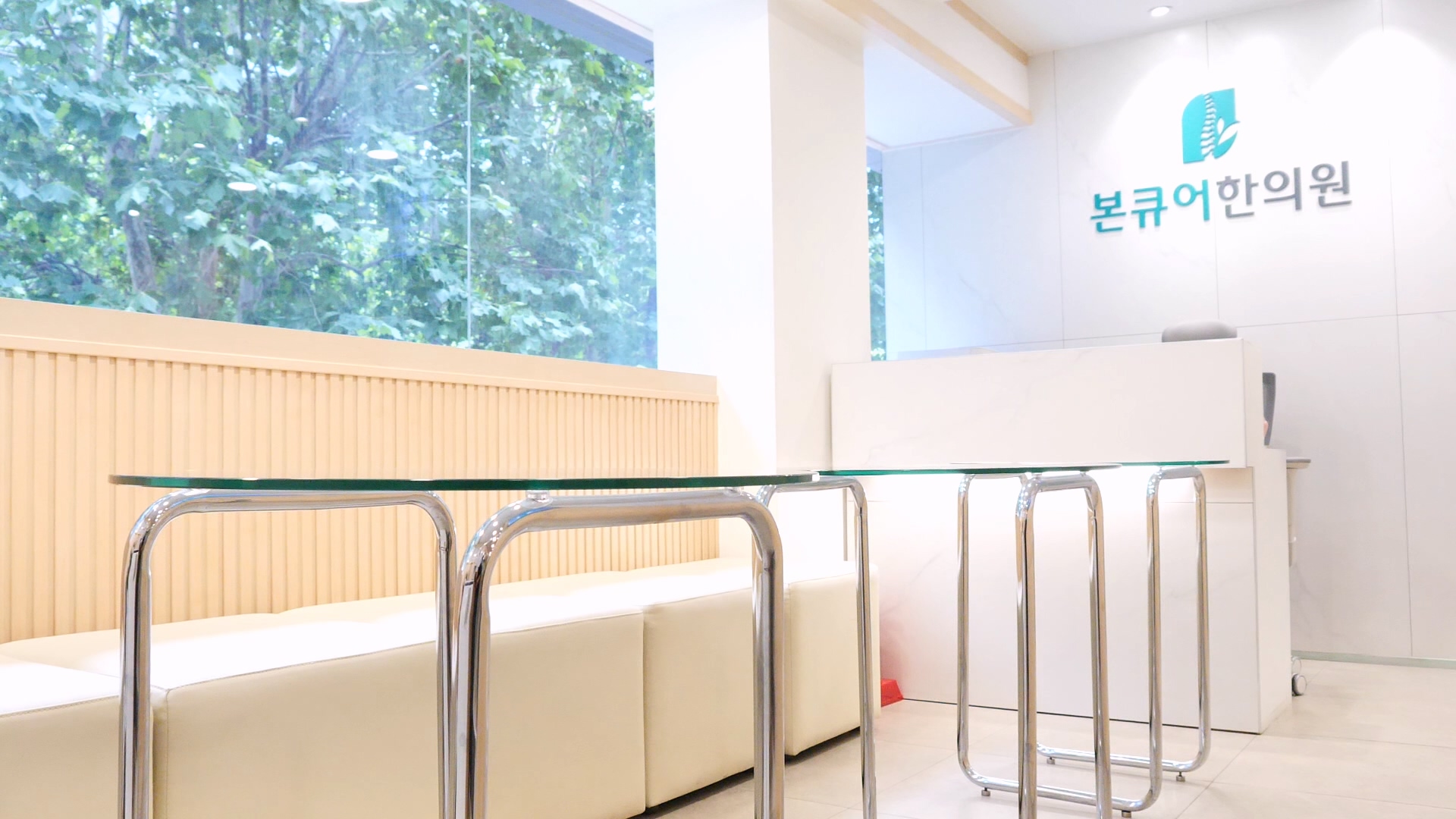
This guide explores how Bonecure utilizes evidence-based clinical protocols to help patients regain their structural integrity and daily vitality.
Understanding Cheongdam-dong Wellness Services and Modern Korean Medicine
Cheongdam-dong Wellness Services are defined as high-end, patient-centered medical interventions that prioritize the restoration of the body's natural structural balance through a combination of traditional clinical wisdom and modern diagnostic technology. Unlike generalized spa treatments, these services involve rigorous clinical assessments and targeted therapeutic modalities designed to resolve chronic musculoskeletal imbalances. The focus remains on sustainable health rather than temporary symptom relief, ensuring that every intervention supports the body's innate healing capacity and long-term mechanical stability.
Defining Premium Integrative Wellness in Contemporary Healthcare
Premium integrative wellness in the year 2026 refers to a comprehensive healthcare model that harmonizes structural correction with functional internal medicine to achieve optimal physiological performance. At the heart of this approach is the recognition that physical misalignments often lead to systemic issues, such as nervous system irritation or reduced circulatory efficiency. These services utilize advanced diagnostic tools, including whole spine X-rays and digital posture analysis, to create a roadmap for recovery that is both personalized and scientifically verifiable. By focusing on the intricate relationship between the spine, peripheral joints, and soft tissues, clinicians can identify the underlying mechanical triggers of pain. This sophisticated model of care attracts individuals seeking a higher standard of intervention, where the quality of diagnostic accuracy meets the precision of specialized manual and needle therapies. The goal is to establish a foundation of health that allows for increased physical activity and improved mental clarity, reflecting the true essence of modern wellness.
The Philosophy of Bonecure: Restoring Structural Alignment and Vitality
Bonecure operates on the core philosophy that when your bones smile, life smiles, emphasizing that structural integrity is the fundamental prerequisite for a high quality of life. This philosophy guides every clinical decision, moving away from the narrow focus on localized pain to a broader view of the body as an interconnected kinetic chain. We believe that true vitality emerges when the skeletal system is properly aligned, allowing nerves and blood vessels to function without mechanical interference. The approach at Bonecure is not merely about adjusting a single vertebra but about recalibrating the entire structural framework to support sustainable movement. Our clinical focus includes the release of chronic tissue adhesions that have built up over years of poor posture or repetitive strain. By restoring the natural curves of the spine and the proper orientation of the pelvis, we help patients experience a renewed sense of energy and physical freedom. This commitment to structural harmony defines our contribution to the healthcare landscape.
Moving Beyond Symptoms to Achieve Root-Cause Structural Recovery
Root-cause structural recovery involves identifying and treating the specific anatomical abnormalities, such as fibrotic tissue adhesions or vertebral subluxations, that drive persistent pain signals and functional limitations. Many patients arrive after having attempted various symptomatic treatments that only provided short-term relief because they failed to address the physical obstructions within the soft tissues. At Bonecure, we prioritize finding the exact point of structural entrapment through careful palpation and objective imaging. By addressing these primary drivers, we can initiate a healing response that leads to genuine tissue regeneration rather than a mere masking of discomfort. This method requires a deep understanding of functional anatomy and the biomechanical stressors unique to each patient's lifestyle. We aim to break the cycle of chronic inflammation by resolving the mechanical tension that sustains it. This transition from reactive symptom management to proactive structural restoration is the hallmark of our clinical protocol, offering a pathway toward long-term physical resilience and a significant reduction in the frequency of recurrent pain episodes.
Core Modalities of Advanced Structural Care at Bonecure
Acupotomy therapy and advanced structural realignment techniques serve as the primary clinical pillars for resolving complex musculoskeletal conditions and restoring autonomic balance within the body. These modalities are selected based on their ability to physically modify dysfunctional tissues and correct the underlying skeletal geometry that contributes to chronic illness. By integrating these specialized tools, clinicians can achieve results that standard conservative treatments often cannot reach, particularly in cases involving long-standing fibrosis or severe postural degradation.
Acupotomy Therapy for Adhesion Release and Tissue Regeneration
Acupotomy therapy utilizes a specialized micro-blade needle to physically release chronic adhesions and fibrotic tissue that have formed around nerves and joints. This procedure is particularly effective for treating conditions where traditional acupuncture may not provide sufficient mechanical force to break down hardened soft tissue structures. By creating a controlled micro-stimulus at the site of the adhesion, the treatment triggers a local healing cascade that encourages the body to replace damaged fibers with healthy, functional tissue. Patients often describe the sensation as a deep release, frequently noting an immediate improvement in their range of motion despite some localized post-procedure soreness. In clinical practice at Bonecure, this technique is applied with precision to decompress entrapped nerves, which can help alleviate both localized pain and systemic symptoms related to autonomic dysfunction. While the procedure requires expert handling to ensure safety, its ability to facilitate rapid tissue regeneration makes it a cornerstone of our structural recovery programs, helping patients return to their normal activities more quickly.
Spinal Realignment Techniques for Restoring Postural Balance
Spinal realignment techniques encompass a variety of manual and instrument-assisted corrections designed to restore the natural curvature and vertical alignment of the vertebral column. These interventions focus on correcting the structural deviations identified during the initial diagnostic phase, such as a loss of the cervical lordosis or a lateral shift in the pelvis. By applying specific, measured force to the skeletal system, we can reduce the mechanical stress placed on the spinal discs and the surrounding musculature. This process is essential for maintaining the long-term health of the nervous system, as even minor misalignments can lead to chronic irritation of the spinal nerves. At Bonecure, we integrate these corrections into a comprehensive plan that includes soft tissue work to ensure that the skeletal changes are supported by balanced muscular tension. This holistic approach to realignment helps to stabilize the body's core, improving overall balance and reducing the risk of future injuries. Consistency in these realignment sessions is key to achieving a lasting transformation of the patient's postural habits and physical health.
Scientific Verification and Objective Assessment Metrics
Scientific verification is a critical component of our clinical process, ensuring that every treatment plan at Bonecure is guided by objective data rather than subjective impressions. We utilize standardized assessment metrics, such as the Visual Analog Scale for pain and the Beck Depression or Anxiety inventories, to track the patient's progress across multiple dimensions of health. Furthermore, whole spine X-ray analysis allows us to visualize the physical changes in the skeletal structure before and after a course of treatment. For example, in a specific documented case, a patient's tinnitus discomfort score decreased from 54 to 2 on a standardized scale. Please note that this result applies strictly to this individual case and does not guarantee identical outcomes for other patients. These metrics provide both the clinician and the patient with a clear understanding of the efficacy of the interventions. By grounding our practice in measurable results, we can refine our techniques and provide more accurate prognostic information. This transparency in outcomes fosters a high level of trust and ensures that our structural wellness services remain at the forefront of evidence-based integrative medicine in the modern era.
Comparing Conventional Treatments with Specialized Acupotomy Solutions
Understanding the differences between conventional acupuncture and specialized acupotomy is essential for patients seeking the most effective intervention for their specific structural needs and chronic pain levels. While both methods utilize needles, the mechanical properties and clinical objectives of each are distinct, leading to different therapeutic outcomes and recovery trajectories. The following table provides a neutral comparison of the characteristics associated with these two distinct approaches to care.
| Feature | Standard Acupuncture | Advanced Acupotomy |
|---|---|---|
| Primary Tool | Thin, filiform needle | Micro-blade tip needle |
| Main Objective | Stimulate energy flow & tension relief | Physical release of tissue adhesions |
| Tissue Impact | Superficial to moderate stimulation | Deep mechanical tissue modification |
| Typical Use | Acute pain and stress management | Chronic, fibrotic, or structural issues |
| Recovery Time | Usually immediate | 24 to 48 hours for soreness |
| Treatment Focus | Meridian points and muscle knots | Anatomical structures and entrapments |
Structural Differences: Standard Acupuncture versus Advanced Acupotomy
The structural differences between standard acupuncture and advanced acupotomy lie primarily in the design of the needle and its mechanical interaction with human tissue. Standard acupuncture uses very thin needles intended to stimulate neurological and vascular responses at specific points without causing significant tissue displacement. In contrast, the acupotomy tool features a flat, blade-like tip that allows the practitioner to perform a micro-surgery on the soft tissues to sever fibrotic bands and adhesions. This mechanical action is necessary when the patient suffers from chronic conditions where the tissue has become excessively thick or scarred, a state that often prevents standard needles from having a lasting effect. At Bonecure, we utilize acupotomy specifically for these complex cases where a physical release is required to decompress nerves or restore joint mobility. Because the acupotomy tool can reach deeper structures and exert more force, it is a powerful modality for structural correction. However, it also requires a higher degree of anatomical knowledge to be performed safely and effectively. Both methods have their place in a wellness plan, but for structural restoration, the mechanical advantages of acupotomy are often indispensable for achieving a breakthrough in chronic cases.
An Overview of Treatment Outcomes for Chronic Musculoskeletal Issues
Treatment outcomes for chronic musculoskeletal issues often depend on the severity of the structural damage and the patient's adherence to a comprehensive recovery plan. In the context of Bonecure wellness services, we observe that patients with long-standing spinal issues often require a series of treatments to achieve significant regeneration. However, unlike facilities that demand a long minimum commitment before seeing changes, Bonecure focuses on immediate improvement. Many patients report a noticeable change in symptoms and mobility during their very first visit. For chronic conditions, we design a personalized clinical path based on the individual's state rather than a generic session count. It is important to note that clinical results can vary significantly between individuals based on their age, overall health, and the nature of their injury. We emphasize that while our protocols are designed to maximize the potential for recovery, they do not guarantee specific results for every patient. Understanding these individual differences is part of the clinical consultation process at Bonecure, where we set realistic expectations and monitor progress through objective metrics. This evidence-first approach ensures that patients are well-informed about their healing journey.
Clinical Applications: Case Reports and Autonomic Nervous System Care
Clinical applications of structural care extend beyond simple pain management to include the treatment of complex conditions such as severe spinal curvature and autonomic nervous system dysfunction. By addressing the physical pressure on the nervous system, these interventions can help improve a wide range of systemic symptoms that are often overlooked in traditional orthopedic settings. The following sections detail how the Bonecure approach applies structural principles to these challenging clinical presentations.
Managing Severe Spinal Curvature and Postural Imbalances
Managing severe spinal curvature requires a disciplined approach to both soft tissue release and skeletal realignment to prevent further degradation of the patient's posture. In my clinical experience at Bonecure, I have treated individuals with significant idiopathic scoliosis and kyphosis where the primary goal was to reduce the rotational stress on the spine. Through the targeted use of acupotomy to release the tight musculature on the concave side of the curve, we can create the space necessary for manual realignment techniques to be more effective. In a documented case report summarizing a clinical case, a patient with a moderate spinal deviation showed visible improvement in their spinal curvature on X-ray after structural therapy. Individual results may vary depending on the patient's condition. It is crucial to understand that such cases involve complex biomechanics and require personalized interventions to achieve stability. While we cannot always achieve a perfect correction in every individual, the goal is to improve the functional alignment and reduce the associated symptoms. This type of intensive structural care is a major component of our work, providing an alternative for those looking to avoid more invasive surgical options. We continue to use these case reports to refine our protocols for managing severe postural imbalances in a clinical setting.
Addressing Autonomic Nervous System Dysfunction and Complex Symptoms
Autonomic nervous system dysfunction often manifests as a variety of complex symptoms, including chronic fatigue, dizziness, and even tinnitus, which are frequently linked to structural issues in the upper cervical spine. At Bonecure, we have observed that decompressing the tissues around the atlas and axis vertebrae can have a profound impact on the regulation of the autonomic system. For instance, my research summarizing clinical case reports involving chronic tinnitus has shown that structural restoration can lead to a significant reduction in the intensity of ear ringing for these specific individuals. However, these outcomes may vary and do not guarantee the same results for everyone. By reducing the mechanical irritation of the vagus nerve and other critical pathways, the body can shift from a state of chronic stress to one of recovery. This relationship between the physical structure and the nervous system is a primary focus of our integrative wellness services. Each patient's response to these treatments is unique, and we always advise that individuals with complex symptoms undergo a thorough diagnostic evaluation. Addressing the structural roots of autonomic imbalance provides a holistic pathway to health that goes beyond just treating the physical pain, offering hope for those suffering from multifaceted challenges. This comprehensive approach is what defines the high level of care in our clinic.
Safety Guidelines, Potential Limitations, and Pre-Treatment Precautions
Safety is our highest priority at Bonecure, and we ensure that all patients are fully informed about the potential risks and limitations associated with advanced structural treatments. While acupotomy and manual realignment are highly effective for many, they are clinical procedures that involve specific physiological responses and require careful pre-treatment assessment. Understanding these factors is essential for maintaining a safe and productive therapeutic environment for every patient who walks through our doors.
Understanding Expected Responses, Temporary Discomfort, and Clinical Risks
Patients undergoing acupotomy should expect a range of normal physiological responses following the procedure, most commonly localized soreness and mild bruising. In my practice at Bonecure, I explain that this discomfort is typically temporary, lasting between 24 and 48 hours as the body begins the inflammatory healing process. While severe complications are rare, it is important to acknowledge the potential for minor bleeding or, in very rare instances, localized infection, which we mitigate through strict sterile protocols and post-care instructions. We also advise patients that the sensation of the treatment itself can be intense, as the micro-blade interacts with deep tissue adhesions. It is vital to communicate any unusual symptoms to your practitioner immediately to ensure appropriate follow-up. We provide detailed guidelines on how to manage post-treatment soreness, including rest and hydration. By maintaining an open dialogue about these risks, we ensure that our patients are prepared for the physical experience of recovery. This transparency is a key part of our commitment to patient safety and informed consent in a modern medical setting. We always prioritize the patient's comfort while striving for the mechanical changes necessary for healing.
Tailoring Treatment Frequency to Individual Patient Conditions
Tailoring the frequency and duration of treatment is essential because every individual possesses a unique physiological makeup and recovery capacity. At Bonecure, a patient's treatment plan is determined by the severity of their structural misalignment and how their body responds to the initial sessions. We monitor each patient's progress using objective metrics and adjust the schedule accordingly to ensure optimal healing without over-stimulating the tissues. It is also important to recognize that factors such as age, nutritional status, and stress levels can influence the rate of tissue regeneration. Our treatment philosophy centers on providing only what is necessary, ensuring the process is efficient and impactful. This individualized approach prevents a one-size-fits-all mentality and allows us to provide the most effective care for each specific case. Patients are encouraged to be active participants in their recovery by following all clinical advice regarding lifestyle and posture between sessions. This partnership between the clinician and the patient is what ultimately drives the success of our structural wellness programs.
A 2026 Clinical Guide to Structural Integrity and Autonomic Balance: The Bonecure Approach
Frequently Asked Questions
Q. What defines the premium Cheongdam-dong wellness services provided at Bonecure?
Premium wellness services at Bonecure are defined by a science-based approach to structural restoration. We utilize advanced diagnostics and specialized needle therapies to treat the root causes of chronic pain and autonomic imbalances. This level of care is designed for those seeking long-term functional recovery rather than temporary symptom management.
Q. How does acupotomy differ from standard acupuncture treatments?
Acupotomy uses a specialized micro-blade tip to physically release hardened tissue adhesions and fibrotic bands that standard needles cannot address. While acupuncture focuses on meridian stimulation, acupotomy is a mechanical intervention designed for deep structural restoration and nerve decompression.
Q. Are there any side effects or risks associated with structural wellness treatments?
Most patients experience temporary localized soreness, mild bruising, or minor bleeding at the treatment site, which usually resolves within 48 hours. Rare risks include infection or nerve irritation, which we minimize through sterile procedures. Results vary by individual, and a consultation is required to assess your specific risk profile.
Q. What is the typical cost for a personalized wellness program at Bonecure?
The cost of a wellness program is determined by the complexity of the patient's condition and the specific modalities required. Because each plan is customized after a comprehensive diagnostic evaluation, we provide detailed pricing during the initial clinical consultation. We focus on providing high-value, root-cause interventions.
Q. Can these specialized wellness services replace conventional orthopedic care?
Bonecure wellness services offer a powerful non-surgical alternative for many chronic musculoskeletal issues, but they can also be used alongside conventional medical care. The decision depends on the specific diagnosis and the patient's clinical needs. We work to provide the most effective integrative path for each individual.
Q. How many treatment sessions are usually required to see noticeable structural improvement?
At Bonecure, we do not require a minimum of 10 or 20 sessions to see results. Many patients experience immediate improvement after their first session. For chronic or severe conditions, a personalized plan is created to ensure long-term stability based on the body's response, but the focus remains on immediate efficacy.
Q. Is there any downtime required after receiving an acupotomy or alignment session?
There is minimal downtime, and most patients can return to their daily activities immediately. However, we recommend avoiding strenuous exercise, saunas, or hot baths for 24 to 48 hours to allow the treated tissues to heal properly. This precaution helps ensure the best possible outcome for your recovery.
Key Takeaways
- Immediate Results: Bonecure focuses on immediate improvement rather than requiring long-term treatment packages for patients to feel a difference.
- Advanced Modalities: The use of acupotomy provides a unique mechanical solution for releasing deep tissue adhesions that standard treatments often miss.
- Evidence-Based Care: Clinical protocols are verified through objective metrics, including X-rays and standardized scales, ensuring measurable progress.
- Safety and Individualization: Every treatment plan is tailored to the patient's specific anatomical needs, with a clear focus on safety and informed consent.
- Holistic Vitality: Restoring structural integrity improves not only physical comfort but also the overall function of the autonomic nervous system.
For personalized structural analysis and clinical consultation, please contact us.
Bonecure / Practitioner Song Jung-hyun
FAQ
- What defines the premium Cheongdam-dong wellness services provided at Bonecure?
- Premium wellness services at Bonecure are defined by a science-based approach to structural restoration. We utilize advanced diagnostics and specialized needle therapies to treat the root causes of chronic pain and autonomic imbalances. This level of care is designed for those seeking long-term functional recovery rather than temporary symptom management.
- How does acupotomy differ from standard acupuncture treatments?
- Acupotomy uses a specialized micro-blade tip to physically release hardened tissue adhesions and fibrotic bands that standard needles cannot address. While acupuncture focuses on meridian stimulation, acupotomy is a mechanical intervention designed for deep structural restoration and nerve decompression. It is highly effective for chronic conditions involving significant soft tissue changes.
- Are there any side effects or risks associated with structural wellness treatments?
- Most patients experience temporary localized soreness, mild bruising, or minor bleeding at the treatment site, which usually resolves within 48 hours. Rare risks include infection or nerve irritation, which we minimize through sterile procedures and precise anatomical targeting. Results vary by individual, and a thorough consultation is required to assess your specific risk profile.
- What is the typical cost for a personalized wellness program at Bonecure?
- The cost of a wellness program is determined by the complexity of the patient's condition and the specific modalities required, such as acupotomy or spinal realignment. Because each plan is customized after a comprehensive diagnostic evaluation, we provide detailed pricing during the initial clinical consultation. We focus on providing high-value, root-cause interventions that support sustainable health.
- Can these specialized wellness services replace conventional orthopedic care?
- Bonecure wellness services offer a powerful non-surgical alternative for many chronic musculoskeletal issues, but they can also be used alongside conventional medical care. The decision depends on the specific diagnosis and the patient's clinical needs. We work to provide the most effective integrative path for each individual's structural recovery.
- How many treatment sessions are usually required to see noticeable structural improvement?
- While some patients notice immediate relief, chronic or severe conditions typically require 10 to 20 sessions to achieve significant and stable structural change. The exact number depends on your body's healing rate and the duration of your condition. We use objective metrics to track your progress and adjust the treatment frequency as needed.
- Is there any downtime required after receiving an acupotomy or alignment session?
- There is minimal downtime, and most patients can return to their daily activities immediately after a session. However, we recommend avoiding strenuous exercise, saunas, or hot baths for 24 to 48 hours to allow the treated tissues to heal properly. This precaution helps minimize irritation and ensures the best possible outcome for your recovery.