
Post
Traditional Korean Medicine Practitioner Insights: The Science of Structural Restoration at Bonecure in 2026
Hello. I am Dr. Song Jung-hyun, a Traditional Korean Medicine practitioner who has focused on acupotomy and structural restoration for many years.
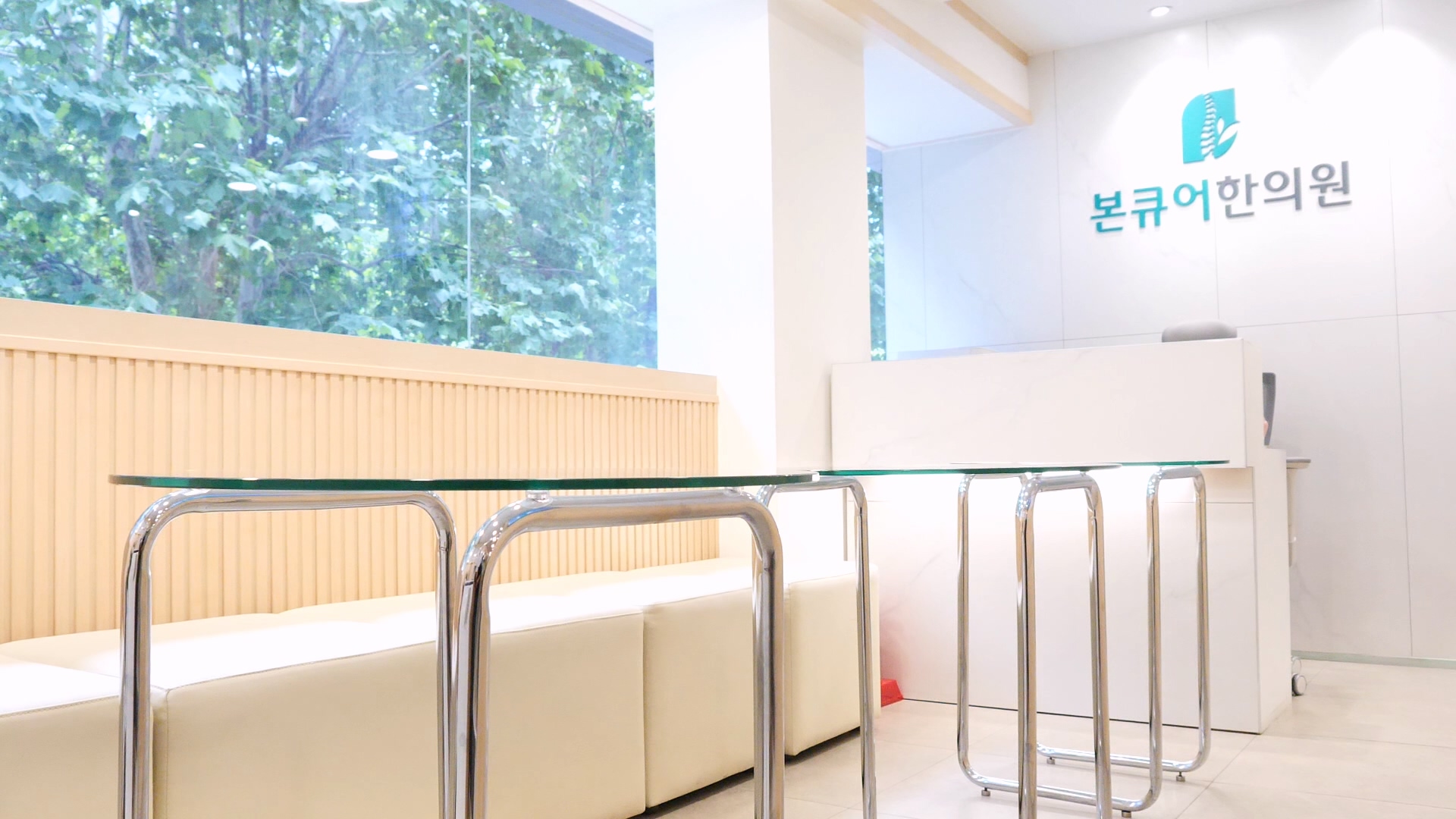
In clinical practice, addressing chronic pain and autonomic imbalances requires looking beyond superficial symptoms to examine the underlying alignment of the human frame. When the spine and joints lose their structural integrity, the surrounding soft tissues compensate, leading to chronic adhesions, restricted mobility, and neurological irritation. By combining time-tested Eastern medical philosophies with objective modern diagnostic tools, we can identify the mechanical root causes of complex conditions. This article provides essential Traditional Korean Medicine practitioner insights into how advanced structural therapies help restore the body's natural balance and self-healing capacity.
What Defines a Traditional Korean Medicine Practitioner?
A Traditional Korean Medicine practitioner is a licensed medical professional dedicated to diagnosing and treating illnesses by restoring the fundamental balance of structural alignment, metabolic flow, and autonomic nervous system function. Unlike approaches that isolate symptoms to specific organs, a practitioner evaluates the entire human body as an interconnected ecosystem. In modern clinical settings, this involves utilizing precise manual therapies, specialized acupuncture instruments, and herbal formulations to resolve physical dysfunctions and neurological blockages. The ultimate goal is to remove structural obstructions so that the body can naturally regulate and heal itself.
The Philosophical Foundation of Balance and Flow
Traditional Korean Medicine operates on the principle that optimal health requires the unobstructed flow of vital energy and blood through a balanced musculoskeletal framework. When structural misalignments occur, particularly in the vertebral column, they create localized tension that impairs circulatory and neural pathways. As a Traditional Korean Medicine practitioner, I observe that chronic physical stress frequently manifests as structural distortions, which subsequently disrupt the autonomic nervous system. By systematically correcting these misalignments, we can alleviate pressure on deep tissues and nerve roots, allowing the body's intrinsic regulatory mechanisms to function smoothly. This holistic approach addresses both the physical structure and the internal physiological environment simultaneously.
Distinguishing Modern TKM from Traditional Folk Medicine
Modern Traditional Korean Medicine is distinct from historical folk remedies due to its strict integration of contemporary anatomical knowledge and evidence-based protocols. While historical treatments relied primarily on subjective constitutional analysis and generalized herbal formulas, today's practice incorporates advanced physical examinations and structural diagnostic imaging. Practitioners utilize specialized tools such as acupotomy to perform precise micro-adhesion releases that were impossible with traditional needles. This evolution ensures that every intervention is grounded in verifiable anatomical science, transforming traditional concepts of energy balance into measurable structural changes. Consequently, patients receive highly sophisticated care that respects historical wisdom while satisfying modern scientific standards.
The Role of Bonecure in Modernizing Clinical Standards
At Bonecure, we are dedicated to advancing the clinical standards of Traditional Korean Medicine by establishing rigorous, objective treatment protocols. By utilizing precise structural assessments, Bonecure ensures that every therapy is tailored to the patient's specific mechanical deviations. Our clinical focus centers on the meticulous analysis of whole-spine X-rays and standardized functional metrics to track structural improvements accurately. Through this systematic approach, Bonecure translates subjective symptomatic relief into verifiable structural alignment data. This commitment to clinical excellence helps bridge the gap between traditional therapeutic methodologies and modern evidence-based healthcare requirements.
Core Methodologies: The Science Behind Acupotomy and Spinal Alignment
Acupotomy and spinal alignment are advanced clinical methodologies designed to release deep-tissue adhesions and correct vertebral misalignments to restore normal physiological function. These procedures combine the mechanical advantages of surgical scalpels with the energetic stimulation of traditional acupuncture needles to treat chronic, recalcitrant musculo-skeletal disorders. By physically breaking down fibrotic scar tissue and restoring the proper curvature of the spine, these interventions relieve pressure on compressed nerves and blood vessels. This dual mechanical and neurological rejuvenation forms the foundation for long-term functional recovery in patients suffering from chronic structural syndromes.
Acupotomy: Adhesion Release for Tissue Regeneration
Acupotomy utilizes a specialized micro-blade acupuncture instrument to perform mechanical debridement of chronically inflamed and adhered soft tissues. When muscles and ligaments experience long-term strain, they form dense, fibrotic scar tissue that restricts local blood flow and entraps adjacent nerves. By carefully inserting the acupotomy instrument into these areas of tension, a practitioner can release the tight adhesions, instantly reducing localized tissue pressure and restoring mobility. This micro-intervention stimulates a localized healing response, encouraging the delivery of oxygenated blood and essential nutrients required for tissue regeneration. However, patients should note that temporary local soreness or mild bruising may occur post-procedure, and outcomes vary based on individual chronicity.
Chuna Manual Therapy and Spinal Curvature Correction
Chuna manual therapy is a specialized hands-on technique used to correct structural distortions and restore balance to the spine, pelvis, and peripheral joints. By applying controlled mechanical force to specific vertebrae, the practitioner realigns misaligned joint structures, reducing asymmetric mechanical stress on the intervertebral discs. This structural correction is vital for relieving chronic tension in the paraspinal muscles and mitigating abnormal nerve irritation caused by structural compression. For comprehensive care, exploring a 2026 Clinical Guide to Chuna Manual Therapy for Neck Pain can provide deeper insights into structural restoration. Sustained recovery often requires a series of treatments combined with active posture modification to prevent the recurrence of spinal misalignment.
Integrating Objective Metrics in Subjective Healing
To elevate the precision of our treatments, we integrate objective diagnostic metrics to evaluate and monitor the progress of each patient throughout their recovery journey. Rather than relying solely on subjective pain reports, we utilize whole-spine X-ray imaging to analyze spinal curvature changes pre- and post-treatment. Furthermore, we employ standardized assessment tools, such as validated anxiety, depression, and gastrointestinal function scales, to track the systemic impact of structural alignment. This data-driven approach allows us to confirm that structural changes correlate with systemic improvements. For a broader perspective on these methods, review the 2026 Clinical Guide to Structural and Autonomic Analysis for Wellness at Bonecure. This ensures every treatment plan remains grounded in measurable clinical facts.
Comparison of Traditional Interventions vs. Modern Bonecure Approaches
Understanding the clinical methodologies utilized at Bonecure highlights our focus on objective, structurally centered care. Our protocols prioritize direct mechanical interventions, precise structural realignments, and data-driven diagnostic tracking to address the underlying mechanical factors of musculoskeletal and autonomic disorders. This framework assists patients in understanding the specific clinical mechanisms behind advanced structural restoration and how these interventions support the body's natural recovery processes.
Clinical Characteristics of Structural Restoration
To clarify the operational mechanisms of our specialized protocols, the following table outlines the key characteristics of the structural restoration approach:
| Feature / Modality | Modern Bonecure Structural Approach |
|---|---|
| Primary Treatment Focus | Mechanical adhesion release and spinal alignment |
| Primary Modality Used | Acupotomy (micro-blade) and structural Chuna therapy |
| Diagnostic Verification | Whole-spine X-ray analysis and objective rating scales |
| Tissue-Level Impact | Mechanical release of deep fibrotic tissue and joint alignment support |
| Symptom Scope | Chronic structural issues and autonomic dysregulation |
Addressing Chronic Pain vs. Acute Structural Misalignment
Chronic pain often stems from prolonged structural neglect, where long-standing misalignments lead to extensive soft tissue adhesions and compensatory movement patterns. Conversely, acute structural misalignments represent sudden biomechanical deviations that require immediate joint stabilization and inflammation control to prevent chronic degradation. A professional Traditional Korean Medicine practitioner must carefully differentiate between these two states to apply the appropriate mechanical force and treatment frequency. While acute cases may resolve quickly once joint alignment is restored, chronic conditions typically demand consecutive sessions to break down established fibrotic tissue. Understanding this distinction allows us to design effective, individualized roadmaps for long-term functional stability.
Safety Protocols and Potential Side Effects of Advanced Acupuncture
While advanced procedures like acupotomy offer profound structural benefits, strict adherence to medical safety protocols is mandatory to minimize clinical risks. Because acupotomy involves micro-blade penetration into deep tissue layers, it must be performed under sterile conditions by an experienced practitioner with comprehensive anatomical knowledge. Potential side effects include localized soreness, temporary minor bleeding, and transient bruising at the insertion site, which typically resolve within a few days. In rare instances, localized infection or mild nerve irritation may occur if post-care instructions are neglected. Patients are advised that clinical outcomes depend heavily on individual health status, and multiple sessions are often necessary for severe, chronic conditions.
Clinical Insights: Restoring Autonomic Balance and Functional Recovery
Restoring autonomic balance and functional recovery represents the ultimate objective of advanced structural correction within the framework of modern Traditional Korean Medicine. When the cervical spine and surrounding structures are misaligned, they exert mechanical pressure on critical neurovascular pathways, leading to systemic issues such as dizziness, tinnitus, and chronic fatigue. By realigning the skeletal framework and removing deep tissue obstructions, we relieve chronic irritation on the vagus nerve and sympathetic chains. This mechanical decompression facilitates the normalization of autonomic functions, helping to promote functional recovery of physical and neurological systems. Please note that individual results may vary depending on the patient's condition and chronicity.
Neurological Recovery through Cervical Spine Realignment
The structural alignment of the cervical spine is directly linked to neurological health due to its proximity to the brainstem and major cranial nerves. Chronic misalignment of the upper cervical vertebrae can cause persistent mechanical strain on the surrounding vertebral arteries and autonomic nerve networks, potentially disrupting cerebral blood flow. By utilizing targeted Chuna therapy and precise acupotomy, a practitioner can decompress these vital pathways, which may help normalize autonomic nervous system tone. Many patients suffering from chronic tension headaches or dizziness observe gradual relief as structural balance is re-established in the neck. For more detailed clinical contexts, you can consult the 2026 Clinical Guide to Acupuncture Treatment Seoul Gangnam: The Bonecure Approach to Structural Recovery.
Managing Tinnitus and Meniere's Disease via Structural Balance
In specialized clinical case reports, addressing severe cervical spine distortions has been associated with improvements in auditory symptoms such as chronic tinnitus and Meniere's disease. When the upper cervical region experiences chronic structural subluxation, the resulting deep tissue tension can disturb the proper drainage and neurological feedback of the inner ear structures. By carefully releasing myofascial adhesions and restoring proper cervical curvature, we aim to eliminate the abnormal mechanical stress affecting these cranial pathways. It is important to emphasize that these insights are based on specific clinical case studies, and individual results vary depending on the duration and underlying cause of the symptoms. A comprehensive physical evaluation is always required to determine if structural intervention is appropriate.
Expectations for Long-term Recovery and Treatment Frequency
Achieving long-term structural recovery requires a structured treatment plan tailored to the severity and chronicity of the individual patient's condition. Mild or acute structural issues may show noticeable improvement within a few sessions, whereas chronic, deeply ingrained fibrotic alterations typically require sustained therapy over several months. A typical recovery protocol involves an initial intensive phase focused on releasing deep tissue adhesions, followed by a maintenance phase to stabilize spinal alignment. Throughout this process, active patient participation in ergonomic adjustments and corrective exercises is essential to sustain the structural changes achieved in the clinic. Consistent clinical monitoring ensures that the body adapts safely and permanently to its corrected alignment.
Key Takeaways
- Traditional Korean Medicine practitioners focus on the holistic alignment of the spine and joints to restore autonomic and circulatory function.
- Acupotomy utilizes a micro-blade instrument to mechanically release deep tissue adhesions, facilitating natural tissue regeneration.
- Structural tracking at Bonecure incorporates objective measures, including whole-spine X-rays and standardized functional scales.
- Patient safety is maintained through strict sterile protocols, though mild localized soreness or bruising may occur temporarily post-treatment.
- Chronic and complex conditions generally require a multi-session treatment plan combined with lifestyle modifications for long-term stability.
Frequently Asked Questions
Q. What exactly does a Traditional Korean Medicine practitioner do at Bonecure?
A Traditional Korean Medicine practitioner at Bonecure focuses on identifying and treating structural imbalances within the spine, joints, and myofascial tissues. By using advanced techniques like acupotomy and Chuna manual therapy, the practitioner works to release deep-tissue adhesions, restore proper joint alignment, and improve nervous system function. This structural approach addresses the root mechanical causes of chronic pain and autonomic imbalances rather than merely masking temporary symptoms.
Q. Is Acupotomy safe for all patients?
Acupotomy is a specialized, minimally invasive procedure that is highly safe when performed by a properly trained and experienced practitioner. However, as with any micro-needle intervention, minor localized side effects such as temporary pain, mild bleeding, or bruising can occur at the treatment site. The suitability of the procedure depends entirely on the individual patient's medical history, structural condition, and overall health status.
Q. How does TKM differ from Western physical therapy?
While Western physical therapy frequently centers on muscular strengthening, stretching, and localized rehabilitation, Traditional Korean Medicine practitioners emphasize the structural integrity of the entire skeletal framework alongside the balance of internal physiological systems. TKM integrates mechanical interventions like acupotomy with energetic stimulation and constitutional herbal medicine to trigger the body's holistic self-healing mechanisms. This combined focus addresses both localized mechanical blockages and systemic autonomic functions.
Q. Can chronic tinnitus be treated with spinal correction?
In specific clinical instances, such as those documented in specialized case reports, correcting upper cervical spine misalignments has led to a reduction in chronic tinnitus and related auditory symptoms. This occurs because realigning the neck relieves mechanical pressure on interconnected neurovascular pathways that influence inner ear function. However, because tinnitus can stem from numerous etiologies, clinical outcomes vary significantly, and a thorough professional evaluation is necessary.
Q. What should I expect during my first visit to Bonecure?
During your first visit to Bonecure, you will undergo a comprehensive structural consultation with Dr. Song Jung-hyun, which includes a detailed review of your complete medical history. The assessment typically involves a posture alignment analysis and may include a review of diagnostic imaging such as whole-spine X-rays to locate specific structural deviations. Based on these objective findings, a personalized structural recovery roadmap will be designed to address your individual needs.
Q. What is the typical duration of a treatment plan?
The duration of a treatment plan depends on whether the structural condition is acute or chronic, as well as the extent of deep tissue adhesions. Acute alignment issues may require only a few sessions, while long-standing, severe structural distortions typically necessitate a structured, multi-week plan to achieve lasting stability. Your specific treatment frequency and long-term timeline will be determined following your initial physical examination and imaging analysis.
Q. Are the results of these treatments scientifically proven?
Our clinical methodologies are supported by documented case reports and utilize objective metrics, including pre- and post-treatment whole-spine X-rays, to measure real structural changes. We also utilize standardized clinical metrics, such as validated anxiety, depression, and gastrointestinal scales, to verify the broader physiological improvements resulting from structural alignment. This ensures that every patient's progress is tracked using verifiable data rather than subjective impressions.
For personalized inquiries or to schedule a structural consultation, please contact our clinic for professional guidance. Bonecure / Dr. Song Jung-hyun
FAQ
- What exactly does a Traditional Korean Medicine practitioner do at Bonecure?
- A Traditional Korean Medicine practitioner at Bonecure focuses on identifying and treating structural imbalances within the spine, joints, and myofascial tissues. By using advanced techniques like acupotomy and Chuna manual therapy, the practitioner works to release deep-tissue adhesions, restore proper joint alignment, and improve nervous system function. This structural approach addresses the root mechanical causes of chronic pain and autonomic imbalances rather than merely masking temporary symptoms.
- Is Acupotomy safe for all patients?
- Acupotomy is a specialized, minimally invasive procedure that is highly safe when performed by a properly trained and experienced practitioner. However, as with any micro-needle intervention, minor localized side effects such as temporary pain, mild bleeding, or bruising can occur at the treatment site. The suitability of the procedure depends entirely on the individual patient's medical history, structural condition, and overall health status.
- How does TKM differ from Western physical therapy?
- While Western physical therapy frequently centers on muscular strengthening, stretching, and localized rehabilitation, Traditional Korean Medicine practitioners emphasize the structural integrity of the entire skeletal framework alongside the balance of internal physiological systems. TKM integrates mechanical interventions like acupotomy with energetic stimulation and constitutional herbal medicine to trigger the body's holistic self-healing mechanisms. This combined focus addresses both localized mechanical blockages and systemic autonomic functions.
- Can chronic tinnitus be treated with spinal correction?
- In specific clinical instances, such as those documented in specialized case reports, correcting upper cervical spine misalignments has led to a reduction in chronic tinnitus and related auditory symptoms. This occurs because realigning the neck relieves mechanical pressure on interconnected neurovascular pathways that influence inner ear function. However, because tinnitus can stem from numerous etiologies, clinical outcomes vary significantly, and a thorough professional evaluation is necessary.
- What should I expect during my first visit to Bonecure?
- During your first visit to Bonecure, you will undergo a comprehensive structural consultation with Dr. Song Jung-hyun, which includes a detailed review of your complete medical history. The assessment typically involves a posture alignment analysis and may include a review of diagnostic imaging such as whole-spine X-rays to locate specific structural deviations. Based on these objective findings, a personalized structural recovery roadmap will be designed to address your individual needs.
- What is the typical duration of a treatment plan?
- The duration of a treatment plan depends on whether the structural condition is acute or chronic, as well as the extent of deep tissue adhesions. Acute alignment issues may require only a few sessions, while long-standing, severe structural distortions typically necessitate a structured, multi-week plan to achieve lasting stability. Your specific treatment frequency and long-term timeline will be determined following your initial physical examination and imaging analysis.
- Are the results of these treatments scientifically proven?
- Our clinical methodologies are supported by documented case reports and utilize objective metrics, including pre- and post-treatment whole-spine X-rays, to measure real structural changes. We also utilize standardized clinical metrics, such as validated anxiety, depression, and gastrointestinal scales, to verify the broader physiological improvements resulting from structural alignment. This ensures that every patient's progress is tracked using verifiable data rather than subjective impressions.