
Post
A 2026 Structural Guide to Menopausal Tinnitus and Auditory Recovery at Bonecure
Hello. I am Dr. Song Jung-hyun, a Korean medicine practitioner who has specialized in acupotomy therapy for many years.
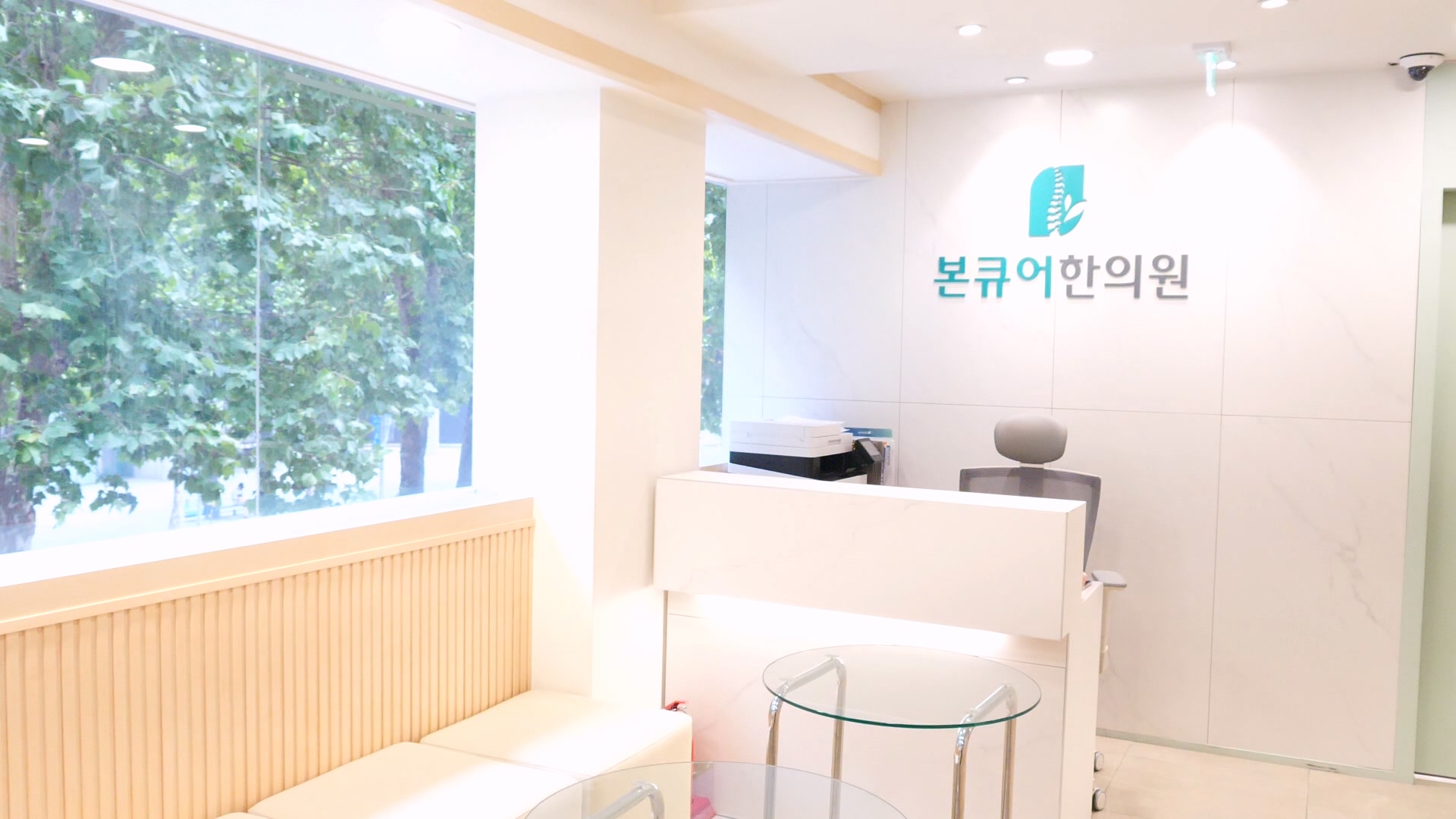
Menopausal tinnitus is a complex condition characterized by persistent ringing or buzzing in the ears that frequently emerges during the hormonal transition of menopause. This guide explores how structural restoration at Bonecure provide a pathway for those experiencing these symptoms by addressing both neurological and physical imbalances.
Understanding Menopausal Tinnitus: Definitions and Hormonal Links
Menopausal tinnitus refers to the onset or intensification of auditory perceptions without an external source, specifically occurring during the climacteric period when hormonal fluctuations impact the central nervous system. This condition is not merely an ear problem but often involves a systemic shift in how the brain processes sensory information, requiring a comprehensive look at both biological and structural health markers.
The Relationship Between Estrogen Decline and Auditory Sensitivity
The decline in estrogen during menopause significantly influences the auditory system because estrogen receptors are located throughout the inner ear and the auditory pathways in the brain. When these levels drop, the nervous system can become hypersensitive, often leading to a phenomenon where internal neural noise is amplified and perceived as tinnitus. Clinical observations suggest that this hormonal shift may decrease blood flow to the cochlea, potentially aggravating existing vulnerabilities in the auditory nerve. At Bonecure, we recognize that while hormonal replacement might be considered, the underlying neurological sensitivity often remains unaddressed if the structural environment of the nerves is compromised. Many patients report that their symptoms fluctuate with other menopausal signs, indicating a deep physiological connection. Understanding this link is essential because it moves the focus from a localized ear issue to a broader neurological and vascular health perspective that considers the entire body’s current state of transition.
Identifying Tinnitus During the Menopausal Transition
Identifying tinnitus during menopause requires distinguishing it from age-related hearing loss or other sudden auditory traumas that might occur coincidentally. Women often describe the sound as a high-pitched hiss, a low hum, or a rhythmic pulsing that may correlate with episodes of hot flashes or increased anxiety. It is important to note that addressing structural imbalances is often a key factor in management. Identifying these symptoms early allows for a more proactive approach to stabilizing the nervous system. We utilize specific assessment tools to track the severity, such as the Beck Anxiety Inventory (BAI), the Beck Depression Inventory (BDI), and evaluations of gastrointestinal and vestibular function. By monitoring these subjective experiences alongside objective health data, we can better understand the unique progression of symptoms for each individual, ensuring that the management plan is tailored to their specific hormonal and physical profile during this sensitive life stage.
Why Women's Health Requires a Holistic Neurological Approach
A holistic neurological approach is vital for women's health during menopause because the body functions as an integrated unit where the endocrine, nervous, and musculoskeletal systems interact constantly. When estrogen levels fluctuate, the autonomic nervous system often loses its balance, leading to symptoms like insomnia, palpitations, and heightened auditory sensitivity. Focusing only on the ear often neglects the fact that the auditory nerve passes through narrow passages that can be influenced by surrounding physical structures. At Bonecure, we emphasize that restoring balance to the autonomic nervous system is a prerequisite for long-term auditory comfort. This involves assessing how the physical alignment of the spine may be placing unnecessary pressure on the neural pathways. By treating the patient as a whole rather than a collection of symptoms, we aim to provide a more stable foundation for recovery. This comprehensive strategy ensures that we address the root causes of the distress rather than just providing temporary relief from the sound itself.
Traditional Korean Medicine for Women's Health and Ear Health
Traditional Korean Medicine (TKM) for women's health is a holistic discipline that utilizes specialized procedures to restore the body's natural equilibrium. By focusing on the alignment of the skull and spine, TKM offers a targeted way to support the body through hormonal changes.
Integrative Korean Medicine for Menopausal Tinnitus Management
Integrative Korean medicine management at Bonecure combines structural correction with modern diagnostic tools to address the specific needs of menopausal patients. We focus on identifying the root causes of pain and restoring the body's overall balance. This approach is grounded in the belief that when the body's internal resources are depleted during menopause, the sensory organs become more vulnerable to dysfunction if structural misalignments exist. In our clinical experience, focusing on structural care provides a synergistic effect that enhances the body's self-healing capabilities. A 2026 Clinical Guide to the Root Causes of Tinnitus: A Structural Perspective at Bonecure explains how these factors interact with physical alignment. By stabilizing the internal environment through structural integrity, we create the optimal conditions for the nerves to recover. This method is particularly beneficial for those who have not found success with conventional treatments alone.
Acupotomy for Immediate Neurological Decompression
Rather than relying solely on indirect treatments like moxibustion, our primary focus is Acupotomy (Dochim) to directly address the mechanical causes of tinnitus. Acupotomy involves using a specialized blade-like needle to physically dissect and release adhesions in the soft tissues and fascia surrounding the cervical spine. By breaking these microscopic adhesions, we aim to provide immediate relief from nerve entrapment. Many patients at Bonecure experience a perceivable difference in their symptoms immediately following treatment. This impact is due to the restoration of blood flow and nerve conduction that was previously blocked by thickened, fibrotic tissues. While moxibustion and physical therapy may be used as minor supportive measures for circulation, the core of our auditory support lies in this precise structural release.
Clinical Notes on Oriental Medicine for Chronic Auditory Pain
Clinical notes on Oriental medicine at Bonecure emphasize that even for chronic auditory conditions, the goal is immediate and tangible improvement. We do not follow a fixed rule that a set number of sessions is required before seeing results; instead, we aim for patients to feel a difference in their symptoms and structural comfort during each visit. We utilize standardized evaluation scales, including psychological and autonomic function markers, to objectively monitor the degree of improvement. These notes reflect our philosophy that effective treatment should produce visible and felt changes. We carefully document each patient’s progress, adjusting the Acupotomy and Chuna protocols based on their evolving symptoms. Although results vary by individual and are not typical for everyone, our focus on high-impact, efficient care aims to provide accurate expectations for new patients seeking a definitive change in their auditory health.
The Bonecure Approach: Structural Alignment and Acupotomy
The Bonecure approach to tinnitus focuses on the intersection of spinal health and neurological function, utilizing specialized techniques like acupotomy to release physical restrictions. We believe that many auditory issues are exacerbated by structural misalignments in the neck, which can impede nerve signaling and blood flow to the head.
How Cervical Spine Misalignment Contributes to Tinnitus Symptoms
Cervical spine misalignment, particularly in the upper vertebrae (C1-C2), can create a cascade of issues that directly impact the auditory system. The nerves that supply the ear and the muscles surrounding the jaw are closely linked to the position of the neck. When the spine is out of alignment, it can lead to chronic muscle tension and mechanical pressure on the vestibulocochlear nerve. At Bonecure, we use X-ray analysis to identify these shifts that might be contributing to your symptoms. Correcting these structural issues through manual therapy (Chuna) and alignment techniques can often reduce the 'background noise' the brain perceives. By focusing on the neck, we address a physical root cause that is frequently overlooked. Restoring the natural curve of the spine helps with ear ringing and improves overall posture, contributing to a significant improvement in quality of life during menopause.
Acupotomy: Breaking Adhesions to Restore Auditory Nerve Function
Acupotomy, or 'Dochim' therapy, is our signature procedure targeting the thickened tissues around the cervical spine and the base of the skull. By breaking down these adhesions, we allow for improved nerve conduction and blood flow to the auditory apparatus. Bonecure Acupotomy (Dochim) Therapy: A 2026 Guide to Structural Recovery provides a detailed look at how this technique restores movement. The procedure is highly compressed and efficient, focusing only on the necessary points of restriction. While the treatment can cause temporary soreness or minor bruising, it is a potent tool for addressing the mechanical barriers to recovery. By freeing the nerves from physical entrapment, we enable the body to reset its auditory processing, which often leads to an immediate reduction in the intensity and frequency of tinnitus symptoms for patients in my care.
Scientific Clinical Notes on Spinal Restoration and Hearing Improvement
Scientific clinical notes from our practice suggest a correlation between spinal restoration and improvements in auditory function. These reports indicate that the auditory system is sensitive to the mechanical health of the upper body. For example, we have observed instances where chronic tinnitus was alleviated after cervical alignment was addressed through Chuna and Acupotomy. Please note that these findings are based on individual case reports and do not guarantee the same results for all patients, as individual responses vary. Our research is vital for ensuring Bonecure remains at the forefront of integrative tinnitus care. We emphasize that these improvements are the result of addressing the structural environment. While individual results vary, the data consistently shows that a well-aligned spine supports better neurological outcomes, providing documented clinical evidence for our methods.
Comparing Conventional Treatments and Bonecure Integrative Therapy
Comparing different treatment modalities is essential for patients to make informed decisions about their health. While conventional medicine often focuses on masking the sound, our integrative therapy seeks to address the underlying structural imbalances.
Symptomatic Relief vs. Root Cause Structural Correction Table
As shown in clinical practice, the difference between symptomatic relief and root cause correction lies in the ultimate objective. Conventional approaches often utilize sound generators to help patients 'ignore' the sound. In contrast, Bonecure focuses on structural correction, aiming to remove the physical irritants that cause the nerve to misfire. By comparing these paths, patients can see that our approach is designed to change the physiological conditions of the head and neck. We believe that by improving the physical 'hardware'—the bones, muscles, and fascia—we can influence the 'software' of the nervous system. This distinction is crucial for menopausal women. Choosing a path that seeks to restore function rather than just manage symptoms can lead to a more profound sense of recovery and long-term stability.
Safety Profiles of Acupotomy and Structural Care
At Bonecure, we adhere to strict standards to minimize risks. However, any invasive procedure, including acupotomy, carries potential side effects such as temporary localized pain, minor bleeding, or rare instances of infection at the insertion site. We provide a thorough consultation to ensure patients are good candidates for these therapies. Tinnitus Treatment Review: A 2026 Guide to Structural Recovery at Bonecure offers further insights into the recovery journey. We emphasize that the experience of recovery is individual. Some may feel temporary soreness as the body adjusts to structural changes. By maintaining transparent communication about safety and expectations, we ensure that our patients feel supported and informed throughout their entire treatment process.
Personalized Structural Decompression and Chuna Therapy
Instead of general cupping, we utilize Chuna therapy and Jaw (TMJ) correction to relieve deep-seated muscle tension and improve regional blood flow. In menopausal tinnitus cases, we address the 'stiffness' that accompanies cervical misalignment. This technique helps to release the musculoskeletal system, which in turn supports the health of the cranial nerves. We find that this targeted structural approach is more effective because it addresses the deep fascia and bone alignment. Our sessions are designed to be impactful and efficient, ensuring that the physical barriers to auditory health are successfully dismantled. Patients often report a feeling of immediate 'lightness' in their neck and head following these integrated sessions.
Recovery Strategies and Clinical Case Insights
Recovery from menopausal tinnitus involves clinical treatment and a realistic understanding of the healing process. By examining specific case insights, we can better understand the potential for recovery.
Individual Case Reports on Tangible Tinnitus Relief
Our individual case reports show that relief is possible when structural factors are addressed. In my clinical experience, I prioritize treatments that allow patients to feel an immediate change in their symptoms. We have observed that even patients who have struggled for years can see improvements once structural misalignments are corrected. These cases serve as a testament to the effectiveness of an integrative, structural approach. It is important to remember that these examples represent specific instances and that your individual path to recovery may vary based on your health history. However, the consistent theme is a dedication to addressing the root physical causes of the auditory distress.
Managing Expectations: Potential Risks and Individual Variations
Managing expectations is critical at Bonecure. We emphasize that there are no 100 percent guarantees in medical treatment, and results vary significantly. While many find relief, some may respond at different rates. Potential risks, though rare, include temporary discomfort at the treatment site. We do not promise a 'quick fix' but rather a systematic process of restoration that often yields immediate feedback. Understanding that healing is individual—especially when dealing with chronic conditions and hormonal shifts—helps reduce frustration. By setting realistic goals and acknowledging individual variations, we create a partnership built on trust and clinical honesty.
Lifestyle Adjustments to Support Spinal and Auditory Health
To support spinal and auditory health, we recommend that patients pay attention to their posture, as 'tech neck' can aggravate cervical issues. Regular, gentle movement can help maintain spinal flexibility and reduce stress. Additionally, staying hydrated supports the health of the auditory nerves. We also suggest mindfulness to help manage the emotional impact of ear ringing. These daily habits work in harmony with the treatments provided at Bonecure. Small, consistent changes in how you move and manage stress can make a substantial difference in your long-term comfort and well-being during the menopausal transition.
Key Takeaways
- Menopausal tinnitus is linked to hormonal shifts and their impact on the nervous system.
- Structural misalignments in the neck can exacerbate ear ringing by compressing nerves.
- Bonecure focuses on Acupotomy (Dochim) and Chuna for immediate structural and symptomatic improvement.
- Assessment tools include Beck Anxiety/Depression scales and gastrointestinal function evaluations.
- Results vary by individual; our goal is to achieve perceivable progress from the initial stages of treatment.
Frequently Asked Questions
Q. What is the primary cause of menopausal tinnitus?
Menopausal tinnitus is often linked to declining estrogen levels affecting the nervous system. At Bonecure, we also investigate how spinal misalignments exacerbate these symptoms by creating mechanical pressure on the nerves. Addressing both factors is key to effective management.
Q. Is treatment for menopausal tinnitus effective for everyone?
While many find relief through our structural methods, results are not typical and vary by individual. Some patients respond immediately, while others may require more focused sessions. A professional consultation is required to create a tailored plan for your unique needs.
Q. What are the side effects of acupotomy for tinnitus?
Acupotomy may cause temporary soreness, minor bleeding, or bruising at the treatment site as the tissue heals. These effects are generally mild and resolve within a few days. We prioritize safety and provide detailed aftercare instructions to minimize discomfort.
Q. How many sessions are needed to see an improvement?
At Bonecure, we do not follow a fixed session count. Our philosophy is that symptoms should improve immediately, and patients should be able to feel the difference. Consistency helps stabilize these structural changes for long-term recovery.
Q. Does Bonecure offer a guarantee for curing tinnitus?
No medical provider can offer a 100 percent guarantee, as responses to treatment are individual. We focus on structural restoration and neurological balance to help manage and reduce symptoms effectively. We encourage a detailed diagnosis to determine if our methods are suitable for your case.
Q. Can moxibustion help with other menopause symptoms?
Moxibustion is a supportive therapy used in Korean medicine to improve circulation. While not the primary focus of our structural tinnitus treatment, it can support overall well-being. It works best when integrated into a broader plan focused on structural integrity.
Q. What is the cost of treatment at Bonecure?
Treatment costs vary based on the specific techniques used, such as Acupotomy or Chuna therapy. Because each plan is customized to the patient's structural needs, we recommend a consultation. Please contact Bonecure directly to discuss your specific needs.
Q. How does spinal alignment affect my hearing?
Structural issues in the neck can lead to nerve compression and restricted blood flow to the auditory system. Our approach focuses on correcting these imbalances to promote recovery by removing mechanical interference. Improving the physical environment of the neck often leads to clearer nerve signaling.
Bonecure / Dr. Song Jung-hyun
FAQ
- What is the primary cause of menopausal tinnitus?
- Menopausal tinnitus is often linked to declining estrogen levels, which affect the nervous system and blood flow to the inner ear. However, at Bonecure, we also investigate how spinal misalignments may exacerbate these auditory symptoms by creating mechanical pressure on the nerves. Addressing both the hormonal and structural aspects is key to finding effective management strategies.
- Is acupuncture for menopausal tinnitus effective for everyone?
- While many individuals find relief through acupuncture and traditional Korean medicine treatment, results are not typical and may vary based on your specific health profile. Some patients respond quickly, while others with long-standing issues may require more time. A professional consultation at an acupuncture clinic in Seoul is required to create a tailored plan for your unique needs.
- What are the side effects of acupotomy for tinnitus?
- Acupotomy is a specialized procedure that may cause temporary soreness, minor bleeding, or bruising at the site of treatment as the tissue heals. These effects are generally mild and resolve within a few days, but individual responses to these clinical notes vary. We always prioritize safety and provide detailed aftercare instructions to minimize any discomfort.
- How many sessions are needed to see an improvement in ear ringing?
- The duration of treatment depends on the severity and duration of symptoms, as well as the underlying structural state of the spine. Clinical notes from our Korean medicine doctor blog indicate that chronic cases may require twenty or more sessions to achieve stability, though individual results differ. Consistency is often the most important factor in seeing long-term changes.
- Does Bonecure offer a guarantee for curing tinnitus?
- No medical provider can offer a 100 percent guarantee of a cure, as the human body and its responses to treatment are highly individual. We focus on structural restoration and neurological balance to help manage and reduce symptoms effectively. We encourage a detailed diagnosis to determine if our specialized methods are suitable for your particular case.
- Can moxibustion therapy in Seoul help with other menopause symptoms?
- Moxibustion is often used in Korean medicine for women's health to improve circulation and systemic warmth, which may support overall well-being during menopause. While it is not a direct cure for all hormonal symptoms, it can help alleviate related issues like cold extremities or fatigue. This supportive therapy works best when integrated into a broader health plan.
- What is the cost of menopausal tinnitus treatment at Bonecure?
- Treatment costs vary depending on the specialized techniques used, such as acupotomy, spinal alignment, or specific herbal prescriptions. Because each plan is customized to the patient's structural needs, we recommend a consultation. Please contact Bonecure directly to discuss your specific needs and the associated value of our integrative care approach.
- How does spinal alignment affect my hearing and ear ringing?
- Structural issues in the cervical spine, particularly the upper neck, can lead to nerve compression and restricted blood flow to the auditory system. Our approach at Bonecure focuses on correcting these structural imbalances to promote natural auditory recovery by removing mechanical interference. Improving the physical environment of the neck often leads to clearer nerve signaling and reduced tinnitus.