
Post
Tinnitus Treatment Review: A 2026 Guide to Structural Recovery at Bonecure
Hello. I am Dr. Jeong-hyun Song, a Korean medicine doctor who has focused on acupotomy for a long time.
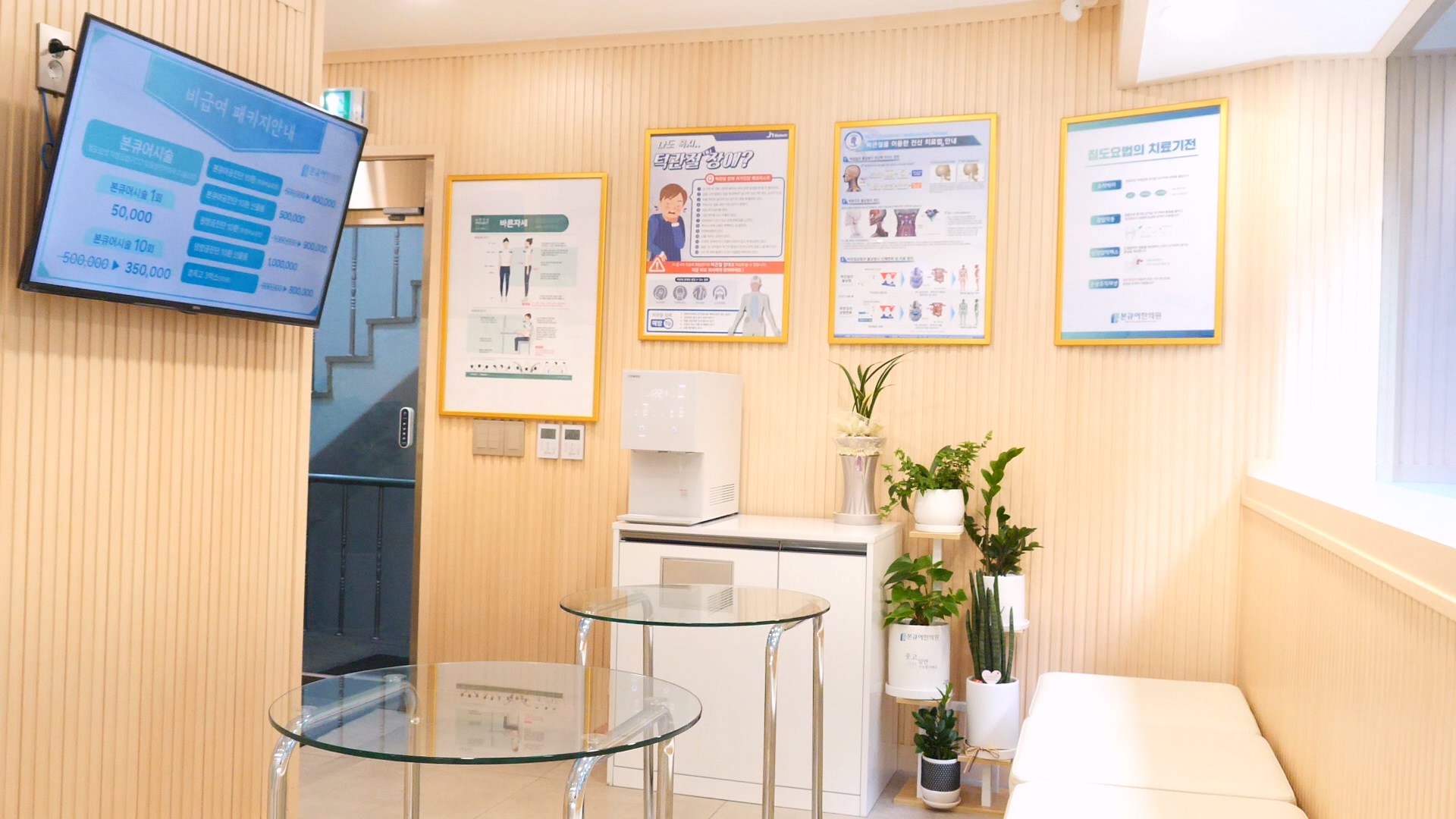
Tinnitus is often a complex symptom rather than a standalone disease, requiring a multifaceted approach to management. This 2026 guide explores how structural restoration and specialized Korean traditional medicine techniques can provide relief for those suffering from persistent ear ringing.
Understanding Tinnitus and the Role of Traditional Korean Medicine
Tinnitus is defined as the persistent perception of internal sound that often signals an underlying imbalance within the body's auditory, nervous, or structural systems. While it is frequently associated with hearing loss, it can also manifest as a result of physical tension or circulatory issues.
Defining Tinnitus and Its Impact on Daily Life
Tinnitus is the perception of sound in the absence of an external acoustic stimulus, often described as ringing, buzzing, or whistling. For many individuals, this condition is not merely a minor annoyance but a significant disruption to their quality of life that affects sleep, concentration, and emotional stability. The persistence of these phantom sounds can lead to a cycle of stress and anxiety, which in turn may exacerbate the auditory symptoms. In my clinical experience at Bonecure, I have encountered patients who have struggled with these sounds for many years before seeking a structural approach. For those suffering from chronic tinnitus, this long-term distress highlights the need for a comprehensive evaluation that goes beyond the ears. The psychological burden is often reflected in emotional distress scales, which can reach high levels in chronic sufferers. Understanding that tinnitus is a multi-dimensional challenge is the first step toward finding a personalized management strategy that addresses both the physical and emotional aspects of the condition. While individual results vary, systematic management can significantly improve quality of life.
How Oriental Medicine for Chronic Pain Approaches Ear Ringing
Traditional Korean Medicine approaches tinnitus by viewing it as a symptom of systemic disharmony, particularly involving the flow of energy and blood to the head and ears. Instead of focusing solely on the auditory nerve, practitioners evaluate the health of internal organs and the overall vitality of the patient. Chronic pain in other parts of the body often correlates with the severity of ear ringing, suggesting a linked neurological pathway. By utilizing herbal formulations and specific stimulation techniques, we aim to restore the natural balance of the body. For instance, addressing kidney or liver imbalances is a common strategy in treating ear related disorders in this tradition. Clinical observations indicate that when systemic inflammation is reduced, the intensity of the ringing often diminishes accordingly. This holistic perspective ensures that the treatment supports the body's innate healing mechanisms. Although individual results vary, this integrated method provides a supportive foundation for those who have not found success with purely symptomatic treatments elsewhere.
The Connection Between Cervical Alignment and Auditory Symptoms
The relationship between the cervical spine and the auditory system is a critical focus of modern structural medicine. The nerves and blood vessels that serve the inner ear pass through or near the vertebrae of the neck, meaning any misalignment can cause mechanical pressure or vascular restriction. At Bonecure, we frequently observe that patients with forward head posture or cervical stiffness report higher levels of auditory distress. Improving the alignment of the C1 and C2 vertebrae can sometimes lead to a noticeable change in sound perception. This structural link is why a thorough X-ray analysis of the spine is an essential part of the diagnostic process. When the neck is properly aligned, the nervous system can function without interference, potentially reducing the hyper-excitability that characterizes tinnitus. Research into cervicogenic tinnitus suggests that treating the neck can be as important as treating the ear itself. Therefore, physical realignment serves as a primary pillar in our comprehensive strategy for managing chronic ear ringing symptoms effectively.
The Bonecure Approach: Acu-point Release and Structural Alignment
Acu-point release, also known as acupotomy, is a specialized therapeutic technique that uses a unique tool to release adhesions in soft tissues and restore structural mobility. This method bridges the gap between traditional acupuncture and modern surgical principles by physically resolving internal scarring.
Acu-point Release Therapy for Targeted Tissue Recovery
Acu-point release therapy at Bonecure involves the use of a micro-blade tool to reach deep into the soft tissues surrounding the spine and jaw. These areas often harbor chronic adhesions that restrict blood flow and irritate the nerves connected to the auditory system. By physically breaking down these fibrotic tissues, we can restore normal circulation and nerve signaling. Many patients report a sharp sensation during the procedure, but this is typically followed by a sense of release and improved mobility. In one clinical case, a patient saw a significant improvement in their tinnitus distress scale after a structured course of treatment. While this indicates that mechanical stimulation of adhered tissues can have a profound effect on sensory perception, it is important to note that these results are specific to this individual case and may vary for other patients. It is important to note that while the procedure is minimally invasive, it requires high precision to be effective. The goal is to create a healthy environment where the body can repair itself naturally over time.
Integrating Korean Traditional Medicine Clinic Cheongdam Techniques
The techniques utilized at our clinic in Cheongdam combine centuries of traditional wisdom with contemporary diagnostic tools to offer a unique healing experience. By integrating structural correction with refined acupuncture protocols, we address both the hardware and the software of the human body. The sophisticated environment of a modern Korean medicine clinic allows for the use of advanced imaging to guide traditional needle placement. This integration ensures that every intervention is based on objective data rather than intuition alone. For example, autonomic nervous system tests, such as Heart Rate Variability (HRV), are used to monitor how the patient’s body is responding to structural changes in real time. We have clinically observed improvements in HRV scores in patients following a successful course of structural alignment, reflecting a better-balanced autonomic system. This data-driven approach allows us to refine the treatment plan for each individual, ensuring a high level of personalized care. By staying at the forefront of medical integration, we provide a path to recovery that is both culturally grounded and scientifically informed.
The Science of Spinal Correction in Tinnitus Management
Spinal correction science focuses on the biomechanical integrity of the vertebral column and its influence on the central nervous system. When the spine is misaligned, it creates a state of constant physiological stress that can manifest as various sensory disturbances, including ear ringing. At Bonecure, we use spinal correction to alleviate this stress by restoring the natural curvature of the neck and back. The restoration of the natural cervical curve can significantly reduce the tension on the brainstem and cranial nerves. This mechanical adjustment helps to reset the auditory pathways that have become overly sensitive due to chronic structural strain. Clinical notes often record a significant reduction in anxiety and distress markers after the spine is realigned, reflecting the close link between physical structure and neurological health. This scientific approach treats the spine as the central highway of the body's communication system. By ensuring this highway is clear and well-aligned, we help the body maintain its equilibrium and reduce the symptoms associated with chronic tinnitus and related dizziness.
Tinnitus Treatment Review: Comparative Analysis of Methodologies
Understanding the differences between various treatment options is essential for making an informed decision about your health. The following comparison highlights how different approaches address the symptoms and underlying causes of tinnitus.
At Bonecure, our structural restoration approach focuses on the realignment of cervical and jaw structures through acupotomy and spinal correction. Unlike methods that focus primarily on nervous system signaling or noise perception, we target adhered soft tissues and joint mobility to aim for foundational physical balance. We utilize objective evaluations, such as X-ray analysis and functional tests, to monitor progress and tailor the treatment to each patient's structural needs.
Traditional Korean Medicine Treatment versus Conventional Management
Conventional management of tinnitus often focuses on habituation, using sound maskers or medications to help the brain ignore the noise. While these methods can be helpful for coping, they do not always address the physical origin of the sound. In contrast, Traditional Korean Medicine, especially at Bonecure, looks for structural and energetic imbalances that may be generating the noise in the first place. By addressing the root cause, such as cervical subluxation or blood stasis, we aim for a more fundamental resolution. Some patients find that combining these two approaches offers the best results, as symptom masking provides immediate relief while structural work builds long term health. It is not a matter of one being better than the other, but rather choosing the approach that matches the patient's specific needs. For those who have tried conventional routes without success, the structural perspective of KTM offers a new avenue for exploration. The focus shifts from merely living with the sound to actively improving the physical conditions of the body.
Comparison of Symptom Suppression and Structural Restoration
Symptom suppression is designed to mitigate the daily distress caused by tinnitus, often through the use of anti-anxiety medications or white noise machines. These tools are effective at lowering the perceived volume of the ringing but rarely change the underlying physiological state. Structural restoration, as practiced at Bonecure, aims to change the physical environment of the auditory system. By releasing tight muscles and realigning joints, we remove the triggers that cause the nervous system to produce phantom sounds. This process takes longer than taking a pill, but the changes are often more foundational. Clinical case reports have shown that patients with chronic neck pain and tinnitus experience a dual benefit when structural restoration is applied. For instance, a patient might report a significant drop in their Tinnitus Handicap Inventory score—in one specific case, moving from 54 points to 2 points—as their physical comfort increases and their ear ringing subsides. This suggests that the body’s structural health is inextricably linked to its sensory and emotional well-being. Choosing between suppression and restoration depends on whether the goal is short term comfort or long term physiological change.
Evaluating Long Term Outcomes in Clinical Practice
In the realm of clinical practice, evaluating long term outcomes for tinnitus involves observing how well the body maintains its equilibrium after the initial intervention period. At Bonecure, we prioritize the stability of the cervical spine and the surrounding soft tissues to support the body's recovery. Clinical notes suggest that patients who undergo a structured course of around 20 sessions often report a more durable reduction in symptoms compared to those who seek sporadic relief. For instance, a patient might see a significant reduction in their tinnitus distress scale, and our goal is to maintain that improvement through long-term structural stability. However, individual results vary and chronic cases may require ongoing management. Objective measures like follow up X-rays and autonomic nervous system tests help verify that the structural changes remain intact. It is important to note that individual health status and lifestyle habits play a significant role in these outcomes. While long term stability is the objective, periodic maintenance may be necessary for those with severe chronic conditions or high occupational stress. Regular check-ups help ensure that the body stays in its optimal alignment.
Clinical Insights from Traditional Medicine Clinical Notes
Clinical notes provide a valuable window into the real-world application of structural medicine, showing how individual patients respond to specific interventions over time. These insights help us refine our protocols for future cases.
Analyzing Case Reports on Chronic Ear Ringing
Case reports at Bonecure offer detailed documentation of how specific structural interventions impact chronic tinnitus. Our clinical observations include cases where patients with a long history of chronic ear ringing sought structural care. In certain instances where acupotomy treatments were targeted at the upper cervical region, patients experienced a significant reduction in both sound intensity and frequency. These individual outcomes, while encouraging, depend on the specific structural condition of the patient. These reports often include data from validated scales, such as the Tinnitus Handicap Inventory, to track progress objectively. By analyzing these cases, we have learned that the timing of the intervention is crucial, as chronic cases often require a more gradual approach to tissue release. Another report highlighted the importance of addressing the jaw joint, or TMJ, alongside the neck for optimal results. These insights are not just academic; they directly inform the personalized care plans we develop for every new patient. While every case is unique, the patterns we observe in these reports give us a roadmap for treating even the most stubborn symptoms. Sharing these findings within the medical community helps to elevate the standard of care for all tinnitus sufferers.
Understanding Individual Variations in Treatment Response
Not every patient responds to structural treatment in the same way, which is why understanding individual variations is a core part of our clinical philosophy. Factors such as the duration of the tinnitus, the patient's age, and the presence of other health conditions can all influence the rate of recovery. At Bonecure, we recognize that a patient with a recent injury might see results much faster than someone with decades of chronic structural degradation. Some individuals may experience a temporary increase in symptoms, known as a healing crisis, before noticing improvement. This is often a sign that the body is adapting to its new alignment and releasing long-held tension. We emphasize that results are not guaranteed for every person, and some may require a longer course of treatment to achieve stability. By setting realistic expectations and monitoring progress closely, we help patients navigate their unique recovery paths. This personalized attention ensures that the treatment is always aligned with the body's specific needs and capacities. Understanding these variations helps us provide more compassionate and effective care for our diverse patient population.
The Importance of Objective Evaluation in KTM
Objective evaluation is the cornerstone of modern Korean Traditional Medicine, moving away from subjective reports toward measurable data. At Bonecure, we use a variety of tools to assess the structural and neurological health of our patients. This includes Whole Spine X-ray imaging to check for alignment issues and autonomic nervous system tests to measure stress levels. By using these tools, we can see exactly where the problems lie and how the body is responding to the treatment. For example, changes in heart rate variability can signal how the body is responding to the stress of treatment, prompting us to adjust the intensity of the acupotomy. We also use standardized questionnaires to track changes in mood and daily functioning. These objective measures provide a clear picture of progress that both the doctor and the patient can understand. This transparency builds trust and ensures that the treatment plan is always based on facts. In a field that is sometimes criticized for being vague, these objective evaluations prove that structural KTM is a rigorous and scientific discipline.
Navigating Your Recovery Path at an Acupuncture Clinic Seoul
Starting your journey toward recovery involves a clear understanding of what to expect during the process. An acupuncture clinic in Seoul offers a blend of tradition and modernity that is tailored to individual health goals.
What to Expect During Your Initial Consultation
During your first visit to Bonecure, you will undergo a comprehensive assessment that looks at your entire physical structure. This begins with a detailed discussion of your medical history, including the onset and nature of your tinnitus symptoms. We then perform a physical examination to check your posture, range of motion, and any areas of muscle tension. Following this, diagnostic imaging like X-rays may be ordered to visualize the alignment of your spine and jaw. This initial data collection is vital for creating a personalized treatment plan that addresses your specific needs. You will also have the opportunity to ask questions about the recommended therapies and what you can expect in terms of timelines. We believe that an informed patient is a more successful patient, so we take the time to explain the science behind our approach. This consultation sets the stage for a collaborative relationship focused on your long term health. It is the first step in moving from a state of uncertainty to a clear plan for recovery.
Addressing Potential Side Effects and Material Risks
It is important for every patient to understand the potential side effects and risks associated with any medical procedure. Acupotomy and structural alignment are generally safe, but they do involve mechanical stimuli that can cause temporary discomfort. Common side effects at Bonecure include minor bruising at the treatment site, temporary muscle soreness, or a feeling of lightheadedness immediately following a session. In rare cases, more significant risks such as minor localized bleeding or infection can occur, although these are strictly managed through sterile protocols. We also advise patients that their symptoms may fluctuate during the early stages of treatment as the body adjusts to structural changes. These risks are carefully balanced against the potential benefits of the therapy, and every precaution is taken to ensure patient safety. If you have any underlying health conditions, such as a bleeding disorder or a compromised immune system, it is essential to disclose these during your consultation. By being aware of these possibilities, you can better prepare for your treatment and recovery process with confidence.
Developing a Personalized Management Plan
A personalized management plan at Bonecure is not just a list of treatments; it is a holistic strategy for long term wellness. This plan takes into account your physical findings, lifestyle, and health goals to create a roadmap for your recovery. It often includes a combination of acupotomy sessions, spinal adjustments, and specific exercises to maintain your alignment at home. We also provide guidance on nutrition and stress management to support your body's healing process. This plan is not static; it is updated regularly based on your progress and feedback. For instance, if your tinnitus symptoms improve quickly, we might focus more on maintaining your spinal stability. Conversely, if progress is slower, we may introduce additional supportive therapies. This flexibility ensures that you are always receiving the most appropriate care for your current state. Our goal is to empower you with the tools and knowledge you need to manage your health independently in the future. By following a personalized plan, you can achieve a higher level of recovery and a better quality of life.
A 2026 Clinical Guide to the Root Causes of Tinnitus: A Structural Perspective at Bonecure
Tinnitus Self-Check: A 2026 Structural Guide to Ear Ringing and Recovery at BonCure
Frequently Asked Questions
Q. What exactly causes the ringing sound in tinnitus?
Tinnitus is often a symptom of underlying conditions such as auditory nerve issues or structural misalignments in the cervical spine. In Korean medicine, we also look at the balance of internal energy and blood flow to the head. When the neck is misaligned, it can create mechanical pressure on the nerves and vessels that support the ear.
Q. How long does a typical tinnitus treatment course last?
The duration varies significantly depending on the chronicity and severity of the condition. While some may notice changes early, chronic cases often require multiple sessions, such as a course of around 20 treatments, over several months for stable results. Consistency is key to achieving long term structural change.
Q. Is the acu-point release therapy used at Bonecure painful?
Patients may experience a sharp sensation or temporary discomfort during the procedure as the specialized tools work on adhered tissues. Most patients find the subsequent relief from tension and noise perception justifies the momentary sensation. We always strive to manage discomfort throughout the process.
Q. What are the potential side effects of acupuncture for tinnitus?
Common side effects include minor bruising, temporary soreness at the site of treatment, or lightheadedness. In rare cases, minor bleeding or localized infection can occur, so proper post-care and sterile techniques are essential for safety. Most side effects resolve within a few days.
Q. Can structural correction really help with ear ringing?
Many clinical observations suggest that correcting the alignment of the neck and jaw can reduce pressure on nerves and vessels connected to the auditory system. This potentially alleviates symptoms for specific patients who have a structural component to their condition. X-ray analysis helps identify these individuals.
Q. Are the results of this treatment guaranteed?
No medical treatment can guarantee a 100 percent success rate, and results vary based on individual health status and the duration of the condition. We focus on providing objective evidence of improvement through clinical scales and imaging rather than making absolute promises. Each patient's body responds differently to structural stimuli.
Q. Why should I choose a Korean traditional medicine clinic in Cheongdam for this?
Clinics in this area often combine specialized techniques like acu-point release with modern diagnostic perspectives, providing a comprehensive approach. At Bonecure, we focus on the root structural causes rather than just masking symptoms, using data from X-rays and HRV tests. This ensures a higher level of integrated care.
Key Takeaways
- Tinnitus is frequently linked to structural misalignments in the cervical spine and jaw that affect nerve signaling.
- Bonecure utilizes specialized acupotomy (acu-point release) to resolve chronic tissue adhesions and restore circulation.
- Clinical cases show that a structured course of treatment can significantly reduce tinnitus handicap scores in individual cases.
- Objective diagnostic tools like X-rays and autonomic nervous system tests are essential for tracking recovery progress.
- Treatment plans are personalized, as results vary and chronic conditions require a focused, long term approach to stability.
Bonecure / Dr. Jeong-hyun Song
FAQ
- What exactly causes the ringing sound in tinnitus?
- Tinnitus is often a symptom of underlying conditions such as auditory nerve issues or structural misalignments in the cervical spine. In Korean medicine, we also look at the balance of internal energy and blood flow to the head. When the neck is misaligned, it can create mechanical pressure on the nerves and vessels that support the ear.
- How long does a typical tinnitus treatment course last?
- The duration varies significantly depending on the chronicity and severity of the condition. While some may notice changes early, chronic cases often require multiple sessions, such as a course of 20 treatments, over several months for stable results. Consistency is key to achieving long term structural change.
- Is the acu-point release therapy used at Bonecure painful?
- Patients may experience a sharp sensation or temporary discomfort during the procedure as the specialized tools work on adhered tissues. Most patients find the subsequent relief from tension and noise perception justifies the momentary sensation. We always strive to manage discomfort throughout the process.
- What are the potential side effects of acupuncture for tinnitus?
- Common side effects include minor bruising, temporary soreness at the site of treatment, or lightheadedness. In rare cases, minor bleeding or localized infection can occur, so proper post-care and sterile techniques are essential for safety. Most side effects resolve within a few days.
- Can structural correction really help with ear ringing?
- Many clinical observations suggest that correcting the alignment of the neck and jaw can reduce pressure on nerves and vessels connected to the auditory system. This potentially alleviates symptoms for specific patients who have a structural component to their condition. X-ray analysis helps identify these individuals.
- Are the results of this treatment guaranteed?
- No medical treatment can guarantee a 100 percent success rate, and results vary based on individual health status and the duration of the condition. We focus on providing objective evidence of improvement through clinical scales and imaging rather than making absolute promises. Each patient's body responds differently to structural stimuli.
- Why should I choose a Korean traditional medicine clinic in Cheongdam for this?
- Clinics in this area often combine specialized techniques like acu-point release with modern diagnostic perspectives, providing a comprehensive approach. At Bonecure, we focus on the root structural causes rather than just masking symptoms, using data from X-rays and HRV tests. This ensures a higher level of integrated care.