
Post
Tinnitus Self-Check: A 2026 Structural Guide to Ear Ringing and Recovery at BonCure
Tinnitus is more than just a sound; it is a signal from your body that something is out of balance.
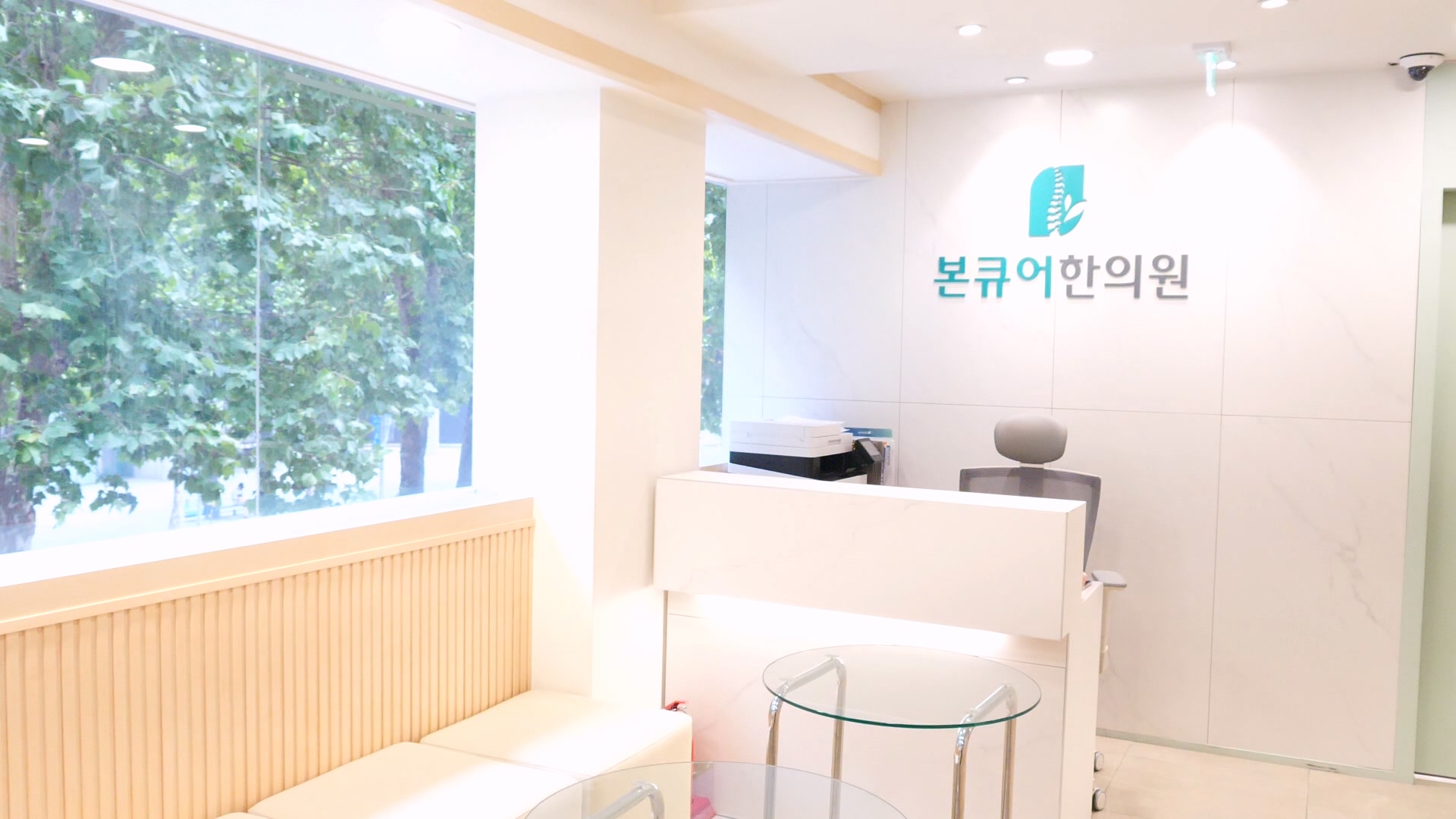
A tinnitus self-check is an essential first step in identifying whether your symptoms are isolated to the ear or are symptoms of a larger structural issue. By understanding the underlying causes and seeking appropriate care, you can take a proactive role in your journey toward auditory clarity and long-term health.
Understanding Tinnitus and the Importance of a Tinnitus Self-Check
A tinnitus self-check is the process of monitoring and evaluating the frequency, duration, and nature of sounds heard in the ears without an external source. It serves as a vital diagnostic starting point to determine if the condition is transient or requires clinical intervention.
Identifying Persistent Auditory Phantom Sounds
Tinnitus is characterized by the perception of sound without an external source, often manifesting as ringing, buzzing, or hissing. A tinnitus self-check begins by acknowledging these phantom sounds and determining their duration and frequency. If you notice these auditory sensations lasting more than five minutes several times a week, it indicates a need for professional evaluation. Many patients describe these sounds as tonal, while others experience noise-like qualities. At BonCure Korean Medicine Clinic, we emphasize that these sounds are often symptoms of underlying structural imbalances rather than isolated ear diseases. Monitoring when these sounds occur, such as during periods of stress or specific neck movements, provides crucial data for diagnosis. Recognizing these early signs allows for a proactive approach to ear health. While occasional ringing is common, persistence requires a detailed investigation into the cervical spine and cranial alignment. Understanding these phantom sounds is the first step toward finding a sustainable path to auditory relief and overall physical balance.
Initial Screening Checklist for Tinnitus Severity
To perform an effective tinnitus self-check, you should assess how much the sound interferes with your daily life. Consider if the ringing makes it difficult to concentrate, sleep, or participate in conversations. A simple checklist includes questions about the loudness of the sound, its presence in one or both ears, and whether it fluctuates throughout the day. If you find yourself avoiding quiet rooms because the sound becomes more apparent, the severity may be increasing. It is also important to note if you experience accompanying symptoms like dizziness or ear fullness. These observations are critical for clinicians at a traditional medicine clinic to determine the root cause of your discomfort. By keeping a detailed log of your symptoms, you can provide valuable information during your initial consultation. This screening process helps prioritize treatment and sets realistic expectations for recovery. Early detection through a systematic checklist often leads to more effective management and better outcomes for long-term ear health.
Distinguishing Between Subjective and Objective Tinnitus
Subjective tinnitus is the most common form, where only the patient hears the sound, often linked to neurological or structural issues. Objective tinnitus is rarer, involving sounds that a clinician can also hear using a stethoscope, usually caused by vascular or muscular problems. A tinnitus self-check helps categorize your experience by noting if the sound pulsates with your heartbeat. If it does, it might be vascular objective tinnitus, requiring immediate medical attention. Most patients visiting BonCure exhibit subjective symptoms that are frequently exacerbated by cervical misalignment. Distinguishing these types is essential for tailoring a treatment plan that addresses the specific mechanism of the auditory disturbance. While subjective tinnitus is often dismissed as difficult to treat, addressing the physical tension in the head and neck regions may provide significant relief. By identifying the specific nature of your tinnitus, you empower yourself and your healthcare provider to select the most appropriate diagnostic tools for recovery.
Structural Roots of Ear Ringing: Traditional Medicine Clinical Notes
Structural roots of ear ringing refer to the mechanical and musculoskeletal factors, particularly in the cervical spine and jaw, that contribute to auditory disturbances. Traditional medicine clinical notes emphasize the interconnection between the skeletal framework and the nervous system as a primary driver of tinnitus.
The Relationship Between Cervical Spine Alignment and Ear Function
The cervical spine, particularly the upper neck region, plays a pivotal role in maintaining the integrity of auditory signals. Misalignment in these vertebrae can put pressure on the nerves and blood vessels that supply the inner ear, leading to ringing. A tinnitus self-check often reveals that neck stiffness correlates with the intensity of the ear noise. At BonCure, we focus on how the C1 and C2 vertebrae impact the vestibulocochlear nerve. When these structural elements are out of place, the brain may interpret the resulting nerve interference as phantom sound. Clinical observations suggest that restoring the natural curvature of the neck can alleviate the burden on the auditory system. This structural perspective moves beyond the ear canal to look at the body as an interconnected system. Patients often find that improving their posture and cervical health results in a noticeable reduction in tinnitus severity. Ensuring proper spinal alignment is therefore a cornerstone of effective ear health management.
How Muscular Adhesions Influence Somatic Tinnitus
Somatic tinnitus refers to ear ringing that is influenced by bodily movements or touch, particularly in the jaw and neck areas. Muscular adhesions occur when soft tissues become chronically tense and stick together, restricting blood flow and irritating nearby nerves. During a tinnitus self-check, you might notice that clenching your jaw or turning your head changes the pitch or volume of the sound. This is a clear indicator of a structural or muscular component to your condition. At BonCure, we utilize specialized techniques to break down these adhesions and restore flexibility to the tissues surrounding the ear. By releasing the physical tension in the sternocleidomastoid and masseter muscles, we can often reduce the sensory inputs that contribute to the ringing sensation. Addressing these localized adhesions helps in restoring the normal physiological environment of the auditory nerves. This targeted approach is vital for patients who have not found relief through conventional hearing-focused treatments.
Evidence from a Korean Medicine Doctor Blog on Structural Tinnitus
Clinical insights from a Korean medicine doctor blog suggest that chronic tinnitus is rarely an isolated phenomenon. Data from multiple case studies indicate that a significant number of patients with ear ringing also report chronic neck pain or tension headaches. These findings highlight the necessity of a holistic structural evaluation rather than a narrow focus on the ear alone. At BonCure, we analyze these clinical patterns to develop more effective intervention strategies for our patients. The integration of structural medicine with traditional principles allows for a deeper understanding of how the body manifests auditory distress. Documented cases show that addressing spinal imbalances can lead to improvements in both physical comfort and auditory clarity. This evidence-based approach provides a roadmap for those struggling with persistent symptoms that do not respond to standard care. By viewing tinnitus through a structural lens, we can identify root causes that are frequently overlooked in modern audiology.
Comparing Diagnostic Approaches for Auditory Disturbance
Diagnostic approaches for auditory disturbance involve the systematic evaluation of hearing health through both functional audiological tests and physical structural assessments. Integrating these methods allows for a more comprehensive understanding of the patient's condition.
| Assessment Category | Conventional Audiology | Structural Evaluation (BonCure) |
|---|---|---|
| Primary Focus | Ear canal and hearing nerves | Spinal alignment and muscle tension |
| Tools Used | Audiograms, MRI, Tympanometry | Whole Spine X-ray, Palpation, HRV |
| Goal | Detect hearing loss or damage | Identify nerve impingement and adhesions |
| Perspective | Sensory-focused | Systemic and skeletal-focused |
Conventional Audiological Testing Versus Structural Evaluation
Conventional audiological testing focuses primarily on the ear's ability to process sound frequencies and intensities. While these tests are essential for detecting hearing loss, they may not identify the musculoskeletal causes of tinnitus. A tinnitus self-check can highlight symptoms that standard hearing tests miss, such as pain in the neck or jaw. In contrast, a structural evaluation examines the alignment of the spine and the tension in the myofascial system. At BonCure, we combine both perspectives to ensure no potential cause is ignored. By assessing how the physical structure of the body influences the nervous system, we gain a comprehensive view of the patient's health. This dual approach allows us to differentiate between sensory hearing issues and somatic interference. For many individuals, the most effective path to recovery involves addressing both the auditory system and the structural framework that supports it. Understanding the strengths and limitations of each diagnostic method is key to successful long-term symptom management.
Comprehensive Assessment Table: Modern Versus Traditional Integration
Integrating modern diagnostics with traditional evaluation provides a more robust framework for treating complex auditory conditions. Modern tools like audiograms and MRI scans offer detailed views of the ear's internal structures and neurological pathways. Traditional Korean medicine adds value by assessing the patient's overall constitution and the flow of vital energy throughout the body. A tinnitus self-check often serves as the bridge between these two worlds, identifying symptoms that require both perspectives. At BonCure, we utilize this integrated model to create personalized care plans that address all facets of the condition. This ensures that while we look for physical damage, we also consider functional imbalances that may be contributing to the ear ringing. The synergy between high-tech imaging and time-tested palpation techniques leads to more accurate diagnoses and effective treatments. Patients benefit from a holistic strategy that leaves no stone unturned in the search for relief and structural stability.
The Role of Whole Spine X-Ray in Identifying Secondary Tinnitus
A Whole Spine X-ray is a critical tool for identifying the underlying structural causes of secondary tinnitus. This diagnostic imaging allows clinicians to see the global alignment of the spine, from the neck to the pelvis. Often, a tinnitus self-check reveals that auditory symptoms are accompanied by lower back pain or hip misalignment. These seemingly unrelated issues can actually influence the tension transmitted through the spinal column to the head. At BonCure, we use these X-rays to pinpoint specific areas of misalignment that may be causing nerve irritation. By visualizing the entire skeletal framework, we can develop a more precise plan for structural restoration. This comprehensive view is essential because local neck issues are often compensation for imbalances elsewhere in the spine. Addressing these global structural problems is key to achieving lasting relief from ear ringing. The use of advanced imaging ensures that our treatments are based on objective, physical evidence rather than guesswork.
Integrative Solutions at a Korean Traditional Medicine Clinic in Cheongdam
Integrative solutions combine traditional Korean therapies with modern structural restoration techniques to address the root causes of ear ringing. These methods focus on releasing physical blockages and restoring the body's natural balance.
Acupotomy for Releasing Nerve Impingement and Adhesions
Acupotomy is a specialized treatment that uses a micro-scalpel tipped needle to release internal adhesions and relieve nerve impingement. This procedure is particularly effective for patients whose tinnitus is linked to chronic muscle tension and structural blockages. By physically breaking down hardened tissues, Acupotomy restores normal movement and blood flow to the affected areas. At BonCure, we apply this technique to the cervical muscles and surrounding fascia to reduce the pressure on auditory nerves. While the sensation during the procedure can be intense, the resulting release often provides prompt relief from tension, though individual results may vary. It is important to note that some patients may experience temporary soreness or minor bruising at the injection site. These are normal responses as the body begins the healing process after chronic stiffness. This targeted approach offers a powerful solution for those who have found little success with conventional acupuncture or physical therapy alone.
Combining Acupuncture for Chronic Pain with Tinnitus Management
Acupuncture for chronic pain is frequently integrated into tinnitus management to address the systemic stress that worsens auditory symptoms. Traditional acupuncture helps regulate the nervous system and promotes the release of natural pain-relieving chemicals. When combined with structural treatments, it enhances the body's overall capacity for recovery. A tinnitus self-check often indicates that symptoms worsen during periods of high physical pain or emotional stress. By treating the whole person, BonCure aims to reduce the sensory overload that can amplify the perception of ringing. This combination therapy is particularly beneficial for patients with multi-faceted conditions, such as those suffering from both ear noise and fibromyalgia. The synergistic effect of these treatments supports long-term health and prevents the recurrence of symptoms. While acupuncture is generally very safe, patients should be aware that multiple sessions are typically required to achieve significant and lasting results in chronic cases.
Synergistic Effects of Chuna Therapy for Structural Alignment
Chuna therapy is a traditional manual technique used to correct spinal alignment and restore balanced movement. In our clinic in Seoul, we use this method to enhance the effects of structural restoration. Improved alignment is essential for removing pressure from the delicate tissues of the inner ear and correcting the nervous system's function. A tinnitus self-check may reveal that your symptoms improve when you maintain better posture, suggesting a structural component to your condition. Chuna provides a corrective adjustment that relaxes the body and calms the autonomic nervous system. At BonCure, we often use this therapy alongside Acupotomy to stabilize the recovery of stressed tissues. This combined approach ensures that the structural changes we make are supported by correct physiological alignment. Patients often report a sense of improved mobility and reduced tension following a Chuna session. This technique remains a vital part of our modern, integrative strategy for auditory health.
Safety Protocols and Long-Term Recovery at BonCure
Safety protocols and long-term recovery focus on providing sustainable care while minimizing risks and managing patient expectations. This involves a commitment to clinical excellence and personalized health planning.
Managing Potential Side Effects and Treatment Limitations
While structural restoration and traditional Korean medicine are generally safe, it is important to understand potential side effects and limitations. Procedures like Acupotomy may cause temporary soreness, local swelling, or minor bruising at the treatment site. In rare cases, minor infections can occur if post-treatment care instructions are not followed carefully. At BonCure, we prioritize patient safety by using sterile, single-use equipment and providing detailed recovery guidelines. It is also essential to recognize that chronic tinnitus, especially when linked to severe structural damage, may require multiple treatment sessions. Results can vary significantly between individuals based on their age, overall health, and the duration of their symptoms. We do not guarantee a complete cure for every case, but we strive to provide the highest level of care to improve quality of life. Transparency regarding these risks ensures that patients can make informed decisions about their healthcare journey.
Functional Recovery through Chuna and Physical Therapy
Physical therapy and Chuna are effective tools for relieving deep-seated muscle tension and improving structural stability. By addressing the root mechanical issues in the skeletal frame, we help fresh blood circulate through the muscles. This process is particularly helpful for patients who experience tinnitus alongside heavy shoulder or neck tension. During a tinnitus self-check, you might notice that the weight on your shoulders seems to correlate with the volume of the ear ringing. At BonCure, we use these therapies to supplement our Acupotomy treatments, providing a comprehensive release for the entire upper body. Restoring balance through these methods helps stabilize the structural improvements made through spinal alignment. Consistent physical therapy protocols ensure that the muscles support the corrected position of the vertebrae over the long term.
Personalized Traditional Korean Medicine Treatment Plans
No two cases of tinnitus are exactly alike, which is why personalized treatment plans are essential for success. At BonCure, we develop custom strategies that address each patient's unique structural and physiological needs. This begins with a comprehensive evaluation, including a tinnitus self-check, physical examination, and potentially spinal imaging. We consider factors such as the patient's lifestyle, stress levels, and history of physical trauma to create a holistic plan. Traditional Korean medicine offers a wide array of tools, from Chuna therapy to specialized Acupotomy, which can be tailored to individual requirements. Regular assessments throughout the treatment process allow us to adjust the plan as the patient's condition evolves. This flexible and patient-centered approach ensures that we are always working toward the most effective outcomes possible. By focusing on the root cause and the individual's overall health, we provide a sustainable path toward auditory comfort and structural harmony.
Frequently Asked Questions
Q. What are the first signs I should look for in a tinnitus self-check?
Notice if you hear ringing, buzzing, or hissing sounds that persist for more than five minutes several times a week. If these sounds are accompanied by neck stiffness or jaw tension, it may indicate a structural component to your condition. Understanding these patterns helps in determining the appropriate professional intervention.
Q. Can neck issues really cause ringing in my ears?
Yes, misalignment in the upper cervical spine or tension in the surrounding muscles can interfere with nerve signals and blood flow to the ear. This is often referred to as somatic tinnitus and is a primary focus of structural treatment at BonCure. Resolving these mechanical issues may significantly reduce or alleviate the phantom sounds, though individual results may vary depending on the severity of the structural imbalance.
Q. What makes the treatment at BonCure different for tinnitus?
Clinics like BonCure utilize Acupotomy, a specialized tool designed to release internal adhesions and restore structural alignment. This approach targets the root cause, such as nerve impingement, to address structural factors contributing to the symptoms. It combines the wisdom of traditional medicine with modern anatomical knowledge.
Q. Are there any side effects to the treatment for tinnitus?
While generally safe, some patients may experience temporary soreness at the site of Acupotomy or minor bruising. These effects typically resolve quickly as the body begins its natural recovery process. We always prioritize safety by using sterile, single-use tools and monitoring patient response closely. Results may vary depending on individual health conditions.
Q. How many sessions are typically required to see results?
Recovery timelines vary significantly based on the chronicity of the condition and the extent of structural misalignment. While some patients notice changes early in the treatment, chronic cases often require consistent care over several weeks to achieve lasting relief. A personalized plan will be discussed during your consultation.
Q. Does BonCure provide care for neurological conditions like Parkinsonism?
Yes, BonCure addresses neurological and autonomic nervous system issues, including symptoms related to Parkinsonism and Dystonia (such as torticollis). We focus on how structural alignment and Acupotomy can help manage symptoms and slow progression by reducing nerve interference, though individual results vary.
Q. Is Acupotomy painful during the procedure?
The sensation is often described as a deep pressure or a dull ache rather than sharp pain. While it may be briefly uncomfortable, this stimulation is necessary to break down hardened tissues and promote natural healing. Most patients find the temporary discomfort acceptable compared to the functional improvement that follows.
Q. What is the cost of a full tinnitus evaluation and treatment?
Costs depend on the specific diagnostic tests required, such as Whole Spine X-rays, and the complexity of the personalized treatment plan. We recommend a consultation at BonCure to receive a detailed breakdown based on your individual needs. We aim to provide high-value care focused on long-term recovery.
Key Takeaways
- Early Detection: A regular tinnitus self-check helps identify structural triggers like neck stiffness or jaw tension.
- Structural Focus: Ear ringing is often linked to cervical spine misalignment and muscular adhesions that impinge on nerves.
- Integrative Care: Combining Acupotomy with Chuna therapy and acupuncture provides a comprehensive approach to recovery.
- Personalized Treatment: Every patient at BonCure receives a custom plan based on their unique skeletal alignment and health history.
- Safety and Transparency: While treatments are safe, patients are informed about potential side effects like temporary soreness and the need for multiple sessions.
Hello, I am Dr. Song Jeong-hyeon. Over my years of practice focusing on structural medicine, I have seen how profound the impact of ear ringing can be on one's quality of life. At BonCure, we are dedicated to finding the root cause of your discomfort through precise diagnosis and integrative therapy. We believe that when your bones are in harmony, your entire body can find peace. Please contact us for a consultation to start your journey toward recovery.
BonCure Korean Medicine Clinic / Dr. Song Jeong-hyeon
FAQ
- What are the first signs I should look for in a tinnitus self-check?
- Notice if you hear ringing, buzzing, or hissing sounds that persist for more than five minutes several times a week. If these sounds are accompanied by neck stiffness or jaw tension, it may indicate a structural component to your condition. Understanding these patterns helps in determining the appropriate professional intervention.
- Can neck issues really cause ringing in my ears?
- Yes, misalignment in the upper cervical spine or tension in the surrounding muscles can interfere with nerve signals and blood flow to the ear. This is often referred to as somatic tinnitus and is a primary focus of structural treatment at Bonecure. Resolving these mechanical issues may reduce or eliminate the phantom sounds.
- What makes the treatment at an acupuncture clinic in Seoul different for tinnitus?
- Clinics like Bonecure utilize Acupotomy, a specialized tool designed to release internal adhesions and restore structural alignment. This approach targets the root cause, such as nerve impingement, rather than just masking the symptoms. It combines the wisdom of traditional medicine with modern anatomical knowledge.
- Are there any side effects to traditional Korean medicine for tinnitus?
- While generally safe, some patients may experience temporary soreness at the site of Acupotomy or minor bruising from cupping therapy. These effects typically resolve quickly as the body begins its natural recovery process. We always prioritize safety by using sterile, single-use tools and monitoring patient response closely.
- How many sessions are typically required to see results?
- Recovery timelines vary significantly based on the chronicity of the condition and the extent of structural misalignment. While some patients notice changes early in the treatment, chronic cases often require consistent care over several weeks to achieve lasting relief. A personalized plan will be discussed during your consultation.
- Does Bonecure provide specialized care for female patients?
- Bonecure offers Korean medicine for women's health, addressing how systemic factors like stress and hormonal balance may exacerbate ear ringing. We recognize that physiological differences can impact how the body responds to structural stress. Our treatments are tailored to meet these specific health needs.
- Is Acupotomy painful during the procedure?
- The sensation is often described as a deep pressure or a dull ache rather than sharp pain. While it may be briefly uncomfortable, this stimulation is necessary to break down hardened tissues and promote natural healing. Most patients find the temporary discomfort well worth the functional improvement that follows.
- What is the cost of a full tinnitus evaluation and treatment?
- Costs depend on the specific diagnostic tests required, such as Whole Spine X-rays, and the complexity of the personalized treatment plan. We recommend a consultation at Bonecure to receive a detailed breakdown based on your individual needs. We aim to provide high-value care focused on long-term recovery.