
Post
A 2026 Clinical Guide to Meniere's Disease Treatment and Structural Recovery at Bonecure
Hello. I am Dr. Song Jung-hyun, a licensed Korean medicine practitioner who has specialized in Acu-blade (Dochim) therapy for many years.
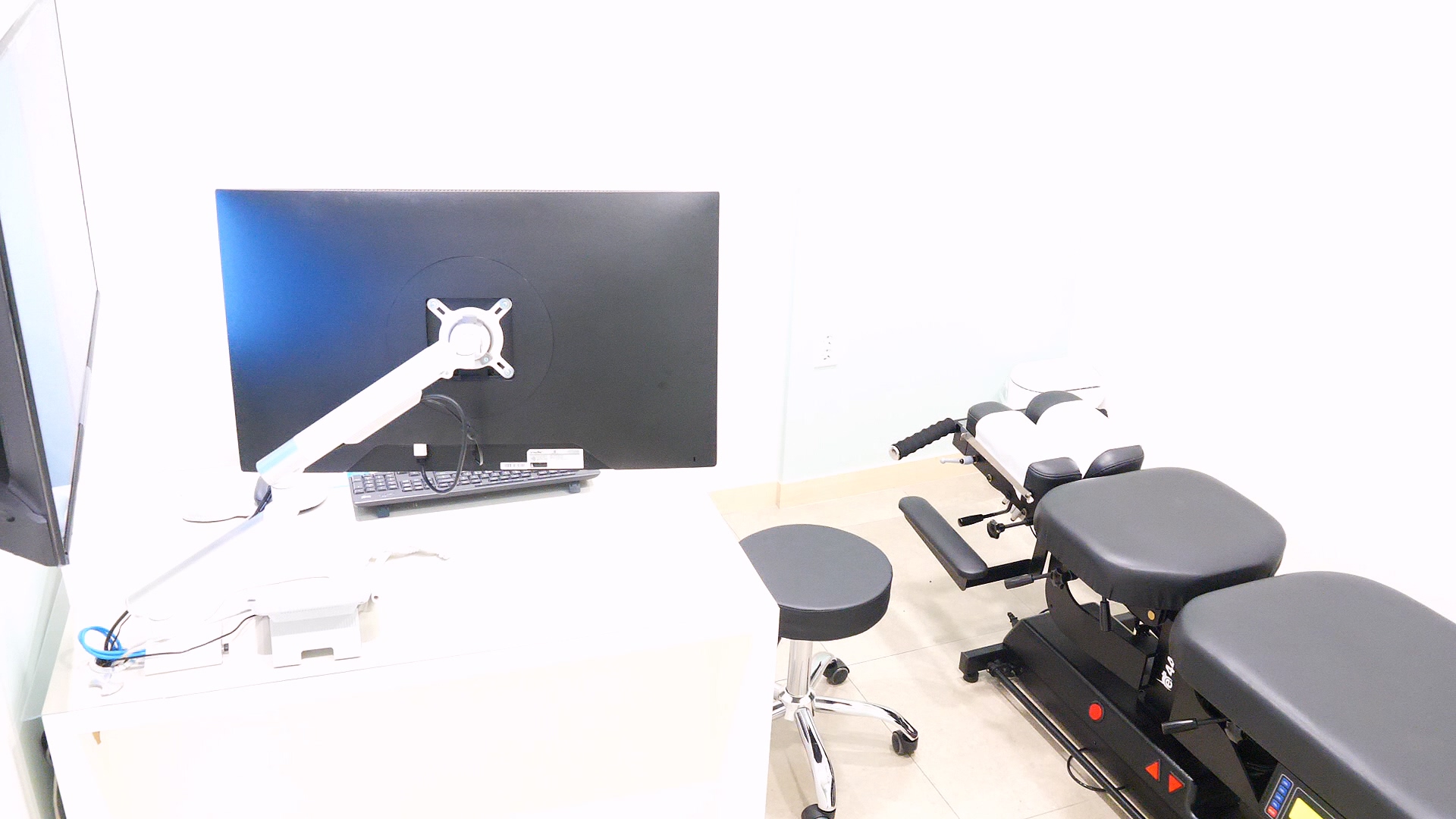
Meniere's disease treatment involves more than just managing symptoms; it requires a deep understanding of how the body's internal structure influences the pressure within the inner ear. At Bonecure, we focus on identifying the physical imbalances that contribute to endolymphatic hydrops, ensuring a comprehensive approach to recovery.
Understanding Meniere's Disease from a Structural Perspective
Meniere's disease is defined as a chronic disorder of the inner ear characterized by episodes of vertigo, fluctuating hearing loss, and tinnitus, often caused by abnormal fluid accumulation. From a structural perspective, this fluid buildup is frequently exacerbated by mechanical tensions and misalignments in the surrounding tissues and the cervical spine. By addressing these structural bottlenecks, we aim to facilitate natural drainage and restore homeostasis within the vestibular system.
Common Symptoms: Vertigo, Tinnitus, and Hearing Loss
The clinical presentation of Meniere's typically manifests as a triad of debilitating symptoms that significantly impact a patient's quality of life. Vertigo episodes can last from twenty minutes to several hours, often accompanied by nausea and severe imbalance. Tinnitus, frequently described as a low-frequency roaring or hissing, may fluctuate in intensity alongside a sensation of aural fullness. According to clinical data, approximately 20% of individuals with this condition may eventually develop bilateral symptoms, where both ears are affected. At Bonecure, we observe that these symptoms often correlate with heightened tension in the suboccipital muscles. Many patients report that their tinnitus intensity increases during periods of physical fatigue or neck stiffness. Understanding these patterns is essential for developing a personalized recovery plan. While these symptoms are distressing, focusing on the underlying structural triggers provides a clear pathway for systematic management and long-term stabilization of the inner ear environment.
The Inner Ear and Cervical Spine Connection
The relationship between the upper cervical spine and the auditory system is a critical focal point in our clinical approach. The C1 and C2 vertebrae, also known as the atlas and axis, serve as the structural foundation for the skull and house vital vascular and neural pathways. Misalignments in this region can lead to mechanical pressure on the vertebral arteries, which supply blood to the inner ear and vestibular apparatus. In my clinical experience at Bonecure, I have found that addressing these misalignments can lead to significant improvements in inner ear circulation. In cases of chronic tinnitus, focusing on upper cervical alignment is often a primary clinical objective to help restore the structural environment necessary for recovery. When the structural integrity of the neck is compromised, it creates a cascade of tension that affects the temporal bone. This tension can interfere with the delicate fluid balance required for normal hearing and balance, making cervical health a priority for recovery.
Why Structural Alignment Matters for Lymphatic Drainage
Efficient lymphatic drainage is paramount for preventing the fluid accumulation known as endolymphatic hydrops in Meniere's disease. The drainage pathways for the inner ear are closely linked to the soft tissues and fascia surrounding the jugular foramen and the base of the skull. If the muscular structures in the neck are chronically tight or fibrotic, they can act as a physical barrier to fluid exit. At Bonecure, we utilize structural correction to ensure that these pathways remain unobstructed. This is not merely about relaxation but about restoring the mechanical space necessary for physiological drainage. Clinical observations suggest that when the cranial-cervical junction is properly aligned, the lymphatic system can function more effectively. This structural approach helps in reducing the internal ear pressure that leads to vertigo attacks. By ensuring that the 'plumbing' of the head and neck is clear, we provide the body with the best environment to maintain proper fluid levels and reduce recurring inflammation.
Advanced Meniere's Disease Treatment at Bonecure
Bonecure employs advanced Acu-blade (Dochim) therapy as a primary modality to release deep-seated tissue adhesions that traditional methods may overlook. This specialized treatment involves the use of a micro-blade tip to physically part fibrotic tissues, thereby restoring blood flow and nerve conductivity to the affected areas. Our goal is to provide a fundamental solution by correcting the structural distortions that hinder the body's self-healing mechanisms.
Acu-blade (Dochim) Therapy: Releasing Adhesions for Circulation
Acu-blade therapy, or Dochim, is a sophisticated technique that combines the benefits of traditional acupuncture with the precision of micro-surgery. This method is particularly effective for Meniere's disease because it can reach the deep myofascial adhesions surrounding the temporal bone and upper neck. At Bonecure, we use this tool to release the 'knots' or scarred tissues that have formed due to chronic poor posture or previous trauma. By breaking down these adhesions, we help improve the local micro-circulation and facilitate better fluid dynamics. For many patients, the sensation of ear fullness begins to dissipate as the surrounding muscles regain their elasticity. It is important to note that this procedure involves a brief period of discomfort during the release phase, but the subsequent relief of tension is often immediate. This mechanical release is essential for patients who have not responded to conventional pharmaceutical interventions, as it addresses the physical restrictions that medication cannot reach.
Comparing Traditional Acupuncture vs. Advanced Acu-blade Therapy
While traditional acupuncture focuses on energy flow and superficial muscle relaxation, Acu-blade therapy at Bonecure targets the structural cause of the disorder. While traditional needles are effective for general wellness and superficial relaxation, Acu-blade therapy is specifically designed with a micro-blade tip to physically address deep, dense fibrotic adhesions. The following table illustrates the key differences between these two approaches in the context of ear disorders.
| Feature | Traditional Acupuncture | Advanced Acu-blade (Dochim) |
|---|---|---|
| Primary Mechanism | Neuromodulation and relaxation | Mechanical adhesion release and decompression |
| Target Tissue | Superficial muscles and meridians | Deep fibrotic tissue and structural adhesions |
| Treatment Goal | Symptom management and balance | Structural restoration and circulation recovery |
| Session Frequency | Often requires frequent, long-term care | Focused sessions for structural change |
| Immediate Feedback | Gradual improvement over time | Often results in immediate tension reduction |
Structural Correction of the Upper Cervical Spine
Correcting the alignment of the upper cervical spine is a cornerstone of our Meniere's disease treatment protocol. We utilize a combination of manual techniques and specialized alignment tools to restore the natural curve and position of the vertebrae. At Bonecure, we emphasize that a 'straight neck' or 'turtle neck' posture can significantly worsen vestibular symptoms. By meticulously adjusting the C1 and C2 vertebrae, we reduce the mechanical stress on the brainstem and the vestibulocochlear nerve. This process involves the release of soft tissues followed by the actual realignment of the bone structure. We have documented cases where patients experienced a stabilization of their balance scores following successful cervical correction. This holistic approach ensures that we are not just treating the ear in isolation but are addressing the entire kinetic chain that supports cranial health.
Clinical Evidence and Individual Case Insights
Our clinical approach is grounded in documented evidence and individual case reports that highlight the potential for structural recovery. We utilize objective assessment tools, such as the Tinnitus Handicap Inventory and specialized dizziness scores, to track patient progress accurately. At Bonecure, we believe that transparency regarding clinical outcomes is essential for building trust and guiding patients through their recovery journey.
Analyzing Improvements in Dizziness and Tinnitus Scores
Objectively measuring progress is vital for ensuring the effectiveness of Meniere's disease treatment. We frequently use standardized scoring systems to monitor symptoms like vertigo and ringing. In our clinical practice, we utilize these scoring systems to track progress; for many patients, a targeted course of Acu-blade therapy and structural correction aims to significantly reduce auditory distress and improve daily quality of life. It is important to understand that these scores vary by individual, and not every patient will see such a dramatic shift at the same speed. However, by using these metrics, we can adjust our treatment plan in real-time. Documenting these changes allows us to provide evidence-based care that focuses on the tangible reduction of the patient's burden of disease.
Case Study: Hearing Recovery through Spine and Cranial Balance
Hearing recovery is one of the most challenging aspects of treating Meniere's disease, yet structural intervention shows promising potential. In specific cases where hearing loss was associated with Meniere's symptoms, we have focused on structural intervention to create an environment conducive to recovery. In one particular case I treated, a patient with significant hearing impairment and Meniere's-like symptoms reached near-normal hearing thresholds after a systematic 20-session program. This highlights how addressing the structural relationship between the spine and the cranium can influence sensory function. At Bonecure, we focus on the theory that reducing internal ear pressure can allow the delicate hair cells of the cochlea to function more effectively. While individual results may vary, this case report provides insight for those seeking alternatives to traditional management.
Meniere's Disease Causes and Structural Recovery: A 2026 Guide at Bonecure
Bonecure Research on Autonomic Nervous System Regulation
The autonomic nervous system (ANS) plays a critical role in regulating the blood flow and fluid dynamics of the inner ear. Research conducted at Bonecure suggests that structural misalignments often correlate with an overactive sympathetic nervous system, which can trigger the vasoconstriction associated with Meniere's attacks. By utilizing Acu-blade therapy on specific points along the spine, we can help modulate the ANS, shifting the body from a state of 'fight or flight' to 'rest and digest.' This shift is essential for reducing the systemic inflammation that often accompanies chronic vertigo. We have observed that as the spine reaches better alignment, patients report improved sleep and reduced anxiety. Balancing the ANS ensures that the structural improvements we achieve are supported by a healthy physiological environment, promoting long-term resilience against future flare-ups.
Safety Protocols, Risks, and Patient Expectations
While our treatments are designed to be highly effective, we prioritize patient safety and transparency. Understanding the potential risks and the reality of the recovery process is essential for any patient considering Acu-blade therapy. At Bonecure, we ensure that every individual is fully informed about what to expect during and after their treatment sessions.
Understanding Potential Side Effects and Limitations
Acu-blade therapy is a minimally invasive procedure, but like any medical intervention, it carries certain risks. The most common side effects include localized soreness, minor bruising, or light bleeding at the site of the procedure. These effects are typically temporary and resolve within a few days. In very rare instances, there is a small risk of infection, which is why Bonecure maintains the highest standards of sterilization. It is also important to recognize that while many patients experience significant relief, the degree of improvement can vary based on the chronicity and severity of the condition. For some, complete resolution may not be possible, but the goal is always to reduce the frequency and intensity of symptoms. We provide a balanced view of these factors during the initial consultation to ensure that patients have realistic expectations.
Treatment Philosophy for Chronic and Severe Cases
At Bonecure, we do not follow a "wait and see" approach where you must wait for 10 sessions to feel a change. Instead, our goal is to provide immediate, impactful treatment so that patients can feel a difference in their symptoms from the very first session. For chronic cases where tissues have been misaligned for years, we may recommend a series of sessions—sometimes ranging from 10 to 20 depending on the case—to ensure structural stability and prevent recurrence. This is a process of "re-educating" the body's structure for long-term health. We monitor progress at every stage, ensuring that the treatment remains aligned with the patient's recovery goals. Consistent attendance is crucial for achieving lasting structural stability beyond the initial relief.
Tinnitus Treatment Review: A 2026 Guide to Structural Recovery at Bonecure
Post-Treatment Care and Lifestyle Adjustments for Vertigo
Following an Acu-blade session at Bonecure, we recommend a period of rest to allow the body to process the structural changes. Avoiding strenuous physical activity for 24 to 48 hours is often advised. Furthermore, long-term management of Meniere's involves dietary considerations, such as maintaining a low-sodium diet and staying adequately hydrated. We also emphasize the importance of posture correction in daily life, such as adjusting the height of computer monitors to prevent cervical strain. Stress management techniques are also encouraged, as emotional stress can trigger vestibular symptoms. By combining clinical treatment with these healthy habits, patients can extend the benefits of their sessions and enjoy a more stable life. Our team provides detailed guidance on these lifestyle factors to empower patients in their ongoing journey toward health.
Key Takeaways
- Structural Focus: Meniere's disease is often influenced by cervical misalignments and tissue adhesions that hinder inner ear drainage.
- Immediate Feedback: Bonecure's Acu-blade (Dochim) therapy aims for immediate improvement in symptoms rather than requiring a long waiting period to see results.
- Evidence-Based: Significant improvements in symptoms have been documented in specific case reports following targeted structural treatment.
- Comprehensive Care: Treatment includes autonomic nervous system regulation and personalized lifestyle adjustments for long-term stability.
- Safety First: While effective, patients should be aware of potential minor side effects like soreness and that individual results may vary.
Frequently Asked Questions
Q. Can structural treatment actually improve Meniere's symptoms?
Yes, by correcting misalignments in the upper cervical spine and releasing soft tissue adhesions around the ear, we can improve circulation and reduce lymphatic pressure in the inner ear. This structural approach addresses the mechanical triggers of fluid buildup. Results may vary based on individual conditions.
Q. Is Acu-blade (Dochim) therapy painful?
There may be a brief sensation of pressure or sharp discomfort during the release of deep adhesions. Most patients find that the immediate relief of chronic tension and ear fullness far outweighs the temporary discomfort experienced during the procedure.
Q. How many sessions are typically required for Meniere's disease treatment?
At Bonecure, we focus on providing treatment that allows you to feel immediate improvement. Many patients notice a reduction in symptoms after just one session. However, for chronic or severe cases, we may suggest a plan involving 10 to 20 sessions to achieve structural stability and ensure the symptoms do not easily recur.
Q. What are the potential side effects of Acu-blade therapy?
Potential side effects include temporary soreness at the treatment site, minor bruising, or light bleeding. These are normal responses as the tissue heals and usually resolve quickly. We strictly adhere to medical sterilization protocols to ensure patient safety and minimize the rare risk of infection.
Q. Why should I choose Bonecure in Cheongdam for my treatment?
Bonecure focuses on the fundamental structural causes of ear disorders rather than just temporary symptom management. I utilize specialized Acu-blade techniques and structural correction designed to provide efficient, impactful results for those seeking a mechanical resolution to their vestibular issues.
Q. Does this treatment guarantee a 100% cure for Meniere's?
No medical treatment can guarantee a 100% cure. Our goal is to significantly reduce the frequency and intensity of vertigo attacks and improve auditory function by addressing structural triggers. Success depends on various individual factors, including the duration and severity of the condition.
Q. Can I receive treatment if I am visiting from abroad?
Yes, we frequently treat international patients. We recommend scheduling an initial consultation in advance to coordinate an intensive schedule if your stay in Seoul is limited. Many international patients find that our targeted, impactful approach fits well within their travel plans.
If you are struggling with the debilitating symptoms of Meniere's, please reach out for a consultation. At Bonecure, we are dedicated to helping you find balance and reclaim your daily life through expert structural care.
Bonecure / Dr. Song Jung-hyun
FAQ
- Can structural treatment actually improve Meniere's symptoms?
- Yes, by correcting misalignments in the upper cervical spine and releasing soft tissue adhesions around the ear, we can improve circulation and reduce lymphatic pressure in the inner ear. This structural approach addresses the mechanical triggers of fluid buildup. However, results may vary based on individual conditions and the chronicity of the disease.
- Is Acu-blade (Dochim) therapy painful?
- There may be a brief sensation of pressure or sharp discomfort during the release of deep adhesions. Most patients find that the immediate relief of chronic tension and ear fullness far outweighs the temporary discomfort experienced during the procedure. We prioritize patient comfort and use precise techniques to minimize any pain.
- How many sessions are typically required for Meniere's disease treatment?
- While some patients experience noticeable changes after a single session, chronic cases often require multiple sessions to achieve structural stability and lasting symptom relief. A typical course might range from 10 to 20 sessions depending on the severity. A personalized plan is always determined after a thorough physical examination at Bonecure.
- What are the potential side effects of Acu-blade therapy?
- Potential side effects include temporary soreness at the treatment site, minor bruising, or light bleeding. These are normal inflammatory responses as the tissue heals and usually resolve quickly. In rare cases, infection could occur, which is why we strictly adhere to medical sterilization protocols to ensure patient safety.
- Why should I choose Bonecure in Cheongdam for my treatment?
- Bonecure focuses on the fundamental structural causes of ear disorders rather than just temporary symptom management. Dr. Song Jung-hyun utilizes specialized Acu-blade techniques and structural correction based on years of successful clinical case reports. Our approach is designed for those seeking a deep, mechanical resolution to their vestibular issues.
- Does this treatment guarantee a 100% cure for Meniere's?
- No medical treatment can guarantee a 100% cure, and it is important to have realistic expectations. Our goal is to significantly reduce the frequency and intensity of vertigo attacks and improve auditory function by addressing structural triggers. Success depends on various individual factors, including how long you have had the condition.
- Can I receive treatment if I am visiting from abroad?
- Yes, we frequently treat international patients who travel to Seoul for our specialized care. We recommend scheduling an initial consultation in advance to coordinate an intensive treatment schedule if your stay is limited. Many international patients find that a concentrated course of treatment at Bonecure fits well within their travel plans.