
Post
Meniere's Disease Causes and Structural Recovery: A 2026 Guide at Bonecure
Hello, I am Song Jeong-hyun, a licensed practitioner at Bonecure.
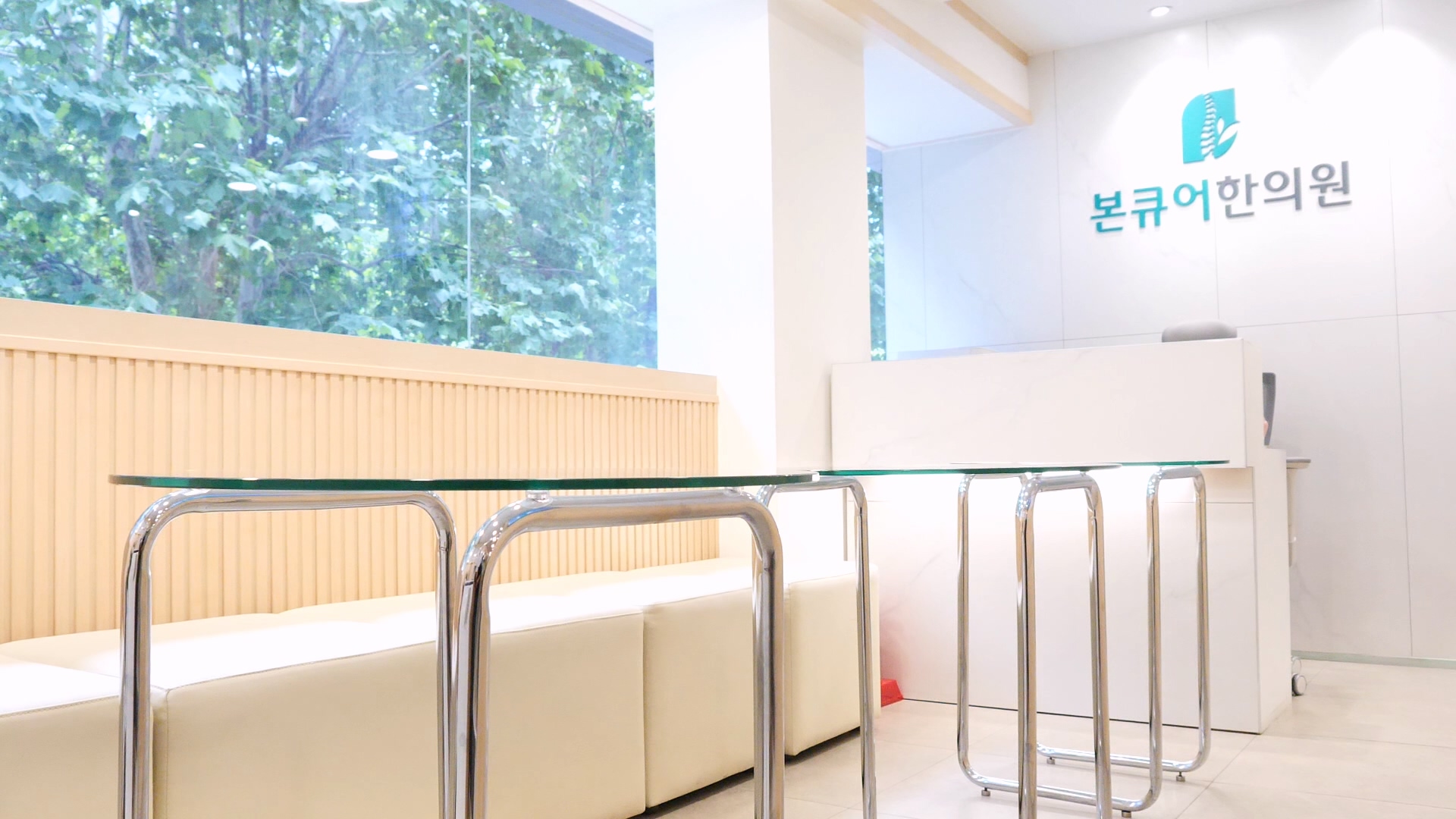
For many years, I have specialized in utilizing acupotomy and structural realignment to address chronic vestibular and auditory conditions. Understanding Meniere's disease causes is the first step toward finding a sustainable path to recovery. While the symptoms like vertigo and hearing loss can feel overwhelming, a structural perspective offers a new way to view the root of the problem. This guide will explore how the alignment of your spine and the health of your nervous system play a critical role in your ear's health.
Understanding Meniere's Disease Causes and Inner Ear Mechanics
Meniere's disease is a chronic disorder of the inner ear that primarily affects hearing and balance, often leading to sudden episodes of vertigo. This condition is characterized by a specific set of symptoms including fluctuating hearing loss, tinnitus, and a feeling of fullness in the ear. While the exact physiological trigger can vary between individuals, the disruption of inner ear homeostasis is the common denominator that links these distressing experiences together for patients.
The Role of Endolymphatic Hydrops in Fluid Pressure
Endolymphatic hydrops refers to the abnormal accumulation of fluid within the inner ear's membranous labyrinth, which serves as a central component in the pathology of Meniere's disease. This fluid, known as endolymph, is essential for maintaining the balance and hearing functions of the vestibular system. However, when the production of this fluid exceeds its reabsorption, the resulting pressure can damage delicate sensory hair cells. This mechanical disruption often leads to the hallmark symptoms of vertigo and hearing fluctuations that patients find so debilitating. In many clinical observations, this pressure is not an isolated event but rather a symptom of deeper systemic issues. Clinical experience indicates that many patients with these inner ear symptoms also display signs of metabolic or circulatory disturbances. By understanding that fluid dynamics are influenced by both local and systemic factors, practitioners can better tailor interventions that address these physiological imbalances rather than merely masking the outward discomfort.
Genetic Predispositions and Autoimmune Factors
Genetic predispositions and autoimmune factors are increasingly recognized as contributors to the development of Meniere's disease in various patient populations. Some individuals may inherit a structural susceptibility in the inner ear that makes them more prone to fluid regulation issues. Additionally, autoimmune responses, where the body’s immune system mistakenly attacks the delicate tissues of the labyrinth, can lead to chronic inflammation and subsequent hydrops. Clinical observations suggest that a notable portion of Meniere's cases may have an underlying autoimmune component that requires careful management. When the immune system is hyperactive, it can cause the blood-labyrinth barrier to become compromised, leading to the erratic fluid shifts that trigger vertigo attacks. Identifying these factors early in the diagnostic process is vital for creating a comprehensive recovery plan. While genetics cannot be changed, the way the body manages inflammation can be influenced through targeted lifestyle adjustments and professional clinical support aimed at restoring systemic harmony.
Common Triggers and Environmental Influences
Common triggers and environmental influences encompass a wide range of external factors that can exacerbate the symptoms of Meniere's disease or initiate a flare-up. Stress is one of the most frequently cited triggers, as it can significantly impact the autonomic nervous system and blood flow to the inner ear. Furthermore, dietary habits, particularly high sodium intake, can lead to systemic water retention that directly affects the volume of endolymphatic fluid. Weather changes and fluctuations in barometric pressure are also known to influence the pressure levels within the ear for sensitive individuals. In a clinical setting, we often observe that patients who manage these environmental stressors effectively report a meaningful reduction in the frequency of their acute vertigo episodes. Maintaining a consistent routine and avoiding sudden exposures to high-decibel environments can further protect the vestibular system. By identifying personal triggers, patients can gain a greater sense of control over their condition while working toward long-term structural and physiological stability through professional care.
Investigating Structural Influences: The Cervical Spine and Autonomic Nervous System
Structural influences refer to the physical alignment and mechanical integrity of the musculoskeletal system, particularly the cervical spine, and how these factors impact neurological and vascular functions. In the context of Meniere's disease, the relationship between the neck and the inner ear is often overlooked, yet it is foundational to maintaining proper equilibrium and sensory processing. Misalignments in this region can create a cascade of issues that directly affect the cranial nerves and blood supply responsible for auditory health.
How Cervical Misalignment Impacts Auditory Nerve Function
Cervical misalignment occurs when the vertebrae in the upper neck lose their optimal positioning, potentially putting pressure on the nerves and blood vessels that serve the inner ear. The cervical spine acts as a gateway for the nervous system, and any deviation in the C1 or C2 vertebrae can disrupt the flow of information between the brain and the vestibular apparatus. At Bonecure, we focus on how these mechanical imbalances contribute to the sensation of ear fullness and fluctuating hearing loss. When the structure is compromised, the body may struggle to regulate the autonomic functions required for fluid balance in the labyrinth. In some documented cases, correcting these misalignments through manual intervention has led to improved auditory clarity and a reduction in the severity of tinnitus. While not every case of Meniere's is purely structural, the correlation between neck health and ear function is too strong to ignore during a comprehensive clinical evaluation. Ensuring spinal symmetry is a core component of our recovery philosophy.
Vagus Nerve Impingement and its Link to Vertigo
Vagus nerve impingement involves the compression or irritation of the tenth cranial nerve, which plays a vital role in regulating the autonomic nervous system and balance. The vagus nerve passes near the upper cervical vertebrae, and structural tension in the surrounding soft tissues can interfere with its signaling. This interference often manifests as dizziness, nausea, and a general sense of instability, all of which are central to Meniere's disease. By releasing the adhered tissues and restoring spinal alignment, we can alleviate the pressure on this critical nerve pathway. Clinical observations suggest that improving vagus nerve function can help stabilize the body's internal environment, leading to fewer instances of sudden equilibrium loss. For patients suffering from chronic vertigo, addressing the mechanical stressors on the vagus nerve is an essential step toward restoring a sense of normalcy. While recovery times vary, many patients report a noticeable improvement in their overall stability after addressing these specific structural concerns in the upper neck and cranial base.
Integrating Oriental Medicine for Chronic Pain and Structural Balance
Integrating oriental medicine for chronic pain involves using traditional techniques such as acupotomy and Chuna therapy to address deep-seated structural issues and restore the body's natural flow of energy and blood. This approach is particularly effective for Meniere's disease because it addresses the physical tension and circulatory blockages that contribute to inner ear pressure. By targeting specific points where tissues have become adhered or stiff, we can facilitate the body's self-healing mechanisms. Structural balance is not just about the bones, but also about the soft tissues that support them. When the muscles and ligaments of the neck and shoulders are relaxed and properly aligned, the entire cranial system functions more efficiently. This holistic perspective ensures that we are not just treating the ear in isolation, but are looking at the patient as a whole structural unit. By combining these time-tested methods with modern clinical insights, we provide a balanced framework for managing complex conditions. This integration helps patients achieve a state of lasting equilibrium and reduced chronic discomfort.
Comparative Analysis: Conventional Symptom Management vs. Integrative Structural Therapy
Comparative analysis evaluates the differences between treating the surface-level symptoms of a condition and addressing the underlying structural and physiological roots. While traditional approaches focus heavily on immediate relief through medication, integrative structural therapy seeks to create a stable foundation that prevents future occurrences by fixing mechanical imbalances.
| Feature | Conventional Treatment | Bonecure Structural Therapy |
|---|---|---|
| Primary Goal | Symptom Suppression | Structural Realignment |
| Main Method | Diuretics & Low-Salt Diet | Acupotomy & Chuna Therapy |
| Duration | Long-term Maintenance | 10 to 20 Sessions Typically |
| Focus Area | Inner Ear Fluid Only | Cervical Spine & Nervous System |
| Root Cause | Metabolic Management | Mechanical & Nervous Decompression |
Traditional Pharmaceutical Interventions and Clinical Considerations
Traditional pharmaceutical interventions for Meniere's disease primarily utilize diuretics and anti-vertigo medications to manage fluid levels and reduce the intensity of acute attacks. These medications can be effective for temporary relief, but they often do not address the underlying reasons why the fluid is accumulating in the first place. Some patients may also experience side effects such as fatigue, electrolyte imbalances, or a decrease in blood pressure, which can complicate their overall health profile. Furthermore, long-term reliance on medication can lead to a plateau in effectiveness, where the symptoms persist despite consistent dosing. In clinical practice, it is often found that while many patients see initial improvement with medication, a significant portion still suffers from recurring episodes. This highlights the need for a more comprehensive approach that looks beyond chemical management. By understanding these limitations, patients can make more informed decisions about incorporating structural therapies that aim for long-term physiological changes rather than just short-term symptom suppression.
Bonecure's Approach: Addressing the Root Structural Cause
At Bonecure, the primary focus is shifted from temporary symptom suppression to the identification of structural abnormalities that may trigger inner ear dysfunction. We recognize that the body operates as an integrated system where the alignment of the spine directly influences cranial health. When patients present with chronic vertigo, we often utilize whole spine X-ray imaging to assess postural deviations. In our clinical observations, patients with long-term chronic auditory symptoms have shown significant clinical improvements in their tinnitus scores after completing a personalized structural restoration plan. However, individual results may vary depending on the patient's condition. This process typically involves 10 to 20 sessions of targeted intervention to achieve stable realignment. While traditional medicine often relies on diuretics to manage fluid, our method seeks to decompress the pathways that allow for natural fluid drainage and neurological signal clarity. This structural focus offers a different path for those who have found little relief through standard pharmacological protocols. We aim to help the body heal itself by restoring its innate mechanical integrity.
Bonecure’s Clinical Insights: Restoring Equilibrium through Targeted Intervention
Clinical insights at Bonecure are derived from years of practical application and evidence-based observations of how structural interventions affect chronic ear conditions. These insights allow us to refine our techniques, ensuring that each patient receives a treatment plan tailored to their specific spinal and nervous system needs.
The Mechanism of Acupotomy for Decompressing Adhered Tissues
Acupotomy is a specialized clinical technique that uses a small, blade-like needle to release tight or adhered tissues that are causing structural tension or nerve compression. For patients with Meniere's disease, this procedure is often focused on the cervical muscles and ligaments that have become chronically contracted. When these tissues are released, it reduces the mechanical stress on the cervical vertebrae and the associated vascular pathways. This decompression is vital for restoring proper blood flow and lymphatic drainage from the head and neck area. While the procedure involves a brief sensation of pressure, it is designed to facilitate a rapid improvement in mobility and nerve signaling. Most clinical cases require a series of sessions to ensure the tissues remain supple and the alignment remains stable over time. It is important to note that side effects like temporary soreness at the site of treatment, minor bruising, or a brief period of fatigue as the body adjusts to structural changes may occur. In rare cases, minor infection or localized swelling could occur. This targeted approach provides a powerful tool for addressing the physical barriers to inner ear health and equilibrium.
Chuna Manual Therapy for Optimal Spinal Symmetry
Chuna manual therapy is a sophisticated form of spinal manipulation that focuses on restoring optimal symmetry and alignment to the vertebrae and joints. This therapy is instrumental in correcting the postural deviations that contribute to chronic tension in the neck and head. By gently adjusting the spine, we can reduce the autonomic nervous system's stress levels, which in turn helps regulate inner ear fluid pressure. Symmetry is essential because even a minor tilt in the cervical spine can lead to an uneven distribution of forces throughout the cranial base. In our clinical experience, integrating Chuna with other structural treatments often leads to more stable and long-lasting results for patients. Many individuals report feeling a sense of immediate lightness and improved balance following a session, though cumulative treatments are necessary for permanent changes. Our goal is to ensure that the skeletal framework provides a stable and tension-free environment for the nervous system to function. This mechanical harmony is a prerequisite for overcoming the persistent challenges of Meniere's disease and achieving overall wellness.
Traditional Medicine Clinical Notes on Long-term Recovery
Traditional medicine clinical notes emphasize that long-term recovery for Meniere's disease requires a patient-centered approach that combines structural realignment with lifestyle consistency. Based on our clinical observations, a standard recovery path often involves 10 to 20 sessions of intensive structural therapy to achieve significant and stable improvements in hearing and balance. It is common for patients to report initial changes within the first 2 to 3 sessions, but the process of tissue remodeling and spinal stabilization takes longer. We emphasize that results can vary significantly depending on the individual's age, the chronicity of the condition, and their commitment to postural exercises. For instance, a patient with a long history of vertigo may require more frequent sessions compared to someone who has only recently developed symptoms. We also note that while many patients achieve a substantial reduction in symptoms, some may require occasional maintenance sessions to prevent future misalignments. By documenting these individual journeys, we continue to show that a structured approach to spinal health is a viable strategy for chronic ear management.
BPPV Causes and Structural Vestibular Recovery: A 2026 Clinical Guide
Lifestyle Management and Preventive Strategies for Meniere’s Disease
Lifestyle management involves the implementation of daily habits and preventive strategies designed to support the body's structural health and reduce the frequency of Meniere's disease flare-ups. These proactive steps are essential for maintaining the equilibrium achieved during clinical treatments.
Dietary Modifications: Sodium Management and Hydration
Dietary modifications play a pivotal role in managing the fluid dynamics of the inner ear, with sodium intake being a critical factor to monitor. Salt encourages the body to retain excess water, which can increase the pressure within the endolymphatic sac and trigger vertigo episodes. We generally recommend that patients limit their daily sodium intake to between 1,500mg and 2,000mg to maintain stable fluid levels. Consistency is key, as sudden spikes in salt consumption are often more damaging than a steady, moderate intake. Additionally, proper hydration is equally important, as it helps the kidneys flush out excess minerals and maintains blood viscosity. Avoiding caffeine and alcohol is also advised, as these substances can fluctuate blood flow and exacerbate tinnitus. In our clinical observations, patients who strictly adhere to these dietary guidelines report more predictable symptom patterns. By viewing food as a form of medicine, individuals can actively contribute to their own vestibular health. These small daily choices build a foundation for long-term stability and symptom control.
Stress Reduction and Postural Correction Exercises
Stress reduction and postural correction exercises are vital for minimizing the physical and neurological triggers of Meniere's disease. Chronic stress causes the muscles in the neck and shoulders to tighten, which can lead to the very cervical misalignments we seek to correct clinically. Incorporating relaxation techniques such as deep breathing or meditation can help lower the body's cortisol levels and stabilize the autonomic nervous system. Simultaneously, performing specific postural exercises helps reinforce the spinal alignment achieved during Chuna therapy. These exercises focus on strengthening the core and neck muscles, ensuring that the spine can support the head without creating nerve impingement. Many of our patients find that dedicating just 15 minutes a day to these movements significantly reduces their feeling of physical tension. In the modern age of desk work and digital devices, being mindful of your posture is more important than ever. By combining mental relaxation with physical strengthening, you create a resilient environment that is less susceptible to the triggers of vertigo and ear pressure.
A 2026 Structural Guide to Managing Tinnitus and Dizziness at Bonecure
Frequently Asked Questions
Q. What is considered the primary cause of Meniere's disease?
The most widely accepted medical explanation is the buildup of fluid in the inner ear, known as endolymphatic hydrops. However, at Bonecure, we also investigate how structural misalignments in the neck and spine may interfere with nerve signals and blood flow to the ear, contributing to these fluid imbalances. By addressing the structural root, we aim to help the body regulate this fluid more effectively.
Q. Can structural issues in the neck actually cause vertigo and hearing loss?
Yes, misalignment in the upper cervical spine can put pressure on the nerves and blood vessels that serve the inner ear. Restoring proper alignment through Chuna therapy and targeted acupotomy can help reduce the frequency and intensity of vertigo episodes in specific clinical cases. This connection between the spine and the ear is a key focus of our clinical approach.
Q. Is the acupotomy treatment used at Bonecure painful?
Acupotomy involves using a specialized tool to release tight or adhered tissues. While patients may experience a brief sensation of pressure or a dull ache during the procedure, many find that the resulting relief from chronic tension outweighs the temporary discomfort. It is not described as a painless procedure, but it is generally well-tolerated by patients seeking long-term relief.
Q. Are there any side effects associated with acupotomy or Chuna therapy?
Common side effects may include temporary soreness at the site of treatment, minor bruising, or a brief period of fatigue. In rare cases, minor infection or localized swelling may occur at the treatment site. We always conduct a thorough consultation to minimize these risks based on your individual health profile and medical history.
Q. How many sessions are typically required to see an improvement in Meniere's symptoms?
Recovery timelines vary significantly depending on the chronicity and severity of the condition. While some patients report changes after just a few sessions, chronic cases often require 10 to 20 treatments to achieve stable structural realignment. Individual results are not guaranteed and vary based on the patient's unique physiological factors.
Q. Does Bonecure guarantee a cure for Meniere's disease?
No medical provider can guarantee a 100% cure for Meniere's disease due to the complexity of the condition. Our goal is to address the underlying structural imbalances that contribute to the symptoms. While many of our patients see improvement in their quality of life, results vary based on individual physiological factors and adherence to the treatment plan.
Q. What dietary changes should I make to help manage Meniere's disease?
Reducing sodium intake is crucial, as salt can cause the body to retain fluids, worsening inner ear pressure. We also recommend avoiding caffeine, alcohol, and tobacco, which can affect blood circulation. Maintaining consistent hydration throughout the day is equally important for keeping the body's fluid levels in balance.
Key Takeaways
- Structural Root: Meniere's symptoms are often linked to cervical spine misalignments that disrupt nerve and blood flow to the ear.
- Integrative Therapy: Combining acupotomy and Chuna therapy helps decompress tissues and restore spinal symmetry.
- Clinical Observations: Targeted structural realignment over 10 to 20 sessions has shown improvement in tinnitus and vertigo scores in specific cases.
- Lifestyle Balance: Managing sodium intake and stress is essential for preventing the accumulation of inner ear fluid.
- Individualized Care: Recovery paths are unique, and addressing the whole body structure is a key component for long-term health.
If you are struggling with the persistent challenges of Meniere's disease, I invite you to explore how a structural approach can help restore your balance. We are here to support your journey toward lasting health and equilibrium.
Bonecure / Song Jeong-hyun
FAQ
- What is considered the primary cause of Meniere's disease?
- The most widely accepted medical explanation is the buildup of fluid in the inner ear, known as endolymphatic hydrops. However, at Bonecure, we also investigate how structural misalignments in the neck and spine may interfere with nerve signals and blood flow to the ear, contributing to these fluid imbalances. By addressing the structural root, we can often help the body regulate this fluid more effectively.
- Can structural issues in the neck actually cause vertigo and hearing loss?
- Yes, misalignment in the upper cervical spine can put pressure on the nerves and blood vessels that serve the inner ear. Restoring proper alignment through Chuna therapy and targeted acupotomy can often help reduce the frequency and intensity of vertigo episodes in specific clinical cases. This connection between the spine and the ear is a key focus of our clinical approach.
- Is the acupotomy treatment used at Bonecure painful?
- Acupotomy involves using a specialized tool to release tight or adhered tissues. While patients may experience a brief sensation of pressure or a dull ache during the procedure, most find that the resulting relief from chronic tension outweighs the temporary discomfort. It is not described as a painless procedure, but it is generally well-tolerated by most patients seeking long-term relief.
- Are there any side effects associated with acupotomy or Chuna therapy?
- Common side effects may include temporary soreness at the site of treatment, minor bruising, or a brief period of fatigue as the body adjusts to structural changes. In rare cases, minor infection or localized swelling may occur at the treatment site. We always conduct a thorough consultation to minimize these risks based on your individual health profile and medical history.
- How many sessions are typically required to see an improvement in Meniere's symptoms?
- Recovery timelines vary significantly depending on the chronicity and severity of the condition. While some patients report changes after just a few sessions, chronic cases often require 10 to 20 treatments to achieve stable structural realignment and symptom management. Individual results are not guaranteed and vary based on the patient's unique physiological factors.
- Does Bonecure guarantee a cure for Meniere's disease?
- No medical provider can ethically guarantee a 100% cure for Meniere's disease due to the complexity of the condition. Our goal is to address the underlying structural imbalances that contribute to the symptoms. While many of our patients see significant improvement in their quality of life, results vary based on individual physiological factors and adherence to the treatment plan.
- What dietary changes should I make to help manage Meniere's disease?
- Reducing sodium intake is crucial, as salt can cause the body to retain fluids, worsening inner ear pressure. We also recommend avoiding caffeine, alcohol, and tobacco, which can affect blood circulation and trigger episodes. Maintaining consistent hydration throughout the day is equally important for keeping the body's fluid levels in balance and supporting kidney function.