
Post
BPPV Causes and Structural Vestibular Recovery: A 2026 Clinical Guide
Hello. I am Song Jung-hyun, a Korean medicine practitioner and Director of Bonecure Korean Medicine Clinic.
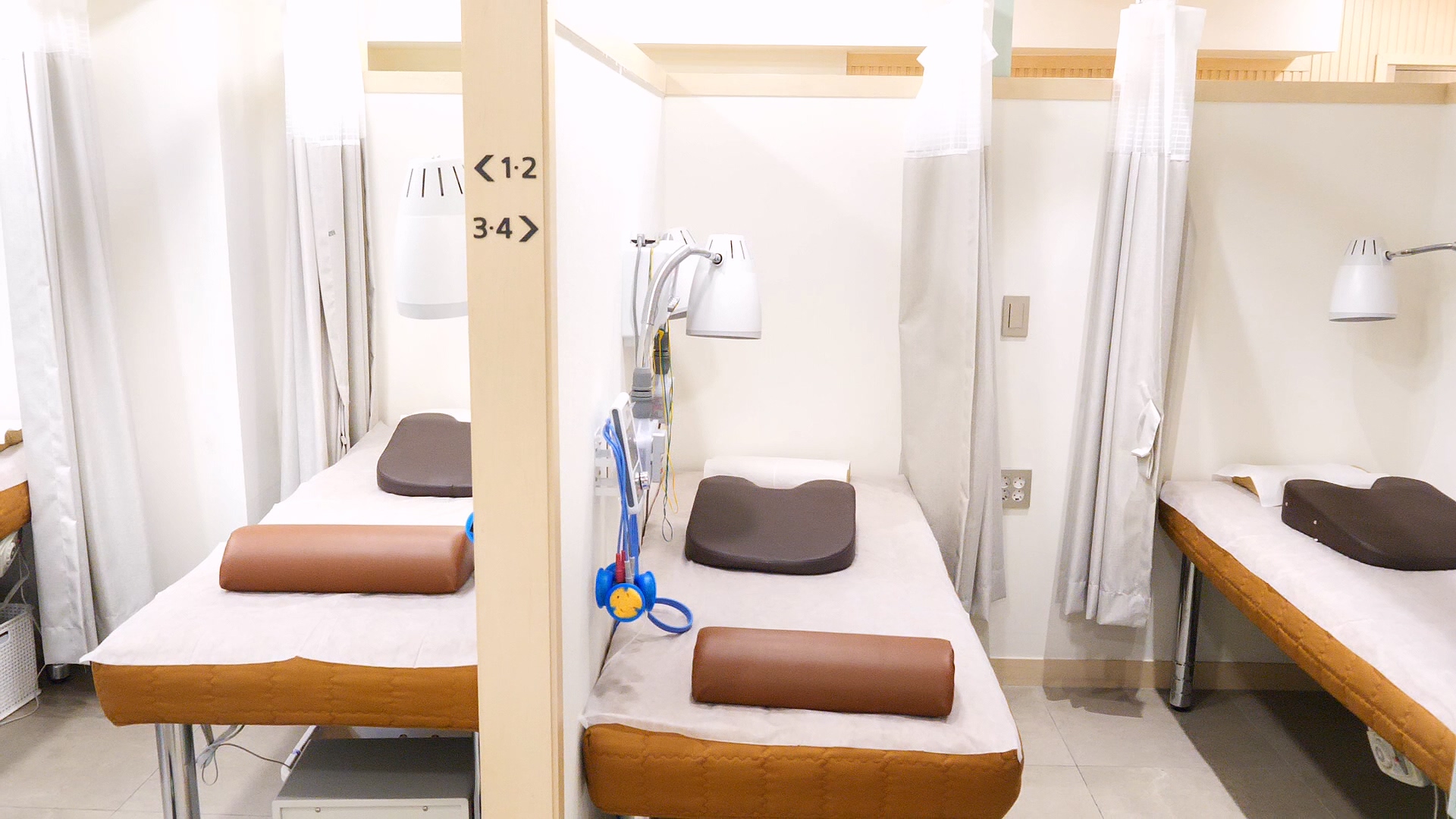
I have specialized in acupotomy and structural restoration for many years. BPPV, or Benign Paroxysmal Positional Vertigo, is a common but debilitating condition that can make the simplest head movements feel like the world is spinning out of control. This guide explores the underlying BPPV causes and how a structural approach at Bonecure can help restore your body's natural equilibrium.
Understanding BPPV Causes and Inner Ear Mechanics
BPPV causes are primarily rooted in the mechanical displacement of small calcium carbonate crystals within the vestibular system of the inner ear. These crystals, which normally reside in the utricle, help detect gravity and linear acceleration, but when they migrate into the semicircular canals, they create false sensations of movement. This displacement interferes with the fluid dynamics of the ear, leading to brief but intense episodes of vertigo that are typically triggered by specific changes in head position.
What Triggers Benign Paroxysmal Positional Vertigo
Benign Paroxysmal Positional Vertigo occurs when tiny otoliths become dislodged from their usual home and drift into the fluid-filled semicircular canals. When these crystals move, they send erratic signals to the brain regarding the body's position, leading to a spinning sensation. The most common triggers for this displacement include rolling over in bed, looking up, or sudden head movements. Statistics indicate that nearly 50 percent of all dizziness in older adults is attributed to this mechanical issue. While many cases appear idiopathic, researchers have found that underlying factors like inner ear inflammation or localized circulatory issues can weaken the membrane holding these crystals. Addressing these triggers requires a thorough understanding of both the mechanical displacement and the biological environment of the inner ear. Effective management often starts with identifying the specific canal affected to ensure that recovery strategies are targeted correctly for the individual's anatomy.
The Role of Displaced Otoliths in Vestibular Dysfunction
The role of displaced otoliths in vestibular dysfunction is central to the experience of vertigo. When these crystals enter the semicircular canals, they move the endolymph fluid inappropriately during head motion. This movement stimulates hair cells that should remain still, causing a sensory conflict between the eyes, the inner ear, and the brain. Clinical data suggests that the recurrence rate for BPPV can be high if the underlying structural environment is not stabilized. In my practice, I have seen that chronic tension in the cervical region can exacerbate this dysfunction. By understanding the physics of these crystals, we can better appreciate why sudden movements cause such intense reactions. Stabilizing the vestibular system involves not just managing the crystals but also ensuring the surrounding structural environment is healthy enough to support proper balance.
Common Risk Factors from Aging to Head Trauma
Several risk factors contribute to the detachment of otoliths, ranging from natural aging to physical trauma. As we age, the gelatinous matrix that secures the crystals can degenerate, making them more likely to break free. Head trauma, even relatively minor impacts, can physically jar the crystals loose from the utricle. Additionally, prolonged periods of inactivity or lying in a fixed position, such as during recovery from surgery, can increase the risk of BPPV. Chronic conditions like migraines or vascular issues may also impair the microcirculation of the inner ear, further predisposing patients to recurrent episodes. Identifying these risk factors is the first step in creating a preventative care plan that goes beyond acute symptom management to address long-term vestibular health and stability through structural alignment.
A Structural Perspective on Dizziness and Spinal Alignment
A structural perspective on dizziness emphasizes that balance is not solely a product of the inner ear but a complex interaction between the vestibular system, the visual system, and the cervical spine. Misalignments in the upper neck can distort proprioceptive signals, leading to a sensory mismatch that mimics or worsens vertigo symptoms. By evaluating the alignment of the spine, we can identify mechanical tensions that may be hindering the body's ability to maintain a stable sense of balance.
The Connection Between Cervical Spine Health and Balance
The connection between cervical spine health and balance is often overlooked in traditional evaluations. The upper cervical vertebrae, specifically C1 and C2, are packed with proprioceptors that communicate head position to the brain. When structural misalignment or chronic muscle tension occurs here, sensory input can become distorted, creating a conflict with inner ear signals. This mismatch frequently results in cervicogenic dizziness, which can coexist with BPPV. My experience shows that patients with chronic neck stiffness are more susceptible to recurring balance issues. By restoring the natural alignment of the neck and releasing tension in the suboccipital muscles through Chuna therapy, we can stabilize the signals sent to the vestibular system. Proper alignment ensures that the neurological pathways remain clear and responsive, supporting overall vestibular health.
How Chronic Neck Tension Influences Vestibular Signals
Chronic neck tension does more than cause pain; it significantly influences the autonomic nervous system and the blood supply to the inner ear. The vertebral arteries, which supply the vestibular apparatus, pass through the cervical vertebrae. If these vertebrae are misaligned or if surrounding tissues are constricted, circulation can be compromised. This reduced blood flow may weaken inner ear structures, potentially making it easier for otoliths to detach. In my clinical practice, addressing these structural adhesions through acupotomy can be particularly beneficial. By utilizing specialized techniques to release the fascia and muscles of the neck, we can improve the vascular and neurological environment of the ear. This integrated focus on soft tissue and skeletal structure helps create a stable internal environment where the vestibular system can function correctly.
Autonomic Nervous System Regulation for Vertigo Relief
The autonomic nervous system plays a critical role in how the body processes dizziness and recovers from vestibular shocks. When a patient experiences intense spinning, the body often enters a state of sympathetic dominance. This stress state can lead to secondary symptoms such as nausea and anxiety, which further complicate recovery. At Bonecure, we prioritize the regulation of the nervous system to help the body return to equilibrium. Clinical assessments often show that patients with vestibular issues benefit from stabilization of the autonomic response. Please note that individual results and the degree of symptom relief can vary based on the patient's specific condition. Balancing the nervous system not only mitigates acute distress but also supports the long-term resilience of the vestibular system, reducing the systemic impact of vertigo.
Comparing Conventional Maneuvers and Integrative Korean Medicine
Comparing conventional maneuvers and integrative Korean medicine reveals two different but complementary approaches to treating vertigo. While standard maneuvers focus on the immediate mechanical repositioning of crystals, integrative Korean medicine at Bonecure looks at the structural environment that may allow displacement to occur. Combining structural care with traditional insights can provide a more robust defense against recurrence by addressing both the symptoms and the underlying mechanical weaknesses.
| Feature | Mechanical Repositioning | Integrative Structural Care (Bonecure) |
|---|---|---|
| Primary Goal | Move displaced otoliths | Support structural alignment and circulation |
| Method | Head rotation sequences | Acupotomy, Chuna, and Physical Therapy |
| Focus Area | Semicircular canals | Cervical spine and surrounding soft tissues |
| Clinical Role | Acute mechanical displacement | Underlying structural tension and environment |
| Recovery Profile | Immediate symptom relief | Long-term stability and systemic health |
Standard Particle Repositioning vs Structural Correction
Standard particle repositioning is often the first line of defense for the immediate resolution of acute BPPV symptoms. However, it does not always address why the crystals fell out originally. Structural correction, on the other hand, focuses on the cervical spine and the surrounding muscular balance. By correcting the structural 'hardware' of the neck, we improve the neurological 'software' of the vestibular signals. In my clinical observations, focusing on the structural foundation yields better outcomes for chronic sufferers. While a maneuver might fix the immediate spin, structural correction ensures the neck doesn't remain a source of sensory confusion. This approach is essential for patients who have undergone multiple repositioning attempts without lasting success, providing a pathway to recovery that accounts for structural tensions.
Synergistic Effects of Structural Realignment and Acupotomy
Combining structural realignment with acupotomy creates a synergistic effect that addresses both mechanical displacement and structural restriction. Acupotomy works by releasing the fibrotic adhesions in the neck muscles that often develop as a protective response to vertigo. Once these muscles are relaxed and the cervical spine is better aligned through Chuna therapy, the body's balance mechanisms can function more effectively. This combination often leads to a more rapid reduction in dizziness and a decrease in the persistent instability that many patients describe. My clinical experience suggests that a consistent course of integrated care can lead to significant improvements in vestibular function. The number of sessions required and the final outcome depend on individual health factors. This synergy ensures that we are optimizing the entire neurological and vascular pathway that supports the inner ear.
Why Holistic Care is Vital for Recurrent Dizziness Cases
Holistic care is vital for recurrent dizziness cases because it addresses the underlying metabolic and structural vulnerabilities of the patient. Recurrence often happens because the environment of the inner ear remains unstable due to poor circulation or spinal misalignment. A holistic approach includes structural restoration and physical therapy to strengthen the body's resilience. When we look at a patient's entire health profile, we can identify why their vestibular system is prone to failure. For example, addressing autonomic dysfunction can reduce systemic stress that contributes to vestibular instability. By integrating these various modalities, we provide a comprehensive approach that addresses every factor contributing to dizziness. This thoroughness is especially important for those who have suffered for years, as it offers a way to rebuild balance from the ground up, ensuring a better possible outcome.
Integrative Treatments at Bonecure Clinic in Cheongdam
Integrative treatments at Bonecure Clinic in Cheongdam focus on restoring the body's structural integrity to support the natural healing of the vestibular system. By using specialized techniques like acupotomy alongside traditional Korean medicine, we aim to resolve the chronic tensions that hinder balance. Our goal is to provide a personalized recovery plan that addresses the specific needs of each patient, ensuring a return to a healthy and balanced life.
Acupotomy for Releasing Chronic Soft Tissue Adhesions
Acupotomy is a specialized treatment that uses a small, blade-like needle to release chronic adhesions in the soft tissues and fascia surrounding the spine. This technique is particularly effective for patients who suffer from persistent dizziness that has a structural component. By precisely targeting areas where muscles have become fibrotic, I can help restore the normal gliding motion of the tissues and improve blood flow to the head and neck. In my clinical practice, I have observed that addressing these deep-seated adhesions can lead to improvements in neck mobility and a reduction in the frequency of vertigo episodes. Please note that while acupotomy is effective, potential side effects include temporary soreness, minor bruising, or rare instances of infection at the site. The structural benefits, however, are significant for those with chronic conditions, aiming to resolve the underlying mechanical tension.
Physical Therapy and Acupuncture for Enhanced Circulation
At Bonecure, we utilize physical therapy and acupuncture to stimulate blood circulation and support the autonomic nervous system. For patients with BPPV, enhancing the microcirculation of the inner ear is crucial for maintaining the health of the vestibular apparatus and preventing further instability. Acupuncture helps to improve the delivery of nutrients to the delicate structures of the ear by relaxing surrounding vascular tensions. This treatment is often used in conjunction with other structural therapies to provide a calming effect on the nervous system, reducing the anxiety that frequently accompanies vertigo. By improving the local metabolic environment, these interventions act as supportive measures that enhance the effectiveness of structural corrections, helping to create a more resilient and stable inner ear environment for long-term health and daily vitality.
Traditional Korean Medicine for Restoring Structural Balance
Traditional Korean medicine at Bonecure provides a holistic framework for restoring structural balance by considering the relationship between the nervous system and the musculoskeletal structure. We use personalized herbal prescriptions and specialized manual therapies like Chuna to address the systemic imbalances that contribute to dizziness. These treatments are designed to support structural recovery, improve fluid metabolism, and strengthen the body's overall vitality. When the body's internal environment is balanced, it is better equipped to maintain the mechanical stability of the inner ear. We focus on ensuring the spine supports proper neurological function. This comprehensive approach ensures that we are treating the root causes rather than just the symptoms, providing a sustainable path to wellness. By integrating these practices with modern structural insights, we offer a unique solution for managing complex BPPV causes, while always acknowledging that individual results may vary.
Frequently Asked Questions
Q. What are the most common BPPV causes for sudden dizziness?
BPPV occurs when small calcium carbonate crystals, or otoliths, become detached and migrate into the semicircular canals. This is often triggered by aging, head injuries, or prolonged periods of inactivity. At Bonecure, we analyze how structural issues in the neck might be contributing to this instability.
Q. Can neck problems actually cause symptoms similar to BPPV?
Yes, cervical issues can mimic BPPV symptoms closely. Misalignment in the upper cervical spine or severe muscle tension can interfere with proprioceptive signals to the brain, leading to balance issues. Addressing the structural health of the neck is often necessary for a complete recovery in chronic cases.
Q. How does Bonecure utilize acupotomy for treating vertigo?
At Bonecure, I use acupotomy to release adhesions in the soft tissues surrounding the cervical spine. By improving structural alignment and enhancing blood flow to the vestibular system, we address the underlying mechanical causes of dizziness. Results may vary depending on the severity of the structural misalignment.
Q. Is acupuncture helpful for patients with recurrent dizziness?
Acupuncture can help manage the secondary neck pain and tension that often accompany chronic vertigo episodes. By relaxing the suboccipital muscles and reducing systemic stress, it supports the body's natural balance recovery process and helps stabilize the nervous system during periods of intense dizziness.
Q. What should I expect during a physical therapy session at Bonecure?
Physical therapy at Bonecure focuses on improving mobility and supporting structural alignment. It is often used alongside acupotomy and Chuna to enhance circulation and metabolic health. The goal is to create a stable environment for the vestibular system through targeted exercises and manual techniques.
Q. Are there any side effects to treatments like acupotomy?
While generally safe, some patients may experience temporary soreness at the treatment site, minor bruising, or a brief period of adjustment as structural alignment changes. We discuss these potential risks and individual limitations during the initial consultation to ensure patients are fully informed.
Q. Why does BPPV keep recurring even after mechanical maneuvers?
Recurrence often happens because the underlying structural or circulatory environment remains compromised. Factors like cervical misalignment or chronic muscle tension can keep the inner ear in a vulnerable state. A structural approach focusing on spinal alignment and tissue health can help reduce the frequency of these episodes.
Key Takeaways
- Otolith displacement within the semicircular canals is the primary mechanical cause of BPPV symptoms.
- Cervical spine alignment and chronic neck tension are significant factors that can exacerbate or mimic vestibular issues.
- Bonecure integrates structural correction (Acupotomy and Chuna) with personalized care to provide a comprehensive approach to balance.
- Acupotomy and physical therapy serve to release muscle adhesions and improve circulation, respectively, supporting long-term stability.
- Addressing the autonomic nervous system is essential for managing the stress associated with chronic vertigo.
If you are struggling with persistent dizziness and are looking for a structural approach to recovery, I invite you to explore how our specialized treatments can help you regain your balance.
Bonecure Korean Medicine Clinic / Song Jung-hyun
FAQ
- What are the most common BPPV causes for sudden dizziness?
- BPPV occurs when small calcium carbonate crystals, or otoliths, become detached from the utricle and migrate into the semicircular canals. This displacement is often caused by natural aging, head injuries, or prolonged periods of inactivity. When these crystals move within the canals, they send false signals to the brain, resulting in a spinning sensation.
- Can neck problems actually cause symptoms similar to BPPV?
- Yes, cervical vertigo can mimic BPPV symptoms quite closely. Misalignment in the upper cervical spine or severe muscle tension can interfere with the proprioceptive signals sent to the brain, leading to significant balance issues and dizziness. Addressing the structural health of the neck is often necessary for a complete recovery in complex cases.
- How does Bonecure utilize acupotomy for treating vertigo?
- At Bonecure, I use acupotomy to release adhesions in the soft tissues surrounding the cervical spine. By improving structural alignment and enhancing blood flow to the vestibular system, we aim to address the underlying cause of chronic dizziness. While it is an effective tool, individual results may vary based on the specific condition of the patient.
- Is acupuncture for chronic pain helpful for BPPV patients?
- Acupuncture can help manage the secondary neck pain and tension that often accompany chronic vertigo episodes. By reducing systemic inflammation and relaxing the suboccipital muscles, it supports the body's natural balance recovery process. It also helps in calming the nervous system, which can be highly stressed during periods of intense dizziness.
- What should I expect during a moxibustion therapy session in Seoul?
- Moxibustion involves applying gentle heat to specific acupoints to stimulate circulation and strengthen the autonomic nervous system. It is a relaxing procedure often used in conjunction with other traditional Korean medicine treatments to improve inner ear health. The goal is to enhance the metabolic environment and support the structural repairs being made during other parts of the treatment.
- Are there any side effects to these traditional treatments?
- While generally safe, some patients may experience temporary soreness at the site of acupotomy, minor bruising, or a brief period of increased dizziness as the body adjusts to the structural changes. At Bonecure, we discuss these risks and potential limitations thoroughly during your initial consultation to ensure you are comfortable and informed about the process.
- Why does BPPV keep recurring even after repositioning maneuvers?
- Recurrence often happens because the underlying structural or circulatory environment that allowed the otoliths to detach has not been addressed. Factors like cervical misalignment, poor vascular health, or chronic stress can keep the inner ear in a vulnerable state. A holistic approach focusing on spinal alignment and metabolic health can help reduce the frequency and severity of these episodes.