
Post
A 2026 Clinical Guide to the Role of a Licensed Korean Medicine Practitioner
Hello. I am Song Jung-hyun, a licensed Korean medicine practitioner specializing in structural recovery and acupotomy.
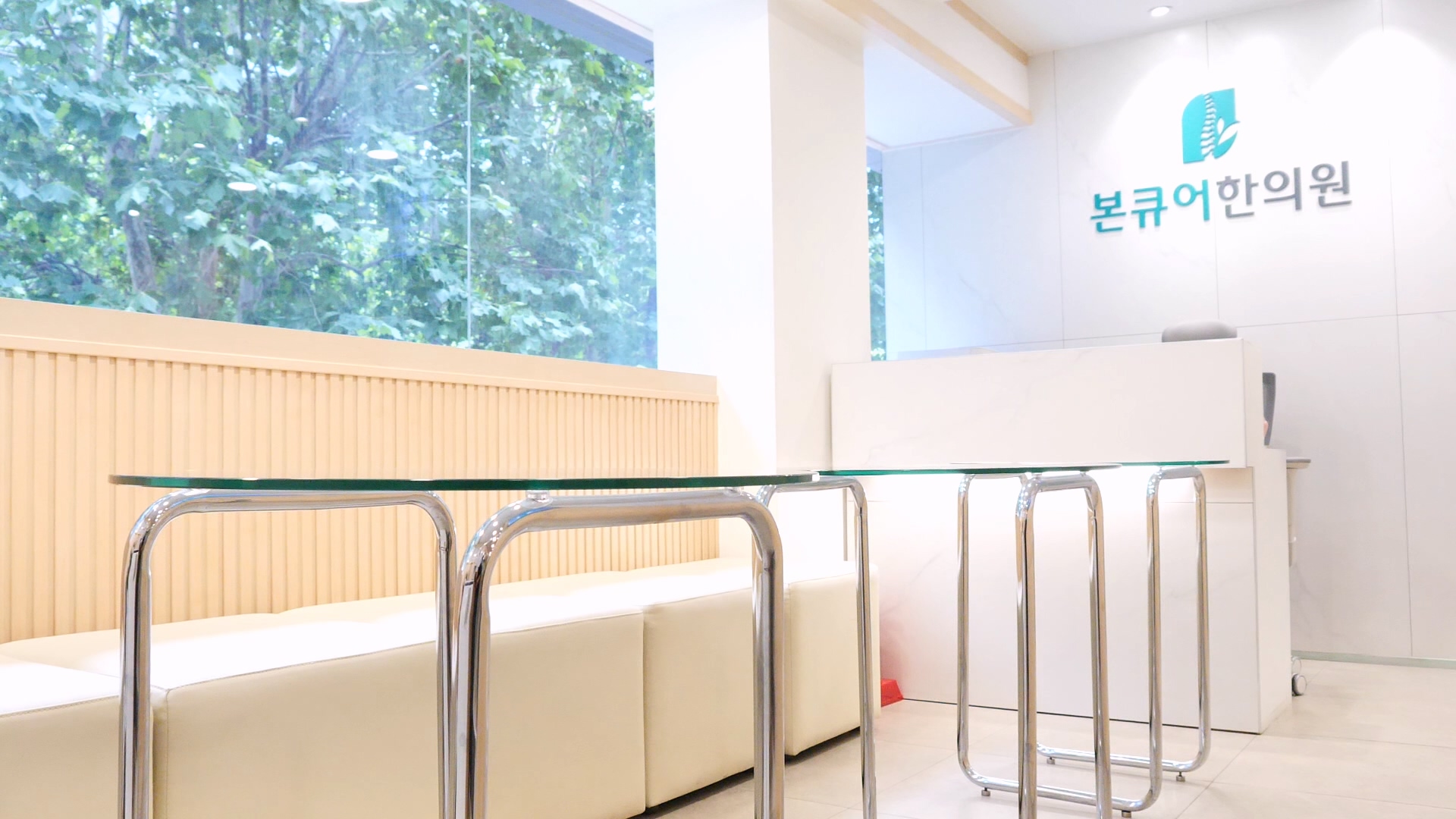
A licensed Korean medicine practitioner is a highly trained medical professional dedicated to restoring the body's natural alignment and function through evidence-based traditional medicine. In this guide, we will explore the rigorous standards of this profession and the clinical value of structural medicine in 2026.
Understanding the Role of a Licensed Korean Medicine Practitioner
A licensed Korean medicine practitioner is a medical professional who has undergone extensive clinical training in traditional healing methods and structural sciences. In the modern healthcare landscape, these doctors bridge the gap between ancient wisdom and contemporary diagnostic accuracy to treat complex chronic conditions.
Defining the Korean Medicine Doctor (KMD) and Legal Recognition
A licensed Korean medicine practitioner (KMD) is a medical doctor in South Korea who has obtained a professional degree in Korean Medicine. These individuals are legally classified as medical professionals alongside Western doctors and dentists under national medical law. To achieve this title, a candidate must graduate from an accredited six-year university program that covers both traditional theories and modern medical science. Following graduation, they must pass a rigorous national licensing examination administered by the Korea Health Personnel Licensing Examination Institute under the Ministry of Health and Welfare. This certification empowers them to diagnose illnesses, prescribe herbal medications, and perform various medical procedures like acupuncture or Chuna therapy. Their role is central to the dual medical system of Korea, providing patients with a choice between conventional Western treatments and time-tested holistic approaches. By understanding these legal foundations, patients can feel confident in the specialized expertise that a KMD provides for their long-term health.
Rigorous Educational and Licensing Standards in South Korea
The path to becoming a licensed Korean medicine practitioner involves a comprehensive educational journey that spans six years of intensive study. This curriculum is divided into a pre-medical phase of two years and a four-year professional phase, ensuring students gain a deep understanding of human physiology and anatomy. Students are required to master classical medical texts while simultaneously studying modern subjects such as pathology, pharmacology, and radiology. This dual-focus education allows practitioners to interpret modern diagnostic images like X-rays and MRIs while applying traditional diagnostic techniques such as pulse diagnosis and tongue examination. Clinical rotations are a critical component, requiring hundreds of hours in hospital settings to observe and treat various conditions under expert supervision. The high standard of this education ensures that every KMD possesses the necessary skills to manage complex medical cases safely. This rigorous process serves as a safeguard for public health, ensuring that only highly qualified individuals can provide traditional medical services in a clinical setting.
Credentials and Practice of Korean Medicine in the United States
In the United States, a licensed Korean medicine practitioner often holds credentials as a Licensed Acupuncturist (L.Ac.) or a Doctor of Acupuncture and Oriental Medicine (DAOM). While the legal title differs from South Korea, many practitioners in the U.S. have completed their foundational education at prestigious Korean universities before seeking American certification. U.S. practitioners are regulated by state medical or acupuncture boards and must typically pass examinations provided by the National Certification Commission for Acupuncture and Oriental Medicine (NCCAOM). These professionals often collaborate with Western medical teams to provide integrative care for pain management and internal wellness. Many Korean medicine doctors in the U.S. also specialize in herbal medicine and structural therapies, maintaining the high standards of the original Korean curriculum. For patients seeking this care abroad, it is essential to verify that the practitioner is board-certified and adheres to state health regulations. This ensures that the treatment provided meets the necessary safety and professional standards required for effective healthcare delivery.
Clinical Approaches at a Traditional Korean Medicine Clinic in Cheongdam
The clinical approach of a traditional Korean medicine clinic in Cheongdam involves a deep integration of structural realignment and biochemical balance. This methodology focuses on identifying the root cause of pain rather than merely suppressing temporary symptoms in the patient.
The Bonecure Philosophy: Restoring Structural Balance for Long-Term Health
At the heart of the Bonecure philosophy is the belief that structural integrity is the cornerstone of systemic health. We focus on the relationship between the spine, joints, and the nervous system to facilitate the body's natural healing processes. A licensed Korean medicine practitioner at our clinic evaluates how minor misalignments can lead to chronic nerve irritation and decreased organ function. By utilizing specialized techniques like acupotomy and Chuna therapy, we aim to release micro-adhesions in the soft tissues that often go undetected by standard imaging. This structural focus is designed to provide long-term relief for patients who have struggled with persistent pain that requires a structural approach to address the root cause. We believe that when the skeletal structure is properly aligned, the body’s internal systems can operate at their peak efficiency. Our goal is to empower patients to achieve lasting vitality through precise adjustments and personalized care plans that address their unique anatomical needs.
Evidence-Based Care through Traditional Medicine Clinical Notes
Evidence-based care at Bonecure is supported by meticulous clinical documentation and the integration of modern diagnostic tools. Every treatment plan is informed by traditional medicine clinical notes that track patient progress through objective measures and subjective feedback. In this specific case report of one patient with an 18-year history of chronic tinnitus, a structured protocol of cervical alignment and nerve release showed improvement, with tinnitus scores decreasing from 54 to 2 points. Please note that results for other patients are not guaranteed and may vary based on individual conditions. We utilize standardized assessment tools to monitor changes in pain levels and functional mobility throughout the treatment course. This data-driven approach ensures that our interventions are both safe and effective for various musculoskeletal and neurological disorders. While traditional theories provide the framework, modern clinical evidence validates the efficacy of our methods. By maintaining high standards of documentation, we can refine our techniques and provide patients with transparent expectations regarding their recovery timeline. This commitment to evidence ensures that our patients receive the most advanced and reliable care available in Korean medicine.
Comprehensive Consultation and Holistic Diagnosis Methods
A comprehensive consultation with a licensed Korean medicine practitioner begins with an in-depth analysis of the patient's lifestyle, medical history, and physical condition. We employ holistic diagnosis methods such as palpation, visual observation, and structural analysis to gain a complete picture of the patient's health. During the consultation, we explain how internal imbalances and external structural issues are often interconnected. For example, chronic stress may manifest as physical tension in the neck, which in turn affects the autonomic nervous system. By addressing both the physical and physiological aspects of a condition, we can create a more effective and sustainable treatment path. This thorough evaluation process allows us to identify potential contraindications and tailor our techniques to the individual's sensitivity and health goals. We prioritize clear communication, ensuring that patients understand the rationale behind each recommended therapy. This collaborative approach fosters a strong practitioner-patient relationship, which is essential for achieving the best possible health outcomes in a clinical environment.
Effective Modalities for Back Pain and Chronic Condition Management
Effective modalities for back pain management involve a combination of minimally invasive procedures and manual therapies designed to address the root cause of discomfort. These treatments focus on restoring mobility and reducing inflammation in the affected areas.
Advanced Acupuncture for Back Pain and Soft Tissue Adhesion
Advanced acupuncture techniques, such as acupotomy, are specifically designed to treat chronic back pain by targeting soft tissue adhesions. A licensed Korean medicine practitioner uses a specialized needle with a small, flat blade to perform micro-releases of scarred or thickened tissues that restrict movement. This process helps to restore blood flow and reduce pressure on sensitive nerves in the spinal region. Unlike traditional acupuncture, which focuses primarily on energy flow, this structural approach addresses the physical barriers to healing. Many patients seeking Bonecure Acupotomy (Dochim) Therapy: A 2026 Guide to Structural Recovery report improvements in flexibility and a reduction in localized pain after several sessions. It is important to note that while many find significant relief, individual responses can vary based on the chronicity of the condition. Potential side effects may include temporary soreness or minor bruising at the injection site, which usually resolve within a few days. Professional expertise is crucial to ensure the procedure is performed safely and effectively.
Chuna Manual Therapy for Spinal Realignment and Mobility
Chuna manual therapy is a foundational treatment used by a licensed Korean medicine practitioner to correct spinal misalignments and improve joint mobility. This technique involves the practitioner using their hands or specialized equipment to apply gentle pressure and leverage to the musculoskeletal system. By realigning the vertebrae and balancing the pelvis, Chuna therapy helps to alleviate the mechanical stress that causes chronic pain. This modality is particularly effective for patients suffering from herniated discs, scoliosis, or postural imbalances. For a deeper understanding of how this compares to other manual methods, you may find our article on Chuna vs. Chiropractic: A 2026 Professional Guide to Manual Therapy and Structural Restoration quite helpful. Regular sessions can help maintain the body's structural harmony and prevent the recurrence of acute pain episodes. As with any manual therapy, treatments are adapted to the patient's age and physical condition to ensure safety. The goal is to restore the natural curvature of the spine, allowing for better neurological function and overall physical performance in daily activities.
Comparing Specialized Treatment Options for Chronic Pain Recovery
When managing chronic pain, it is helpful to compare different treatment options to determine the most suitable approach for each patient. The following table outlines the characteristics of common modalities used in our clinic. For specialized care, Bonecure offers integrated protocols that combine these methods for optimal results.
| Modality | Primary Focus | Typical Benefit | Recovery Time |
|---|---|---|---|
| Standard Acupuncture | Energy flow & circulation | Pain relief, stress reduction | Minimal to none |
| Acupotomy (Dochim) | Soft tissue adhesion release | Improved mobility, nerve decompression | 1–3 days (soreness) |
| Chuna Therapy | Skeletal realignment | Posture correction, joint health | Immediate to 1 day |
| Herbal Medicine | Internal biochemical balance | Reduced inflammation, systemic vitality | Long-term cumulative |
Each of these treatments serves a specific purpose in the recovery process. A licensed Korean medicine practitioner will often recommend a combination of these modalities to address both the structural and internal aspects of chronic pain. By personalizing the treatment plan, we can better support the body's innate ability to heal and maintain long-term wellness.
Holistic Therapies: Beyond Needles to Full Body Vitality
Holistic therapies in Korean medicine represent a broad range of natural treatments aimed at enhancing the body's innate healing capacity. These methods work synergistically with structural treatments to promote overall vitality and internal balance.
Moxibustion Therapy in Seoul for Thermal Regulation and Circulation
Moxibustion therapy is a traditional technique that involves the burning of dried mugwort near specific points on the body to provide therapeutic heat. This thermal stimulation is highly effective for improving blood circulation and regulating the body's internal temperature. A licensed Korean medicine practitioner may use this modality to treat conditions characterized by coldness or poor circulation, such as chronic digestive issues or certain types of joint pain. The warmth from moxibustion penetrates deep into the tissues, relaxing muscles and boosting the immune system's response. In a modern clinic setting, smokeless or indirect moxibustion methods are often used to ensure patient comfort and safety. This therapy is particularly popular in Seoul during colder months when patients experience increased stiffness and sensitivity. While generally safe, practitioners carefully monitor the heat levels to prevent skin irritation. Moxibustion provides a soothing experience that complements the more intensive structural treatments, helping to balance the body's overall energy and promote a sense of deep relaxation and physical well-being.
Cupping Therapy and its Role in Modern Korean Clinics
Cupping therapy is a widely recognized modality that uses suction cups to create negative pressure on the skin's surface. This process helps to draw out toxins, improve lymphatic drainage, and release tension in the superficial fascia. In modern Korean clinics, cupping is often used as a preparatory treatment to loosen tight muscles before Chuna therapy or acupotomy. The characteristic circular marks left by cupping are a result of increased blood flow to the area and typically fade within a week. A licensed Korean medicine practitioner assesses the skin's reaction to determine the level of stagnation in the tissues. This technique is particularly beneficial for athletes or individuals with sedentary lifestyles who suffer from chronic muscle stiffness. By improving localized circulation, cupping supports the repair of damaged tissues and reduces systemic inflammation. It is a non-invasive way to enhance the effectiveness of other clinical treatments. Patients often report a feeling of lightness and increased range of motion immediately following a cupping session, making it a valuable tool in comprehensive pain management protocols.
Traditional Korean Medicine for Women's Health and Internal Wellness
Traditional Korean medicine offers specialized approaches for women's health that focus on the delicate balance of hormones and blood circulation. Practitioners use a combination of acupuncture, herbal medicine, and warming therapies to address issues such as menstrual irregularities, menopausal symptoms, and postpartum recovery. A licensed Korean medicine practitioner understands that women's physiological needs change throughout different life stages and tailors treatments accordingly. For example, herbal prescriptions are often used to nourish the blood and calm the nervous system, providing a holistic alternative to purely symptomatic treatments. By addressing the root causes of internal imbalance, these therapies help to restore vitality and emotional stability. At our clinic, we prioritize a gentle and supportive environment for women seeking to improve their overall health. We also focus on how structural alignment, particularly in the pelvic region, can influence reproductive and digestive health. This integrated approach ensures that women receive comprehensive care that supports both their physical and internal wellness, leading to a more balanced and vibrant life.
Patient Safety and Professional Standards in Korean Medicine
Patient safety and professional standards represent the foundational pillars of any modern Korean medical practice, ensuring that every treatment is conducted under expert supervision. As observed at Bonecure, the integration of safety protocols is essential for providing high-quality care to our community.
Verifying Credentials via a Korean Medicine Doctor Blog
When choosing a healthcare provider, it is vital to verify their credentials to ensure you are receiving care from a qualified professional. A licensed Korean medicine practitioner will typically provide information about their education, licensing, and clinical experience through official channels or a professional blog. These platforms offer valuable insights into the practitioner's specialization and treatment philosophy. Patients should look for doctors who have graduated from accredited institutions and maintain active licenses with the relevant government or state authorities. In South Korea, this information can be confirmed through the Ministry of Health and Welfare's database. For international patients, checking board certifications like the NCCAOM is a standard step. Transparent communication regarding a doctor's background builds trust and ensures that the patient is making an informed decision about their health. By researching a practitioner’s track record and clinical focus, you can find a professional who is best suited to address your specific health concerns safely and effectively.
Understanding Potential Risks and Individual Variations in Treatment
While traditional Korean medicine is generally safe, it is important for patients to understand the potential risks and the fact that individual results may vary. Common side effects of treatments like acupuncture or acupotomy include temporary pain at the site, minor bleeding, or bruising. More significant risks, such as infection or nerve irritation, are extremely rare when the procedure is performed by a licensed professional using sterile, single-use equipment. Practitioners at Bonecure prioritize patient safety by conducting thorough screenings for allergies, bleeding disorders, or other underlying conditions before beginning any treatment. It is also essential to recognize that chronic or complex conditions may require multiple sessions to achieve noticeable improvement. Every individual's body reacts differently to stimulus, and a licensed Korean medicine practitioner will adjust the treatment intensity and frequency based on the patient's real-time feedback. Clear disclosure of these risks and the realistic expectations of recovery is a hallmark of professional ethics. Patients are encouraged to ask questions and report any unusual symptoms during their course of care.
The Importance of Licensed Expertise for Minimizing Side Effects
The importance of licensed expertise cannot be overstated when it comes to minimizing side effects and ensuring the efficacy of traditional treatments. A licensed Korean medicine practitioner possesses the anatomical knowledge required to avoid sensitive structures like major nerves and blood vessels during needle insertion. This professional training is what distinguishes clinical medical care from unregulated alternative therapies. At Bonecure, we maintain strict adherence to hygiene and safety standards to protect our patients' well-being. Our specialized knowledge in structural medicine allows us to apply the precise amount of force or stimulation needed to achieve a therapeutic effect without causing unnecessary trauma to the body. Furthermore, a licensed expert can accurately diagnose when a patient might need to be referred to a Western medical specialist for further imaging or surgical intervention. This collaborative mindset ensures that the patient's health is always the top priority. By choosing a licensed professional, you are investing in a safe, evidence-based path toward recovery and long-term vitality.
Key Takeaways
- Certified Expertise: A licensed Korean medicine practitioner must complete a six-year degree and pass national exams to practice legally, ensuring high standards of care.
- Structural Focus: Treatments like acupotomy and Chuna therapy target the root causes of pain by releasing tissue adhesions and realigning the spine.
- Holistic Balance: Korean medicine integrates physical treatments with internal therapies like herbal medicine to promote whole-body vitality.
- Evidence-Based Safety: Modern clinics use clinical data and sterile protocols to minimize risks such as minor bruising or soreness while maximizing recovery potential.
- Personalized Care: Every treatment plan is tailored to the individual's anatomical needs and health history, acknowledging that results vary by person.
Frequently Asked Questions
Q. What exactly is a Licensed Korean Medicine Practitioner?
A Licensed Korean Medicine Practitioner, also known as a KMD, is a medical professional who has completed a specialized six-year university degree and passed the national licensing exam overseen by the South Korean Ministry of Health and Welfare. They are legally recognized alongside Western medical doctors and dentists and are trained in both traditional and modern medical sciences.
Q. How does acupuncture for back pain work in a clinical setting?
Acupuncture for back pain involves inserting fine needles into specific points to stimulate blood flow, relax tense muscles, and release soft tissue adhesions. While many patients report relief from pain and stiffness, individual results vary, and chronic cases typically require a series of sessions for sustained functional improvement.
Q. Can I find a licensed Korean medicine clinic in Cheongdam or Seoul?
Yes, Seoul, particularly areas like Cheongdam, is home to advanced clinics like Bonecure that specialize in treating structural pain and chronic disorders. These clinics combine traditional Korean medicine with modern diagnostic insights to provide a high level of specialized care for local and international patients.
Q. What is the difference between a KMD in Korea and an L.Ac. in the US?
A KMD in Korea is a primary care medical doctor within the national healthcare system who has undergone six years of medical schooling. In the US, practitioners often hold a license in acupuncture (L.Ac.) and are certified by state boards or the NCCAOM to provide acupuncture and herbal medicine services after completing a Master's or Doctoral program.
Q. Is moxibustion therapy safe for everyone?
Moxibustion is generally safe when performed by a professional, but it may not be suitable for patients with certain skin sensitivities, acute inflammatory conditions, or severe respiratory issues. Practitioners at Bonecure assess each patient's thermal sensitivity and medical history to ensure a safe and effective treatment experience.
Q. What are the common side effects of acupotomy or traditional treatments?
Most patients experience only mild, temporary effects such as slight soreness, bruising, or minor bleeding at the needle site, similar to a standard injection. Significant side effects are extremely rare when the procedure is performed by a licensed expert under sterile conditions, though individual recovery speed may vary based on health status.
Q. How does a KMD address women's health concerns differently?
Korean medicine for women's health focuses on internal balance and circulatory harmony rather than just treating isolated symptoms. Practitioners use a combination of herbal medicine, acupuncture, and warming therapies to address systemic issues, often considering how pelvic alignment and blood flow affect overall hormonal and reproductive health.
For more information on how structural medicine can support your journey to health, visit Bonecure for a personalized consultation with our expert medical team.
Bonecure / Song Jung-hyun
FAQ
- What exactly is a Licensed Korean Medicine Practitioner?
- A Licensed Korean Medicine Practitioner, also known as a KMD, is a medical professional who has completed a specialized six-year university degree and passed the national licensing exam overseen by the South Korean Ministry of Health and Welfare. They are legally recognized alongside Western medical doctors and dentists and are trained in both traditional and modern medical sciences.
- How does acupuncture for back pain work in a clinical setting?
- Acupuncture for back pain involves inserting fine needles into specific points to stimulate blood flow, relax tense muscles, and release soft tissue adhesions. While many patients report relief from pain and stiffness, individual results vary, and chronic cases typically require a series of sessions for sustained functional improvement.
- Can I find a licensed Korean medicine clinic in Cheongdam or Seoul?
- Yes, Seoul, particularly areas like Cheongdam, is home to advanced clinics like Bonecure that specialize in treating structural pain and chronic disorders. These clinics combine traditional Korean medicine with modern diagnostic insights to provide a high level of specialized care for local and international patients.
- What is the difference between a KMD in Korea and an L.Ac. in the US?
- A KMD in Korea is a primary care medical doctor within the national healthcare system who has undergone six years of medical schooling. In the US, practitioners often hold a license in acupuncture (L.Ac.) and are certified by state boards or the NCCAOM to provide acupuncture and herbal medicine services after completing a Master's or Doctoral program.
- Is moxibustion therapy safe for everyone?
- Moxibustion is generally safe when performed by a professional, but it may not be suitable for patients with certain skin sensitivities, acute inflammatory conditions, or severe respiratory issues. Practitioners at Bonecure assess each patient's thermal sensitivity and medical history to ensure a safe and effective treatment experience.
- What are the common side effects of acupotomy or traditional treatments?
- Most patients experience only mild, temporary effects such as slight soreness, bruising, or minor bleeding at the needle site, similar to a standard injection. Significant side effects are extremely rare when the procedure is performed by a licensed expert under sterile conditions, though individual recovery speed may vary based on health status.
- How does a KMD address women's health concerns differently?
- Korean medicine for women's health focuses on internal balance and circulatory harmony rather than just treating isolated symptoms. Practitioners use a combination of herbal medicine, acupuncture, and warming therapies to address systemic issues, often considering how pelvic alignment and blood flow affect overall hormonal and reproductive health.