
Post
Korean Traditional Medicine Clinic Seoul: A 2026 Guide to Structural Health at Bonecure
Hello. I am Dr. Song Jung-hyun, a Korean medicine doctor who has dedicated many years to mastering acupotomy and structural alignment. A Korean traditional medicine clinic in Seoul serves as a vital bridge between historical healing philosophies and modern clinical precision.
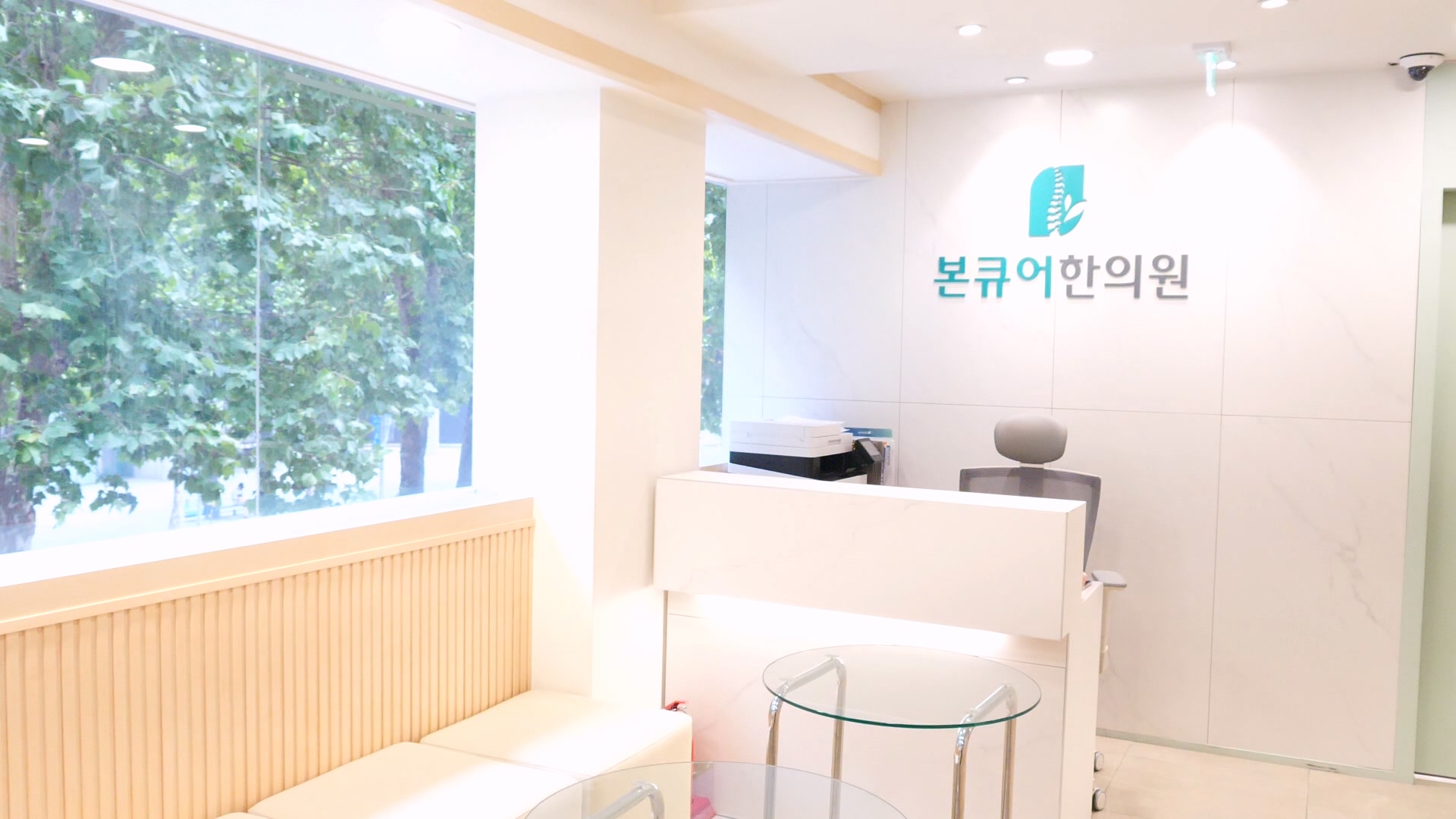
This article provides an in-depth look at how we utilize structural restoration to address chronic pain and complex systemic health issues.
Understanding the Foundations of a Korean Traditional Medicine Clinic in Seoul
A Korean traditional medicine clinic in Seoul is defined as a specialized healthcare institution that integrates centuries-old herbal and physical therapies with contemporary diagnostic frameworks. These clinics focus on the body as an interconnected system, where the structural integrity of the spine and joints is considered fundamental to overall wellness and autonomic balance.
Introduction to Bonecure and the Philosophy of Structural Health
Bonecure is a specialized Korean traditional medicine clinic in Seoul that prioritizes the structural integrity of the human body as the cornerstone of health. Our core philosophy, "When your bones smile, life smiles," reflects our commitment to aligning the physical framework to restore autonomic balance and natural vitality. In the heart of the city, we identify specific misalignments that often contribute to chronic pain and various systemic dysfunctions. As 2026 continues to see rapid advancements in integrative health, our clinic strives to integrate ancient clinical wisdom with modern evidence-based structural analysis. We understand that every patient presents a unique physiological landscape, and our goal is to provide a highly efficient clinical environment focused on impactful results. By focusing on the spine and pelvic alignment, Bonecure helps patients achieve a state of equilibrium through compressed, high-density treatment sessions. This structural approach ensures that the root causes of discomfort are addressed effectively without unnecessary, lengthy procedures.
The Evolution of Traditional Medicine Clinical Notes in the Modern Era
The practice of maintaining traditional medicine clinical notes has evolved significantly, transitioning from simple handwritten records to comprehensive, evidence-based documentation systems. In a modern Korean traditional medicine clinic in Seoul, these notes capture a detailed mapping of a patient's structural history, pulse characteristics, and response to various therapeutic interventions. This rigorous approach to documentation allows practitioners to track progress with scientific clarity, ensuring that treatments remain consistent and adaptable. At Bonecure, we emphasize the importance of these clinical records to validate the efficacy of our structural restoration techniques over time. By analyzing data from patient interactions, we can refine our protocols for conditions ranging from simple muscle strain to complex autonomic nervous system imbalances. This evolution towards data-driven traditional medicine enhances patient safety and fosters a deeper trust between the doctor and the individual. Precise documentation serves as the backbone of our clinical excellence, providing a clear roadmap for every patient's journey toward recovery.
Specialized Acupuncture and Chuna for Chronic Pain Management
Specialized acupuncture and Chuna therapy are targeted therapeutic interventions designed to modulate the nervous system and release structural tension within the musculoskeletal framework. These modalities are utilized to stimulate specific points on the body and manually correct alignment, promoting the natural flow of energy and blood while supporting the physical repair of damaged tissues.
Targeting the Root Cause: Acupuncture for Back Pain Relief
Acupuncture for back pain is one of the most sought-after treatments at our Korean traditional medicine clinic in Seoul due to its ability to address deep-seated tension. By inserting fine needles into specific trigger points and meridians, we can alleviate pressure on the spinal nerves and promote the relaxation of the paraspinal muscles. At Bonecure, we view back pain not as an isolated symptom but as a manifestation of structural misalignment or pelvic tilt. Our specialized techniques focus on restoring the correct curvature of the spine, which helps to distribute mechanical stress more evenly across the body. While many patients report a feeling of immediate lightness after a session, we emphasize that chronic conditions may require a series of treatments to achieve stable results. Individual outcomes can vary based on the duration of the condition and the patient's lifestyle. We provide an impactful treatment plan after a thorough structural evaluation to ensure the most effective approach for each case.
Restoring Structural Balance with Chuna Therapy in Seoul
Chuna therapy in Seoul involves manual manipulation of the musculoskeletal system to correct imbalances in the spine and joints. This technique is particularly effective for patients suffering from persistent misalignments, postural issues, or restricted mobility that affects systemic vitality. At Bonecure, we integrate Chuna to supplement our structural treatments, as the manual correction helps to soften rigid tendons and improve the elasticity of the fascia. This structural intervention promotes the proper alignment of vertebrae, which reduces nerve irritation and facilitates the removal of metabolic waste. Patients typically experience a sense of regained mobility and immediate relief from physical compression. While Chuna is generally a comfortable experience, some patients may feel temporary muscle soreness following the adjustment. We focus on providing essential corrections that are both efficient and impactful. This supportive modality is essential for revitalizing the body's internal environment during the recovery process.
Precision Treatment with Pharmacopuncture Synergy
Pharmacopuncture is a modern intervention that combines the benefits of herbal medicine with the precision of acupuncture, injecting refined extracts into specific points to reduce inflammation and promote tissue repair. This method is exceptionally beneficial for releasing deep myofascial adhesions and reducing persistent pain in the back and shoulders. At Bonecure, we often combine pharmacopuncture with structural alignment to enhance the overall therapeutic effect, as it provides direct nutritional support to weakened ligaments and muscles. This synergy is particularly effective for those who suffer from repetitive strain and chronic muscle stiffness. It is important to note that while pharmacopuncture is safe, some patients may experience mild localized swelling or tenderness immediately following the injection. By integrating this targeted method into our structural protocols, we can offer a comprehensive solution for physical tension and pain.
Advanced Interventions: Acupotomy and Structural Realignment
Advanced interventions such as acupotomy and structural realignment represent the peak of modern Korean medicine, focusing on the physical release of deep tissue adhesions and the correction of skeletal imbalances. These procedures are performed with a focus on restoring the natural biomechanical function of the body through direct and targeted structural changes.
Releasing Tissue Adhesion with Evidence-Based Acupotomy Techniques
Acupotomy represents a sophisticated evolution in the field of acupuncture, utilizing a flat-headed tool to physically strip and release stubborn tissue adhesions that contribute to chronic pain. At Bonecure, we apply this evidence-based technique to patients suffering from musculoskeletal restrictions that do not respond to traditional needle therapy alone. By targeting specific points where muscle and fascia have become fused, we can restore the natural gliding motion of tissues. Acupotomy is used to address chronic conditions by physically releasing tissue adhesions, which can help restore mobility in cases of long-standing restrictive discomfort. It is important to note that while acupotomy is highly effective, it is a specialized procedure that requires precise anatomical knowledge. Some patients may experience temporary soreness, minor bleeding, or swelling at the site of the procedure, which typically resolves within a few days. This method serves as a bridge between conservative care and more invasive options, offering a structural solution for long-term recovery.
Correcting Spinal Curvature and Posture for Long-Term Recovery
Correcting spinal curvature and posture is a core objective at our Korean traditional medicine clinic in Seoul, as many chronic ailments stem from a misaligned skeletal frame. We utilize specialized manual techniques and posture correction therapy to guide the vertebrae and pelvis back into their optimal positions. At Bonecure, we believe that a balanced spine is the foundation of a healthy nervous system, as even minor misalignments can lead to nerve impingement and systemic inflammation. Our approach involves a combination of structural adjustments and therapeutic interventions designed to strengthen the supporting musculature. By addressing the mechanical root of the problem, we help patients avoid the cycle of temporary relief and recurring pain. This long-term strategy is essential for individuals dealing with scoliosis, forward head posture, or pelvic tilts. While structural changes take time and consistency, the resulting improvement in physical function and daily comfort is often profound. We work closely with each patient to ensure their alignment is maintained through proper ergonomic habits.
Choosing Your Healthcare Provider: Comparison of Clinics in Seoul
Selecting a healthcare provider in a bustling city requires a careful comparison of diagnostic precision, treatment philosophy, and specialized expertise. Patients must evaluate whether a clinic focuses on general wellness or provides targeted interventions for specific structural and chronic conditions.
Specialized Structural Care vs. General Integrative Approaches
When searching for a Korean traditional medicine clinic in Seoul, it is helpful to understand the characteristics of specialized structural care. Clinics like Bonecure focus specifically on cranial and spinal balance, utilizing targeted tissue release and alignment techniques. This approach differs from general integrative hospitals that may offer a broader range of general herbal medicine without the same intensity of manual intervention. At Bonecure, we prioritize direct, intensive structural correction by the head doctor to address chronic pain and autonomic disorders efficiently.
Korean Traditional Medicine Clinic in Cheongdam: A 2026 Guide to Structural Restoration at Bonecure Advanced Acupotomy in Seoul: Root Cause Pain Relief at BoneCure Korean Medicine Clinic
Clinical Evidence and Important Patient Safety Precautions
Clinical evidence in Korean medicine is derived from rigorous case reports and observational studies that document the physiological shifts occurring during the healing process. These insights allow practitioners to refine their methods while ensuring that patient safety remains the highest priority through the disclosure of potential risks and limitations.
Insights from Case Reports on Tinnitus and Autonomic Health
Case reports play a crucial role in validating the effectiveness of structural interventions for complex conditions like tinnitus and autonomic nervous system dysfunction. At Bonecure, I have documented cases where patients with long-standing issues showed significant improvement through the restoration of cervical spine alignment. Clinical observations suggest that structural restoration, particularly focusing on the upper cervical spine, aims to support autonomic health. By addressing mechanical pressure on nerves, these interventions are designed to improve the body's internal regulatory environment. It is important to note that while these structural approaches target the underlying mechanisms of conditions like tinnitus or stress-related dysfunction, individual results vary significantly. It is essential to understand that these outcomes are specific to the individuals in the reports and do not guarantee the same results for every patient. These clinical findings suggest that structural health is deeply intertwined with neurological function and internal organ health. By sharing these insights, we aim to provide a transparent look at the possibilities of modern Korean medicine.
Potential Risks and Limitations of Traditional Korean Medicine Treatment
While traditional Korean medicine is generally safe, it is vital to acknowledge the potential risks and limitations associated with any therapeutic intervention. At Bonecure, we maintain a policy of full disclosure to ensure our patients are well-informed. Procedures like acupuncture or acupotomy can sometimes result in minor side effects such as localized bruising, temporary pain, or slight swelling at the insertion site. In rare cases, minor bleeding or superficial infection could occur if post-treatment care instructions are not followed. Furthermore, the effectiveness of these treatments can vary significantly depending on the severity and chronicity of the patient's condition. For example, severe degenerative changes in the spine may require a longer course of treatment and might have limitations in achieving complete structural reversal. We always recommend an initial consultation to establish realistic expectations and a safe treatment pathway. Patient safety is our primary concern, and we adhere to strict sterilization protocols and clinical guidelines to minimize all associated risks throughout the recovery process.
Frequently Asked Questions
Q. What defines a Korean traditional medicine clinic in Seoul?
A Korean traditional medicine clinic in Seoul is a healthcare facility that combines ancient Eastern medical wisdom with modern diagnostic standards. At Bonecure, we specifically focus on the structural alignment of the body and the release of tissue adhesions to treat chronic and intractable conditions efficiently.
Q. How effective is acupuncture for back pain at your clinic?
Acupuncture is an effective method for managing musculoskeletal discomfort by targeting trigger points and nerve pathways. While many of our patients at Bonecure report immediate relief, it is important to remember that individual results vary. We provide a customized treatment plan based on an evaluation of your spinal structure.
Q. What should I expect during structural Chuna therapy?
Chuna involves manual manipulation to correct spinal and joint alignment. Most patients feel an immediate reduction in pressure and improved mobility. While it is a safe procedure, some individuals may experience temporary muscle soreness at the treatment site as the body adjusts to the new alignment.
Q. How does acupotomy differ from regular acupuncture?
Acupotomy uses a specialized, flat-headed tool to physically release and strip away deep tissue adhesions (fibrosis) that cause chronic restriction. While regular acupuncture focuses on nerve modulation, acupotomy is a more direct structural intervention used for long-standing pain that hasn't responded to other treatments.
Q. Can structural treatment help with neurological conditions like Parkinsonism or Tinnitus?
Yes, by addressing misalignments in the upper cervical spine and relieving pressure on the nervous system, we aim to manage symptoms and support the body's internal regulation. While results vary and these are often progressive or complex conditions, structural health is a vital component of managing autonomic and neurological wellness.
Q. How are costs determined for Korean medicine treatments?
The cost of treatment is determined by the complexity of your condition and the specific therapies included in your personalized plan. During your initial consultation at Bonecure, we provide a detailed explanation of the necessary treatments. This ensures transparency and allows you to understand the value of your structural care investment.
Q. Is the treatment process at Bonecure long and time-consuming?
Our clinic operates on a highly efficient and impact-driven system. We focus on providing essential, concentrated treatments that typically take 10 to 20 minutes per session. This allows us to deliver high-quality structural correction without unnecessary delays, respecting our patients' time.
Key Takeaways
- Structural alignment is the foundation of chronic pain management and systemic health.
- Bonecure utilizes advanced acupotomy to release deep tissue adhesions and restore mobility efficiently.
- Treatments focus on high-impact, compressed sessions for maximum clinical effectiveness.
- Patient safety is ensured through rigorous protocols, though individual results and minor side effects like bruising or soreness may vary.
Integrative Structural Therapy: Clinical Principles at Bonecure Clinic
I hope this guide has provided clarity on the structural approach we take at our clinic. If you are struggling with chronic pain or feel your body is out of balance, I invite you to seek a professional consultation to see how we can support your recovery.
Bonecure / Dr. Song Jung-hyun
FAQ
- What defines a Korean traditional medicine clinic in Seoul?
- A Korean traditional medicine clinic in Seoul is a healthcare facility that combines ancient Eastern medical wisdom with modern diagnostic standards. At Bonecure, we specifically focus on the structural alignment of the body and the release of tissue adhesions to treat chronic conditions. We believe that physical balance is the key to overall health and autonomic stability.
- How effective is acupuncture for back pain at your clinic?
- Acupuncture is a highly effective method for managing musculoskeletal discomfort by targeting trigger points and nerve pathways. While many of our patients at Bonecure report significant relief from back pain, it is important to remember that individual results vary. We provide a customized treatment plan based on a comprehensive evaluation of your spinal structure and lifestyle.
- What should I expect during moxibustion therapy in Seoul?
- Moxibustion involves the thermal stimulation of specific body points using heated mugwort to improve circulation and systemic energy. Most patients feel a deep, soothing warmth that helps to relax stiff muscles and calm the nervous system. While it is a safe procedure, some individuals may experience temporary skin sensitivity or mild redness at the treatment site.
- Are there any side effects to cupping therapy?
- Cupping therapy is a safe procedure used to release muscle tension, but it does have some temporary side effects. The most common effect is the appearance of circular bruises or marks, which usually fade within a few days. Patients might also experience mild soreness or skin irritation, which is a normal part of the body's inflammatory response and healing process.
- Is the acupotomy procedure painful or risky?
- Acupotomy uses a specialized tool to release deep tissue adhesions, and while it can cause some temporary discomfort, it is highly controlled. At Bonecure, we follow strict safety protocols to minimize risks like minor bleeding or localized swelling. Patients are fully briefed on the procedure and potential sensations before the treatment begins to ensure a comfortable experience.
- How are costs determined for Korean medicine treatments?
- The cost of treatment is determined by the complexity of your condition and the specific therapies included in your personalized plan. During your initial consultation at Bonecure, we provide a detailed breakdown of the costs and the value of each component of your care. This ensures transparency and allows you to make an informed decision about your health investment.
- Does Bonecure provide treatments for women's health?
- Yes, structural health and Korean medicine are very effective for various women's health concerns, including menstrual irregularities and postpartum recovery. We address these issues by focusing on pelvic alignment and hormonal balance through a combination of acupuncture and herbal medicine. Our goal is to support the body's natural transitions and long-term vitality.