
Post
Korean Traditional Medicine Clinic in Cheongdam: A 2026 Guide to Structural Restoration at Bonecure
A Korean traditional medicine clinic in Cheongdam provides an integrative wellness experience that merges centuries of ancestral knowledge with the diagnostic rigor of modern medicine to restore structural harmony.
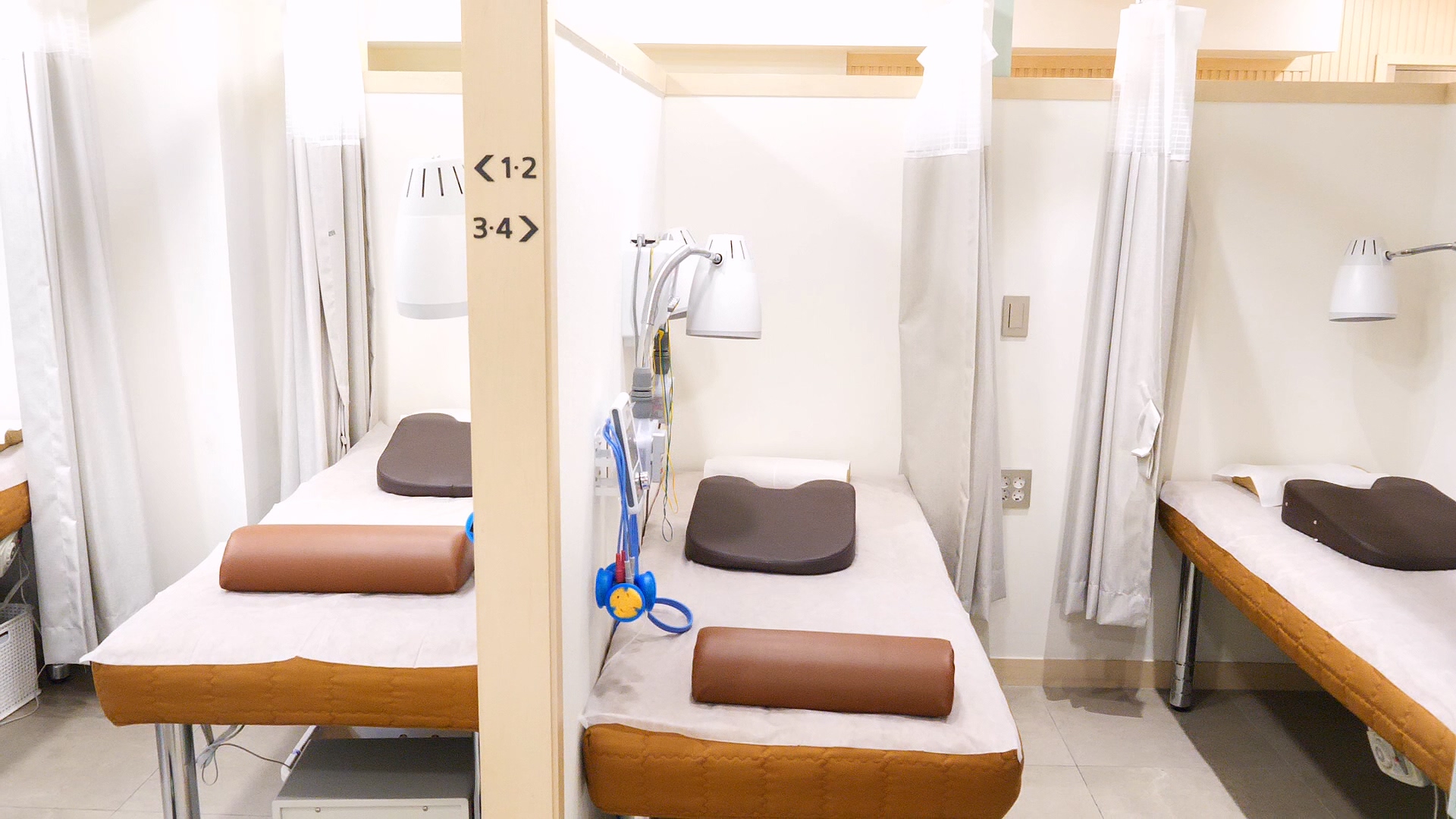
This approach focuses on identifying the root causes of musculoskeletal dysfunction through evidence-based protocols and specialized therapeutic interventions designed for urban professionals seeking long-term vitality. Greetings. I am Song Jeong-hyeon, a Korean medicine doctor who has long focused on acupotomy therapy at Bonecure. My practice is dedicated to helping patients recover their natural structural alignment and autonomic health through precise, science-backed traditional treatments that address chronic pain and systemic fatigue. Rather than relying on temporary fixes, we prioritize the restoration of internal balance and physical alignment to ensure a healthier daily life for every patient visiting our clinic.
Defining the Clinical Standard at a Korean Traditional Medicine Clinic in Cheongdam
A professional Korean traditional medicine clinic in Cheongdam is characterized by its commitment to clinical precision and personalized care models that cater to discerning patients seeking more than just symptom suppression. These institutions redefine health as a state of optimal structural and metabolic balance, utilizing detailed manual evaluations of posture, movement, and visceral function to validate every treatment step. By prioritizing clinical outcomes, these clinics provide a professional environment tailored to the needs of the local community in Cheongdam. At Bonecure, we believe that a clinic's size does not define its impact; rather, it is the depth of the practitioner's expertise and the commitment to one-on-one care that determines success. We focus on providing highly concentrated and efficient treatments that respect the patient's time and physiological limits, ensuring that every session contributes directly to the overall recovery of the body's natural skeletal and nervous system integrity.
The Evolution of Traditional Practices in the Heart of Seoul
The landscape of traditional healing in Seoul has undergone a profound transformation, particularly within the Gangnam district where innovation meets heritage. While traditional medicine has existed for millennia, the modern Korean traditional medicine clinic in Cheongdam now incorporates advanced research to refine its methodologies. Many established clinics in the area bring decades of clinical experience to their practice, focusing on patient-centered care and long-term wellness outcomes. This evolution ensures that ancient techniques like acupuncture are no longer viewed as mystical but as physiologically significant interventions. At Bonecure, we honor this progression by focusing on the 'structural restoration' of the spine and joints. We move beyond simple needle insertion to address the underlying biomechanical failures that lead to chronic illness. This shift represents a broader movement in Korean healthcare where specialized tools like acupotomy are used to focus on precisely releasing adhesions in the tissue, which is a distinct approach from standard filiform needles, targeting the root of the pain directly for lasting results.
Blending Ancient Wisdom with Modern Diagnostic Precision
The integration of modern technology into a Korean traditional medicine clinic in Cheongdam allows for a level of transparency and accuracy that was once impossible. For instance, Bonecure utilizes whole-spine X-ray evaluations through established referral partnerships to track changes in the spinal curve, providing objective data to support the subjective improvements reported by patients. This evidence-first approach is crucial for establishing trust in an era of data-driven wellness. Scientific evaluation scales, such as the Beck Anxiety Inventory or Visual Analog Scales for pain, are frequently employed to quantify recovery milestones. Clinics in this region, such as those located at 3F, 767 Samseong-ro, often utilize these multi-dimensional diagnostic frameworks to ensure patient safety and efficacy. By combining the intuitive wisdom of herbal prescriptions with the tangible metrics of radiological imaging, practitioners can create highly customized protocols. This synergy allows for a clearer understanding of the physiological mechanisms involved in systemic healing, supporting long-term health objectives through a tailored and efficient treatment plan.
Why Cheongdam is a Center for Integrative Wellness
Cheongdam has solidified its reputation as a global hub for integrative medicine due to its high density of specialized practitioners and proximity to luxury amenities. Patients traveling to a Korean traditional medicine clinic in Cheongdam often find themselves just a minute's walk from major landmarks like Cheongdam Station or the Cheongdam-dong Cathedral, making specialized care highly accessible. The district attracts international patients who value the discreet and professional environment offered by institutions like Bonecure. The competitive nature of this healthcare corridor ensures that only the most effective and scientifically sound practices thrive. Clinics in this area are known for their commitment to high standards of care, reflecting a dedication to patient satisfaction and clinical integrity. Furthermore, the concentration of expertise in structural restoration and autonomic balance makes it a destination for those seeking integrative options for complex, chronic conditions. This local ecosystem fosters a culture of continuous improvement, where traditional doctors regularly publish case reports on conditions like scoliosis and tinnitus to advance the global field of integrative health, ensuring that patients receive the most current care.
Specialized Solutions for Chronic Pain and Structural Imbalance
Specialized solutions for chronic pain involve the application of targeted physical interventions that aim to release mechanical obstructions within the body's soft tissues and skeletal framework. These methods are designed to restore the functional range of motion and alleviate the neurological pressure caused by misaligned joints or thickened fascia. By focusing on the structural integrity of the patient, a Korean traditional medicine clinic in Cheongdam can provide sustainable relief for conditions that typically recur when only the symptoms are addressed. This evidence-based strategy is the cornerstone of modern restorative therapy, moving away from generalized protocols toward specific, impactful treatments.
Acupuncture for Back Pain and Spinal Restoration
When addressing spinal health, acupuncture for back pain serves as a foundational tool for modulating the nervous system and reducing localized inflammation. At Bonecure, we utilize structural alignment techniques to ensure that the spine regains its natural curvature, which is vital for overall health. Clinical notes from our practice emphasize that we do not follow a standardized '10-session' rule; instead, we aim for immediate changes that the patient can feel during and after the treatment. The degree of improvement varies significantly depending on the individual's condition. This process is not merely about pain relief; it is about correcting the 'cobb angle' in scoliosis patients or restoring the 'C-curve' in the cervical spine. By stimulating specific points related to the paraspinal muscles, practitioners can encourage the body to release chronic tension and realign itself. While results depend on the severity of the misalignment, our focus remains on highly efficient sessions that prioritize structural integrity over lengthy, repetitive protocols. This ensures that every visit provides a tangible step toward biomechanical stability and long-term relief from discomfort.
Acutotomy Therapy for Releasing Soft Tissue Adhesions
Acutotomy, or 'needle-knife' therapy, is a specialized procedure that addresses the physical adhesions of muscles and ligaments that filiform needles cannot reach. This technique is central to the work we do at Bonecure, where we target the hardened tissues that restrict movement. In my clinical experience, I have observed cases where patients with chronic tinnitus or cervical stiffness showed significant improvement following intensive acupotomy and structural correction, though results vary by individual. This procedure involves using a microscopic blade at the tip of the needle to physically release the 'stuck' tissues that cause nerve entrapment and vascular compression. While the procedure may cause temporary localized discomfort, minor bruising, or a small amount of bleeding, its ability to provide structural release is a key reason for its popularity in a Korean traditional medicine clinic in Cheongdam. It is an alternative for those looking for a different approach to tissue tension. By addressing internal adhesions, we aim to support the body's natural recovery process, which may help improve vitality and movement while reducing the likelihood of recurring pain.
Cupping and Moxibustion Therapy for Systemic Circulation
To complement structural interventions, cupping and moxibustion are utilized to enhance systemic circulation and metabolic waste removal. Cupping therapy creates a localized vacuum that pulls stagnant blood to the surface, facilitating the detoxification of muscle tissues. In a professional Korean traditional medicine clinic in Cheongdam, this is often performed using sterile, high-quality equipment to ensure safety. Moxibustion, on the other hand, involves the application of thermal energy to specific points to boost the immune system and improve blood flow. These therapies are essential for patients who suffer from 'cold' constitutions or those with sluggish lymphatic drainage. These methods support the structural work by keeping the tissues soft and receptive to alignment. It is important to remember that while these treatments are generally safe, they may not be suitable for individuals with acute skin infections or certain vascular conditions. When used correctly, they provide a powerful metabolic boost that accelerates the recovery of the musculoskeletal system and supports the autonomic nervous system's ability to maintain internal balance, though individual outcomes vary based on constitution and condition severity.
Structural Correction vs. Conventional Symptom Relief
Structural correction focuses on the physical architecture of the body as a key factor in health and disease. While various treatments offer immediate symptom management, structural alignment at our clinic is one approach that focuses on addressing the physical alignment of the body to manage the underlying sources of discomfort. This approach is rooted in the belief that when the 'bones smile'—or are correctly aligned—the rest of the body’s systems, including the digestive and nervous systems, can function more effectively, leading to a state of comprehensive wellness rather than temporary relief.
The Bonecure Approach to Root Cause Alignment
The Bonecure philosophy is built on the premise that chronic illness often stems from structural distortion. Whether it is a headache, digestive issue, or chronic fatigue, we first examine the alignment of the spine and the tension within the fascia through meticulous manual evaluation. Our approach is uniquely focused on the 'root cause,' which is often an old injury or a chronic postural habit that has led to tissue adhesion. By using a combination of acupotomy and manual manipulation, we work to restore the body’s innate balance. We believe that true healing occurs when the physical pressure on the nerves and blood vessels is removed, allowing the body's autonomic nervous system to self-regulate. This methodology is particularly relevant for modern urbanites who spend long hours at desks, leading to a high prevalence of 'turtle neck' and pelvic tilt issues. Our goal is to provide a comprehensive restoration that lasts, prioritizing high-impact, efficient care over factory-style repetitive sessions, ensuring that each patient receives a treatment plan as unique as their own skeletal structure.
Comparative Analysis of Treatment Methodologies
Understanding the differences between various treatment modalities is essential for patients to make informed decisions about their healthcare. In a Korean traditional medicine clinic in Cheongdam, patients have access to a variety of specialized tools. Below is a comparative table highlighting the features of the specialized acupotomy approach offered at Bonecure.
| Feature | Acutotomy at Bonecure |
|---|---|
| Primary Mechanism | Mechanical release of soft tissue adhesions and fibrosis |
| Tool Type | Specialized blade-tip needle (Acupotome) for precise dissection |
| Expected Sensation | Localized release; may include temporary soreness or minor bruising |
| Clinical Focus | Structural restoration and immediate improvement in movement range |
This comparison demonstrates that while all methods have value, the structural focus at Bonecure is uniquely suited for chronic cases where physical intervention is utilized to address long-standing tissue adhesions. Each method has its own set of potential side effects, such as temporary pain or the need for professional follow-up, which should be discussed during an individual consultation to ensure safety and alignment with the patient's specific health goals and physical condition.
Utilizing Scientific Data to Track Clinical Progress
A hallmark of a leading Korean traditional medicine clinic in Cheongdam is the rigorous use of data to monitor patient progress. At Bonecure, we do not rely solely on how a patient 'feels,' although subjective comfort is a vital indicator. Instead, we utilize objective assessments such as X-ray analysis referred from partner hospitals or the normalization of functional scales in patients with Meniere's disease or chronic dizziness. For example, in certain clinical cases, we aim for immediate structural stabilization and functional improvement, though individual recovery paths differ. These observations are not guaranteed for every individual, as biological responses vary, but they provide a benchmark for what can be achieved with dedicated, specialized care. By tracking clinical evaluations and quantitative data, we can adjust treatment plans in real-time, ensuring that every patient is on the most efficient path to recovery. This data-driven approach emphasizes clinical accountability in traditional medicine, providing patients with objective information regarding their health management and progress while maintaining a focus on immediate, tangible results during each visit.
Holistic Wellness Strategies for Modern Urban Lifestyles
Holistic wellness strategies involve looking beyond isolated symptoms to understand how lifestyle, structure, and internal circulation interact to produce health or disease. For the modern urbanite, stress and sedentary habits often lead to a breakdown in autonomic balance, necessitating a comprehensive approach to recovery. A Korean traditional medicine clinic in Cheongdam addresses these challenges by offering personalized care that integrates physical correction with metabolic support, ensuring that the body can withstand the demands of a high-pressure environment while maintaining its internal harmony and long-term structural integrity.
Oriental Medicine for Chronic Fatigue and Autonomic Balance
Chronic fatigue is frequently a symptom of an overtaxed autonomic nervous system, often caused by the physical stress of structural misalignment. When the cervical spine is misaligned, it can interfere with blood flow and nerve signals, leading to 'brain fog' and exhaustion. At Bonecure, we address this by combining structural alignment with herbal medicine designed to nourish the system. Clinical observations suggest that by addressing the alignment of the neck and shoulders, patients may experience an improvement in vitality and a reduction in perceived fatigue as the body's structural stress decreases. This is because the body is no longer wasting energy trying to compensate for a dysfunctional structure. Furthermore, specialized acupuncture helps to shift the body into a state of rest and recovery. This transition is essential for those suffering from insomnia or anxiety. By treating the body as a whole system, a Korean traditional medicine clinic in Cheongdam provides a path to vitality that is both structural and metabolic, helping patients regain their natural rhythm and resilience, though results always vary by individual.
Personalized Treatment Plans for Women’s Health and Recovery
Women's health requires a nuanced approach that considers hormonal cycles and the unique structural stresses associated with childbearing or aging. A Korean traditional medicine clinic in Cheongdam offers specialized protocols for conditions like pelvic dysfunction and postnatal recovery. At Bonecure, we prioritize the alignment of the pelvis and lumbar spine, as these areas are critical for reproductive and digestive health. For instance, addressing a pelvic tilt can alleviate chronic pressure on internal organs, leading to significant improvements in quality of life. Our personalized plans often include a combination of acupotomy for scar tissue and herbal decoctions that support the endocrine system. It is important to recognize that results in these cases are highly individual and require a commitment to the treatment plan to achieve stability. By addressing both the structural and internal aspects of women's health, we provide a supportive environment for long-term wellness. Our integrative strategies are applied to complex health concerns, ensuring that every woman receives care that respects her unique physiological needs and lifestyle demands in 2026.
The Role of Clinical Notes in Patient-Centered Care
Clinical notes are more than just records; they are a vital tool for ensuring that patient-centered care remains precise and effective. In a premium Korean traditional medicine clinic in Cheongdam, every observation—from the quality of movement to the texture of the fascia—is documented to build a comprehensive map of the patient's health journey. At Bonecure, I review these notes meticulously to track how a patient’s body responds to specific interventions like acupotomy. This allows for a level of personalization that is rare in modern healthcare. For example, if a patient with chronic neck pain shows a specific pattern of tension, we can tailor the next session to address those exact areas. This iterative process ensures that we are always moving toward the root cause of the problem without unnecessary repetition. While these notes are based on individual clinical experiences and do not guarantee the same results for everyone, they form the basis of our evidence-based practice. By maintaining this high standard of documentation, we ensure that our patients receive the most thoughtful and effective care possible, grounded in the reality of their unique physiological needs.
Frequently Asked Questions
Q. What distinguishes Bonecure from a typical Korean traditional medicine clinic in Cheongdam?
Bonecure focuses on structural restoration through specialized acupotomy and spinal alignment. We prioritize identifying the root causes of pain rather than just symptom relief. We utilize referral-based X-ray analysis and detailed manual evaluations to ensure our traditional treatments are supported by modern clinical data.
Q. Does acupuncture for back pain provide immediate results?
Some patients may feel a change in comfort after a single session due to our focus on immediate structural release, but this is not guaranteed for everyone. Chronic conditions often require multiple treatments to achieve stability. Results depend on individual physiological responses and the severity of the underlying alignment issues.
Q. What are the potential side effects of acupotomy therapy?
Acupotomy is a specialized procedure that may cause temporary localized pain, minor bruising, or slight bleeding at the site. While rare, infection is a potential risk, though we follow strict sterile protocols. Patients are advised to rest the treated area for at least 24 hours following the procedure to ensure proper recovery.
Q. How do you integrate modern science with traditional Korean medicine?
We utilize objective assessment tools, including whole-spine X-ray analysis (via referral) and clinical evaluation scales for structural and autonomic health. This allows us to track measurable changes in the body, providing patients with a transparent and data-driven view of their healing journey beyond just subjective feelings.
Q. Is moxibustion therapy in Seoul appropriate for everyone?
Moxibustion is excellent for improving circulation and internal warmth. However, it may not be suitable for individuals with acute skin inflammation, high fever, or specific vascular conditions. A consultation at Bonecure is required to determine suitability and ensure the treatment is safe for your specific constitution and health history.
Q. How many sessions are typically required for chronic pain management?
Treatment duration varies significantly based on the severity and duration of the condition. Unlike clinics that suggest a fixed number of sessions, we focus on efficient, high-impact treatments tailored to your immediate response. A personalized plan will be developed after your initial evaluation to determine the most effective path forward.
Q. Can traditional Korean medicine help with stress and autonomic issues?
Yes, our clinic provides care for autonomic imbalance and stress-related disorders. By addressing both structural tension and internal circulation through acupuncture and manual therapy, we aim to stabilize the nervous system. This approach is intended to help the body transition into a state of recovery and balance.
Key Takeaways
- Root Cause Focus: Bonecure prioritizes structural alignment and the mechanical release of tissue adhesions to address the source of chronic pain.
- Diagnostic Integrity: We use referral-based X-rays and clinical evaluation scales to track recovery objectively at our Korean traditional medicine clinic in Cheongdam.
- Acupotomy Expertise: This specialized 'needle-knife' technique targets chronic tissue stiffness and nerve entrapment for immediate functional improvement.
- Holistic Integration: Our treatments combine physical correction with metabolic support to address chronic fatigue and maintain autonomic balance.
- Efficient Care: Every plan is personalized based on clinical notes, focusing on effective results rather than standardized session counts.
For more information on how we can help you recover your health through structural restoration, please contact Bonecure for a personalized consultation.
Bonecure / Director Song Jeong-hyeon
FAQ
- What distinguishes Bonecure from a typical Korean traditional medicine clinic in Cheongdam?
- Bonecure focuses on structural restoration through specialized acutotomy and spinal alignment. While many clinics offer general symptom relief, our approach targets the physical adhesion of tissues to restore functional movement. We utilize advanced diagnostic tools like whole-spine X-rays to ensure our traditional treatments are backed by modern scientific evidence.
- Does acupuncture for back pain provide immediate results?
- Many patients experience a noticeable change in comfort after a single session at Bonecure. However, chronic conditions often require a series of treatments to achieve stable structural improvement. Results depend on individual physiological responses and the severity of the underlying alignment issues.
- What are the potential side effects of acutotomy therapy?
- Acutotomy is a specialized procedure that may cause temporary localized pain, minor bruising, or slight bleeding at the site. In very rare instances, infection may occur, though sterile protocols are strictly followed to minimize risks. Patients are advised to rest the treated area for 24 hours following the procedure.
- How do you integrate modern science with traditional Korean medicine?
- We utilize objective assessment tools, including whole-spine X-ray analysis and clinical evaluation scales for autonomic functions, to provide measurable evidence of the healing process. This allows us to track changes in spinal curvature and nervous system stability, rather than relying on subjective feelings alone.
- Is moxibustion therapy in Seoul appropriate for everyone?
- Moxibustion is excellent for improving circulation and warmth within the body. However, it may not be suitable for individuals with certain skin sensitivities or acute inflammatory conditions. A consultation is required at Bonecure to determine suitability and ensure the treatment is safe for your specific constitution.
- How many sessions are typically required for chronic pain management?
- Treatment duration varies significantly based on the severity and duration of the condition. While some acute cases resolve quickly, long-standing structural issues may require consistent care over several weeks or months. Most patients at our clinic follow a plan of 10 to 20 sessions for optimal structural stability.
- Can traditional Korean medicine help with stress and autonomic nervous system issues?
- Yes, our clinic provides integrative care for autonomic imbalance and stress-related disorders. By addressing both structural tension in the neck and internal circulation through acupuncture, we aim to stabilize the nervous system. This approach helps the body transition from a state of chronic stress to one of recovery and rest.