
Post
A 2026 Guide to Comprehensive Care at a Korean Medicine Clinic in Cheongdam
Hello. I am Dr. Song Jung-hyun, a practitioner who has long focused on acupotomy and structural restoration to help patients reclaim their daily vitality. A Korean medicine clinic in Cheongdam represents a sophisticated model of integrative health, combining traditional meridian wisdom with modern biomechanical analysis to address the root causes of physical dysfunction.
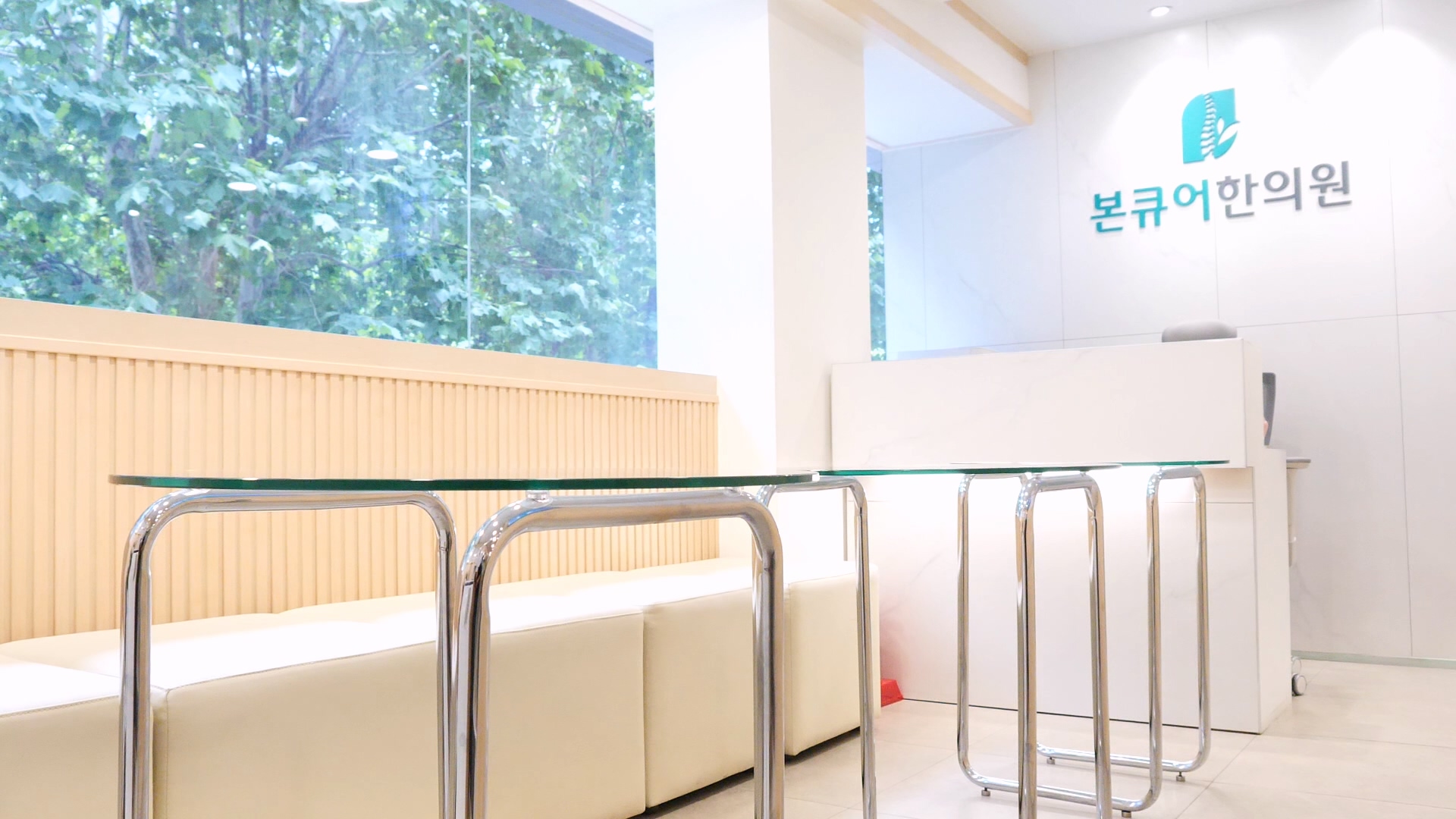
At Bonecure, we devote ourselves to helping each patient regain a healthy and balanced life. Rather than simply managing symptoms, we identify the root causes of pain through personalized treatment plans tailored to each individual. In this guide, I will share how our evidence-first approach at Bonecure supports recovery for those struggling with chronic pain and autonomic imbalances, prioritizing efficient and impactful care that respects the patient's time and recovery journey.
Comprehensive Care at a Korean Medicine Clinic in Cheongdam
Comprehensive Care at a Korean Medicine Clinic in Cheongdam is defined as an integrative healthcare model that combines traditional Korean herbal and physical therapies with contemporary structural diagnostics to address chronic pain and internal imbalances. This approach moves beyond simple symptom management to look at the body as a holistic, interconnected structure where the alignment of the spine significantly influences the health of the autonomic nervous system and overall physical balance. By focusing on the structural foundation, we aim to resolve persistent functional issues that have not responded to conventional localized treatments. This method ensures that every aspect of the patient's biomechanics is considered, from the skull and jaw down to the pelvis, creating a comprehensive roadmap for recovery that is both scientific and patient-centric, ensuring a return to a healthy everyday life.
The Bonecure Philosophy: Restoring Structural Balance
Bonecure operates on the foundational principle that structural integrity is the cornerstone of health, a concept we define as structural restoration. When I consult with patients at our Korean medicine clinic in Cheongdam, I emphasize that the skeletal system is a dynamic regulator of physiological function. Our approach focuses on identifying structural misalignments that impede neural pathways and blood flow. By utilizing specialized acupotomy techniques and Chuna therapy, we aim to release tension in the deep myofcial layers. Unlike traditional protocols that may demand prolonged cycles, our philosophy focuses on immediate structural change. We provide intensive and efficient treatments where patients can often feel immediate improvements in their symptoms during the session. This philosophy is encapsulated in our clinic’s motto, "When your bones smile, life smiles." While individual results vary, we use data from collaborative diagnostic imaging from specialized partner facilities to ensure each intervention is precise and impactful for restoring the body's architectural foundation.
Why Location Matters for Specialized Care
Choosing a professional Korean medicine clinic in Cheongdam ensures access to high-quality integrative therapies in a district known for medical precision. At Bonecure, we provide a sophisticated environment where traditional wisdom meets modern diagnostic rigor, catering to high-demand professionals who value efficiency. Our facility is designed to offer a tranquil, modern healing space, reflecting a 2026 clinical standard that moves away from outdated aesthetics. The accessibility of our Samseong-ro location allows for convenient visits, which is essential for maintaining momentum in structural correction. We prioritize a clinical system that delivers high-impact results in a time-efficient manner, typically requiring just 10 to 20 minutes per session. By situating our practice here, we bridge the gap between historical Korean medical practices and the contemporary needs of a globalized patient base seeking specialized, evidence-based care for complex musculoskeletal conditions without the need for unnecessary, lengthy consultation times.
Specialized Miniscalpel Acupuncture for Chronic Pain Relief
Specialized Miniscalpel Acupuncture, or acupotomy, is a micro-surgical technique that uses a thin, blade-like needle to release internal tissue adhesions and fibrotic scars. This method is particularly effective for chronic conditions where soft tissue has become thick and rigid, preventing normal blood flow and nerve conduction. By physically decoupling these adhesions, we restore the body's natural range of motion.
How Miniscalpel Therapy Differs from Traditional Acupuncture
Miniscalpel therapy represents an evolution of classical acupuncture by incorporating mechanical principles into a minimally invasive procedure. While traditional acupuncture focuses on stimulating energy flow, the acupotomy tools used at Bonecure are designed to physically release adhered tissues. This mechanical intervention is essential for patients who have suffered from chronic pain for years without relief. In clinical settings, we have found that this method provides a more direct pathway to structural recovery by removing physical obstructions within the fascia. Our procedure is brief and highly targeted, aiming for immediate release of tension. This differentiation is why many seeking a Korean medicine clinic in Cheongdam choose our specialized structural approach for complex issues. We focus on high-impact treatments that deliver results quickly, ensuring that patients do not waste time on ineffective or overly generalized protocols, but instead receive targeted care for their specific anatomical needs.
Targeting Adhesions and Restoring Tissue Regeneration
Chronic inflammation often leads to the formation of adhesions, which restrict joint movement and cause persistent discomfort. At Bonecure, our miniscalpel therapy targets these specific zones of adhesion to trigger the body’s natural regenerative response. By creating micro-releases in the fibrotic tissue, we encourage the influx of fresh blood and growth factors to the area. Our clinical observations indicate that this process can facilitate rapid relief of tension and pain. It is important for patients to understand that while this therapy is potent, individual responses depend on the severity of the condition. Potential risks include minor bruising or localized swelling, which typically resolve within a short period. By restoring the sliding mechanism between tissue layers, we enable the body to regain its natural range of motion. This restoration is not a slow, drawn-out process; rather, it is designed to be an immediate catalyst for the body's innate healing ability, ensuring a faster return to daily activity.
Case Study Insight: Structural Recovery in Chronic Neck Pain
In my clinical practice at Bonecure, I have observed significant structural changes in patients presenting with chronic cervical discomfort. For example, one specific case involved a patient who had experienced persistent neck stiffness for years. By analyzing X-ray data obtained through our partnership with Harrison Hospital, we identified a significant loss of natural cervical curvature. After a series of targeted miniscalpel treatments, follow-up imaging showed a measurable improvement in spinal alignment, and the patient reported a substantial reduction in their pain scores. It is important to note that this individual case represents a specific clinical outcome and does not guarantee the same results for every patient. Miniscalpel therapy, while effective for many, can cause temporary soreness or minor bruising. Achieving lasting recovery often requires a combination of clinical intervention and structural maintenance. We prioritize the removal of deep tissue adhesions that have become fibrotic, ensuring the cervical structure can maintain its proper alignment long after the treatment is complete.
Comparing Treatment Approaches for Spinal and Joint Health
Integrated Structural Therapy is a diagnostic and treatment framework that uses objective imaging data to guide manual and needle-based interventions for the spine and joints. Unlike generalized physiotherapy, this approach seeks to harmonize the relationship between the skull, spine, and pelvis to ensure optimal neurological function and systemic health.
| Feature | Traditional Acupuncture | Bonecure Structural Therapy |
|---|---|---|
| Primary Tool | Fine filiform needles | Specialized miniscalpel (Acupotomy) |
| Target Area | Superficial meridian points | Deep tissue adhesions and ligaments |
| Diagnostic Focus | Pulse and tongue diagnosis | Collaborative X-ray and structural metrics |
| Treatment Goal | Qi circulation and mild pain relief | Mechanical release and structural realignment |
| Recovery Tracking | Subjective patient feedback | Objective imaging and validated health scales |
Assessment Tools: Utilizing Collaborative X-ray Data
One of the defining features of our Korean medicine clinic in Cheongdam is the reliance on objective diagnostic data to formulate treatment plans. At Bonecure, we utilize X-ray and CT/MRI analysis by referring patients to specialized partner medical institutions, such as Harrison Hospital, for precise imaging. This allows us to move beyond subjective pain reports and target the exact vertebrae requiring correction. For instance, chronic back pain often reveals underlying structural shifts that are invisible to the naked eye. By analyzing angles and distances within the spinal column, we can track progress with mathematical precision. This data-driven approach ensures that every intervention is tailored to the patient’s unique anatomy. While imaging provides a roadmap, we combine these findings with physical palpation and motion assessment to ensure a comprehensive understanding of both the hard and soft tissue states, leading to a more informed and effective structural restoration process that is highly efficient.
Efficient Care and Structural Maintenance
Successful recovery at a Korean medicine clinic in Cheongdam involves a high-impact clinical partnership. At Bonecure, we focus on providing treatments that are condensed and efficient, designed to achieve maximum impact in a short clinical window. We believe that clinical treatment should be impactful enough that patients can feel the difference immediately, rather than requiring long, frequent sessions for minor gains. For patients who have achieved structural improvements, we provide focused guidance on maintaining these gains through proper ergonomics. We prioritize clinical interventions that fix the root cause—such as adhered fascia—so the body can hold its alignment naturally. Education includes understanding the limitations of therapy and the importance of professional monitoring. By delivering highly specialized care that targets the underlying structural and neurological impediments, we ensure that the benefits of our protocols provide a foundation for a healthy life, fitting seamlessly into the busy schedules of our patients.
Addressing Autonomic Nervous System Imbalances
Autonomic Balance refers to the equilibrium between the sympathetic and parasympathetic nervous systems, which can be disrupted by structural misalignments in the upper cervical spine. Correcting these physical issues often leads to improvements in internal symptoms like chronic fatigue, dizziness, and digestive issues by reducing nerve pressure.
The Link Between Spinal Alignment and Internal Vitality
The relationship between the spine and the autonomic nervous system is a primary focus of our work at Bonecure. When the upper cervical vertebrae are misaligned, they can put pressure on the brainstem and vagus nerve, leading to a cascade of internal health issues. In our Korean medicine clinic in Cheongdam, we address these cases by restoring the proper alignment of the neck, which in turn reduces neural interference. Clinical evidence suggests that spinal correction can lead to a reduction in stress markers and an improvement in sleep quality. We monitor these changes using validated psychological tools such as the Beck Depression Inventory (BDI). While the primary intervention is structural, the benefits are systemic, improving the patient's overall sense of vitality. It is vital to note that autonomic symptoms are complex and may require a multi-faceted approach involving herbal medicine alongside structural restoration for the best possible clinical outcome in restoring internal balance.
Managing Tinnitus and Dizziness through Cervical Correction
Tinnitus and dizziness are often symptoms of underlying structural imbalances in the neck that affect the vestibular system. At Bonecure, we have developed protocols specifically for these conditions, focusing on the release of deep tissue tension around the C1 and C2 vertebrae. In several case reports involving patients with long histories of chronic tinnitus, we observed that structural correction significantly reduced the perceived intensity of the ringing. This improvement is often linked to the restoration of blood flow and the normalization of nerve signals. However, because these conditions are multifactorial, results vary significantly between individuals. Some patients may experience a reduction in symptoms immediately, while others with more chronic damage may require more intensive clinical focus. By focusing on the cervical spine and the suboccipital muscles, we offer a unique therapeutic pathway for those who have not found relief through conventional ear-focused treatments alone, targeting the neurological root instead.
Integrating Scientific Metrics for Wellness Tracking
To ensure the highest standard of care at our Korean medicine clinic in Cheongdam, we integrate scientific metrics to track patient progress. At Bonecure, we do not rely solely on subjective reports, but rather on what the clinical data shows. This includes analyzing changes in BDI and BAI scores to measure improvements in anxiety and depression levels often associated with chronic pain. We also track physical mobility improvements to measure joint range of motion accurately. By collecting this data throughout the treatment plan, we can provide patients with a clear picture of their recovery trajectory. This scientific rigor helps to build trust and ensures that our structural restoration protocols are meeting their intended goals efficiently. While we strive for measurable progress, we always remind our patients that healing is influenced by individual physiological factors, and our goal is to provide the most impactful treatment possible to facilitate a rapid and stable recovery journey.
A 2026 Clinical Guide to Dr. Song Jung-hyun's Structural Restoration at Bonecure
Key Takeaways
- Structural restoration at Bonecure focuses on identifying and correcting spinal misalignments to improve both musculoskeletal and autonomic health.
- Miniscalpel acupuncture is a specialized tool used to release deep tissue adhesions, facilitating immediate relief and tissue regeneration.
- Objective diagnostic data, supported by X-ray imaging from partner hospitals, is essential for creating personalized and precise treatment plans.
- Treatment at Bonecure is designed to be highly efficient and impactful, focusing on immediate improvement rather than unnecessarily long protocols.
Frequently Asked Questions
Q. What should I expect during my first visit to a Korean medicine clinic in Cheongdam?
During your initial consultation, we conduct a thorough assessment of your spinal structure and movement. This includes physical examinations and, if necessary, we refer you to our partner medical facilities for structural imaging (X-ray, CT, or MRI) to identify the root cause of your discomfort. We focus on creating a customized, high-impact treatment plan.
Q. Is miniscalpel acupuncture painful or does it require downtime?
While the procedure may involve brief discomfort as it addresses internal tissue adhesions, it is designed for immediate relief. Because the treatment is targeted and efficient, it does not require significant downtime. Most patients return to their daily activities shortly after the session, although individual responses vary.
Q. How many sessions are typically required to see results for chronic conditions?
We focus on immediate improvement; many patients feel a difference in their symptoms during their first few sessions. The total duration depends on the severity of the condition, but our goal is to achieve results through impactful, efficient treatments rather than a fixed, high number of mandatory sessions.
Q. Are the results of structural therapy guaranteed for every patient?
We focus on evidence-based structural recovery; however, medical results are not guaranteed and vary based on an individual's unique physical state and lifestyle. Every body responds differently to mechanical and neurological stimulation. We prioritize realistic expectations and steady, measurable progress.
Q. What are the potential side effects of miniscalpel therapy?
Miniscalpel acupuncture is safe when performed by an experienced practitioner. Potential side effects may include temporary soreness at the site of insertion, minor bruising, or very rarely, localized infection. We follow strict sterilization protocols to minimize all associated risks.
Q. Can structural alignment help with non-musculoskeletal issues like tinnitus?
Yes, clinical experience suggests that correcting cervical spine misalignments can improve symptoms of tinnitus and dizziness caused by autonomic nervous system interference. By reducing pressure on the upper cervical nerves, we facilitate better signal transmission, though individual results depend on the specific case.
Q. How does Bonecure integrate scientific data into traditional treatments?
We utilize objective metrics, including analysis of X-ray data from partner hospitals and validated psychological scales like BDI, to track changes in spinal curvature and autonomic balance. This move beyond subjective feedback provides measurable recovery insights and ensures precise application of our techniques.
For personalized consultation regarding structural restoration and pain management, please contact us directly to schedule your appointment.
Bonecure / Dr. Song Jung-hyun
FAQ
- What should I expect during my first visit to a Korean medicine clinic in Cheongdam?
- During your initial consultation, we conduct a thorough assessment of your spinal structure and autonomic health. This includes physical examinations and, if necessary, structural imaging to identify the root cause of your discomfort before creating a customized treatment plan. We focus on understanding your history to ensure the most accurate diagnostic approach.
- Is miniscalpel acupuncture painful or does it require downtime?
- While the procedure may involve brief discomfort as it addresses internal tissue adhesions, it is designed for immediate relief and does not require significant downtime. Most patients return to their daily activities shortly after the session, though individual responses may vary. We recommend avoiding heavy exercise on the day of the procedure.
- How many sessions are typically required to see results for chronic conditions?
- The duration of treatment depends on the severity and chronicity of the condition. While some patients experience immediate improvements in mobility, chronic or severe cases may require 10 to 20 sessions over several weeks to achieve stable structural restoration. We monitor progress at regular intervals to adjust the protocol as needed.
- Are the results of structural therapy guaranteed for every patient?
- We focus on evidence-based structural recovery; however, medical results are not guaranteed and can vary based on an individual's unique physical state, lifestyle, and adherence to the recommended treatment protocol. Every body responds differently to mechanical and neurological stimulation. We prioritize realistic expectations and steady progress.
- What are the potential side effects of miniscalpel therapy?
- Miniscalpel acupuncture is generally safe when performed by an experienced practitioner. Potential side effects may include temporary soreness at the site of insertion, minor bruising, or very rarely, localized infection. We follow strict sterilization protocols and provide post-treatment care instructions to minimize all associated risks.
- Can structural alignment help with non-musculoskeletal issues like tinnitus?
- Yes, our clinical experience and case reports suggest that correcting cervical spine misalignments can improve symptoms of tinnitus and dizziness caused by autonomic nervous system interference. By reducing pressure on the upper cervical nerves, we facilitate better signal transmission, though individual results depend on the specific case.
- How does Bonecure integrate scientific data into traditional treatments?
- We utilize objective metrics such as Whole Spine X-ray analysis and validated psychological scales like BDI to track changes in spinal curvature and autonomic balance. This moves beyond subjective feedback to provide measurable recovery insights. This data-driven model ensures that our traditional techniques are applied with modern precision.