
Post
A 2026 Guide to Integrative Medicine Seoul: Structural Restoration at Bonecure
Hello. I am Dr. Song Jung-hyun, a practitioner who has focused on Acupotomy and structural restoration for many years. When seeking integrative medicine in Seoul, it is vital to look beyond simple symptom management and address the fundamental physical framework of the body.
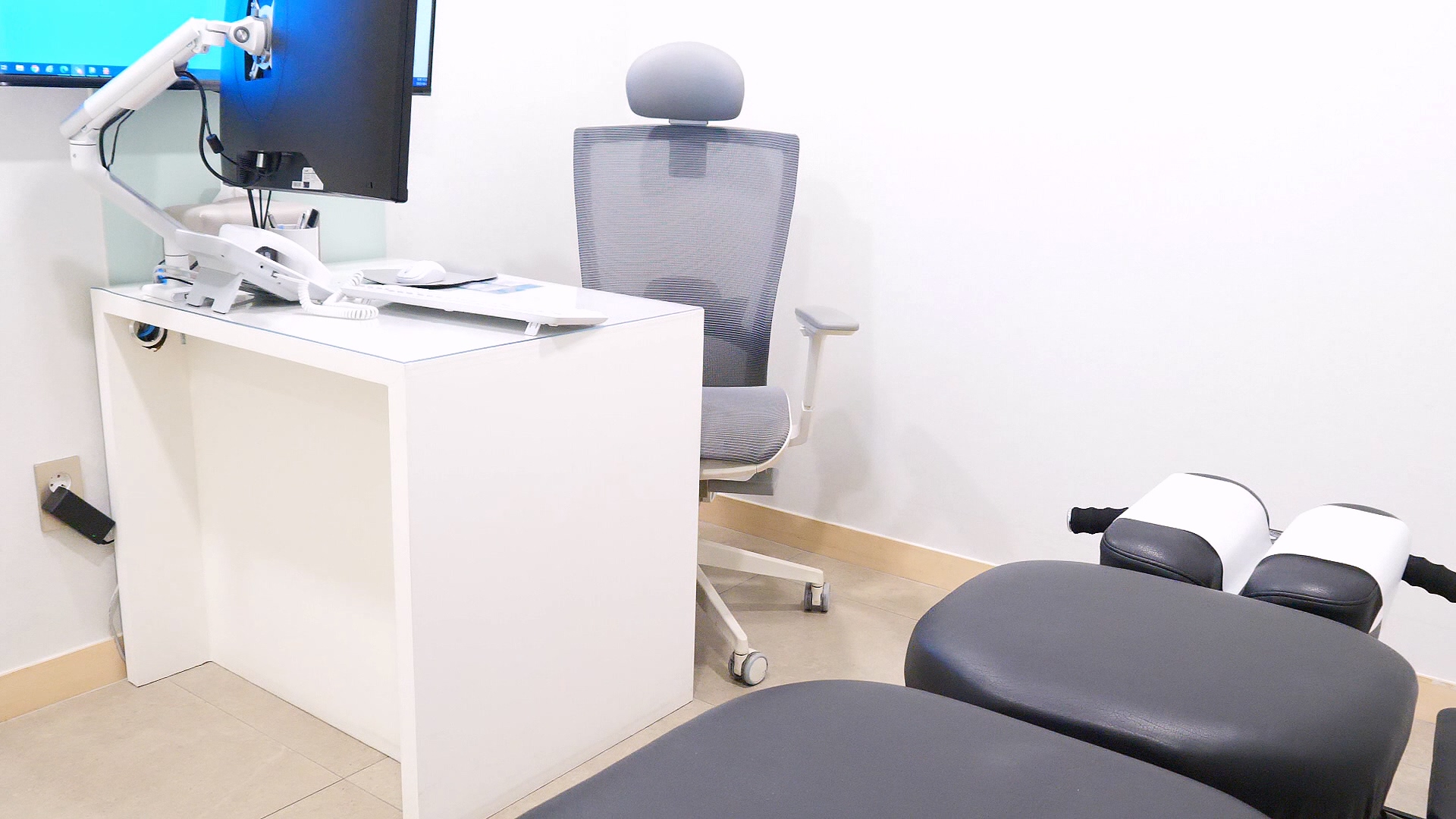
Integrative medicine in Seoul represents a multi-faceted approach to health that combines traditional Korean medical wisdom with modern anatomical science to treat the body as a unified whole. At its core, this discipline seeks to harmonize the relationship between the musculoskeletal structure and the internal physiological functions. By integrating diagnostic tools such as whole-spine X-rays with time-tested manual therapies, clinicians can identify the underlying structural imbalances that contribute to chronic pain, neurological dysfunction, and metabolic disorders. This approach does not merely mask the pain but aims to restore the innate healing capacity of the human body by ensuring that every system operates in a balanced environment. Understanding this synthesis is crucial for anyone navigating the complex healthcare landscape in South Korea's capital.
Defining Integrative Care at Bonecure
Integrative care at Bonecure is defined by a rigorous focus on structural alignment and tissue regeneration. We believe that true health begins when the skeletal frame is properly positioned to support the nervous system. Our methodology integrates high-precision Acupotomy with Chuna manual therapy to address chronic adhesions that impede mobility and blood flow. Unlike generic wellness programs, our protocols are tailored to the unique biomechanical profile of each patient. We utilize objective metrics, including spinal curvature measurements and functional mobility scores, to track progress over time. This evidence-based framework ensures that every intervention is grounded in clinical reality. By combining these advanced techniques, we provide a comprehensive solution for patients who have not found relief through conventional means. Our goal is to facilitate a sustainable recovery by restoring the natural synergy between the bones, muscles, and nerves in a modern clinical setting.
The Philosophy of Bone-Centric Wellness
The fundamental philosophy at Bonecure is encapsulated in our slogan: "When your bones smile, life smiles." This perspective posits that the skeleton is not just a passive frame but a dynamic foundation for all vital processes. When the spine is misaligned, it creates mechanical stress that translates into systemic inflammation and autonomic imbalance. Our wellness model prioritizes the restoration of this central axis to alleviate the physical burden on the body. We view the structural integrity of the human frame as the primary determinant of long-term health and vitality. By focusing on the bones, we address the root of many disparate symptoms, from digestive issues to chronic headaches. This bone-centric approach encourages patients to take an active role in their structural hygiene. We aim to empower individuals to achieve a state of physical equilibrium where their bodies can move freely and function without the constant interference of structural tension or pain.
The Importance of Spinal Alignment in Holistic Health
Spinal alignment serves as the cornerstone of holistic health because the vertebral column houses the central nervous system. A slight deviation in the cervical or lumbar regions can lead to nerve compression, which disrupts the communication between the brain and the rest of the body. At Bonecure, we emphasize that maintaining a neutral spinal position is essential for preventing the onset of chronic degenerative conditions. Research into spinal biomechanics suggests that even a few degrees of misalignment can significantly increase the pressure on intervertebral discs and surrounding soft tissues. By correcting these deviations, we help restore the flow of vital energy and neurological signals throughout the organism. This structural stability supports not only musculoskeletal health but also enhances immune function and mental clarity. Holistic health is significantly supported by a straight and flexible spine, as it serves as the literal support system for all life-sustaining activities. Our clinical focus remains on achieving this optimal alignment to foster comprehensive well-being.
Advanced Modalities: Acupotomy and Spinal Realignment
Advanced modalities in integrative medicine involve specialized tools and techniques designed to physically alter and repair damaged tissues and structural misalignments. These methods, such as Acupotomy, go beyond surface-level treatments by directly intervening in the deep layers of the fascia and connective tissues. By utilizing specialized blade-like needles, clinicians can perform precision adhesion release without large incisions, targeting the specific points where tissues have become fused due to injury or chronic inflammation. This physical release is often accompanied by structural realignment protocols that use manual force or mechanical aids to return the skeleton to its natural state. These advanced modalities represent the frontier of non-surgical intervention, offering a pathway to recovery for patients suffering from complex, treatment-resistant disorders. The focus is always on creating sustainable structural support in the body's architecture to facilitate long-term functional improvement and pain reduction.
Acupotomy: Addressing Adhesion for Tissue Regeneration
Acupotomy is a sophisticated clinical procedure that uses a specialized, flat-headed needle to release fibrous adhesions in the muscles and ligaments. These adhesions often form as a result of chronic inflammation or past injuries, creating a cycle of pain and restricted movement. In my clinical experience, I have seen how releasing these tight bands can immediately improve local circulation and stimulate the body's natural regenerative processes. For instance, in one documented case of an 18-year chronic tinnitus sufferer, targeted Acupotomy helped resolve structural tension that contributed to their symptoms. While the procedure can cause temporary soreness or minor bruising, it is a powerful tool for restoring healthy tissue function. By physically breaking down the hardened scar tissue, we allow new, healthy fibers to grow in their place. This process is essential for patients who have reached a plateau with standard acupuncture or physical therapy. It is a precise, evidence-linked method for achieving deep tissue recovery and functional restoration.
Structural Correction for Autonomic Nervous System Balance
Correcting the structural alignment of the skull and spine is a critical step in balancing the autonomic nervous system. When the upper cervical vertebrae are misaligned, they can exert pressure on the brainstem and vagus nerve, leading to symptoms like dizziness, anxiety, and digestive distress. At Bonecure, we implement specific correction techniques to alleviate this pressure and restore parasympathetic dominance. This recalibration of the nervous system is vital for patients dealing with complex autonomic disorders. Objective improvements are often measured through standardized scales for anxiety and gastrointestinal function. For example, some patients have reported significant relief from long-standing metabolic issues after a series of structural adjustments. It is important to note that our approach focuses on providing immediate, palpable results from the start, with treatment plans tailored to each individual's unique response rather than a fixed session count. By stabilizing the physical house of the nervous system, we create the necessary conditions for systemic harmony and physiological resilience.
Scientific Validation Through Objective Clinical Metrics
We prioritize scientific validation by utilizing objective clinical metrics to measure every patient's progress. Rather than relying solely on subjective reports of feeling better, we employ whole-spine X-rays to visualize changes in the skeletal architecture. We also track improvements using validated tools like the Beck Depression Inventory and specialized gastrointestinal function scores. These data points allow us to confirm that the structural changes we implement are translating into measurable health outcomes. For instance, in our clinical observations, we have noted a direct correlation between improved spinal curvature and a reduction in chronic pain scores. We also document case reports, such as a patient who showed significant functional improvement in hearing after a series of integrative care sessions for sudden hearing loss. Please note that results may vary depending on the individual's condition. These figures provide a reliable roadmap for both the clinician and the patient. While results vary by individual, this commitment to data-driven medicine ensures a high standard of accountability and precision in every treatment plan we develop at Bonecure.
Comparing Treatment Approaches: Conventional vs. Integrative Structural Care
Comparing treatment approaches involves evaluating the methods, goals, and outcomes of different medical philosophies to determine the most effective path for recovery. Conventional care often focuses on pharmaceutical intervention or localized surgery to manage symptoms and reduce acute pain. In contrast, integrative structural care looks at the global alignment of the body and the health of the connective tissues as the primary drivers of wellness. This comparison highlights the difference between reactive medicine, which responds to symptoms as they arise, and proactive structural restoration, which aims to eliminate the environmental causes of disease within the body. By examining these two paradigms, patients can better understand why chronic issues often persist despite standard treatments. Integrative care seeks to bridge the gap by providing the physical corrections that medications cannot achieve, offering a more holistic and permanent solution to structural and functional decline.
Symptom Management vs. Root Cause Resolution
The primary difference between standard symptom management and our approach is the focus on root cause resolution. Many treatments provide temporary relief by blocking pain signals or reducing surface-level inflammation, but they do not address why the pain occurred in the first place. At Bonecure, we investigate the structural deviations that create the stress leading to symptoms. For example, a chronic headache is often the result of a misaligned neck rather than a simple lack of medication. By resolving the mechanical dysfunction, we stop the cycle of recurring pain. This requires a deeper level of diagnostic inquiry and a more intensive treatment protocol. While symptom management is necessary for acute crises, long-term health depends on fixing the underlying architectural flaws of the body. Our integrative strategy is designed to provide this lasting resolution, ensuring that patients do not remain dependent on temporary fixes for the rest of their lives. We aim for a sustainable recovery of function. Individual results may vary, and chronic conditions may require a consistent treatment plan.
| Feature | Conventional Symptom Care | Standard Acupuncture | Bonecure Integrative Care |
|---|---|---|---|
| Primary Goal | Pain suppression via medication | Meridian and energy stimulation | Structural restoration and tissue repair |
| Diagnostic Tool | MRI / Blood tests for pathology | Pulse and tongue diagnosis | Whole-spine X-ray and biomechanical analysis |
| Main Technique | Pharmaceuticals / Cortisone | Fine needle insertion | Acupotomy and structural correction |
| Target Tissue | Nerve receptors / Inflammation | Acupoints | Fused fascia and misaligned vertebrae |
| Outcome Focus | Temporary relief of symptoms | General wellness / Pain management | Long-term structural and neurological balance |
Long-term Benefits of Restoring Physical Structure
Restoring the physical structure of the body offers profound long-term benefits that extend far beyond simple pain relief. A properly aligned frame reduces the wear and tear on joints, significantly lowering the risk of developing osteoarthritis in later life. Furthermore, when the spine is straight, the respiratory and digestive organs have more space to function optimally, leading to better oxygenation and nutrient absorption. Patients often find that their energy levels increase as the body no longer wastes resources on maintaining an imbalanced posture. The Bonecure approach emphasizes that structural health is a lifelong investment. By undergoing a series of corrective treatments, individuals can prevent the gradual decline in mobility that often accompanies aging. This proactive maintenance ensures that the body remains resilient against future injuries and stressors. In the long run, a balanced structure is the best defense against the chronic diseases of modern life. We focus on building this foundation to ensure our patients enjoy a high quality of life for decades to come.
Patient-Centered Outcomes and Safety Protocols
Patient-centered outcomes and safety protocols are the frameworks used to ensure that medical treatments are both effective for the individual and performed within a secure, controlled environment. These protocols prioritize the patient's specific health goals and physical limitations, moving away from a one-size-fits-all mentality. Safety is maintained through rigorous sterilization, expert technique, and a clear understanding of the risks associated with every procedure. By focusing on the patient's unique recovery pattern, clinicians can adjust the intensity and frequency of care to maximize benefits while minimizing discomfort. This approach also includes transparent communication about potential side effects and the realistic timeline for recovery. In integrative medicine, these protocols are essential for building trust and ensuring that the complex interactions between different therapies are managed correctly. A patient-centered model ensures that the individual remains the focus of the clinical journey, leading to higher satisfaction and more sustainable health improvements.
Evidence-Based Case Insights and Recovery Patterns
Our clinical records show distinct recovery patterns that highlight the effectiveness of integrative structural care. We often see a two-stage recovery process: an initial phase of immediate tension release followed by a longer phase of structural stabilization. For example, a professional in their 30s experiencing chronic back pain might feel a noticeable reduction in discomfort after their very first session of Acupotomy, as our focus is on immediate symptomatic improvement. Achieving full structural correction shown on an X-ray follows a progressive path tailored specifically to that individual’s skeletal framework. These evidence-based insights help us set realistic expectations for our patients. We have documented cases where international travelers came to Seoul specifically for these treatments, experiencing significant functional gains in a short period. It is important to remember that these results are specific to the individuals in these cases and may not be typical for everyone. However, the consistency of these patterns gives us great confidence in our methodology. We track these outcomes meticulously to refine our protocols and provide the best possible care for every new patient who walks through our doors.
Understanding Potential Side Effects and Safety Measures
While Acupotomy and structural correction are highly effective, they are clinical procedures that carry certain risks and side effects. Common reactions include temporary localized soreness, minor bruising, or a feeling of fatigue as the body adjusts to the new alignment. Very rarely, more serious complications like localized infection could occur if post-treatment care is neglected. At Bonecure, we mitigate these risks through a strict 100% sterilization protocol and the use of single-use disposable tools. I personally perform these procedures with the highest level of precision to avoid unnecessary tissue trauma. We also provide every patient with detailed aftercare instructions to ensure a smooth recovery. It is vital for patients to understand that their bodies need time to heal after the physical release of long-standing adhesions. We monitor each patient closely for any unusual reactions and adjust the treatment plan accordingly. Transparency about these risks is a key part of our commitment to patient safety and ethical medical practice. Safety always comes first in our clinic.
Developing a Personalized Treatment Roadmap
Every patient at Bonecure receives a personalized treatment roadmap designed to guide them from their initial diagnosis to full recovery. This roadmap begins with a comprehensive structural assessment, including a whole-spine X-ray and a detailed history of their symptoms. We then identify the specific adhesions and misalignments that need to be addressed. The plan typically involves an intensive initial phase of Acupotomy to release physical blockages, followed by a stabilization phase using Chuna therapy. We also incorporate guidance on corrective exercises and lifestyle changes to maintain the results achieved in the clinic. This structured approach ensures that no part of the patient's health is overlooked. We review the roadmap regularly, using objective metrics to determine when it is appropriate to transition to the next phase of care. This personalized strategy allows us to provide targeted interventions that respect the individual's pace of healing. By following this roadmap, patients can achieve a level of structural health that is both profound and lasting. We are committed to walking this path with you.
Key Takeaways
- Structural Focus: Health is built on a foundation of spinal alignment and bone integrity.
- Acupotomy Excellence: Releasing tissue adhesions is critical for resolving chronic, treatment-resistant pain.
- Scientific Evidence: We use whole-spine X-rays and validated scales to measure real clinical progress.
- Holistic Balance: Correcting the physical frame helps balance the autonomic nervous system and overall wellness.
- Safety First: Procedures are conducted with strict sterilization and personalized care to ensure patient safety.
Dr. Song Jung-hyun Korean Medicine: A Guide to Structural Restoration at Bonecure
A 2026 Clinical Guide to Korean Medicine for Chronic Pain: The Bonecure Approach
Frequently Asked Questions
Q. What exactly is integrative medicine in the context of Bonecure?
Integrative medicine at our clinic is a specialized approach that combines traditional wisdom with modern structural science. We focus on restoring the body's natural alignment and tissue health to resolve chronic pain and functional disorders that often persist despite standard treatments. By looking at the body as a whole, we can address the root causes of illness rather than just masking the symptoms.
Q. How does Acupotomy differ from standard acupuncture?
Acupotomy uses a specialized, flat-headed tool designed to physically release adhesions and scar tissue in hardened muscles and ligaments. While standard acupuncture primarily focuses on stimulating meridians and nervous system responses through thin needles, Acupotomy acts as a precision non-surgical treatment to restore physical mobility and promote tissue regeneration. This makes it particularly effective for chronic, deep-seated pain.
Q. Are the results of structural correction immediate?
Many patients report an immediate sense of relief from physical tension and an increased range of motion after their first session. Unlike clinics that demand a fixed minimum of 10 or 20 sessions before seeing results, we aim for immediate, palpable improvement from the start. Long-term structural stabilization, however, is a progressive process that depends on the individual's age, condition, and chronicity.
Q. What are the common side effects of these procedures?
Common side effects include temporary soreness at the treatment site, minor bruising, or a general feeling of tiredness as the body adapts to structural changes. These are usually mild and resolve within a few days. We manage all risks through strict sterilization protocols and expert application, ensuring that complications like infection are extremely rare. Safety is our top priority.
Q. Is integrative medicine at Bonecure suitable for international patients in Seoul?
Yes, we provide specialized care for international patients, many of whom seek us out for chronic conditions that have not been resolved by standard diagnostics in their home countries. Our clinic offers a unique synthesis of structural correction and traditional therapy that is well-suited for those looking for root-cause treatments while visiting or living in Korea. We are experienced in handling diverse cases.
Q. How do you measure the success of the treatment?
We rely on objective data rather than just subjective feelings to track your progress. This includes using whole-spine X-rays to monitor skeletal alignment, as well as standardized scales for depression, anxiety, and gastrointestinal function. By comparing these metrics before and after treatment, we can scientifically validate the improvements in your structural and systemic health.
Q. Can integrative structural care help with non-musculoskeletal issues?
Yes, by correcting spinal and cranial alignment, we often see significant improvements in autonomic nervous system issues. This includes conditions such as chronic tinnitus, dizziness, digestive problems, and even sleep disorders. When the physical pressure on the nervous system is removed, the body's internal organs can function more efficiently, leading to broader health benefits beyond pain relief.
For personalized consultation regarding your structural health, please reach out to our clinic. We look forward to helping you achieve a pain-free life.
Bonecure / Dr. Song Jung-hyun
FAQ
- What exactly is integrative medicine in the context of Bonecure?
- Integrative medicine at our clinic is a specialized approach that combines traditional wisdom with modern structural science. We focus on restoring the body's natural alignment and tissue health to resolve chronic pain and functional disorders that often persist despite standard treatments. By looking at the body as a whole, we can address the root causes of illness rather than just masking the symptoms.
- How does Acupotomy differ from standard acupuncture?
- Acupotomy uses a specialized, flat-headed tool designed to physically release adhesions and scar tissue in hardened muscles and ligaments. While standard acupuncture primarily focuses on stimulating meridians and nervous system responses through thin needles, Acupotomy acts as a form of micro-surgery to restore physical mobility and promote tissue regeneration. This makes it particularly effective for chronic, deep-seated pain.
- Are the results of structural correction immediate?
- Many patients report an immediate sense of relief from physical tension and an increased range of motion after their first session. However, long-term structural changes, such as those visible on a whole-spine X-ray, typically require a consistent treatment plan over several weeks. The speed of recovery varies based on the individual's age, condition, and how long the imbalance has existed.
- What are the common side effects of these procedures?
- Common side effects include temporary soreness at the treatment site, minor bruising, or a general feeling of tiredness as the body adapts to structural changes. These are usually mild and resolve within a few days. We manage all risks through strict sterilization protocols and expert application, ensuring that complications like infection are extremely rare. Safety is our top priority.
- Is integrative medicine at Bonecure suitable for international patients in Seoul?
- Yes, we provide specialized care for international patients, many of whom seek us out for chronic conditions that have not been resolved by standard diagnostics in their home countries. Our clinic offers a unique synthesis of structural correction and traditional therapy that is well-suited for those looking for root-cause treatments while visiting or living in Korea. We are experienced in handling diverse cases.
- How do you measure the success of the treatment?
- We rely on objective data rather than just subjective feelings to track your progress. This includes using whole-spine X-rays to monitor skeletal alignment, as well as standardized scales for depression, anxiety, and gastrointestinal function. By comparing these metrics before and after treatment, we can scientifically validate the improvements in your structural and systemic health.
- Can integrative structural care help with non-musculoskeletal issues?
- Yes, by correcting spinal and cranial alignment, we often see significant improvements in autonomic nervous system issues. This includes conditions such as chronic tinnitus, dizziness, digestive problems, and even sleep disorders. When the physical pressure on the nervous system is removed, the body's internal organs can function more efficiently, leading to broader health benefits beyond pain relief.