
Post
A 2026 Clinical Guide to Structural Correction and Acupotomy in Seoul: High-Impact Recovery
Greetings. I am Dr. Song Jeong-hyun, an oriental medical doctor who has focused on acupotomy for a long time. At BonCure Korean Medicine Clinic, we devote ourselves to helping each patient regain a healthy and balanced daily life.
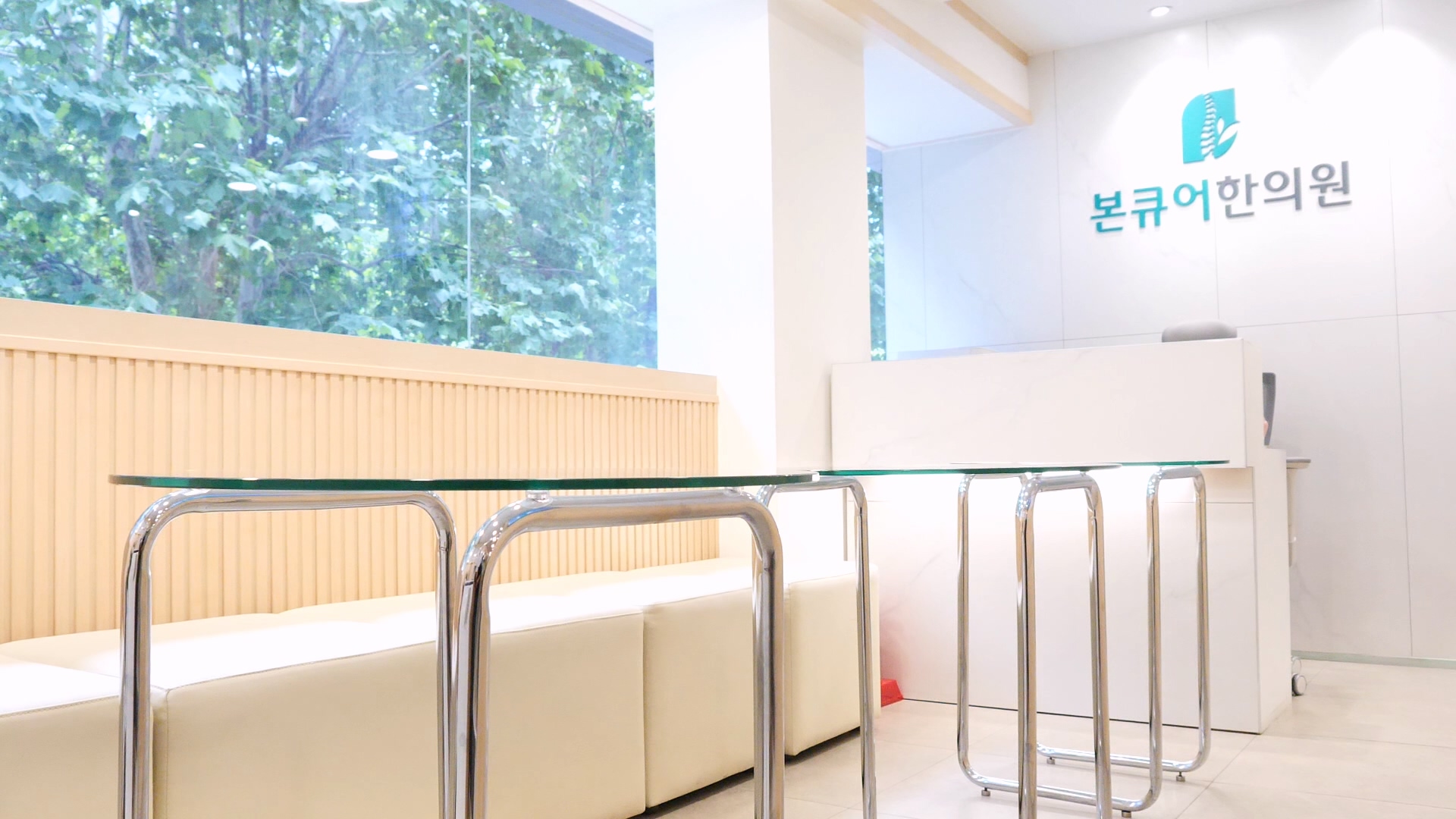
Rather than simply relieving symptoms, we focus on identifying the root causes of pain and restoring the body’s overall balance through personalized treatment plans tailored to each individual.
Understanding Structural Correction in Seoul: A Root-Cause Approach
Integrative medicine at BonCure is a specialized healthcare philosophy that focuses on the fundamental correction of the body's frame. This approach emphasizes the relationship between a patient's physical structure—specifically the skull and spine—and their internal physiological state to foster long-term resilience and health.
Defining Structural Recovery in a Modern Korean Context
Seoul's medical landscape has evolved to bridge the gap between ancient wisdom and cutting-edge diagnostics. Structural correction at Bonecure represents a sophisticated synthesis where traditional Korean medicine meets modern biomechanical analysis. This approach does not merely mask symptoms but seeks to identify the physiological and structural roots of dysfunction, such as skull and spinal misalignments. At Bonecure, we believe that true health arises when the musculoskeletal frame functions in harmony. By utilizing modern diagnostic approaches alongside physical evaluation of movement and visceral function, clinicians can map out a patient's unique health profile with high precision. This methodology is particularly relevant in 2026, as patients increasingly look for impactful alternatives to standard protocols. While results vary based on individual health history, this structural perspective offers a comprehensive path toward sustainable recovery and physical vitality. It is important to note that chronic conditions may require a structured treatment plan consisting of multiple sessions.
The Synergy of Traditional Korean Medicine and Structural Correction
The marriage of Korean traditional philosophy and structural correction creates a robust framework for managing complex physical ailments. The focus is on how the spine and pelvic alignment influence overall systemic health. Bonecure utilizes manual therapies including Chuna and acupotomy to address the mechanical blocks that impede natural function. When these fields converge, the therapeutic potential expands significantly. For instance, a misaligned cervical spine can affect blood circulation, potentially triggering headaches or dizziness. By realigning the structure through intensive manual therapies and treating the internal state with personalized herbal formulas, we address the body as a whole. Patients should understand that while many experience improvements, individual outcomes depend on the severity of the condition and consistent adherence to the treatment plan. Potential side effects of these intensive treatments can include temporary pain, bruising, or localized swelling.
Why Global Patients Seek Specialized Care at Bonecure
International travelers visiting South Korea often seek specialized care that combines clinical efficiency with deep-rooted medical heritage. Bonecure has become a destination for those seeking a specialized medical consultation in Seoul due to its focus on fundamental healing and efficient clinical systems. The clinical environment in Samseong-ro is designed to accommodate global needs, offering thorough evaluations that fit into tight travel schedules. Whether dealing with chronic back pain or refractory neurological symptoms, international patients appreciate the personalized attention to structural detail. During a typical session, which is designed to be highly efficient and impactful, lasting approximately 20 minutes, the root cause of discomfort is investigated through physical assessment and imaging. While the therapeutic process is rigorous and intensive, the goal is always to restore natural balance. Potential visitors should be aware that initial soreness may occur after treatments, yet the focus remains on long-term functional recovery.
Core Components of a Specialized Structural Consultation at Bonecure
A specialized consultation at Bonecure is a multifaceted diagnostic protocol designed to provide a deep understanding of a patient's structural health markers. By combining physical examinations with advanced imaging, we create a comprehensive profile that guides every step of the therapeutic journey.
Physical Assessment and Visceral Function Evaluation
A cornerstone of the consultation at Bonecure is the physical evaluation of body structure, movement, and internal organ function. In 2026, these assessments ensure a 360-degree view of the patient’s condition. During the evaluation, we look for indicators of systemic stress, postural deviations, or functional inefficiencies that might not be evident in standard tests. A single session provides a wealth of information regarding the body's internal resilience. It is vital to recognize that these assessments are part of a broader diagnostic strategy rather than a standalone cure. For patients experiencing chronic pain or neurological issues, this systemic overview identifies the underlying physiological stressors. By gathering this data, we can craft a treatment strategy that supports the body's natural healing mechanisms, though the timeframe for visible improvement differs for every individual patient.
Whole Spine X-ray Analysis for Structural Integrity
Objective data is essential for validating the findings of physical diagnostics. We utilize whole spine X-ray analysis, often coordinated with collaborating facilities like Harrison Hospital, to visualize skeletal alignment and identify specific areas of mechanical stress. This imaging reveals how deviations in the spine might be contributing to nerve impingement or localized inflammation. By observing the natural curves of the neck and back, we can pinpoint where the structure has lost its balance. This data-driven approach ensures that manual corrections are applied with extreme precision. While X-rays provide a clear structural map, they are interpreted alongside the patient’s symptomatic history to form a complete clinical picture. Patients should be aware that imaging is a diagnostic aid and does not guarantee a specific therapeutic outcome. However, seeing the physical evidence of misalignment helps patients understand the necessity of a structured treatment plan for long-term health.
Individualized Herbal Medicine for Systemic Support
At Bonecure, the herbal medicine consultation is a personalized process designed to restore internal equilibrium and support structural recovery. Unlike generic supplements, these prescriptions are formulated based on a patient's specific constitution and health status. We select high-quality herbs to target systemic imbalances and support tissue repair. This internal support is crucial for patients recovering from chronic pain or structural stress, as it provides the nutritional foundation for recovery. Each formula is designed to work in harmony with the body’s natural rhythms. It is important to remember that herbal medicine is most effective when combined with structural care. While adverse reactions are rare, some individuals may experience mild digestive changes as their bodies adjust. Consistent follow-up ensures that the prescription is refined as the patient’s health improves, leading to a more resilient physiological state over time.
Innovative Techniques for Chronic Pain Management and Functional Recovery
Innovative techniques for chronic pain management at Bonecure are advanced clinical procedures that target the underlying structural causes of physical discomfort. These methods focus on releasing mechanical restrictions and realigning the body to support natural movement and long-term functional recovery.
Acupotomy: Intensive Adhesion Release for Fundamental Healing
Acupotomy (침도요법) is a specialized technique used to release chronic adhesions within the soft tissues. At Bonecure, we utilize this procedure to address tissues that have become fibrotic or fused, restricting movement and causing persistent pain. The treatment uses a specialized thin tool to physically strip and separate scar tissue and fused ligaments. This intensive process promotes the regeneration of healthy tissue and restores blood flow. This technique is particularly impactful for chronic neck and back pain stemming from long-term postural issues. However, patients must be aware that the procedure is designed to be impactful and can be uncomfortable, potentially resulting in temporary bruising, localized pain, or minor bleeding at the site of insertion. While many report immediate changes in sensation after a session, chronic conditions typically require a series of treatments to achieve stable and lasting functional improvements.
Chuna Manual Therapy for Structural Realignment
Chuna manual therapy is a central component of structural correction offered at Bonecure. This hands-on technique involves the mobilization and manipulation of joints and soft tissues to correct misalignments in the skull and spine. By applying controlled, high-impact pressure to specific points, the clinician encourages the structure to return to its healthy curvature. This realignment is crucial for relieving pressure on nerves and improving systemic communication. Chuna is performed directly by the lead physician who evaluates the patient's musculoskeletal state through touch. It is important to note that the number of sessions required varies based on the severity of the misalignment. While generally safe, some patients might feel temporary stiffness or fatigue following a session as their body adapts to the new alignment. Regular sessions are recommended for maintaining these structural gains.
Understanding the Role of Intensive Acupressure Blade Therapy
When evaluating options for pain management, patients often explore how acupotomy can address specific structural needs. Acupotomy focuses on addressing mechanical restrictions by physically releasing bound tissues and deep-seated adhesions. This specialized technique is designed to target the underlying structural causes of pain. It is essential to understand that the choice of therapy depends on the patient’s specific needs and the chronicity of their condition. Some individuals may benefit from a recovery plan that ensures the structure is first released and then supported through active movement. Like any clinical procedure, treatments carry minimal risks, such as temporary muscle soreness, localized irritation, or minor bleeding, and results may vary depending on individual health status.
Specialized Programs for Complex and Refractory Conditions
Specialized programs for complex conditions at Bonecure are targeted treatment protocols designed for patients suffering from long-term, refractory disorders, including Parkinsonism, tinnitus, and dystonia. These programs address the sophisticated interplay between the nervous system, skeletal structure, and internal function.
Integrative Protocols for Parkinsonism and Auditory Symptoms
Managing complex conditions like Parkinsonism, tinnitus, or sudden sensorineural hearing loss requires a multifaceted approach. We investigate how spinal alignment and blood flow affect the nervous and auditory systems. Clinical observations suggest that addressing cervical spine issues, particularly through intensive acupotomy of the suboccipital muscles and C1 alignment, can play a role in managing symptoms. By releasing tension in the neck and improving circulation, we aim to provide a supportive environment for recovery. While clinical reports indicate progress in managing these conditions—such as slowing disease progression or improving movement—results are not guaranteed for everyone. It is important to manage expectations, as chronic neurological conditions usually require a dedicated commitment to the clinical process.
Managing Autonomic Nervous System Imbalance Through Structural Alignment
Autonomic nervous system imbalance can manifest as chronic stress or digestive issues, often linked to the physical state of the spine. Our approach focuses on how structural integrity influences the vagus nerve and the parasympathetic response. When the spine is misaligned, it can create constant noise in the nervous system. By realigning the vertebrae and releasing tension in the surrounding tissues through manual 시술 (procedures), we help the body transition back into a state of rest. While structural realignment is a powerful tool, it is most effective when paired with internal health support. Patients should be aware that nervous system regulation takes time and results will vary based on their baseline physical condition. Regular monitoring is necessary to ensure the nervous system remains balanced.
Structural Recovery for Dystonia and Complex Pain
For those suffering from conditions like spasmodic torticollis (dystonia), Bonecure offers a specialized pathway focusing on the extrapyramidal system. We look beyond simple muscle tension to see how nerve compression and fibrotic tissue affect movement. Symptoms are often exacerbated by structural imbalances and adhesions in the neck and spine. By utilizing intensive acupotomy to strip adhesions and normalize muscle length, we work to restore normal mechanical function. However, recovery from complex neurological symptoms depends on various factors, including the severity of the initial condition. We maintain a sterilized environment and use precise tools to minimize any risk, such as temporary pain or light bleeding. Patients are encouraged to follow a comprehensive plan for gradual improvement.
Strategic Wellness and Structural Maintenance
Strategic wellness at Bonecure focuses on maintaining structural integrity to prevent future disease. These protocols are designed for individuals who seek to optimize their physical potential through consistent clinical support.
Individualized Recovery and Systemic Balance
Our recovery support is designed to improve systemic efficiency and reduce inflammation through internal and external therapies. During a consultation, we assess the patient’s digestive efficiency and musculoskeletal load to tailor the process. This may include personalized herbal medicine to support metabolic processes and musculoskeletal healing. This approach is a supportive measure for long-term wellness rather than a guaranteed cure for chronic disease. Some individuals may experience mild adjustment periods as the body adapts to the structural changes. When supervised by experienced clinicians, this process helps promote the body’s natural recovery mechanisms.
Long-term Maintenance and Preventive Healthcare Strategies
Preventive healthcare ensures that the gains made during treatment are preserved. Once the initial pain is addressed, the focus shifts to maintenance through regular structural check-ups. We emphasize the importance of proper posture to prevent the recurrence of adhesions and misalignments. By monitoring the spine’s health periodically, we can catch minor issues before they develop into chronic pain. This proactive approach is essential for high-stress lifestyles. While maintenance therapy reduces the risk of relapse, it does not provide an absolute guarantee against future injury. Patients are encouraged to remain active participants in their health journey. This collaborative effort ensures that the body remains resilient and flexible.
Navigating Your First Visit to Bonecure in Seoul
Your initial consultation at Bonecure will begin with a health history and an explanation of the diagnostic tools. You can expect a professional environment in the heart of Samseong-ro, where your concerns are addressed with impactful, efficient care. The clinician will guide you through the structural evaluation and any necessary imaging. It is helpful to arrive with a list of current symptoms and medications. Initial sessions are comprehensive to map out your structural needs, while subsequent visits are typically compressed (10-20 minutes) to focus on efficient, high-impact treatment. we maintain strict hygiene standards to ensure your safety during procedures like acupotomy. By starting this journey, you are taking a significant step toward understanding your body’s unique needs and achieving a higher level of functional health.
The Clinical Philosophy of Dr. Song Jeong-hyun at BonCure Clinic Professional Guide to Structural Alignment and Acupotomy in Cheongdam-dong (2026) A 2026 Clinical Guide to Acupotomy and Structural Alignment for Intractable Disorders at BonCure
Frequently Asked Questions
Q. What exactly is the focus of a consultation at Bonecure?
It is a targeted assessment led by Dr. Song Jeong-hyun focusing on structural alignment (spine and skull) and musculoskeletal health. It combines physical movement evaluation with modern analysis like X-ray imaging to identify the root cause of mechanical pain and systemic imbalances. The goal is to provide a precise roadmap for high-impact functional recovery.
Q. How long does a typical treatment session last?
At Bonecure, we prioritize clinical efficiency and impact. After the initial evaluation, subsequent treatment sessions typically last approximately 10 to 20 minutes. This allows for an intensive, compressed treatment process designed to fit into busy schedules while focusing on precise structural correction.
Q. Is acupotomy suitable for chronic neck and back pain?
Yes, it is a primary treatment for chronic conditions at Bonecure. Acupotomy targets deep tissue adhesions and fibrotic scar tissue to promote healing and restore movement. However, individual results vary, and chronic cases often require multiple sessions. Potential side effects include localized soreness, bruising, or minor bleeding.
Q. Can I receive a consultation in English at your clinic?
Yes, we provide specialized consultations for international patients in English. These sessions explain the structural findings and treatment plan clearly, ensuring you understand the purpose of procedures like Chuna or acupotomy and how they relate to your specific health goals.
Q. What should I expect after an intensive acupotomy session?
Most patients experience immediate changes in sensation or movement, but this is often followed by temporary soreness, bruising, or minor localized pain at the treatment site as the tissue begins to heal. We maintain a sterilized environment to minimize risks, and these temporary effects typically resolve within a few days.
Q. Does the clinic treat neurological conditions like Parkinsonism or Tinnitus?
We offer specialized protocols for refractory conditions by addressing the structural factors—such as cervical spine alignment—that can influence neurological and auditory symptoms. While we focus on improving function and slowing progression, these are complex conditions and results depend on individual physiological factors.
Q. How do I book an appointment for structural correction at Bonecure?
Appointments can be scheduled through our official digital channels or by phone. Our staff can provide guidance on the initial evaluation process. Specific treatment plans and session counts are discussed during your private consultation to ensure they meet your personalized structural and health requirements.
Key Takeaways
- Bonecure focus centers on fundamental structural alignment of the skull and spine to treat chronic pain and systemic dysfunction.
- Treatment sessions are designed for high efficiency, typically lasting between 10 to 20 minutes after the initial evaluation.
- Acupotomy (침도요법) is an intensive technique used to physically strip and release deep-seated adhesions and scar tissue.
- Structural correction is performed directly by the lead physician using impactful Chuna and manual procedures.
- Specialized programs are available for refractory conditions like Parkinsonism, tinnitus, and dystonia, focusing on the link between structure and the nervous system.
Bonecure / Dr. Song Jeong-hyun
FAQ
- What exactly is an integrative medical consultation at Bonecure?
- It is a comprehensive assessment led by Dr. Song Jeong-hyun that combines traditional Korean diagnostic methods, such as pulse diagnosis, with modern structural analysis like X-ray imaging. This process aims to identify the root cause of pain and systemic imbalance to create a tailored treatment plan. The goal is to provide a baseline for your health and a roadmap for functional recovery.
- Is acupuncture for back pain effective for chronic conditions?
- Yes, especially when utilizing specialized techniques like acupressure blade therapy. This technique targets chronic adhesions in the soft tissue to promote regeneration and blood flow. However, results may vary by individual, and chronic cases often require multiple sessions for sustained improvement.
- Can I receive a herbal medicine consultation in English at your Seoul clinic?
- Yes, we provide specialized consultations for international patients in English. These sessions offer personalized herbal prescriptions tailored to your specific constitution and health goals, such as detoxification or immune support. This ensures you understand the purpose and benefits of every herb included in your formula.
- What are the potential side effects of Acupressure Blade Therapy?
- Common side effects may include temporary soreness at the site of treatment, minor bruising, or light bleeding. While rare, infection is a possibility, which is why we maintain strict sterilized clinical environments and follow rigorous safety protocols. Most patients find that the temporary discomfort is manageable compared to the relief they experience.
- How long does a typical integrative wellness session take for international visitors?
- Initial consultations, including diagnostics and the first treatment session, typically take 60 to 90 minutes. We recommend scheduling in advance to ensure a thorough evaluation of your structural and internal health during your visit. Subsequent treatment sessions are generally shorter and focused on your specific therapeutic needs.
- Does the clinic offer structural correction for scoliosis or spinal misalignment?
- We utilize specialized techniques like Chuna and acupressure blade therapy to improve spinal curvature and alignment. While clinical reports show significant improvement in specific cases, these results are individual and do not guarantee the same outcome for every patient. A thorough initial assessment is required to determine the appropriate approach for your spine.
- How do I book an appointment for an integrative medical consultation in Cheongdam?
- You can reach out to our clinic through our official digital channels or by phone. We provide detailed guidance on the consultation process and can answer preliminary questions about our services. Specific pricing and treatment plans are discussed during the private consultation to match your personalized health requirements.