
Post
Immediate Pain Relief through Chuna Manual Therapy and Structural Correction: A 2026 Clinical Perspective
Hello, I am Dr. Song Jung-hyun, a Korean medicine doctor who has specialized in acupotomy and structural restoration for many years. Immediate pain relief through Chuna manual therapy and structural correction involves the precise manipulation of the skeletal framework and soft tissues to resolve the root causes of dysfunction rather than merely suppressing symptoms.
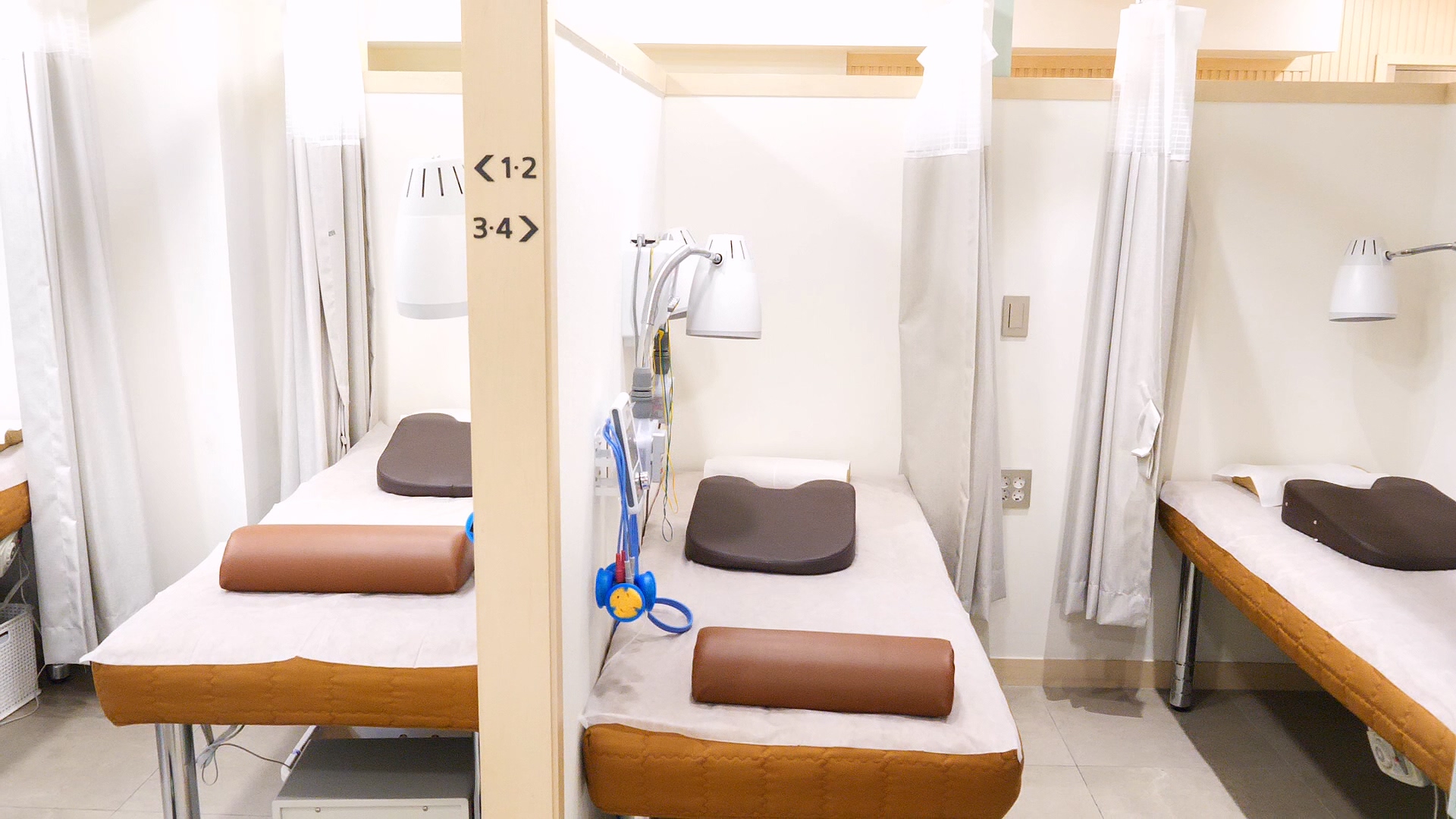
By addressing misalignments in the spine and joints, we aim to restore natural biomechanical balance and neurological health for long-term vitality.
Introduction to Immediate Pain Relief: Understanding Structural Correction
Structural correction is defined as the clinical process of realigning the body's skeletal and myofascial systems to restore optimal function and alleviate mechanical stress on the nerves. This approach moves beyond temporary symptom management by identifying specific deviations in the spine and pelvis that contribute to chronic discomfort and restricted movement.
What is Chuna Manual Therapy and How Does It Work?
Chuna manual therapy is a specialized treatment performed by a Korean medicine doctor to correct structural imbalances in the musculoskeletal system through thrusts, mobilization, and stretching. Unlike standard massage techniques that primarily target superficial soft tissues, Chuna focuses on the fundamental relationship between the bones, joints, and the nervous system. At Bonecure, we utilize these maneuvers to release pressure on compressed nerves, which can lead to immediate pain relief in many acute cases. In clinical observations, targeted sessions have been shown to help alleviate severe lumbar tension, potentially reducing pain levels significantly depending on the patient's specific condition and responsiveness to treatment. By restoring the correct positioning of vertebrae, Chuna therapy facilitates the body’s natural healing processes and improves the range of motion. Each session is tailored to the patient’s specific X-ray findings, ensuring that every adjustment serves a clear anatomical purpose for recovery.
The Core Philosophy of Bonecure: When Your Bones Smile, Life Smiles
The core philosophy of Bonecure is rooted in the belief that "When your bones smile, life smiles," emphasizing the inextricable link between structural integrity and overall quality of life. We believe that a body in perfect alignment is the foundation for both physical comfort and mental well-being, as the spine serves as the primary conduit for the central nervous system. When structural distortions occur, they do not just cause localized pain; they can lead to systemic issues like chronic fatigue or autonomic dysfunction. Our approach seeks to harmonize the entire skeletal frame, ensuring that every joint and bone functions in its intended position. For instance, in cases of chronic conditions like tinnitus, addressing the structural integrity of the upper cervical spine may be a key component in seeking relief, though outcomes vary based on individual health factors. This philosophy drives us to treat the person as a whole, focusing on long-term stability rather than just the immediate removal of pain.
Defining Structural Alignment for Long-term Pain Management
Structural alignment for long-term pain management refers to the maintenance of a neutral spinal posture that minimizes energy expenditure and prevents premature wear on the intervertebral discs. Proper alignment ensures that the weight of the body is distributed evenly across the joints, reducing the likelihood of developing degenerative conditions such as osteoarthritis or disc herniation. At Bonecure, we emphasize that achieving this balance is not a one-time event but a cumulative process of restoration and stabilization. Evidence-based clinical observations indicate that consistent structural correction can help support autonomic nervous system balance and improve heart rate variability (HRV) in patients under chronic stress. By correcting the root mechanical cause, we help patients avoid the cycle of recurring inflammation and dependency on palliative treatments. This proactive management strategy involves both clinical adjustments and corrective exercises designed to sustain the structural improvements achieved during treatment, ensuring a resilient and pain-free lifestyle for years to come.
Traditional Korean Medicine Approaches to Chronic Pain
Traditional Korean medicine for chronic pain is defined as a multi-modal therapeutic system that utilizes acupuncture, moxibustion, and herbal medicine to regulate the body's internal environment and structural health. These therapies work synergistically to resolve blood stasis, improve circulation, and repair damaged tissues, providing a comprehensive foundation for recovery from long-standing musculoskeletal disorders.
Acupuncture for Back Pain: Restoring Natural Energy Flow
Acupuncture for back pain is a time-tested intervention that involves the insertion of sterile needles into specific meridians to stimulate the nervous system and release natural pain-relieving chemicals like endorphins. From a structural perspective, acupuncture is highly effective at deactivating myofascial trigger points that cause referred pain and restrict spinal mobility. Clinical data suggests that integrating acupuncture with manual therapy can enhance the speed of recovery, with some patients experiencing a significant improvement in mobility during the course of care. By targeting deep muscle layers, we can address the hidden tensions that often pull the spine out of its natural alignment. While many individuals seek this for immediate relief, the long-term benefit lies in its ability to reduce chronic inflammation and promote tissue regeneration. It is a vital component of the A 2026 Clinical Guide to Non-surgical Spinal Treatment in Korean Medicine at Bonecure that we provide to our international and local patients.
Integrating Moxibustion Therapy in Seoul for Deep Tissue Healing
Moxibustion therapy involves the application of thermal energy through the burning of dried mugwort near the skin to penetrate deep into the tissues and stimulate circulation. This heat therapy is particularly beneficial for chronic conditions where the tissues have become cold, stiff, or poorly vascularized due to long-term structural neglect. The localized warmth increases blood flow to the affected area, facilitating the delivery of oxygen and nutrients necessary for cellular repair and waste removal. Clinical research indicates that thermal stimulation can enhance local blood circulation, which significantly accelerates the healing of stubborn ligaments and tendons. At Bonecure, we may integrate moxibustion to support structural recovery, as the heat helps to relax rigid muscles and improve the pliability of the fascia when necessary. For more information on this method, you may refer to the Chimdo (Acuknife) Therapy Benefits: A 2026 Guide to Structural Recovery at Bonecure. This integration ensures that the structural correction is both comfortable and highly effective for the patient.
Cupping Therapy and its Role in Enhancing Circulation and Recovery
Cupping therapy utilizes negative pressure to draw stagnant blood and metabolic waste to the surface, thereby clearing pathways for fresh circulation and lymphatic drainage. This technique is essential for addressing the "blood stasis" that often accompanies chronic spinal misalignments and repetitive strain injuries. By creating a vacuum, cupping pulls the skin and superficial muscle layers away from the deep fascia, providing a unique form of decompression that complements the compression-based adjustments of Chuna therapy. In clinical settings, the removal of these metabolic byproducts has been shown to reduce muscle stiffness and improve subjective comfort levels significantly. While temporary bruising or redness is a common side effect, these marks typically fade within 3 to 7 days and are a sign of the body’s active detoxification process. We find that patients who include cupping in their recovery plan often report feeling lighter and more flexible, as it helps to resolve the internal congestion that contributes to persistent dull aches and structural rigidity.
Clinical Efficacy and Structural Comparison
Clinical efficacy in the context of structural medicine refers to the measurable success of a treatment in restoring anatomical alignment and functional capacity as verified by objective diagnostic tools. Comparing different modalities allows patients to understand the specific benefits of Chuna therapy relative to other physical and manual interventions available in the healthcare market.
| Feature | Chuna Manual Therapy | Chiropractic | Conventional Physical Therapy |
|---|---|---|---|
| Primary Focus | Structural & Energetic Balance | Spinal Segmental Alignment | Muscle Strengthening & ROM |
| Mechanism | Thrust, Mobilization, Stretching | High-Velocity Low-Amplitude | Exercise & Modalities (TENS, etc) |
| Practitioner | Korean Medicine Doctor (KMD) | Doctor of Chiropractic (DC) | Physical Therapist (PT) |
| Philosophy | Holistic & Meridian-based | Neurological & Skeletal | Biomechanical & Functional |
| Diagnostic Tools | X-ray & Pulse Diagnosis | X-ray & Palpation | Movement Assessment |
Comparing Chuna Therapy, Chiropractic, and Conventional Physical Therapy
When evaluating options for spinal health, it is important to distinguish between Chuna therapy, chiropractic care, and conventional physical therapy. Chuna therapy, as practiced at Bonecure, is unique in its integration of traditional meridian theory with modern biomechanical principles, allowing for a comprehensive treatment of both the structure and the internal physiological environment. While chiropractic care primarily focuses on the high-velocity adjustment of specific spinal segments to improve nervous system function, Chuna utilizes a wider range of techniques, including soft tissue mobilization and rhythmic stretching. Conventional physical therapy often emphasizes exercise-based rehabilitation and the use of modalities like ultrasound or electrical stimulation to manage symptoms. In a clinical comparison of spinal correction methods, a multi-modal approach involving Chuna can be highly effective for long-term stability when integrated with corrective exercise programs. Each modality has its strengths, and the choice often depends on whether the patient requires acute structural realignment or long-term functional strengthening. As always, results vary based on the individual's condition.
Traditional Medicine Clinical Notes: Evidence-Based Spinal Alignment
Evidence-based spinal alignment in Korean medicine is supported by numerous case reports and clinical studies that document the measurable changes in skeletal geometry following treatment. For example, in specific clinical case reports focusing on hearing-related conditions such as sudden deafness or Meniere's-like symptoms, patients who underwent 20 sessions of integrated therapy showed measurable recovery in hearing levels; similarly, structural protocols aim to achieve objective shifts in spinal geometry verified by whole-spine X-ray analysis. These objective findings provide a scientific basis for the efficacy of our protocols. At Bonecure, we meticulously document each patient's progress to ensure that the adjustments are producing the desired anatomical shifts. Our clinical notes also show that structural restoration is particularly effective for patients with "Straight Neck" syndrome, where the natural cervical curve is lost. Restoration of this curve has been linked to a reduction in tension headaches and neck pain, providing clinically meaningful improvement for many individuals in these cohorts. These data points reinforce the importance of targeting the underlying structure rather than just treating the resulting pain in the soft tissues.
Patient Journey at a Korean Traditional Medicine Clinic in Cheongdam
The patient journey at a Korean medicine clinic is a structured process that begins with an in-depth diagnostic assessment and proceeds through a series of targeted therapeutic interventions designed for structural restoration. This journey is characterized by a partnership between the doctor and the patient, focusing on education, safety, and the achievement of sustainable health goals in a modern clinical setting.
The Bonecure Experience: From Diagnosis to Structural Recovery
The experience at Bonecure begins with a comprehensive evaluation that includes whole-spine X-ray imaging and a detailed physical examination to identify specific structural deviations. We believe that an accurate diagnosis is the most critical step toward recovery, as it allows us to visualize the exact relationship between the vertebrae and the pelvis. Following the diagnosis, a customized plan is developed, often combining Chuna therapy with specialized acupotomy to address deep-seated adhesions. Our international patients often find the A 2026 Clinical Guide to Chuna Manual Therapy in Seoul: Science of Structural Recovery helpful in understanding the science behind our methods. Throughout the process, we monitor improvements in posture and pain levels, adjusting the treatment intensity as the body begins to stabilize. The goal is to move the patient from a state of acute dysfunction to one of resilient structural health, where the body can once again move with ease and vitality. This systematic approach ensures that every patient receives the most effective care for their unique anatomical needs.
Safety and Precautions: Understanding Potential Side Effects and Variations
While structural correction and acupotomy are generally safe when performed by a licensed professional, it is important for patients to understand potential side effects and the natural variations in recovery. Some individuals may experience temporary muscle soreness, mild bruising, or localized tenderness at the treatment site, which typically resolves within 24 to 48 hours. These reactions are often a part of the body's inflammatory response as it adapts to the new structural alignment. In rare instances, more significant side effects such as nerve irritation or localized infection could occur if post-treatment care instructions are not strictly followed. It is essential to disclose your full medical history, including any previous surgeries or chronic conditions, to minimize these risks. We emphasize that medical results are not typical for every patient and cannot be guaranteed, as individual factors such as age, lifestyle, and the chronicity of the condition play a significant role in the outcome. A transparent dialogue regarding expectations and safety is a cornerstone of the specialized care we provide to all our patients.
Life After Correction: Maintaining Vitality and Preventing Recurrence
Maintaining vitality after structural correction requires a commitment to healthy lifestyle habits and regular maintenance care to prevent the recurrence of misalignments. Once the primary structural issues have been addressed, the focus shifts to strengthening the core muscles and improving postural awareness to support the newly aligned spine. We provide patients with specific corrective exercises that can be performed at home to reinforce the work done during clinical sessions. Data suggests that patients who adhere to a maintenance program experience a lower rate of pain recurrence compared to those who stop care immediately after symptom relief. Avoiding prolonged static postures and incorporating regular movement into your daily routine are also vital for long-term success. At Bonecure, we view the completion of initial treatment not as the end, but as a new beginning for a healthier, more active life. By staying mindful of your body's structure and responding to early signs of tension, you can ensure that your bones continue to "smile" for many years to come.
Key Takeaways
- Chuna manual therapy and structural correction focus on realigning the skeletal frame to provide immediate pain relief and restore long-term function.
- Clinical evidence, such as X-ray analysis and postural improvements, supports the efficacy of these non-surgical interventions for chronic musculoskeletal conditions.
- A multi-modal approach—integrating acupuncture, moxibustion, and cupping—enhances the body's natural healing capacity and structural stability.
- While generally safe, patients should expect mild temporary side effects like soreness or bruising and recognize that individual results vary based on the severity of their condition.
- Maintaining structural health through corrective exercises and lifestyle changes is essential for reducing the recurrence of chronic pain.
Frequently Asked Questions
Q. What exactly is Chuna manual therapy, and how does it differ from massage?
Chuna manual therapy is a specialized treatment performed by a Korean medicine doctor to correct structural imbalances in the musculoskeletal system. Unlike a standard massage that focuses on soft tissue, Chuna involves thrusts, mobilization, and stretching to realign bones and joints, addressing the root cause of pain. It is a clinical procedure based on anatomical diagnosis rather than just relaxation.
Q. Is acupuncture for back pain effective for immediate relief?
Many patients experience a significant reduction in acute tension shortly after an acupuncture session due to the release of endorphins and deactivation of trigger points. However, typical results vary based on the severity of the condition; chronic cases usually require a series of treatments to achieve sustained structural stability. It is often combined with other therapies for the best possible outcome.
Q. What are the common side effects of structural correction or acupotomy?
Some patients may experience temporary soreness, mild bruising at the insertion site, or slight fatigue following a session, which are signs of the body adapting to changes. These are generally mild and subside within 24 to 48 hours. It is important to consult a licensed professional to minimize rare risks such as infection or nerve irritation through proper post-care.
Q. How much does a Chuna therapy session cost at Bonecure?
The cost of treatment depends on the specific techniques used, such as specialized structural correction or combined acupotomy, and the complexity of the case. While we do not disclose specific numbers online to ensure a tailored consultation, we focus on providing value through root-cause treatment that reduces the need for long-term palliative care. A detailed consultation will provide a clear breakdown based on your needs.
Q. Can I receive moxibustion and cupping therapy on the same day as Chuna?
Yes, integrating these therapies often enhances the overall outcome by addressing both the structure and the physiological state of the tissues. Moxibustion provides therapeutic heat to deep tissues, while cupping improves local blood flow, complementing the structural adjustments performed during Chuna therapy. This holistic combination is a hallmark of our clinical approach.
Q. Is structural correction at Bonecure guaranteed to fix my scoliosis or disc herniation?
While we have documented cases of significant improvement in spinal alignment and pain reduction, medical results are not typical for every patient and cannot be guaranteed. Success depends on individual factors such as age, lifestyle, and how long the condition has been present. Our goal is to maximize your body's functional potential through evidence-based protocols.
Q. What should I look for when choosing a Korean traditional medicine clinic in Cheongdam?
Look for a clinic that emphasizes objective diagnostic tools, such as whole-spine X-ray analysis, and provides a clear clinical rationale for their treatment plan. At Bonecure, we prioritize scientific evidence and clinical case reports to guide our structural correction protocols. A professional environment with licensed specialists ensures that your care is both safe and effective for long-term recovery.
Bonecure / Dr. Song Jung-hyun
FAQ
- What exactly is Chuna manual therapy, and how does it differ from massage?
- Chuna manual therapy is a specialized treatment performed by a Korean medicine doctor to correct structural imbalances in the musculoskeletal system. Unlike a standard massage that focuses on soft tissue, Chuna involves thrusts, mobilization, and stretching to realign bones and joints, addressing the root cause of pain. It is a clinical procedure based on anatomical diagnosis rather than just relaxation.
- Is acupuncture for back pain effective for immediate relief?
- Many patients experience a significant reduction in acute tension shortly after an acupuncture session due to the release of endorphins and deactivation of trigger points. However, typical results vary based on the severity of the condition; chronic cases usually require a series of treatments to achieve sustained structural stability. It is often combined with other therapies for the best possible outcome.
- What are the common side effects of structural correction or acupotomy?
- Some patients may experience temporary soreness, mild bruising at the insertion site, or slight fatigue following a session, which are signs of the body adapting to changes. These are generally mild and subside within 24 to 48 hours. It is important to consult a licensed professional to minimize rare risks such as infection or nerve irritation through proper post-care.
- How much does a Chuna therapy session cost at Bonecure?
- The cost of treatment depends on the specific techniques used, such as specialized structural correction or combined acupotomy, and the complexity of the case. While we do not disclose specific numbers online to ensure a tailored consultation, we focus on providing value through root-cause treatment that reduces the need for long-term palliative care. A detailed consultation will provide a clear breakdown based on your needs.
- Can I receive moxibustion and cupping therapy on the same day as Chuna?
- Yes, integrating these therapies often enhances the overall outcome by addressing both the structure and the physiological state of the tissues. Moxibustion provides therapeutic heat to deep tissues, while cupping improves local blood flow and clears waste, preparing the body for the structural adjustments performed during Chuna therapy. This holistic combination is a hallmark of our clinical approach.
- Is structural correction at Bonecure guaranteed to fix my scoliosis or disc herniation?
- While we have documented cases of significant improvement in spinal alignment and pain reduction, medical results are not typical for every patient and cannot be guaranteed. Success depends on individual factors such as age, lifestyle, and how long the condition has been present. Our goal is to maximize your body's functional potential through evidence-based protocols.
- What should I look for when choosing a Korean traditional medicine clinic in Cheongdam?
- Look for a clinic that emphasizes objective diagnostic tools, such as whole-spine X-ray analysis, and provides a clear clinical rationale for their treatment plan. At Bonecure, we prioritize scientific evidence and clinical case reports to guide our structural correction protocols. A professional environment with licensed specialists ensures that your care is both safe and effective for long-term recovery.