
Post
A 2026 Clinical Guide to Holistic Wellness Treatments in Cheongdam-dong: Structural Restoration at Bonecure
Hello, I am Song Jeong-hyeon, a practitioner specializing in acupotomy and structural restoration for many years. Holistic wellness treatments in Cheongdam-dong represent a shift toward addressing the root causes of physical dysfunction through natural alignment and metabolic balance, offering a sustainable path to recovery for those seeking comprehensive care in 2026.
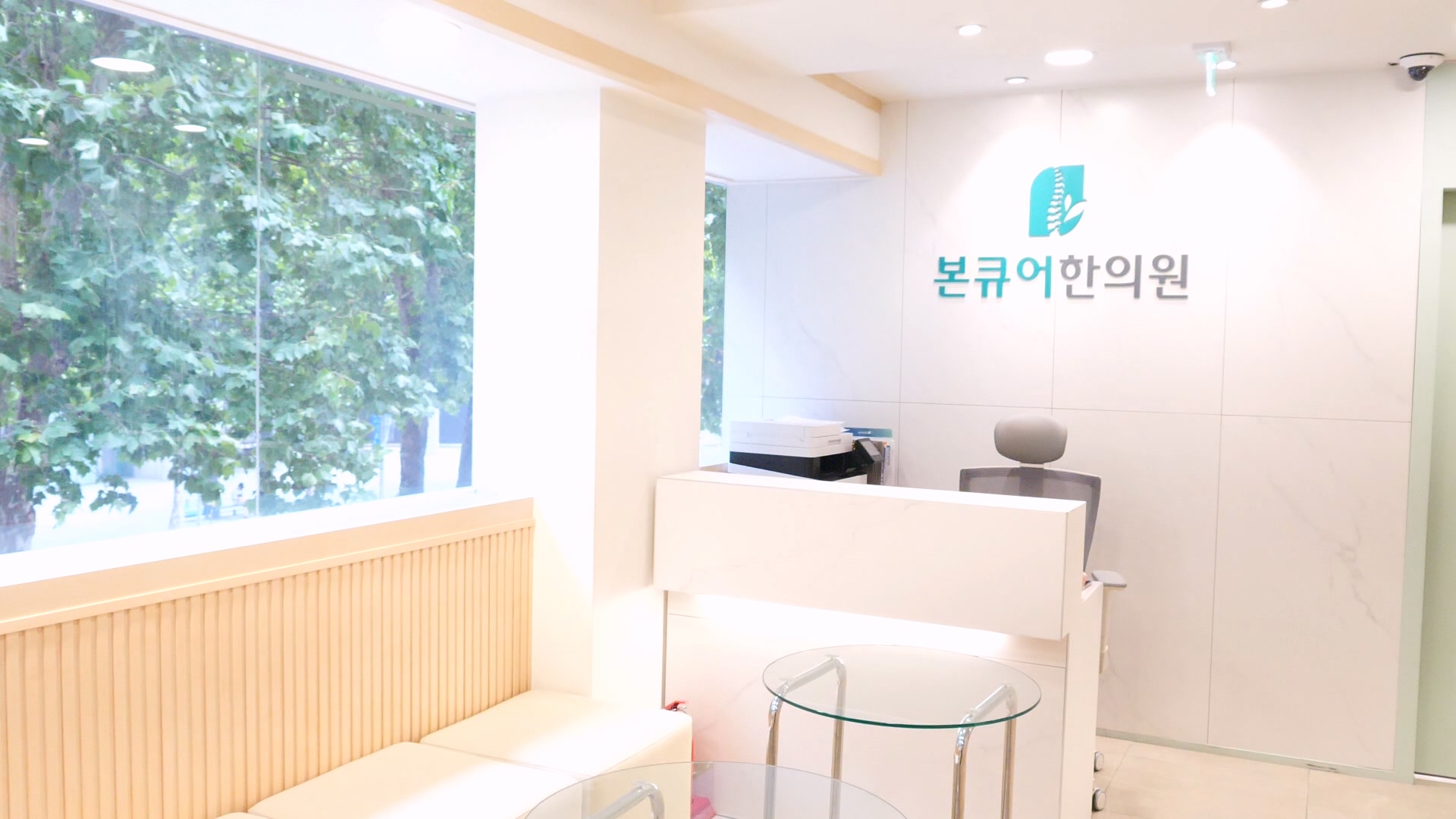
Understanding Holistic Wellness Treatments in Cheongdam-dong
Holistic wellness in the context of professional clinical care is defined as the integrated management of the body’s structural, chemical, and emotional systems to promote internal homeostasis. This approach moves beyond the simple suppression of symptoms, focusing instead on how the skeletal framework and the nervous system interact to influence overall vitality.
Defining the Holistic Approach to Body Alignment
Holistic alignment represents a clinical paradigm where the human body is viewed as a single, interconnected unit rather than a collection of isolated anatomical parts. In the district of Cheongdam-dong, this approach has become a fundamental cornerstone for individuals seeking more than just temporary pain relief through medication. By focusing on the intricate synergy between the skeletal framework and the central nervous system, practitioners aim to restore the natural flow of neurological signals and biological function. This philosophy acknowledges that a minor misalignment in the cervical spine can significantly impact digestive health or sleep quality, illustrating the profound interconnectedness of human anatomy. As we move through 2026, the demand for these integrative methods continues to rise among busy professionals who face high-stress environments and chronic fatigue. Achieving this balance involves a thorough assessment of lifestyle factors, posture, and internal stressors that contribute to long-term physical degradation and structural instability.
Why Structural Balance is the Foundation of Long-term Health
Structural balance is the physiological state where the spine and joints are aligned to minimize mechanical stress on the surrounding soft tissues and nerves. When the skeletal system is out of alignment, the body must compensate, often leading to chronic muscle tension and reduced circulation in affected areas. In my clinical experience, some patients with chronic conditions have shown significant improvements in their Beck Anxiety Inventory scores once their physical structure is stabilized, though individual results vary based on the severity of the condition. This suggests that structural integrity is not merely about physical comfort but is deeply linked to the regulation of the autonomic nervous system. Maintaining a neutral spinal curve prevents the premature degeneration of intervertebral discs and reduces the likelihood of developing secondary inflammatory conditions. By prioritizing structural restoration, patients can enhance their body's innate ability to repair itself, leading to a more resilient and energetic daily life across all age groups.
Modern Interpretation of Traditional Korean Medicine in Cheongdam-dong
Modern Korean medicine in 2026 integrates time-honored principles of balance with sophisticated diagnostic tools to provide highly personalized care plans. At Bonecure, we utilize objective metrics such as whole spine X-ray analysis to visualize the precise degree of structural deviation before initiating any intervention. This evidence-based approach allows us to combine traditional manual techniques with advanced structural correction protocols, ensuring that every session is tailored to the patient's specific physiological needs. The focus has shifted from general wellness to precision restoration, where the goal is to achieve measurable changes in spinal curvature and joint mobility. By incorporating these contemporary standards, the clinic provides a bridge between ancient wisdom and modern scientific validation, offering patients a sense of security and clarity regarding their recovery journey. This evolution in practice reflects a commitment to safety and efficacy, ensuring that holistic care meets the rigorous expectations of the modern healthcare consumer in Seoul.
Innovative Bone Alignment Techniques at Bonecure
Bone alignment techniques focus on the mechanical correction of the skeletal structure to release nerve compression and restore the functional range of motion in the joints. These methods involve precise, manual, and tool-assisted interventions designed to reorganize the body’s foundational framework for lasting health.
The Science Behind Blade Acupuncture for Tissue Regeneration
Blade acupuncture, also known as acupotomy, is a specialized clinical procedure that utilizes a micro-blade at the tip of the needle to release internal adhesions. These adhesions are often the result of chronic inflammation or previous injuries that have caused the soft tissue to bind unnaturally to the bone. By carefully dissecting these restrictive bands, the procedure facilitates the restoration of blood flow and encourages the regeneration of healthy tissue in the affected area. In my clinical observations, targeted tissue release sessions have helped individuals with long-standing chronic conditions improve their mobility, although the degree of recovery depends on the patient's specific physiological state. The mechanical stimulation provided by the blade needle triggers a localized healing response, which can lead to a reduction in chronic pain markers. While the sensation may be more intense than traditional acupuncture, the precision of the blade allows for the treatment of deep-seated structural issues that manual massage or standard needles cannot reach.
Addressing Chronic Adhesions for Natural Recovery
Chronic adhesions act as internal barriers that prevent muscles and fascia from moving freely, often leading to a cycle of pain and restricted movement. Addressing these adhesions is critical because they can entrap nerves, leading to symptoms like numbness, tingling, or radiating pain in the limbs. Through the application of structural restoration techniques at Bonecure, we focus on breaking these cycles of restriction to allow for a more fluid and natural recovery process. Clinical observations indicate that releasing deep fascial adhesions helps facilitate localized circulation, which significantly accelerates the removal of metabolic waste from the tissues. This process is not a quick fix but a gradual reconstruction of the internal environment, focusing on the quality of tissue release in each session. As the tissues become more pliable, the body’s overall structural alignment becomes easier to maintain, reducing the risk of re-injury and chronic discomfort in the future.
Restoring Mobility Through Precision Structural Correction
Precision structural correction involves the targeted adjustment of specific vertebral segments to restore the spine’s natural curvature and functional integrity. At Bonecure, we emphasize the importance of the cervical and lumbar regions, as these are the primary areas where misalignment often occurs due to modern sedentary lifestyles. Our clinical focus centers on achieving immediate structural shifts that patients can feel, ensuring that each session provides a tangible step toward recovery rather than adhering to arbitrary session counts. By applying controlled force to these specific areas, we can help reduce the pressure on the spinal cord and exiting nerve roots, which may alleviate various systemic symptoms. This process of restoration helps the body return to its optimal state of movement, allowing patients to engage in physical activities without the fear of recurring pain. Each correction is guided by pre-treatment imaging to ensure the highest level of accuracy and patient safety throughout the entire care program.
The Philosophy of Holistic Structural Care at Bonecure
Understanding the methodology of structural care is essential for patients to make informed decisions about their health strategies. Our approach focuses on the relationship between the skeletal framework and the body's overall biological function, aiming for comprehensive restoration rather than just localized symptom management.
Methodology Comparison: Symptom Relief vs. Structural Reconstruction
Conventional physical therapy typically focuses on strengthening specific muscle groups and improving the range of motion in a localized joint after an injury occurs. While this is effective for immediate rehabilitation, holistic structural care at Bonecure looks deeper into how the entire skeletal frame contributes to the localized issue. Instead of simply treating the site of pain, our methodology focuses on the reconstruction of the foundational alignment to prevent the symptom from returning. This involves a comprehensive analysis of the patient's gait, posture, and spinal curvature to identify the root cause of the mechanical failure. By addressing the structural imbalance, we provide a more comprehensive solution that supports the body’s overall health rather than just managing a single complaint. This systemic approach is particularly beneficial for those who have experienced recurring issues that do not seem to resolve with standard localized treatments or temporary medication.
Duration and Sustainability of Treatment Effects
One of the primary concerns for patients is the duration of the treatment effects and whether the results will be sustainable over time. Conventional methods may provide rapid relief, but without addressing the underlying structural deviations, the symptoms often reappear within a few months of stopping therapy. In contrast, the structural restoration protocols at Bonecure aim to support long-term structural stability and help maintain proper internal alignment. By resolving chronic adhesions and correcting spinal curvature, the body adopts a new, healthier baseline that is naturally easier to maintain. Our clinical experience indicates that patients who maintain consistent self-care post-treatment can support long-term structural stability, though individual maintenance periods vary based on the original condition and lifestyle factors. This focus on sustainability makes the holistic approach a valuable strategy for long-term health management, as it aims to address the underlying factors contributing to chronic issues.
Pros and Cons of Integrated Bone-Smiling Philosophy
The "Bone-Smiling" philosophy at Bonecure centers on the idea that when the skeletal structure is in perfect harmony, the entire body functions with joy and ease. The primary advantage of this integrated approach is the simultaneous improvement of physical comfort and internal organ function, as nerve interference is minimized. Patients often report an improved quality of life and a greater sense of physical freedom following their alignment sessions. However, it is important to note that this level of deep structural change requires a commitment of time and effort from the patient, including adherence to post-treatment exercises. Some may experience temporary soreness or minor bruising as the tissues adapt to their new positions, which is a normal part of the healing process. While results are not typical for every individual and can vary based on the severity of the condition, the majority of our clinical cases show positive progress toward structural stability. Choosing this path means prioritizing long-term vitality over short-term fixes.
Clinical Evidence and Personalized Recovery Journeys
Clinical evidence in the field of structural restoration is built upon objective measurements and documented patient outcomes that demonstrate the impact of alignment on health. Every recovery journey is unique, requiring a personalized approach that accounts for individual physiological variations and historical health factors.
Scientific Evaluation Using Whole Spine X-ray Data
Objective evaluation is the cornerstone of the diagnostic process at Bonecure, where we rely on whole spine X-ray data to provide a clear blueprint of the patient’s anatomy. These images allow us to measure precise angles of spinal curvature, such as the Cobb angle in scoliosis cases or the degree of cervical lordosis. By comparing pre-treatment and post-treatment imaging, we can scientifically track the progress of the structural restoration and adjust the care plan accordingly. In some idiopathic scoliosis cases, we have observed measurable improvements in spinal alignment through targeted structural correction protocols. This data-driven approach removes the guesswork from the treatment, providing both the practitioner and the patient with tangible evidence of improvement. Having these objective markers is essential for maintaining high standards of care and ensuring that the interventions are producing the intended physiological changes. It also helps in identifying cases that may require additional specialized care or medical consultation beyond the scope of traditional alignment techniques.
Case Analysis: Improving Quality of Life Through Realignment
Clinical observations suggest that structural restoration can have a positive impact on a patient's daily life and well-being. By addressing the alignment of the upper cervical spine, we aim to reduce tension in the surrounding vascular and nervous structures, which may support the recovery of sensory functions. While these observations highlight the potential benefits of structural correction, it is important to note that individual responses to treatment vary significantly. By improving the alignment of the upper cervical spine, we can help reduce tension in the surrounding vascular and nervous structures, which may facilitate the recovery of sensory organs. Each case is documented with precision, focusing on objective improvements in pain scales and functional mobility markers to ensure a clear understanding of the recovery trajectory. These personalized journeys reflect the clinic’s commitment to evidence-based, individualized care for complex health challenges.
Managing Expectations and Understanding Individual Variations
It is crucial for patients to understand that recovery is a non-linear process and that individual results will vary based on several factors, including the chronicity of the condition and overall health. While many patients experience a reduction in symptoms relatively early in the process, others with deep-seated chronic issues may require more time for their tissues to reorganize. At Bonecure, we prioritize open communication to ensure that patients have realistic expectations regarding the timeline and potential outcomes of their treatment. We emphasize that while structural restoration can help many conditions, it is not a guaranteed cure for all ailments and must be part of a broader health strategy. Potential side effects, such as temporary localized pain, minor bruising, or rare instances of infection at the site of blade acupuncture, are disclosed to ensure informed consent and patient safety. By acknowledging these variations, we foster a collaborative environment where patients feel empowered to take an active role in their own recovery process while understanding the limitations of clinical intervention.
Essential Considerations for Choosing a Wellness Clinic
Choosing a wellness clinic is a significant decision that requires a careful evaluation of the practitioner’s expertise, the safety of the protocols, and the clinic’s overall philosophy toward health. Patients should seek environments that prioritize root-cause analysis and long-term structural stability over quick, superficial fixes.
Identifying Root Causes of Chronic Pain and Fatigue
Identifying the root cause of chronic pain is the first step toward achieving a lasting recovery and avoiding the cycle of recurring symptoms. Many clinics focus on the localized area of discomfort, but a truly comprehensive approach looks at the entire kinetic chain to see how the body is compensating for structural flaws. At Bonecure, we investigate how issues in the feet or pelvis might be manifesting as chronic neck pain or tension headaches. Fatigue is often a secondary symptom of the body constantly working against its own structural misalignments, which drains metabolic energy. By correcting these foundational errors, we can help the body operate more efficiently, which often leads to an improvement in energy levels and a reduction in systemic inflammation. Understanding these connections is vital for developing a care plan that addresses the patient as a whole person rather than a collection of separate symptoms. This thorough diagnostic process ensures that the treatment is both targeted and effective for long-term health.
Safety Protocols and Potential Minor Side Effects
Patient safety is the highest priority at Bonecure, and we adhere to strict clinical protocols to ensure that all procedures are performed with the utmost care. Acupotomy and structural alignment are minimally invasive, but like all medical interventions, they carry certain risks that must be understood by the patient. Minor side effects can include temporary soreness at the treatment site, localized bruising, or a brief period of increased fatigue as the body begins to heal. In rare instances, patients may experience minor bleeding or a temporary inflammatory response, which typically resolves within 48 to 72 hours. Our practitioners are trained to monitor these responses and adjust the intensity of the treatment to match the patient’s tolerance and recovery speed. We provide detailed post-care instructions to help manage these minor effects and ensure a smooth recovery between sessions. By maintaining high standards of hygiene and technical precision, we minimize risks while maximizing the potential for structural restoration and long-term health benefits.
Creating a Sustainable Post-Treatment Lifestyle
A sustainable lifestyle is essential for maintaining the structural improvements achieved through clinical treatment and preventing future misalignments. Once the foundational framework has been restored at Bonecure, it is the patient's responsibility to adopt habits that support their new alignment, such as ergonomic workplace setups and regular corrective exercises. We provide personalized guidance on how to sit, stand, and move in ways that minimize mechanical stress on the spine and joints. Consistency is key, as the body can easily revert to old, harmful patterns if it is not reinforced through daily practice and awareness. Many patients find that by making small, consistent changes to their daily routines, they can significantly extend the life of their treatment results and enjoy a higher quality of life. Holistic wellness is a partnership between the practitioner and the patient, where clinical intervention provides the foundation, and lifestyle choices provide the lasting structure. This collaborative approach ensures that the path to recovery leads to a lifetime of health and vitality.
Frequently Asked Questions
Q. What exactly defines holistic wellness in the context of bone health?
Holistic wellness focuses on the interconnectedness of the spine, nervous system, and internal organs, ensuring that structural alignment supports overall vitality. It involves treating the body as a whole system to resolve the root causes of dysfunction rather than just masking symptoms.
Q. Does blade acupuncture cause significant downtime or side effects?
While temporary soreness or minor bruising may occur at the insertion site, most patients return to daily activities immediately, though individual recovery rates vary. These minor effects are a normal part of the tissue regeneration process and typically resolve within a few days.
Q. How many sessions are typically required for noticeable structural improvement?
At Bonecure, we focus on providing treatments where patients can feel immediate changes in their symptoms and structure. While long-term stabilization varies by individual, the goal is to provide noticeable improvement from the very first session, rather than requiring a fixed number of treatments.
Q. Is the treatment at Bonecure suitable for international patients with limited time?
Yes, many international visitors seek intensive care focused on immediate structural release to facilitate travel comfort, though long-term plans are tailored individually. We can design concentrated treatment schedules that maximize the clinical benefit during a short stay in Seoul.
Q. How does structural alignment affect autonomic nervous system disorders?
Proper spinal curvature reduces pressure on nerve pathways, which can help stabilize the autonomic nervous system and alleviate related symptoms like dizziness or anxiety. When the structural pressure is removed, the body's internal regulation systems can function more efficiently.
Q. What objective measures are used to track treatment progress?
We utilize objective tools such as Whole Spine X-ray analysis and validated pain or psychological scales to scientifically monitor the realignment process. These metrics provide a clear and measurable way to see the changes in your body over the course of the treatment.
Q. Are results guaranteed for all types of chronic joint pain?
While many see significant improvement, results are not typical for every individual and depend on the underlying severity and the patient's adherence to the recovery plan. Each case is unique, and we focus on providing realistic expectations based on your specific health history.
Key Takeaways
- Holistic wellness in Cheongdam-dong focuses on the structural foundation as the key to long-term neurological and physical health.
- Bonecure utilizes innovative blade acupuncture to release deep-seated adhesions, facilitating natural tissue regeneration and improved mobility.
- Objective diagnostic tools, including whole spine X-rays, are used to track precise changes in spinal alignment and ensure treatment efficacy.
- Long-term sustainability of health results requires a combination of professional structural restoration and dedicated patient lifestyle adjustments.
For more information on preparing for your visit, please see A 2026 Guide to Your First Oriental Medical Clinic Appointment: Preparing for Structural Restoration or explore our A 2026 Guide to Comprehensive Care at a Korean Medicine Clinic in Cheongdam.
Bonecure / Song Jeong-hyeon
FAQ
- What exactly defines holistic wellness in the context of bone health?
- Holistic wellness focuses on the interconnectedness of the spine, nervous system, and internal organs, ensuring that structural alignment supports overall vitality. It involves treating the body as a whole system to resolve the root causes of dysfunction rather than just masking symptoms.
- Does blade acupuncture cause significant downtime or side effects?
- While temporary soreness or minor bruising may occur at the insertion site, most patients return to daily activities immediately, though individual recovery rates vary. These minor effects are a normal part of the tissue regeneration process and typically resolve within a few days.
- How many sessions are typically required for noticeable structural improvement?
- The frequency depends on the chronicity of the condition, with some experiencing immediate relief while chronic cases require a series of 10 to 20 treatments for lasting change. Consistency is essential to allow the tissues and bones to stabilize in their new, corrected positions.
- Is the treatment at Bonecure suitable for international patients with limited time?
- Yes, many international visitors seek intensive care focused on immediate structural release to facilitate travel comfort, though long-term plans are tailored individually. We can design concentrated treatment schedules that maximize the clinical benefit during a short stay in Seoul.
- How does structural alignment affect autonomic nervous system disorders?
- Proper spinal curvature reduces pressure on nerve pathways, which can help stabilize the autonomic nervous system and alleviate related symptoms like dizziness or anxiety. When the structural pressure is removed, the body's internal regulation systems can function more efficiently.
- What objective measures are used to track treatment progress?
- We utilize objective tools such as Whole Spine X-ray analysis and validated pain or psychological scales to scientifically monitor the realignment process. These metrics provide a clear and measurable way to see the changes in your body over the course of the treatment.
- Are results guaranteed for all types of chronic joint pain?
- While many see significant improvement, results are not typical for every individual and depend on the underlying severity and the patient's adherence to the recovery plan. Each case is unique, and we focus on providing realistic expectations based on your specific health history.