
Post
Holistic Pain Management: A 2026 Structural Perspective on Chronic Discomfort Relief
Hello. I am Dr. Song Jung-hyun, a Korean medicine practitioner who has specialized in acupotomy and structural restoration for many years.
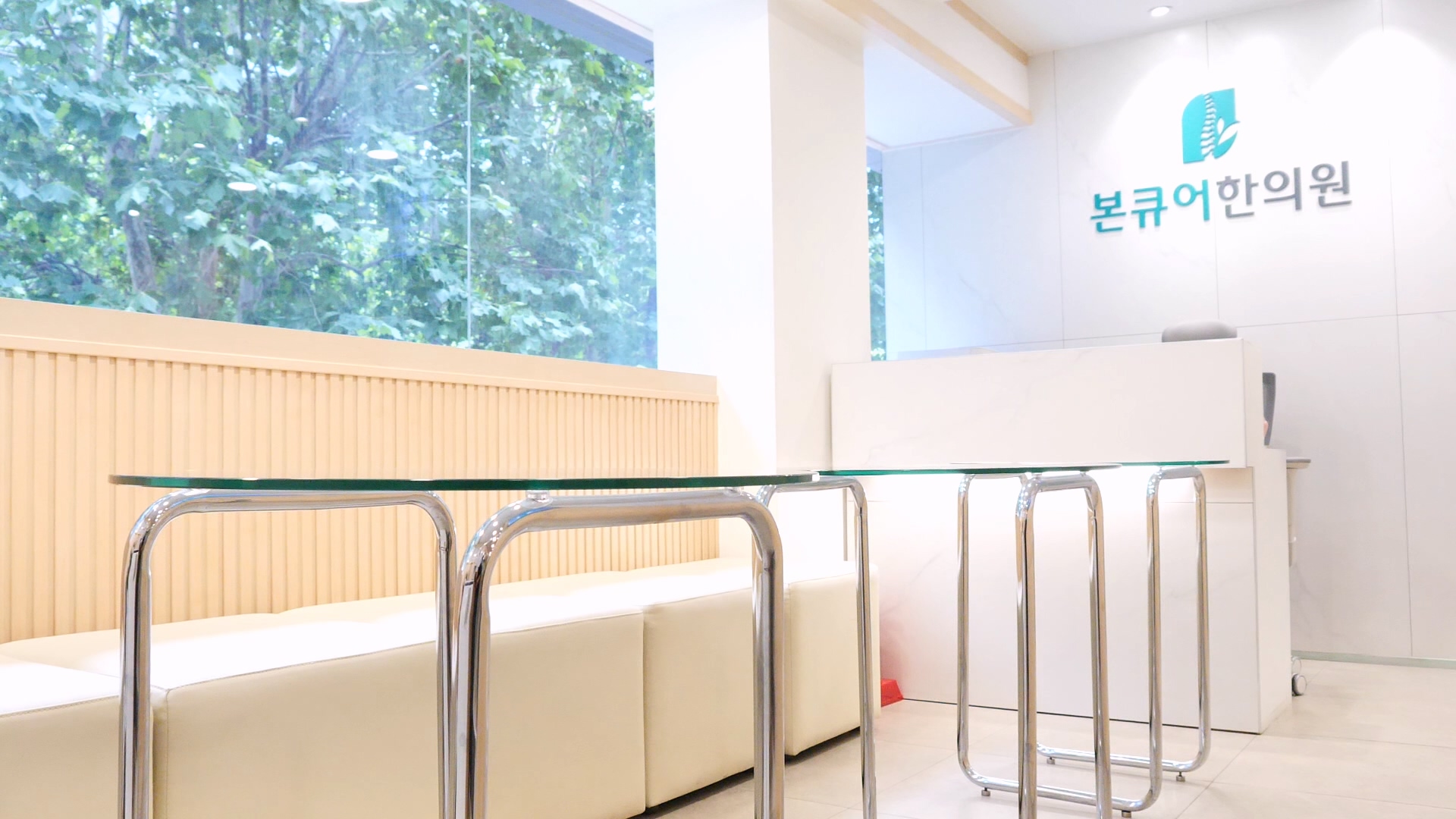
When individuals experience persistent physical discomfort, they often seek temporary solutions that target only the surface symptoms. However, true recovery requires looking at the body as an interconnected system. By focus on the underlying framework, holistic pain management provides a path toward sustained vitality and functional freedom. Let us explore how evaluating the whole-body structure can transform your approach to chronic discomfort.
What Is Holistic Pain Management? A Structural Perspective
Holistic pain management is an evidence-first medical approach that evaluates the complete musculoskeletal framework rather than treating an isolated painful area. In conventional care, discomfort in the lower back or neck is often addressed with localized anti-inflammatory agents. In contrast, this comprehensive methodology looks at the entire structural chain to determine how an alignment issue in one region might be creating compensation patterns and chronic strain elsewhere. By understanding these mechanical relationships, practitioners can design interventions that support long-term stability and natural recovery.
Defining a Whole-Body Approach to Chronic Discomfort
A whole-body approach to chronic discomfort means recognizing that a malfunction in the cervical spine can alter the mechanics of the entire thoracic and lumbar regions. When structural imbalances persist, the body attempts to protect itself by tightening surrounding muscles, which eventually leads to deep tissue adhesions and restricted movement. In my clinical experience, treating the site of pain without correcting the global alignment rarely leads to lasting relief. By analyzing the patient's entire posture and gait, we can identify the true origin of the mechanical stress. This detailed structural assessment ensures that every therapy session contributes to restoring the balance of the entire musculoskeletal network, helping individuals return to their daily activities without relying on temporary fixes.
The Core Philosophy of Structural Alignment and Restoration
The core philosophy of structural alignment focuses on the idea that proper physical form dictates healthy biological function. When the spine and joints are properly aligned, nerves communicate without interference, blood circulation remains optimal, and muscles operate without excessive strain. At Bonecure, we emphasize that correcting structural misalignments is essential for unlocking the body's innate capacity for self-repair. Our approach combines traditional principles with modern anatomical understanding to address chronic structural bottlenecks. By focusing on root-cause restoration rather than superficial symptom management, we help patients achieve a state of balance where the physical frame supports fluid, comfortable movement. This structural philosophy serves as the foundation for all our specialized clinical interventions.
Comparing Conventional and Holistic Pain Management Methods
Conventional pain management typically relies on pharmacological interventions, steroid injections, or surgical options to alleviate discomfort quickly. While these methods can be highly effective for acute issues, they often leave the underlying structural misalignments unaddressed, which can lead to a recurrence of symptoms. Holistic structural care focuses on physical manual therapy and specialized micro-instrument stimulation to release tissue restrictions and realign the skeletal frame. This approach focuses on addressing the physical causes of mechanical stress to support long-term musculoskeletal health.
Symptom Suppression versus Structural Root Cause Treatment
Symptom suppression often involves the frequent use of analgesics or localized blocks that interrupt pain signaling to the brain. While this provides immediate comfort, it does not alter the physical degradation of the joint or the chronic shortening of the surrounding tendons. Structural root-cause treatment focuses on identifying exactly why a specific joint is under excessive pressure. For instance, an anterior pelvic tilt can create secondary strain in the lumbar vertebrae, leading to chronic disc compression. By addressing the pelvic tilt and releasing the shortened soft tissues, the mechanical load on the spine is normalized. This structural correction allows the inflamed tissues to heal naturally and prevents the recurrence of chronic wear and tear.
A Comprehensive Comparison Table of Medical Approaches
To help you better understand the differences between standard medical interventions and structural management, the following table outlines the key characteristics of each approach. This comparison is intended to highlight the distinct methodologies used to address chronic physical discomfort.
| Feature | Conventional Pain Management | Holistic Structural Management (Bonecure) |
|---|---|---|
| Primary Focus | Localized inflammation reduction and symptom management | Structural root-cause identification and global skeletal alignment |
| Common Modalities | Pharmacological agents, corticosteroid injections, surgical intervention | Acupotomy, Chuna manual therapy, structural alignment techniques |
| Mechanism of Action | Interrupts neurological pain pathways or downregulates inflammation | Physically releases deep tissue adhesions and restores joint mobility |
| Long-Term Goal | Management of discomfort episodes and immediate relief | Natural tissue regeneration and long-term musculoskeletal balance |
| Individualization | Standardized medication protocols based on diagnostic categories | Fully customized treatment programs adapted to individual structural needs |
A 2026 Clinical Guide to Chuna Therapy for Chronic Pain: Structural Restoration at Bonecure
Advanced Structural Modalities for Lasting Discomfort Relief
Advanced structural modalities utilize specialized clinical instruments and precise manual techniques to target deep-seated musculoskeletal lesions that do not respond to superficial therapies. These interventions are designed to physically alter chronically shortened tissues and realign misaligned joint structures. At Bonecure, we integrate these advanced methods to provide a comprehensive recovery pathway for individuals suffering from long-standing functional limitations. By applying targeted mechanical stimulation, we can encourage the body to rebuild damaged structures and restore normal range of motion.
Acupotomy and Chuna Manual Therapy for Deep Tissue Adhesion Release
Acupotomy is a specialized micro-blade treatment designed to safely release rigid tissue adhesions and chronic lesions that bind muscles and nerves together. When a patient suffers from chronic inflammation, the surrounding soft tissues frequently heal by forming dense scar tissue, which restricts local blood flow and compresses nearby nerve fibers. By utilizing a miniature blade-tipped instrument, a trained practitioner can precisely dissect these microscopic restrictions without requiring large surgical incisions. This minimal intervention immediately reduces local mechanical tension and creates an environment where fresh, nutrient-rich blood can reach the damaged area. Combined with Chuna manual therapy, which involves the precise manipulation of the bony framework, these modalities work synergistically to restore optimal joint mobility. The combination of deep soft tissue release and skeletal realignment allows the body to move more freely and comfortably.
Scientific Verification of Spinal Realignment and Tissue Regeneration
Scientific verification of structural therapies involves utilizing objective diagnostic tools to measure structural improvements before and after a treatment series. In our clinical work, we utilize whole-spine X-ray imaging to evaluate changes in the curvature and alignment of the vertebral column. For example, in single-case observations involving structural restoration, patients have demonstrated visible improvements in spinal symmetry alongside a reduction in functional pain scores. These outcomes are based on specific case reports, and individual clinical results may vary depending on the patient's baseline health. These objective changes indicate that physical alignment can influence the mechanical environment of the nervous system. Furthermore, laboratory markers and standardized questionnaires, such as the Beck Anxiety Inventory or specific gastrointestinal function indexes, help track systemic improvements. By documenting these structural and functional changes, we ensure that our treatment protocols remain grounded in measurable, evidence-first clinical outcomes.
What to Expect During Your Recovery Journey at Bonecure
Your recovery journey at Bonecure begins with a comprehensive structural consultation designed to identify the precise mechanical origins of your discomfort. We believe that an accurate diagnosis is the most important step toward achieving long-term physical stability. Our team is dedicated to guiding you through every stage of your treatment, ensuring that you understand the clinical rationale behind each modality. By maintaining an open dialogue, we help you participate actively in your own structural restoration.
Personalized Assessments Using Objective Clinical Indicators
Personalized assessments at our facility involve a detailed evaluation of your posture, joint range of motion, and spinal alignment using objective clinical indicators. We do not apply generic treatment blueprints; instead, every session is tailored to the specific structural deviations identified during your initial examination. We utilize advanced imaging and functional movement screenings to map out the exact areas where tissue tension is excessive. This meticulous approach allows us to pinpoint the deep adhesions that may be contributing to your chronic discomfort. By tracking your progress with regular re-evaluations, we can dynamically adjust your care plan to match your body's changing structural needs, ensuring optimal efficiency.
Important Precautions, Temporary Side Effects, and Limitations of Therapy
While advanced structural therapies are generally safe, it is important to understand that every clinical procedure carries potential limitations and temporary side effects. Following an acupotomy session, patients commonly experience mild local soreness, minor bruising, or transient swelling at the stimulation site. These minor physical responses are a natural part of the tissue remodeling process and typically resolve within a few days. It is crucial to note that individual clinical outcomes can vary significantly depending on the duration and severity of the pre-existing chronic condition. Long-standing or complex structural deformities usually require a structured, multi-session treatment program to achieve stable, long-lasting spinal realignment. We encourage all patients to discuss their complete medical history during their initial consultation to minimize risks.
Restoring Everyday Mobility and Balancing the Musculoskeletal System
The ultimate goal of our care is restoring everyday mobility so that you can enjoy life without the constant distraction of physical discomfort. By balancing the musculoskeletal system, we remove the abnormal mechanical stress that accelerates joint degeneration and causes chronic fatigue. When your framework is properly aligned, simple activities like walking, sitting at a desk, or picking up an object become effortless and pain-free. At Bonecure, we are committed to helping you achieve this state of structural harmony through evidence-first, personalized care. We invite you to take the first step toward lasting vitality by scheduling an in-depth clinical evaluation with our experienced team.
To explore tailored treatment options for your structural health, please schedule a clinical consultation. Bonecure / Dr. Song Jung-hyun.
Key Takeaways
- Holistic pain management focuses on global structural alignment rather than temporary symptom suppression.
- Advanced modalities like acupotomy physically release deep tissue adhesions to encourage natural regeneration.
- Objective clinical indicators, such as whole-spine X-rays, are utilized to verify structural improvements.
- Patient experiences may vary, and multi-session treatment plans are typically required for long-standing chronic conditions.
Frequently Asked Questions
Q. What exactly is holistic pain management?
Holistic pain management looks at the entire musculoskeletal structure rather than isolating a single symptom. At Bonecure, we focus on identifying deep tissue adhesions and spinal misalignments to restore natural balance, allowing the body to heal efficiently. Individual experiences may vary based on chronic severity.
Q. How does acupotomy help with deep chronic pain?
Acupotomy uses a specialized micro-blade instrument to safely release rigid tissue adhesions and chronic lesions that bind muscles and nerves. By freeing these structural bottlenecks, it stimulates local tissue regeneration and provides noticeable structural relief, though multiple sessions are often required for chronic cases.
Q. Are there any side effects or risks associated with these treatments?
Acupotomy and structural correction are generally safe when performed by an experienced practitioner. Patients may experience temporary soreness, minor local bruising, or mild swelling at the stimulation site. These minor responses typically resolve within a few days.
Q. How long does it take to experience visible results?
Many patients report a feeling of immediate lightness or improved mobility after their initial sessions, but lasting structural changes require consistent care. Complex or long-standing conditions require structured, multi-session treatment plans to achieve stable spinal realignment.
Q. Can holistic pain management address non-localized issues like tinnitus or autonomic imbalance?
Yes, structural misalignments in the cervical spine can impact nerve pathways and blood flow, contributing to conditions like tinnitus, dizziness, or autonomic dysfunction. Realignment therapies aim to alleviate these systemic issues, although individual clinical outcomes depend heavily on the patient's baseline health.
Q. What is the cost of holistic pain management treatments?
The total investment for holistic pain care varies based on the specific modalities used, such as specialized acupotomy or comprehensive Chuna manual therapy. Because each structural program is fully personalized to your clinical needs, precise pricing is provided during an in-depth clinical consultation.
Q. How do holistic structural treatments compare to standard steroid injections?
Holistic structural care focuses on physical adhesion release and spinal alignment to support natural recovery and encourage long-term musculoskeletal balance.
FAQ
- What exactly is holistic pain management?
- Holistic pain management looks at the entire musculoskeletal structure rather than isolating a single symptom. At Bonecure, we focus on identifying deep tissue adhesions and spinal misalignments to restore natural balance, allowing the body to heal efficiently. Individual experiences may vary based on chronic severity.
- How does acupotomy help with deep chronic pain?
- Acupotomy uses a specialized micro-blade instrument to safely release rigid tissue adhesions and chronic lesions that bind muscles and nerves. By freeing these structural bottlenecks, it stimulates local tissue regeneration and provides noticeable structural relief, though multiple sessions are often required for chronic cases.
- Are there any side effects or risks associated with these treatments?
- Acupotomy and structural correction are generally safe when performed by an experienced practitioner. Patients may experience temporary soreness, minor local bruising, or mild swelling at the stimulation site. These minor responses typically resolve within a few days.
- How long does it take to experience visible results?
- Many patients report a feeling of immediate lightness or improved mobility after their initial sessions, but lasting structural changes require consistent care. Complex or long-standing conditions require structured, multi-session treatment plans to achieve stable spinal realignment.
- Can holistic pain management address non-localized issues like tinnitus or autonomic imbalance?
- Yes, structural misalignments in the cervical spine can impact nerve pathways and blood flow, contributing to conditions like tinnitus, dizziness, or autonomic dysfunction. Realignment therapies aim to alleviate these systemic issues, although individual clinical outcomes depend heavily on the patient's baseline health.
- What is the cost of holistic pain management treatments?
- The total investment for holistic pain care varies based on the specific modalities used, such as specialized acupotomy or comprehensive Chuna manual therapy. Because each structural program is fully personalized to your clinical needs, precise pricing is provided during an in-depth clinical consultation.
- How do holistic structural treatments compare to standard steroid injections?
- Conventional treatments like steroid injections often provide rapid, temporary relief by reducing inflammation without fixing the underlying structural flaw. In contrast, holistic structural care focuses on physical adhesion release and spinal alignment to encourage natural tissue regeneration for lasting stability.