
Post
A 2026 Clinical Overview of Structural Alignment and Autonomic Restoration: The Bonecure Evidence-First Approach to Chronic Pain and Internal Balance
Hello. I am Dr. Song Jeong-hyeon, an Oriental Medical Doctor who has focused primarily on acupotomy and advanced structural restoration for many years. At Bonecure, we believe that true health is achieved through a clinical methodology that addresses the biological intersection of internal physiological stasis and external structural misalignment.
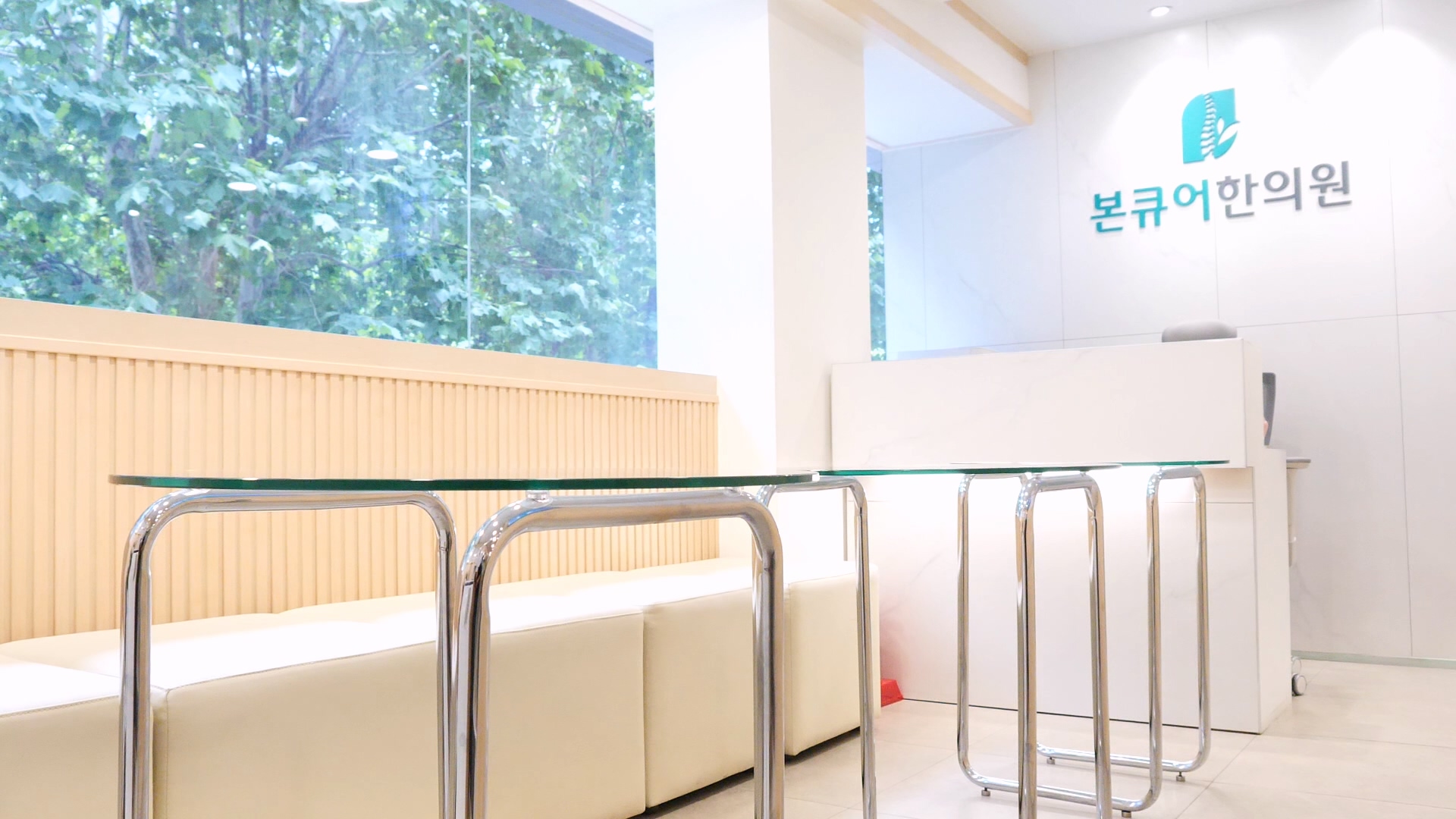
In modern clinical practice, individuals suffering from chronic fatigue, unexplained digestive issues, and musculoskeletal discomfort often present with deeper imbalances that standard symptomatic treatments cannot fully resolve. By combining targeted micro-tissue release with customized internal herbal protocols, this specialized framework aims to liberate compressed neural pathways and enhance the body's innate regulatory systems.
Through systematic interventions, our objective is to guide the body back to its optimal structural and metabolic state. To understand how internal health directly influences external posture, it is essential to evaluate the relationship between cellular waste and structural tension. You can learn more about our comprehensive assessment protocols in A 2026 Guide to Structural Root Cause Diagnosis for Functional Pain Restoration.
1. The Intersection of Structural Alignment and Internal Physiological Health
Defining the Principles of Structural and Internal Balance
A specialized clinical framework at Bonecure focuses on purifying the internal physiological environment while simultaneously optimizing the external structural alignment of the musculoskeletal system. Unlike conventional treatments that focus exclusively on localized symptoms, this comprehensive approach recognizes that metabolic waste products and inflammatory markers accumulate within deep tissue layers when normal circulation is compromised. By utilizing specialized herbal formulations alongside precise structural interventions, this methodology facilitates the mobilization and elimination of deeply embedded tension. The ultimate clinical goal is to restore the natural homeostatic balance of the body, allowing organ systems to operate without the burden of chronic chemical or mechanical stress, thereby establishing a foundation for long-term physiological resilience and structural integrity that supports every aspect of daily living.
The Relationship Between Internal Stasis and Structural Imbalance
When metabolic waste products accumulate within the body, they frequently manifest as localized inflammatory responses that alter the tension of surrounding soft tissues. This chemical irritation causes deep myofascial layers to tighten, which gradually pulls the spinal column and peripheral joints out of their ideal anatomical alignment. For instance, chronic visceral inflammation or sluggish hepatic function can trigger viscerosomatic reflexes, causing the muscles of the mid-back and neck to contract defensively as a protective mechanism. Clinical observations at Bonecure suggest a high prevalence of patients presenting with chronic internal metabolic stasis who also exhibit measurable spinal misalignments upon radiological evaluation. This bidirectional relationship means that structural distortions perpetuate internal stagnation by compressing autonomic nerves, while internal physiological stress continuously reinforces the muscular tension that maintains those structural distortions, creating a chronic cycle of degeneration.
Why Modern Stress Requires a Specialized Restoration Strategy
Modern environmental stressors, including sedentary work habits, highly processed diets, and chronic psychological tension, demand a sophisticated clinical strategy that targets both the nervous system and physical anatomy. Standard relaxation techniques or basic symptomatic care are often insufficient because they fail to address the deep structural blockages that entrap the autonomic nervous system. When the body remains trapped in a prolonged sympathetic state due to physical or emotional stress, microcirculation diminishes and internal waste clearance slows significantly. Clinical observations indicate that individuals exposed to high levels of daily stress experience a notable reduction in peripheral lymphatic drainage, which accelerates tissue adhesion and metabolic stagnation. Therefore, an effective recovery strategy must employ precise physical interventions to release compressed nerve roots alongside internal support to successfully break this cycle and restore long-term vitality.
2. The Bonecure Method: Integrating Acu-point Release with Autonomic Recovery
How Acu-point Release (Do-chim) Resolves Internal Adhesions
Acu-point Release, commonly referred to as Do-chim or acupotomy, is a precise micro-surgical acupuncture technique designed to mechanically sever dense fibrotic adhesions and contractures within deeply embedded soft tissues. Over extended periods of chronic inflammation or postural neglect, microscopic tears in muscle fibers heal improperly, forming tough scar tissue that glues fascial planes together and restricts normal mobility. By utilizing a specialized microscopic blade-shaped needle, the practitioner carefully enters the target zone to perform micro-stripping and micro-transection of these pathological adhesions. This mechanical release immediately relieves the abnormal tension pressing against adjacent blood vessels and peripheral nerves. The process stimulates a controlled, localized healing response, replacing rigid, toxic scar tissue with highly vascularized, flexible, and healthy muscle fibers that allow for renewed movement and reduced pain.
Restoring Internal Function Through Spinal Alignment
Achieving precise anatomical alignment of the spinal column is a vital requirement for optimizing the body's internal metabolic clearance and autonomic nervous system regulation. When vertebrae become subluxated or lose their physiological curvature, the exit pathways for the sympathetic and parasympathetic nerve fibers become narrow and compressed. This neural compression directly interferes with the regulatory signals traveling from the central nervous system to major metabolic organs, including the liver, kidneys, and gastrointestinal tract. By utilizing targeted structural restoration techniques, Bonecure corrects these mechanical blockages, thereby relieving the pressure on the nerve roots. Once normal neural signaling is restored, visceral motility increases, microcirculation is significantly enhanced in the target zones, and the body's natural capacity to process and eliminate cellular waste increases, leading to a marked improvement in overall systemic function.
Scientific Basis for Structural and Visceral Recovery
The clinical efficacy of combining micro-tissue release with structural alignment is grounded in the laws of biotensegrity and neuro-visceral reflex loops. When chronic mechanical stress is removed from the musculoskeletal framework, the cellular mechanoreceptors stop transmitting persistent nociceptive signals to the brain, which effectively down-regulates the overactive sympathetic nervous system. This shift allows the parasympathetic nervous system to dominate, which is the primary state required for deep cellular repair, tissue regeneration, and efficient visceral regulation. Clinical case reports published by our institute demonstrate that restoring the cervical and thoracic spine's natural lordosis correlates with a measurable decrease in functional discomfort markers. For more detailed clinical insights regarding how these objective structural corrections are documented, you can read A 2026 Clinical Overview of Oriental Medical Doctor Treatment Notes: The Evidence-First Approach at Bonecure.
3. Comparing Standard Symptomatic Care and the Bonecure Program
Comparison Table: General Symptom Management vs. Bonecure Root-Cause Recovery
To better understand the operational differences between standard symptomatic treatments and our specialized clinical approach, the following table outlines the core parameters of each methodology:
| Parameter | General Symptomatic Care / Relaxation | Bonecure Root-Cause Recovery Program |
|---|---|---|
| Primary Mechanism | Temporary pain relief or relaxation | Micro-tissue release (Acupotomy) & tailored protocols |
| Structural Component | Minimal or none; focuses on surface tension | Direct correction of spinal alignment and fascial adhesions |
| Neurological Impact | Temporary soothing of peripheral nerves | Decompression of autonomic nerve roots for visceral regulation |
| Individualization | Generic, mass-market protocols | Customized based on X-ray and functional health scales |
| Long-Term Sustainability | Often requires frequent repeat visits | Encourages tissue regeneration and long-term stability |
| Clinical Supervision | May be self-administered or general care | Conducted entirely by an experienced Oriental Medical Doctor |
Focusing on Nerve Function Over Temporary Relief
Rather than focusing solely on temporary pain relief, which often leaves the underlying structural cause intact, our clinical protocol prioritizes the restoration of optimal neurological transmission. When a patient undergoes standard relaxation therapy, the benefits are frequently short-lived because the deep mechanical obstructions remain. Bonecure focuses instead on eliminating the structural obstructions that impinge upon the vagus nerve and the sympathetic chain along the spine. Relieving this physical compression enhances the natural motility and enzymatic secretion of the digestive tract, allowing the body to process nutrients and expel waste efficiently without relying on artificial stimulants. This method maintains stable energy levels and prevents the cycle of recurring discomfort typically associated with therapies that do not address the root structural misalignment or chronic tissue adhesions.
Individualized Protocols for Long-Term Vitality
Every human body possesses a distinct anatomical configuration and a unique physiological baseline, meaning that a one-size-fits-all treatment routine cannot deliver reliable clinical results. At Bonecure, each program is customized following an in-depth clinical evaluation that incorporates structural imaging, biomechanical posture analysis, and comprehensive functional health assessments. By identifying the exact areas of soft tissue adhesion and specific spinal levels that correlate with visceral sluggishness, we construct a highly targeted treatment pathway. This individualized approach ensures that patients receive the precise herbal compositions and specific structural releases required for their unique constitution. This focused care helps prevent the recurrence of chronic fatigue and ensures that the functional improvements achieved during the program remain stable over the long term, providing a sustainable path to health.
4. Clinical Evidence and Individualized Treatment Pathways
Analyzing Case Reports on Metabolic and Structural Recovery
Our commitment to an evidence-first approach is reflected in the systematic documentation of patient outcomes through detailed clinical case reports. In our published clinical observations evaluating patients with concurrent spinal distortion and chronic internal dysfunction, structural correction consistently led to improvements in physiological markers. For example, in a documented case report involving an individual suffering from long-standing autonomic instability and chronic digestive stasis, a structured course of treatment sessions resulted in a measurable reduction of functional discomfort scales from an initial score of 54 down to 2. While this specific outcome demonstrates the profound potential of structural decompression, it is critical to state that this represents an individual case report, and other patients may experience different results based on their unique health histories.
Objective Measurement: Utilizing X-ray and Body Function Scales
To eliminate subjectivity and ensure absolute transparency in tracking patient progress, our clinical protocol relies on verified objective measurement tools. We utilize whole-spine X-ray imaging to evaluate changes in spinal alignment, pelvic tilt, and joint spacing before and after the completion of the treatment program. These structural findings are paired with validated body function scales that quantify improvements in sleep quality, digestive efficiency, and chronic pain thresholds. Observations collected across our patient population indicate that a successful restoration of the physical framework correlates directly with an improvement in autonomic balance scores. By tracking these precise metrics, we ensure that every phase of the treatment provides verifiable evidence of physical and internal recovery, allowing us to adjust the protocol dynamically for maximum clinical safety and efficacy.
A Personal Approach to Chronic Fatigue and Autonomic Balance
Chronic fatigue syndrome and autonomic nervous system imbalances are frequently the direct physical consequences of prolonged structural entrapment and internal stress. When nerve roots are persistently compressed by misaligned vertebrae and fibrotic muscle bands, the brain remains in a state of constant neurological alarm, exhausting the endocrine system. The customized care plans at Bonecure are designed to break this state of exhaustion by systematically releasing the physical entrapments along the craniosacral axis while supporting the body internally with restorative herbs. This dual approach helps restore proper communication between the brain and the visceral organs, which can help stabilize heart rate variability and improve overall cellular energy production. To explore how acupuncture specifically targets chronic pain and nervous system recovery, read A 2026 Clinical Guide to Chuna Therapy for Chronic Pain: Structural Restoration at Bonecure.
5. Safety Protocols and Managing Clinical Expectations
Potential Side Effects: Understanding Temporary Soreness and Bruising
While Acu-point Release is a highly effective clinical procedure for resolving deep tissue adhesions, it is important for patients to maintain a realistic understanding of the immediate post-treatment recovery phase. Because the procedure involves the physical breakdown of rigid, chronic scar tissue using a micro-blade needle, patients commonly experience localized soreness, minor bleeding, or superficial bruising at the treatment site. These responses are normal components of the tissue remodeling process and typically resolve spontaneously within two to five days as fresh blood flow returns to the area. In rare instances, mild temporary swelling may occur. We maintain strict sterile conditions to reduce the risk of secondary infection to a minimum, and detailed post-care instructions are provided to every patient to ensure a safe and smooth recovery process.
Why Results May Vary Based on Individual Chronic Conditions
Every individual presents with a unique medical history, varying degrees of tissue chronicity, and distinct genetic baselines, meaning that physiological responses to the treatment program will naturally vary. A patient experiencing acute, mild structural misalignment will typically demonstrate faster recovery metrics compared to an individual struggling with decades of severe structural degeneration and fibro-adipose tissue changes. Chronic, long-standing conditions generally require a greater number of sequential sessions over a multi-week period to achieve stable structural alignment and lasting physiological clearance. We emphasize that clinical outcomes are influenced by compliance with lifestyle modifications, nutritional guidelines, and recommended treatment frequencies. We provide transparent, individualized prognoses during initial consultations rather than offering generalized guarantees of immediate success, as results depend on the patient's unique health profile.
Guidelines for Long-Distance and International Patients
We regularly welcome patients traveling from distant regions and international locations who seek our specialized structural and autonomic restoration protocols. For these individuals, we arrange intensive, compressed treatment schedules designed to maximize clinical efficiency within a limited timeframe. However, all long-distance patients must undergo a preliminary consultation and a thorough medical record review prior to travel to confirm they are appropriate candidates for intensive treatment. International patients should plan for adequate rest periods immediately following their sessions, as long-distance travel immediately after micro-tissue release can increase localized physical stress and prolong soreness. Our team assists in coordinating follow-up protocols to help ensure that the functional improvements achieved at our clinic are maintained after returning home, supporting a transition to long-term wellness.
Key Takeaways
- Bonecure's program integrates internal physiological restoration with external structural alignment.
- Acu-point Release (Do-chim) mechanically resolves deep fascial adhesions to relieve neural and vascular compression.
- Restoring spinal alignment enhances autonomic nervous system function and improves the body's innate regulatory capacity.
- Treatment plans are highly individualized based on objective metrics, including whole-spine X-ray imaging.
- Mild post-treatment soreness and bruising may occur; clinical outcomes vary based on individual chronicity and unique health factors.
Frequently Asked Questions
Q. What is the core focus of the restoration program at Bonecure?
A. It is a comprehensive medical program that combines internal physiological support through specialized herbal protocols with external structural correction using Acu-point Release and Chuna therapy. The primary goal is to address the root causes of systemic stasis and musculoskeletal misalignment simultaneously to restore autonomic balance.
Q. How does Acu-point Release assist in the recovery process?
A. Acu-point Release utilizes a specialized micro-blade needle to target and release hardened tissue adhesions that compress adjacent blood vessels and nerves. By removing these physical obstructions, the procedure immediately enhances localized blood flow and lymphatic drainage, allowing the body's natural systems to function more efficiently.
Q. Is this program focused solely on detoxification for weight loss?
A. No, weight regulation is often a secondary outcome rather than the primary clinical goal. The main objective is to optimize autonomic nervous system function and correct spinal alignment to enhance internal organ health and cellular energy. Improved metabolic efficiency naturally leads to a healthier physiological state.
Q. Are there any side effects associated with Acu-point Release?
A. Patients may experience temporary localized soreness, minor bleeding, or superficial bruising at the treatment site. These are typical components of the body's natural tissue healing response and generally resolve within a few days. We follow strict safety and sterile protocols to minimize procedural risks.
Q. Is scientific evidence provided for the effectiveness of these treatments?
A. Yes, our clinic documents outcomes through systematic clinical case reports focusing on spinal curvature adjustments and autonomic stability. While these reports demonstrate positive outcomes for specific individuals (such as functional score improvements), results will vary for each patient depending on their unique health profile.
Q. How long does the typical alignment and restoration program last?
A. The duration depends entirely on the chronicity and severity of the patient's condition. Mild imbalances may show improvement within a few sessions, whereas long-standing chronic degeneration requires a structured course over several weeks. A detailed timeline is established after initial diagnostic imaging.
Q. Can I receive treatment if I am visiting from another country?
A. Yes, we accommodate international patients with intensive treatment protocols tailored to their travel schedules. A preliminary virtual consultation and medical record review are required before traveling to ensure suitability. We also provide post-treatment guidelines to help maintain benefits after returning home.
To begin your personal journey toward structural alignment and metabolic restoration, please contact our clinic to schedule an official diagnostic consultation.
Bonecure / Dr. Song Jeong-hyeon
FAQ
- What exactly is a Hanbang detoxification program at Bonecure?
- It is a comprehensive medical program that combines internal toxin removal through specialized herbal protocols with external structural correction using Acu-point Release. The primary goal is to address the root causes of metabolic stasis and musculoskeletal misalignment simultaneously. This dual approach helps restore the natural homeostatic balance of the autonomic nervous system and improves overall vitality.
- How does Acu-point Release assist in the detoxification process?
- Acu-point Release utilizes a specialized micro-blade needle to target and release hardened tissue adhesions that compress adjacent blood vessels and nerves. By removing these physical obstructions, the procedure immediately enhances localized blood flow and lymphatic drainage. This improved circulation allows the body to process and eliminate accumulated metabolic waste products much more efficiently.
- Is the detoxification program focused solely on weight loss?
- No, weight regulation is often a secondary outcome rather than the primary clinical goal of the program. The main objective is to optimize autonomic nervous system function and correct spinal alignment to enhance internal organ health and cellular energy. By improving metabolic efficiency and reducing chronic tissue inflammation, the body naturally transitions toward a healthier weight distribution.
- Are there any side effects associated with the treatment?
- As with any clinical intervention involving deep tissue release, patients may experience temporary localized soreness, minor bleeding, or superficial bruising at the treatment site. These side effects are typical components of the body's natural tissue healing response and generally resolve within a few days. We follow strict safety and sterile protocols to ensure patient safety and minimize any procedural risks.
- Is scientific evidence provided for the effectiveness of these treatments?
- Yes, our clinic documents patient outcomes through systematic clinical case reports focusing on spinal curvature adjustments, metabolic recovery, and autonomic stability. While these documented case reports demonstrate positive outcomes for specific individuals, it is important to remember that these represent individual findings. Results will vary for each patient depending on their unique health profile.
- How long does the typical detoxification and alignment program last?
- The overall duration of the program depends entirely on the chronicity and severity of the patient's individual condition. Mild metabolic or structural imbalances may show significant improvement within a few sessions, whereas long-standing chronic degeneration requires a structured course over several weeks. A detailed timeline is established after reviewing the initial diagnostic imaging and functional scales.
- Can I receive treatment if I am visiting from another country?
- Yes, we regularly accommodate international patients by providing intensive, concentrated treatment protocols tailored to their travel schedules. A preliminary virtual consultation and a review of medical records are required before traveling to ensure suitability for intensive care. We also provide post-treatment guidelines to help maintain the structural benefits after returning home.