
Post
A 2026 Guide to Structural Root Cause Diagnosis for Functional Pain Restoration
At Bonecure Korean Medicine Clinic, our diagnostic process focuses on identifying the root causes of pain rather than merely addressing surface-level symptoms.
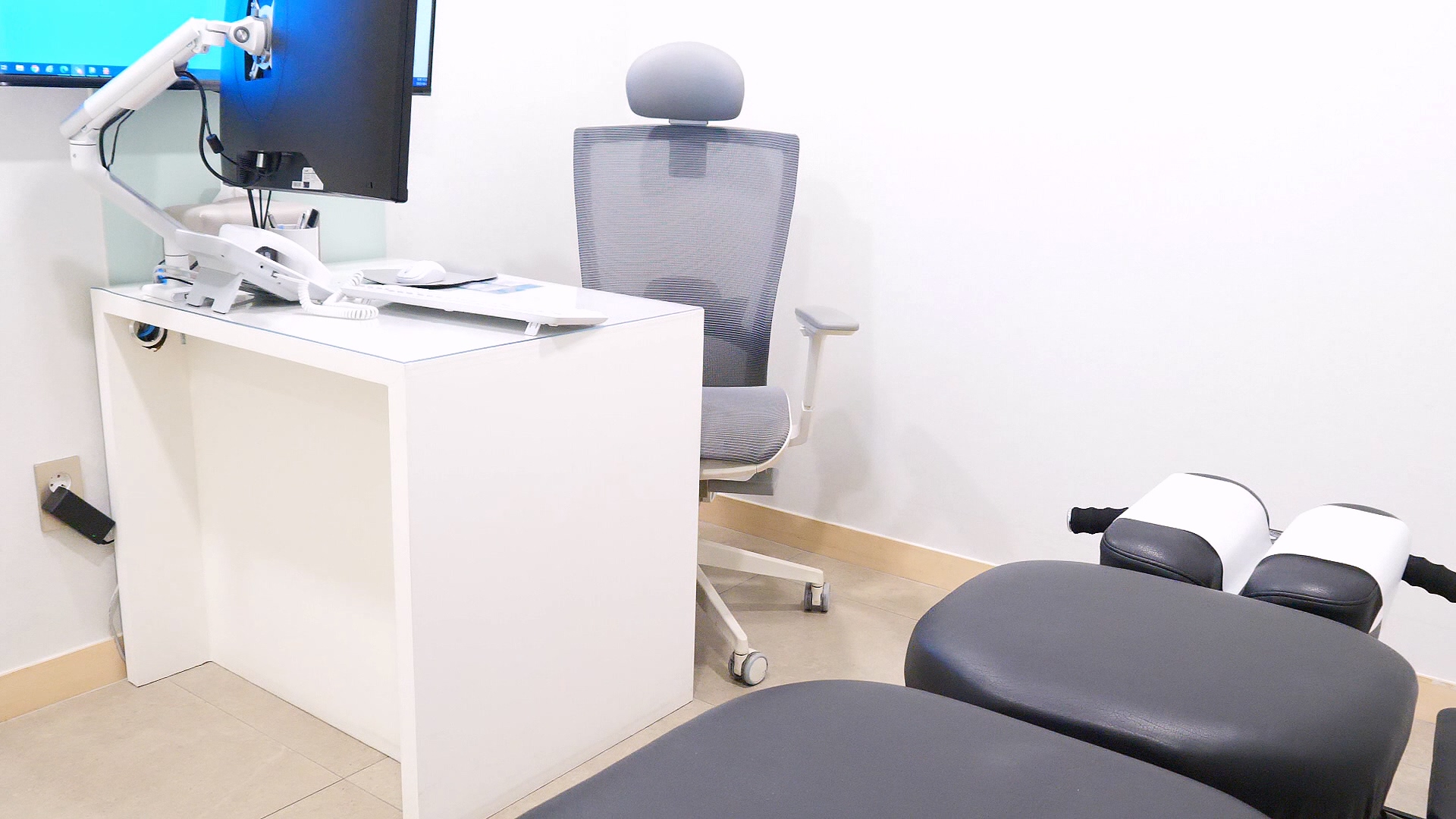
By analyzing the structural alignment of the skull and spine, we can uncover the source of functional imbalances and chronic dysfunction. Our approach integrates traditional expertise with modern diagnostic precision to design personalized treatment plans that help each patient regain a healthy, balanced daily life. Through specialized interventions such as Acupotomy and Chuna therapy, we aim to restore the body’s natural alignment and facilitate immediate functional improvement.
Understanding Structural Misalignment: The Foundation of Recovery
Structural health is the cornerstone of overall wellness. When the skeletal framework—particularly the skull and spine—is misaligned, it creates a cascade of tension that affects the nervous system and muscular integrity. This approach recognizes that chronic pain is often a physical manifestation of long-term structural imbalance that has led to tissue adhesion or nerve entrapment.
The Philosophy of Root Cause Structural Restoration
At Bonecure, we believe that when your bones are in their correct position, your entire body can function optimally. Our philosophy, summarized by the slogan "When your bones smile, life smiles," emphasizes that true healing begins with structural integrity. Unlike generic pain management that relies on temporary relief, we focus on identifying why the pain occurred in the first place. This involves a deep dive into the patient's posture, movement patterns, and spinal curvature. By correcting the structural blueprint, we can resolve issues that have been resistant to other treatments. This personalized framework ensures that every intervention, from manual Chuna therapy to precise Acupotomy, respects the unique anatomical needs of the patient. By restoring the relationship between the skull and the cervical spine, we provide a foundation for long-term vitality. This meticulous approach is essential for patients seeking a permanent exit from the cycle of chronic pain.
Comprehensive Diagnostic Process: Motion and Physical Evaluation
Our diagnostic journey is a multi-dimensional process that goes beyond simple observation. We begin with a thorough evaluation of the patient's physical proportions and movement capacity. I personally conduct motion analysis and visceral function assessments to understand how structural issues may be affecting internal health. This stage is crucial for identifying 'trapped' nerves or fibrotic tissues that contribute to conditions like spasmodic torticollis or dorsal burning sensation. By synthesizing physical and functional data, we build a complete profile of the patient's health status. This detailed analysis allows us to predict potential health risks and address structural vulnerabilities before they manifest as severe, intractable diseases. This categorization of structural types serves as the basis for our integrated treatment plan, ensuring that care is biologically and anatomically appropriate. Every patient receives a roadmap for health designed specifically for their unique skeletal structure, leading to more sustainable and efficient results.
Why Personalized Structural Analysis Matters
Generic medical treatments often fail to account for the inherent biological diversity of human structure, which can lead to suboptimal recovery. A personalized structural diagnosis ensures that the therapy aligns with the patient's specific spinal curvature and muscle tension patterns. For instance, a treatment plan for a patient with upper cervical misalignment will differ significantly from one for a patient with lumbar instability. At Bonecure, we emphasize that structural accuracy is vital for long-term maintenance. When we understand your innate skeletal makeup, we can provide guidance that prevents the recurrence of chronic conditions. This level of precision is particularly important when dealing with complex issues like autonomic nervous system dysfunction or atypical Parkinson's syndrome. By tailoring every aspect of care to your structural profile, we aim to provide a highly efficient diagnostic path. This allows us to focus on the specific needs of your biological profile from the very beginning, ensuring deep and lasting structural restoration.
Advanced Tools in Structural Diagnosis and Treatment
Restoring structural health requires advanced tools that can identify and release deep-seated tension. Our clinic utilizes both modern imaging and specialized manual techniques to achieve functional recovery.
Utilizing Imaging for Precise Structural Alignment
Structural health and metabolic health are inseparable, and we utilize diagnostic tools to gain a clear picture of the skeletal framework. We evaluate structural balance using tools like Whole spine X-rays—often through our partner hospitals like Harrison Hospital—to see exactly how misalignments are influencing your posture. These images are not for general screening but are used specifically to map out the deviations in the spine and skull that cause nerve compression. At Bonecure, we believe that seeing the internal structure allows for a higher degree of safety and precision. For example, a patient suffering from chronic back pain might show specific spinal misalignments that correlate directly with their reported symptoms. By analyzing these factors, we can develop a holistic strategy that addresses both the internal nerve environment and the external physical structure. This imaging data acts as a guide for our Acupotomy and Chuna procedures, facilitating a deeper and more complete recovery process.
Targeted Interventions for Chronic and Intractable Conditions
Every patient has specific physiological weak points that are more susceptible to injury. Recognizing these vulnerabilities allows us to implement preventive measures. During a consultation at Bonecure, we identify these areas—such as the upper cervical region or the sacroiliac joint—and provide targeted recommendations. For instance, if a patient presents with symptoms of Parkinson's syndrome, we may focus on relieving pressure in the upper cervical area and suboccipital muscles to improve autonomic function. Understanding your structural risks transforms your approach to health from reactive to proactive. Instead of waiting for pain to occur, you can actively support your body's naturally weaker systems. This insight is invaluable for maintaining vitality as you age, as it allows for a highly specific and effective long-term wellness strategy. We aim to strengthen these vulnerable zones through a combination of structural alignment and tissue release, providing a resilient state of health that resists future injury.
Integrating Acupotomy with Structural Restoration at Bonecure
At our clinic, we combine structural insights with advanced Acupotomy (Dochim) to provide a unique form of restoration. This integration allows us to treat the body as a unified whole, addressing both internal adhesions and external imbalances.
The Role of Acupotomy in Releasing Tissue Adhesion
For patients suffering from chronic pain, the issue is often more than just a bone out of place; it involves 'fibrosis' or the hardening of soft tissues. Acupotomy is a specialized tool—a needle with a small flat blade—designed to release these adhesions. By physically dissecting the stuck tissues that bind nerves and restrict movement, we can achieve immediate improvements in mobility. At Bonecure, I specialize in using this technique to treat conditions like spasmodic torticollis and chronic spinal pain. When the underlying tissues are released, the bones can return to their natural positions more easily. This integrated approach ensures that we are not just moving structures, but also addressing the biological forces that pull the skeleton out of alignment. While the procedure involves deep tissue work, the results are often felt immediately by the patient as a sense of 'opening' or increased lightness. It is a precise method for resolving chronic health challenges that do not respond to conventional therapy.
Synergy Between Chuna Manual Therapy and Soft Tissue Release
True recovery requires a combination of internal and external therapies. At Bonecure, we combine Chuna manual therapy—which focuses on the alignment of bones—with Acupotomy. For patients with chronic, intractable pain caused by long-term structural decay, this synergy is essential. While Acupotomy releases the 'stuck' points, Chuna therapy helps re-educate the muscles and joints into a healthier pattern. For example, addressing structural imbalances in the neck can help alleviate symptoms of 'Baeyeoljeung' (dorsal burning sensation) and significantly improve a patient's daily quality of life. It is important to note that while Acupotomy is highly effective, it may cause temporary soreness, minor bruising, or light bleeding, and results vary between individuals based on their health status. By aligning these advanced physical treatments with your structural needs, we create a comprehensive healing environment. This synergy is key to resolving the most difficult chronic health challenges by addressing both the hard and soft tissues simultaneously.
Clinical Case Observations: Path to Recovery
Individualized care is the hallmark of Bonecure, as demonstrated by the diverse cases we treat daily. In clinical practice, we often observe that patients with chronic spinal misalignment, tinnitus, or even atypical Parkinson's show positive responses when structural restoration is prioritized. By focusing on the root biological causes—such as nerve entrapment at the C1 vertebra—we aim to facilitate the body's natural healing processes. These cases highlight that even complex conditions can respond well when the treatment is precisely matched to the patient's anatomical reality. However, these individual results are not a guarantee of the same outcome for every patient, as clinical progress depends on many factors, including the severity of the condition and patient compliance. Our goal is always to provide the most accurate, evidence-based structural care to facilitate the best possible path toward recovery. We strive to make each patient feel the difference in their body from the very first session.
Comparing Structural Restoration with Conventional Symptom Management
Understanding the differences between root-cause structural care and conventional symptom-based approaches can help you make an informed decision. The following table highlights our unique approach.
Characteristics of Bonecure Structural Care
Structural restoration at Bonecure focuses on the root cause by utilizing motion analysis and skeletal alignment. This allows for a personalized treatment method tailored to each patient's specific deformity or adhesion pattern, with the long-term goal of achieving functional balance. Furthermore, it provides specific posture and lifestyle guidance to help patients maintain their alignment independently. This proactive model differs from reactive care, which often relies on temporary medication.
A 2026 Clinical Guide to Chuna Therapy for Chronic Pain: Structural Restoration at Bonecure
Long-term Benefits and Structural Lifestyle Management
Achieving health is only the first step. Maintaining it requires a lifestyle that respects your structural nature. We provide personalized protocols to help you stay in balance long after your clinical sessions are complete.
Personalized Movement and Posture Protocols
Posture and exercise are not one-size-fits-all. Each structural type thrives on different movement patterns. For example, a patient with a straightened cervical spine requires different corrective exercises than one with excessive lumbar curvature. At Bonecure, we provide detailed lifestyle protocols following your consultation to help you maintain the benefits of your treatments. Adopting movement habits that align with your structure reduces internal stress on your joints and provides the mechanical efficiency needed for health. When your daily habits support your biological nature, you will notice improvements in your energy levels and a reduction in recurring pain. These protocols are designed to be easily integrated into your daily life, creating a strong foundation for long-term vitality and preventing the recurrence of chronic structural issues.
Managing Autonomic Balance Through Structural Health
Emotional health and the nervous system are closely linked to structural integrity. Patterns of chronic tension in the neck or jaw, often seen in conditions like TMJ disorder, can trigger autonomic imbalances. By correcting your structural alignment, you gain better control over your nervous system's response to stress. At Bonecure, we discuss these structural-emotional links during your consultation to help you develop better resilience. Learning to manage the physical roots of tension is just as important as manual therapy for maintaining health. Chronic stress often manifests as muscle tension in specific areas depending on your posture. By addressing the structural roots of this tension, we can achieve more sustainable relief from physical pain and promote a more harmonious relationship between the mind and the body. This holistic view of the body as a single structural unit leads to better overall health and emotional stability.
Preventive Care: Protecting Structural Integrity for Life
The ultimate goal of our clinic is to prevent disease by maintaining structural balance. By understanding your unique biological makeup, you can make informed decisions that protect your health as you age. Regular follow-ups at Bonecure allow us to monitor your alignment and make small adjustments before minor issues become chronic problems. This proactive approach to vitality is particularly effective for managing the wear and tear on your spine. Instead of waiting for a crisis, structural care provides the tools to maintain your body’s natural resilience. Long-term health is not about temporary relief, but about understanding how to return to your optimal state of balance. With a clear understanding of your structure, you can navigate the challenges of aging with confidence, knowing exactly how to support your body's unique needs. This is the essence of a truly personalized health journey at Bonecure.
Acupuncture for Chronic Pain Management: A 2026 Clinical Guide by Bonecure
Frequently Asked Questions
Q. What is the main focus of treatment at Bonecure?
Our main focus is identifying and treating the root causes of pain through structural restoration. We specialize in correcting misalignments of the skull and spine that lead to chronic dysfunction. By using advanced techniques like Acupotomy and Chuna therapy, we aim to release tissue adhesions and restore the body's natural balance for long-term recovery.
Q. What is Acupotomy (Dochim) and is it painful?
Acupotomy is a specialized form of acupuncture that uses a tiny blade-like tip to release fibrotic tissue and adhesions. While the procedure can involve some intensity as it targets deep-seated tension, many patients report immediate relief in mobility afterward. Temporary soreness or minor bruising may occur, but these are part of the body's natural healing process.
Q. Can structural treatment help with non-musculoskeletal issues like tinnitus?
Yes, structural restoration can be very effective for conditions like tinnitus or autonomic dysfunction. These issues are often linked to nerve compression in the upper cervical spine. By relieving this pressure through Acupotomy and spinal correction, we can improve nerve signaling and alleviate symptoms that seem unrelated to the bones.
Q. How do you diagnose my specific structural problem?
We use a combination of physical evaluations, motion analysis, and diagnostic imaging like Whole spine X-rays. I personally assess your posture and movement to find exactly where the structural breakdown is occurring. This multi-dimensional approach ensures that we create a treatment plan that is perfectly suited to your unique anatomy.
Q. How many sessions will I need to feel a difference?
Many patients feel an immediate change in their mobility and pain levels after the first session of Acupotomy and Chuna. However, for chronic or long-standing structural issues, a series of treatments is usually required to stabilize the new alignment and prevent recurrence. We discuss your specific timeline during the initial consultation.
Q. What is the cost of a structural restoration consultation?
We focus on providing high-quality, personalized care that addresses the root cause of your health issues. While pricing depends on the complexity of the case and the specific treatments required, we invite you to contact Bonecure directly for scheduling and cost information. Each session is a dedicated investment in your functional health.
Q. Does structural treatment help with Parkinson's syndrome?
While it is not a cure for degenerative diseases, structural restoration can significantly improve the quality of life for those with Parkinson's syndrome. By improving cervical alignment and releasing muscle rigidity, we can help manage symptoms like bradykinesia and autonomic dysfunction, slowing the progression of physical limitations.
Key Takeaways
- Bonecure focuses on structural restoration to address the root causes of chronic pain and functional dysfunction.
- Personalized diagnosis involves motion analysis and skeletal imaging to map out specific tissue adhesions and misalignments.
- Acupotomy (Dochim) is used to physically release fibrotic tissues, facilitating immediate improvements in movement and nerve function.
- Maintaining structural integrity through personalized posture and movement protocols is essential for long-term vitality and prevention.
Hello, I am Dr. Song Jung-hyun. I am dedicated to helping patients who have struggled with chronic, intractable pain by focusing on the fundamental alignment of the body. If you are looking for more than just temporary relief and want to restore your body's true balance, I invite you to visit Bonecure for a professional consultation.
Bonecure / Dr. Song Jung-hyun
FAQ
- What exactly is Sasang Constitutional Medicine?
- Sasang Constitutional Medicine is a traditional Korean medical system established by the scholar Lee Je-ma. It categorizes humans into four distinct types based on their physiological, psychological, and structural traits. This allows for highly personalized treatments that address the root cause of imbalances rather than just symptoms. By understanding your specific type, we can provide care that is tailored to your unique biological makeup.
- How do I know which of the four constitutions I belong to?
- Accurate diagnosis requires a professional consultation at Bonecure, where we analyze a variety of factors. These include physical proportions, facial features, voice tone, personality traits, and your body's historical reactions to foods and medications. This multi-dimensional approach ensures that we identify your constitution correctly to develop an effective treatment plan.
- Is a Sasang consultation helpful for chronic back pain?
- Yes, it is extremely helpful because your constitution determines how your body holds tension and recovers from inflammation. By identifying your type, we can better tailor structural treatments like Acupotomy and Chuna therapy to match your body's specific healing capacity. This leads to more effective and sustainable relief from chronic structural pain.
- Are there any side effects to constitutional treatments?
- When treatments are accurately matched to your constitutional type, side effects are generally rare. However, some patients may experience temporary soreness or fatigue as the body begins to rebalance itself. For advanced procedures like Acupotomy, there is a small risk of minor bleeding or infection, which is why it is essential to consult a qualified practitioner like Dr. Song Jung-hyun.
- Can my Sasang constitution change over time?
- In Sasang medicine, your fundamental constitution is considered innate and does not change throughout your life. However, your current health state, whether you are in balance or suffering from an imbalance, certainly changes. Our primary goal is to bring your specific type back to its optimal health and functional balance.
- How long does a consultation take and what is the cost?
- A thorough consultation involves several diagnostic tests and a detailed interview to ensure accuracy. While we focus on the value of personalized, root-cause care rather than fixed numbers here, we invite you to contact Bonecure directly for specific pricing and scheduling information. Each session is a dedicated investment in your long-term health.
- Does my diet need to change based on my consultation results?
- Often, dietary changes are a key part of the recovery process. Each constitution has specific foods that are beneficial and others that can cause internal stress. For example, beef might be great for one type while seafood is better for another. We provide a customized lifestyle guide after your diagnosis to support your healing.