
Post
A 2026 Clinical Guide to Head Shaking Disorder and Structural Recovery at Bonecure
Hello. I am Song Jung-hyun, a practitioner of Korean medicine who has focused on Acupotomy for many years. Head shaking disorder, often referred to as cervical dystonia, is a neurological condition where the neck muscles contract involuntarily, causing the head to twist or turn. At Bonecure, we approach this challenge by focusing on structural recovery, aiming to restore the balance between the musculoskeletal system and the nervous system to improve the patient's quality of life.
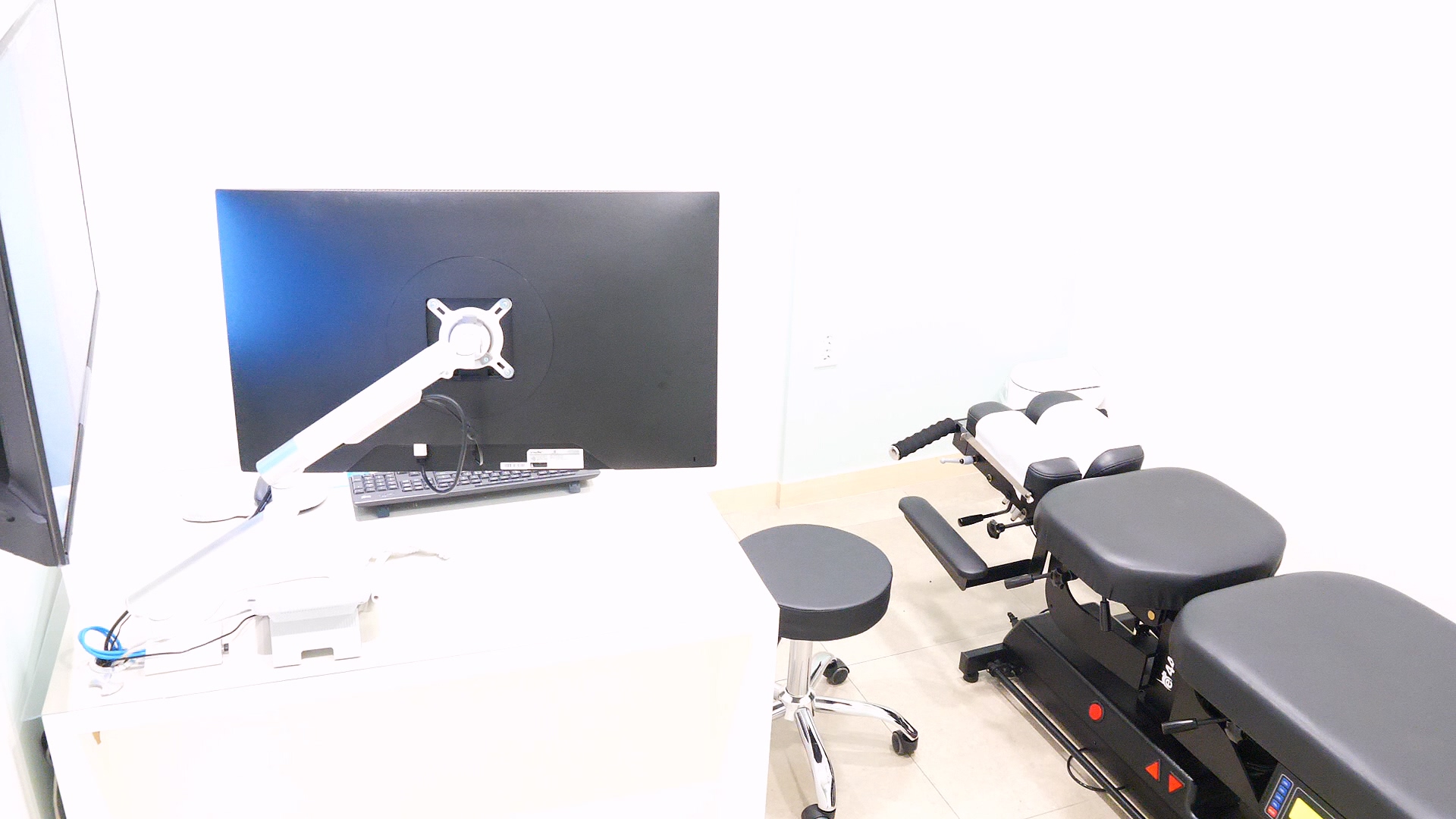
Understanding Head Shaking Disorder and Involuntary Movements
Head shaking disorder, often clinically recognized as cervical dystonia, is a neurological condition characterized by involuntary muscle contractions that cause the head to tilt, turn, or shake. This condition can be both physically exhausting and socially distressing for those affected, often requiring a multifaceted approach to management.
What is Head Shaking Disorder (Cervical Dystonia)?
Head shaking disorder, or cervical dystonia, involves rhythmic or irregular movements of the head that the patient cannot control. In my clinical experience at Bonecure, I have observed that these symptoms often stem from a complex interaction between the central nervous system and the musculoskeletal structure of the neck. When the muscles responsible for stabilizing the head become hyperactive due to nerve irritation or physical misalignment, the result is a persistent tremor. This condition affects approximately 30 out of every 100,000 people globally, according to data from the National Institute of Neurological Disorders and Stroke, often appearing in middle age. Patients frequently report that their symptoms worsen during periods of high stress or physical exhaustion, which highlights the need for a comprehensive diagnostic approach. Understanding the specific patterns of these involuntary movements is the first step toward developing an effective management plan. We focus on identifying which muscle groups are overcompensating to provide a clear path for structural intervention and neurological stabilization.
Common Symptoms and Impact on Quality of Life
Head shaking disorder manifests in various ways, ranging from subtle rhythmic movements to significant tilts that hinder daily tasks. Patients often describe a feeling of internal pull or tension that precedes the involuntary motion. These symptoms can make simple activities, such as driving, eating, or reading, extremely challenging and socially isolating. Beyond the physical tremor, many individuals experience chronic neck pain and fatigue as the muscles constantly work against the involuntary contractions. In our clinical observations at Bonecure, we have noted that early intervention is key to preventing the progression of muscle fibrosis. When the neck muscles remain in a state of constant contraction, they can eventually lead to secondary issues like headaches or jaw tension. By addressing these symptoms through a lens of structural integrity, we aim to provide relief that supports a return to normal social and professional life. Individualized care is necessary because the severity of impact varies for everyone.
Why Structural Alignment Matters in Neurological Stability
The stability of the nervous system is deeply intertwined with the physical alignment of the cervical spine. When the vertebrae are misaligned, they can create mechanical pressure or irritation on the nerves that control muscle tone and movement. This structural imbalance often serves as a primary trigger for the involuntary movements seen in head shaking disorder. At Bonecure, we emphasize that the head must be properly supported by a balanced neck and shoulder structure to function without interference. Improving the cervical curve helps to decompress the spinal cord and improve the signaling between the brain and the body. Clinical data suggests that structural recovery can lead to a significant reduction in symptom frequency for many patients. We focus on the relationship between the Atlas and Axis vertebrae, as even a minor deviation here can disrupt the vestibular system. Restoring this balance is essential for achieving long-term neurological stability and reducing the physical triggers of tremors.
The Role of Korean Traditional Medicine in Neurological Recovery
Korean Traditional Medicine approaches neurological recovery by harmonizing the body's internal energy flow and correcting physical misalignments that interfere with nerve signaling. By integrating ancient wisdom with modern structural understanding, we provide a unique pathway for patients struggling with chronic involuntary movements.
Acupuncture for Chronic Pain and Nerve Regulation
Acupuncture has been used for centuries to regulate the nervous system and alleviate chronic pain associated with muscular disorders. In the context of head shaking, specific acupuncture points are targeted to calm the hyperactive nerves and release the tension held in the deep cervical muscles. This process helps to restore the proper flow of energy, or Qi, which can become stagnant in areas of chronic inflammation or injury. Research into traditional medicine clinical notes suggests that regular sessions can help down-regulate the sympathetic nervous system, reducing the overall intensity of involuntary tremors. At our clinic, we combine traditional needle techniques with modern anatomical knowledge to ensure that each point selected serves a specific structural purpose. Patients often report a sense of deep relaxation following treatment, which is a vital component of the recovery process. While results are not immediate for every individual, the cumulative effect of nerve regulation is a cornerstone of our holistic approach to neurological health.
Physical Therapy and Chuna in Seoul for Enhancing Blood Circulation
Physical therapy and Chuna involve the application of specialized manual techniques and physical modalities to stimulate blood flow and enhance the body's natural healing capabilities. For patients in Seoul seeking relief from neck tremors, these therapies provide a targeted way to address muscle stiffness and structural tension. Improved circulation is essential for flushing out metabolic waste products that accumulate in chronically contracted muscles. When blood flow is restricted, muscles become ischemic and prone to developing fibrotic adhesions, which further complicates head shaking disorder. By applying targeted physical intervention, we can soften these tissues and prepare them for more intensive structural work. This modality is particularly beneficial for those who experience worsening symptoms in cold weather or during periods of physical fatigue. At Bonecure, we integrate physical therapy as a supportive therapy to ensure that the body is in an optimal state for structural realignment. It serves as a bridge between diagnostic assessment and the more active phases of clinical intervention.
How Traditional Medicine Clinical Notes Guide Personalized Care
The use of detailed clinical notes is essential for tracking the progress of patients undergoing recovery for neurological conditions. These notes allow us to observe subtle changes in muscle tone, range of motion, and tremor frequency over time. By documenting the patient's response to various modalities, we can refine our approach and ensure that the care plan remains aligned with their specific needs. In my practice, I often refer to historical case studies where structural correction led to significant improvements in long-standing neurological symptoms. For instance, my documented clinical records include cases where patients with an 18-year history of chronic tinnitus showed measurable progress when the underlying cervical misalignment was addressed. These records provide a scientific basis for our methods and help us set realistic expectations for our patients. By analyzing the data collected across hundreds of sessions, we can identify patterns that lead to more successful outcomes. This evidence-based approach ensures that every patient receives care that is both rooted in tradition and validated by modern clinical observation.
Innovative Treatment Approaches at Bonecure
Innovative treatment approaches at Bonecure utilize specialized structural recovery techniques, including Acupotomy and FCST, to address the underlying physical causes of involuntary tremors and pain. These methods are designed to provide a more targeted intervention than general physical therapy alone.
Acupotomy: Releasing Adhesion to Restore Cervical Function
Acupotomy is a specialized technique that uses a flat-headed needle to release adhesions and fibrotic tissue that have formed within the muscles and fascia. In cases of head shaking disorder, the muscles of the neck often become stuck in a cycle of contraction and scarring, which physically prevents them from relaxing. Acupotomy at Bonecure allows us to precisely target these areas of adhesion and manually release the tension. This process promotes the regeneration of healthy tissue and restores the normal gliding motion of the muscle layers. By freeing the trapped nerves and improving structural mobility, we can significantly reduce the mechanical triggers of involuntary movements. While the procedure can involve some discomfort, many patients experience a noticeable change in their range of motion and an immediate reduction in symptoms shortly after treatment. It is important to note that this is a minimally invasive procedure, and we follow strict safety protocols to ensure patient comfort. Releasing these deep-seated physical blockages is often the key to breaking the cycle of chronic tremors.
FCST and Cervical Realignment for Tremor Control
Functional Cerebrospinal Therapy, or FCST, focuses on the critical relationship between the temporomandibular joint and the upper cervical spine. The alignment of the jaw plays a significant role in the overall balance of the head and neck. If the jaw is misaligned, it can create a cascading effect of tension that irritates the brainstem and the upper cervical nerves. At Bonecure, we use FCST to correct these imbalances, providing a stable foundation for the head. This alignment is vital for controlling tremors, as it reduces the neurological interference that causes muscles to fire uncontrollably. By stabilizing the junction between the head and the neck, we allow the nervous system to reset and function more efficiently. Clinical observations have shown that addressing the jaw-neck connection can lead to improvements in a variety of neurological symptoms, including those associated with dystonia. This comprehensive approach ensures that we are not just treating the symptoms, but rather the structural root of the problem. Consistency in these realignments helps to maintain neurological stability over time.
Understanding the Mechanism of Integrative Acupotomy
When managing head shaking disorder, it is helpful to understand the specific principles of our approach. While general physical therapy often focuses on external exercises and stretching for mild muscle tension, chronic conditions involving deep tissue adhesions often require a more direct intervention. At Bonecure, we utilize Acupotomy to precisely target and manually release fibrotic tissue and adhesions within the deep fascia. This process promotes the regeneration of healthy tissue and restores the normal gliding motion of muscle layers, which is essential for neurological and postural recovery. By focusing on the deep structural causes of tremors, we provide a pathway for those seeking to address the underlying physical blockages that contribute to involuntary movements.
By focusing on the deep structural causes of tremors, we provide a pathway for those who may not have found relief through traditional exercise programs. Each patient's journey is unique, and we tailor these interventions to match the specific physical challenges identified during our initial assessment.
A Patient-Centered Path to Restoring Daily Balance
A patient-centered path to restoring daily balance involves a comprehensive assessment of the patient's structural integrity, lifestyle, and neurological health to create a sustainable recovery roadmap. We believe that empowering the patient with knowledge and a clear plan is the first step toward lasting wellness.
Case Study: Improving Tremor Scales in a Long-term Patient
In my clinical practice, I have seen the profound impact that structural recovery can have on individuals who have suffered from tremors for many years. In my clinical experience, I have observed cases where patients achieved significant structural recovery and improved quality of life. For instance, one patient who experienced severe interference with daily living showed a marked improvement in movement speed and a reduction in tremor intensity as early as the first session of intensive Acupotomy and cervical realignment. This case illustrates that even chronic conditions can show positive change when the structural roots are addressed immediately. However, it is essential to emphasize that these results are specific to this individual case and do not guarantee the same outcome for every patient. Recovery time and effectiveness vary based on the duration of the illness and the patient's overall health. We use these examples not to promise a cure, but to demonstrate the potential for progress through dedicated structural care. Each treatment plan is built on the unique baseline of the patient, ensuring that every session contributes to their specific recovery goals.
Safety Protocols and Potential Side Effects of Acupotomy
Safety is our primary concern at Bonecure, and we adhere to rigorous clinical standards for all our procedures. Acupotomy is a specialized technique that requires expert precision to ensure both effectiveness and safety. However, like any clinical procedure, there are potential side effects that patients should be aware of before beginning treatment. These can include temporary soreness at the site of the procedure, minor localized bruising, or a feeling of fatigue as the body begins to heal. In very rare cases, there is a small risk of infection, which we mitigate through strict sterilization and post-care instructions. It is also important to understand that individual results can vary, and some patients may require more sessions than others to see significant progress. We conduct a thorough diagnostic check before every session to monitor the patient's reaction and adjust our techniques accordingly. Open communication between the practitioner and the patient is vital for maintaining a safe and effective healing environment. We encourage all our patients to report any unusual sensations immediately so we can provide the necessary guidance.
Holistic Health Management at our Cheongdam Clinic
Located in the heart of Seoul, our clinic at Bonecure serves as a hub for those seeking a holistic approach to complex neurological and structural issues. We treat a diverse range of patients, including international visitors who travel to experience our specialized Korean traditional medicine. Our management philosophy extends beyond the treatment room, as we provide guidance on posture, stress management, and daily habits that support long-term stability. For more information on related conditions, you may find these guides helpful: A 2026 Clinical Guide to Dystonia Treatment and Structural Recovery at Bonecure and A 2026 Clinical Guide to Essential Tremor Disorder and Structural Recovery at Bonecure. We believe that recovery is a collaborative process between the practitioner and the patient. By fostering an environment of trust and scientific rigor, we help our patients navigate the challenges of head shaking disorder with confidence. Our team is dedicated to providing a supportive atmosphere where every individual feels heard and valued. Whether you are dealing with a recent onset or a chronic condition, we are here to provide a structured path toward a more balanced and comfortable life.
Key Takeaways
- Structural Focus: Head shaking disorder is often linked to cervical misalignment and muscle adhesions that irritate the nervous system.
- Targeted Relief: Acupotomy at Bonecure helps to release deep-seated physical blockages that conventional therapy might miss.
- Holistic Integration: Combining Traditional Korean Medicine with structural realignment provides a comprehensive management strategy.
- Patient Variation: Results and recovery times are individual, requiring personalized care plans and realistic expectations.
Frequently Asked Questions
Q. What exactly is head shaking disorder from a Korean medicine perspective?
In Korean traditional medicine, head shaking is often viewed as an imbalance between the cervical spine and the nervous system. We believe that stagnant energy or blood flow in the neck muscles leads to these involuntary tremors. Our goal is to clear these blockages through structural correction and energy regulation.
Q. How long does it take to see improvements in head shaking?
At Bonecure, we aim for immediate changes. Many patients feel a reduction in muscle tension and improved movement as early as their first treatment. However, chronic cases typically require a structured follow-up plan to stabilize the corrected cervical alignment and ensure long-term stability. We set realistic goals during our initial diagnostic phase.
Q. Is Acupotomy safe for treating tremors in the neck?
Yes, Acupotomy is safe when performed by an experienced practitioner who follows strict clinical protocols. Some patients may experience temporary soreness or minor bruising at the procedure site, but these are generally mild. We always conduct a thorough diagnostic check before each session to ensure patient safety.
Q. Can acupuncture for back pain also help with neck tremors?
Since the spine is a continuous structure, addressing imbalances in the lower back often helps improve overall posture. This reduction in total body tension can decrease the compensatory strain on the neck that often exacerbates head tremors. A whole-spine approach is often more effective than focusing on one area alone.
Q. Are the results of these treatments permanent?
Many patients maintain their progress through improved postural habits and periodic follow-up care at Bonecure. However, results vary significantly between individuals, and consistent management of stress and cervical health is recommended to prevent recurrence. We provide long-term lifestyle guidance to support your recovery.
Q. What is the cost of head shaking disorder treatment at Bonecure?
The total cost depends on the complexity of the condition and the specific combination of therapies used, such as Acupotomy or FCST. We provide a detailed cost breakdown following an initial consultation to ensure transparency. Each treatment plan is tailored to the specific needs and budget of the patient.
Q. Does Bonecure provide treatment for international patients in Seoul?
Yes, our clinic in Cheongdam frequently treats international patients looking for specialized Korean traditional medicine. We offer comprehensive consultations for those seeking non-surgical options for chronic pain and neurological tremors. Our staff is experienced in providing care for patients from diverse international backgrounds.
Bonecure / Song Jung-hyun, Director.
FAQ
- What exactly is head shaking disorder from a Korean medicine perspective?
- In Korean traditional medicine, head shaking is often viewed as an imbalance between the cervical spine and the nervous system. We believe that stagnant energy or blood flow in the neck muscles leads to these involuntary tremors. Our goal is to clear these blockages through structural correction and energy regulation.
- How long does it take to see improvements in head shaking?
- Recovery time varies significantly for each patient based on their unique condition. While some experience relief in muscle tension after a few sessions, chronic cases typically require a structured plan over several months to stabilize cervical alignment. We set realistic goals during our initial diagnostic phase.
- Is Acupotomy safe for treating tremors in the neck?
- Yes, Acupotomy is safe when performed by an experienced practitioner who follows strict clinical protocols. Some patients may experience temporary soreness or minor bruising at the procedure site, but these are generally mild. We always conduct a thorough diagnostic check before each session to ensure patient safety.
- Can acupuncture for back pain also help with neck tremors?
- Since the spine is a continuous structure, addressing imbalances in the lower back often helps improve overall posture. This reduction in total body tension can decrease the compensatory strain on the neck that often exacerbates head tremors. A whole-spine approach is often more effective than focusing on one area alone.
- Are the results of these treatments permanent?
- Many patients maintain their progress through improved postural habits and periodic follow-up care at Bonecure. However, results vary significantly between individuals, and consistent management of stress and cervical health is recommended to prevent recurrence. We provide long-term lifestyle guidance to support your recovery.
- What is the cost of head shaking disorder treatment at Bonecure?
- The total cost depends on the complexity of the condition and the specific combination of therapies used, such as Acupotomy or FCST. We provide a detailed cost breakdown following an initial consultation to ensure transparency. Each treatment plan is tailored to the specific needs and budget of the patient.
- Does Bonecure provide treatment for international patients in Seoul?
- Yes, our clinic in Cheongdam frequently treats international patients looking for specialized Korean traditional medicine. We offer comprehensive consultations for those seeking non-surgical options for chronic pain and neurological tremors. Our staff is experienced in providing care for patients from diverse international backgrounds.