
Post
A 2026 Clinical Guide to Essential Tremor Disorder and Structural Recovery at Bonecure
Essential tremor disorder is a neurological condition characterized by involuntary and rhythmic shaking, primarily affecting the hands during voluntary movements. This guide explores how structural restoration and specialized Korean medicine provide a comprehensive framework for managing these persistent symptoms and improving quality of life.
Hello. I am Dr. Song Jung-hyun, a Korean medicine doctor who has long focused on acupotomy and structural recovery. At Bonecure Korean Medicine Clinic, located in Samseong-ro, Gangnam, we approach neurological shaking not just as a brain-centered issue, but as a systemic imbalance where the structural integrity of the spine and neck plays a critical role in nervous system stability.
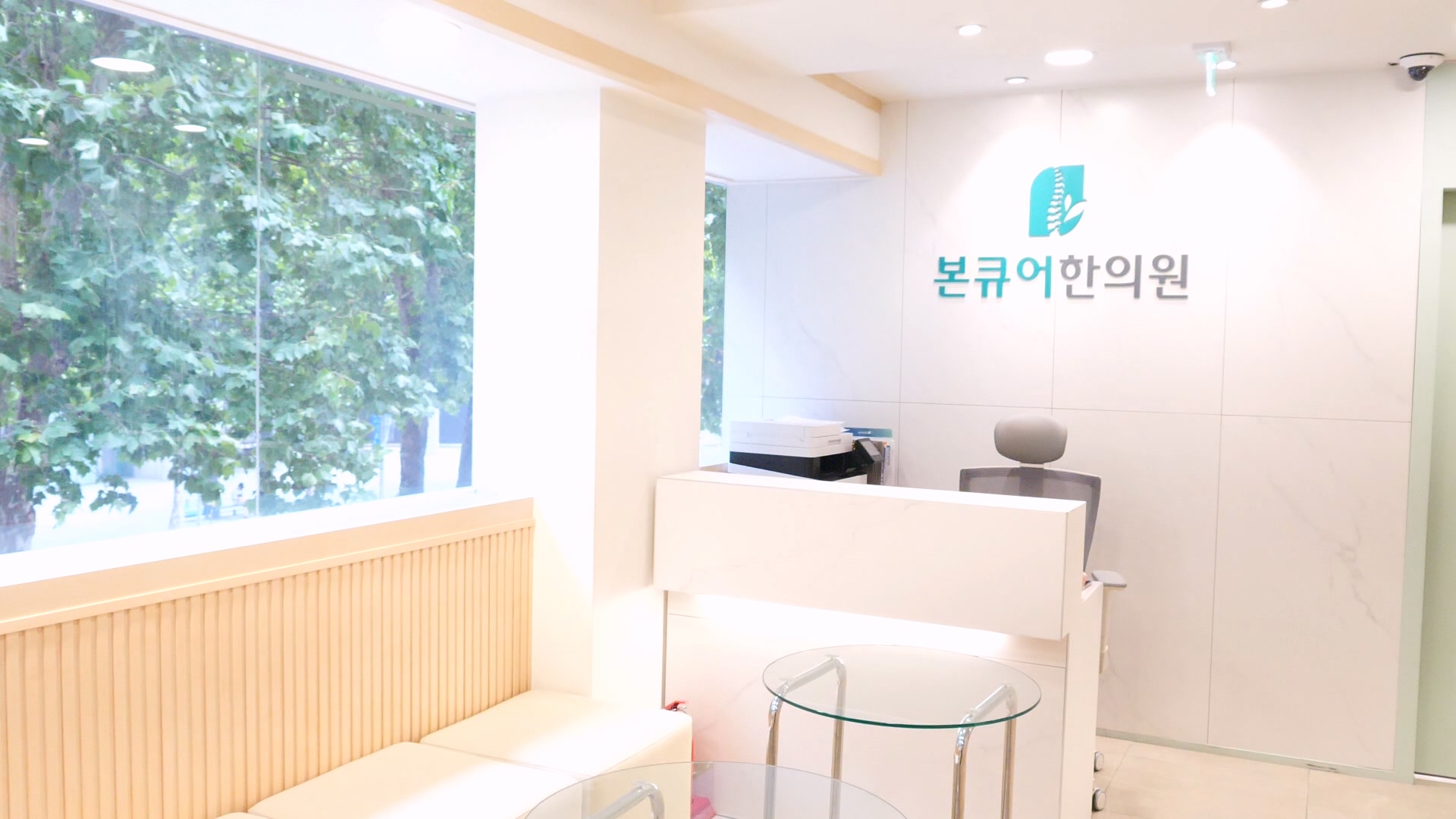
Our philosophy is simple: "When your bones smile, life smiles."
Understanding Essential Tremor Disorder and Its Impact
Essential tremor disorder is a neurological condition that causes rhythmic shaking in various parts of the body, most commonly the hands, but it can also affect the head, voice, and legs. Unlike many other neurological issues, it is often most noticeable when you are performing a task, such as holding a spoon or tying shoelaces, which can lead to significant social anxiety and functional limitations in daily life.
Defining Essential Tremor vs. Parkinsons
Essential tremor is primarily a kinetic tremor, meaning it becomes most apparent during voluntary movements such as drinking from a glass or writing. In contrast, Parkinson’s disease typically presents as a resting tremor that diminishes during activity. While essential tremor often involves the hands and head, Parkinson's may affect legs and chin and is accompanied by bradykinesia and rigidity. In our clinical observations at Bonecure, distinguishing these is the first step toward effective management. Understanding that essential tremor involves specific neurological pathways helps frame the management strategy. Accurate diagnosis ensures that structural interventions target the correct neurological and musculoskeletal pathways without unnecessary pharmacological load, providing a clearer path toward symptomatic stability and improved motor control for patients.
Common Symptoms and Daily Life Challenges
The most pervasive symptom of essential tremor is a fine to moderate shaking that fluctuates in intensity based on stress, fatigue, or caffeine intake. For many, the simple act of eating in public becomes a source of profound embarrassment, leading to social withdrawal and secondary mental health challenges. We often see patients who have struggled with chronic neurological symptoms for years having tried various medications with limited success. The tremor usually starts on one side of the body but may progress to both sides over time. It can also manifest as a 'yes-yes' or 'no-no' motion of the head or a shaky quality in the voice. These physical manifestations represent a disruption in the coordination between the cerebellum and the motor cortex. At Bonecure, we recognize that addressing these challenges requires an approach that considers the physical environment of the nervous system.
The Progressive Nature of Neurological Shaking
While essential tremor is not life-threatening, it is typically a progressive condition, meaning the amplitude of the shaking may increase over years. Early intervention is crucial to maintain functional independence and prevent compensatory postural habits that strain the cervical spine. Clinical observations suggest that ignoring early symptoms can lead to secondary muscle tension and joint stiffness. For instance, chronic tension in the neck and shoulders can exacerbate the perceived intensity of a hand tremor by restricting blood flow and nerve signaling. In our clinical practice, we utilize objective movement evaluations to monitor the degree of improvement, ensuring that our structural interventions effectively support the recovery process and help patients regain immediate functional comfort.
Conventional vs. Traditional Korean Medicine for Essential Tremor
Treating essential tremor requires a nuanced understanding of how pharmacological interventions and structural therapies can stabilize the nervous system. While conventional medicine often focuses on suppressing symptoms, traditional Korean medicine at Bonecure seeks to resolve the underlying physiological tension and structural misalignments contributing to neurological excitability.
Standard Medical Interventions and Limitations
Conventional treatments for essential tremor usually involve medications like beta-blockers or anticonvulsants. However, these drugs can cause side effects such as fatigue and dizziness, leading some patients to discontinue use. In severe cases, surgical options like Deep Brain Stimulation (DBS) are considered, though they carry inherent surgical risks. Furthermore, medication does not address the structural tension in the neck and upper back that often accompanies long-term tremors. Many patients at Bonecure find that while drugs may dampen the shaking, they do not restore the physical balance and ease provided by a well-aligned musculoskeletal system. This is where our structural therapy provides a valuable alternative for those seeking a holistic approach to neurological health.
Integrative Approach at a Korean Medicine Clinic in Samseong-ro
At our clinic, we utilize an integrative model that combines specialized manual and needle therapies with precise diagnostic insights. Bonecure emphasizes the relationship between the upper cervical spine and the autonomic nervous system. By utilizing specialized acupotomy (needle therapy), we aim to release micro-adhesions in the deep muscles of the neck that may be irritating motor control nerves. Our approach is grounded in the philosophy that a healthy nervous system requires a stable physical housing. We collaborate with Harrison Hospital for advanced diagnostic imaging, including X-rays and MRIs, to ensure the structural basis of treatment is accurate. This path is particularly beneficial for those who wish to reduce reliance on high-dose medications through non-invasive structural recovery.
Characteristics of Structural Korean Medicine for Tremor Management
Our approach focuses on structural realignment and recovery through specialized needle and manual therapies. We prioritize the health of the cervical spine and the release of muscle adhesions that impede nerve function. Patients should be aware that results can vary based on individual physical conditions, and while we aim for immediate symptomatic improvement, minor soreness or temporary bruising may occur at the treatment site. Our goal is to provide impactful care that restores the body's overall balance.
The Role of Acupotomy and Chuna Therapy in Managing Shaking
The application of acupotomy and Chuna therapy focuses on normalizing communication pathways between the brain and limbs by removing physical obstructions. These therapies work together to reduce the neurological 'noise' that manifests as rhythmic shaking.
Acupotomy for Nervous System Regulation
Acupotomy, or specialized needle therapy, is a core strength at Bonecure. By targeting specific areas of fibrosis and adhesion near the cervical spine, we can help dampen overactive signals. Unlike treatments that require months to show results, we focus on immediate changes that the patient can feel. By improving structural imbalances, we alleviate related symptoms and aim for a comprehensive restoration of natural functions. It is important to note that while we strive for immediate 호전 (improvement) in each session, the degree of response is individualized. Acupotomy may cause minor discomfort during the procedure, but it is designed to provide immediate relief from deep-seated structural tension.
Chuna Manual Therapy for Cervical and Spinal Alignment
Chuna manual therapy is used to correct the alignment of the bones and soft tissues. For essential tremor, the focus is often on the cervical spine, as misalignment here can create dural tension and interfere with nerve signaling. By gently realigning the vertebrae, Chuna therapy helps to decompress nerves and improve the structural foundation of the head and neck. At Bonecure, we have observed that patients with postural distortions often experience a worsening of their tremor due to increased mechanical load. Correcting these distortions through Chuna helps reduce the baseline level of muscle activity, allowing the nervous system more capacity to regulate fine motor movements.
Traditional Medicine Clinical Notes: Observed Individual Outcomes
In our clinical practice, we document various case reports to track the efficacy of our structural approach. For instance, we focus on identifying the root causes of pain and identifying specific points of adhesion in the upper cervical region. While results are specific to individuals and cannot be guaranteed for everyone, they highlight the potential of structural recovery for chronic neurological conditions. Some patients may experience minor side effects such as temporary soreness or slight bruising at the site of needle insertion, but these are generally self-limiting. By focusing on objective data, such as X-ray evidence of spinal curvature improvement, we provide a transparent and evidence-based pathway for patients.
Advanced Structural Recovery: The Bonecure Approach
The Bonecure approach goes beyond general wellness by targeting the specific physical adhesions and misalignments that impede the body's natural mechanisms. Our goal is to provide a 'root-cause' intervention that empowers the body to regain its balance.
Addressing Adhesion with Specialized Needle Therapy
Acupotomy uses a specialized tool to perform precise, minimally invasive releases of fibrotic tissues. In essential tremor, we often find that the muscles surrounding the upper cervical spine have become 'stuck' due to years of compensatory tension. These adhesions can trap small nerves and vessels, creating irritation for the nervous system. By carefully releasing these points, Bonecure helps to restore the sliding mechanism of the fascia and muscles. This process is designed to provide an immediate sense of physical freedom. Focusing on these deep structural areas allows us to address tension points that are often overlooked, contributing to a noticeable reduction in the frequency of neurological shaking.
Restoring Balance through Structural Realignment
Structural realignment at Bonecure involves analyzing the entire spine. We believe that a tremor in the hand can be linked to structural issues in the neck or a tilted pelvis. By restoring the natural curves of the spine, we help the body achieve a state of dynamic equilibrium. This structural integrity is vital for the proper functioning of the central nervous system. When the spine is properly aligned, mechanical stress on the brainstem is minimized, which may help in reducing motor pathway hyperexcitability. This is a regenerative process that focuses on the physical framework of the body to restore function and ease of movement.
A Personal Perspective from a Korean Medicine Doctor
As a practitioner, I have seen many patients who feel defined by their tremors, losing the confidence to perform simple social tasks. My goal at Bonecure is to offer a path to recovery based on structural science and clinical experience. I focus on treatment that is efficient and impactful, ensuring that patients can feel the difference immediately. Whether it is helping a professional return to their daily life or guiding a patient through a structural recovery plan, the focus remains on the fundamental alignment of the body. I invite you to consider how your physical structure might be influencing your neurological health. By addressing the 'hardware'—the bones and muscles—we provide the 'software'—the nervous system—with the stability it needs to function correctly.
Frequently Asked Questions
Q. What is essential tremor disorder and how is it diagnosed?
Essential tremor is a neurological condition causing involuntary shaking, primarily during active movement. Diagnosis is made through clinical examination of the tremor's characteristics and by ruling out other conditions like Parkinson's disease.
Q. Can acupotomy help with hand tremors?
Yes, acupotomy helps by releasing deep tissue adhesions in the neck and spine that may be irritating motor nerves. At Bonecure, we aim for immediate symptom improvement that the patient can perceive during or right after the session.
Q. Is essential tremor a sign of Parkinson's disease?
No, they are distinct conditions. Essential tremor usually occurs during activity, whereas Parkinson's tremors often occur at rest. However, a professional evaluation is necessary to accurately distinguish between these two disorders.
Q. How does Bonecure approach the treatment of chronic shaking?
We focus on the structural integrity of the spine. We use specialized needle therapy (acupotomy) to release deep tissue adhesions and Chuna therapy to restore proper spinal alignment, which helps stabilize motor signals.
Q. Are there any side effects to the treatments?
Minor side effects like temporary soreness or slight bruising at the site of needle insertion may occur. Our treatments are tailored to the individual's constitution to minimize risks. As with any needle procedure, there is a very rare risk of infection.
Q. How many sessions are typically required to see an improvement?
At Bonecure, we do not follow a "wait and see for 10 sessions" approach. We aim for immediate, perceptible improvement from the first treatment. While multiple sessions may be needed for long-term structural stability, patients should feel progress early in their care.
Q. Can lifestyle changes supplement the treatments?
Yes, reducing caffeine, managing stress, and maintaining healthy posture can complement structural therapy. These changes help lower the baseline of neurological excitability, making the clinical treatments more effective.
Key Takeaways
- Immediate Response: Bonecure focuses on impactful treatments where patients can feel symptomatic improvement immediately.
- Structural Influence: Cervical spine alignment and muscle adhesions in the neck can significantly impact the intensity of neurological shaking.
- Specialized Care: Dr. Song Jung-hyun utilizes specialized acupotomy and Chuna therapy to address physical blockages contributing to tremors.
- Root Cause Focus: By restoring the body's natural alignment (the "smiling bones"), we stabilize the environment for the nervous system.
- Integrative Precision: Collaboration with Harrison Hospital for imaging ensures that structural realignment is based on accurate diagnostic data.
For personalized consultation and to begin your journey toward structural recovery, please contact us for an appointment.
Bonecure Korean Medicine Clinic / Dr. Song Jung-hyun
FAQ
- What is essential tremor disorder and how is it diagnosed?
- Essential tremor is a neurological condition causing involuntary and rhythmic shaking, primarily during active movement. Diagnosis is typically made through a detailed clinical examination of the tremor's characteristics and by ruling out other conditions like Parkinson's disease through neurological testing.
- Can acupuncture help with hand tremors?
- Acupuncture may help modulate the nervous system and reduce the muscle tension that often exacerbates tremors. While individual results vary, many patients at Bonecure seek acupuncture to manage their symptoms by calming the autonomic nervous system and improving local blood flow to the affected limbs.
- Is essential tremor a sign of Parkinson's disease?
- No, they are distinct conditions with different neurological origins and symptoms. Essential tremor usually occurs during activity, whereas Parkinson's tremors often occur at rest; however, a professional evaluation by a specialist is necessary to accurately distinguish between these two different disorders.
- How does Bonecure approach the treatment of chronic shaking?
- At Bonecure, we focus on the structural integrity of the spine and the nervous system as a whole. We use specialized needle therapy to release deep tissue adhesions and Chuna therapy to restore proper spinal alignment, which may help in stabilizing motor signals from the brain.
- Are there any side effects to traditional Korean medicine for tremors?
- Minor side effects like temporary soreness or slight bruising at the site of needle insertion may occur in some patients. Our treatments are always tailored to the individual's specific physical constitution and overall health status to minimize risks and ensure a comfortable recovery process.
- How many sessions are typically required to see an improvement?
- Chronic and severe cases often require a series of multiple sessions to achieve lasting structural changes and symptom stability. The exact duration depends on the patient's age, the severity of the shaking, and their overall health, which we assess during the initial consultation.
- Can lifestyle changes supplement traditional medicine treatments?
- Yes, reducing caffeine intake, managing daily stress through mindfulness, and maintaining a healthy sleep cycle can significantly complement the benefits of structural therapy. These changes help lower the baseline of neurological excitability, making the clinical treatments more effective over the long term.