
Post
A 2026 Clinical Overview of Hanbang Treatment Case Studies and Structural Recovery Protocols
Hello. I am Song Jung-hyun, a practitioner of Korean Medicine who has focused on acupotomy for a long time.
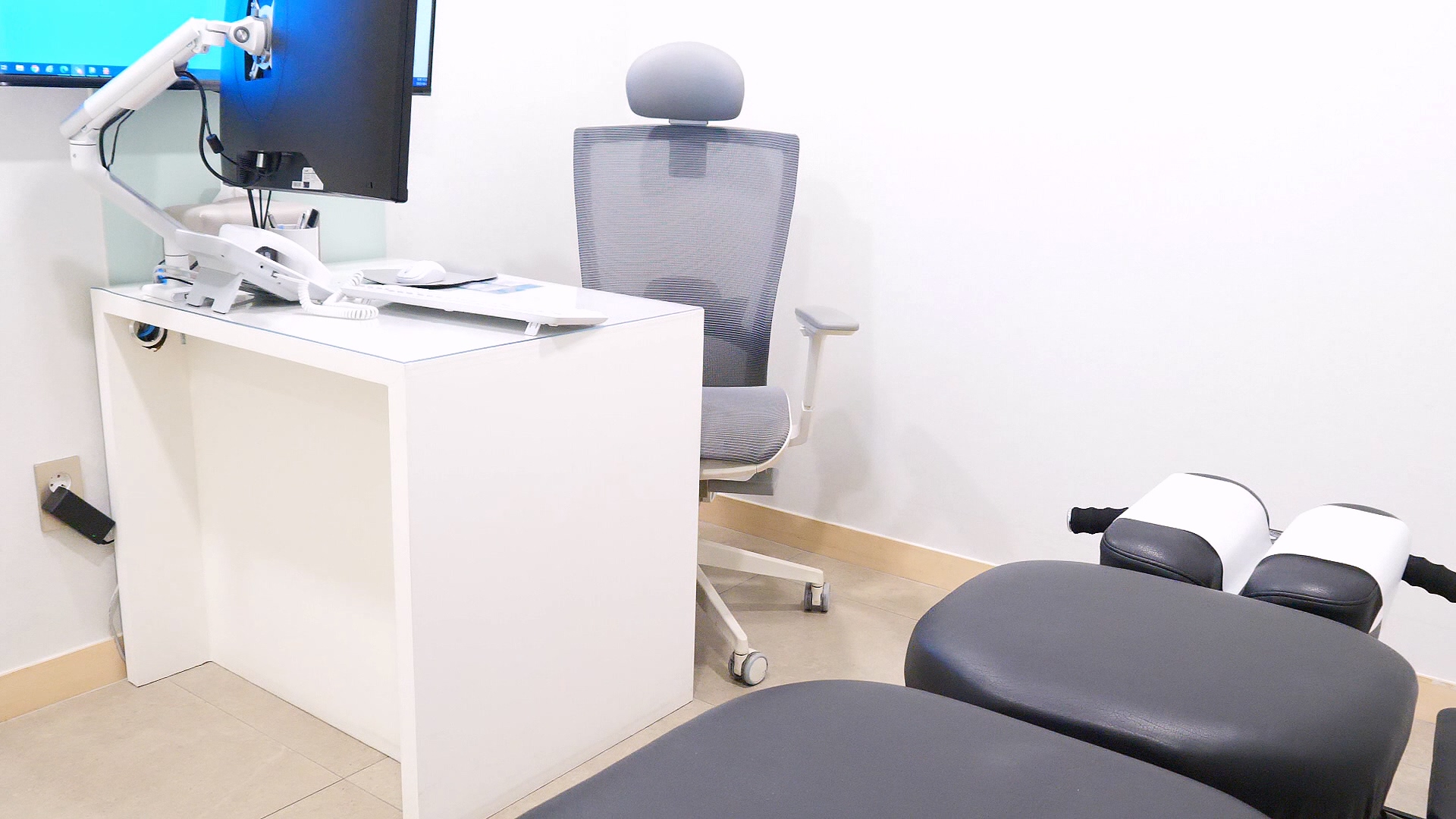
Documenting Hanbang Treatment Case Studies serves as a vital pathway to understanding how personalized structural and functional recovery can be achieved through traditional Korean medicine. By exploring objective clinical records, patients can gain clear insights into evidence-based therapies designed to restore balance and alleviate chronic discomfort.
1. Understanding Hanbang Treatment Case Studies and Clinical Evidence
Hanbang treatment case studies represent systematic clinical documentations that detail an individual patient's symptoms, the specific Korean medical interventions administered, and the quantifiable physiological outcomes observed over a designated timeframe.
What are Hanbang Treatment Case Studies?
Clinical records in Korean medicine focus on tracking individual structural adaptations and physiological shifts during treatment. These case reports utilize standardized clinical metrics, including the Beck Anxiety Inventory and the Beck Depression Inventory, to provide a transparent overview of patient progress. For instance, evaluating an individual patient who suffered from chronic symptoms requires monitoring distinct behavioral and physical changes. In my practice, analyzing these documented experiences provides a clear roadmap for addressing persistent ailments. By tracking specific case details, practitioners can observe how tailored interventions affect musculoskeletal alignment and overall internal homeostasis. Every documented report serves as a valuable clinical reference, illustrating the potential pathways of recovery for individuals experiencing prolonged discomfort. These case studies help bridge the gap between historical holistic principles and modern scientific validation, offering a reliable framework for understanding patient-centered care.
The Role of Scientific Evidence in Modern Korean Medicine
Modern Korean medicine prioritizes objective validation to ensure that clinical interventions are both reliable and measurable. Instead of relying purely on subjective feedback, contemporary practices incorporate diagnostic tools like Whole Spine X-ray imaging to track physical alignment. For example, clinical documentation utilizes standardized clinical evaluation scales to systematically monitor the objective progress and changes in tinnitus symptoms during care. These quantifiable changes are presented as individual case reports rather than universal guarantees, acknowledging that physiological responses naturally vary among individuals. Utilizing standardized measurement tools allows practitioners to evaluate complex conditions, including headache indices and gastrointestinal function scores, with high accuracy. This systematic approach provides a reliable framework for assessing the efficacy of structural treatments across diverse patient populations. By maintaining strict documentation standards, the medical community continues to build a robust foundation of scientific evidence that supports integrative health strategies.
Bonecure Approach to Structural Restoration
At Bonecure, the therapeutic philosophy centers on three core values: fundamental treatment, immediate relief, and scientific proof. This structured approach targets the underlying structural imbalances that frequently contribute to chronic neuromuscular pain and autonomic dysfunction. For instance, when acute structural discomfort occurs, a targeted session is designed to deliver immediate, palpable changes rather than requiring long-term treatment packages before results are felt. Our clinical methodology integrates advanced structural analysis with traditional meridian principles to create an individualized recovery plan. By focusing on the restoration of proper skeletal alignment, Bonecure helps individuals regain natural mobility and improve their overall quality of life. For a comprehensive overview of our services, you can read our A 2026 Clinical Guide to Traditional Korean Medicine Clinic Seoul: Advanced Structural Recovery at BonCure. Through this objective framework, we strive to deliver consistent and reliable support for long-term physical wellness.
2. Clinical Application of Acupotomy for Tissue Adhesion
The clinical application of acupotomy for tissue adhesion involves utilizing a specialized, flat-bladed therapeutic needle to mechanically release chronically bound or scarred soft tissues, thereby stimulating natural cellular regeneration.
Resolving Chronic Pain through Adhesion Release
Acupotomy functions by precisely releasing microscopic tissue adhesions that constrict local nerves and restrict blood circulation. This specialized procedure aims to restore natural mobility to areas bound by chronic inflammation or repetitive strain injuries. However, patients must be aware that acupotomy carries potential localized risks, such as temporary pain at the procedure site, minor bruising, or transient bleeding. In very rare instances, localized infection may occur, which requires strict sterile protocols to mitigate. Unlike conventional approaches that may suggest a minimum of 10 or more visits to see a change, Bonecure focuses on highly efficient and impactful sessions where patients can often experience immediate structural improvements. In my clinical experience, releasing these restrictive layers allows the body to initiate its own natural tissue healing mechanisms efficiently. While individual results vary depending on the severity of the condition, this method provides a direct path toward restoring normal structural movement and alleviating persistent physical tension.
Scientific Measurement of Recovery Progress
To ensure clinical transparency, patient progress is tracked using objective evaluation scales that monitor both structural and psychological well-being. These diagnostic tools include five distinct assessment profiles: headache metrics, dizziness scales, gastrointestinal function scores, Beck anxiety indices, and Beck depression inventories. By combining these standardized questionnaires with physical examinations, practitioners can observe the systemic impact of localized structural treatments. For example, tracking changes in spinal alignment using pre-treatment and post-treatment imaging protocols provides verifiable data regarding skeletal adaptations. This evidence-first approach ensures that care plans are adjusted dynamically based on real-time physiological feedback rather than subjective assumptions. Maintaining these meticulous measurement standards allows for a comprehensive understanding of how structural alignment influences broader constitutional health. Through precise documentation, the clinical team can verify that each patient receives optimal, data-driven support throughout their entire recovery journey.
Individual Variability and Treatment Considerations
Clinical case studies offer deep insights into potential therapeutic outcomes, but they represent the specific experiences of individual patients. Every human body possesses a unique anatomical structure and a distinct rate of cellular regeneration, meaning that therapeutic responses cannot be universally generalized. For example, a patient dealing with an 18-year history of chronic tinnitus requires a vastly different management strategy than someone experiencing acute muscle strain. Factors such as age, lifestyle, overall constitutional vitality, and the duration of the illness heavily influence the timeline of recovery. It is essential to understand that identical clinical protocols may yield different results based on these individual baseline characteristics. Therefore, a comprehensive initial consultation and physical examination are mandatory to determine the suitability of any advanced Korean medicine procedure. This careful screening process ensures that patient expectations remain realistic and that the selected interventions align perfectly with their specific health needs.
3. Structural Correction and Autonomic Nervous System Cases
Structural correction and autonomic nervous system cases involve the clinical study of how misalignments in the spinal column disrupt neurological pathways, thereby contributing to systemic or visceral dysfunctions.
Case Analysis: Spinal Alignment and Posture Correction
Spinal misalignments can exert abnormal mechanical stress on surrounding muscles, ligaments, and nerve pathways, frequently resulting in chronic postural distortion. Case reports focusing on conditions like mid-stage idiopathic scoliosis or spinal curvature abnormalities demonstrate how consistent structural care can modify physical alignment. Through objective imaging, practitioners can document positive changes in the overall balance of the vertebral column following a structured care plan. For instance, individuals seeking posture correction or management for spinal curvature abnormalities undergo a systematic structural correction protocol, where we prioritize the most essential and impactful adjustments. These adjustments help redistribute mechanical loads evenly across the musculoskeletal system, which may minimize localized wear and tear. It is important to emphasize that these structural changes are case-specific, and individual outcomes remain dependent on the initial severity of the spinal deformity. Consistent professional monitoring ensures that corrective procedures are applied safely and effectively.
Neurological Symptoms and Structural Balance
The relationship between spinal integrity and the autonomic nervous system is a primary focus of modern integrative clinical studies. When the structural alignment of the upper cervical spine is compromised, it can negatively affect nerve pathways that regulate involuntary bodily functions. This disruption can manifest as a wide array of complex symptoms, which are monitored across four individual diagnostic categories including persistent dizziness, tension headaches, and functional gastrointestinal disorders. In certain documented clinical cases, addressing these upper spinal imbalances has been associated with a reduction in secondary neurological distress. For instance, specific case reports have tracked improvements in patients presenting with complex conditions like Meniere's-like symptoms or head tremors. These observations suggest that restoring structural equilibrium can support optimal nervous system function by reducing mechanical irritation along peripheral nerve roots. However, because neurological symptoms involve complex pathways, a comprehensive diagnostic evaluation is necessary to confirm structural involvement.
Clinical Features of Bonecure Structural Care
When selecting a clinical approach for structural rehabilitation, understanding the specific characteristics of advanced interventions can help guide patient expectations. Bonecure provides care that integrates structural corrections with localized acupotomy to address deep tissue adhesions. This approach prioritizes objective skeletal alignment alongside the evaluation of autonomic nervous system pathways.
The diagnostic process incorporates objective tools, including Whole Spine X-ray imaging and standardized clinical evaluation scales, to gather precise data. Based on these findings, a structured care plan utilizing acupotomy and structural spinal correction is tailored to the individual. Bonecure avoids the "package deal" mentality, focusing instead on highly efficient treatments designed to deliver immediate relief and noticeable 전후 (before-and-after) changes during the clinical visit.
4. Practical Considerations for Hanbang Treatment Selection
Practical considerations for Hanbang treatment selection encompass the essential analytical steps and patient evaluations required to determine the appropriateness, frequency, and realistic outcomes of traditional Korean medical therapies.
Assessing Clinical Suitability for Chronic Conditions
Determining whether a chronic condition is suitable for advanced Korean medical interventions requires a thorough evaluation of the patient's medical history. Chronic illnesses that involve extensive tissue scarring or long-standing joint degeneration often respond best to a combination of structural therapies. Practitioners must carefully analyze pre-existing imaging data and diagnostic reports to identify the exact source of structural dysfunction. This comprehensive screening helps rule out contraindications and ensures that the proposed treatment protocol is safe for the individual. For instance, patients suffering from complex neuromuscular issues may require a multi-disciplinary assessment before commencing localized acupotomy. By prioritizing an evidence-first diagnostic process, the clinical team can design an appropriate strategy that addresses the root causes of physical discomfort. This rigorous approach minimizes clinical uncertainty and helps establish a secure foundation for long-term health management.
Managing Expectations and Efficient Recovery
A realistic understanding of the recovery timeline is vital for any patient undergoing structural correction therapies. While chronic musculoskeletal misalignments do not resolve overnight, Bonecure’s philosophy is to avoid unnecessary medical volume in favor of intensive, effective sessions. We do not require patients to commit to high-frequency sessions (such as 20 or more) as a prerequisite for improvement; instead, we aim for immediate changes that the patient can perceive. Individual healing rates vary significantly based on lifestyle factors and age, but adhering to an efficient, targeted schedule ensures that structural adjustments are reinforced properly. Open communication between the patient and the practitioner remains essential for monitoring progress and adjusting the care plan as needed based on physiological feedback.
Identifying Validated Care for Rare Symptoms
When exploring clinical options for complex or rare symptoms, patients should prioritize providers who utilize objective verification methods. Case reports authored by Director Song Jung-hyun have documented positive outcomes for complex conditions, such as idiopathic scoliosis and concussion-related syndromes. To explore detailed medical observations, refer to the Clinical Insights into Structural Care: Essential Guide to Bonecure Treatments. These published documents offer valuable insights into how structural alignment can influence seemingly unrelated systemic complaints. However, these specific cases represent individual clinical successes and should not be interpreted as a guarantee of identical results for all patients. A thorough, in-person consultation is always required to evaluate whether a rare symptom is linked to an underlying structural misalignment. By seeking care that is grounded in scientific documentation, patients can focus on evidence-based recovery strategies.
Key Takeaways
- Hanbang treatment case studies provide objective, data-driven insights into individual patient recovery pathways using standardized metrics.
- Acupotomy at Bonecure targets chronic tissue adhesions with high efficiency, aiming for immediate relief and palpable structural changes.
- Clinical monitoring utilizes tools like Whole Spine X-ray imaging and Beck anxiety scales to objectively track physical and neurological progress.
- Potential localized risks of acupotomy include temporary pain, minor bruising, and transient bleeding, which are managed through professional sterile techniques.
- Individual treatment outcomes naturally vary, but Bonecure avoids unnecessary long-term packages, focusing instead on essential and impactful care.
Frequently Asked Questions
Q. What exactly is a Hanbang treatment case study?
A. A Hanbang treatment case study is a detailed clinical record documenting a specific patient's symptoms, the traditional Korean medical interventions applied, and the observed outcomes. These records are often supported by objective metrics like X-rays or standardized pain scales. They help demonstrate how specific methods work for individual patients, though results can vary depending on the person's condition.
Q. How does Bonecure measure the effectiveness of treatments like acupotomy?
A. At Bonecure, we utilize objective evaluation scales such as the Beck Anxiety and Depression Inventories, alongside Whole Spine X-ray imaging to monitor structural changes. This allows the tracking of improvements in spinal alignment and nervous system balance rather than relying solely on subjective feedback.
Q. Does every patient need 10 or 20 sessions to see results?
A. No. At Bonecure, we do not believe in requiring a set number of visits like 10 or 20 before results appear. We focus on necessary and impactful treatment, aiming for immediate changes that the patient can feel from the very first session. While chronic conditions may require follow-up care for stabilization, the frequency is determined by your specific progress.
Q. What are the common side effects of acupotomy mentioned in clinical reports?
A. Clinical observations indicate that acupotomy may cause temporary pain at the procedure site, minor bruising, or transient bleeding. In very rare instances, localized infection could occur. These risks are managed through professional sterile techniques and careful post-procedure monitoring.
Q. Can structural Hanbang treatments help with rare conditions like tinnitus or Meniere's symptoms?
A. Case reports have documented improvements in patients with chronic tinnitus and Meniere's-like symptoms through spinal correction and acupotomy. However, these are case-specific results and require a thorough professional consultation to determine individual suitability.
Q. Is Hanbang treatment scientifically supported for spinal correction?
A. Yes, many modern Hanbang treatments are supported by case reports and clinical research. Studies on spinal curvature abnormalities show measurable changes in spinal alignment via X-ray analysis following consistent treatment, providing a scientific basis for structural restoration.
Q. What should I look for when reviewing Hanbang case studies for my own condition?
A. Look for studies that utilize objective data rather than just vague testimonials. Reliable case studies should mention the specific treatment protocol and any limitations or potential side effects to provide a balanced view of the recovery process.
For personalized structural analysis and detailed treatment consulting, please contact our clinic. Bonecure / Director Song Jung-hyun
FAQ
- What exactly is a Hanbang treatment case study?
- A Hanbang treatment case study is a detailed clinical record documenting a specific patient's symptoms, the traditional Korean medical interventions applied, and the observed outcomes. These records are often supported by objective metrics like X-rays or standardized pain scales. They help demonstrate how specific methods work for individual patients, though results can vary depending on the person's condition.
- How does Bonecure measure the effectiveness of treatments like acupotomy?
- At Bonecure, we utilize objective evaluation scales such as the Beck Anxiety and Depression Inventories, alongside Whole Spine X-ray imaging to monitor structural changes. This allows the tracking of improvements in spinal alignment and nervous system balance rather than relying solely on subjective feedback.
- Are the results in these case studies guaranteed for every patient?
- No, clinical case studies represent the experiences of specific individuals. While they provide valuable insights into the potential of Hanbang treatments, individual results will vary based on the chronicity and severity of the condition. Chronic or severe cases often require multiple sessions to achieve stable recovery.
- What are the common side effects of acupotomy mentioned in clinical reports?
- Clinical observations indicate that acupotomy may cause temporary pain at the procedure site, minor bruising, or transient bleeding. In very rare instances, localized infection could occur. These risks are typically managed through sterile techniques and professional care at Bonecure.
- Can structural Hanbang treatments help with rare conditions like tinnitus or Meniere's symptoms?
- Case reports have documented improvements in patients with chronic tinnitus and Meniere's-like symptoms through spinal correction and acupotomy. However, these are case-specific results and require a thorough professional consultation to determine individual suitability.
- Is Hanbang treatment scientifically supported for spinal correction?
- Yes, many modern Hanbang treatments are supported by case reports and clinical research. Studies on spinal curvature abnormalities show measurable changes in spinal alignment via X-ray analysis following consistent treatment, providing a scientific basis for structural restoration.
- What should I look for when reviewing Hanbang case studies for my own condition?
- Look for studies that utilize objective data rather than just vague testimonials. Reliable case studies should mention the specific treatment protocol, the number of sessions required, and any limitations or potential side effects to provide a balanced view of the recovery process.