
Post
A 2026 Clinical Guide to Facial Structural Recovery and Functional Balance in Cheongdam
Hello. I am Song Jeonghyeon, a Korean Medicine Doctor and director of Bonecure Clinic, where I have specialized in acupotomy and structural restoration for many years.
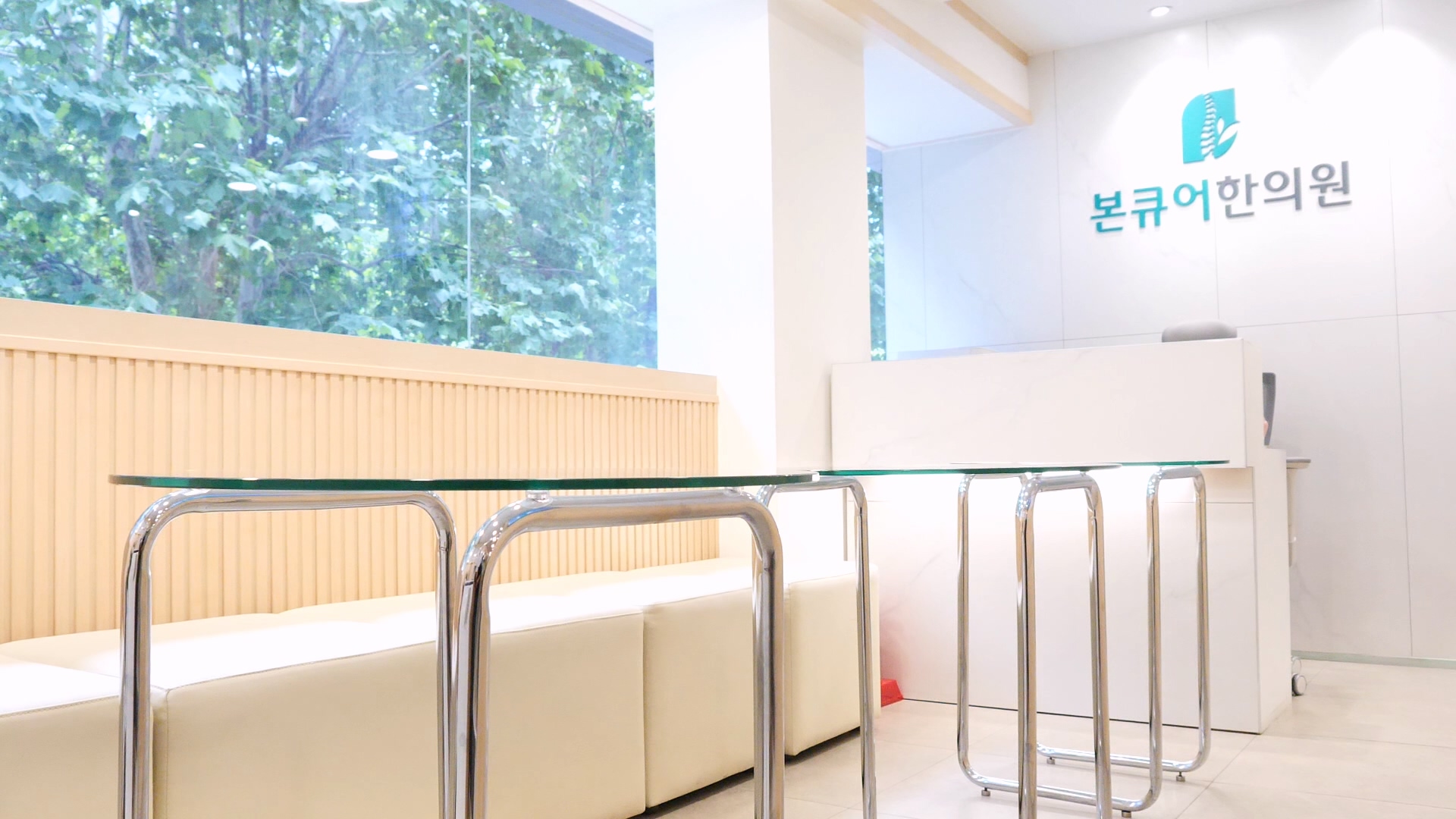
At Bonecure, we believe that "when your bones smile, life smiles." Facial acupuncture and structural therapy in Cheongdam should not be viewed merely as aesthetic treatments; they are a sophisticated process of correcting the underlying skeletal and muscular imbalances that lead to asymmetry, pain, and functional disorders. This guide explains our philosophy of identifying root causes to restore both the health and the natural appearance of the face through structural integrity.
Understanding Facial Structural Recovery: A Bone-First Approach
At Bonecure, we approach facial concerns by looking at the foundation—the skull and the cervical spine. While many seek facial treatments for aesthetic symmetry, true balance is achieved by addressing the skeletal misalignments that pull on facial muscles and soft tissues. Instead of using synthetic fillers to mask symptoms, we focus on manual Chuna therapy and precision acupuncture to realign the structure. By targeting the root anatomical points of tension, we encourage the body to restore its own functional balance, which naturally leads to improved facial contours and skin vitality. This is a critical distinction for patients in Cheongdam who prioritize long-term physiological health over temporary surface-level modifications.
Defining Structural Balance and Functional Restoration
Structural restoration through acupuncture involves the precise insertion of specialized needles into the muscular and fascial layers of the face and neck to release abnormal tension. Unlike standard cosmetic protocols that may promise results only after a set number of visits, my clinical philosophy is centered on immediate feedback. At Bonecure, we do not tell patients they must complete 10 sessions before seeing a change; rather, we aim for treatments where the patient can feel a structural shift and symptomatic relief right away. This process works on the deep musculature and connective tissues, addressing the source of asymmetry rather than just the epidermis. In my experience, correcting the tension in the masseter or temporal muscles can immediately soften facial lines and improve the overall alignment of the jaw. This approach honors the body’s structural rhythm, seeking to enhance appearance by optimizing the underlying functional health of the facial tissues.
The Bonecure Philosophy: Why Bone Alignment Matters for Facial Balance
At Bonecure, we believe that facial symmetry is inextricably linked to the alignment of the underlying skeletal structure, particularly the skull and the cervical spine. If the neck or jaw is misaligned—a condition often rooted in the "misalignment of the bones"—the soft tissues of the face are pulled unevenly, leading to drooping, asymmetry, or TMJ discomfort that topical treatments cannot resolve. Our philosophy centers on correcting these structural imbalances to provide a stable foundation for the face. We utilize diagnostic tools to assess how spinal curvature and cranial alignment impact the tension patterns in the facial muscles. By integrating Chuna manual therapy with specific acupuncture techniques, we aim to restore the balance of the bones that support the facial mask. This comprehensive method ensures that any aesthetic improvements are supported by a healthy, aligned framework. Addressing the root cause of asymmetry, rather than just the symptoms, allows for a more harmonious and natural appearance that reflects internal structural integrity.
Integrating Traditional Korean Medicine for Chronic Pain and Recovery
Integrating Traditional Korean Medicine (TKM) at Bonecure allows us to treat the face as a reflection of the body's overall structural health. Many patients seeking facial recovery also suffer from chronic conditions such as tension headaches, jaw pain, or cervical stiffness, which share the same structural origins. By applying TKM principles and my expertise in acupotomy, we can simultaneously address these health concerns while working toward structural goals. For instance, a patient with long-standing chronic tension might find that releasing fibrotic adhesions in the upper neck not only alleviates headaches but also restores a more centered and lifted facial profile. We focus on the most essential treatments, avoiding unnecessary packages to ensure each procedure is impactful and efficient. This dual focus ensures that the patient feels better physically while regaining a balanced appearance. This integrative approach is particularly effective for those who have found limited success with treatments that only focus on the skin's surface without considering the body's structural state.
Core Benefits and Techniques of Facial Realignment at Bonecure
Core benefits of structural realignment involve releasing myofascial adhesions, improving nerve conduction, and harmonizing the systems that govern facial movement. These techniques utilize the body’s innate ability to reorganize and repair itself when structural obstacles are removed. By focusing on the health of the facial and cervical structures, we offer a sustainable pathway to recovery that is both natural and biologically compatible. We prioritize treatments that are impactful, moving away from "factory-style" medicine to provide personalized care that addresses the specific misalignments of each individual patient.
Acupotomy for Chronic Pain and Facial Symmetry
Acupotomy is a powerful, specialized tool that can address both chronic pain and facial asymmetry by releasing trapped nerves and regulating muscle tone. When facial muscles become chronically tight or fibrotic due to structural misalignments, they can pull the features out of alignment, leading to a strained or aged appearance. By using a needle knife to perform precise adhesiolysis, we can signal the nervous system to release this tension, which helps in restoring a more balanced and symmetrical look. I have observed many cases where patients with significant facial tension experienced an immediate softening of their features after just one targeted session. This process is also instrumental in managing temporomandibular joint (TMJ) disorders, where the relief of muscle strain not only improves comfort but also enhances the natural contours of the jawline. Because I focus on immediate results, patients often leave the clinic feeling a tangible difference in their facial movement and comfort levels.
The Role of Needle Knife Therapy in Releasing Structural Adhesions
Needle knife therapy, or acupotomy, plays a critical role in releasing deep-seated facial and cervical adhesions that restrict structural movement. These adhesions occur when the fascia or connective tissue becomes chronically stuck, often due to long-term misalignment or inflammation, restricting blood flow and causing functional decline. The specialized blade-like tip of the needle knife allows for the precise separation of these tissues, which stimulates the regeneration of healthy, flexible fibers. At Bonecure, this technique is used to "break through" the areas where the structure has become locked, such as the attachments near the jaw or the base of the skull. While this procedure involves a more intense sensation than traditional acupuncture, it offers a direct way to address structural aging and dysfunction at its source. Clinical observations suggest that releasing these adhesions leads to a more significant and immediate lifting effect than superficial treatments. As the tissues heal, they form a more flexible matrix that supports the face more effectively.
Targeted Chuna and Physical Therapy: Enhancing Structural Vitality
Complementary techniques like Chuna manual therapy and specialized physical therapy are used alongside acupuncture to further enhance structural vitality. Chuna involves the manual manipulation of the bones and soft tissues to correct misalignments in the neck and skull, which helps to optimize the environment for the facial muscles. This structural stimulation is particularly beneficial for patients whose facial concerns are rooted in poor posture or spinal imbalances. We focus only on the necessary treatments, ensuring that our sessions are condensed and efficient. These methods help to normalize the tension across the facial mask and provide a healthy environment for tissue recovery. Many patients find that once the underlying structure is corrected, the associated symptoms like puffiness or tension-related dullness resolve naturally. By combining these manual methods with acupotomy, we create a synergistic effect that amplifies the benefits of the treatment, ensuring that every layer of tissue is revitalized and correctly aligned.
Comparing Structural Recovery with Conventional Cosmetic Procedures
Comparing structural restoration at Bonecure with conventional cosmetic procedures reveals a focus on internal health and skeletal alignment versus external, temporary modification. Understanding these differences helps patients choose a path that addresses the root of their concerns. The following table highlights why our approach focuses on the "foundation" of the face.
| Feature | Structural Recovery (Bonecure) | Conventional Cosmetic Fillers |
|---|---|---|
| Primary Goal | Skeletal alignment and functional restoration | Volume replacement and symptom masking |
| Substance Used | None (Structural realignment) | Synthetic fillers or neurotoxins |
| Response Time | Immediate structural feedback | Immediate superficial volume change |
| Longevity | Root cause correction for stability | Temporary (requires frequent repeats) |
| Focus | Bone, muscle, and nerve health | Localized aesthetic effect |
| Philosophy | "10 sessions not required" for results | Routine maintenance packages |
Root Alignment vs. Temporary Surface Masking
Structural realignment at Bonecure focuses on fixing the root cause of facial concerns—the skeletal and muscular foundation—whereas temporary surface fillers primarily address visible symptoms. Fillers work by injecting synthetic substances to add volume, which provides a change in appearance but does not improve the structural health of the underlying tissue. In contrast, our approach uses acupotomy and Chuna to restore the body’s natural alignment and muscle function. This method aims for a natural look that results from the body being in its correct position. While fillers can mask volume loss, they do not address the muscle tension or spinal misalignments that cause facial drooping in the first place. Furthermore, our focus is on providing treatment that is impactful from the first session. By prioritizing structural integrity, patients achieve a rejuvenated appearance that is functionally sound and sustainable. This long-term perspective is why we focus on "making the bones smile" as the first step to a healthy life.
Personalized Structural Plans at Bonecure Clinic
Personalized care at Bonecure means we do not offer generic packages or demand a set number of treatments before promising results. Instead, we perform a detailed evaluation of each patient's unique anatomy and structural needs. By strategically using acupotomy, we target the specific fibrotic tissues that are preventing proper alignment. This process is highly individual; while some may see dramatic changes in one session, we work with each patient to ensure their structure remains stable over time. This biological and mechanical approach ensures that the facial muscles are balanced correctly within the body’s framework, leading to a more resilient and symmetrical appearance. In my practice, I have seen that this structural focus also improves the skin's natural vitality by restoring proper blood flow and nerve function. Because the changes are driven by the body returning to its natural, balanced state, the results are harmonious with the patient’s unique features. We believe that true beauty is a natural byproduct of a healthy, aligned structure.
Clinical Observations and Specialized Care at Bonecure
Clinical observations at Bonecure indicate that facial appearance is often a direct reflection of internal structural states, including the alignment of the cervical spine and the balance of the autonomic nervous system. Each patient requires a plan that accounts for their specific history of pain or injury. By focusing on these individual structural needs, we ensure that the treatment is effective for achieving both wellness and balance.
Addressing Structural Tension for Overall Health
The tension within the facial and cervical structures is a critical factor in both appearance and overall health. Chronic structural misalignment can lead to increased facial tension, poor circulation, and even autonomic nervous system imbalances. Through specialized acupuncture and Chuna, we target the specific points of skeletal and muscular restriction. This shift not only reduces localized pain but also allows the body to return to a state of balance. I have found that patients who receive treatment for structural realignment often report secondary improvements in their sleep, digestion, and stress levels. By stabilizing the skeletal environment, we create the necessary conditions for the aesthetic and functional benefits of the treatment to flourish. This structural focus ensures that the patient's outward appearance is supported by a healthy and regulated internal state. It is the cornerstone of the care we provide at Bonecure to ensure lasting vitality.
Case Insights: Restoring Symmetry through Cervical Realignment
In my practice, I have observed numerous cases where improving cervical spine and skull alignment significantly enhanced facial symmetry and functional comfort. For example, a patient may present with jaw asymmetry that is actually caused by a misalignment in the upper cervical vertebrae. By using Chuna therapy to correct the spinal position and acupotomy to release the resulting muscle adhesions, the facial features often appear more lifted and centered immediately. Clinical experience shows that addressing these structural foundations is the only way to achieve lasting results. In my practice, I utilize objective assessments, including movement and posture evaluations, to track progress. While individual results can vary based on the severity of the structural issue, these observations highlight the powerful connection between bone health and facial balance. Each case reinforces my commitment to identifying the structural root of every concern. This personalized attention allows for the most efficient and effective path to recovery.
Essential Precautions and Safety Information
At Bonecure, we prioritize patient safety and transparency. While our structural treatments are highly effective, it is important to be aware of potential side effects. The most common side effects include mild, temporary bruising or localized swelling at the site of the procedure, which typically resolves within a few days. Specifically, acupotomy (needle knife therapy) may involve localized pain during the procedure, temporary bleeding, or in rare cases, infection. We perform every procedure with the highest standards of hygiene and precision to minimize these risks. It is important to note that results are not guaranteed and can vary significantly based on an individual's physical condition and the chronicity of their structural issues. Patients with bleeding disorders or those on blood-thinning medications must disclose this during the consultation. We also recommend avoiding intense physical activity or saunas for 24 hours post-treatment. We conduct a thorough initial evaluation to ensure that our structural approach is the right fit for your specific health profile, managing expectations with honesty and professional integrity.
A 2026 Clinical Guide to Chuna Manual Therapy Benefits and Structural Recovery A 2026 Clinical Guide to Structural Restoration by Dr. Song Jeonghyeon at Bonecure A 2026 Guide to Integrative Medicine in Seoul, Korea: Structural Recovery at BonCure
Frequently Asked Questions
Q. What is the main focus of facial treatments at Bonecure?
Our focus is on structural recovery—identifying and correcting misalignments in the skull and spine that cause facial asymmetry and pain. We use a combination of Chuna and acupotomy (needle knife) to restore the natural balance of the bones and muscles, leading to immediate functional and aesthetic improvements.
Q. Do I need to book a 10-session package to see results?
No. My philosophy is that patients should feel a tangible change and improvement immediately after the treatment. We do not require or recommend fixed multi-session packages; instead, we provide impactful, essential treatments that show progress from the very first visit.
Q. What are the potential side effects of acupotomy?
Common side effects include mild bruising, temporary swelling, or slight pain at the insertion site. These usually subside within a few days. We take every precaution to ensure a safe and precise procedure, but we always disclose the possibility of minor bleeding or, very rarely, infection as part of our safety protocol.
Q. Is the structural realignment procedure painful?
Patients may feel a sensation of pressure or a sharp pinch during acupotomy or Chuna, which is generally well-tolerated. While we do not claim the process is entirely painless, most patients find the immediate relief and structural lightness they feel afterward to be well worth the brief discomfort.
Q. How does spinal health affect my facial appearance?
Because the body is a single kinetic chain, the position of your cervical spine and skull determines the tension patterns in your facial muscles. Misalignment in the neck can pull the jaw or eyes out of balance, leading to asymmetry. Correcting the spine is often the first step to restoring facial symmetry.
Q. Can I return to my normal routine after the session?
Most patients can return to daily activities immediately. However, we suggest avoiding intense exercise, heavy drinking, or saunas for at least 24 hours to allow the treated tissues to settle and the body to integrate the structural changes effectively.
Q. Is this treatment suitable for chronic jaw pain (TMJ)?
Yes, structural recovery is highly effective for TMJ. By releasing the adhesions in the jaw muscles and realigning the cervical spine, we address the root causes of jaw tension and clicking, providing both functional relief and a more relaxed facial expression.
Key Takeaways
- Bonecure focuses on "Bone Alignment First" to restore facial symmetry and health.
- We prioritize immediate results, moving away from mandatory 10-session treatment plans.
- Acupotomy (needle knife) is used to release deep structural adhesions that cause asymmetry.
- Facial balance is achieved by correcting the cervical spine and skull alignment.
- Treatments are personalized and efficient, focusing only on what is essential for the patient's recovery.
Bonecure Clinic / Song Jeonghyeon
FAQ
- What exactly is facial acupuncture at Bonecure?
- It is a holistic treatment that uses specialized needles to stimulate facial muscles and meridians, aiming to restore structural balance and natural rejuvenation based on Traditional Korean Medicine principles. By focusing on the underlying muscle and bone alignment, we seek to provide a foundation for natural aesthetic improvement. This process avoids synthetic substances and instead leverages the body’s innate regenerative capabilities.
- How does acupuncture for back pain relate to facial treatments?
- Since the body is interconnected, misalignment in the spine can affect facial symmetry and tension. We often combine structural spine care with facial acupuncture for comprehensive results, as a stable cervical spine supports a more balanced facial structure. Addressing the entire kinetic chain ensures that the facial improvements are not undermined by structural issues elsewhere in the body.
- Are there any side effects like bruising or swelling?
- Mild bruising or temporary swelling may occur at the needle sites, but these typically subside quickly within a few days. Every procedure is performed with precision by an experienced practitioner to minimize discomfort and risk. We provide aftercare instructions to help manage these minor symptoms and ensure optimal healing of the skin tissues.
- Is the treatment painful?
- Most patients feel a slight pinch or pressure during the insertion of the needles, which is generally well-tolerated. While we avoid claims of being entirely pain-free, many find the sensation manageable and describe the post-treatment feeling as very relaxing. The use of high-quality, ultra-thin needles helps to ensure the most comfortable experience possible for the patient.
- How many sessions are usually required for visible changes?
- Results vary depending on the individual’s skin condition, age, and lifestyle, but visible changes often appear gradually. Typically, a series of 5 to 10 sessions is recommended to achieve and maintain structural improvements and collagen production. Regular maintenance sessions can help to preserve the aesthetic benefits over the long term.
- Can I return to daily activities immediately after the procedure?
- Yes, there is minimal downtime compared to surgical options, allowing most patients to return to their normal routines right away. However, we recommend avoiding intense exercise or saunas for at least 24 hours to allow the skin to heal and the body to integrate the treatment. Following these simple precautions helps to ensure the best possible outcome from each session.
- Does this treatment help with stress-related facial tension?
- Absolutely, as acupuncture is highly effective at targeting points that relieve the autonomic nervous system and reduce jaw tension. By calming the body's stress response, the treatment can alleviate the stiffness and tightness that often leads to a tired or aged appearance. This internal relaxation is a key component of the overall rejuvenation process.