
Post
A 2026 Guide to Dorsal Burning Sensation (Baeryeol-jeung) and Structural Recovery
Hello. I am Dr. Song Jung-hyun, a Korean medicine doctor who has long specialized in Acupotomy therapy for structural restoration.
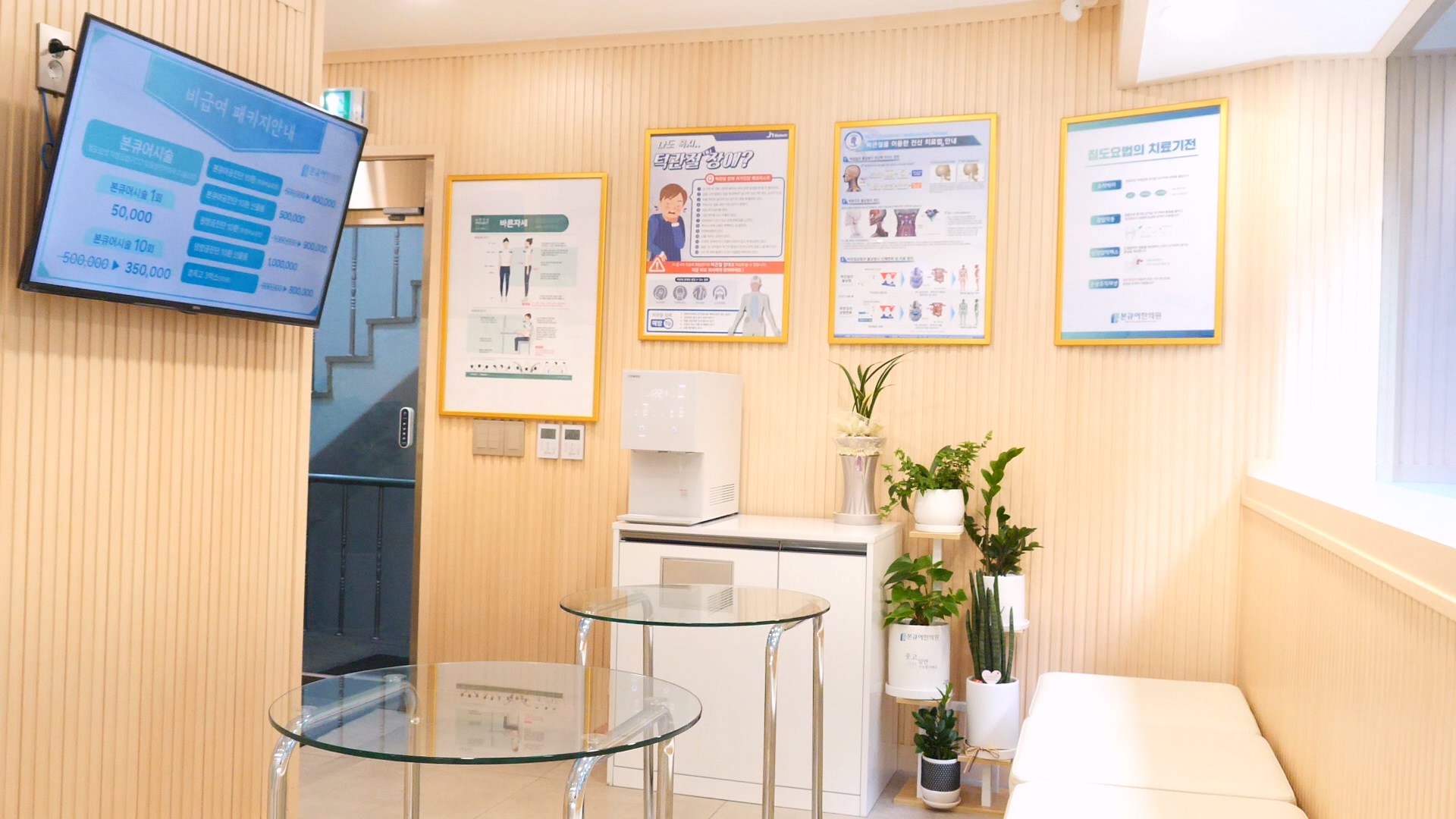
Dorsal burning sensation, known as 'Baeryeol-jeung' in Korean medicine, is a complex condition where patients feel an intense heat or burning feeling in their back despite no external temperature change. This guide provides a comprehensive overview of why your back may feel persistently hot or prickly and how addressing root structural and neurological causes can offer a path toward lasting comfort.
Understanding the Primary Causes of Dorsal Burning Sensation (Baeryeol-jeung)
Baeryeol-jeung is defined as a sensory abnormality or dysesthesia where the nerves transmit heat signals without a physical heat source. To understand the root causes, one must look at how the nervous system and the musculoskeletal structure of the back interact to maintain normal sensory perception.
The Mechanism of Abnormal Sensory Perception
Sensory perception is a sophisticated process where nerves in the back send signals to the brain via the spinal cord. In cases of Baeryeol-jeung, this signaling becomes distorted. Patients often describe the feeling as if 'fire is on their back' or as if 'hot water was poured' on them. This 'burning sensation' is clinically categorized as a type of neuropathy or sensory irritation. Often, when the sensory nerves are compressed or irritated by surrounding tissues, they become hypersensitive. This causes the brain to interpret mechanical pressure or chronic tension as a heat sensation. Proper diagnosis involves identifying which specific nerve pathways are affected, as this sensation is rarely a skin issue but rather a deeper neurological one.
Autonomic Dysregulation and Internal Heat
Modern stress and chronic fatigue contribute significantly to the prevalence of Baeryeol-jeung through the disruption of the autonomic nervous system. When the body stays in a state of sympathetic dominance, the microcirculation to the spinal nerves can be compromised. This imbalance often manifests as 'Baeryeol-jeung' (back heat) or its opposite, 'Baehan-jeung' (back coldness). While the skin surface looks normal, the patient feels extreme internal discomfort. Additionally, autonomic instability is often accompanied by sleep disturbances, indigestion, and palpitations. For many individuals, simple rest is helpful, but it may not be sufficient if the underlying autonomic signaling mechanism is already compromised. At Bonecure, we often observe that patients with chronic burning symptoms require more than just symptomatic management to find relief.
The Role of Thoracic Spine Tension
As the body maintains poor posture over long periods, the thoracic spine—the middle part of your back—undergoes significant stress. Research suggests that tension in the thoracic vertebrae and the surrounding erector spinae muscles can lead to nerve entrapment. Nearly 15% of patients with chronic back discomfort report some form of heat or electrical sensation. These structural shifts can compress the dorsal rami of the thoracic spinal nerves, which are responsible for the sensory perception of the back. It is essential to recognize that Baeryeol-jeung is often a reflection of structural health. Addressing these mechanical factors requires a holistic view of the patient’s spinal alignment to ensure that the treatment plan effectively supports the normalization of the sensory nervous system.
Systemic and Structural Connections to Sensory Health
Systemic connections to sensory health refer to the physiological relationships between the spinal column and the nervous system. This perspective shifts the focus from the 'heat' as a symptom to the thoracic structure as the primary driver of the condition.
Nerve Entrapment and Chronic Tissue Adhesion
Nerve entrapment is a leading cause of burning sensations where the nerves passing through the back muscles become caught in 'micro-adhesions.' When muscles like the rhomboids or multifidus become chronically tight, they form fibrous adhesions that 'pinch' the sensory nerves. This condition is often perpetuated by chronic inflammation in the soft tissues. Without the release of these physical obstructions, the nerve continues to fire 'heat' signals to the brain. Clinical observations show that managing Baeryeol-jeung requires improving the local environment around the nerve. By addressing the physical adhesions, we can help the nerves return to a more functional state. While individual results vary, breaking the cycle of tissue tension is a cornerstone of restoring normal sensory balance.
The Role of the Autonomic Nervous System in Back Pain
The autonomic nervous system plays a vital role in regulating sensory thresholds through its sympathetic and parasympathetic branches. Tension in the upper neck and thoracic base often interferes with the nerve pathways that regulate how we feel pain and temperature. Understanding the Understanding the Autonomic Nervous System Test for Structural and Neurological Health in 2026 can provide insights into how systemic imbalances affect dorsal comfort. Restoring this balance involves relaxing the deep tissues that may be putting pressure on these delicate neural circuits. When the nervous system operates without interference, the body’s innate ability to regulate sensory input is significantly enhanced. This neurological perspective explains why many patients find that their burning symptoms improve when their physical tension is managed through specialized structural treatments.
Dorsal Scapular Nerve and Burning Sensation Correlation
There is a profound correlation between the entrapment of the Dorsal Scapular Nerve and the burning sensation felt between the shoulder blades. Misalignments in the lower cervical or upper thoracic vertebrae can cause persistent tension in the middle scalene or levator scapulae muscles, where this nerve passes. This structural strain often manifests as a deep, burning pain or a sensation of insects crawling on the skin. When the spine is misaligned, blood flow to the nerve and drainage of metabolic waste can be impeded. This vascular congestion contributes to the 'burning' feeling. Correcting the alignment of the spine helps to normalize the environment for the dorsal nerves. By focusing on the structural foundation of the back, we address a significant hidden contributor to chronic sensory discomfort.
Comparing Conventional Treatments and Structural Korean Medicine
Managing dorsal burning sensations often involves a variety of medical perspectives, ranging from neurological symptom management to structural interventions. Understanding how these different approaches complement each other is helpful for those seeking a path toward recovery.
Diverse Approaches to Sensory Health
Conventional care for burning sensations may include neurological medications to manage nerve signals or topical patches for localized relief. In addition to these methods, structural Korean medicine focuses on the back as an interconnected system where nerve health is supported by structural freedom. At Bonecure, we look for structural factors, such as fascial adhesions in the multifidus or rhomboids, that may be contributing to abnormal heat sensations. By addressing these physical constraints, we aim to support the body’s internal environment. This approach focuses on structural restoration alongside other medical options to help patients manage their symptoms effectively. While many patients find relief through various medical approaches, those seeking to address structural factors alongside their current care may benefit from exploring how spinal alignment supports nerve health. Every patient's condition is unique, and a combination of approaches is often the most appropriate path.
| Treatment Approach | Primary Focus | Mechanism | Clinical Goal |
|---|---|---|---|
| Nerve Medication | Symptom Management | Chemical Signal Dampening | Signal Regulation |
| Topical Patches | Local Relief | Cooling/Numbing | Immediate Comfort |
| Acupotomy | Structural Factors | Adhesion Release | Structural Restoration |
| Chuna Therapy | Alignment | Spinal Restoration | Improved Stability |
| Posture Correction | Prevention | Biomechanical Control | Long-term Maintenance |
Restoring Nerve Flow through Acupotomy and Chuna Therapy
Acupotomy and Chuna therapy are powerful tools used in Korean medicine to restore the circulation and neural flow necessary for healthy sensory function. Bonecure Acupotomy (Dochim) Therapy: A 2026 Guide to Structural Recovery explains how specialized needles are used to release micro-adhesions in the thoracic area. These adhesions often restrict the spinal nerves that are essential for regulating sensory perception. By physically releasing these restrictive tissues, we can improve the environment of the dorsal rami. Chuna therapy complements this by realigning the skeletal structure to ensure that the nerves have adequate space. This dual approach addresses both the soft tissue and the bony structures, which may help manage chronic burning sensations in many cases. While these procedures are generally safe, patients may experience temporary soreness or mild bruising at the treatment site. These minor side effects are typically short-lived and are a natural part of the body’s healing process.
Bonecure Clinical Insights on Managing Baeryeol-jeung
Bonecure clinical insights involve the specialized knowledge developed through years of focusing on structural medicine for abnormal sensory conditions. Our approach emphasizes the importance of releasing 'trapped nerves' that mimic thermal sensations.
Traditional Medicine Clinical Notes on Sensory Normalization
In Korean medicine, Baeryeol-jeung is often viewed as a manifestation of 'internal heat' or 'blood stagnation' caused by physical blockage. When blood flow is stagnated due to physical tension or poor posture, the sensory nerves are among the first to send distress signals. Within Bonecure, we utilize diagnostic tools to assess the degree of nerve irritation caused by structural issues in the thoracic spine. Improving dorsal comfort involves ensuring that the entire pathway of the spinal nerves is clear of obstructions. Clinical records show that patients with improved thoracic mobility often report a simultaneous reduction in burning sensations and back fatigue. This observation reinforces the idea that sensory health is a reflection of structural integrity. By focusing on enhancing the flow of vital fluids and nerve signals, we provide the body with the resources it needs to maintain normal sensory perception.
Releasing Fiberization in the Back Muscles
Chronic muscle tension often leads to 'fiberization,' where the muscle tissue loses its elasticity and becomes hard like a rope. This fiberized tissue doesn't just feel stiff; it actively compresses the nerves that transmit temperature and pain signals. At Bonecure, we combine traditional acupuncture with Acupotomy to physically release these 'hardened' spots. By softening the fiberized tissue, we create an environment where the nerves can recover. This integration ensures that we are not only addressing the symptom of 'heat' but also the physical 'pressure' that causes it. Each session is tailored to the individual's specific patterns of tension and adhesion. This personalized care is essential for achieving optimal recovery in complex chronic cases like Baeryeol-jeung, where multiple layers of muscle are often involved.
Patient-Centered Care at Bonecure Korean Medicine Clinic Cheongdam
Patient-centered care at Bonecure involves a thorough evaluation of each individual's unique structural and postural history. We believe that every case of Baeryeol-jeung is different and requires a customized approach that considers the patient's occupation, stress levels, and spinal curvature. Our clinic in Cheongdam is dedicated to providing a professional environment where patients can receive high-quality structural care. We prioritize clear communication, ensuring that our patients understand the link between their thoracic health and their burning symptoms. By empowering patients with knowledge and effective treatments, we help them take control of their recovery journey. Whether you are dealing with a mild hot sensation or severe chronic burning, Bonecure is here to support your path to recovery. We invite you to experience a new perspective on health where we look beyond the surface to find the true source of your discomfort.
Frequently Asked Questions
Q. What is Baeryeol-jeung (Dorsal Burning Sensation)?
Baeryeol-jeung is a condition where one feels heat or a burning sensation in the back without an actual rise in skin temperature. It is often caused by nerve irritation, autonomic nervous system imbalance, or structural tension in the thoracic spine.
Q. Can thoracic spine alignment affect the 'burning' feeling?
Yes. Misalignment in the thoracic vertebrae can lead to chronic muscle tension that traps or irritates the sensory nerves (dorsal rami). Improving structural alignment through Chuna therapy helps restore the space needed for these nerves to function without sending 'heat' signals.
Q. Is Acupotomy (Dochim) safe for treating back heat?
Acupotomy is a specialized procedure performed by a qualified Korean medicine doctor. It may cause temporary soreness, mild bruising, or minor bleeding at the site of treatment. These effects are short-lived and occur as the body releases chronic adhesions. It is important to consult with a specialist like Dr. Song Jung-hyun to assess suitability.
Q. What is the difference between cooling patches and Bonecure treatments?
Cooling patches are often used for immediate, topical relief of heat sensations. At Bonecure, we complement such symptomatic care by focusing on structural factors, using Acupotomy to release physical adhesions that may be affecting the nerves. Both approaches serve different roles in a patient's recovery journey.
Q. How many sessions are typically required for Baeryeol-jeung?
The number of sessions varies depending on how long the symptoms have persisted and the degree of tissue fiberization. For chronic cases, a series of treatments over several weeks is often recommended to allow the nerves and surrounding tissues time to reorganize and heal.
Q. Is Baeryeol-jeung related to stress?
Yes. Stress triggers the sympathetic nervous system, which can increase muscle tension and affect blood flow to the nerves. This autonomic imbalance often exacerbates the burning sensation, making it feel worse during periods of high pressure.
Q. Can stretching help reduce the burning sensation?
While stretching can provide mild temporary relief, it often cannot reach the deep micro-adhesions that are 'pinching' the nerves. Professional structural treatment like Acupotomy is usually needed to release the deep fiberized tissues that stretching alone cannot address.
Key Takeaways
- Baeryeol-jeung is a sensory abnormality (dysesthesia) often rooted in thoracic nerve entrapment rather than a skin condition.
- Structural misalignments and tissue adhesions in the back can 'pinch' sensory nerves, causing the brain to interpret pressure as a burning sensation.
- The autonomic nervous system plays a critical role in sensory regulation; imbalances often manifest as abnormal heat or cold sensations in the back.
- Structural Korean medicine at Bonecure targets the root cause through Acupotomy (releasing adhesions) and Chuna therapy (realigning the spine).
- A comprehensive approach that addresses both the musculoskeletal and neurological systems can be a highly effective way to manage chronic back heat, depending on the individual's specific diagnosis and physical condition.
Bonecure / Dr. Song Jung-hyun
FAQ
- What are the most common dry eye causes?
- Dry eye is often caused by a lack of tear production or poor tear quality. Common factors include aging, digital screen use, environmental conditions like wind or smoke, and underlying health conditions such as autoimmune disorders. Addressing these causes often requires a combination of lifestyle changes and professional care.
- Can neck posture and spinal health affect dry eyes?
- Yes. Misalignment in the cervical spine can lead to tension that affects the autonomic nervous system, which regulates tear production. Improving structural alignment through Chuna therapy may help some patients find relief by restoring the neural pathways required for healthy gland function.
- Is acupuncture effective for dry eye relief?
- Acupuncture is used in Korean traditional medicine to improve blood circulation and balance the autonomic nervous system. While individual results vary, many patients report improved comfort when acupuncture is combined with structural treatments that address the physical root of the tension.
- What is the difference between artificial tears and Bonecure treatments?
- Artificial tears provide temporary moisture to the surface of the eye, offering symptomatic relief. Bonecure focuses on structural causes, using Acupotomy to release adhesions in the neck and shoulders that may be obstructing proper circulation and nerve signals to the facial area.
- Are there any side effects to Acupotomy for eye related tension?
- Acupotomy is a specialized procedure that may cause temporary soreness, mild bruising, or minor bleeding at the site of treatment. These effects are generally short-lived and occur as the body adjusts to the release of chronic tension. It is important to consult with a qualified doctor to assess your suitability.
- How many sessions are typically required to see an improvement?
- The number of sessions varies depending on the severity and chronicity of the condition. For chronic cases involving structural misalignment, a series of treatments over several weeks is often recommended to achieve stable and lasting results, as the body needs time to reorganize its structures.
- Can lifestyle changes help reduce dry eye symptoms?
- Yes. Reducing screen time, using humidifiers, staying hydrated, and practicing the 20-20-20 rule can support tear film stability alongside clinical treatment. These habits help prevent further irritation while the structural treatments address the underlying physical causes of the dryness.