
Post
Dizziness: Which Clinic to Visit for Immediate Structural Recovery in 2026?
Hello. I am Dr. Song Jung-hyun, a licensed practitioner who has focused on acupotomy and structural restoration for many years.
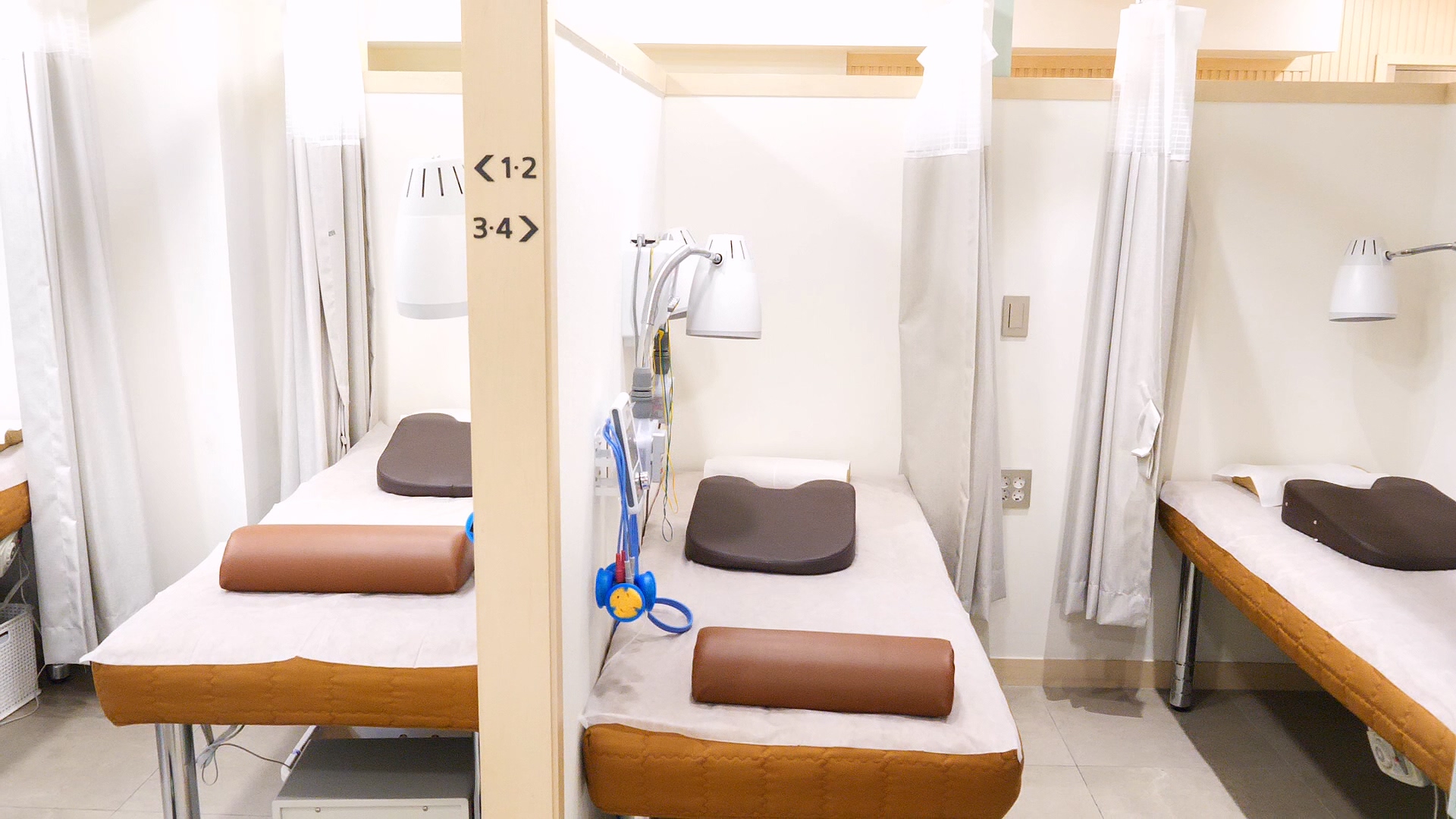
Persistent dizziness is a complex condition that often leaves patients feeling lost within the medical system. When standard tests come back normal, it is essential to look at the structural integrity of the cervical spine and the autonomic nervous system. At Bonecure, we believe that when your bones are in their proper alignment, your body can find its natural balance again. This guide will help you understand where to seek help and why a structural perspective is often the missing piece in the recovery puzzle.
Understanding Persistent Dizziness and Why Clinic Selection is Vital
Dizziness is a comprehensive term for various sensations of imbalance, including vertigo, lightheadedness, and disequilibrium, often signifying a disruption in the body's spatial orientation systems. Determining which clinic to visit requires a clear understanding of your specific symptoms to ensure the root cause is addressed rather than just suppressed temporarily.
Distinguishing Between Peripheral Vertigo and Central Dizziness
Persistent dizziness is a sensation of being off-balance or lightheaded, which can significantly impair daily quality of life for many individuals. Peripheral vertigo often originates in the inner ear, such as with BPPV or Meniere's disease, leading to intense spinning sensations that can be quite debilitating. Central dizziness, however, stems from the brain or nervous system and might feel more like a steady unsteadiness rather than a violent whirl. Understanding these differences is the first step in determining which clinic to visit for your specific needs. For instance, while some patients may present with an 18-year history of chronic tinnitus linked to cervical issues, identifying whether the signal disruption is local or systemic is paramount for those suffering from balance disorders as well. While many patients seek immediate relief, the underlying mechanism often involves complex neural pathways that require a detailed diagnostic approach. Distinguishing these types requires careful observation of symptom triggers and duration. If symptoms are accompanied by severe neurological deficits, emergency care is always the priority.
The Limitations of Standard Imaging and the Need for Functional Assessment
Standard imaging techniques such as MRI or CT scans are essential for ruling out major structural abnormalities like tumors or strokes during the initial diagnostic phase. However, these tools often fail to capture functional misalignments or soft tissue adhesions that can cause persistent dizziness in many chronic patients. Many patients arrive at our clinic after receiving normal results from multiple tests, yet they still suffer from significant discomfort. In such cases, we use objective evaluation scales to closely monitor the degree of improvement as we proceed with treatment. This discrepancy occurs because static images do not reflect how the cervical spine moves or how pressure affects the autonomic nervous system. In my clinical experience, functional issues in the upper neck can disrupt blood flow to the vestibular system, a condition that rarely shows up on a standard scan. Identifying these subtle shifts requires a physical examination of the muscle tension and spinal curvature. By looking beyond the static image, we can begin to address the physiological stressors that traditional imaging might overlook.
Defining the Root Cause Through Structural and Autonomic Perspectives
When you are deciding which clinic to visit, it is vital to consider how the structure of your neck influences your balance. The cervical spine houses the 7 vertebrae that protect the spinal cord and support the blood vessels leading to the brain. If these vertebrae are misaligned, they can put pressure on the autonomic nervous system, leading to symptoms like dizziness, tinnitus, or even nausea. At Bonecure, we analyze these structural causes to understand why the body is failing to maintain equilibrium. Many chronic cases are linked to the 12 pairs of cranial nerves that can be affected by physical tension in the upper cervical region. By addressing the physical compression of these nerves, we can help the body reset its balance mechanisms. This structural perspective allows us to focus on the physical foundation of the body, providing a complementary approach to traditional medical management. Focusing on the relationship between the spine and the nervous system is key for long-term recovery.
Comparing Specialists for Dizziness: Where Should You Go First?
Clinical specialization for dizziness refers to the medical practice of categorizing symptoms to determine whether a patient requires neurological, otolaryngological, or structural intervention for optimal recovery. Choosing the right specialist early can save time and prevent the progression of symptoms into a chronic state.
Neurology vs. ENT: Addressing Inner Ear and Brain Function
When you first experience a spinning sensation, a visit to an ENT or a neurologist is a standard and necessary step. The ENT specialist focuses on the vestibular organ in the inner ear, which is often responsible for conditions like BPPV. They may use specialized maneuvers to reposition ear crystals or prescribe medication for inflammation. A neurologist, on the other hand, investigates the brain and central nervous system to ensure there are no underlying lesions or vascular issues. These clinics are essential for ruling out life-threatening conditions or providing acute medical management. If your tests for the brain and ear are clear but you still feel unsteady, a structural assessment of your neck may provide a helpful perspective. Integrative clinics like Bonecure often work with patients to address structural factors that may persist alongside traditional medical care.
Korean Traditional Medicine and Structural Correction for Cervicogenic Causes
Korean Traditional Medicine offers a unique approach by focusing on the harmony between the body's structure and its internal functions. For dizziness that originates from the neck, known as cervicogenic dizziness, structural correction is often more effective than medication alone. This approach involves examining the 7 cervical vertebrae and the surrounding musculature to identify areas of tension and misalignment. Practitioners use techniques like Chuna manual therapy to gently realign the spine and improve blood flow. At Bonecure, we specifically look for adhesions in the soft tissues that may be trapping nerves and causing vestibular signals to become distorted. Many patients choose this route when they prefer a non-surgical, physical approach to healing. It is particularly beneficial for those whose dizziness is exacerbated by neck movement or long periods of poor posture. By restoring the physical foundation of the body, we can alleviate the stress on the nervous system and promote more stable, long-lasting balance.
| Clinic Type | Primary Focus | Common Treatments | Best For |
|---|---|---|---|
| Neurology | Brain & Central Nervous System | Medication, Diagnostic Scans | Strokes, Brain Lesions, Migraines |
| ENT (Otolaryngology) | Inner Ear & Vestibular Organ | Epley Maneuver, Medication | BPPV, Meniere's Disease, Infections |
| Bonecure | Structural & Cervical Alignment | Acupotomy, Chuna, Realignment | Chronic Dizziness, Neck Tension |
Integrative Structural Treatment at Bonecure: A Unique Approach to Balance
Integrative structural treatment is a therapeutic approach that combines specialized acupotomy and spinal correction to address the physical adhesions and misalignments contributing to chronic vestibular dysfunction. This method seeks to restore both the physical form and the functional flow of the nervous system for holistic healing.
Using Acupotomy to Release Adhesion in the Cervical Spine
Acupotomy is a specialized clinical procedure at Bonecure that utilizes a tiny, blade-like needle to release adhesions in the soft tissues surrounding the spine. When muscles in the neck become chronically tight, they can entrap nerves and blood vessels, leading to cervicogenic dizziness. By performing this targeted release, we aim to restore normal circulation and nerve signaling to the head and ears. Our treatment is designed so that patients can perceive immediate changes in their symptoms during the visit, rather than requiring dozens of sessions to feel an effect. It is important to note that because this is a physical intervention, patients may experience temporary soreness or minor bruising at the site. This method is particularly effective for those whose dizziness is linked to physical tension or a history of neck injury. By resolving these structural blockages, we provide the body with the space it needs to heal and recalibrate its sense of balance.
Restoring the Autonomic Nervous System through Chuna and Realignment
The autonomic nervous system plays a critical role in how our body perceives its position in space and manages blood pressure. When the spine is misaligned, it can trigger a sympathetic nervous system response, leading to the anxiety and lightheadedness often associated with dizziness. At Bonecure, we use Chuna manual therapy to realign the 24 segments of the spine, focusing heavily on the upper neck. This realignment helps to calm the nervous system and improve the feedback loop between the body and the brain. By combining this with acupotomy, we address both the hard structural alignment and the soft tissue tension. This dual approach is designed to create a stable environment for the nerves to function without interference. While individual results can vary, many of our patients find that improving their spinal health leads to immediate feedback and a significant reduction in their daily dizziness.
Scientific Clinical Notes on Chronic Dizziness and Post Concussion Recovery
Clinical evidence and case reports provide valuable insights into the effectiveness of structural treatments for complex conditions. In our practice, we have documented clinical cases where patients achieved stabilization through a structured treatment protocol, as measured by objective symptom evaluation scales. These reports highlight the importance of addressing the neck after head injuries or long-term postural stress. For example, individuals suffering from post-concussion syndrome often have underlying cervical misalignments that contribute to their lingering dizziness. While these case reports represent individual results and do not guarantee the same outcome for everyone, they demonstrate the potential of a structural approach. We continuously monitor the progress of our patients using objective measures to ensure our treatments are directed toward the root cause. This commitment to clinical documentation helps us refine our methods and provide the best possible care for those seeking a solution to their chronic balance issues. Our goal is always to achieve functional recovery that the patient can feel from the very beginning.
Dizziness and Lightheadedness Recovery: A 2026 Structural Guide at Bonecure
Choosing a Korean Traditional Medicine Clinic in Cheongdam for Chronic Issues
Selecting a clinic in the Cheongdam area involves evaluating the specific expertise of practitioners in handling chronic, non-responsive cases of vertigo through a structural and autonomic lens. A specialized clinic should offer a comprehensive diagnostic process that looks beyond the obvious symptoms to find the underlying structural faults.
Evaluating Clinical Experience in Managing Difficult to Treat Vertigo
When researching which clinic to visit, it is important to look at the practitioner's experience with difficult cases. In Cheongdam, many patients seek help for conditions that have not responded to conventional treatments. A clinic's history of managing chronic issues, such as a documented 18-year case of chronic tinnitus, can be a strong indicator of their expertise in nerve-related structural issues. At Bonecure, we focus on the most challenging cases where structural and autonomic dysfunctions are intertwined. We look for doctors who understand the nuance of how the 7 cervical vertebrae interact with the cranial nerves. You should ask about the specific techniques used and how they tailor their approach to each individual's unique spinal structure. Experience in using tools like acupotomy is especially relevant for those with deep-seated muscle adhesions. Choosing a clinic with a track record of addressing the structural root cause can make a significant difference in your recovery journey.
Why Structural Integrity of the Spine Matters for Long Term Stability
Long-term stability in balance depends heavily on the structural integrity of the entire spine, not just the neck. The spine acts as the main highway for neurological signals, and any deviation can create a ripple effect throughout the body. At Bonecure, we emphasize that even fine structural misalignments in the vertebrae can impact how your brain processes spatial information. If the foundation is unstable, the vestibular system cannot function at its peak. This is why our treatments focus on creating a lasting change in the spinal architecture rather than providing a mere temporary fix. Structural integrity ensures that the nerves remain decompressed and blood flow remains optimal even during physical activity. By investing in the health of your spine today, you are preventing the recurrence of dizziness in the future. We believe that a strong, aligned structure is the key to a life free from the constant fear of vertigo.
What to Prepare for Your First Integrated Consultation
Preparing for your first consultation at Bonecure involves gathering your medical history and any previous imaging results you may have. It is helpful to note down the specific triggers for your dizziness, such as certain head movements or times of day. This information helps us map out the relationship between your symptoms and your physical structure. During the consultation, we will perform a 4-step diagnostic process to evaluate your spinal alignment and autonomic function. You should be prepared to discuss your goals for recovery and any past treatments you have tried. At Bonecure, we provide highly condensed and efficient treatment designed for impact, focusing on immediate changes rather than slow, drawn-out protocols. We will also discuss the potential side effects of acupotomy, such as temporary soreness or minor bruising, to ensure you are fully informed. Being proactive and open during your first visit allows us to create a highly personalized treatment plan that targets your specific structural needs. We are here to support you in every step of your journey toward balance.
BPPV Treatment and Structural Vestibular Recovery: A 2026 Clinical Guide
Frequently Asked Questions
Q. Which clinic should I visit first if I experience sudden dizziness?
If you experience sudden dizziness accompanied by loss of consciousness, severe weakness, or slurred speech, you should visit an emergency room or a neurology clinic immediately. These symptoms can indicate a serious central nervous system issue like a stroke. If the dizziness is chronic and standard tests are clear, a structural clinic like Bonecure can help identify cervical causes.
Q. Can problems in my neck really cause dizziness?
Yes, this is a well-documented condition known as cervicogenic dizziness. When the upper cervical vertebrae are misaligned or the surrounding muscles are adhered, it can interfere with the signals sent to the brain regarding your body's position. Addressing these structural issues is often the key to resolving the sensation of imbalance.
Q. Is acupuncture or acupotomy effective for treating chronic vertigo?
Acupotomy is particularly effective because it physically releases the tight tissues that may be compressing nerves or blood vessels. While traditional acupuncture focuses on energy flow, acupotomy at Bonecure targets the physical adhesions that cause structural dysfunction. Many patients find significant relief when the physical pressure on their nervous system is removed.
Q. Are there any side effects to the structural treatments mentioned?
Acupotomy is a specialized procedure that involves a small needle-like tool, which can cause temporary soreness, minor bruising, or light bleeding at the treatment site. These effects are usually mild and resolve within a few days. While rare, infection is a possibility, so we maintain strict sterile protocols to ensure patient safety.
Q. How many treatment sessions will I need to see results?
We aim for immediate improvement that the patient can feel from the very first session. Unlike clinics that mandate 10 or 20 sessions before expecting a change, Dr. Song focuses on intensive and efficient treatments where the results are visible and perceivable right away. The total number of sessions depends on your specific structural goals.
Q. Does Bonecure provide scientific evidence for their dizziness treatments?
Dr. Song Jung-hyun has documented various clinical case reports focusing on structural recovery for dizziness and autonomic dysfunction. These reports show improvements in symptom scales for specific individuals. However, these are individual results, and outcomes may vary depending on the patient's condition; therefore, the same results are not guaranteed for everyone.
Q. What is the difference between Western clinics and Bonecure for dizziness?
While many clinics focus on ruling out life-threatening issues or providing acute medication, Bonecure focuses on identifying structural factors by examining the spine and nervous system to support the body's recovery. We aim for a fundamental recovery by restoring the body's natural alignment and balance through immediate structural feedback.
Key Takeaways
- Identify the Type: Distinguishing between inner ear issues and structural neck issues is the first step in choosing which clinic to visit.
- Look Beyond Scans: Standard MRIs may not show the functional adhesions that Bonecure treats with specialized acupotomy.
- Immediate Results: Dr. Song focuses on treatment that allows patients to feel an immediate improvement in their symptoms and structure from the first session.
- Focus on the Spine: Fine misalignments in the 7 cervical vertebrae play a crucial role in maintaining balance and autonomic health.
- Prioritize Safety: Always rule out emergency neurological conditions before seeking specialized structural or integrative treatments.
Tinnitus and Dizziness Structural Recovery Guide 2026
Bonecure / Dr. Song Jung-hyun
FAQ
- Which clinic should I visit first if I experience sudden dizziness?
- If you experience sudden dizziness accompanied by loss of consciousness, severe weakness, or slurred speech, you should visit an emergency room or a neurology clinic immediately. These symptoms can indicate a serious central nervous system issue like a stroke. If the dizziness is chronic and standard tests are clear, a structural clinic like Bonecure can help identify cervical causes.
- Can problems in my neck really cause dizziness?
- Yes, this is a well-documented condition known as cervicogenic dizziness. When the upper cervical vertebrae are misaligned or the surrounding muscles are adhered, it can interfere with the signals sent to the brain regarding your body's position. Addressing these structural issues is often the key to resolving the sensation of imbalance.
- Is acupuncture or acupotomy effective for treating chronic vertigo?
- Acupotomy is particularly effective because it physically releases the tight tissues that may be compressing nerves or blood vessels. While traditional acupuncture focuses on energy flow, acupotomy at Bonecure targets the physical adhesions that cause structural dysfunction. Many patients find significant relief when the physical pressure on their nervous system is removed.
- Are there any side effects to the structural treatments mentioned?
- Acupotomy is a specialized procedure that involves a small needle-like tool, which can cause temporary soreness, minor bruising, or light bleeding at the treatment site. These effects are usually mild and resolve within a few days. While rare, infection is a possibility, so we maintain strict sterile protocols to ensure patient safety.
- How many treatment sessions will I need to see results?
- The number of sessions depends on the severity and duration of your symptoms. Some patients feel a difference after 1 or 2 sessions, but chronic structural issues often require a plan of 10 to 20 sessions to achieve lasting stability. We tailor each plan to the patient's specific spinal condition and recovery progress.
- Does Bonecure provide scientific evidence for their dizziness treatments?
- Dr. Song Jung-hyun has documented various clinical case reports focusing on structural recovery for dizziness and autonomic dysfunction. These reports show significant improvements in symptom scales, such as a drop from 54 to 2 points in some cases. However, these are individual results and do not guarantee the same outcome for every patient.
- What is the difference between Western clinics and Bonecure for dizziness?
- Western clinics often focus on ruling out life-threatening issues and using medication to suppress symptoms. Bonecure focuses on identifying and treating the structural cause of the dizziness by examining the spine and nervous system. We aim for a fundamental recovery by restoring the body's natural alignment and balance.