
Post
BPPV Treatment and Structural Vestibular Recovery: A 2026 Clinical Guide
Hello. I am Dr. Jeong-hyeon Song, a practitioner at Bonecure Korean Medicine Clinic who has specialized in the clinical application of acupotomy for many years.
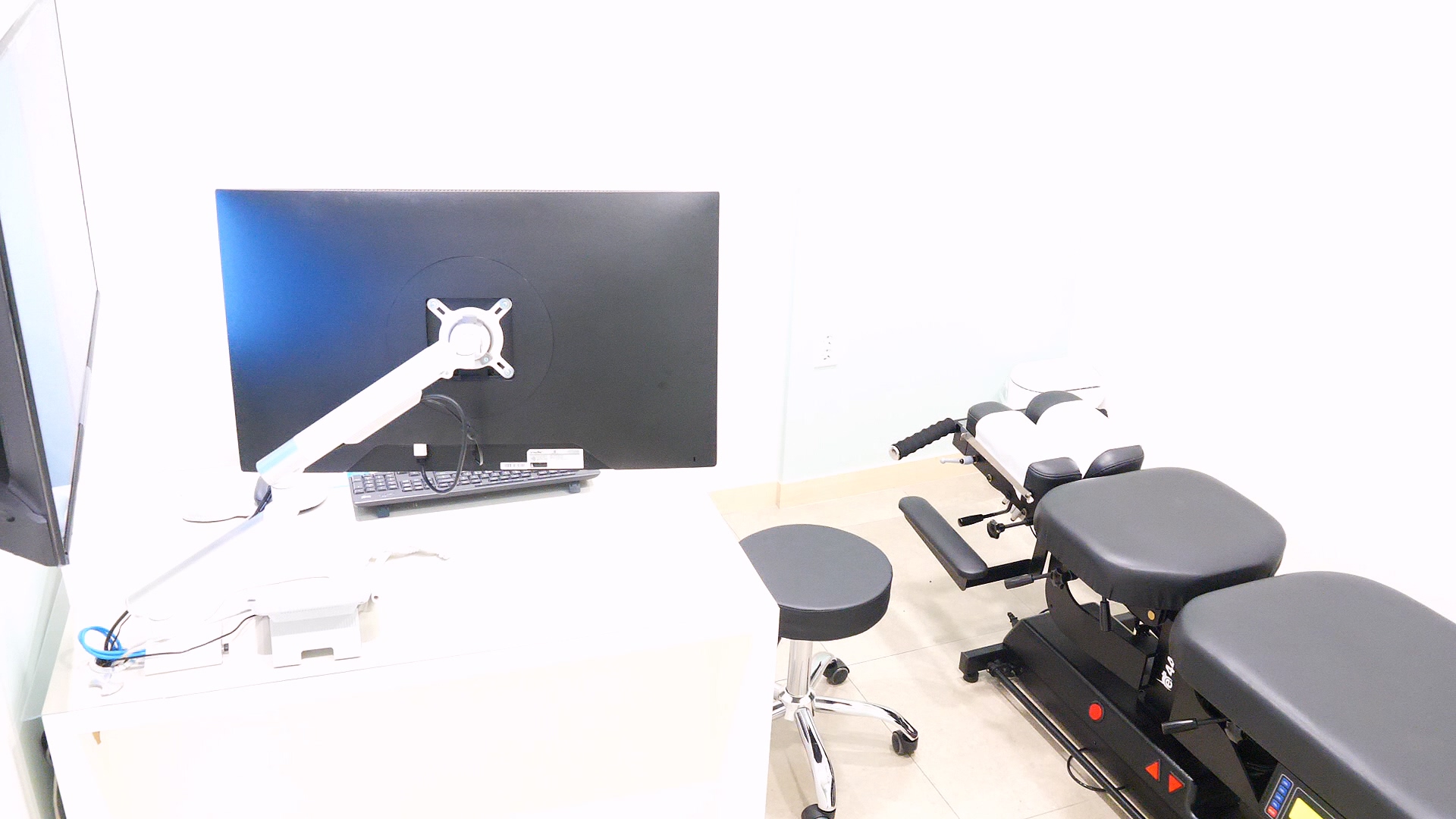
BPPV treatment is defined as the medical management of Benign Paroxysmal Positional Vertigo, a condition where displaced crystals in the inner ear cause intense spinning sensations. While repositioning maneuvers are the standard first step, our clinic focuses on why these crystals dislodge in the first place. This guide explores how restoring structural balance to the cervical spine and resolving muscle adhesions can provide a necessary foundation for lasting vestibular recovery. We believe that for true healing, the body's framework must be aligned to support the delicate mechanics of the inner ear, allowing for a more resilient and stable daily life.
Understanding BPPV and the Bonecure Approach to Dizziness
Benign Paroxysmal Positional Vertigo, or BPPV, is a vestibular disorder characterized by sudden episodes of vertigo triggered by specific changes in head position. These episodes occur when small calcium carbonate crystals, known as otoconia, migrate from their normal location in the utricle into the semicircular canals of the inner ear. When the head moves, these displaced crystals shift and send false signals to the brain, resulting in a spinning sensation that can be debilitating. While the condition is physically harmless in most cases, the resulting dizziness significantly increases the risk of falls and affects daily productivity. Traditional diagnostic methods often focus solely on identifying which canal is affected to perform repositioning maneuvers. However, we believe a comprehensive evaluation should also consider the physiological state of the surrounding structures to ensure that the vestibular system remains stable over time and resistant to future displacement.

The connection between cervical alignment and inner ear health
The vestibular system relies heavily on accurate signals from both the inner ear and the proprioceptors located in the cervical spine. In my clinical experience at Bonecure, I have observed that a significant number of patients presenting with chronic dizziness also exhibit pronounced tension in the upper cervical muscles. When the alignment of the neck is compromised—such as in cases of "military neck" or forward head posture—it can create a sensory mismatch between what the eyes see and what the inner ear perceives. This misalignment often stems from chronic poor posture or repetitive strain that goes unaddressed. By focusing on the structural integrity of the cervical vertebrae, we aim to harmonize these signals and reduce the underlying triggers of vertigo. Restoring the natural curve of the neck is a vital component in achieving stability for those suffering from vestibular disturbances and related balance issues, as it optimizes the neural environment for the inner ear.
Why conventional maneuvers may not prevent recurrence
While the Epley maneuver is a well-established technique for repositioning displaced canaliths, it does not always address why the crystals became dislodged. Many patients experience frequent recurrence because the foundational issues remain untouched. At Bonecure, we believe that unresolved structural tension creates a metabolic or mechanical environment in the inner ear that facilitates crystal displacement. If the blood flow and lymphatic drainage of the vestibular apparatus are hindered by tightened cervical fascia or spinal misalignment, the stability of the otoconia may be weakened. Addressing the foundational health of the neck and spine helps to create a more resilient internal environment, which may lower the likelihood of crystals migrating again during daily physical activities. It is important to note that individual results vary, and chronic conditions typically require multiple sessions to achieve lasting structural stability. This preventative focus is essential for those seeking a life free from recurring, unpredictable dizzy spells.
Integrative BPPV Treatment through Traditional Korean Medicine
Integrative BPPV treatment through Traditional Korean Medicine involves a multi-faceted approach that combines structural correction with specialized techniques to stabilize the nervous system. This method seeks to improve the overall functional health of the patient rather than just addressing the immediate symptoms of vertigo. By looking at the body as an interconnected system, we can provide more sustainable relief.
Utilizing Acupotomy for cervical muscle release
Acupotomy is a specialized clinical procedure that utilizes a blade-like needle to release chronic adhesions within the soft tissues surrounding the spine. In the context of BPPV treatment, we focus on the suboccipital muscles and the deep fascia of the neck that may be compressing nerves or limiting blood flow to the ear. Releasing these adhesions can lead to an immediate reduction in the feeling of "heavy-headedness" that often accompanies vertigo. By physically breaking down the fibrotic tissue that restricts movement, we allow the cervical vertebrae to return to a more neutral and healthy alignment. This process not only relieves tension but also improves the neurological communication between the neck and the vestibular center. Patients may experience temporary soreness or minor bruising after the procedure, but these effects are typically mild compared to the potential for improved balance. This targeted intervention is a cornerstone of our structural recovery program.
How Oriental medicine addresses chronic autonomic dysfunction
Chronic dizziness is frequently linked to imbalances in the autonomic nervous system, which can manifest as anxiety, insomnia, or digestive issues alongside vertigo. Traditional Korean Medicine uses herbal formulas and acupuncture to calm the sympathetic nervous system and promote parasympathetic activation. We frequently observe that patients with persistent vestibular issues score higher on anxiety and stress scales due to the fear of falling. By addressing these systemic factors, we help the body recover from the constant state of alarm. Herbal medicine can be used to improve circulation and support the inflammatory response in the inner ear, providing a better environment for vestibular health. This holistic view ensures that the patient is not just treated for a mechanical ear problem, but is supported through the physiological stress that chronic illness entails. Reducing overall autonomic arousal can significantly enhance the effectiveness of structural treatments and lead to a more stable recovery.
Clinical notes on the synergy of acupuncture and structural correction
The combination of acupuncture and manual structural correction, such as Chuna therapy, creates a synergistic effect that promotes more durable healing. While acupuncture modulates pain signals and reduces muscle guarding, structural correction addresses the underlying skeletal deviations that cause the muscles to tighten in the first place. At Bonecure, we have found that patients who receive combined therapy often achieve stability more efficiently than those who receive only one type of treatment. This dual approach ensures that both the soft tissue (muscles and fascia) and the bony framework are addressed simultaneously. By rebalancing the whole spine, we provide a solid foundation for the head and neck, which reduces the mechanical stress on the vestibular system. This comprehensive methodology is designed to support the body's natural ability to maintain equilibrium and prevent future episodes of dizziness by resolving the physical triggers of imbalance.
Comparing BPPV Management Strategies for Long Term Relief
Comparing management strategies for BPPV is essential for patients to select a path that aligns with their goals. A successful strategy focuses on both acute resolution and long-term prevention.
| Feature | Bonecure Integrated Approach |
|---|---|
| Primary Goal | Structural alignment and vestibular recovery |
| Focus Area | Cervical spine and inner ear environment |
| Core Method | Acupotomy and spinal (Chuna) correction |
| Assessment Tools | Whole spine X-ray and dizziness scales |
| Potential Side Effects | Localized soreness, mild bruising |
| Long-term Goal | Restoring vital balance and preventing recurrence |
Selecting the right path for chronic vestibular symptoms
When choosing a treatment path, it is important to distinguish between an isolated episode of BPPV and a chronic pattern of recurring dizziness. For an initial episode, a standard maneuver may be sufficient. However, for those who experience symptoms multiple times a year, a thorough investigation into the structural health of the cervical spine is warranted. Our clinical observations indicate a strong correlation between a loss of the natural cervical curve and persistent balance issues. By identifying these structural vulnerabilities through whole-spine X-rays and objective functional tests, we can tailor a treatment plan that addresses the specific needs of the individual. For more information on these issues, you may read BPPV Causes and Structural Vestibular Recovery: A 2026 Clinical Guide. Selecting a path that prioritizes structural integrity can lead to a more sustainable outcome and a significant improvement in the overall quality of life by addressing the root mechanical cause.
Clinical Insights and the Science of Vestibular Recovery
Scientific evidence for vestibular recovery highlights the importance of neuroplasticity and the body's ability to adapt to sensory changes when the structural framework is optimized. Modern clinical practice continues to validate the role of the cervical spine in maintaining balance.
Scientific evidence for Acupotomy in treating vertigo
Recent clinical case reports have provided evidence of the effectiveness of acupotomy in treating vertigo related to cervical issues. Observations at Bonecure suggest that integrated structural treatment and acupotomy can lead to a significant improvement in the Dizziness Handicap Inventory (DHI) scores for patients with chronic symptoms. In specific cases, significant improvement was observed, although these results are specific to the individual and do not guarantee the same outcome for all patients. This improvement is often accompanied by observable changes in cervical alignment on follow-up X-rays. While results can vary based on the individual's condition and the chronicity of the disease, such data underscores the potential of addressing the muscular and fascial components of the neck. This approach highlights how targeted soft tissue release can restore proper signal transmission and provide relief where conventional methods may have reached a plateau.
Case report analysis of dizziness and spinal curvature improvement
Detailed analysis of clinical cases often reveals a relationship between the improvement of spinal curvature and the reduction of vestibular symptoms. In our practice at Bonecure, we utilize whole-spine X-rays to track these changes objectively. For instance, a patient with a straightened neck (military neck) often experiences chronic tension that can irritate the vestibular-related nerves. Through a series of sessions involving both acupotomy and structural correction, we have observed patients achieve noticeable improvements in their cervical lordosis. This physical change is often reflected in their reports of feeling more grounded and less prone to sudden dizzy spells. For further insights on how these symptoms manifest, see A 2026 Structural Guide to Managing Tinnitus and Dizziness at Bonecure. While structural change takes time and consistent effort, a more balanced spine is a key factor in maintaining long-term vestibular health and neurological harmony.
The Bonecure philosophy on restoring vital balance
At Bonecure, our philosophy is rooted in the belief that "when your bones smile, life smiles." This means that true health is achieved when the structural framework of the body is in harmony with its functional systems. We do not just treat symptoms; we seek to restore the vital balance that allows each patient to live an active life. Our approach is evidence-first, utilizing objective scales and imaging to guide every step of the recovery process. We understand that recovery from chronic dizziness can be challenging, which is why we emphasize a compassionate and comprehensive care model. By integrating traditional techniques like acupotomy and Chuna with modern diagnostic tools, we provide a unique pathway for those who have struggled to find answers. Our goal is to empower patients with the structural support they need to regain their confidence and their balance. This commitment to root cause resolution defines our clinical identity.
Frequently Asked Questions
Q. What is the primary goal of BPPV treatment at Bonecure?
The primary goal is to address the underlying structural imbalances in the neck and spine that contribute to recurrent dizziness. We look beyond temporary repositioning maneuvers to ensure the entire vestibular and cervical system is functioning in harmony. This structural focus is designed to provide a foundation for long-term stability and health.
Q. How many sessions are typically required for noticeable improvement?
Recovery timelines vary significantly based on the severity and chronicity of each case. While some patients may experience immediate relief from muscle tension, chronic vestibular issues often require multiple sessions to stabilize the structural alignment of the spine. We monitor progress over a series of sessions to ensure the body is adapting correctly.
Q. Are there any side effects associated with Acupotomy?
Acupotomy is a specialized procedure that is generally safe when performed by a trained professional. It may cause temporary soreness, minor bruising, or brief localized pain at the site of the needle insertion. Serious complications like infection are extremely rare due to our strict adherence to hygienic standards. We discuss potential risks with patients before beginning.
Q. Does Bonecure use specific diagnostic tools for vertigo?
Yes, we utilize whole-spine X-rays to evaluate the alignment of the vertebrae and objective scales, such as the Dizziness Handicap Inventory (DHI), to measure the functional impact of symptoms. These tools allow us to create a data-driven treatment plan and track progress objectively. This evidence-based approach is central to our clinical philosophy.
Q. Can I receive acupuncture if I am already doing physical therapy maneuvers?
Integrative care is often highly effective. Our structural approach can complement traditional physical therapy maneuvers well. By strengthening the structural foundation of the neck and releasing muscular tension, we can enhance the effectiveness of mechanical repositioning and help prevent future occurrences. We encourage open communication about all treatments you are receiving.
Q. Why does my BPPV keep returning despite repositioning exercises?
Recurrence often stems from unresolved tension in the upper cervical spine or poor spinal posture, which places continuous stress on the vestibular system. If the underlying structural environment is not addressed, the crystals in the inner ear may continue to dislodge. Our treatment focuses on correcting these structural vulnerabilities to break the cycle of recurrence.
Q. Is the treatment at Bonecure covered by international insurance?
Coverage depends on your specific insurance provider and individual policy. We provide all the necessary clinical documentation and receipts required for a claim, but we recommend that you consult directly with your insurer regarding their reimbursement policies for Traditional Korean Medicine. Our staff can assist you with the paperwork needed for this process.
Key Takeaways
- Structural Connection: BPPV is often influenced by cervical alignment, and addressing the neck is vital for long-term relief and prevention.
- Acupotomy Benefits: This specialized procedure releases chronic muscle adhesions to improve nerve function and blood flow related to the inner ear.
- Integrative Approach: Combining structural correction with autonomic nervous system support leads to more comprehensive recovery for chronic cases.
- Evidence-Based Care: Utilizing objective measures like X-rays and dizziness scales ensures that progress is tracked accurately and treatment is personalized.
- Prevention Focus: By stabilizing the spine and resolving fibrotic tissue, the likelihood of BPPV recurrence is significantly reduced.
Bonecure Korean Medicine Clinic / Dr. Jeong-hyeon Song
FAQ
- What is the primary goal of BPPV treatment at Bonecure?
- The primary goal is to address the underlying structural imbalances in the neck and spine that often contribute to recurrent dizziness. We look beyond temporary repositioning maneuvers to ensure the entire vestibular and cervical system is functioning in harmony. This structural focus is designed to provide a foundation for long term stability and health.
- How many sessions are typically required for noticeable improvement?
- Recovery timelines vary significantly based on the severity and chronicity of each individual case. While some patients may experience immediate relief from acute symptoms, chronic cases often require multiple sessions to stabilize the structural alignment of the spine. We typically monitor progress over a series of sessions to ensure the body is adapting correctly to the treatment.
- Are there any side effects associated with Acupotomy for BPPV?
- Acupotomy is a specialized procedure that is generally safe when performed by a trained professional, though it may cause temporary soreness, minor bruising, or brief localized pain at the site of the needle insertion. Serious complications like infection are extremely rare due to our strict adherence to hygienic standards. We always discuss potential risks and individual sensitivities with patients before beginning any procedure.
- Does Bonecure use specific diagnostic tools for vertigo?
- Yes, we utilize whole spine X-rays to evaluate the alignment of the vertebrae and objective scales, such as the Dizziness Handicap Inventory, to measure the functional impact of the symptoms. These tools allow us to create a data driven treatment plan and track the progress of each patient objectively. This evidence based approach is central to our clinical philosophy.
- Can I receive acupuncture if I am already doing physical therapy maneuvers?
- Integrative care is often highly effective, and our structural approach can complement traditional physical therapy maneuvers very well. By strengthening the structural foundation of the neck and releasing muscular tension, we can enhance the effectiveness of mechanical repositioning and help prevent future occurrences. We encourage patients to maintain open communication about all the treatments they are receiving.
- Why does my BPPV keep returning despite repositioning exercises?
- Recurrence often stems from unresolved tension in the upper cervical spine or poor spinal posture, which places continuous stress on the vestibular system. If the underlying structural cause is not addressed, the crystals in the inner ear may continue to dislodge easily. Our treatment focuses on correcting these structural vulnerabilities to break the cycle of recurrence.
- Is the treatment at Bonecure covered by international insurance?
- Coverage depends entirely on your specific insurance provider and the details of your individual policy. We provide all the necessary clinical documentation and receipts required for a claim, but we recommend that you consult directly with your insurer regarding their reimbursement policies for Traditional Korean Medicine. Our staff can assist you with the paperwork needed for this process.