
Post
A 2026 Clinical Guide to Cupping Therapy for Muscle Recovery at Bonecure
Hello. I am Dr. Song Jeong-hyun, a practitioner who has focused on acupotomy and structural alignment for many years.
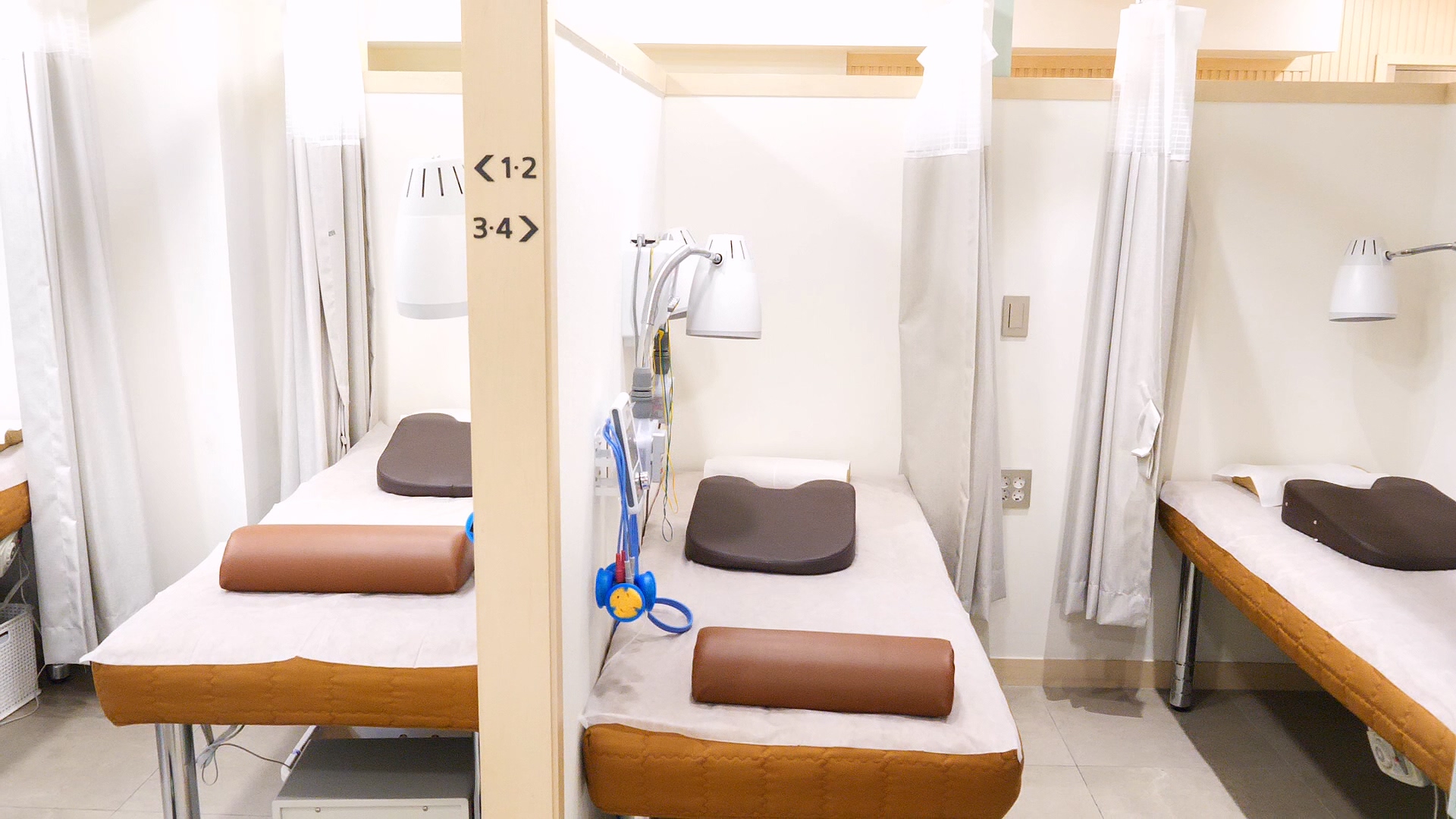
Cupping therapy for muscle recovery is a therapeutic modality that utilizes localized suction to create negative pressure on the skin and underlying tissues, facilitating biological repair. By integrating this traditional technique with modern structural insights, we aim to provide a comprehensive solution for those seeking physical restoration and pain relief.
Understanding Cupping Therapy for Muscle Recovery at Bonecure
Cupping therapy for muscle recovery is defined as a myofascial decompression technique that uses glass or silicone cups to lift the skin and superficial muscle layers. This process creates space between the tissue planes, which is crucial for encouraging the flow of vital fluids and reducing the density of tight muscle fibers. At Bonecure, we view this not merely as a relaxation tool but as a foundational step in systemic musculoskeletal rehabilitation.
The Science of Myofascial Release and Improved Circulation
Cupping therapy for muscle recovery is more than just a surface-level technique. It involves the physiological decompression of myofascial layers to enhance tissue health. By creating a negative pressure environment, the cups lift the skin and connective tissue, which facilitates a significant increase in micro-circulation within the targeted area. In my clinical experience at Bonecure, I have observed that this vacuum effect helps to stimulate the lymphatic system, allowing metabolic byproducts like lactic acid to be processed more efficiently. Our clinical system is designed to be highly compressed and efficient, with a typical session lasting between 10 to 20 minutes, focusing intensely on areas with high tissue tension. While the resulting circular marks are often misunderstood, they represent the localized movement of stagnant blood, usually resolving within 3 to 7 days. This process is essential for athletes who undergo repetitive physical stress, as it encourages the restoration of tissue elasticity. However, it is important to remember that individual responses to suction pressure can vary based on skin sensitivity and hydration levels.
Why Modern Athletes Seek Korean Traditional Medicine in Cheongdam
Modern high-performance athletes increasingly turn to integrative methods to maintain their physical longevity and performance. The application of Korean traditional medicine in our clinic focuses on the synergy between systemic balance and localized recovery. We utilize diagnostic tools such as pulse diagnosis to understand the patient's internal state before applying manual or suction therapies. This holistic assessment allows us to tailor the intensity of the treatment to the specific needs of the athlete's body. For instance, a marathon runner might require deeper decompression in the lower extremities, whereas a swimmer might benefit from spinal alignment and upper thoracic cupping. Our protocols are designed to support the body's natural healing mechanisms without the use of invasive drugs. It is noteworthy that professional athletes often report a significant reduction in perceived muscle soreness within 2 to 3 days after a targeted session. While these outcomes are encouraging, we always emphasize that consistent maintenance and structural alignment are necessary for long-term health and athletic success.
Chronic Pain Management and the Role of Acupuncture
Chronic pain management is the systematic process of identifying and treating persistent physical discomfort through a combination of structural realignment, needle therapy, and tissue decompression. This approach recognizes that pain is often a symptom of underlying structural imbalances or stagnant circulation that has become entrenched over time. By addressing these root causes, we can work toward restoring the patient's quality of life and functional mobility.
Integrating Acupuncture for Back Pain with Cupping Protocols
Integrating acupuncture for back pain with specialized recovery protocols allows for a deeper level of healing. While cupping addresses the superficial and middle layers of the fascia, acupuncture needles can penetrate deeper to reach specific trigger points and neural pathways. This dual approach is particularly effective for patients suffering from chronic lumbar stiffness or sciatica symptoms. At Bonecure, we follow an evidence-first methodology where each needle placement is calculated based on the patient's structural anatomy. For patients dealing with complex spinal issues, combining these methods may help reduce inflammatory markers and improve overall spinal flexibility. My clinical philosophy rejects the idea of mandatory long-term treatment plans; instead, we aim for immediate improvements that patients can feel during the session. While results are specific to individual cases and do not guarantee the same outcome for every patient, we focus on impactful sessions that prioritize clear, immediate changes in structural symptoms.
Clinical Notes on Structural Alignment and Pulse Diagnosis Consultation
Structural alignment is the cornerstone of our diagnostic process, ensuring that the spine and joints are positioned to support optimal nerve function. During a consultation, we often utilize pulse diagnosis to gain insight into the patient's autonomic nervous system and overall vitality. This traditional diagnostic method provides a unique perspective on the body's internal environment, which complements modern imaging like whole-spine X-rays. By observing the tension and rhythm of the pulse, we can determine whether a patient's pain is linked to systemic fatigue or localized physical trauma. This informed approach ensures that our cupping and acupuncture treatments are not just reactive but proactive. For more details on our philosophy, you can read The Clinical Philosophy of Dr. Song Jeong-hyun at BonCure Clinic. We believe that understanding the patient's constitution is the first step toward a successful treatment plan. Our goal is to provide essential, high-impact care so that patients notice immediate changes in their posture or comfort levels rather than relying on unnecessary, repetitive diagnostic packages.
The Bonecure Approach to Tissue Adhesion and Restoration
Tissue restoration involves the breakdown of fibrous adhesions and the promotion of healthy cellular regeneration within the musculoskeletal system. Adhesions are bands of scar-like tissue that cause internal structures to stick together, often leading to restricted movement and chronic pain. Our approach focuses on gently but effectively releasing these adhesions to restore the body's natural range of motion and functional integrity.
Moving Beyond Surface Treatment to Deep Tissue Recovery
Many recovery methods only address the outermost layers of the body, but deep tissue recovery requires a more nuanced strategy. At Bonecure, we focus on the deeper muscular and fascial planes where chronic tension often hides. Cupping therapy for muscle recovery helps by pulling blood flow into these deep layers, facilitating the removal of inflammatory mediators. This is particularly useful for those who spend long hours at a desk or engage in repetitive lifting, as these activities often lead to deep-seated tissue density. By utilizing precise suction levels, we can target these areas without causing unnecessary trauma to the skin. It is important to acknowledge that deep tissue work can sometimes result in temporary soreness, similar to the feeling after an intense workout. We advise our patients to stay hydrated and rest following their treatment to maximize the benefits of the increased circulation. You may find further insights in our A Clinical Guide to Advanced Acupuncture and Structural Alignment for Chronic Pain in 2026. Continuous monitoring of the patient's progress is key to adjusting the treatment plan for optimal recovery.
How Acupotomy Complements Traditional Cupping for Nerve Compression
Acupotomy is a specialized technique using a flat-headed needle to release rigid ligaments and adhesions that may be compressing nerves. While cupping provides a broad area of decompression, acupotomy allows for surgical-like precision in loosening tight structures that traditional needles cannot reach. This combination is highly effective for conditions like herniated discs or carpal tunnel syndrome, where nerve entrapment is a primary concern. In my practice, I have seen patients with significant sensory disturbances find relief through this integrative strategy. For example, in a specific case involving chronic tinnitus linked to cervical tension, a patient observed a significant reduction in subjective distress and improved quality of life after a comprehensive treatment course. It is vital to state that clinical outcomes are specific to the individual's condition and history, and results may vary. The procedure involves a slight risk of localized bruising or minor pain at the site of insertion, but these are generally temporary. We always conduct a thorough assessment to ensure the patient is a suitable candidate for this advanced combined modality.
Integrative Recovery Protocols for Musculoskeletal Health
Recovery protocols at Bonecure are systematic plans designed to support the body's return to its optimal state after injury or strain. Our integrative approach considers both internal health and external structure to provide a comprehensive healing environment. We focus on deep tissue restoration and structural alignment to address the root causes of persistent discomfort. By combining traditional diagnostic insights with modern anatomical precision, we aim to facilitate long-term functional integrity for our patients.
Identifying Comprehensive Wellness Clinic Solutions in Seoul
Seoul is a hub for medical innovation, and finding the right wellness clinic requires looking at the depth of their diagnostic and treatment offerings. Chronic pain is often complex and multifaceted in nature. At Bonecure, we believe that effective solutions come from a blend of tradition and science, allowing us to address these complexities through an integrative approach. We analyze the whole spine to ensure that a patient's symptoms in the limbs aren't actually coming from a misalignment in the neck or lower back. This comprehensive view is what distinguishes our care in the Samseong-ro district. Patients should look for providers who are transparent about their methods and willing to explain the "why" behind every procedure. Whether you are an athlete or a busy professional, the goal should always be to achieve a state where your skeletal system supports your lifestyle without pain. While many clinics offer quick fixes, we focus on sustainable health through structural integrity and metabolic balance.
Safety Standards and Individualized Healing Expectations
Safety standards are the rigorous protocols we follow to minimize risks and ensure patient well-being during every procedure. This includes the use of sterilized equipment, thorough medical history reviews, and clear communication about what the patient will experience. We believe that an informed patient is a safer patient, and we take the time to discuss all aspects of the healing process before beginning therapy.
Understanding Material Risks and Post-Treatment Soreness
Every medical procedure, including cupping therapy for muscle recovery, carries certain material risks that must be understood. The most common side effect of cupping is skin discoloration or bruising, which occurs due to the suction pulling blood to the surface. This is generally not painful and fades within a week. Some patients may also experience temporary fatigue or localized soreness for 24 to 48 hours as the body processes the released toxins and adapts to the structural changes. Although rare, there is a small risk of skin irritation or infection if post-treatment care instructions are not followed. At Bonecure, we maintain the highest standards of hygiene to prevent such complications. We also caution that patients with active bleeding disorders or severe skin conditions may not be suitable candidates. It is our responsibility to ensure that the benefits of the treatment outweigh the risks for each specific individual, and we always provide a detailed post-care guide to assist in the recovery process.
Why Results May Vary Based on Individual Health Profiles
It is important to emphasize that results are not typical for everyone and can vary significantly based on a patient's age, lifestyle, and the chronicity of their condition. While we aim for immediate functional improvement and an improved range of motion within the first session, chronic or severe structural misalignments require focused clinical attention. Factors such as nutritional status, stress levels, and daily posture habits all play a role in how quickly the body responds to care at Bonecure. We do not offer guaranteed cures; instead, we offer a dedicated clinical partnership to help you reach your health goals through essential, high-impact treatments. We encourage patients to maintain realistic expectations and to understand that while we target immediate relief, long-term stability is a collaborative journey. By focusing on consistent progress and regular assessments, we can work together to achieve the best possible outcome for your unique physical profile.
Frequently Asked Questions
Q. How does cupping therapy support muscle recovery?
Cupping therapy for muscle recovery creates a localized vacuum that facilitates blood flow and lymphatic drainage. By lifting the fascia, it helps release deep tissue adhesions and metabolic waste, which may accelerate the natural healing process after intense physical exertion. The increased circulation brings fresh oxygen and nutrients to the muscles, supporting faster tissue repair.
Q. Is cupping therapy effective for chronic back pain management?
Many patients seeking acupuncture for back pain find that cupping provides complementary relief by targeting myofascial triggers and improving structural mobility. It helps to relax the large muscle groups that often become tense in response to spinal issues. However, chronic conditions often require a multifaceted approach including acupotomy and individualized consultation to address the underlying structural cause.
Q. What are the potential side effects of cupping at Bonecure?
Common side effects include temporary skin discoloration or bruising, which typically resolves within 3 to 7 days. Some individuals may experience mild soreness or fatigue for about 24 to 48 hours following the session. While extremely rare, minor skin irritation could occur, which is why we strictly follow all sterilization and safety protocols at Bonecure.
Q. How long does a typical muscle recovery session last?
At Bonecure, we operate an efficient and compressed treatment system. A standard session, which includes precise application of necessary modalities based on structural assessment, usually lasts between 10 to 20 minutes. This allows for impactful treatment while respecting the patient's schedule.
Q. Will I see immediate results after one treatment?
Many individuals experience an immediate sense of lightness or improved range of motion, as our clinic philosophy focuses on providing treatment that results in immediate changes the patient can feel. While results are not typical for everyone and should not be expected as a guarantee, we avoid mandatory long-term treatment packages and focus on essential care that yields functional results from the start.
Q. What is the difference between dry cupping and Bonecure's integrative method?
Standard dry cupping focuses primarily on superficial blood flow and general muscle relaxation. Our integrative approach at Bonecure combines pulse diagnosis and chronic pain management acupuncture to target the root cause of stiffness. This ensures that both the skeletal structure and the deep muscle tissues are addressed simultaneously for a more comprehensive recovery experience.
Q. Are there any contraindications for cupping therapy?
Cupping is generally safe for most people but is not recommended for individuals with high fever, active skin inflammations, or bleeding disorders. Those taking blood-thinning medications should also exercise caution. We recommend a full consultation at our clinic to determine if you are a suitable candidate and to ensure the treatment is safe for your specific health profile.
Key Takeaways
- Cupping therapy for muscle recovery facilitates tissue repair by enhancing micro-circulation and releasing fascial adhesions.
- Bonecure integrates traditional pulse diagnosis with modern structural alignment for a holistic approach to pain.
- We prioritize efficient, compressed sessions lasting 10–20 minutes to provide essential care.
- Safety is prioritized through sterile techniques, though temporary bruising and soreness are common side effects.
- Our clinical focus is on immediate, felt improvements in symptoms and structural function.
Should you have further questions or wish to schedule a consultation, please contact us. We are here to support your journey to health.
Bonecure / Dr. Song Jeong-hyun
FAQ
- How does cupping therapy support muscle recovery?
- Cupping therapy for muscle recovery creates a localized vacuum that facilitates blood flow and lymphatic drainage. By lifting the fascia, it helps release deep tissue adhesions and metabolic waste, which may accelerate the natural healing process after intense physical exertion. The increased circulation brings fresh oxygen and nutrients to the muscles, supporting faster tissue repair.
- Is cupping therapy effective for chronic back pain management?
- Many patients seeking acupuncture for back pain find that cupping provides complementary relief by targeting myofascial triggers and improving structural mobility. It helps to relax the large muscle groups that often become tense in response to spinal issues. However, chronic conditions often require a multifaceted approach including acupotomy and individualized consultation to address the underlying structural cause.
- What are the potential side effects of cupping at Bonecure?
- Common side effects include temporary skin discoloration or bruising, which typically resolves within 3 to 7 days. Some individuals may experience mild soreness or fatigue for about 24 to 48 hours following the session. While extremely rare, minor skin irritation could occur, which is why we strictly follow all sterilization and safety protocols at Bonecure.
- How long does a typical muscle recovery session last?
- A standard session at our Korean traditional medicine clinic in Seoul involves pulse diagnosis and assessment followed by the actual therapy, usually lasting between 30 to 60 minutes. This duration allows for a thorough examination of the musculoskeletal system and a precise application of the necessary modalities. The exact time may vary based on the complexity of the patient's specific health concerns.
- Will I see immediate results after one treatment?
- While some individuals experience an immediate sense of lightness or an improved range of motion, results are not typical for everyone and should not be expected as a guarantee. Chronic or severe injuries often require multiple sessions, sometimes up to 20 or more, to achieve measurable improvements in pain scales or structural alignment. We focus on long-term stability rather than just temporary relief.
- What is the difference between dry cupping and Bonecure's integrative method?
- Standard dry cupping focuses primarily on superficial blood flow and general muscle relaxation. Our integrative approach at Bonecure combines pulse diagnosis and chronic pain management acupuncture to target the root cause of stiffness. This ensures that both the skeletal structure and the deep muscle tissues are addressed simultaneously for a more comprehensive recovery experience.
- Are there any contraindications for cupping therapy?
- Cupping is generally safe for most people but is not recommended for individuals with high fever, active skin inflammations, or bleeding disorders. Those taking blood-thinning medications should also exercise caution. We recommend a full herbal medicine consultation at our clinic to determine if you are a suitable candidate and to ensure the treatment is safe for your specific health profile.