
Post
How Chuna Therapy Adjusts the Rib Cage for Better Lung Capacity: A 2026 Bonecure Guide
Hello. I am Dr. Song Jeong-hyeon, a Korean Medicine doctor who has focused on structural restoration and acupotomy for many years.
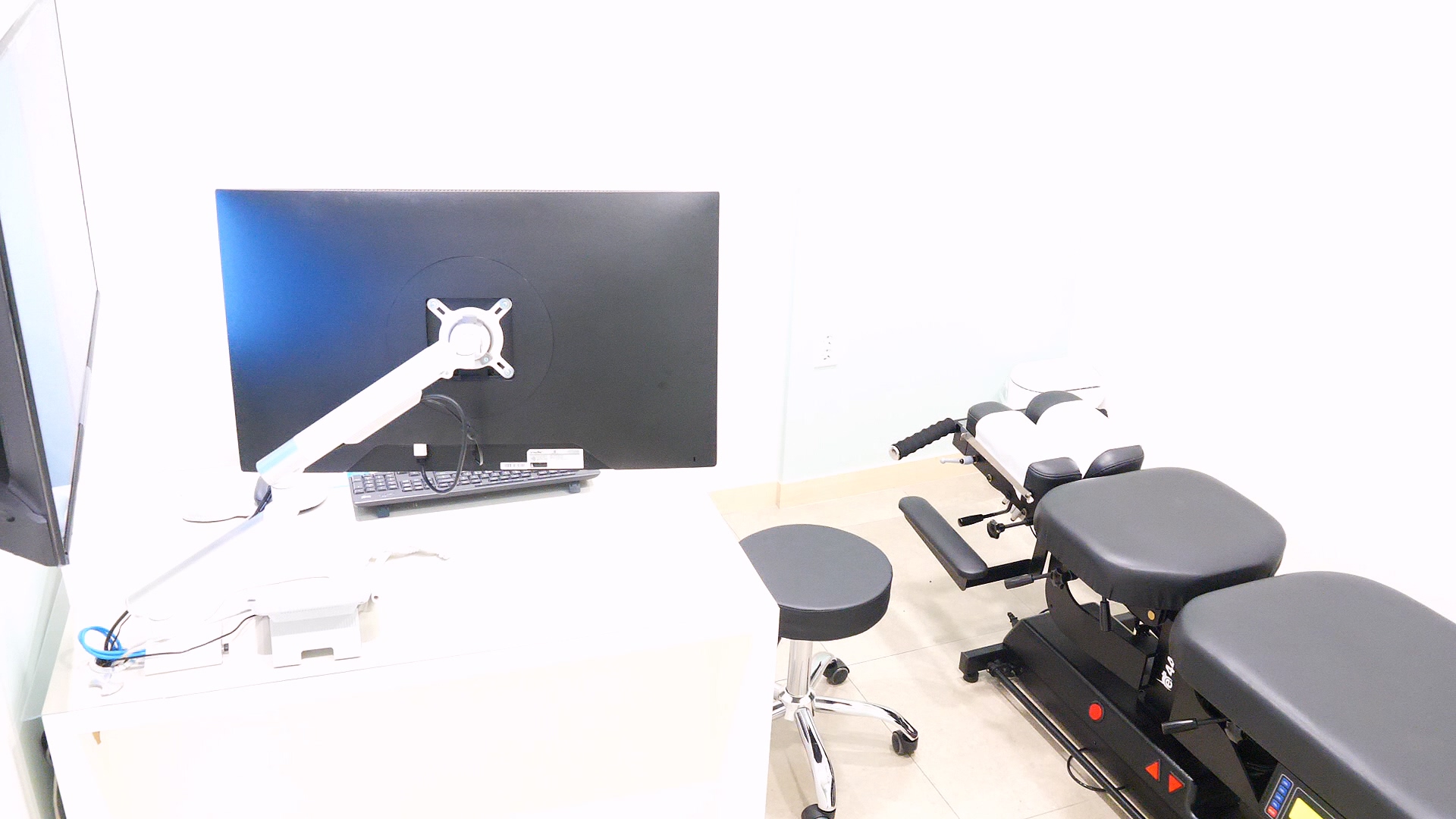
Many patients visit my clinic complaining of shortness of breath or a feeling of chest tightness that persists even when clinical tests for the lungs appear normal. Often, the root cause lies not in the respiratory tissue itself, but in the structural confinement of the thoracic cage. When the rib cage is misaligned, the lungs simply do not have the physical space required to expand fully. In this guide, I will explain how structural intervention can help you regain your vital breath.
Understanding Chuna Therapy and Rib Cage Mechanics for Breathing
Chuna therapy is a manual treatment where a Korean Medicine doctor uses hands or assistive devices to correct structural imbalances within the musculoskeletal system. By applying precise pressure and traction, we can influence the position of bones and the tension of surrounding soft tissues. This is particularly effective for the thoracic region, which houses the vital organs responsible for respiration and circulation.
The Definition of Chuna Therapy in Korean Traditional Medicine
Chuna therapy represents a sophisticated manual intervention within Korean Traditional Medicine that focuses on the dynamic relationship between the musculoskeletal system and overall physiological function. At Bonecure, I apply this technique to restore balance to the spine and joints, utilizing specific thrusts and mobilization maneuvers. Unlike general massage, Chuna is a clinical procedure performed exclusively by a licensed Korean Medicine doctor to address structural pathology. It functions by applying precise force to soft tissues and bony structures, facilitating the release of meridian blockages and improving blood circulation. In the context of the rib cage, this therapy targets the thoracic vertebrae and costal cartilages, which often become restricted due to poor posture or trauma. By realigning these components, we aim to reduce mechanical tension that hinders internal organ function. This approach is rooted in the principle that skeletal harmony is essential for vital energy flow and the maintenance of systemic health.
The Correlation Between Rib Cage Alignment and Lung Capacity
The rib cage serves as a protective yet flexible container for the lungs, and its alignment directly determines the volume of air an individual can inhale. When the thoracic spine becomes excessively curved or the ribs become fixed in a depressed position, the chest cavity loses its ability to expand. Clinical observations indicate that even a minor structural deviation can significantly decrease tidal volume. For instance, in patients with chronic postural issues, we often see a reduction in the vertical and lateral expansion of the ribs during deep inhalation. By utilizing Chuna therapy to mobilize the costovertebral joints, we can facilitate a more efficient bellows-like movement of the chest. This structural restoration allows the lungs to utilize their full physiological capacity. In my experience, addressing these mechanical restrictions is a fundamental step for anyone suffering from functional breathing limitations that do not respond to conventional medication or respiratory exercises alone.
How Structural Imbalance Restricts Respiratory Expansion
Structural imbalances, such as scoliosis or forward head posture, create a cascading effect of tension throughout the thoracic region. When the spine is not neutral, the muscles attached to the ribs, including the intercostals and scalenes, become chronically shortened or overstretched. This muscular imbalance locks the rib cage into a rigid state, preventing the rhythmic expansion necessary for deep breathing. Individuals with long-standing structural issues often suffer from secondary respiratory fatigue. Please note that treatment results may vary depending on the individual's condition. At Bonecure, we analyze these patterns through whole-spine X-rays to identify exactly where the restriction occurs. Without correcting the underlying skeletal frame, the body remains in a state of constant physical stress. This restriction not only limits oxygen intake but also affects the autonomic nervous system, often leading to increased anxiety and decreased physical endurance. Restoring the natural curvature of the spine is therefore essential for unlocking the body's respiratory potential.
Structural Realignment and Improved Respiratory Function
Structural realignment refers to the restoration of the thoracic cage and spinal column to their optimal anatomical positions to ensure unhindered physiological movement. This process involves a combination of manual mobilization and targeted soft tissue release to address both the bones and the supporting ligaments. When the rib cage is realigned, the internal pressure dynamics of the chest change, allowing for a more effortless transition between inhalation and exhalation.
How Chuna Therapy Adjusts Compressed Rib Structures
During a Chuna session at Bonecure, I focus on the specific segments of the thoracic spine and the individual ribs that show signs of compression or fixated movement. By using controlled, low-amplitude thrusts, I can encourage the ribs to return to their natural orientation. This process is not about brute force, but about mechanical leverage that resets the joint's range of motion. For many patients, the relief is palpable as the physical barrier to deep breathing is removed. In cases involving chronic structural bone misalignments, we aim to facilitate functional changes through precise intervention. At Bonecure, I prioritize establishing an efficient treatment plan tailored to each patient's specific structural needs rather than suggesting a predetermined long series of sessions. While the speed of improvement and the number of sessions required can vary significantly based on an individual's constitution and the severity of their condition, our focus remains on providing impactful care that respects the patient's time and health goals.
Integrating Acu-needle Therapy to Release Deep Muscle Adhesion
While Chuna addresses the skeletal framework, deep muscle adhesions often require more intensive intervention through acupotomy, also known as acu-needle (Do-chim) therapy. This technique uses a specialized needle with a flat, blade-like tip to physically release micro-adhesions in the fascia and deep paraspinal muscles. These adhesions act like internal scars, tethering the ribs and preventing the spine from maintaining its new, corrected alignment. By combining Chuna with this precision therapy at Bonecure, we can achieve a more comprehensive recovery. In cases of severe structural rigidity, I focus on utilizing integrated treatment to help restore the range of motion and alleviate mechanical tension. By addressing both the skeletal frame and deep adhesions, we aim to create a more favorable environment for respiratory function. It is important to note that clinical outcomes are highly individual, and the effectiveness of treatment depends on the patient's specific health status and the chronicity of their condition. This dual approach ensures that both the 'hard' skeletal structures and the 'soft' connective tissues are working in harmony. While some temporary soreness may occur at the treatment site, this is a normal part of the tissue remodeling process required for lasting structural restoration.
The Role of the Diaphragm in Structural Correction
The diaphragm is the primary muscle of respiration, and its function is inextricably linked to the position of the lower ribs and the lumbar-thoracic junction. If the rib cage is flared or compressed, the diaphragm cannot contract and relax through its full range. This leads to shallow 'chest breathing' which places excessive strain on the neck and shoulder muscles. Through Chuna therapy, we aim to normalize the attachment points of the diaphragm. By realigning the lower thoracic vertebrae, we create the ideal environment for the diaphragm to descend properly during inhalation. This shift from compensatory breathing to diaphragmatic breathing is a hallmark of successful structural therapy. The Science Behind Rapid Functional Relief After Chuna Therapy: A 2026 Professional Guide explains that when the structural foundation is sound, the nervous system can finally transition out of a sympathetic 'fight or flight' state. This internal balance is vital for patients seeking to overcome chronic fatigue and respiratory insufficiency.
Comparing Chuna Therapy with Other Manual Modalities
Manual modalities encompass various physical interventions designed to manipulate the musculoskeletal system for health benefits. Understanding these differences helps patients make informed decisions about their care. While many therapies address pain, Chuna therapy at Bonecure focuses on the integration of traditional meridian theory with modern structural mechanics to provide a holistic recovery experience.
Distinguishing Chuna from Western Chiropractic Techniques
Although both Chuna and Western chiropractic utilize spinal manipulation, their underlying frameworks differ significantly. Chiropractic often focuses primarily on spinal subluxation and the nervous system's relationship to the vertebral column. In contrast, Chuna therapy at Bonecure focuses on a comprehensive approach that addresses soft tissues, meridians, and bony structures to support the body's natural alignment. We consider the flow of vital energy alongside mechanical alignment. Furthermore, Chuna includes a wider variety of mobilization techniques, such as 'soft Chuna' for delicate tissues and 'hard Chuna' for joint correction. This allows for a more tailored approach, especially for sensitive areas like the rib cage. Precision Acupotomy and Its Role in Restoring Joint Mobility: A Professional Guide further details how we address the stubborn adhesions that manual manipulation alone might not fully resolve.
Synergy Between Pharmacopuncture and Acupotomy for Respiratory Health
In addition to manual structural correction, Bonecure utilizes pharmacopuncture and acupotomy to enhance respiratory function by improving local circulation and releasing rigid tissues. Pharmacopuncture involves injecting refined herbal extracts into specific points to reduce internal inflammation and provide nourishment to the muscles. This is particularly effective when combined with acupotomy, which releases the deep intercostal adhesions that restrict rib movement. This synergy is crucial for patients with chronic conditions where tissues have become rigid over time. By combining these biological and mechanical interventions, we make the thoracic area more pliable for Chuna adjustments. At Bonecure, we view the body as a whole system where structural alignment and biochemical balance must both be addressed to achieve optimal lung capacity and overall vitality.
| Feature | Chuna Therapy | Western Chiropractic | Physical Therapy |
|---|---|---|---|
| Primary Focus | Structural & Meridian Balance | Spinal Subluxation | Exercise & Muscle Rehab |
| Methodology | Manual Manipulation & Mobilization | High-Velocity Thrust | Movement & Modalities |
| Integration | Combines with Acu-needle Therapy | Typically Standalone | Often Post-Surgical |
| Goal | Restoring Natural Vitality | Joint Alignment | Functional Mobility |
| Practitioner | Licensed KMD | Licensed Chiropractor | Physical Therapist |
Clinical Insights and Patient Safety Considerations at Bonecure
Clinical insights at Bonecure are based on individual case observations regarding the relationship between skeletal alignment and vital signs. Every patient presents a unique structural history, influenced by their occupation, past injuries, and lifestyle habits. Therefore, a standardized approach is rarely sufficient for complex respiratory issues. Safety and precision are my highest priorities when performing thoracic adjustments.
Observations from Clinical Notes on Structural Balance
My clinical notes reflect how structural correction can lead to significant physiological improvements by addressing the root mechanical causes of discomfort. This approach is particularly beneficial for those seeking relief from chronic chest tightness. Because every patient's body responds differently, a personalized treatment plan is essential. We avoid one-size-fits-all session counts, focusing instead on the specific needs of your frame. We use objective measures, such as whole-spine X-rays, to track structural changes, ensuring that the treatment is progressing as intended. This evidence-based approach allows us to refine our techniques for each individual, focusing on the specific vertebrae or ribs that are most resistant to change.
Understanding Potential Risks and Temporary Side Effects
As with any clinical intervention, Chuna therapy and rib cage adjustment carry certain risks and potential side effects. Most commonly, patients may experience mild muscle soreness or a sense of fatigue for 24 to 48 hours following a treatment. This is often part of the body's natural adjustment to a corrected position. In some cases, minor bruising or temporary localized swelling may occur, particularly if integrated with acupotomy. While rare, more significant risks are minimized through careful diagnostic screening and the use of precise, controlled techniques. It is important to disclose any history of osteoporosis or recent fractures during your initial consultation. Effectiveness can vary between individuals, and chronic or severe conditions will require a tailored approach. Potential side effects of acupotomy or Chuna may include temporary pain at the treatment site, minor bleeding, or rare instances of infection. I ensure every adjustment stays within the physiological limits of the patient's current health status.
The Importance of Personalized Diagnosis for Chronic Pain
A personalized diagnosis is the cornerstone of effective structural medicine. At Bonecure, we do not simply treat the symptom of 'shortness of breath'; we seek to understand why the rib cage has become restricted. This involves a comprehensive physical examination, a review of medical history, and often digital imaging to see the underlying bone structure. Factors such as the alignment of the hyoid bone, the symmetry of the cranium, and the balance of the pelvis all play a role in how the thoracic cage functions. By looking at the body as a single, interconnected unit, we identify compensatory patterns that others might miss. This holistic diagnostic process ensures that our treatments are not just temporary fixes, but steps toward true, fundamental recovery for our patients in 2026.
Key Takeaways
- Structural Space: Rib cage alignment determines lung capacity. Chuna therapy restores the physical space needed for full respiratory expansion.
- Immediate Relief: Our goal is to facilitate structural improvement and relief through efficient care, though the timing and extent of results may vary for each individual.
- Integrated Approach: Combining Chuna with acupotomy (acu-needle) and pharmacopuncture releases both skeletal and deep fascial adhesions.
- Safety First: Mild soreness or bruising may occur post-treatment, but personalized diagnosis at Bonecure minimizes risks and ensures treatment stays within individual limits.
- Holistic View: Effective breathing requires balance throughout the entire spine, necessitating a whole-body diagnostic approach.
Frequently Asked Questions
Q. What is the primary goal of Chuna therapy for the rib cage?
The goal is to restore the natural alignment of the ribs and the thoracic spine. This reduces mechanical pressure on the lungs and allows the chest cavity to expand more freely during inhalation. By improving this structural foundation, patients often experience more effortless and deeper breathing.
Q. How does rib cage adjustment improve lung capacity?
When the ribs are properly aligned and the costovertebral joints are mobile, the thoracic volume can increase. This allows the lungs to inhale a larger tidal volume of air with less muscular effort. Correcting the frame ensures the respiratory system is not working against physical resistance.
Q. Is Chuna therapy at Bonecure painful?
Some patients may experience temporary discomfort or mild soreness during and after the realignment process, especially if there are deep adhesions. This is a normal response as the body adapts to its new, corrected position. I always adjust the intensity based on the patient's comfort and condition.
Q. How many sessions are typically required to see results?
I do not follow a '10 or 20 session' rule. My philosophy is to aim for meaningful structural change through efficient, targeted care. While many patients notice changes early in their treatment plan, the rate of improvement is subject to individual differences in anatomy and health history. We focus on identifying the root cause to ensure that the treatment plan is as streamlined and effective as possible for your specific needs.
Q. Are there any side effects to rib cage adjustment?
Common side effects include mild muscle soreness, temporary fatigue, or minor bruising. These symptoms usually resolve within a few days as circulation improves. Potential risks of acupotomy include temporary pain or minor bleeding at the site. We provide post-treatment care guidance to support the healing process.
Q. Can Chuna therapy help with chronic back pain as well?
Yes, correcting the rib cage alignment involves adjusting the thoracic spine, which is a major source of chronic back pain. By improving posture and reducing strain on the paraspinal muscles, patients often find relief from both breathing difficulties and back discomfort simultaneously.
Q. Who should perform these structural adjustments?
Structural adjustments should only be performed by a licensed Korean Medicine doctor with specialized training in Chuna and structural restoration. At Bonecure, I personally oversee the diagnostic and treatment process to ensure the highest standards of clinical accuracy and safety.
For more information or to schedule a structural assessment, please contact us.
Bonecure / Dr. Song Jeong-hyeon
FAQ
- What is the primary goal of Chuna therapy for the rib cage?
- The goal is to restore the natural alignment of the ribs and the thoracic spine. This reduces mechanical pressure on the lungs and allows the chest cavity to expand more freely during inhalation. By improving this structural foundation, patients often experience more effortless and deeper breathing.
- How does rib cage adjustment improve lung capacity?
- When the ribs are properly aligned and the costovertebral joints are mobile, the thoracic volume can increase significantly. This allows the lungs to inhale a larger tidal volume of air with less muscular effort. Correcting the frame ensures the respiratory system is not working against physical resistance.
- Is Chuna therapy at Bonecure painful?
- Some patients may experience temporary discomfort or mild soreness during and after the realignment process, especially if there are deep adhesions. This is a normal response as the body adapts to its new, corrected position. I always adjust the intensity of the treatment based on the patient's comfort and physical condition.
- How many sessions are typically required to see results?
- The number of sessions varies depending on whether the condition is acute or chronic. While some patients feel relief after a single session, chronic structural issues often require a series of 20 or more treatments to achieve stable results. Consistency is key to retraining the muscles and ligaments to hold the new alignment.
- Are there any side effects to rib cage adjustment?
- Common side effects include mild muscle soreness, temporary fatigue, or minor bruising at the site of adjustment. These symptoms usually resolve within a few days as the body's circulation improves. We provide guidance on post-treatment care to minimize any temporary discomfort and support the healing process.
- Can Chuna therapy help with chronic back pain as well?
- Yes, correcting the rib cage alignment almost always involves adjusting the thoracic spine, which is a major source of chronic back pain. By improving the posture and reducing the strain on the paraspinal muscles, patients often find relief from both breathing difficulties and back discomfort simultaneously.
- Who should perform these structural adjustments?
- Structural adjustments should only be performed by a licensed Korean Medicine doctor who has specialized training in Chuna and structural restoration. At Bonecure, I personally oversee the diagnostic and treatment process to ensure the highest standards of clinical accuracy and patient safety.