
Post
A 2026 Guide to Contemporary Care at a Cheongdam-dong Korean Medicine Clinic
A Cheongdam-dong Korean Medicine Clinic represents a healthcare facility specializing in structural care, integrating traditional Eastern diagnostic modalities with modern structural correction therapies to address musculoskeletal disorders.
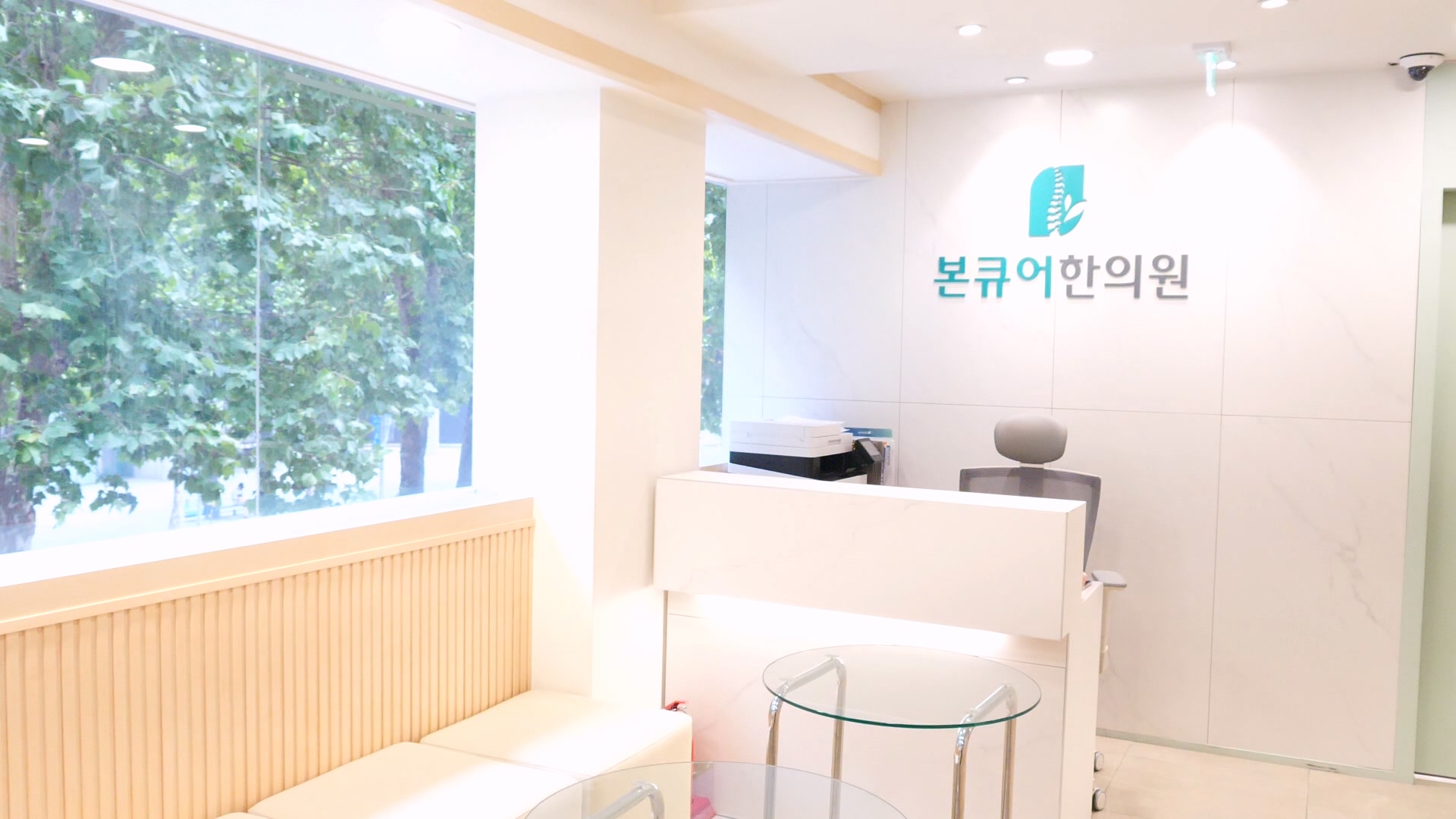
Dr. Song Jung-hyun at Bonecure delivers an evidence-first approach designed to restore natural biomechanical balance and alleviate intractable discomfort. Hello, I am Dr. Song Jung-hyun, an Oriental Medical Doctor who has focused primarily on acupotomy and structural restoration for many years, helping individuals regain their functional vitality through precise clinical care.
1. Understanding Contemporary Korean Medicine in Cheongdam-dong
Contemporary Korean medicine in the upscale district of Cheongdam-dong is defined as a clinically rigorous paradigm that blends classical meridian theories with modern anatomical science to treat chronic functional pain. This medical approach prioritizes non-surgical structural restoration to enhance the body's self-healing mechanisms without relying on aggressive pharmaceutical interventions.
The Core Principles of Integrative Structural Care
Integrative structural care operates on the clinical premise that musculoskeletal health relies entirely on the precise geometric harmony between the skeletal framework and surrounding soft tissues. At Bonecure, this therapeutic discipline focuses on resolving deep-seated structural distortions that compromise overall physical performance. Clinicians utilize meticulous palpation alongside precise structural diagnostics to locate specific areas of chronic tissue tension and joint subluxation. By combining specialized mechanical interventions with individual herbal prescriptions, this methodology addresses the underlying root causes of physical dysfunction rather than merely suppressing localized painful symptoms. This dual focus supports long-term biomechanical stability while significantly reducing the risk of symptom recurrence. Every clinical strategy is fully customized to match the unique physiological profile and structural imbalances of each individual patient. This comprehensive approach is particularly beneficial for managing complex, long-standing alignment issues that have failed to respond to conventional management options.
How Spinal Alignment Influences Systemic Wellbeing
Spinal alignment represents a critical physiological determinant of autonomic nerve function and systemic internal homeostasis. When the vertebral column experiences structural imbalances, it can exert mechanical pressure on spinal nerve roots, which often disrupts vital signaling between the central nervous system and internal organs. Clinical case reports have documented that severe structural imbalances can correlate with systemic disruptions, including complex conditions like autonomic dysregulation. For instance, specific published case reports highlight instances where complex conditions, such as an 18-year history of chronic tinnitus or severe cases of Ménière's disease, showed measurable improvements in these specific documented cases. Please note that these reports summarize individual clinical cases and do not guarantee identical results for all patients, as outcomes vary based on individual structural conditions. Restoring correct spinal curvature can relieve persistent mechanical stress on the nervous system, which subsequently supports better digestion, reduces chronic fatigue, and improves circulatory health. Maintaining an optimal structural foundation remains essential for preserving long-term systemic wellness and protecting overall neurological integrity over time.
2. Advanced Acupotomy and Structural Correction at Bonecure
Advanced acupotomy and structural correction at Bonecure is a specialized medical protocol that combines micro-blade needle stimulation with manual adjustments to release deep tissue adhesions and realign the spine. This dual-action approach targets chronic inflammatory lesions to restore native joint mobility and alleviate persistent neural compression.
Releasing Chronic Tissue Adhesions with Precision Instruments
Acupotomy utilizes a specialized micro-blade tip to perform precise mechanical lysing of rigid, chronically fibrotic soft tissues that restrict joint movement. Within the clinical framework at Bonecure, this advanced technique is employed to systematically release stubborn tissue adhesions that entrap delicate peripheral nerves and limit local blood circulation. By carefully dissecting these microscopic scar tissues, the procedure relieves deep-seated tension and stimulates natural cellular regeneration pathways within the affected muscles. This specialized method is highly effective for treating intractable conditions such as chronic neck pain, stubborn lumbar strain, and complex joint contractures. However, patients must note that acupotomy carries minor potential side effects, including temporary post-treatment soreness, minor localized bleeding, or rare skin infections at the insertion site. Clinical outcomes vary significantly, and chronic structural conditions typically require multiple structured sessions to achieve meaningful, lasting soft tissue remodeling and functional recovery.
Chuna Manual Therapy for Restoring Balanced Joint Mobility
Chuna manual therapy is a foundational hands-on structural treatment where the clinician applies controlled force to realign osseous structures and optimize neuromuscular function. At Bonecure, this therapy is seamlessly paired with soft tissue interventions to maximize the long-term efficacy of spinal and pelvic corrections. By utilizing precise thrusts, gentle traction, and passive stretching, Chuna therapy successfully restores restricted articular mobility and normalizes altered joint kinetics. This physical realigning process balances uneven weight distribution across the major joints, effectively preventing premature degenerative changes in the cartilage. For comprehensive information on how manual adjustments resolve chronic structural imbalances, patients can explore Chuna Therapy for Chronic Pain to understand its specific clinical benefits. While the immediate mechanical release can provide significant comfort, overall therapeutic progress depends heavily on individual patient compliance, structural history, and consistent adherence to prescribed corrective exercises.
Objective Verification Methods for Postural Realignment
Objective verification methods provide measurable, empirical proof of structural changes by replacing subjective feedback with precise diagnostic data. Clinicians at Bonecure utilize comprehensive whole-spine X-ray analysis to systematically measure precise spinal angles, pelvic tilting, and overall postural symmetry before and after treatments. These objective digital visualizations allow for the careful tracking of anatomical transformations, ensuring that every therapeutic adjustment directly addresses specific skeletal deviations. In addition to radiographic imaging, clinicians utilize standardized evaluation metrics, including 5 specific clinical scales for headaches, dizziness, gastrointestinal function, anxiety, and depression. Documenting these objective changes ensures a high level of clinical transparency and helps refine ongoing therapeutic strategies based on verifiable progress. Patients can read more about documented clinical approaches by reviewing Dr. Song Jung-hyun's Structural Restoration at Bonecure. These metrics ensure that every treatment plan remains grounded in measurable physical science.
3. Comparing Acupotomy with Conventional Needle Acupuncture
Comparing acupotomy with conventional needle acupuncture involves evaluating the distinct mechanical and biochemical mechanisms used to treat musculoskeletal disorders and neural pathways. While conventional acupuncture focuses primarily on bioelectrical meridian regulation, acupotomy delivers direct structural modification to pathologically altered soft tissues.
Structural Release versus Energy Flow Regulation
The fundamental distinction between these two modalities lies in their primary mechanical intent and physical design. Conventional acupuncture utilizes slender, flexible needles designed to stimulate specific neurovascular points, which modulates systemic pain signals and regulates local biochemical pathways. In contrast, acupotomy utilizes a sturdy micro-bladed tip that performs direct surgical-like lysis of dense, fibrotic tissue adhesions that physically block normal movement. While standard acupuncture primarily focuses on neurovascular regulation, acupotomy is designed to provide direct mechanical stimulation to deeper, chronically altered soft tissues. The micro-blade design allows clinicians at Bonecure to perform precise mechanical decompression of bound tissues, helping to manage long-standing structural conditions that require deeper tissue intervention. This approach supports recovery in cases where superficial needle stimulation alone may have limited impact, though individual responses vary. To understand how these advanced structural modalities are utilized clinically, please see Acupotomy and Structural Alignment.
Treatment Durations and Expected Recovery Paths
The timeline for structural recovery varies significantly based on the severity of the lesion and the specific acupuncture modality chosen. Conventional acupuncture sessions are frequently scheduled 2 to 3 times per week, focusing on progressive neurofunctional modulation over an extended period. Conversely, acupotomy sessions are typically performed less frequently, often spaced 1 to 2 weeks apart, to allow sufficient time for cellular remodeling. The table below presents a neutral comparison of their general clinical characteristics to help patients understand their distinct operational parameters.
| Clinical Feature | Conventional Acupuncture | Acupotomy Therapy |
|---|---|---|
| Primary Mechanism | Neurovascular stimulation | Mechanical tissue lysis |
| Needle Design | Filiform flexible tip | Flat micro-blade tip |
| Session Frequency | 2 to 3 times per week | 1 time per 1 to 2 weeks |
| Primary Indication | Acute tension, mild pain | Chronic adhesions, fibrosis |
Individual response paths remain highly variable, and an initial comprehensive assessment is necessary to determine the appropriate plan.
4. Comprehensive Care Protocols for Chronic Pain and Structural Issues
Comprehensive care protocols for chronic pain and structural issues are structured, multi-disciplinary treatment pathways designed to systematically diagnose, adjust, and stabilize the musculoskeletal system. These clinical pathways integrate advanced soft tissue lysis with targeted joint mobilization to achieve lasting postural balance and prevent symptom recurrence.
What to Expect During Your Individualized Assessment
Your initial visit involves a rigorous diagnostic process centered on identifying the true root causes of structural dysfunction. Clinicians begin with 1 thorough physical examination, which includes a comprehensive range-of-motion test and manual muscle testing to isolate specific joint restrictions. This is complemented by a detailed review of 4 critical alignment markers, analyzing head tilt, shoulder symmetry, pelvic rotation, and leg length discrepancies. For international patients traveling through Cheongdam-dong with limited schedules, streamlined 1-day assessment protocols are available to maximize clinical efficiency. This initial diagnostic phase is crucial for charting a precise anatomical roadmap that avoids generalized care and targets specific structural lesions. By establishing these precise baseline measurements, the medical team can accurately monitor your structural journey and adapt treatment parameters as your alignment progressively improves over successive sessions.
Managing Temporary Post-Treatment Soreness and Clinical Limitations
Following an advanced structural intervention, experiencing a mild, dull ache or localized tenderness at the treatment site is a normal physiological response. This temporary post-treatment soreness typically peaks within 24 to 48 hours and gradually subsides as local tissue circulation improves. Patients are advised to avoid strenuous physical exertion and follow all personalized aftercare instructions provided by the clinic during this recovery phase. It is essential to recognize that chronic, severe spinal deformities or advanced joint degeneration present definite clinical limitations that cannot be fully reversed in a single session. Lasting structural rehabilitation requires a structured, multi-week care plan tailored to individual tissue recovery rates. If you are experiencing persistent discomfort or have questions regarding structural care options, please schedule a detailed clinical evaluation at Bonecure to discuss your unique case with Dr. Song Jung-hyun.
Key Takeaways
- Integrative structural care combines classical Korean medicine with modern anatomical science to address the root mechanical causes of chronic pain.
- Advanced acupotomy utilizes a precision micro-blade tip to release rigid tissue adhesions, though individual results vary and temporary soreness may occur.
- Objective verification through whole-spine X-rays and standardized clinical scales ensures transparent, data-driven progress tracking.
- Individualized treatment protocols are fully customized, offering efficient options for both local residents and international patients.
Frequently Asked Questions
Q. What is the primary treatment focus at Bonecure in Cheongdam-dong?
Bonecure focuses on restoring structural alignment and relieving chronic pain through customized Korean medicine protocols. The clinic utilizes advanced acupotomy and Chuna therapy to address the root mechanical causes of musculoskeletal imbalances. Every care plan is tailored to the individual patient's structural diagnostics.
Q. How does acupotomy differ from standard acupuncture treatments?
Standard acupuncture utilizes thin, flexible needles to stimulate neurovascular pathways and manage localized pain or inflammation. In contrast, acupotomy incorporates a specialized micro-blade tip designed to physically release rigid tissue adhesions and restore restricted mobility. This makes it highly effective for chronic, fibrotic conditions.
Q. Are there any side effects or risks associated with acupotomy?
Patients may experience temporary soreness, minor bruising, or transient swelling at the insertion site, which generally subsides within 24 to 48 hours. Rare risks include localized infection or minor bleeding, which are managed through strict sterile clinical protocols. Chronic conditions may require multiple sessions to achieve lasting tissue remodeling.
Q. How many treatment sessions are normally required for structural correction?
The total number of sessions depends heavily on individual patient conditions, the chronicity of the ailment, and personal recovery rates. While some patients notice immediate changes, severe structural issues or long-standing spinal misalignments generally require a structured multi-week care plan. Results vary based on individual physical health.
Q. Does Bonecure provide care options for international patients in Cheongdam-dong?
Yes, Bonecure accommodates international visitors by offering streamlined, efficient consultation protocols. These condensed schedules are designed to maximize structural relief and diagnostic clarity for patients who have limited stay schedules or tight travel itineraries.
Q. What objective metrics are used to monitor clinical progress?
Progress is tracked using objective structural assessment tools, physical mobility evaluations, and comprehensive whole-spine X-ray alignment diagrams. The clinic also monitors progress using 5 specific clinical evaluation scales for tracking systemic symptom changes over time.
Q. How should I prepare for my initial structural consultation?
Patients should bring any relevant diagnostic images, such as previous X-rays or spinal scans, to assist the clinical team. It is also recommended to wear comfortable, loose-fitting clothing that allows for an easy physical examination and mobility testing during your structural check.
Please schedule a comprehensive clinical evaluation at Bonecure to begin your structural restoration journey. Bonecure / Dr. Song Jung-hyun
FAQ
- What is the primary treatment focus at Bonecure in Cheongdam-dong?
- Bonecure focuses on restoring structural alignment and relieving chronic pain through customized Korean medicine protocols. The clinic utilizes advanced acupotomy and Chuna therapy to address the root mechanical causes of musculoskeletal imbalances. Every care plan is tailored to the individual patient's structural diagnostics.
- How does acupotomy differ from standard acupuncture treatments?
- Standard acupuncture utilizes thin, flexible needles to stimulate neurovascular pathways and manage localized pain or inflammation. In contrast, acupotomy incorporates a specialized micro-blade tip designed to physically release rigid tissue adhesions and restore restricted mobility. This makes it highly effective for chronic, fibrotic conditions.
- Are there any side effects or risks associated with acupotomy?
- Patients may experience temporary soreness, minor bruising, or transient swelling at the insertion site, which generally subsides within 24 to 48 hours. Rare risks include localized infection or minor bleeding, which are managed through strict sterile clinical protocols. Chronic conditions may require multiple sessions to achieve lasting tissue remodeling.
- How many treatment sessions are normally required for structural correction?
- The total number of sessions depends heavily on individual patient conditions, the chronicity of the ailment, and personal recovery rates. While some patients notice immediate changes, severe structural issues or long-standing spinal misalignments generally require a structured multi-week care plan. Results vary based on individual physical health.
- Does Bonecure provide care options for international patients in Cheongdam-dong?
- Yes, Bonecure accommodates international visitors by offering streamlined, efficient consultation protocols. These condensed schedules are designed to maximize structural relief and diagnostic clarity for patients who have limited stay schedules or tight travel itineraries.
- What objective metrics are used to monitor clinical progress?
- Progress is tracked using objective structural assessment tools, physical mobility evaluations, and comprehensive whole-spine X-ray alignment diagrams. The clinic also monitors progress using 5 specific clinical evaluation scales for tracking systemic symptom changes over time.
- How should I prepare for my initial structural consultation?
- Patients should bring any relevant diagnostic images, such as previous X-rays or spinal scans, to assist the clinical team. It is also recommended to wear comfortable, loose-fitting clothing that allows for an easy physical examination and mobility testing during your structural check.