
Post
A 2026 Guide to Managing Burning Mouth Syndrome through Structural Recovery at Bonecure
Hello. I am Song Jung-hyun, a Korean medicine doctor who has long focused on acupotomy and structural restoration. Many patients visit our clinic after years of enduring a scalding sensation in their mouth that no standard test can explain. At Bonecure, we devote ourselves to helping each patient regain a healthy and balanced daily life.
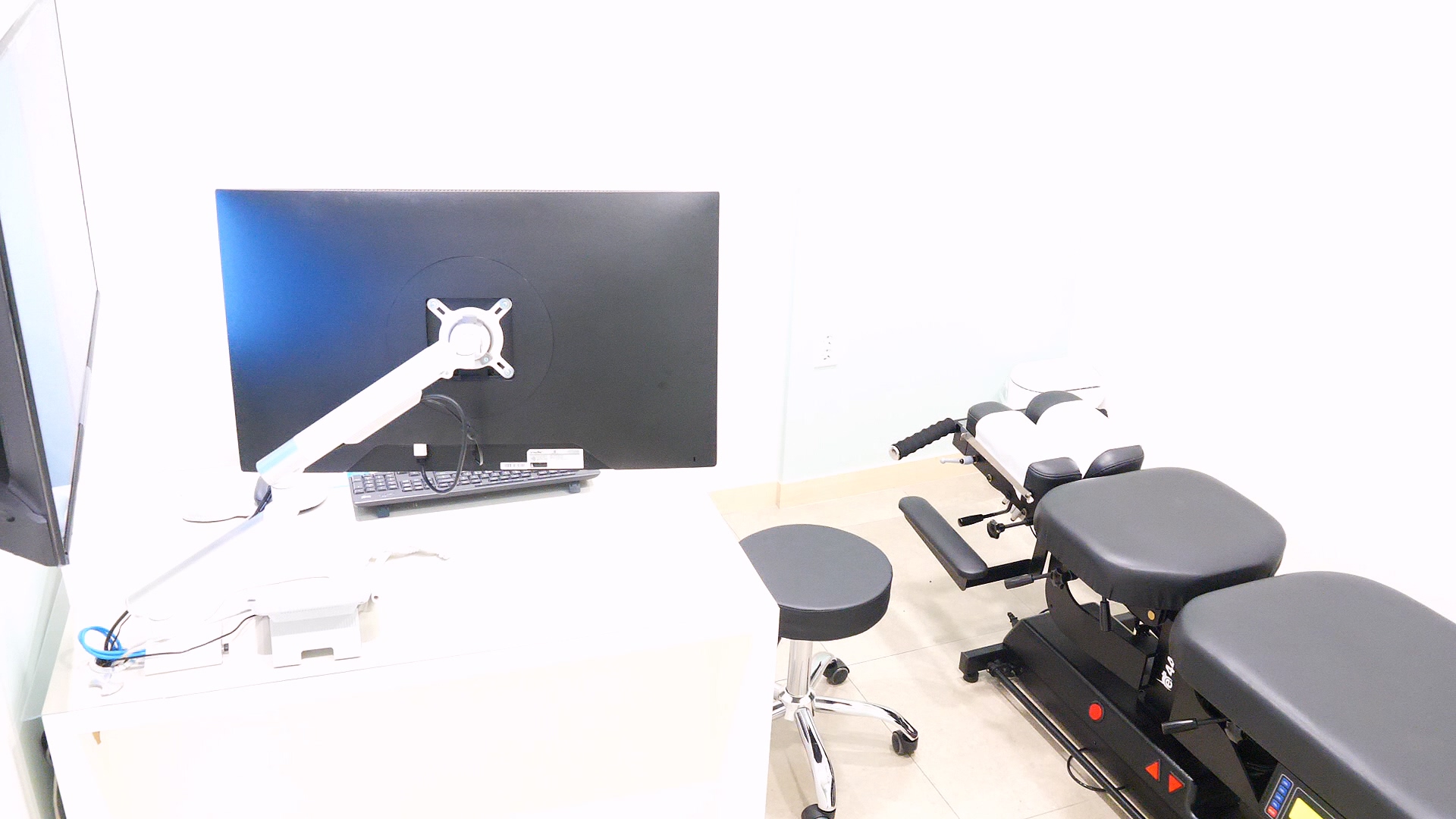
Rather than simply relieving symptoms, we focus on identifying the root causes of pain and restoring the body’s overall balance through personalized treatment plans tailored to each individual.
Burning mouth syndrome refers to a complex chronic pain disorder characterized by a continuous burning sensation in the tongue, palate, or lips without visible lesions. It is often a frustrating journey for patients who find that their symptoms persist despite trying various topical treatments or medications. At Bonecure, we focus on the relationship between the central nervous system and the structural integrity of the upper cervical spine to provide a more comprehensive path toward relief. Our philosophy is that when your bones smile, life smiles.
Understanding Burning Mouth Syndrome and Its Complex Roots
Burning mouth syndrome is defined as a chronic intraoral pain condition where the patient perceives a scalding sensation despite the oral mucosa appearing clinically healthy and normal. This condition is notably difficult to diagnose because it does not present with physical sores, redness, or inflammation. Instead, it is increasingly understood as a form of neuropathic pain where the nerves responsible for taste and temperature sensation are firing incorrectly. Research suggests that between 3 to 15 percent of post-menopausal women may experience these symptoms, highlighting a potential hormonal and neurological link. At Bonecure, we focus on identifying the root causes of pain and restoring the body’s overall balance rather than just masking symptoms.
What is Burning Mouth Syndrome (BMS)?
Burning Mouth Syndrome manifests primarily as a persistent sensation of heat or tingling that typically peaks in the late afternoon or evening hours. Patients often describe the feeling as similar to being burned by hot coffee, yet the oral tissues remain intact and healthy upon examination. This sensory dysregulation frequently affects the tip of the tongue or the roof of the mouth, sometimes accompanied by a metallic taste or a dry mouth sensation. Chronic cases are defined by symptoms lasting longer than 4 to 6 months. For many, the intensity fluctuates throughout the day, often starting mild and becoming severe by bedtime. This variability suggests that the nervous system is highly sensitive to external stressors and internal structural fatigue.
Comprehensive Clinical Evaluation at Bonecure
Before beginning any treatment, we conduct a detailed assessment focusing on three core areas: body posture, movement patterns, and internal organ function. This approach allows us to determine if the sensory issues in the mouth are related to deeper structural misalignments or autonomic imbalances. Unlike conventional exams that may miss soft tissue adhesions, our evaluation looks at how the patient's musculoskeletal alignment impacts neurological pathways. Understanding this distinction ensures that patients do not waste time on ineffective treatments that fail to address the actual source of their persistent oral discomfort or pain. We prioritize identifying exactly what is necessary for the patient's specific condition.
The Role of Central Nervous System Dysregulation
Central nervous system dysregulation occurs when the brain and spinal cord become hypersensitive to pain signals, leading to the chronic sensations found in Burning Mouth Syndrome. This phenomenon, often called central sensitization, means the threshold for perceiving pain is significantly lowered. We have observed that the nerves involved in oral sensation can become hyperactive due to structural pressures near the skull base. This is closely related to Understanding Autonomic Nervous System Disorder and Structural Recovery in 2026. When the nervous system remains in a state of high alert, even normal sensory input is processed as a burning or painful stimulus. By addressing the health of the nervous system as a whole, we can help the body recalibrate its pain processing centers.
Acupuncture and Traditional Korean Medicine for Chronic Pain Management
In the context of chronic oral pain, we use specialized modalities to down-regulate the overactive pain signals being sent to the brain. Traditional Korean Medicine views these symptoms as a sign of internal heat or systemic imbalance that must be corrected to restore harmony. By targeting specific acupuncture points associated with autonomic regulation, we can help patients achieve a state of physiological calm. At Bonecure, we emphasize efficient and impactful treatment sessions. While some might feel slight soreness after a session, the immediate goal is to reduce the intensity of the burning sensation and restore structural integrity. This method provides a drug-free alternative for those seeking a more holistic recovery plan.
Restoring Neurological Balance through Acupotomy
Restoring neurological balance at Bonecure involves the precise application of acupotomy (Dochim), a specialized form of needle therapy designed to release adhesions in the soft tissues surrounding the upper cervical spine. These adhesions can often impede proper nerve signal transmission, contributing to the sensory confusion seen in Burning Mouth Syndrome. By physically breaking down these fibrotic tissues, we aim to normalize muscle length and tension instantly. Our goal is for patients to feel immediate changes in their symptoms during the session, rather than waiting for a set number of treatments. For complex neurological issues, such as those discussed in our tinnitus case reports, structured needle therapy has shown significant potential in stabilizing the autonomic nervous system by correcting the physical environment of the nerves.
Moxibustion Therapy for Systemic Circulation
Moxibustion therapy is a traditional technique where heat is applied to specific points to enhance blood flow and support the body's natural restorative processes. This heat-based therapy is particularly useful for patients whose oral symptoms are exacerbated by poor systemic circulation or autonomic instability. By warming specific points along the spine or abdomen, we help balance the sympathetic and parasympathetic nervous systems. This systemic approach is often necessary because Burning Mouth Syndrome frequently coexists with other signs of autonomic dysfunction. In our clinical experience, moxibustion can enhance the overall efficacy of the treatment plan by providing a soothing effect that reduces the stress response. Improving the body's baseline circulation ensures that the tissues receive the nutrients and oxygen required for long-term neurological health.
Personalized Clinical Protocols for BMS
Not all cases of Burning Mouth Syndrome are the same; some patients experience more pain in the morning, while others suffer more at night. By analyzing these nuances, we can adjust our treatment selection to better suit the patient's unique physiological state. We utilize objective assessment tools, such as the Visual Analogue Scale (VAS), to monitor the treatment process and track progress toward recovery. At Bonecure, we avoid 'factory-style' medicine. Each patient is treated directly by the head director, who performs every step of the physical evaluation and treatment personally. This integration of clinical experience and modern tracking ensures that each patient receives the most appropriate and effective care for their condition.
Comparing Conventional Approaches and Bonecure's Structural Treatment
Most conventional approaches rely on pharmacological agents, such as anticonvulsants or antidepressants, to numb the nervous system's response to pain. While these can be effective for some, our approach focuses on the physical foundation of health, aiming to create an environment where the body can regulate itself more efficiently through structural and neurological stabilization. Our structural approach at Bonecure focuses on the physical alignment of the spine and its impact on the autonomic nervous system. By focusing on the proper alignment of the 1st cervical vertebra (C1), we aim to reduce mechanical stress on the brainstem and cranial nerves. This creates a state where the body can regulate itself more efficiently.
| Feature | Conventional Pharmacological Approach | Bonecure Structural & Integrative Approach |
|---|---|---|
| Primary Tool | Medications (Antidepressants, Gabapentin) | Acupotomy, Chuna, Specialized Acupuncture |
| Focus | Symptom suppression through chemicals | Structural realignment & nerve decompression |
| Side Effects | Potential dry mouth, dizziness, or fatigue | Temporary localized soreness or minor bruising |
| Frequency | Often requires long-term daily use | Intensive, impact-driven sessions |
| Goal | Lowering the pain perception threshold | Immediate structural improvement & nerve health |
Focusing on the Spine-Nervous System Connection
The connection between the spine and the nervous system is a critical factor in understanding chronic sensory disorders. The upper cervical spine serves as a gateway for the major nerves that travel into the face and mouth. If there is a misalignment in this area, it can create subtle but persistent irritation to the nerve roots, leading to distorted sensory input. This is a common theme in A 2026 Clinical Guide to TMJ Jaw Pain and Structural Recovery at Bonecure. At Bonecure, we prioritize the health of the craniosacral system to ensure that nerve signals flow without obstruction. Our assessments often reveal that patients with Burning Mouth Syndrome also have underlying neck tension or postural issues that contribute to their neurological sensitivity. By correcting these physical imbalances, we provide the nervous system with the space it needs to function correctly.
The Bonecure Philosophy: Immediate Structural Harmony
The Bonecure philosophy is built on the belief that "When your bones smile, life smiles," emphasizing the deep link between physical structure and overall well-being. We do not view Burning Mouth Syndrome as an isolated oral problem, but as a symptom of a body that has lost its internal equilibrium. We believe in treatments that provide visible and felt changes immediately. Restoring structural harmony means looking at the whole person, from the alignment of their jaw to the curvature of their lower back. This involves using specialized techniques like acupotomy to address deep-seated tissue adhesions that prevent proper alignment. By focusing on these fundamental structures, we aim to provide a pathway toward lasting comfort. While individual results vary, we focus on providing evidence-based, structural care for every patient.
Comprehensive Care Strategies at our Cheongdam Clinic
Comprehensive care at our Cheongdam clinic refers to a holistic management strategy that integrates structural realignment with neurological stabilization. When a patient arrives with Burning Mouth Syndrome, they undergo a thorough evaluation including a history of symptoms, a structural physical exam, and an assessment of their autonomic health. We recognize that chronic pain is often multifaceted. This is why we also reference A 2026 Clinical Guide to Autonomic Dysfunction and Structural Recovery in Korean Medicine to provide a broader context. Our plans are designed to be efficient, starting with the immediate relief of acute discomfort. By combining different modalities like acupotomy and Chuna therapy, we offer a robust framework for patients who have felt lost in the medical system.
Personalized Treatment Plans for Women's Health
Personalized treatment plans for women's health are especially important given that Burning Mouth Syndrome disproportionately affects post-menopausal women. Hormonal fluctuations can heighten the sensitivity of the oral mucosa and the nerves, making women more susceptible to primary BMS. At Bonecure, we take these factors into account when designing a care protocol. We may integrate specific herbal support or targeted acupuncture that helps stabilize the endocrine system alongside our structural work. We understand the unique challenges women face with this condition and provide a supportive environment where symptoms are taken seriously. Every plan is adjusted to the patient's specific life stage and health history to ensure the most effective support possible during this difficult time.
Addressing Autonomic Nervous System Imbalance
Addressing autonomic nervous system imbalance is a vital part of the recovery process for those suffering from chronic sensory dysregulation. When this system is out of balance, the body can remain in a "fight or flight" state, which significantly increases pain sensitivity. In our clinical practice, we focus on stimulating the parasympathetic nervous system to encourage relaxation and healing. We have found that structural corrections in the upper neck can have a profound impact on the vagus nerve, which is a key player in autonomic regulation. By calming this system, we can often reduce the intensity of the oral burning sensations and improve secondary symptoms like insomnia or digestive issues. This focus on systemic balance allows the body to redirect its energy toward repairing damaged nerve pathways.
Long-term Maintenance and Lifestyle Integration
Long-term maintenance and lifestyle integration are the final steps in ensuring that improvements are sustained. We educate our patients on the importance of posture, stress management, and nutrition to prevent the recurrence of neurological hypersensitivity. Simple changes, such as ergonomic adjustments at work or daily stretching, can help maintain the structural alignment we achieve in the clinic. We also encourage patients to stay hydrated and avoid known oral irritants like spicy foods during their recovery phase. Our clinical observations suggest that patients who actively engage in these lifestyle changes maintain their progress much more effectively. We view our relationship with patients as a partnership, where our structural work at Bonecure is complemented by their daily commitment to their own health. This dual approach provides the best chance for a future free from the burden of chronic oral pain.
Frequently Asked Questions
Q. What exactly does Burning Mouth Syndrome feel like?
BMS typically manifests as a persistent scalding or tingling sensation in the tongue, lips, or throughout the mouth. Patients often describe it as feeling like they have been burned by hot coffee, even though there is no physical injury or visible sore present. The intensity can vary throughout the day, often worsening in the evening.
Q. Can acupotomy effectively help with the symptoms of BMS?
Acupotomy is used to release physical adhesions in the neck and skull base that may be irritating the nerves responsible for oral sensation. By addressing these structural obstructions, many patients experience an immediate change in the intensity of their burning symptoms during the session.
Q. How many sessions are usually required for oral pain?
At Bonecure, we aim for immediate symptomatic changes during the very first session. The total number of treatments depends on the individual's structural state and chronicity, but we focus on efficient, high-impact sessions rather than recommending a fixed long-term course for everyone.
Q. Are there any side effects to the treatments at Bonecure?
Procedures like acupotomy or acupuncture may cause temporary soreness, minor bruising, or localized swelling at the treatment site. These effects are generally mild and transient, usually resolving within 2 to 3 days. We prioritize patient comfort and safety throughout every step.
Q. Is Burning Mouth Syndrome related to spinal health?
Yes. At Bonecure, we observe that structural misalignments in the upper cervical spine can influence the nervous system and exacerbate sensory dysregulation. Pressure or irritation near the skull base can affect the cranial nerves responsible for oral sensation, making spinal alignment a key part of our focus.
Q. Does the clinic offer moxibustion for systemic symptoms?
Yes, moxibustion is often integrated into our treatment protocols to improve circulation and support the body's natural restorative processes. It helps in balancing the autonomic nervous system, which is frequently dysregulated in patients suffering from chronic pain syndromes like Burning Mouth Syndrome.
Q. What is the first step for a new patient at Bonecure?
The process begins with a comprehensive consultation and a structural assessment focusing on posture, movement, and function. This allows us to develop a personalized treatment plan that addresses the root cause of your symptoms through direct, hands-on care by the head director.
Key Takeaways
- Neurological Root: Burning Mouth Syndrome is primarily a neurological and structural issue rather than a simple oral surface problem.
- Structural Connection: Alignment of the upper cervical spine is essential for proper nerve signaling and reducing oral pain sensitivity.
- Immediate Change: Bonecure focuses on efficient treatments like acupotomy to provide felt improvements during the session.
- Personalized Care: Each patient receives direct, customized care from the head director, avoiding factory-style medical protocols.
- Long-term Stability: Achieving lasting relief involves both structural correction at Bonecure and proactive lifestyle adjustments by the patient.
Bonecure / Song Jung-hyun
FAQ
- What exactly does Burning Mouth Syndrome feel like?
- BMS typically manifests as a persistent scalding or tingling sensation in the tongue, lips, or throughout the mouth. Patients often describe it as feeling like they have been burned by hot coffee, even though there is no physical injury or visible sore present. The intensity can vary throughout the day, often worsening in the evening.
- Can acupuncture effectively help with the symptoms of BMS?
- Acupuncture is utilized to modulate pain signals and stabilize the autonomic nervous system, which can be highly beneficial for patients with neurological sensitivity. By targeting specific points, it may help lower the overactive pain response in the cranial nerves. Each patient's response to acupuncture can vary based on their condition's severity.
- How many sessions are usually required for chronic oral pain?
- While some patients notice subtle changes early in their care, chronic and severe cases typically require a structured plan of 12 to 20 sessions to achieve stable relief. This allows the nervous system enough time to recalibrate and maintain a new, less sensitive state. Results are individual and depend on how long the symptoms have been present.
- Are there any side effects to the treatments at Bonecure?
- Procedures like acupuncture or specialized needle therapy may cause temporary soreness, minor bruising, or localized swelling at the treatment site. These effects are generally mild and transient, usually resolving within 2 to 3 days. We prioritize patient comfort and safety throughout every step of the process.
- Does the clinic offer moxibustion for systemic inflammation?
- Yes, moxibustion is often integrated into our treatment protocols to improve circulation and support the body's natural restorative processes. It helps in balancing the autonomic nervous system, which is frequently dysregulated in patients suffering from chronic pain syndromes like Burning Mouth Syndrome.
- Is Burning Mouth Syndrome related to spinal health?
- At Bonecure, we observe that structural misalignments in the upper cervical spine can influence the nervous system and exacerbate sensory dysregulation. Pressure or irritation near the skull base can affect the cranial nerves responsible for oral sensation, making spinal alignment a key part of our clinical focus.
- What is the first step for a new patient at Bonecure?
- The process begins with a comprehensive consultation and a 3-step structural assessment to identify any underlying physical or neurological imbalances. This allow us to develop a personalized integrative treatment plan that addresses the root cause of your symptoms rather than just the surface pain.