
Post
Comprehensive Autonomic Dysfunction Treatment Review: A 2026 Structural Perspective
Autonomic dysfunction refers to the disruption of the body's self-regulating systems, often leading to a cascade of symptoms that standard tests fail to identify.
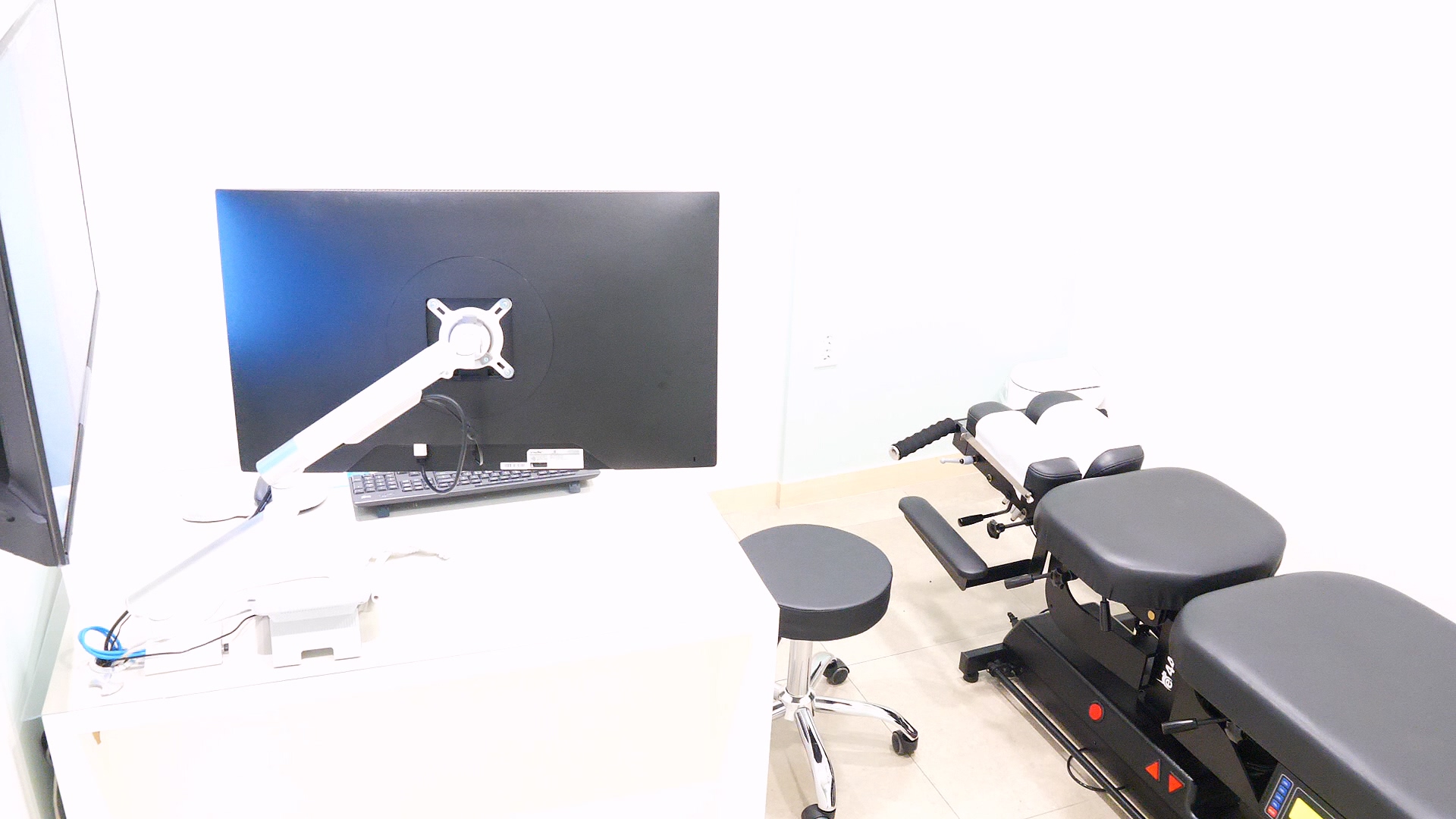
This article explores the clinical necessity of addressing structural misalignments to restore internal equilibrium, providing a comprehensive guide for those seeking lasting relief through integrative methods.
Hello, I am Song Jeong-hyeon, a practitioner specializing in Acupotomy and structural restoration. Many patients visit our clinic after years of frustration with symptoms that seem invisible to conventional imaging. By focusing on the relationship between the spine and the nervous system, we aim to uncover the root causes of autonomic imbalances. In the following sections, I will provide an autonomic dysfunction treatment review based on clinical observations and the specific methodologies employed at Bonecure.
Understanding Autonomic Dysfunction and Its Impact on Daily Life
Autonomic dysfunction, or dysautonomia, is a condition where the autonomic nervous system (ANS) fails to properly regulate involuntary functions such as heart rate, blood pressure, and digestion. It occurs when the delicate communication between the brain and the body’s organs is interrupted, often by chronic stress or physical blockages.
Defining the Sympathetic and Parasympathetic Balance
The sympathetic and parasympathetic nervous systems act as a biological seesaw, maintaining homeostasis through constant adjustment. The sympathetic branch prepares the body for 'fight or flight' by increasing heart rates, while the parasympathetic branch facilitates 'rest and digest' functions. In my clinical experience at Bonecure, I have observed that chronic imbalances often manifest when the sympathetic system remains overactive for extended periods. This persistent state of high alert can lead to physiological exhaustion. In my clinical practice, I utilize objective indicators such as anxiety scales to monitor progress and ensure the treatment is effectively restoring balance. However, it is important to recognize that results are highly individual, and the degree of improvement depends on the duration and severity of the dysfunction. While some experience immediate shifts in their internal state, others with chronic histories, such as an 18-year case of nerve-related symptoms I recently managed, require sustained care to achieve stability.
Common Symptoms: From Chronic Fatigue to Digestive Issues
Symptoms of autonomic dysfunction are often diverse and systemic, ranging from persistent chronic fatigue and insomnia to complex digestive issues like irritable bowel syndrome. Patients frequently report 'brain fog,' dizziness upon standing, and unexplained palpitations that do not show up on standard cardiac tests. Within Bonecure, we categorize these symptoms not just as isolated incidents but as signals of a strained nervous system. In my clinical notes, a significant portion of patients with chronic neck tension also report concurrent symptoms of autonomic imbalance. These symptoms often include cold extremities or sudden temperature fluctuations. When the nervous system is overwhelmed, the body prioritizes survival over maintenance, leading to the gradual decline of digestive and immune health. Understanding that these physical signs are interconnected is the first step toward recovery. At Bonecure, we do not adhere to a fixed number of sessions; instead, we focus on immediate structural improvement, ensuring that patients can feel the difference in their symptoms from the very first treatment.
Why Standard Medical Tests Often Miss Autonomic Imbalances
Standard medical evaluations, including routine blood work and standard MRIs, are designed to detect structural damage or acute disease rather than functional imbalances. Because autonomic dysfunction is a failure of communication rather than a visible lesion, patients are often told their results are 'normal' despite feeling profoundly unwell. At Bonecure, we believe this diagnostic gap occurs because traditional tests rarely look at the dynamic relationship between spinal alignment and nerve flow. In clinical practice, we have seen that even a minor deviation in the cervical spine can impact the vagus nerve, which carries 80% of parasympathetic information. By utilizing objective diagnostic data through specialized imaging partners, we identify the 'why' behind the 'what.' By analyzing specific spinal angles, we can pinpoint areas of nerve compression that explain why a patient feels symptomatic. While these insights provide a roadmap for care, it is crucial to understand that diagnostic findings are specific to each individual's unique anatomy.
The Bonecure Approach: Structural Alignment and Nervous System Health
Structural alignment at Bonecure involves the precise correction of the skeletal framework to ensure that the nervous system can function without mechanical interference. We view the spine as a protective conduit for the spinal cord, where any misalignment can lead to detrimental pressure on autonomic pathways.
Spinal Curvature and Nerve Compression: A Critical Connection
The curvature of the spine, particularly in the cervical and thoracic regions, serves as the primary architecture for nerve health. When the natural 'C-curve' of the neck is lost—a condition often referred to as 'straight neck'—it creates tension that stretches the spinal cord and irritates the autonomic ganglia. At Bonecure, we focus on restoring these natural curves to alleviate mechanical stress. In my case reports, I have documented instances where correcting a mid-back misalignment assisted in improving digestive transit times by reducing pressure on the celiac plexus. By focusing on the restoration of spinal alignment, we aim to alleviate the mechanical stress that contributes to chronic headaches and other systemic symptoms. However, structural recovery is a gradual process. The body has spent years adapting to a poor posture, and it requires time to retrain the supporting ligaments and muscles. Patients should be aware that initial adjustments might cause temporary soreness as the body realigns itself to a more natural, balanced state.
How Spinal Alignment Influences Autonomic Stability
Spinal alignment directly dictates the quality of signals sent from the brain to the peripheral organs via the autonomic nervous system. A misaligned vertebra can act like a kink in a garden hose, slowing down or distorting the 'rest and digest' signals necessary for health. Within Bonecure, we emphasize that a stable spine leads to a stable mind. When the physical pressure on the nerves is removed, the brain stops receiving constant 'danger' signals, allowing the sympathetic system to downregulate. In my clinical observations, patients who underwent structural correction showed measurable stabilization in their resting heart rates. This stabilization is often the missing piece for those struggling with anxiety or heart palpitations. It is important to emphasize that while structural stability supports autonomic health, it is not a standalone cure. Results vary, and maintaining these improvements often requires lifestyle changes and consistent follow-up care to prevent the recurrence of old postural habits.
Whole Spine X-ray Analysis for Objective Diagnostics
To move beyond subjective symptom reporting, Bonecure utilizes whole-spine X-ray analysis provided by our diagnostic partners to establish a visual and mathematical foundation for every treatment plan. Unlike partial X-rays, a whole-spine view allows us to see how a tilt in the pelvis might be causing a compensatory shift in the neck, affecting the autonomic nerves. We measure specific vectors and angles to determine the precise level of structural compromise. In my practice, I have found that patients who see their own structural deviations through these objective images gain a deeper understanding of their recovery needs. These images provide a baseline from which we can measure progress objectively. For instance, comparing X-rays before and after a treatment course can reveal tangible shifts in the skeletal framework. However, X-ray findings must always be correlated with a physical examination. We do not treat the X-ray; we treat the person, ensuring that the structural changes we aim for actually translate into symptom relief and improved quality of life.
Integrative Korean Traditional Medicine for Autonomic Recovery
Integrative Korean Traditional Medicine combines time-tested therapies with modern anatomical knowledge to treat autonomic dysfunction as a whole-body issue. This approach focuses on removing physical obstructions (adhesions) and revitalizing the body's natural circulation and healing capacity.
Acupotomy (Dochim): Releasing Adhesions to Restore Nerve Flow
Acupotomy, also known as Dochim, is a specialized technique using a blade-shaped needle to release chronic adhesions in the soft tissues surrounding the spine. These adhesions, often formed from long-term inflammation or poor posture, can physically trap nerves and restrict the flow of autonomic signals. At Bonecure, we use this precise tool to perform targeted release without the need for large incisions. By releasing these tight spots, we aim to reduce the mechanical tension on the nervous system immediately. In my clinical reports, sessions of Acupotomy have helped patients with severe neck stiffness feel a significant improvement in their head and vision clarity. However, because this is an invasive needle procedure, it does carry risks such as localized pain, temporary bruising, or, in rare cases, infection at the site. It is not a 'painless' procedure, and some patients may feel discomfort during the release. Despite these risks, the benefit of restored nerve flow often justifies the temporary discomfort of the procedure.
Moxibustion Therapy and Its Role in Systemic Circulation
Moxibustion therapy involves the application of thermal energy to specific acupuncture points to stimulate blood flow and activate the parasympathetic nervous system. This heat therapy is particularly effective for patients with autonomic dysfunction who suffer from cold hands and feet or sluggish digestion. Within Bonecure, we integrate moxibustion to soften rigid tissues before structural adjustments, making the correction more effective. The controlled heat helps to dilate blood vessels, increasing oxygen delivery to stressed nerves. Clinical observations suggest that regular thermal stimulation can support functional improvement in gastric motility for those with digestive sensitivities. However, the effectiveness of moxibustion is cumulative. A single session may provide temporary warmth, but chronic autonomic issues typically require a series of treatments to reset the body's internal thermostat. Patients must also be monitored to ensure the heat level is appropriate for their skin sensitivity, as individual tolerance for thermal therapy varies greatly.
Personalized Oriental Medicine for Chronic Pain Management
Personalized herbal prescriptions in Korean Traditional Medicine are designed to support the structural and procedural treatments by addressing internal inflammation and nutritional deficiencies. For patients at Bonecure, these formulas are tailored to their specific 'constitutional' type, ensuring that the herbs calm an overactive sympathetic system or nourish a weakened parasympathetic one. Chronic pain is a major stressor that fuels autonomic dysfunction; therefore, managing pain is essential for nervous system recovery. I often prescribe formulas that focus on reducing inflammation and improving circulation. Personalized herbal prescriptions are tailored to each patient's constitution to help reduce systemic inflammation and support the progress of structural therapy. It is important to note that herbal medicine is not a 'magic pill.' Its effectiveness depends on consistent dosing and its synergy with physical therapies. Furthermore, patients with pre-existing liver or kidney conditions must consult with their doctor to ensure that any herbal supplements are safe and appropriate for their medical history.
Comparative Analysis: Traditional Korean Medicine vs. Conventional Care
Traditional Korean Medicine focuses on the root cause and holistic balance, whereas conventional care often targets specific symptoms through pharmaceutical intervention. Understanding these differences helps patients make informed decisions about their long-term health and autonomic stability.
At Bonecure, our treatment process is divided into distinct phases. First, we conduct a thorough structural analysis using external whole-spine X-ray referrals to identify nerve compression points. Second, we apply Acupotomy to release physical adhesions efficiently. Finally, we use personalized herbal medicine and spinal adjustments to stabilize the nervous system. This comprehensive approach focuses on restoring the body's natural regulatory flow rather than just addressing isolated symptoms.
Symptom Suppression Versus Root Cause Correction
Conventional medicine often treats autonomic dysfunction with medications like beta-blockers or antidepressants to manage heart rate and mood. While these can be helpful in acute stages, they frequently address the symptoms without resolving the underlying structural or functional triggers. At Bonecure, we advocate for a transition from suppression to correction. By identifying that a patient’s palpitations may be linked to a thoracic misalignment rather than a heart defect, we can offer a path toward more permanent stability. At Bonecure, we place a high priority on structural improvement to support the stable recovery of the nervous system. Corrective care aims to restore the body’s innate ability to regulate itself. It is crucial to remember that this process takes time; a chronic condition that developed over years cannot be corrected instantly. Patients should manage their expectations and understand that structural recovery is a journey of reclaiming their body’s natural regulatory functions through persistence.
The Synergy of Acupuncture and Structural Correction
The combination of acupuncture and structural correction creates a synergistic effect that assists in the recovery of the autonomic nervous system. Acupuncture points are often located near major nerve bundles; stimulating these points sends immediate signals to the brain to modulate the 'fight or flight' response. When this is followed by a structural adjustment at Bonecure, the body is better prepared to hold the new, healthy alignment. This dual approach addresses both the 'software' (nerve signals) and the 'hardware' (spinal structure) of the body. In my clinical observations, this combined method resulted in a significant acceleration in the reduction of chronic neck pain and autonomic distress. However, this high-intensity approach may not be suitable for everyone. Patients with extreme frailty or certain bone conditions may need a gentler, more gradual introduction to these therapies. We always perform a thorough assessment to ensure the treatment plan is safe, balanced, and tailored to the patient’s current physical capacity.
Clinical Notes: Real-World Recovery and Safety Considerations
Real-world clinical results show that while autonomic recovery is possible, it requires a balanced understanding of both the potential for improvement and the inherent limitations of medical intervention. Safety is our priority, and every treatment plan includes a discussion of individual risks.
Observed Improvements in Nerve Sensitivity and Anxiety Scales
In my clinical practice, I have seen remarkable shifts in nerve sensitivity and psychological well-being as the structure of the spine improves. As the 'fight or flight' signals diminish, patients frequently report lower scores on standardized anxiety and depression scales. In cases of chronic dizziness, we often observe gradual improvement in vestibular stability through a sustained course of structural restoration. We utilize objective tools like the Beck Anxiety Inventory to track these changes and adjust the treatment plan accordingly. I have observed measurable reductions in anxiety scores among patients who complete their full course of structural therapy. It is fascinating to see how physical alignment can influence mental clarity and emotional resilience. However, these improvements are not guaranteed for every individual. Some patients may have underlying psychological or biological factors that require concurrent care from other specialists. We always encourage a multi-disciplinary perspective when a patient’s recovery plateau suggests that other factors are at play.
Essential Risk Disclosures: Understanding Side Effects and Limitations
While the therapies at Bonecure are designed to be safe and effective, it is essential to disclose that every medical procedure has potential side effects. Acupotomy involves the use of specialized needles, which can lead to localized swelling, tenderness, or temporary bruising. In rare cases, patients may experience a 'healing crisis'—a temporary intensification of symptoms as the body adjusts to its new alignment. Furthermore, structural recovery has its limits; it cannot 'cure' genetic conditions or reverse severe degenerative damage in a few sessions. We also must state that results vary significantly based on age, lifestyle, and the severity of the initial condition. It is our responsibility to provide a realistic outlook rather than an absolute guarantee. Patients are encouraged to ask questions and report any unusual discomfort immediately to ensure their safety and comfort throughout the entire recovery process.
Planning Your Treatment Path at a Cheongdam Medical Clinic
For those seeking an autonomic dysfunction treatment review in a clinical setting, planning your path involves a concise, high-impact diagnostic phase followed by a structured recovery schedule. Located in Cheongdam, Bonecure offers a sophisticated environment where precise diagnostics through specialized imaging partners meet traditional wisdom. A typical treatment path begins with an efficient diagnostic session, followed by a personalized recovery schedule tailored to the severity of the dysfunction. We emphasize that recovery is a partnership between the practitioner and the patient. You will be given specific exercises to maintain your spinal alignment at home, as the work done in the clinic must be supported by daily habits. While many people search for a quick fix, the most successful patients are those who commit to a comprehensive lifestyle overhaul. By choosing a specialized clinic, you are investing in a methodology that values root-cause correction over temporary relief. I invite you to begin this journey with us, keeping in mind that the road to autonomic health is one of steady, structural progress.
For more information, you might find these guides helpful: A 2026 Clinical Guide to Autonomic Dysfunction and Structural Recovery in Korean Medicine and Identifying Autonomic Dysfunction Causes: A 2026 Structural Perspective at BonCure.
Frequently Asked Questions
Q. What exactly is autonomic dysfunction?
It is a condition where the autonomic nervous system, which controls involuntary functions like heart rate and digestion, fails to maintain balance between its sympathetic and parasympathetic branches. This imbalance often leads to systemic symptoms like fatigue, dizziness, and digestive issues that do not show up on standard tests.
Q. How does acupuncture relate to the nervous system?
Back pain and nerve issues are often linked to spinal misalignment that irritates nerves. Acupuncture helps release muscle tension and improve circulation, which can stabilize the underlying nervous system signals, reducing the 'fight or flight' tension in the body.
Q. What should I expect from a review of autonomic dysfunction treatments?
A comprehensive review focuses on how integrative methods, such as those used in Korean traditional medicine, address structural causes rather than just masking symptoms. It looks at the synergy between physical alignment and nerve function for long-term stability.
Q. Are there any side effects to the treatments at Bonecure?
While generally safe, some patients may experience temporary soreness at the site of Acupotomy or minor bruising. In rare cases, a temporary increase in symptoms may occur as the body adjusts. We always discuss your medical history to minimize any specific risks.
Q. How long does it typically take to see results for nerve-related issues?
At Bonecure, we focus on providing perceptible structural changes from the very first treatment rather than requiring a fixed number of sessions. Results vary significantly between individuals, but our goal is for patients to feel immediate improvement in their symptoms during each visit.
Q. Can structural correction improve my mental well-being?
Yes, correcting spinal issues can reduce the constant 'fight or flight' signals sent to the brain. In clinical observations, this often correlates with improved mental clarity and lower stress levels as the nervous system enters a more relaxed state.
Q. Why should I choose a specialized clinic in Cheongdam for this condition?
Specialized clinics like Bonecure utilize precise diagnostic data through specialized imaging partners and expert Acupotomy techniques, ensuring a more efficient and evidence-based treatment plan focused on root causes rather than 공장식 (assembly-line) care.
Key Takeaways
- Autonomic dysfunction stems from a communication failure between the brain and body, often caused by structural nerve compression.
- Bonecure focuses on whole-spine alignment to restore the balance between sympathetic and parasympathetic branches through efficient, high-impact sessions.
- Acupotomy and moxibustion provide a physical release and thermal stimulation to revitalize nerve pathways.
- Objective diagnostics, including whole-spine X-ray analysis, are essential for identifying the precise root causes of systemic symptoms.
- Recovery is an active process focusing on immediate perceptible improvement and long-term structural integrity.
If you are struggling with unexplained fatigue or systemic imbalances, a structural evaluation may be the first step toward lasting health.
Bonecure / Song Jeong-hyeon
FAQ
- What exactly is autonomic dysfunction?
- It is a condition where the autonomic nervous system, which controls involuntary functions like heart rate and digestion, fails to maintain balance between its sympathetic and parasympathetic branches. This imbalance often leads to systemic symptoms like fatigue, dizziness, and digestive issues that do not show up on standard tests.
- How does acupuncture for back pain relate to the nervous system?
- Back pain is often linked to spinal misalignment that irritates nerves. Acupuncture helps release muscle tension and improve circulation, which can stabilize the underlying nervous system signals, reducing the 'fight or flight' tension in the body.
- What should I expect from a review of autonomic dysfunction treatments?
- A comprehensive review focuses on how integrative methods, such as those used in Korean traditional medicine, address structural causes rather than just masking symptoms. It looks at the synergy between physical alignment and nerve function for long-term stability.
- Are there any side effects to the treatments at Bonecure?
- While generally safe, some patients may experience temporary soreness at the site of Acupotomy or minor bruising. In rare cases, a temporary increase in symptoms may occur as the body adjusts. We always discuss your medical history to minimize any specific risks.
- How long does it typically take to see results for nerve-related issues?
- Results vary significantly between individuals. While some feel immediate relief after structural release, chronic conditions often require multiple sessions over several weeks—typically 10 to 20—for lasting stability and systemic improvement.
- Can structural correction improve my mental well-being?
- Yes, correcting spinal issues can reduce the constant 'fight or flight' signals sent to the brain. In clinical observations, this often correlates with lower scores on anxiety and depression scales as the nervous system enters a more relaxed state.
- Why should I choose a specialized clinic in Cheongdam for this condition?
- Specialized clinics like Bonecure utilize advanced diagnostic tools like whole-spine X-rays and specialized Acupotomy techniques that are not always available in general wellness centers, ensuring a more precise and evidence-based treatment plan.