
Post
Acupuncture for Neck and Shoulder Pain: A 2026 Clinical Guide to Structural Recovery
Acupuncture for neck and shoulder pain is a clinical approach involving the insertion of specialized needles into specific points to modulate nervous system responses and release muscle tension.
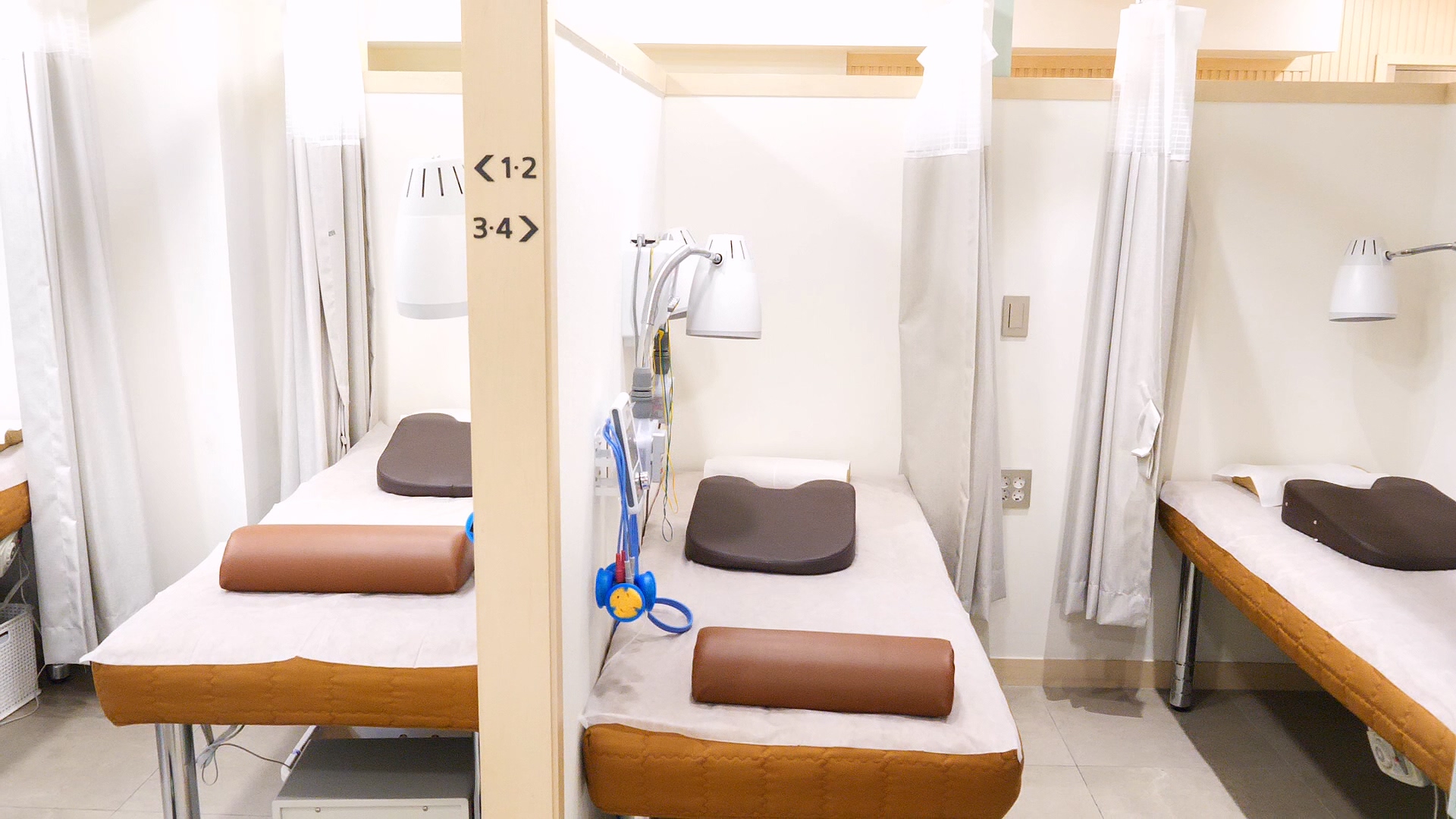
For many individuals in 2026, chronic stiffness in the upper body results from modern sedentary habits that disrupt spinal alignment and soft tissue health. Hello, I am Dr. Song Jung-hyun, a practitioner dedicated to structural restoration at Bonecure. In this guide, I will share clinical insights on how we approach these common yet debilitating conditions through the lens of traditional Korean medicine and modern structural science.
Understanding Acupuncture for Neck and Shoulder Pain: A Structural Approach
Acupuncture for neck and shoulder pain is defined as a therapeutic method that utilizes the body’s meridian system and anatomical structures to resolve stagnation and restore physiological balance. Unlike superficial treatments that only address symptoms, this approach focuses on the underlying structural imbalances that cause recurring pain in the cervical and thoracic regions.
The Science of Acupuncture in Oriental Medicine for Chronic Pain
Acupuncture for neck and shoulder pain functions by stimulating the peripheral nervous system and helping to decompress nerve pathways. In the context of chronic pain, long-standing tension often leads to a state where the body remains in a cycle of discomfort. Traditional Korean medicine views this as a stagnation of energy and blood flow. By targeting specific acupoints, we can effectively work to reset these signals and improve local microcirculation. In clinical practice, patients suffering from long-standing, chronic stiffness have noted significant improvements after consistent stimulation of these pathways. The biological response involves the release of tension in the musculoskeletal system, which helps the body transition from a state of chronic irritation to one of active recovery. This foundation allows us to address discomfort while supporting the natural structural integrity inherent within the human body.
How Acupotomy Targets Tissue Adhesion and Structural Imbalance
Acupotomy is a specialized form of acupuncture that uses a micro-blade tip to physically release adhesions in the fascia and tendons. When chronic inflammation persists, the body often creates fibrotic tissue or adhesions as a form of internal scarring, which restricts movement and causes persistent pain. This technique is particularly effective for those who find that regular needles do not provide lasting relief. By using a specialized precision blade, we can perform a minimally invasive procedure to decompress nerves and release thickened tissues. This structural release is essential for restoring the natural glide between muscle layers. Chimdo (Acuknife) Therapy Benefits: A 2026 Guide to Structural Recovery at Bonecure provides further detail on how this specific intervention helps patients who have failed to see results from conventional physical therapy. It is a cornerstone of our structural restoration philosophy, allowing for deeper tissue correction by physically breaking through physical barriers in the soft tissue.
Clinical Notes: Bonecure’s Philosophy on Structural Restoration
At Bonecure, the philosophy centers on the idea that when the skeletal structure is in harmony, the rest of the body can function without strain. We believe that neck and shoulder pain are rarely isolated issues but are often symptomatic of a broader misalignment in the spine. Our clinical approach begins with a comprehensive assessment of the whole spine, recognizing that general structural imbalances can manifest as tension in the cervical region. By focusing on structural restoration, we aim to provide more than temporary relief. We look for the root cause of the tension, whether it be a loss of the natural cervical curve or a compensatory habit from an old injury. Our goal is to ensure that each patient understands the mechanics of their body. We use objective metrics to track progress, ensuring that our treatments lead to measurable changes in posture and function, thereby facilitating a return to a more balanced life.
Comprehensive Treatment Options at Bonecure for Lasting Relief
Comprehensive treatment options at Bonecure refer to an integrated protocol that combines various modalities such as Acupotomy, Chuna manual therapy, and moxibustion to achieve optimal recovery. By addressing the body from multiple angles, we can ensure that both the soft tissues and the hard skeletal structures are treated for improved efficacy.
Acupotomy vs. Traditional Needle Acupuncture: Comparing Efficacy
Traditional needle acupuncture is excellent for regulating the nervous system and reducing general muscle tension through subtle stimulation. However, for chronic conditions involving severe tissue adhesion, traditional needles may not be sufficient to break the physical bonds of fibrotic tissue. Acupotomy offers a more direct structural intervention by using a specialized tip that acts to physically separate adhered tissues, which can lead to immediate changes in mobility and comfort. Patients with chronic pain often find that Acupotomy addresses the underlying physical barrier that traditional methods could not reach. While both have their place in a treatment plan, the choice depends on the chronicity and severity of the patient's condition. Traditional acupuncture is often used for maintenance, while Acupotomy is reserved for more stubborn, structural issues that require physical release to allow for proper healing.
The Role of Moxibustion Therapy and Cupping in Korean Clinics
Moxibustion therapy and cupping are vital supportive treatments that enhance the effects of acupuncture for neck and shoulder pain. Moxibustion involves the application of thermal energy to specific points, which helps to warm the meridians and dispel stagnation. This is particularly beneficial for patients whose pain worsens in cold weather or those with poor circulation. Cupping, on the other hand, uses suction to create negative pressure on the skin, which encourages the flow of blood to the muscles. This process helps to clear metabolic waste products that accumulate in tight shoulder muscles. Together, these therapies create a synergistic effect, preparing the soft tissues for deeper structural work and ensuring that the body’s internal environment is optimized for recovery.
Integrating Chuna Manual Therapy for Spine Realignment
Chuna manual therapy is a specialized Korean manipulative technique that focuses on correcting the alignment of the spine and joints. While acupuncture addresses the soft tissues, Chuna focuses on the bones and their relationship to one another. By applying controlled force to specific vertebrae, we can help restore the natural curvature of the neck and reduce mechanical stress. This integration is crucial because soft tissue tension and skeletal misalignment are often two sides of the same coin. A 2026 Clinical Guide to Chuna Manual Therapy in Seoul: Science of Structural Recovery explains how this technique supports long-term health. At Bonecure, we often use Chuna alongside acupuncture to ensure that once the muscles are relaxed, the bones are also guided back into their proper positions. This dual approach helps to prevent the recurrence of pain by addressing the structural foundation.
Therapeutic Benefits and Clinical Observations in Modern Korean Medicine
Therapeutic benefits and clinical observations include the objective and subjective improvements in a patient’s health, ranging from reduced pain scores to visible changes in spinal curvature. In modern practice, we utilize diagnostic tools to confirm that the changes reported by the patient are supported by structural evidence.
Managing Referred Pain: Acupuncture for Back Pain and Cervicogenic Headaches
Neck and shoulder tension often manifest as referred pain, which can lead to cervicogenic headaches or discomfort that radiates down the back. Acupuncture for neck and shoulder pain is effective at decompressing the suboccipital muscles, which are frequently the source of tension-type headaches. By releasing these specific trigger points, we can work to reduce the frequency and intensity of headaches. Furthermore, because the body is a continuous kinetic chain, treating the neck often provides relief for upper back pain as well. In my clinical experience, I have observed cases where patients suffering from severe dizziness and headaches related to cervical misalignment reported significant reductions in their distress levels. It is important to note that these results are specific to those individual cases and do not guarantee the same outcome for every patient, as individual responses to treatment vary. This highlights the importance of treating the upper spine as a central hub for nervous system health.
Evaluating Results: Objective Metrics and Whole Spine X-ray Changes
To ensure the highest standard of care, we rely on objective metrics such as Whole Spine X-ray analysis to track a patient’s progress. Seeing a physical change in the alignment of the vertebrae provides evidence of structural restoration. By comparing X-rays taken before and after treatment, we aim to support the restoration of the natural 'C' curve in the neck. These objective findings are used to monitor structural alignment goals, though the degree of visible change on an X-ray depends entirely on the individual's initial condition and physiological response. This evidence-based approach at Bonecure ensures that we are not just masking pain but actually changing the physical environment of the spine. Having clear data helps in refining the treatment plan and provides the patient with the confidence that their therapy is yielding tangible results for their long-term health.
Recovery Expectations and Individual Variations in Chronic Cases
Recovery from chronic neck and shoulder pain is rarely a linear process, and individual variations play a significant role in the timeline of healing. Unlike clinics that demand long-term commitments without results, my philosophy focuses on immediate changes that the patient can feel during or after the session. While some patients experience significant relief after a single session of Acupotomy, those with long-standing structural issues may require a personalized course of care to stabilize the results. We set realistic expectations from the first consultation, emphasizing that while immediate pain reduction is a primary goal, maintaining structural change is an ongoing process. Patients are encouraged to maintain healthy ergonomic habits to support their clinical progress. This patient-centered perspective ensures that every individual receives a customized plan tailored to their specific recovery needs without unnecessary sessions.
Comparing Acupuncture Modalities for Neck and Shoulder Conditions
Comparing acupuncture modalities involves evaluating the specific strengths and mechanisms of different treatments to determine which is most appropriate for a patient’s unique clinical presentation. This process ensures that the chosen intervention aligns with the patient's structural needs and health goals.
Traditional Korean Medicine Treatment vs. Conventional Physical Therapy
Traditional Korean medicine often differs from conventional physical therapy in its focus on the meridian system and the use of specialized tools like the Acupotomy blade. While physical therapy focuses heavily on exercise and stretching, Korean medicine emphasizes the release of deep-seated adhesions. Both approaches have merit, but acupuncture for neck and shoulder pain can often reach deeper tissues that are difficult to target with manual massage alone. At Bonecure, we find that these approaches can be complementary. For patients who have found that their progress with standard physical therapy has reached a plateau, the structural release provided by Acupotomy may serve as a beneficial option to address deep-seated tissue tension. By addressing physical barriers, we create a more receptive environment for later strengthening.
Addressing the Root Cause: Why Structural Correction Matters
The fundamental goal of our treatment is to address the root cause of pain rather than just the symptoms. Structural correction matters because if the skeletal alignment remains flawed, any relief from pain will likely be temporary. A misaligned spine puts uneven pressure on the muscles, leading to chronic tension and the eventual formation of adhesions. By focusing on the structural integrity of the cervical and thoracic spine, we aim to eliminate the mechanical stress that causes these symptoms. This approach requires a thorough understanding of human biomechanics and a commitment to precision. Once the structure is improved, many secondary symptoms naturally resolve. This long-term perspective is what sets structural restoration apart from simple pain management.
| Method | Primary Focus | Instrument Used | Benefit Profile |
|---|---|---|---|
| Acupotomy | Releasing deep tissue adhesions | Specialized micro-blade needle | Improved mobility and structural release |
| Traditional Acupuncture | Nervous system regulation | Sterile fine needle | General pain relief and improved qi flow |
| Chuna Therapy | Skeletal alignment | Practitioner's hands | Restored posture and spinal balance |
| Moxibustion | Thermal stimulation | Artemisia (Moxa) heat | Enhanced blood flow and metabolic support |
Patient Safety and Professional Consultation at Bonecure
Patient safety and professional consultation are the pillars of responsible medical practice. It is essential that patients understand both the benefits and the potential risks associated with any medical procedure before beginning their journey to recovery.
Understanding Potential Side Effects and Material Risks
While acupuncture and Acupotomy are generally safe when performed by a licensed professional, it is important to be aware of potential side effects. Most patients may experience temporary soreness at the site, minor bruising, or light bleeding, which typically resolves within a few days. These are normal reactions as the body begins the healing process. In rare cases, risks like infection can occur if post-treatment hygiene is not maintained; we follow strict sterilization protocols to minimize these risks. It is also important to note that because Acupotomy involves the release of deep tissues, some temporary soreness is expected as the body clears the released adhesions. We provide every patient with detailed aftercare instructions to ensure a smooth recovery. Individual results may vary, and effectiveness is dependent on the patient's specific condition.
The Importance of Visiting a Licensed Korean Medicine Doctor in Cheongdam
Seeking care from a licensed Korean medicine doctor is vital for ensuring that you receive safe treatment. In a specialized clinic like Bonecure, located in Cheongdam, we possess the advanced training required to perform complex procedures like Acupotomy with precision. A qualified doctor understands the delicate anatomy of the neck and shoulder region, which is crowded with vital nerves and blood vessels. This expertise allows us to target the correct structures while avoiding sensitive areas. Furthermore, a licensed professional can provide a proper diagnosis based on both traditional principles and modern medical imaging. Choosing a specialist in structural restoration ensures that your treatment is conducted with the utmost regard for your long-term health and safety.
Preparing for Your First Visit: What to Expect During Consultation
Preparing for your first visit to Bonecure involves gathering your medical history and any previous imaging results like X-rays or MRIs. During the initial consultation, we will conduct a thorough physical examination and discuss your symptoms. We utilize Whole Spine X-ray analysis to get a clear picture of your spinal health and to identify structural misalignments. This first meeting is also an opportunity for you to ask questions. We will explain the proposed treatment plan, including the frequency of sessions tailored to your needs. It is important to wear comfortable clothing to allow for assessment. Our goal is to make you feel heard and understood from the very first moment. By the end of the consultation, you will have a clear roadmap for your recovery.
Key Takeaways
- Acupuncture for neck and shoulder pain at Bonecure focuses on releasing soft tissue adhesions and restoring proper spinal alignment for long-term relief.
- Acupotomy is a specialized technique using a micro-blade to physically break down chronic fibrotic tissue that traditional needles cannot reach.
- Objective metrics, including Whole Spine X-ray analysis, are used to track structural changes and ensure evidence-based progress throughout the treatment course.
- Integrating Chuna manual therapy and moxibustion provides a holistic approach that addresses both skeletal structure and internal circulation.
- Dr. Song focuses on immediate symptomatic improvement, with the number of sessions customized to each individual's structural needs rather than a fixed treatment package.
Frequently Asked Questions
Q. How does acupuncture help with neck and shoulder pain?
Acupuncture stimulates specific points to release muscle tension, improve blood circulation, and modulate pain signals. At Bonecure, we specifically use Acupotomy to break down adhesions in soft tissues, which can provide relief for chronic stiffness in the neck and shoulders. This process helps the body promote a healthier internal environment for healing.
Q. Is Acupotomy different from regular acupuncture?
Yes, Acupotomy uses a specialized micro-blade tip to physically release thickened or adhered tissues that regular needles cannot reach. This method is particularly effective for chronic pain that has not responded to conventional treatments. While regular acupuncture focuses on qi flow and light stimulation, Acupotomy is a structural intervention aimed at physical tissue release.
Q. How many sessions are typically required for chronic pain?
We do not believe in forcing a specific number of sessions. Our goal is to ensure you feel an immediate improvement in symptoms from the very first treatment. While chronic structural issues may require a series of treatments to stabilize, the exact frequency is determined after a personalized assessment of your spinal health and lifestyle factors.
Q. Are there any side effects to acupuncture or Acupotomy?
Common side effects can include temporary soreness at the site, minor bruising, or light bleeding. These symptoms are generally mild and resolve within a few days as the body heals. While rare, infection is a possibility if post-treatment care is ignored, so following the doctor's hygiene instructions is essential.
Q. Does Bonecure provide X-ray analysis for neck and shoulder pain?
Bonecure utilizes Whole Spine X-ray analysis to objectively assess spinal curvature and alignment. This allows us to track structural changes before and after treatment, ensuring our approach is based on scientific evidence. Having visual confirmation of spinal alignment helps us refine our treatment protocols for each individual.
Q. Can acupuncture for neck pain also help with headaches?
Many neck and shoulder issues cause cervicogenic headaches due to nerve compression and muscle tension. By treating the cervical spine and releasing tension in the upper trapezius and suboccipital muscles, acupuncture can effectively work to reduce the frequency and intensity of associated headaches. This approach addresses both the source of the pain and its referred symptoms.
Q. What is the cost of acupuncture treatment at Bonecure?
Treatment costs vary depending on the specific procedures performed, such as Acupotomy, Chuna, or moxibustion. We provide a customized treatment plan after an initial consultation to address each patient's unique needs. For detailed pricing information and to discuss a plan that works for you, please contact our clinic directly for a consultation.
Visit Bonecure to start your journey toward structural recovery.
Bonecure / Dr. Song Jung-hyun
FAQ
- How does acupuncture help with neck and shoulder pain?
- Acupuncture stimulates specific points to release muscle tension, improve blood circulation, and modulate pain signals. At Bonecure, we specifically use Acupotomy to break down adhesions in soft tissues, which can provide relief for chronic stiffness in the neck and shoulders. This process helps the body reset its pain receptors and promotes a healthier internal environment for healing.
- Is Acupotomy different from regular acupuncture?
- Yes, Acupotomy uses a specialized micro-blade tip to physically release thickened or adhered tissues that regular needles cannot reach. This method is particularly effective for chronic pain that has not responded to conventional treatments. While regular acupuncture focuses on qi flow and light stimulation, Acupotomy is a structural intervention aimed at physical tissue release.
- How many sessions are typically required for chronic pain?
- While some patients experience immediate improvements, chronic or severe cases usually require multiple sessions to achieve stable structural alignment. Many chronic conditions may require approximately 20 sessions to ensure the underlying structural changes are maintained. The exact number depends on the individual's spinal condition and lifestyle factors.
- Are there any side effects to acupuncture or Acupotomy?
- Common side effects can include temporary soreness at the site, minor bruising, or light bleeding. These symptoms are generally mild and resolve within a few days as the body heals. While rare, infection is a possibility if post-treatment care is ignored, so following the doctor's hygiene instructions is essential.
- Does Bonecure provide X-ray analysis for neck and shoulder pain?
- Bonecure utilizes Whole Spine X-ray analysis to objectively assess spinal curvature and alignment. This allows us to track structural changes before and after treatment, ensuring our approach is based on scientific evidence. Having visual confirmation of spinal alignment helps us refine our treatment protocols for each individual.
- Can acupuncture for neck pain also help with headaches?
- Many neck and shoulder issues cause cervicogenic headaches due to nerve compression and muscle tension. By treating the cervical spine and releasing tension in the upper trapezius and suboccipital muscles, acupuncture can effectively reduce the frequency and intensity of associated headaches. This comprehensive approach addresses both the source of the pain and its referred symptoms.
- What is the cost of acupuncture treatment at Bonecure?
- Treatment costs vary depending on the specific procedures performed, such as Acupotomy, Chuna, or moxibustion. We provide a customized treatment plan after an initial consultation to address each patient's unique needs. For detailed pricing information and to discuss a plan that works for you, please contact our clinic directly for a consultation.