
Post
Scientific Benefits of Acupoint Release for Long-term Frozen Shoulder Recovery in 2026
Hello. I am Song Jung-hyun, a Korean medicine doctor who has specialized in acupotomy and structural restoration for many years.
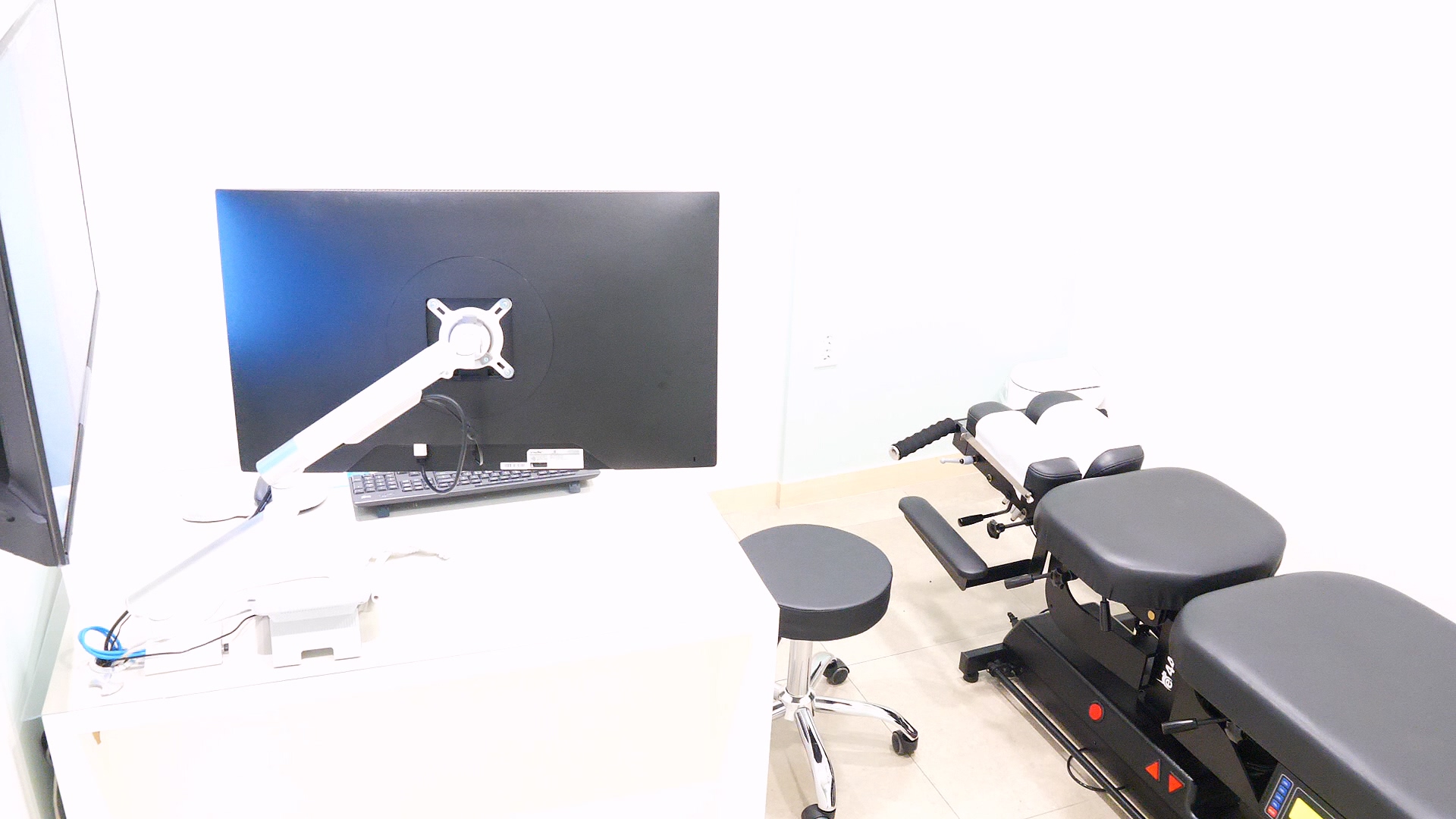
Acupoint release therapy for long-term frozen shoulder recovery involves using specialized acupuncture techniques to physically detach adhesions within the joint capsule. This clinical guide explains how restoring structural integrity through Bonecure provides a path toward functional mobility and lasting pain relief for those suffering from chronic adhesive capsulitis.
Understanding Acupoint Release and Its Role in Frozen Shoulder Recovery
Acupoint release is a specialized clinical procedure that utilizes a blade-shaped needle, known as an acupotomy, to treat restrictive musculoskeletal conditions by physically releasing soft tissue adhesions. This technique is specifically designed to address chronic conditions where standard therapies have reached a plateau by targeting the underlying fibrotic changes in the tissue.
Defining Acupoint Release Therapy
Acupoint release therapy is a sophisticated clinical procedure within Korean traditional medicine that addresses chronic myofascial pain and joint restrictions. At Bonecure, we utilize the acupotomy, which is a specialized acupuncture needle featuring a small, flat blade at the tip. This design allows for the physical dissection and release of microscopic adhesions and thickened scar tissue that form around the joint capsule during the freezing stage of adhesive capsulitis. By mechanically separating these tethered tissues, the procedure aims to immediately improve the joint’s range of motion and reduce internal pressure. Unlike standard acupuncture which focuses primarily on nerve stimulation and blood flow, acupoint release provides a structural intervention. It is particularly effective for long-term frozen shoulder recovery because it addresses the physical barriers to movement. Patients often seek this treatment when conservative stretching or medication has failed to provide relief. The goal is to restore the natural gliding mechanism of the shoulder tissues for sustained health.
The Biological Mechanics of Restoring Shoulder Mobility
The biological process of regaining mobility in a frozen shoulder requires more than just masking inflammation. When the shoulder capsule becomes fibrotic, the synovial fluid decreases, and the connective tissue thickens significantly. Acupoint release works by creating micro-stimuli that trigger the body’s natural healing response, promoting the regeneration of healthy collagen fibers. As the blade-shaped needle at Bonecure gently releases the fibrotic bands, it facilitates the drainage of inflammatory byproducts and restores local microcirculation. This increased blood flow is essential for delivering oxygen and nutrients to the previously ischemic joint tissues. Furthermore, the release of tension in the deep fascia helps reset the neural signaling between the muscle and the brain, reducing the protective guarding reflex that often limits motion. While the process involves a focused mechanical intervention, the secondary biological benefits ensure that the recovered mobility is maintained over the long term. This approach supports the body’s innate capacity for structural restoration and functional recovery.
Comparison of Traditional Physical Therapy vs. Acupoint Release Therapy
Comparing therapeutic modalities involves analyzing how different interventions address the inflammatory and fibrotic stages of adhesive capsulitis. While physical therapy focuses on gradual stretching and exercise, acupoint release provides a targeted mechanical intervention to the source of the restriction by addressing deep-seated adhesions.
Treatment Duration and Recovery Speed
The recovery trajectory for chronic frozen shoulder varies significantly depending on the clinical stage of the condition. At Bonecure, we prioritize immediate results; our clinical philosophy rejects the notion that patients must commit to a set number of sessions, such as 10 or 20, before feeling better. Instead, we aim for visible, immediate improvement in symptoms and range of motion from the very first treatment. In my clinical experience, patients with chronic mobility restrictions often observe a change in abduction and external rotation right in the treatment room. While a structured follow-up plan may be discussed to stabilize the structural gains and prevent the re-adhesion of tissues, the specific timeline depends entirely on the individual's condition and the severity of the adhesions. We believe in high-impact, efficient care where the patient can feel the difference immediately, rather than waiting for a long-term protocol to take effect.
Addressing Adhesions and Structural Integrity
Chronic shoulder pain is frequently a symptom of deep-seated adhesions that compromise the structural integrity of the entire upper body. When the shoulder joint is restricted, it forces the cervical spine and the thoracic region to overcompensate, leading to secondary issues like neck stiffness or tension headaches. The specialized approach at Bonecure involves not just treating the local shoulder pain but also realigning the structural framework of the spine. By releasing the Non-Surgical Treatment for Deep Fascia Adhesion in the Spine: A 2026 Clinical Guide that tether the scapula and the humerus, we allow the joint to return to its optimal anatomical position. This restoration of structural balance reduces the eccentric load on the surrounding muscles, preventing future injuries. Clinical experience suggests that addressing these structural foundations is key to preventing the recurrence of frozen shoulder symptoms. The objective is to move beyond temporary symptom management and achieve a state where the skeletal system functions in harmony, allowing for fluid and pain-free movement.
Understanding the Characteristics of Acupoint Release Therapy
Acupoint release therapy at Bonecure is characterized by its focus on mechanical adhesion release using the acupotomy. Unlike general conservative treatments that focus on superficial muscle relaxation, this method targets deep fibrotic adhesions and fascia to restore structural integrity. Our intervention is designed to be highly concentrated and efficient, focusing only on the necessary points to achieve immediate relief. While individual responses vary, the goal is to achieve full spinal and joint alignment through high-precision intervention. Patients should consult with a specialist to determine the most appropriate intensity for their specific case.
Clinical Benefits of Korean Traditional Medicine for Chronic Pain
Korean traditional medicine for chronic pain emphasizes a holistic structural approach, integrating meridian theory with anatomical precision to treat the root cause of dysfunction. This methodology treats the body as an interconnected system where the alignment of the spine dictates the health of the extremities.
Breaking the Cycle of Adhesive Capsulitis
Adhesive capsulitis is often characterized by a debilitating cycle of pain and progressive stiffness. As the pain increases, patients naturally move their arms less, which leads to further tissue shortening and the formation of more dense adhesions. At Bonecure, we break this cycle by providing a dual-action treatment that relieves pain while physically opening the joint space. By intervening in the stiffening phase, acupoint release prevents the total "freezing" of the joint. In my clinical experience, breaking this cycle through targeted release can significantly reduce the total recovery time. During the treatment process, we carefully monitor progress using objective measures such as the shoulder range of motion angles and postural evaluations. This evidence-based approach ensures that the therapy is adjusted to the specific needs of the individual, providing a clear pathway out of the cycle of chronic pain and functional limitation.
Scientific Evidence and Clinical Expertise from Bonecure
The efficacy of our structural restoration methods is built upon extensive clinical experience and documented case reports involving complex conditions. While every patient’s condition is unique, I have authored and published case reports on the successful treatment of chronic conditions such as spinal curvature abnormalities, autonomic dysfunction, and persistent tinnitus using the same acupotomy principles applied to frozen shoulder. This expertise allows us to approach shoulder adhesions with anatomical precision, targeting the specific points of entrapment that other treatments may miss. It is crucial to understand that results from case reports do not guarantee the same outcome for every patient, as individual responses to treatment vary. We remain committed to using objective diagnostic tools to provide our patients with transparent information regarding their journey toward structural health.
The Bonecure Approach to Long-term Shoulder Vitality
The structural recovery model at Bonecure focuses on the relationship between the spine, neck, and shoulder girdle to ensure long-term joint health and prevent the recurrence of chronic pain. By treating the shoulder as part of a larger mechanical chain, we address the imbalances that lead to wear and tear.
Restoring Structural Balance: When Your Bones Smile
The philosophy at Bonecure is built on the belief that "When your bones smile, life smiles." This means that true health is only possible when the skeletal structure is in perfect alignment and free from restrictive adhesions. In the context of frozen shoulder, this involves looking beyond the joint itself to the alignment of the pelvis, spine, and neck. A misaligned spine can create asymmetrical tension in the shoulder girdle, making it more susceptible to inflammatory conditions like capsulitis. By integrating structural realignment with Acupuncture for Neck and Shoulder Pain: A 2026 Clinical Guide to Structural Recovery, we ensure that the shoulder joint is supported by a stable and balanced foundation. This holistic perspective is what distinguishes our clinic’s approach from localized treatments. When the body’s structural integrity is restored, the nervous system functions more efficiently, and the body’s natural vitality is renewed. We strive to help every patient achieve this state of balance, where movement feels effortless.
Safety Guidelines and Potential Side Effects of Specialized Acupuncture
While acupoint release therapy is a highly effective procedure, it is essential to maintain a balanced perspective on its application. As with any clinical intervention, there are potential side effects and limitations that patients should understand. Most commonly, individuals may experience temporary soreness, localized bruising, or minor swelling at the treatment site for 24 to 48 hours. These are typical inflammatory responses as the body begins to repair the released tissues. While extremely rare, there is a minor risk of infection or nerve irritation, which we mitigate at Bonecure through strict sterilization protocols and advanced anatomical knowledge. It is also important to note that results are not typical for everyone, as recovery speed depends on the severity of the adhesions and the patient’s overall health. Severe cases may require a more dedicated rehabilitation period. We provide comprehensive consultations to ensure that this specialized acupuncture is the most appropriate and safe option for your specific condition.
Frequently Asked Questions
Q. What exactly is acupoint release therapy for frozen shoulder?
Acupoint release, often utilizing specialized tools like the acupotomy or 'blade needle,' is a targeted technique used in Korean traditional medicine to physically release adhesions in the shoulder capsule. It aims to restore movement by addressing thickened, scarred tissues that restrict the joint, rather than just masking the pain. This approach is mechanical and structural in nature.
Q. How soon can I expect results for my frozen shoulder?
At Bonecure, our goal is for you to feel a change during your very first visit. Unlike many clinics that require 10 or more sessions before seeing results, we focus on providing immediate, visible improvement in your range of motion. While the total number of sessions needed to stabilize the joint varies by individual, the improvement itself should be felt right away.
Q. Is acupoint release therapy painful?
The procedure involves releasing deep-seated adhesions, which can cause temporary discomfort or a dull aching sensation during the session. However, most patients find this brief discomfort worthwhile compared to the chronic, limiting pain of frozen shoulder. We prioritize patient comfort and structural safety throughout the entire process to ensure the best possible experience.
Q. Are there any side effects I should be aware of?
Common side effects may include temporary soreness at the site of treatment, minor bruising, or slight swelling that usually resolves within 24 to 48 hours. While rare, infection is a potential risk with any needle-based therapy, which is why we adhere to strict sterilization protocols. We always discuss these risks during the initial consultation to ensure patient safety.
Q. Does this treatment work for everyone with chronic shoulder pain?
Acupoint release is highly effective for adhesive capsulitis (frozen shoulder), but it is essential to undergo a professional diagnosis first. Certain conditions, such as severe rotator cuff tears or advanced bone pathologies, may require different interventions. A consultation is necessary to determine if you are a suitable candidate for this specific structural restoration.
Q. Can I return to daily activities immediately after the session?
Most patients can return to light daily activities immediately; however, we recommend avoiding heavy lifting or intense overhead movements for 24 to 48 hours. This allows the tissues to begin the healing process properly without unnecessary strain. Gentle range-of-motion exercises may be prescribed to maintain the newly gained mobility.
Q. What makes Bonecure's approach different from standard acupuncture?
At Bonecure, we focus on the structural alignment of the whole spine and its impact on the shoulder joint. We utilize acupotomy to provide a physical, mechanical release of adhesions rather than just nerve stimulation. We ensure that when your bones are aligned and 'smiling,' your shoulder can move freely without the limitations of scar tissue.
Key Takeaways
- Acupoint release therapy uses specialized blade-shaped needles to physically detach joint adhesions for structural recovery.
- Bonecure emphasizes immediate, visible improvement in symptoms and range of motion from the very first session, rejecting mandatory multi-session packages.
- Our methods are rooted in clinical expertise derived from published case reports on complex structural and neurological conditions.
- Restoring whole-body structural alignment, particularly in the spine and neck, is essential to prevent the recurrence of shoulder stiffness.
- While generally safe, patients should expect temporary soreness and minor bruising as typical responses to the release of fibrotic tissue.
Hello. I am Song Jung-hyun, a Korean medicine doctor who has specialized in acupotomy for many years. I hope this article is helpful to those suffering from chronic shoulder pain. If you need a more detailed diagnosis and consultation, please feel free to contact us at any time.
Bonecure Clinic / Director Song Jung-hyun
FAQ
- What exactly is acupoint release therapy for frozen shoulder?
- Acupoint release, often utilizing specialized tools like the acupotomy or 'blade needle,' is a targeted technique used in Korean traditional medicine to physically release adhesions in the shoulder capsule. It aims to restore movement by addressing thickened, scarred tissues that restrict the joint, rather than just masking the pain. This approach is mechanical and structural in nature.
- How soon can I expect results for my frozen shoulder?
- While many patients at Bonecure experience immediate improvements in their range of motion after a single session, chronic cases typically require a series of treatments. In my clinical experience, significant functional recovery is often observed within a structured treatment plan of 12 to 20 sessions. However, individual results will vary based on the severity of the adhesions and the stage of the condition.
- Is acupoint release therapy painful?
- The procedure involves releasing deep-seated adhesions, which can cause temporary discomfort or a dull aching sensation during the session. However, most patients find this brief discomfort worthwhile compared to the chronic, limiting pain of frozen shoulder. We prioritize patient comfort and structural safety throughout the entire process to ensure the best possible experience.
- Are there any side effects I should be aware of?
- Common side effects may include temporary soreness at the site of treatment, minor bruising, or slight swelling that usually resolves within 24 to 48 hours. While rare, infection is a potential risk with any needle-based therapy, which is why we adhere to strict sterilization protocols. We always discuss these risks during the initial consultation to ensure patient safety.
- Does this treatment work for everyone with chronic shoulder pain?
- Acupoint release is highly effective for adhesive capsulitis (frozen shoulder), but it is essential to undergo a professional diagnosis first. Certain conditions, such as severe rotator cuff tears or advanced bone pathologies, may require different interventions. A consultation is necessary to determine if you are a suitable candidate for this specific structural restoration.
- Can I return to daily activities immediately after the session?
- Most patients can return to light daily activities immediately; however, we recommend avoiding heavy lifting or intense overhead movements for 24 to 48 hours. This allows the tissues to begin the healing process properly without unnecessary strain. Gentle range-of-motion exercises may be prescribed to maintain the newly gained mobility between sessions.
- What makes Bonecure's approach different from standard acupuncture?
- At Bonecure, we focus on the structural alignment of the whole spine and its impact on the shoulder joint. By combining traditional meridian theory with modern anatomical release via acupotomy, we address the root structural cause of the pain. We ensure that when your bones are aligned and 'smiling,' your shoulder can move freely without the limitations of scar tissue.