
Post
A 2026 Clinical Guide to Managing Varicose Veins through Structural Restoration at Bonecure
Hello, I am Dr. Song Jung-hyun, a practitioner of Korean Traditional Medicine who has dedicated years to mastering acu-needle therapy.
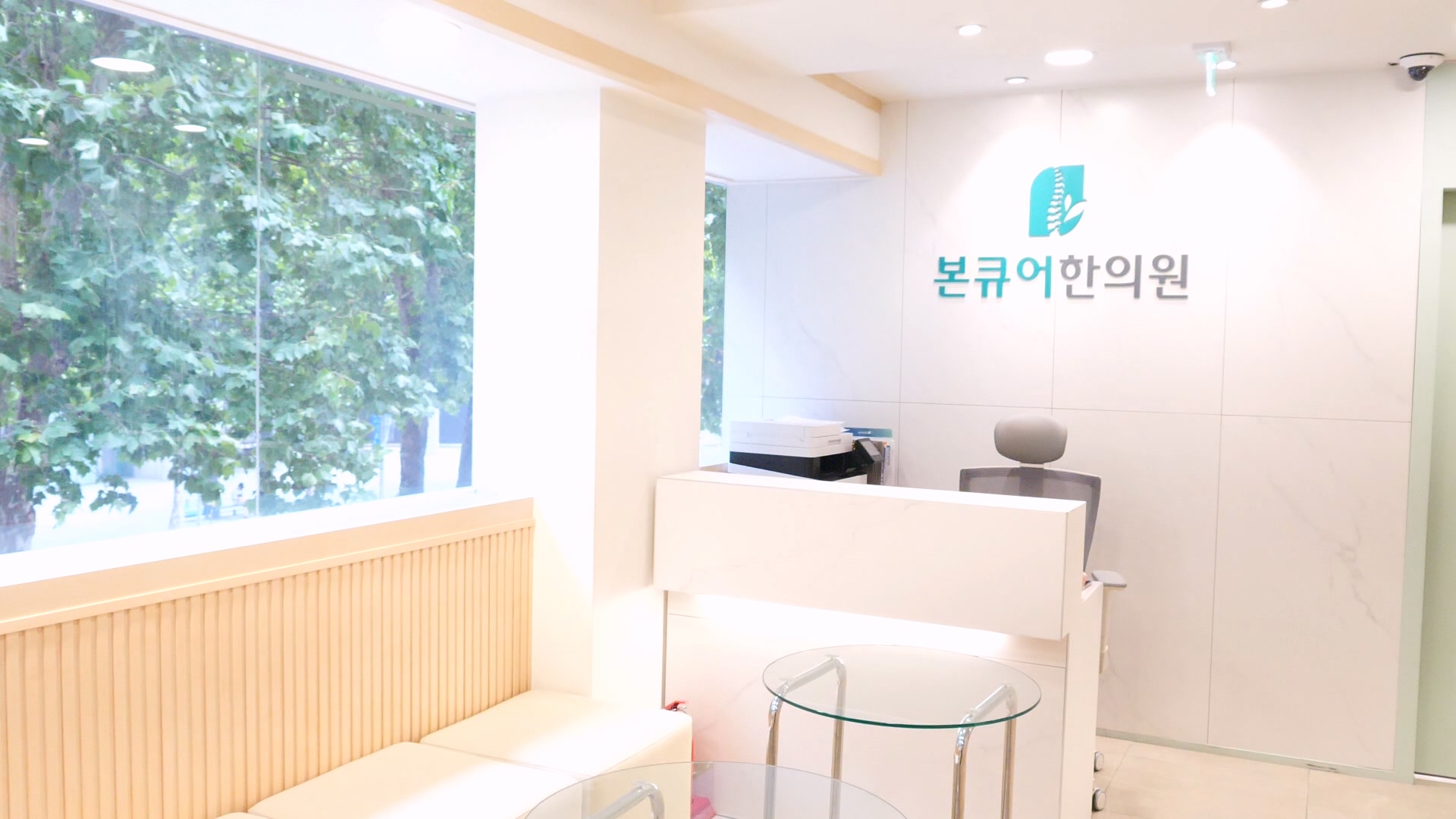
Varicose veins represent more than just a cosmetic concern; they are a sign of underlying circulatory and structural imbalances. This guide explores how fundamental alignment can improve lower limb health and vascular function.
Understanding Varicose Veins and the Role of Structural Health
Varicose veins are defined as abnormally enlarged and twisted veins that typically appear in the legs due to incompetent venous valves and weakened vessel walls. When the one-way valves that prevent blood from flowing backward fail, blood pools in the veins, causing them to bulge and throb.
What are Varicose Veins and Why Do They Occur?
Varicose veins are elongated, dilated, and tortuous vessels that primarily affect the lower extremities due to the failure of venous valves. When these one-way valves become incompetent, blood begins to pool in the veins instead of flowing efficiently back toward the heart. This increase in venous pressure leads to the visible bulging and characteristic blue or purple coloration associated with the condition. While often viewed as a cosmetic concern, they frequently cause symptoms like aching, throbbing, and a persistent sense of heaviness. At Bonecure, we recognize that this vascular dysfunction is often exacerbated by broader physiological factors. Factors such as prolonged standing, obesity, and hormonal changes play significant roles, but the structural integrity of the surrounding tissues is equally vital. Understanding the mechanics of venous return requires a holistic view of the leg's muscular pump and the fascial layers that support these vessels. Proper diagnosis is essential to manage potential complications like skin changes or ulcers.
The Link Between Spinal Alignment and Circulatory Issues
The relationship between the spine and the vascular system is a critical yet often overlooked aspect of lower limb health. When the lumbar spine or pelvis is misaligned, it can create mechanical tension that compresses major blood vessels, including the iliac veins. Clinical observations suggest that pelvic torsion is a significant factor in patients presenting with chronic lower extremity venous congestion. This structural imbalance acts as a bottleneck, hindering the upward flow of blood and increasing the hydrostatic pressure within the leg veins. By correcting these misalignments, we can reduce the mechanical obstruction that contributes to venous insufficiency. Bonecure focuses on the premise that a neutral pelvic position optimizes the pathway for both nerves and vessels. When the skeletal framework is balanced, the muscles of the calves and thighs can function more efficiently as a venous pump. Addressing the structural foundation is therefore a prerequisite for lasting improvement in circulatory symptoms and overall vascular resilience.
Common Symptoms and When to Seek Professional Consultation
Identifying the early signs of venous distress is vital for preventing the progression of chronic vascular conditions. Most individuals initially notice a persistent dull ache or a sensation of heaviness in the legs that worsens after long periods of standing. Clinical observations suggest that many patients with advanced varicose veins also report nocturnal leg cramps and localized itching over the affected vessels. As the condition advances, you might observe swelling in the ankles or feet, accompanied by visible skin discoloration or leathery textures. It is important to seek a professional consultation if these symptoms begin to interfere with your daily activities or if you notice sudden swelling. At Bonecure, we utilize comprehensive structural assessments to determine if your symptoms are linked to skeletal imbalances. Early intervention is key, as chronic venous hypertension can lead to more serious issues such as superficial thrombophlebitis or venous stasis ulcers. Monitoring these changes ensures a proactive approach to your vascular health.
Integrative Approaches to Chronic Pain and Vascular Health
Integrative approaches to vascular health involve combining structural realignment with traditional therapies to address both the physical symptoms and the mechanical causes of poor circulation. By focusing on the body as a whole, we can improve blood flow and reduce the chronic pain often associated with venous disorders.
Acupuncture for Back Pain and Lower Limb Circulation
Acupuncture serves as a powerful tool for modulating the nervous system and enhancing localized blood flow in the extremities. By targeting specific points along the meridians, we can stimulate the release of vasodilators that help relax vessel walls and improve microcirculation. In clinical settings, acupuncture is utilized to help modulate the body's inflammatory response and support the management of chronic leg pain, though individual responses to treatment may vary. Furthermore, addressing points along the lower back can alleviate tension in the paraspinal muscles, which often contributes to referred pain in the legs. At Bonecure, we integrate these techniques to support the body's natural regulatory mechanisms. Improved circulation not only helps in reducing the appearance of varicose veins but also significantly mitigates the discomfort of heavy, tired legs. While acupuncture is not a standalone cure for structural defects, it is an essential component of a comprehensive treatment plan. The synergy between neurological stimulation and vascular relaxation provides a foundation for more advanced structural interventions.
Traditional Korean Medicine Treatment Strategies for Vein Health
Traditional Korean Medicine (TKM) approaches vein health through a lens of balancing 'Qi' and blood circulation while addressing structural 'Eohyeol' or stagnation. Strategies often involve a combination of herbal prescriptions, specialized needle work, and manual therapies designed to move stagnant fluids. For instance, customized herbal formulations may include ingredients known to strengthen the integrity of the vascular walls and reduce systemic edema. These treatments are tailored to the individual's constitution, recognizing that vascular issues often manifest differently based on one's unique physiological makeup. At Bonecure, we place a high priority on identifying the underlying patterns of disharmony that lead to venous pooling. By addressing the internal environment alongside the physical structure, we provide a multi-layered defense against vascular deterioration. This holistic strategy aims to improve the overall quality of the blood and the efficiency of the circulatory system. Patients often report improved energy levels and a reduction in leg swelling when these traditional methods are applied consistently within a structured care program.
Comparing Conventional Sclerotherapy and Korean Medicine Approaches
When considering options for varicose veins, it is helpful to compare the focus of conventional medical procedures with integrative Korean Medicine. Conventional sclerotherapy is a highly effective procedure for closing off visible, diseased veins using chemical sclerosants, primarily addressing the aesthetic and localized aspects of the condition. In contrast, Bonecure focuses on the mechanical environment that allowed the vein to fail in the first place. Our approach utilizes structural restoration to alleviate the pressure points that contribute to venous hypertension. While sclerotherapy focuses on the treatment of the affected vessel itself, our structural therapy focuses on the mechanical environment and pelvic alignment that support healthy circulation. The following table highlights the different focal points of these two valid approaches. It is important to note that the choice of treatment depends on individual goals, whether they are primarily cosmetic or focused on long-term functional recovery. Many patients find that combining structural awareness with targeted procedures yields the most comprehensive results.
| Feature | Conventional Sclerotherapy | Bonecure Structural Restoration |
|---|---|---|
| Primary Goal | Chemical closure of diseased veins | Restoring flow via structural alignment |
| Approach | Minimally invasive chemical injection | Integrative acu-needle and Chuna therapy |
| Structural Focus | Focuses primarily on the vessel itself | Addresses pelvic/spinal pressure points |
| Recovery | Short downtime with compression wear | Focus on long-term functional improvement |
| Suitability | Highly effective for visible spider veins | Beneficial for chronic heaviness and pain |
The Bonecure Method: Structural Restoration and Acu-needle Therapy
The Bonecure method is a specialized therapeutic protocol that combines precise acu-needle therapy with spinal alignment techniques to restore the body's natural hemodynamic balance. By physically releasing tissue adhesions and correcting skeletal posture, we aim to remove the obstacles to healthy venous return.
Acu-needle Therapy for Releasing Tissue Adhesions
Acu-needle therapy, also known as Miniscalpel-needle therapy, is a specialized technique used to physically release fibrotic adhesions in the soft tissues and fascia. Over time, chronic inflammation and poor posture lead to the buildup of scar-like tissue that can bind muscles and compress underlying veins. These adhesions act like internal ligatures, restricting the natural expansion and contraction of blood vessels. During a session at Bonecure, a small, flat-headed needle is used to carefully dissect these microscopic tangles, effectively 'unlocking' the tissue. Clinical observations suggest that releasing these fascial restrictions can help facilitate improved localized blood flow and reduce tissue tension. By restoring the elasticity of the surrounding tissues, we provide the veins with the space they need to function without external compression. This procedure is particularly effective for individuals who have experienced little relief from standard massage or stretching. While the process may involve temporary discomfort, the goal is to facilitate deep-seated tissue regeneration and functional vascular recovery.
Restoring Venous Flow through Spinal Chuna and Alignment
Spinal Chuna is a manual therapy technique central to the Bonecure philosophy, focusing on the dynamic realignment of the vertebrae and pelvis. If the foundation of the body is tilted, every system above and below it must compensate, leading to uneven pressure on the femoral and popliteal veins. Through precise adjustments, Chuna therapy aims to return the spine to its natural physiological curves, thereby reducing the mechanical strain on the vascular network. Correcting a posterior pelvic tilt, for example, can significantly lower the resistance encountered by blood returning from the legs. Our clinical observations indicate that patients who undergo structural alignment often report an immediate sense of improvement in leg lightness as the mechanical strain on the vascular network is reduced. By ensuring that the 'pipes' of the body are straight and unobstructed, we allow the cardiovascular system to operate with less effort. This structural integrity is the cornerstone of preventing the recurrence of venous stagnation and maintaining long-term circulatory health for the lower extremities.
Clinical Observations: Structural Improvements and Symptom Relief
Our clinical experience at Bonecure has shown that addressing the structural roots of circulatory distress leads to measurable improvements in patient outcomes. In our clinical experience, individuals with chronic leg heaviness have reported a meaningful reduction in subjective pain levels following personalized treatment sessions, though specific outcomes depend on the individual's condition. These improvements are often correlated with observable changes in Whole Spine X-ray analysis, showing better pelvic leveling and lumbar curvature. We avoid unnecessary multi-session packages, focusing instead on immediate functional changes that the patient can feel during the treatment. While we do not guarantee a 100% cure for every stage of varicose veins, the trend toward symptom relief through alignment is significant. Each patient’s journey is unique, and results may vary depending on the chronicity of the condition, but the focus remains on fundamental recovery and functional vitality.
Identifying Causes of Facial Swelling and the Path to Structural Recovery
Comprehensive Care at a Korean Traditional Medicine Clinic in Cheongdam
Comprehensive care at Bonecure involves a synergy of ancient healing modalities and modern structural science to provide a path toward lasting leg health. Our clinic in Cheongdam is dedicated to personalized treatment plans that consider the unique needs and lifestyle of every individual.
Customized Moxibustion Therapy and Cupping for Leg Heaviness
To complement structural alignment, we often employ moxibustion and cupping therapy to further stimulate circulation and drain metabolic waste. Moxibustion involves the application of heat to specific points, which helps to warm the meridians and dispel 'cold' stagnation that often characterizes poor venous return. Cupping therapy creates a negative pressure environment that draws blood to the surface, effectively 'flushing' the tissues and reducing localized congestion. At Bonecure, these treatments are customized based on the patient's current vascular state and tissue sensitivity. We have observed that integrating these modalities can lead to a more efficient reduction in acute leg swelling compared to alignment therapy alone. By enhancing the micro-environment of the skin and muscles, we support the larger structural changes being made to the spine and pelvis. These time-tested methods provide immediate symptomatic relief while the deeper structural work addresses the long-term causes.
Lifestyle Modifications and Preventive Exercises for Vein Health
Maintaining the benefits of clinical treatment requires a commitment to lifestyle modifications and specific preventive exercises designed to support venous return. We encourage patients to incorporate 'calf pump' exercises, which utilize the natural contraction of the leg muscles to push blood upward against gravity. Simple habits, such as avoiding crossing the legs and taking frequent walking breaks during long work hours, can help reduce venous pressure significantly. At Bonecure, we provide personalized guidance on ergonomics to ensure that your daily posture does not undo the progress made during your sessions. Staying hydrated and maintaining a healthy weight are also critical factors that influence vascular elasticity and overall blood viscosity. We emphasize that while our treatments provide the necessary structural reset, your daily actions provide the ongoing support the veins need to stay healthy. Education is a core part of our mission, empowering you to take charge of your circulatory health through informed, sustainable lifestyle choices.
Safety Guidelines and Potential Side Effects of Acu-needle Therapy
While acu-needle therapy is a highly effective method for tissue release, it is important for patients to be aware of the safety guidelines and potential side effects. As with any procedure involving needle insertion, some individuals may experience temporary soreness, minor bruising, or light bleeding at the site of treatment. These effects are generally mild and typically resolve within 24 to 48 hours. At Bonecure, we strictly adhere to sterile protocols and conduct a thorough initial screening to ensure that the therapy is appropriate for your specific health profile. It is essential to note that individuals with certain bleeding disorders or active skin infections may need to defer treatment. Furthermore, results are not universal and can vary significantly based on the severity and chronicity of the vascular condition. We always prioritize patient safety and transparency, discussing all potential risks during the consultation process.
A 2026 Clinical Guide to Chronic Pain Management and Structural Recovery at Bonecure
A 2026 Clinical Guide to Dystonia Management and Structural Recovery at Bonecure
Frequently Asked Questions
Q. Can acupuncture effectively help with the discomfort of varicose veins?
Acupuncture can help improve blood circulation and reduce the sensation of heaviness in the legs. By addressing muscle tension and improving nerve flow, it supports the body's natural circulatory functions. While it may not remove the physical vein structure like surgery, it is a valuable tool for managing pain and preventing further stagnation. Results will vary depending on the individual's condition.
Q. Is Bonecure's acu-needle therapy different from regular acupuncture?
Yes, acu-needle therapy uses a specialized, flat-headed tool designed to physically release adhesions in the soft tissues and fascia. Unlike regular acupuncture which focuses on energy points, this method involves the physical dissection of fibrotic tissue. This helps restore structural balance and can alleviate pressure on the vascular system caused by tight, bound tissues.
Q. Are there any side effects to the treatments at Bonecure?
Some patients may experience temporary soreness, minor bruising, or light bleeding at the site of acu-needle therapy. These are generally mild and resolve quickly within a couple of days. We always discuss potential risks and individual health history during the initial consultation to ensure the safest possible experience for every patient.
Q. How many sessions are typically required to see an improvement in leg circulation?
Treatment duration is highly personalized and depends on the severity of the condition. At Bonecure, we focus on treatments that allow the patient to feel immediate changes in structural tension and comfort. While chronic cases may require a consistent course for long-term stabilization, we do not mandate a fixed number of sessions upfront.
Q. Can spinal alignment really affect the veins in my legs?
Absolutely. If the spine or pelvis is misaligned, it can create unnecessary mechanical pressure on the major vessels and nerves that serve the lower limbs. This 'kinking' of the vascular pathway increases the effort required for blood to return to the heart. Correcting this structural foundation is a core part of improving overall leg health.
Q. Is the treatment at Bonecure guaranteed to cure varicose veins?
We do not offer guarantees of a 100% cure, as vascular health is influenced by genetics, occupation, and lifestyle. However, our focus is on fundamental structural restoration to significantly improve symptoms and prevent further progression. We aim for functional recovery and a reduction in the pain and heaviness associated with the condition.
Q. What should I avoid after receiving acu-needle therapy for leg pain?
We generally recommend avoiding strenuous exercise, heavy lifting, or hot saunas for at least 24 hours after treatment. Keeping the area clean and allowing the tissue to rest supports the natural regenerative process initiated by the therapy. Light walking is usually encouraged to help maintain healthy blood flow during recovery.
Key Takeaways
- Varicose veins are often a symptom of structural imbalances in the spine and pelvis that obstruct venous return.
- The Bonecure method utilizes acu-needle therapy to release tissue adhesions that compress vascular pathways.
- Integrative Korean Medicine combines structural restoration with traditional modalities like moxibustion for comprehensive care.
- Individual results vary, and maintaining proper posture and lifestyle habits is essential for long-term vascular health.
- Bonecure emphasizes immediate symptomatic improvement and personalized care rather than fixed session packages.
If you are experiencing persistent leg heaviness or visible venous changes, a structural assessment may provide the answers you need for fundamental recovery.
Bonecure / Dr. Song Jung-hyun
FAQ
- Can acupuncture effectively help with the discomfort of varicose veins?
- Acupuncture can help improve blood circulation and reduce the sensation of heaviness in the legs. By addressing muscle tension and improving nerve flow, it supports the body's natural circulatory functions. While it may not remove the physical vein structure like surgery, it is a valuable tool for managing pain and preventing further stagnation. Results will vary depending on the individual's condition.
- Is Bonecure's acu-needle therapy different from regular acupuncture?
- Yes, acu-needle therapy uses a specialized, flat-headed tool designed to physically release adhesions in the soft tissues and fascia. Unlike regular acupuncture which focuses on energy points, this method involves the physical dissection of fibrotic tissue. This helps restore structural balance and can alleviate pressure on the vascular system caused by tight, bound tissues.
- Are there any side effects to the treatments at Bonecure?
- Some patients may experience temporary soreness, minor bruising, or light bleeding at the site of acu-needle therapy. These are generally mild and resolve quickly within a couple of days. We always discuss potential risks and individual health history during the initial consultation to ensure the safest possible experience for every patient.
- How many sessions are typically required to see an improvement in leg circulation?
- The duration of treatment depends on the severity and chronicity of the condition. While some notice an immediate sense of lightness, chronic cases involving significant structural misalignment often require 12 to 20 sessions to achieve stable, long-term results. We monitor progress closely to adjust the treatment plan as needed.
- Can spinal alignment really affect the veins in my legs?
- Absolutely. If the spine or pelvis is misaligned, it can create unnecessary mechanical pressure on the major vessels and nerves that serve the lower limbs. This 'kinking' of the vascular pathway increases the effort required for blood to return to the heart. Correcting this structural foundation is a core part of improving overall leg health.
- Is the treatment at Bonecure guaranteed to cure varicose veins?
- We do not offer guarantees of a 100% cure, as vascular health is influenced by genetics, occupation, and lifestyle. However, our focus is on fundamental structural restoration to significantly improve symptoms and prevent further progression. We aim for functional recovery and a reduction in the pain and heaviness associated with the condition.
- What should I avoid after receiving acu-needle therapy for leg pain?
- We generally recommend avoiding strenuous exercise, heavy lifting, or hot saunas for at least 24 hours after treatment. Keeping the area clean and allowing the tissue to rest supports the natural regenerative process initiated by the therapy. Light walking is usually encouraged to help maintain healthy blood flow during recovery.