
Post
Treating Numbness in Hands by Releasing Cervical Nerve Impingements: A 2026 Clinical Guide
Hello. I am Song Jung-hyun, a Korean medicine doctor who has specialized in acupotomy for a long time.
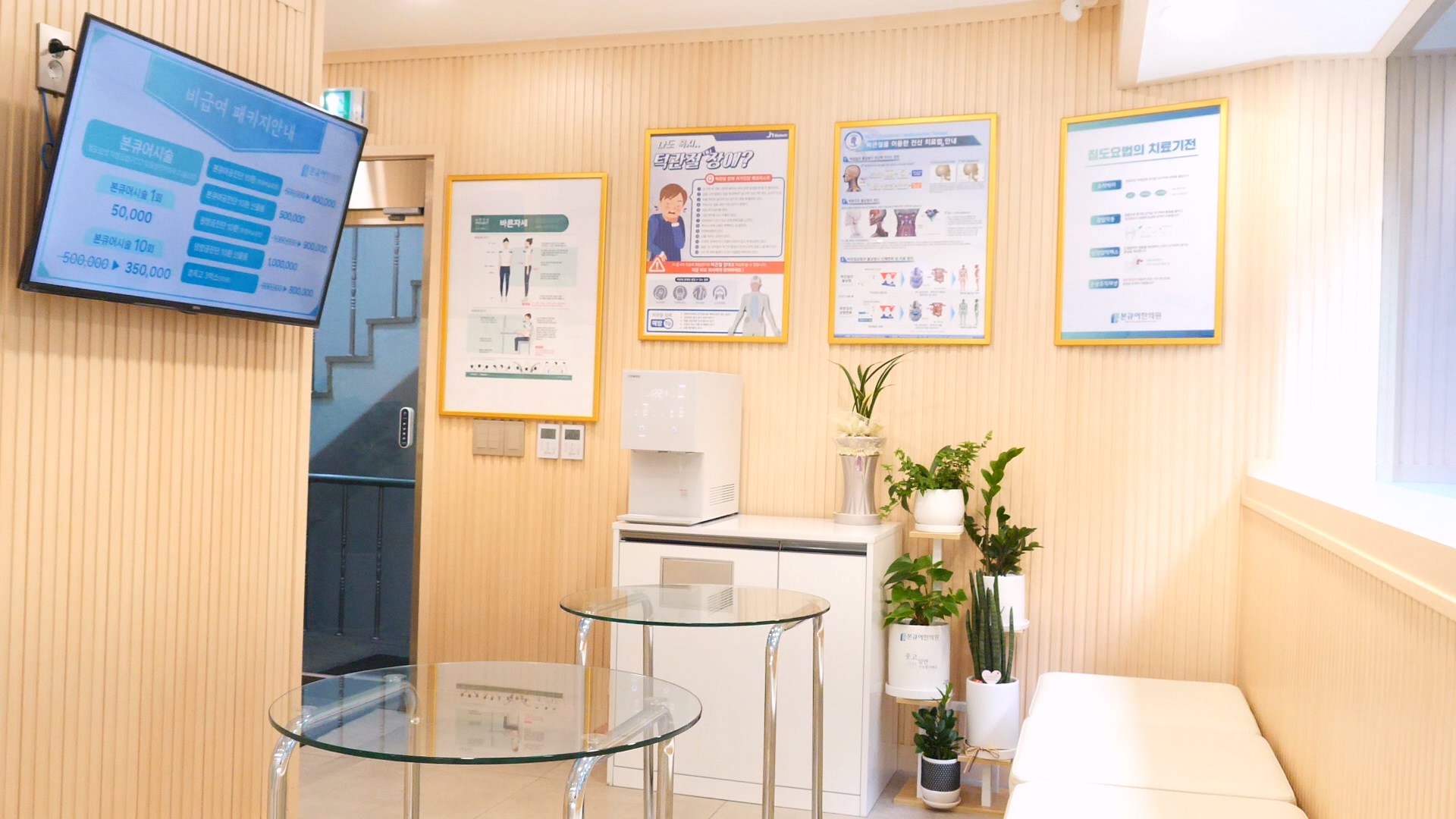
Hand numbness is a common yet distressing symptom that frequently originates not in the hands themselves, but in the intricate structure of the cervical spine. By identifying and releasing nerve impingements, we can restore normal sensation and improve overall quality of life.
Understanding Cervical Nerve Impingement and Its Role in Hand Numbness
Cervical nerve entrapment occurs when pressure is applied to the nerve roots in the neck. This compression disrupts the transmission of electrical signals from the brain to the extremities, leading to localized or radiating symptoms.
Defining Cervical Nerve Entrapment and Radiation Symptoms
Cervical nerve entrapment is a clinical condition characterized by the mechanical compression of nerve roots as they exit the vertebral foramina in the neck. This condition often leads to radiculopathy, where sensations such as tingling, weakness, or sharp pain travel along the path of the nerve into the upper extremities. When the C6, C7, or C8 nerve roots are compromised, the patient typically reports significant numbness in the thumb, index, or middle fingers. Understanding the specific dermatome affected is crucial for a precise diagnosis. At Bonecure, we analyze these sensory patterns to pinpoint the exact level of the cervical spine that requires intervention. Many patients mistakenly believe the issue lies in their wrists, but structural misalignments in the neck are frequently the true culprit. By identifying the origin of the impingement, we can develop a targeted treatment plan that addresses the root cause rather than just masking the peripheral symptoms. This diagnostic clarity is essential for achieving sustainable neurological recovery.
Common Causes of Impingement: Disc Herniation and Bone Spurs
The most frequent causes of cervical nerve impingement include herniated discs and the development of bone spurs or osteophytes. As we age, the intervertebral discs may lose hydration and bulge outward, directly pressing against sensitive nerve tissue. Furthermore, chronic wear and tear can lead the body to produce extra bone growth in an attempt to stabilize the spine. These bone spurs can narrow the space available for nerves, leading to chronic irritation. In some cases, a patient might have a disc protrusion of only 2mm to 4mm, yet experience significant radiating pain if the protrusion occurs in a narrow canal. At Bonecure, we use objective imaging to assess these structural changes carefully. By understanding the mechanical reality of the spine, we can explain why simple rest is often insufficient for recovery. Addressing these physical obstructions is the first step toward relieving the persistent numbness that hinders daily activities and sleep quality.
Why Hand Numbness is Often a Sign of Neck Dysfunction
Hand numbness serves as a distal indicator of a proximal problem located within the cervical architecture. The nerves that provide sensation to the hands originate from the spinal cord at the neck level, traveling through the shoulder and arm. If these nerves are pinched at the source, the brain interprets the signal as coming from the fingers or palms. This phenomenon is why treating the wrist for Carpal Tunnel Syndrome often fails if the impingement is actually in the neck. Statistics from clinical observations suggest that a significant percentage of chronic hand numbness cases involve some degree of cervical malalignment. Bonecure focuses on this connection to ensure that patients do not undergo unnecessary localized treatments. By correcting the alignment of the C1 through C7 vertebrae, we facilitate the restoration of proper nerve flow. Recognizing that the neck is the command center for upper limb sensation allows for a more comprehensive and effective approach to treating neurological discomfort and sensory loss.
Bonecure's Approach to Releasing Adhesions through Acu-puncture and Acu-point Release
Adhesion release through structural acupuncture at Bonecure focuses on physically detaching fibrotic tissues that bind nerves. This specialized process creates the necessary physical space for nerve transmission to recover and inflammation to subside.
Traditional Medicine Clinical Notes on Nerve Decompression
Clinical notes from traditional practice highlight the importance of resolving stagnation by physically clearing pathways for energy and nerve signals. In our clinic, we utilize specialized tools like the acupuncture knife, or acupotomy, to treat chronic adhesions. For instance, our clinical experience shows that even for patients who have endured nerve-related symptoms for a long duration, targeted decompression can facilitate significant improvement. In our documented case reports, we have observed substantial reductions in neurological distress scores. These observations reflect the potential for recovery when physical barriers to nerve health are addressed, though results may vary depending on the individual's condition. At Bonecure, we combine these traditional insights with modern anatomical knowledge to ensure safety and precision. The goal is to restore the natural gliding motion of the nerves. Unlike many facilities that prescribe long-term packages, we focus on immediate structural changes that the patient can feel, adjusting the treatment plan based on real-time feedback rather than arbitrary session counts.
The Science of Releasing Soft Tissue Adhesions Around Cervical Nerves
The science behind adhesion release involves the micro-dissection of thickened, fibrotic soft tissues that have formed due to chronic inflammation or injury. When muscles and fascia in the neck become tight, they can create internal scarring that literally glues the nerves to surrounding structures. This entrapment limits the nerve's ability to move during normal neck rotation. Bonecure utilizes acupotomy to gently separate these adhesions, which reduces mechanical tension on the nerve fibers. By releasing this tension, blood flow to the nerve is improved, creating a favorable environment for functional neurological recovery. Research indicates that even a small reduction in external pressure can lead to a significant increase in nerve conduction velocity. We focus on the deep tissue layers that traditional needles might not reach effectively. This procedure is designed to address the physical reality of scar tissue, providing a solution for those who have found little relief through standard massage or stretching.
Acupuncture for Back Pain and Its Extension to Cervical Care
While many people associate acupuncture primarily with back pain, the same structural principles apply to the cervical spine. The techniques used to decompress lumbar nerves are modified to suit the delicate anatomy of the neck. At Bonecure, we apply structural acupuncture to release the deep paraspinal muscles that stabilize the neck. By relaxing these muscles, we can indirectly reduce the compressive forces on the intervertebral discs. For those seeking Acupotomy vs. Traditional Acupuncture for Chronic Scar Tissue: A 2026 Clinical Guide by Bonecure, it is clear that specialized techniques offer a deeper level of intervention. The extension of these protocols to the neck involves careful mapping of the cervical nerve roots. We aim to balance the entire spinal column, as tension in the lower back can often reflect or exacerbate issues in the neck. This holistic view of the spine ensures that the treatment for hand numbness also supports overall spinal health.
Comparing Conventional Treatments vs. Korean Traditional Medicine Clinic Protocol
Comparative analysis evaluates the differences between pharmacological interventions and structural alignment techniques. We aim to provide a balanced view of how various modalities address the structural vs. symptomatic aspects of nerve pain.
| Treatment Type | Primary Goal | Delivery Method | Frequency |
|---|---|---|---|
| Physical Therapy | Muscle Strengthening | Exercise & Modalities | 2-3 times/week |
| Medication | Symptom Suppression | Oral Pharmaceuticals | Daily as prescribed |
| Bonecure Protocol | Structural Decompression | Acupotomy & Alignment | 1-2 times/week |
Advantages of Manual Adhesion Release in Chronic Numbness Cases
Manual adhesion release offers several advantages for patients who have not responded to conventional medication or basic physical therapy. While some conventional approaches focus on managing pain signals, the adhesion release protocol at Bonecure aims to physically address the source of nerve irritation by reducing mechanical pressure. This method is particularly beneficial for chronic cases where scar tissue has become the primary driver of symptoms. By using a specialized acupuncture knife, we can achieve results that are often more immediate than exercise alone. In our experience, patients who have suffered for years find that this direct approach provides a turning point in their recovery. It is important to note that minor side effects, such as temporary soreness, slight bruising, or rare instances of infection, may occur at the treatment site. However, these are generally short-lived and are a natural part of the tissue remodeling process. For individuals looking for a A 2026 Clinical Guide to Non-surgical Spinal Treatment in Korean Medicine at Bonecure, this manual approach represents a significant evolution in non-surgical care.
Integration of Pharmacopuncture and Physical Therapy for Enhanced Circulation
To complement the structural release, we often integrate specialized pharmacopuncture to enhance local circulation and reduce inflammatory signals. These techniques help to soften tight tissues and promote the clearance of inflammatory byproducts. At Bonecure, we use these protocols to prepare the tissue for decompression and to support the natural healing process afterward. Improved circulation is vital for nerve health, as nerves require a steady supply of oxygen and nutrients to recover from long-term impingement. This dual approach of mechanical release and supportive physical therapy creates an optimal environment for the body's natural restorative mechanisms. Patients often report a sensation of lightness that helps reduce the overall sensitivity of the nervous system. By combining these methods, we ensure that the recovery is not just about structural change, but also about physiological revitalization.
Clinical Evidence and Recovery Process for Hand Numbness at Bonecure
Clinical evidence refers to the documented data, including X-ray imaging and pain scores, used to track patient progress. This evidence-first approach helps track specific progress and ensures treatment efficacy.
Real-world Case Studies: Documenting Nerve Recovery via X-ray Diagnostics
We utilize Whole Spine X-ray diagnostics to objectively document the changes in cervical alignment during the treatment process. By comparing images taken before and after a series of treatments, we can see visible improvements in the curvature of the neck. For example, a patient in their 30s might present with a "straight neck," which significantly increases the load on the nerve roots. Through targeted sessions at Bonecure, these X-rays often show a restoration of the natural lordotic curve. This structural improvement correlates strongly with the reduction of hand numbness reported by the patient. We also use standardized pain scales to track subjective improvement. In our clinical observations, we have seen cases where patients report a significant reduction in numbness as the treatment sessions progress. While the rate of improvement is specific to individual cases and results are not guaranteed for everyone, these instances provide a framework for understanding how structural correction can lead to neurological relief.
What to Expect During the Restoration of Cervical Alignment
Patients beginning their journey at Bonecure can expect a thorough initial assessment involving both physical exams and structural imaging. During the treatment, the sensation of acupotomy can be intense, as it targets areas of significant adhesion. Many patients describe it as a "heavy" or "spreading" sensation that indicates the release of tension. Following the session, a period of rest for 24 hours is recommended to allow the tissues to settle. The restoration process is typically gradual, with many patients noticing a change in the frequency or intensity of their numbness early in their care. It is essential to understand that chronic nerve issues require patience, as the nerve tissue takes time to desensitize. We provide a clear roadmap for each patient, focusing on milestones for recovery rather than mandatory long-term packages. This transparency helps patients feel empowered and informed throughout their treatment.
Maintenance Strategies and Cupping Therapy Recommendations
Once the initial impingement is resolved, maintenance becomes a priority to prevent the recurrence of symptoms. We recommend regular follow-up sessions and the integration of cupping therapy to manage muscle tension. Cupping therapy at Bonecure helps to maintain myofascial health and promotes lymphatic drainage, which prevents the build-up of new adhesions. We also provide specific postural exercises to strengthen the muscles that support a healthy cervical curve. By dedicating just 10 to 15 minutes a day to these exercises, patients can significantly prolong the benefits of their clinical treatment. Avoiding prolonged periods of "tech neck" or forward head posture is crucial in our modern environment. We advise patients to check their workstation ergonomics and take frequent breaks to stretch. Consistency in maintenance is the key to lasting structural and neurological wellness.
Frequently Asked Questions
Q. Can neck problems really cause numbness in the hands?
Yes, because the nerves providing sensation to the hands originate from the cervical spine. When these nerve roots are compressed by discs or tight muscles in the neck, it manifests as tingling or numbness in the fingers and palms. We focus on treating the neck to resolve these distal symptoms.
Q. How does acupuncture for back pain relate to treating hand numbness?
While often used for the lower back, the same principles of acupuncture and specialized needle techniques apply to the neck. These methods help reduce inflammation and release pressure on the nerves that travel down to the hands. We adapt the intensity and depth of the treatment to suit the delicate cervical anatomy.
Q. What is the typical timeframe for seeing results at Bonecure?
Bonecure focuses on immediate structural improvement. While chronic cases may require several sessions to stabilize, we do not mandate fixed long-term packages. Many patients notice a visible change in symptoms within the first few sessions as the nerve pressure is reduced. However, individual recovery rates vary.
Q. Are there any risks associated with cervical nerve decompression procedures?
Minor side effects such as temporary soreness at the treatment site or slight bruising may occur. In rare cases, minor bleeding or infection can occur, but these are generally manageable under professional care. It is important to note that individual responses to treatment vary, and professional consultation is required.
Q. Does Bonecure provide diagnostic evidence of recovery?
We utilize tools like Whole Spine X-rays and standardized pain scales to objectively measure the improvement in cervical alignment. This evidence-first approach allows us to track the reduction of neurological symptoms throughout the treatment process. Comparing pre-treatment and post-treatment images helps confirm structural changes.
Q. Is pharmacopuncture effective for nerve-related numbness?
Pharmacopuncture can be an excellent adjunct therapy as it improves local circulation and delivers herbal extracts to the site of inflammation. This helps in the recovery of tissues affected by long-term impingement by increasing the supply of nutrients. It also helps to relax the deep musculature of the neck.
Q. Why should I choose a Korean medicine doctor blog for information on nerve health?
A Korean medicine doctor provides a unique perspective that combines anatomical structural correction with natural healing methodologies. We focus on the root cause, such as soft tissue adhesions and spinal misalignment, rather than just masking the symptoms of numbness. This integrated approach offers a pathway to long-term recovery.
Key Takeaways
- Hand numbness is frequently caused by nerve impingements at the C6, C7, or C8 levels of the cervical spine.
- Bonecure uses acupotomy to physically release soft tissue adhesions that trap nerves, providing a mechanical solution rather than just symptom masking.
- Objective evidence, including X-rays and standardized pain scales, is used to track the progress of recovery and monitor structural alignment.
- Bonecure prioritizes efficient, immediate structural improvement over arbitrary long-term treatment packages.
- Maintenance through postural exercises and cupping therapy is essential for preventing the recurrence of cervical nerve issues.
If you are struggling with persistent hand numbness, professional consultation is necessary to determine the underlying cause.
Bonecure / Director Song Jung-hyun
FAQ
- Can neck problems really cause numbness in the hands?
- Yes, because the nerves providing sensation to the hands originate from the cervical spine. When these nerve roots are compressed by discs or tight muscles in the neck, it manifests as tingling or numbness in the fingers and palms. We focus on treating the neck to resolve these distal symptoms.
- How does acupuncture for back pain relate to treating hand numbness?
- While often used for the lower back, the same principles of acupuncture and specialized needle techniques apply to the neck. These methods help reduce inflammation and release pressure on the nerves that travel down to the hands. We adapt the intensity and depth of the treatment to suit the delicate cervical anatomy.
- What is the typical timeframe for seeing results with traditional Korean medicine treatment?
- While some patients experience immediate relief after the first few sessions of adhesion release, chronic cases typically require a structured course of treatment. A common timeframe involves seeing significant improvement over 4 to 8 weeks, depending on the severity of the nerve compression. Consistency is vital for achieving sustainable nerve decompression.
- Are there any risks associated with cervical nerve decompression procedures?
- Minor side effects such as temporary soreness at the site of treatment or slight bruising may occur. In rare cases, minor bleeding can happen, but these are generally manageable and subside quickly under professional care. We always conduct a thorough screening to ensure the safety and appropriateness of the procedure for each patient.
- Does Bonecure provide diagnostic evidence of recovery?
- We utilize tools like Whole Spine X-rays and standardized pain scales to objectively measure the improvement in cervical alignment. This evidence-first approach allows us to track the reduction of neurological symptoms throughout the treatment process. Comparing pre-treatment and post-treatment images helps confirm structural changes.
- Is moxibustion therapy Seoul effective for nerve-related numbness?
- Moxibustion can be an excellent adjunct therapy as it improves local blood circulation and provides deep thermal stimulation. This helps in the recovery of damaged nerve tissues caused by long-term impingement by increasing the supply of nutrients. It also helps to relax the deep musculature of the neck before structural correction.
- Why should I choose a Korean medicine doctor blog for information on nerve health?
- A Korean medicine doctor provides a unique perspective that combines anatomical structural correction with natural healing methodologies. We focus on the root cause, such as soft tissue adhesions and spinal misalignment, rather than just masking the symptoms of numbness. This integrated approach offers a pathway to long-term recovery.