
Post
A 2026 Guide to Traditional Korean Medicine for Stress Relief: Restoring Structural and Autonomic Balance
Traditional Korean medicine for stress relief is a comprehensive therapeutic approach that focuses on restoring the body's internal and structural equilibrium to alleviate mental and emotional strain.
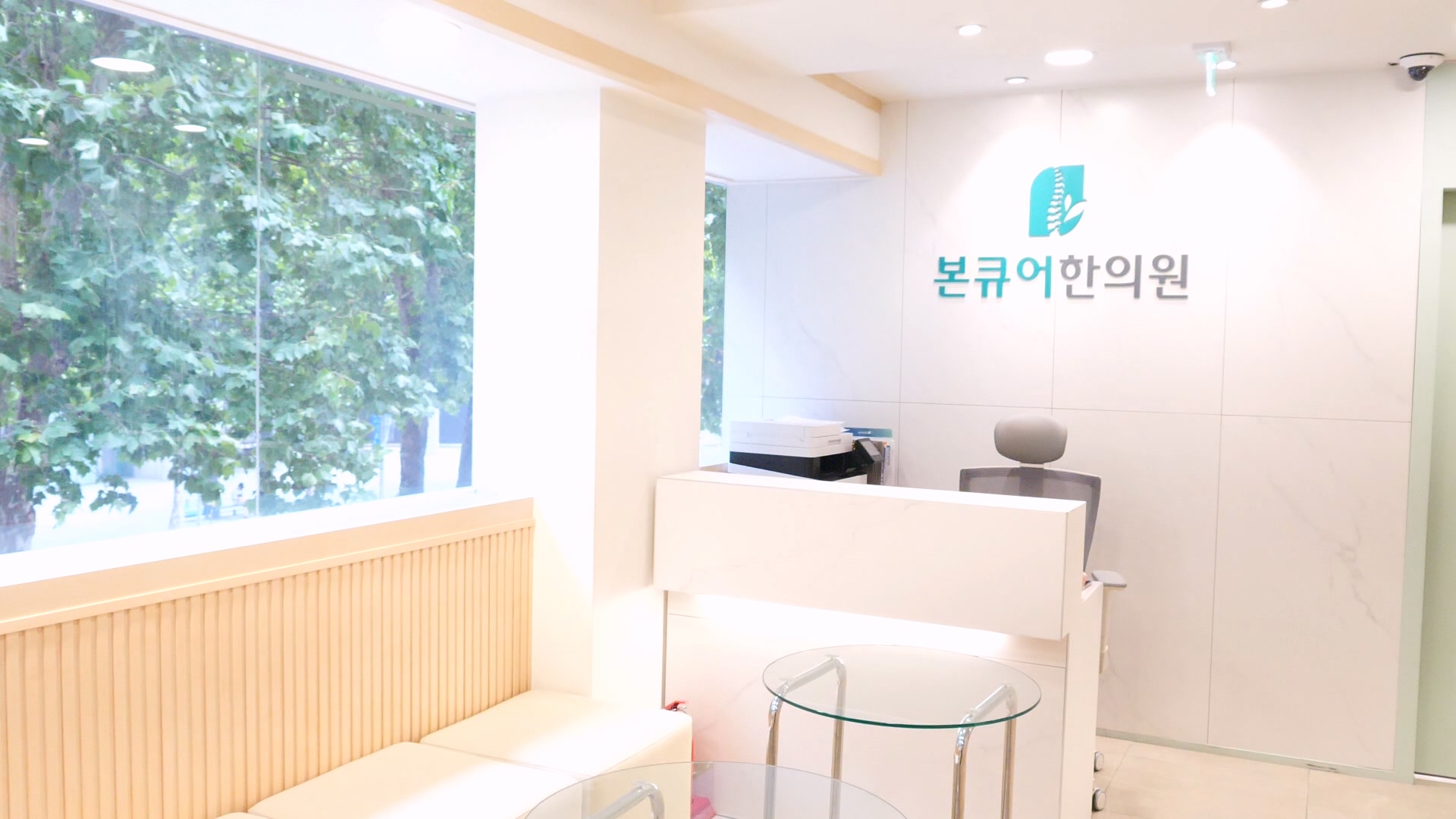
Hello, I am Dr. Song Jung-hyun, a practitioner dedicated to structural restoration through the use of specialized acupotomy. By addressing the physical adhesions and spinal misalignments that trap the body in a state of chronic fight-or-flight, I provide a pathway for patients to achieve lasting calmness and physical vitality. This guide explores how the clinical application of structural principles can offer relief for those suffering from persistent anxiety, fatigue, and stress-related physical symptoms.
Understanding Traditional Korean Medicine for Stress Relief and Structural Balance
Traditional Korean medicine for stress relief defines health not merely as the absence of disease, but as the harmonious flow of energy and the structural integrity of the musculoskeletal system. When the spine is misaligned, particularly in the cervical and thoracic regions, it can place undue pressure on the autonomic nervous system, leading to a heightened state of physiological stress. By identifying these structural imbalances as the root cause of mental distress, I apply targeted treatments that go beyond temporary relaxation. This holistic connection ensures that both the mind and body are treated as a single, interconnected unit, allowing for a more profound and sustainable recovery process.
The Holistic Connection Between Spinal Alignment and Mental Health
The relationship between spinal integrity and psychological well-being is fundamental to my clinical approach at Bonecure. When the cervical spine loses its natural curvature, often due to poor posture or trauma, it can interfere with the vagus nerve, which is essential for regulating the parasympathetic nervous system. This interference keeps the body in a sympathetic-dominant state, resulting in symptoms such as chronic anxiety, insomnia, and irritability. In my clinical observations, patients with a history of stress often display significant adhesions in the soft tissues surrounding the upper thoracic vertebrae. By focusing on these anatomical landmarks, I aim to release the physical tension that fuels mental distress. This structural focus is supported by case reports where patients with long-standing chronic symptoms found relief after their spinal alignment was addressed. However, it is important to remember that individual responses to structural correction vary based on the chronicity of the condition, and typical results depend on the patient's specific anatomy.
Defining Root Cause Treatment in Modern Traditional Korean Medicine
Root cause treatment involves identifying the primary physiological or structural failure that prevents the body from self-regulating. Rather than simply suppressing symptoms like headaches or palpitations with temporary measures, I investigate the underlying mechanical and energetic blockages. In my clinical practice, I have documented cases where objective metrics like the Beck Anxiety Inventory (BAI) showed significant improvement after addressing structural adhesions. In one specific case report, a patient's ear-ringing score dropped from 54 to 2 points following targeted structural intervention. Such outcomes suggest that when physical barriers to neural communication are removed, the body's innate ability to manage stress is enhanced. While these clinical findings are promising, they represent specific case studies. A thorough diagnostic process is always required to determine the most appropriate course of action for each unique patient, as one person's outcome does not guarantee identical results for others.
Innovative Restoration Techniques at Bonecure: Acupotomy and Spinal Correction
Structural restoration at Bonecure utilizes advanced techniques such as acupotomy to physically detach pathological adhesions and restore the natural mobility of the spine. Unlike traditional acupuncture, which focuses on energetic points, acupotomy uses a specialized, refined micro-blade tool to perform precise releases on thickened soft tissues that restrict nerve function and blood flow. This method is particularly effective for patients whose stress symptoms are resistant to conventional therapies, as it addresses the physical reality of tissue scarring and chronic tension. By restoring the structural foundation, I facilitate the recovery of the autonomic nervous system, helping the body shift from a state of constant alarm to one of restoration and balance.
Releasing Chronic Adhesion to Restore Autonomic Nervous System Function
Chronic stress often leads to the development of myofascial adhesions, which act as physical anchors that maintain the body in a rigid, stressed posture. At Bonecure, I utilize acupotomy to precisely target these adhesions, particularly in the suboccipital and paravertebral muscles. This process is essential for decompressing the nerves that regulate heart rate and mood. By physically breaking down these restrictive tissues, I allow for improved circulation and neural signaling. For example, clinical observations in my practice have shown that releasing adhesions in the upper thoracic area can help stabilize the heart rate variability in patients suffering from panic-like symptoms. While the procedure may cause temporary discomfort or mild bruising, the resulting physical freedom often leads to a reduction in perceived stress. It is vital to note that severe or long-standing adhesions require a personalized treatment plan, as the body needs time to adapt to its new structural configuration.
The Science of Acupotomy: Moving Beyond Superficial Relaxation
Acupotomy incorporates anatomical precision into traditional theory to address the "hard" barriers to health—the fibrotic changes in ligaments and fascia that do not respond to simple massage. By using refined, specialized acupotomy tools, I perform targeted releases that restore the structural glide of tissues. This is not merely a method for temporary relief; it is a restorative procedure aimed at recalibrating the nervous system. As documented in various case reports, including those for complex conditions like Meniere’s-like symptoms and chronic headaches, structural restoration via acupotomy has been a key factor in symptom reduction. However, because this technique involves the manipulation of deep tissues, patients must be aware of potential risks such as localized swelling, temporary pain, or, in very rare cases, infection. I manage these risks through strict sterilization and expert application.
Objective Metrics: Using Beck Anxiety and Depression Inventories to Track Progress
To ensure that treatments for stress relief are grounded in measurable data, I employ objective psychological and physiological metrics. The Beck Anxiety Inventory (BAI) and Beck Depression Inventory (BDI) are utilized to quantify the patient's experience before and after treatment. By tracking these scores, I observe the correlation between structural improvements—such as those seen on a Whole Spine X-ray—and mental well-being. In my clinical experience, patients who follow a tailored structural restoration plan often report a stabilization in these scores, reflecting a more resilient nervous system. For instance, a patient presenting with severe stress-induced hearing issues showed significant improvement in clinical tests after a comprehensive protocol. It is important to note that results vary depending on the individual's condition. These metrics provide a clear roadmap, ensuring that the treatment plan is adjusted based on real-time feedback, though improvement markers are individual and vary by patient.
Comparative Analysis: Traditional Korean Medicine versus Conventional Stress Management
When evaluating Traditional Korean medicine for stress relief at Bonecure, it is helpful to compare the structural holistic approach with conventional symptomatic management. While conventional methods often rely on pharmacological intervention to alter brain chemistry, my approach focuses on the physical hardware of the body—the spine and nervous system. By creating a stable physical foundation, we allow the body's chemistry to balance itself naturally. The following table highlights the differences between these two methodologies.
| Feature | Conventional Approach | Structural Approach (Bonecure) |
|---|---|---|
| Primary Focus | Pharmacological management and chemical balance | Structural alignment and nerve decompression |
| Mechanism | Pharmacological intervention (e.g., SSRIs) | Acupotomy and spinal restoration |
| Target Area | Brain neurotransmitters | Spine, fascia, and autonomic nervous system |
| Diagnostic Tools | Psychological evaluation and blood tests | Whole Spine X-ray and structural analysis |
| Long-term Goal | Management of chronic symptoms | Restoration of innate self-regulatory function |
Why Long Term Mental Vitality Requires Physical Spinal Integrity
Maintaining mental vitality can be significantly challenged if the body is physically locked in a posture of stress. A forward head posture sends constant "danger" signals to the brain, keeping physiological stress levels elevated. Research into structural wellness suggests that correcting these deviations can lead to a natural reduction in stress markers. At Bonecure, I emphasize that recovery is a process of physical rebuilding. For those seeking Acupuncture Treatment Seoul Gangnam: The Bonecure Approach to Structural Recovery, the focus is always on creating a sustainable structural environment where the nervous system can thrive. This physical integrity acts as a buffer against future stressors. However, patients should understand that maintaining these results requires ongoing attention to ergonomics and lifestyle, as the body remains susceptible to the physical demands of daily life.
Your Recovery Journey: Diagnosis, Expectations, and Safety Considerations
The path to stress relief through structural restoration begins with a rigorous diagnostic phase. At Bonecure, I believe that an accurate diagnosis is the cornerstone of effective treatment. This involves not only psychological assessment but also detailed imaging to visualize the relationship between the bones and the soft tissues. By understanding the specific points of adhesion and misalignment, I tailor a treatment plan that addresses the specific needs of the individual, ensuring safety and clinical focus.
Personalized Diagnostic Protocols Using Whole Spine X-ray Imaging
My diagnostic protocol utilizes Whole Spine X-ray imaging to identify deviations in the spinal column that may contribute to autonomic dysfunction. By analyzing the angles of the cervical curve and the alignment of the pelvis, I can pinpoint exactly where the nervous system may be under mechanical stress. This objective visualization is crucial for planning precise acupotomy interventions. For example, a patient suffering from stress-induced vertigo might show a significant loss of the normal C-shaped curve in the neck, which I address as a priority. You can learn more about this philosophy in the guide on Acupotomy and Structural Recovery for Chronic Disorders at Bonecure. While imaging provides a structural map, it is always combined with a physical examination to ensure I am treating the person, not just the image. X-ray findings must be correlated with clinical symptoms for an accurate assessment.
Navigating Potential Side Effects and Individual Variations in Recovery
While structural restoration is generally safe, it is essential to understand the potential side effects. Acupotomy involves micro-surgical intervention; as such, patients may experience localized pain, swelling, or minor bruising at the treatment site for 24 to 48 hours. These are typical responses as the body heals released tissues. In rare instances, more significant soreness or infection can occur, which is why I maintain the strictest hygiene protocols. Furthermore, the rate of recovery varies; I do not advocate for a fixed number of sessions, as I focus on providing immediate, perceptible changes. While some feel relief after one session, others with decade-long histories of anxiety will require a more extended, personalized course of care. I encourage open dialogue regarding sensations during and after treatment to ensure comfort and safety.
The Importance of Consistent Care for Chronic and Severe Stress Conditions
For chronic stress, consistency is key to achieving a stable state of health. Structural restoration is a cumulative process where each session builds upon the previous one to reinforce a healthier alignment. I work with patients to develop a timeline that respects the body's natural healing rhythms. Chronic stress results in deep-seated changes that take time to reverse. By committing to a consistent plan, patients allow their nervous system to recalibrate. In my clinical case reports, those who follow their recommended protocols achieve the most durable improvements in objective markers. While I strive for the best possible outcomes, I cannot guarantee a specific result for every individual, as lifestyle and pre-existing conditions play a role in success. My goal is to provide the structural support necessary for your body to regain its resilience.
Key Takeaways
- Structural Focus: Stress relief is achieved by correcting spinal misalignments and releasing adhesions that disrupt the autonomic nervous system.
- Acupotomy Technique: This specialized procedure uses refined micro-tools to address the physical root causes of chronic tension and nerve compression.
- Objective Monitoring: Progress is tracked using Whole Spine X-rays and standardized scales like the BAI and BDI for measurable results.
- Immediate Response: Treatment focuses on immediate structural changes, with individualized timelines rather than fixed session counts.
- Safety First: Treatments like acupotomy involve minor risks such as temporary pain or bruising, necessitating professional expertise.
Frequently Asked Questions
Q. What is the primary approach of Traditional Korean Medicine for stress relief at Bonecure?
At Bonecure, my primary approach involves identifying and correcting the structural root causes of stress. I focus on spinal alignment and the release of soft tissue adhesions using acupotomy to restore the natural balance of the autonomic nervous system. By addressing these physical blockages, I help the body move out of a chronic stress state and into a state of recovery. This method treats the mind and body as an integrated system rather than addressing symptoms in isolation.
Q. Is Acupotomy a painful procedure for treating stress-related symptoms?
Acupotomy uses a specialized, micro-blade needle which can cause a sensation of pressure or temporary discomfort during the procedure. Most patients describe it as a unique type of "aching" relief as chronic adhesions are physically released. After the session, some minor soreness or bruising may occur at the site, which usually subsides within a few days. I always prioritize patient comfort and adjust the intensity of the treatment to individual tolerance levels.
Q. How many sessions are typically required to see results for chronic anxiety?
I do not prescribe a fixed number of sessions, such as "you must come 10 times," as my goal is to produce an immediate change that the patient can feel. The number of sessions required varies depending on how long the symptoms have been present and the severity of the structural misalignment. While many patients report feeling a sense of physical lightness after just one or two sessions, chronic cases require a personalized timeline determined by real-time feedback and diagnostic progress. Consistency is essential for long-term autonomic balance.
Q. Does Traditional Korean Medicine for stress relief offer a permanent cure?
My goal is to provide fundamental recovery by addressing the physical and structural foundations of stress; however, I do not use the word "cure" in a definitive sense. Results depend on a variety of factors, including the patient’s lifestyle, workplace ergonomics, and overall health. While clinical case reports show significant improvements in objective stress markers, individual outcomes will always vary. I provide the structural tools for recovery, but maintaining health is an ongoing process.
Q. Are there any side effects associated with spinal correction and Acupotomy?
As with any clinical procedure that involves deep tissue manipulation, there are potential side effects such as temporary pain, localized swelling, or minor bruising. In very rare cases, there is a risk of infection or nerve irritation, which is why I follow rigorous sterilization and anatomical protocols. These risks are minimized through expert application and thorough pre-treatment diagnostics. I ensure every patient is fully informed of these possibilities before beginning their restoration journey.
Q. Can structural treatment help with stress-induced physical symptoms like headaches or indigestion?
Yes, many physical symptoms are secondary effects of autonomic nervous system dysfunction caused by spinal misalignment. By correcting the alignment of the cervical and thoracic spine, I often see a reduction in stress-related issues such as tension headaches, digestive problems, and palpitations. When the nerves regulating these organs are decompressed, the body's functional efficiency improves. This holistic restoration often leads to a comprehensive improvement in both mental and physical health.
Q. What makes Bonecure different from regular relaxation massages or therapies?
Bonecure differs by utilizing medical-grade diagnostics like Whole Spine X-ray imaging and specialized medical tools like acupotomy. Unlike massages that work on surface muscles, I address the internal pathological adhesions and structural deviations that lock the body into a stress response. My approach is grounded in clinical case reports and objective metrics, providing a medical pathway to restoration rather than just temporary comfort. I focus on the anatomical "why" behind your stress.
For professional consultation and structural assessment, please contact us. Bonecure / Dr. Song Jung-hyun
FAQ
- What is the primary approach of Traditional Korean Medicine for stress relief at Bonecure?
- At Bonecure, the primary approach involves identifying and correcting the structural root causes of stress. We focus on spinal alignment and the release of soft tissue adhesions using acupotomy to restore the natural balance of the autonomic nervous system. By addressing these physical blockages, we help the body move out of a chronic stress state and into a state of recovery. This method treats the mind and body as an integrated system rather than addressing symptoms in isolation.
- Is Acupotomy a painful procedure for treating stress-related symptoms?
- Acupotomy uses a specialized, micro-blade needle which can cause a sensation of pressure or temporary discomfort during the procedure. Most patients describe it as a unique type of "aching" relief as the chronic adhesions are physically released. After the session, some minor soreness or bruising may occur at the site, but this usually subsides within a few days. We always prioritize patient comfort and adjust the intensity of the treatment to individual tolerance levels.
- How many sessions are typically required to see results for chronic anxiety?
- The number of sessions required varies significantly depending on how long the symptoms have been present and the severity of the structural misalignment. While some patients report feeling a sense of physical lightness after just one or two sessions, chronic anxiety cases often require a series of 10 to 20 sessions to achieve structural stability. During your initial consultation, I will provide a personalized timeline based on your specific diagnostic findings and health history. Consistency is essential for long-term autonomic balance.
- Does Traditional Korean Medicine for stress relief offer a permanent cure?
- Our goal is to provide fundamental recovery by addressing the physical and structural foundations of stress; however, we do not use the word "cure" in a definitive sense. Results depend on a variety of factors, including the patient’s lifestyle, workplace ergonomics, and overall health status. While our clinical case reports show significant and lasting improvements in objective stress markers, individual outcomes will always vary. We provide the structural tools for recovery, but maintaining health is an ongoing process.
- Are there any side effects associated with spinal correction and Acupotomy?
- As with any clinical procedure that involves deep tissue manipulation, there are potential side effects such as temporary pain, localized swelling, or minor bruising. In very rare cases, there is a risk of infection or nerve irritation, which is why we follow rigorous sterilization and anatomical protocols. These risks are minimized through expert application and thorough pre-treatment diagnostics. We ensure every patient is fully informed of these possibilities before beginning their restoration journey.
- Can structural treatment help with stress-induced physical symptoms like headaches or indigestion?
- Yes, many physical symptoms are secondary effects of autonomic nervous system dysfunction caused by spinal misalignment. By correcting the alignment of the cervical and thoracic spine, we often see a reduction in stress-related issues such as tension headaches, digestive problems, and palpitations. When the nerves regulating these organs are decompressed, the body's functional efficiency improves. This holistic restoration often leads to a comprehensive improvement in both mental and physical health.
- What makes Bonecure different from regular relaxation massages or therapies?
- Bonecure differs from standard relaxation therapies by utilizing medical-grade diagnostics like Whole Spine X-ray imaging and specialized medical tools like acupotomy. Unlike massages that work on surface muscles, we address the internal pathological adhesions and structural deviations that lock the body into a stress response. Our approach is grounded in clinical case reports and objective metrics, providing a medical pathway to restoration rather than just temporary comfort. We focus on the anatomical "why" behind your stress.