
Post
A 2026 Clinical Guide to Bonecure Korean Medicine Clinic in Cheongdam: Efficient Structural Restoration
Hello. I am Song Jeong-hyeon, a Korean medicine doctor and Director of Bonecure Korean Medicine Clinic. Over the years, I have focused my practice on acu-potomy, a specialized technique designed to restore the body’s natural structural alignment. At Bonecure, located in the heart of Samseong-ro, Cheongdam, we provide a unique sanctuary for patients seeking efficient, evidence-based solutions for chronic pain and structural dysfunction. This guide explains how our approach to structural restoration offers a path for those suffering from persistent neuromuscular and autonomic conditions in 2026.
Introduction to Bonecure: A Modern Korean Medicine Clinic in Cheongdam
Bonecure is defined by its focus on the human framework through structural restoration and neurological balance.
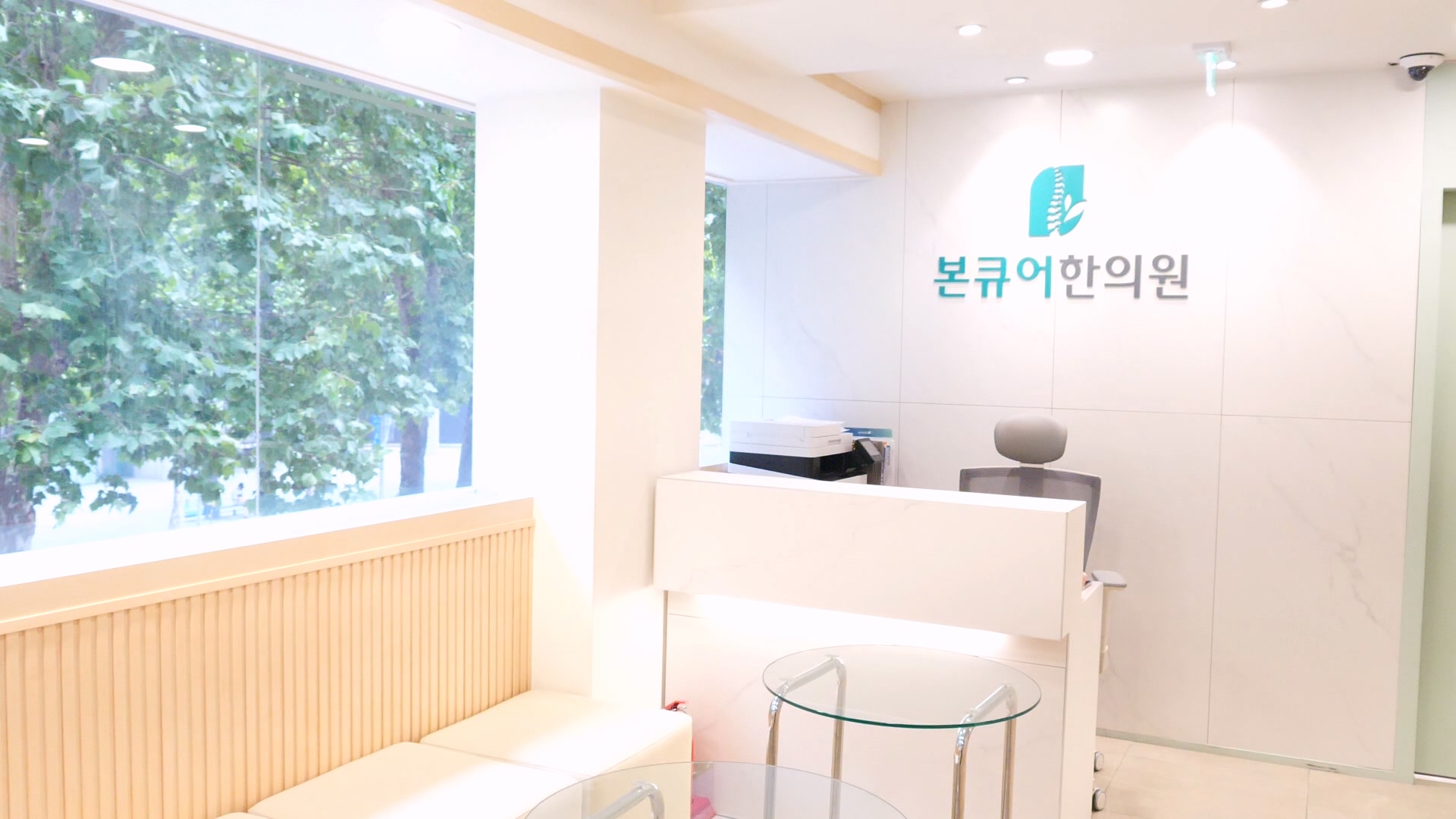
Rather than simply managing symptoms, we aim to identify the root causes of pain. By combining modern anatomical understanding with the philosophy of Korean medicine, we help patients regain a balanced daily life through personalized, highly efficient treatment plans.
A Philosophy of Structural Recovery and Life Vitality
The fundamental philosophy at Bonecure centers on the belief that "when your bones smile, life smiles." We recognize that many chronic conditions arise from structural misalignments, which lead to compensatory patterns in muscle tissue and nervous system dysfunction. By focusing on the restoration of these structures, our clinic aims to revitalize the natural healing mechanisms inherent within every patient. This approach moves beyond simple symptom suppression, instead targeting the physiological root of physical discomfort through meticulous anatomical assessment. When the framework of the body is balanced, the organs and internal systems can function at their optimal capacity. Our commitment is to provide a restorative experience that empowers individuals to regain their physical freedom and overall well-being. Please note that while we aim for significant improvement, results may vary by individual, and chronic conditions may require a structured treatment plan.
Contemporary Korean Medicine with Clinical Efficiency
Contemporary Korean medicine at Bonecure is defined by its rigorous integration of clinical evaluation and specialized therapy. In the district of Cheongdam, we focus on objective clinical data to enhance diagnostic precision, utilizing intensive 10-to-20-minute consultation sessions to ensure each treatment plan is tailored to the specific anatomical needs of the individual. Our practitioners leverage extensive clinical experience to treat conditions ranging from chronic tinnitus to acute spinal misalignments. We utilize systematic diagnostic processes, including body type evaluation, movement analysis, and internal organ function assessments, to provide transparency and clarity. This modernized approach ensures that every patient receives efficient care that meets the expectations of both local residents and international visitors. Through this dedication to clinical clarity, we redefine holistic care in the competitive landscape of Seoul's medical district in 2026.
Advanced Clinical Approaches at Bonecure Clinic
Advanced clinical approaches at Bonecure involve the use of specialized instruments and manual techniques to release internal adhesions and realign the spine for optimal nervous system performance. These interventions are designed to address the deep-seated structural issues that prevent the body from maintaining a pain-free state.
Minimally Invasive Acu-potomy and Adhesion Release
At Bonecure, we utilize specialized acu-potomy (acu-puncture) techniques, which involve a blade-like needle designed to release stubborn soft tissue adhesions that restrict joint mobility and compress vital nerves. This procedure is particularly effective for treating chronic conditions that have failed to improve with standard physical therapies. By targeting the fibrotic tissue that accumulates due to long-term inflammation, we can effectively restore neural conductivity to the affected areas. While this treatment is generally safe, potential side effects may include temporary soreness at the site, minor bruising, or a low risk of infection. Results vary based on individual conditions, and sessions are typically conducted within an efficient 10-to-20-minute timeframe to achieve meaningful structural release. This method represents a significant advancement in pain management, providing a bridge between conservative care and surgical intervention. Our goal is to achieve maximal functional improvement with an emphasis on immediate structural changes.
Scientific Principles of Structural Realignment
The scientific principles underlying our protocols are based on the measurement of spinal curves and joint angles. To ensure diagnostic precision, we refer to external imaging through specialized partner hospitals for X-rays, CTs, or MRIs when necessary. We utilize force-vector adjustments, such as Chuna therapy and jaw joint correction, to encourage the skeletal system to return to its ideal configuration. This process is not merely about physical manipulation but involves retraining the neuromuscular system to maintain healthy patterns. In cases of idiopathic scoliosis or chronic postural collapse, we monitor progress through repeated assessments to verify that structural changes are occurring. This evidence-based strategy allows us to provide patients with clear milestones for their recovery. By focusing on the physics of the human body, we provide a reliable foundation for health.
Acu-potomy vs Manual Therapy: A Comparative Overview
Understanding the differences between acu-potomy and manual therapy is crucial for selecting the most appropriate intervention. While manual therapy, such as Chuna, focuses on the movement of joints and superficial muscles, acu-potomy penetrates deeper to address calcified adhesions. In our clinical observations, combining these modalities often yields the most comprehensive results. The following table illustrates the key differences between these two foundational approaches used in our Cheongdam facility.
| Feature | Specialized Acu-potomy | Chuna Manual Therapy |
|---|---|---|
| Primary Goal | Releasing deep tissue adhesions | Joint realignment and muscle relaxation |
| Method Used | Specialized blade-like needle | Practitioner's hands-on manipulation |
| Depth of Action | Deep ligamentous and fascial layers | Superficial to mid-level muscle and bone |
| Treatment Time | Typically 10 to 20 minutes | Typically 10 to 20 minutes |
| Sensation | Sharp, localized release pressure | Broad pressure and stretching sensation |
Patient-Centered Care and Specialized Treatments
Patient-centered care at Bonecure is a clinical framework that prioritizes the unique physiological history and recovery goals of each individual. This model ensures that treatment is a dynamic process that evolves according to the patient's specific healing response and diagnostic markers.
Addressing Chronic Pain through Structural Correction
Chronic pain management at Bonecure is approached through the systematic correction of structural imbalances that create persistent neurological stress. We have documented cases, such as a patient suffering from chronic tinnitus, where structural realignment of the cervical spine contributed to a reduction in symptom intensity. By addressing the mechanical compression of nerves in the neck, we can alleviate triggers of various pain syndromes. Our protocols are designed to be intensive, with the aim of achieving immediate functional improvement. While some individuals may experience relief after a single session, most chronic conditions require a structured plan to ensure stability. This focus on the structural cause of pain allows us to help patients who have struggled to find long-term solutions elsewhere.
Personalized Recovery Programs for International Patients
Bonecure provides efficient recovery programs for international patients and tourists visiting Seoul who require effective medical intervention. We understand the unique challenges faced by travelers, such as limited time. Our intensive 10-to-20-minute consultations are designed to quickly identify primary structural issues and implement a treatment plan that fits within a visitor's itinerary. We have treated numerous foreign residents who have reported functional improvements during their personalized protocol. Our staff is prepared to facilitate a smooth process, from the initial evaluation to the treatment session, ensuring that every patient feels supported. By offering high-impact treatments that yield noticeable changes, we have become a destination for those seeking specialized care in the Cheongdam area.
Case Reports and Evidence-Based Outcomes
The efficacy of our treatments is supported by documented clinical case reports. For example, in a specific case report of a patient with Meniere’s-related tinnitus, symptom scores significantly improved following a consistent course of treatment. These individual results are presented to illustrate potential clinical outcomes; however, they do not guarantee the same results for all patients. We maintain case reports highlighting the treatment of conditions like idiopathic scoliosis, autonomic imbalance, and concussion-related syndromes. By providing these metrics, we allow our patients to make informed decisions about their healthcare based on real-world clinical performance. We continue to refine our protocols based on these findings to provide effective care in 2026.
A 2026 Clinical Guide to Dr. Song Jeong-hyeon's Structural Restoration at Bonecure
Navigating Your Visit to Our Cheongdam Clinic
Navigating your visit to our Cheongdam clinic involves a structured process of diagnostic evaluation and intensive treatment planning. From the moment you enter our facility, we focus on providing a professional clinical experience that prioritizes your recovery and understanding of the healing process.
Understanding the Diagnostic and Consultation Process
The diagnostic process at Bonecure begins with an intensive 10-to-20-minute evaluation that includes a physical examination, movement review, and an analysis of structural alignment. We utilize physical posture assessment tools to identify spinal deviations and soft tissue adhesions. Dr. Song Jeong-hyeon personally reviews these findings with each patient to ensure clarity before treatment begins. We believe that a well-informed patient is a vital partner in the recovery process, and we focus on delivering an impactful diagnosis. By the end of this consultation, you will have a clear understanding of your current structural state and a proposed treatment path. This thorough approach minimizes guesswork and ensures that every intervention is targeted and effective.
Integrated Treatment for Autonomic Nervous System Balance
Integrated treatment at Bonecure addresses the autonomic nervous system, which can be compromised by structural misalignments. When the spine is out of balance, it can lead to chronic stress on the nervous system, resulting in symptoms like fatigue or digestive issues. Our protocols utilize specialized acu-potomy and Chuna therapies to restore physical space around the nerves, promoting a state of healing. Many patients report improvements in overall tension as their autonomic balance is restored. This approach ensures that we are treating the whole person by stabilizing the nervous system through structural correction. This is a key focus of our clinical model, emphasizing the deep connection between physical structure and systemic function.
Post-Treatment Guidance for Lasting Health
Maintaining the structural gains achieved during treatment is a collaborative effort. Once primary misalignments have been addressed, we provide specific postural guidance to help you maintain your alignment in daily life. Most patients benefit from periodic check-ups to ensure the spine remains in its optimal orientation. This proactive approach helps prevent the recurrence of chronic pain and ensures your body remains resilient. By investing in regular care, you can enjoy the lasting benefits of structural restoration. Our clinic is dedicated to being your partner in health, providing the expertise you need to keep your body balanced. This focus transforms a simple visit into a long-term commitment to physical well-being.
Frequently Asked Questions
Q. What distinguishes Bonecure from other clinics in Cheongdam?
We focus on structural recovery through intensive acu-potomy and targeted manual therapy. Our approach prioritizes immediate functional improvement and the restoration of spinal alignment using systematic diagnostic data. We emphasize efficiency, providing impactful 10-to-20-minute sessions directed by Director Song Jeong-hyeon.
Q. Does Bonecure provide services for international patients?
Yes, we frequently treat international patients visiting Seoul. We provide efficient, English-friendly treatment plans designed to accommodate travelers and foreign residents who require specialized care during their stay in Korea.
Q. What is the primary method used for chronic pain management?
We utilize specialized acu-potomy techniques designed to release deep tissue adhesions. This approach targets the mechanical root cause of pain, such as nerve entrapment, rather than just managing symptoms. Each session is tailored to the patient’s anatomical findings from their intensive initial evaluation.
Q. Are there any side effects associated with acu-potomy treatments?
While the procedures are safe, some patients may experience temporary soreness, minor bruising, or transient fatigue. These are typical reactions to structural release therapies and usually resolve within 24 to 48 hours. We always discuss potential risks during the consultation process.
Q. How many sessions are required to see changes?
We aim for immediate functional response and structural change during each visit. While some notice immediate relief in mobility, chronic or complex cases may require a series of structured sessions to achieve lasting stability. Frequency is adjusted based on individual progress.
Q. Does Bonecure perform X-rays on-site?
For precise imaging like X-rays, CTs, or MRIs, we refer our patients to specialized external partner hospitals, such as Harrison Hospital. We then use these objective results to refine our treatment plans and monitor structural progress.
Q. Do I need an appointment before visiting the clinic?
Yes, we recommend scheduling an appointment in advance to ensure dedicated consultation time with Director Song Jeong-hyeon. This allows us to provide an efficient and uninterrupted 10-to-20-minute diagnostic and treatment session for every patient in 2026.
Key Takeaways
- Structural Restoration: Bonecure focuses on skeletal alignment and the release of deep adhesions to resolve chronic pain.
- Clinical Efficiency: We provide intensive 10-to-20-minute sessions designed for maximum impact and immediate response.
- Specialized Acu-potomy: Our techniques reach deep-seated tissue issues that traditional manual therapy alone may not resolve.
- International Accessibility: We offer tailored support for foreign residents and tourists in Seoul, ensuring clear communication.
- Neurological Balance: By correcting the body's structure, we aim to restore autonomic nervous system harmony and overall vitality.
Bonecure / Director Song Jeong-hyeon
FAQ
- What distinguishes Bonecure from other traditional clinics in Cheongdam?
- We focus on structural recovery through scientific evidence and modern clinical applications. Our approach prioritizes the restoration of spinal alignment and joint function to improve overall vitality using objective diagnostic data. Unlike traditional clinics that may focus solely on herbal remedies, we combine physical realignment with specialized acu-potomy for deep tissue release.
- Does Bonecure provide services for international patients or tourists?
- Yes, we frequently treat international patients visiting Seoul for business or leisure. We offer personalized consultations in English and efficient treatment plans designed to accommodate travelers who may only be in the city for a short time. Our administrative team is experienced in helping foreign residents navigate their care smoothly.
- What is the primary method used for chronic pain management at the clinic?
- We utilize specialized acu-potomy techniques designed to release deep tissue adhesions and promote structural regeneration. This approach targets the mechanical root cause of pain, such as nerve entrapment or joint restriction, rather than just managing symptoms temporarily. Each session is tailored to the patient's specific anatomical findings from their initial 30-minute diagnosis.
- Are there any side effects associated with the specialized acu-puncture treatments?
- While the procedures are generally safe, some patients may experience temporary soreness at the site, minor bruising, or a feeling of fatigue. These are typical reactions to structural release therapies and usually resolve within 24 to 48 hours as the body adapts. We always discuss potential risks and individual reactions during the consultation process to ensure patient comfort.
- How many sessions are typically required to see significant structural changes?
- Treatment frequency depends entirely on the severity and duration of the condition, such as whether it is an acute injury or an 18-year chronic issue. While some notice immediate relief in mobility, chronic or complex cases often require a course of 10 to 20 sessions to achieve lasting structural correction. We monitor progress through regular imaging and physical assessments to adjust the plan as needed.
- Is diagnostic imaging like X-rays used in the treatment planning process?
- Yes, we refer to objective diagnostic data, including spinal imaging and posture analysis, to assess alignment and monitor clinical progress. This ensures that every treatment plan is based on the specific anatomical needs of the patient rather than subjective estimation. By comparing images over time, we can provide clear evidence of the structural changes occurring in the body.
- Do I need an appointment before visiting the clinic in Cheongdam?
- To provide the highest level of care and dedicated consultation time with Director Song Jeong-hyeon, we recommend scheduling an appointment in advance. This ensures that we can dedicate at least 30 minutes to your initial evaluation and diagnostic process without interruption. You can contact us through our official channels to find a time that fits your schedule in 2026.