
Post
Traditional Korean Herbal Decoction: A 2026 Guide to Healing and Balance at Bonecure
Hello. I am Dr. Jeong-hyeon Song, a Korean medicine doctor who has long focused on the clinical application of specialized acupuncture and herbal therapies.
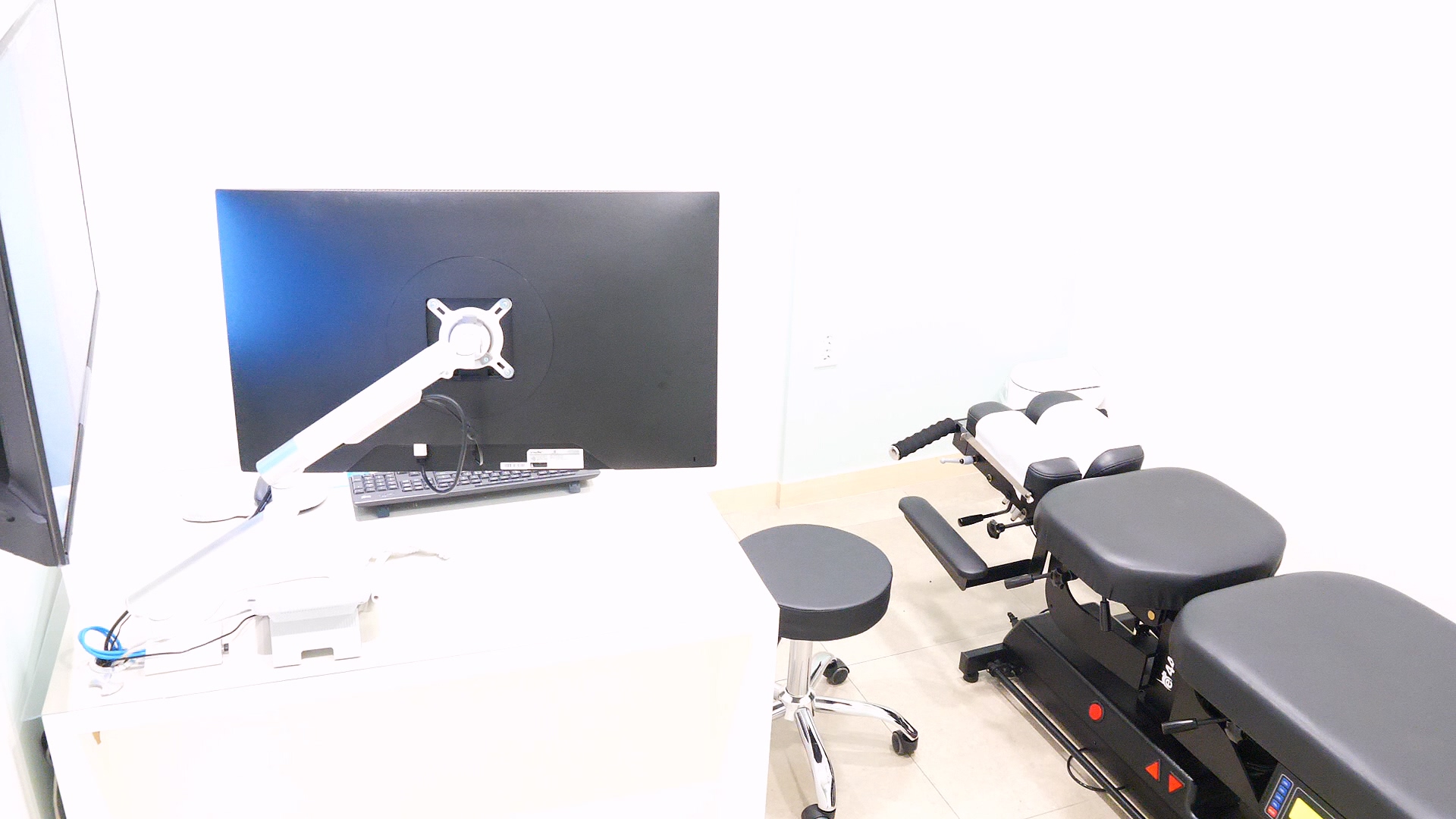
A Traditional Korean Herbal Decoction, often referred to as Hanyak, is a therapeutic liquid made by simmering a precise combination of medicinal herbs to extract active healing compounds. At Bonecure, we believe that true recovery requires a balance between internal metabolic health and external structural alignment, providing a holistic path to lasting wellness.
Understanding Traditional Korean Herbal Decoction and its Role in Healing
A traditional Korean herbal decoction, or Hanyak, is a therapeutic liquid prepared by boiling medicinal plant materials in water to extract specific healing properties for oral consumption. This method of preparation has been the cornerstone of Hanbang for centuries, serving as a primary tool for restoring physiological balance. By utilizing natural ingredients like roots, berries, and minerals, these decoctions address the root causes of illness rather than merely suppressing symptoms.
Defining Hanyak and its Historical Significance
The term Hanyak describes a foundational pillar of traditional Korean medicine that has evolved over thousands of years to address systemic health. This medicinal tradition focuses on the symbiotic relationship between the human body and the natural environment, utilizing roots, barks, and leaves to promote homeostasis. Historically, these formulas were reserved for royalty and scholars, but today they serve as a primary therapeutic intervention for various modern ailments. At Bonecure, we respect this rich history by applying ancient wisdom to contemporary diagnostic standards. The core philosophy posits that disease arises from an imbalance of energy and blood flow. By restoring this flow, the body can initiate its own healing processes effectively. Clinical observations show that many patients in specialized Korean medicine clinics receive some form of herbal prescription to supplement their physical treatments. This historical continuity ensures that every decoction we prepare is grounded in centuries of empirical evidence and clinical observation.
The Traditional Simmering Process for Optimal Extraction
Extraction is a critical phase where raw medicinal ingredients are transformed into a potent liquid form through precise simmering. This process typically involves heating the herbs in purified water for a specific duration at a carefully monitored temperature. Maintaining a low-heat environment is essential to prevent the degradation of volatile essential oils and heat-sensitive active compounds. The process focuses on controlled temperature management to minimize nutrient loss and maximize the extraction of key active components compared to rapid boiling methods. At Bonecure, we monitor this extraction process meticulously to ensure that each batch meets our rigorous quality standards. The resulting liquid, or decoction, is then filtered to provide a clean and easily absorbable medicine. Proper extraction ensures that the bioavailability of the herbal components is maximized for the patient. While modern technology has introduced automated machines, the fundamental principles of time and temperature control remain the most vital factors in decoction efficacy.
Principles of Individualized Formulation in Korean Medicine
Individualization is the hallmark of professional herbal medicine, as no two patients possess the identical constitutional makeup or symptom profile. As a doctor at Bonecure, I conduct a thorough analysis of a patient's pulse, tongue, and structural alignment before prescribing any formula. Unlike over-the-counter supplements that offer a one-size-fits-all approach, a custom decoction addresses the specific root causes of a patient's distress. In my clinical experience, personalized formulas often provide more satisfactory results for managing chronic fatigue compared to standardized over-the-counter options. We carefully balance the King, Minister, Assistant, and Envoy herbs within a formula to ensure harmony and minimize potential sensitivities. This tailored approach allows us to adjust dosages based on real-time feedback and physiological changes. By focusing on the unique needs of the individual, we can provide a more targeted and safer therapeutic experience that supports long-term health and vitality.
Diverse Applications of Herbal Formulas for Health and Balance
Herbal formulas represent complex botanical combinations designed to target specific physiological imbalances and restore systemic harmony within the human body. These prescriptions are not merely collections of herbs but are synergetic structures where each ingredient enhances the effect of the others. Whether used for acute recovery or chronic management, these formulas provide a versatile platform for comprehensive health restoration.
Ssanghwa-tang and the Restoration of Internal Harmony
Ssanghwa-tang remains one of the most recognized decoctions in Korea, literally translating to a formula that brings two energies into harmony. It is primarily composed of nine core ingredients, including white peony root and rehmannia, which work together to tonify the blood and relieve physical exhaustion. In a clinical context, this formula is frequently utilized to support patients recovering from severe fatigue or those experiencing the early stages of a cold. While many people consume commercial versions, a professional-grade prescription provides a significantly higher concentration of active markers. My clinical observations indicate that patients using clinical-strength Ssanghwa-tang report a faster return to baseline energy levels after intense physical exertion. It serves as an excellent foundational tonic to support the immune system and promote overall resilience. By harmonizing the body's internal environment, Ssanghwa-tang helps create a stable foundation for other structural therapies to take effect more efficiently.
Herbal Support for Musculoskeletal and Chronic Pain Management
Managing musculoskeletal pain requires more than just local treatment, it requires an internal environment that favors tissue repair and inflammation reduction. Herbal decoctions specifically formulated for pain often include ingredients like achyranthes and clematis root, which are known to improve circulation to the joints and tendons. By reducing internal oxidative stress, these formulas help clear metabolic waste from damaged tissues. Based on our clinical observations at Bonecure, some patients who supplement their physical therapy with targeted herbal medicine have experienced improvements in their range of motion recovery rates. However, individual results may vary depending on the patient's condition. Chronic pain often involves a component of nervous system sensitization, which certain herbs can help soothe. These formulas act as a biological support system, ensuring that the body has the necessary nutrients to rebuild structural integrity. While individual results vary based on the chronicity of the condition, the integration of internal medicine provides a more comprehensive solution than localized treatments alone.
Formulations Tailored for Women's Health and Vitality
Female health requires a nuanced approach that considers hormonal fluctuations, metabolic rate, and blood circulation. Formulas such as Gwigon-tang or modified versions of Sagunja-tang are often prescribed to address conditions like menstrual irregularities, postpartum recovery, and menopausal symptoms. These decoctions focus on nourishing the blood and stabilizing the autonomic nervous system, which is crucial for emotional and physical well-being. From our clinical experience, many women find that customized formulas help restore metabolic rhythm and autonomic balance. At our clinic, we focus on restoring the metabolic rhythm to ensure that the body can adapt to various life stages smoothly. By addressing these internal factors, we can often alleviate secondary symptoms such as insomnia or digestive distress. Herbal medicine provides a gentle yet effective way to support the complex physiological needs of women without the use of synthetic hormones. This natural approach encourages the body to find its own equilibrium and maintain long-term vitality.
The Bonecure Approach: Integrating Decoctions with Structural Therapy
The Bonecure approach to wellness emphasizes the integration of internal medicine with external structural adjustments to achieve a complete recovery profile. We recognize that a misaligned spine can affect internal organ function, just as internal inflammation can weaken the muscles supporting the skeleton. By treating both simultaneously, we aim to provide a more robust and sustainable healing outcome for our patients.
Synergy between Acupuncture for Back Pain and Herbal Medicine
When addressing spine and joint issues, I often recommend Acupuncture for Back Pain: Structural Alignment and Root Cause Recovery alongside a customized decoction. The acupuncture works to release muscular tension and correct skeletal imbalances from the outside, while the herbal medicine reduces inflammation and nourishes the bone and ligament tissue from the inside. This dual-action strategy is particularly effective for patients with disc herniations or chronic stenosis. Based on our clinical observations, we have found that this combined approach can help some patients reach their recovery goals more efficiently compared to using acupuncture alone. Please note that the number of sessions required depends entirely on the individual's health status and response to treatment. The herbs provide the metabolic fuel necessary for the physical changes initiated by the needles to become permanent. This synergy ensures that we are not just masking the pain but are actually supporting the structural repair of the lumbar and thoracic regions. It is a comprehensive method that addresses both the physical architecture and the biological health of the patient.
Clinical Observations on Recovery through Integrated Care
Throughout my clinical career, I have documented numerous cases where integrated care led to significant objective improvements in complex conditions. For instance, in a specific case report of a patient with chronic tinnitus and neck misalignment, this individual's tinnitus score dropped from 54 points to 2 points following a structured course of 20 integrated therapy sessions. This case involved specific decoctions and structural adjustments; however, this is a single case report and does not guarantee the same outcome for all patients, as individual results may vary significantly. These types of outcomes demonstrate the power of addressing the body as a unified system. While these specific results may not be identical for every patient, they highlight the potential for significant recovery when the internal and external environments are both optimized. We use these clinical observations to continually refine our herbal prescriptions and structural techniques. By relying on evidence-based case reports, we can offer our patients a higher level of confidence in their treatment plans. Our focus remains on achieving measurable improvements in both symptoms and objective health markers.
How Herbal Medicine Supports Tissue Regeneration after Dochim Therapy
Acupotomy is a powerful tool for breaking down stubborn adhesions and scar tissue in the fascia. To maximize the benefits of this procedure, I often prescribe decoctions that promote collagen synthesis and blood flow to the treated area. This is a core part of our Advanced Acupotomy in Seoul: Root Cause Pain Relief at BoneCure Korean Medicine Clinic protocol. The micro-trauma created by the dochim needle initiates a healing response, which the herbal medicine then accelerates by providing essential bio-active compounds. This reduces the likelihood of post-procedural soreness and helps the new tissue grow in a more organized and flexible manner. Patients typically report that their recovery feels smoother and more energetic when they follow the herbal regimen. While some may experience temporary pain, minor bleeding, or rarely infection at the site of the procedure, the herbal support is designed to help manage the recovery process naturally. It is important to discuss these potential risks with your practitioner. This integrated strategy ensures that the structural releases achieved during the session are supported by healthy internal regeneration. It is this attention to the biological details that sets our regenerative approach apart.
Comparing Preparation Methods and Ensuring Patient Safety
Preparation methods and safety protocols are the essential frameworks that ensure medicinal herbs are both effective for the patient and free from contaminants. In modern Korean medicine, we have various options for delivering herbal therapy, each with its own set of characteristics. Understanding these differences allows patients to make informed decisions about their healthcare journey while maintaining the highest safety standards.
Comparative Analysis: Liquid Decoctions vs Granule Extracts
Choosing the right delivery method depends on the patient's lifestyle and the severity of their condition. Liquid decoctions, the gold standard at Bonecure, offer the highest concentration of active ingredients and the best absorption rates. They are prepared specifically for one person and packaged in airtight pouches for freshness. On the other hand, granule extracts are made by drying decoctions into a concentrated powder, which provides convenience for travelers or those with very busy schedules. While granules are easier to store, they may not capture the full range of volatile oils found in a fresh liquid preparation. In terms of clinical efficacy, liquid decoctions are generally preferred for chronic or severe conditions where a higher dosage is required. The following table summarizes the key differences between these two common formats to help you understand which might be appropriate for your specific needs.
| Feature | Liquid Decoction (Hanyak) | Granule Extract |
|---|---|---|
| Personalization | High (Customized for every patient) | Moderate (Standardized formulas) |
| Absorption Rate | Very Fast | Fast |
| Concentration | Highest (Full spectrum) | High (Concentrated powder) |
| Convenience | Moderate (Requires refrigeration) | High (Portable sachets) |
| Shelf Life | 3 to 6 months | 12 to 24 months |
| Best For | Chronic, severe, or complex issues | Mild symptoms or maintenance care |
Standardized Quality Control in Modern Korean Medicine Clinics
Safety in herbal medicine starts with the sourcing of the raw materials, which must undergo rigorous testing for heavy metals, pesticides, and microbial purity. Modern clinics utilize standardized protocols that meet or exceed government regulations to ensure that every herb is safe for consumption. For example, at our facility, we only use herbs that have passed through a GAP (Good Agricultural Practices) certified supply chain. This ensures that the medicinal markers are at their peak levels while harmful contaminants are eliminated. Modern standardized testing protocols ensure that Korean medicinal herbs meet strict safety and purity standards. We also use purified water systems and medical-grade extraction equipment to maintain a sterile environment. This level of quality control is essential for preventing adverse reactions and ensuring consistent therapeutic results. Patients can trust that the decoctions they receive are the product of both traditional knowledge and modern scientific oversight. We believe that transparency in our sourcing and preparation is the key to building lasting patient trust.
Safety Guidelines and Understanding Potential Individual Reactions
While Hanyak is generally safe when prescribed by a qualified professional, it is important to understand that individual reactions can occur. Some patients may experience mild digestive upset, such as bloating or loose stools, as their body adjusts to the potent herbal compounds. These symptoms are usually temporary and can be managed by adjusting the dosage or the timing of consumption. It is also crucial to disclose any known allergies or current medications during your consultation to avoid potential herb-drug interactions. For instance, certain blood-thinning herbs should be used with caution if a patient is already taking anticoagulant medication. In a small percentage of cases, temporary fatigue may occur as the body begins the detoxification and healing process. If any unusual symptoms persist, I always advise patients to contact us immediately for a professional review. By following these safety guidelines and maintaining open communication, we can ensure that your experience with herbal medicine is both safe and beneficial. Your health and safety remain our primary concern throughout the treatment process.
Key Takeaways
- Personalized Healing: Traditional Korean Herbal Decoctions are customized to address each patient's unique metabolic and structural needs.
- Integrated Efficacy: Combining herbal medicine with structural therapies like acupuncture often results in faster and more sustainable recovery.
- Quality and Safety: Modern Hanyak undergoes rigorous testing for purity, ensuring that patients receive safe, high-quality botanical medicine.
- Root Cause Focus: Decoctions work internally to reduce inflammation and support tissue regeneration, rather than just masking symptoms.
- Expert Oversight: Professional diagnosis is essential to ensure the correct formulation and to minimize the risk of individual sensitivities.
Frequently Asked Questions
Q. What exactly is a traditional Korean herbal decoction?
Commonly known as Hanyak, it is a medicinal drink prepared by simmering a specific combination of herbs, roots, and minerals in water to extract active therapeutic components. This liquid form allows for high bioavailability and rapid absorption by the body's digestive system.
Q. How does Bonecure personalize these decoctions for patients?
As a Korean medicine doctor, I analyze each patient's structural balance and internal constitution to prescribe a unique herbal formula. We adjust the dosage and specific ingredients based on your current health status and any underlying conditions detected during the initial exam.
Q. Can herbal decoctions be combined with acupuncture for back pain?
Yes, combining herbal medicine with acupuncture often enhances the recovery process significantly. While the acupuncture addresses muscular and structural tension externally, the decoction works internally to reduce inflammation and provide the nutrients necessary for tissue repair.
Q. Is Ssanghwa-tang considered a type of herbal decoction?
Yes, Ssanghwa-tang is a well-known traditional decoction often used to relieve fatigue and restore internal balance. However, clinical-strength versions used in a medical setting are much more concentrated than the versions typically found in convenience stores.
Q. What are the potential side effects of taking Hanyak?
While generally safe, some individuals may experience side effects such as temporary pain or minor bleeding at the treatment site, or mild digestive upset and bloating. These reactions are usually short-lived, but it is important to report any sensitivities to your doctor immediately.
Q. How long does it typically take to see results from herbal medicine?
Results vary significantly depending on whether the condition is acute or chronic. While some patients feel an improvement in energy within a few days, structural issues or chronic metabolic imbalances may require several weeks of consistent treatment for optimal results.
Q. Are there any risks to buying herbal decoctions without a prescription?
Taking unprescribed herbs can lead to internal imbalances or harmful interactions with other medications you may be taking. A formal diagnosis at a clinic like Bonecure ensures that the ingredients are specifically chosen to be safe and effective for your unique body type.
If you have persistent pain or feel a lack of vitality, it may be time to look at your health from both a structural and internal perspective. I invite you to consult with us to see how a personalized herbal approach can support your journey toward a pain-free life.
Bonecure / Dr. Jeong-hyeon Song
FAQ
- What exactly is a traditional Korean herbal decoction?
- Commonly known as Hanyak, it is a medicinal drink prepared by simmering a specific combination of herbs, roots, and minerals in water to extract active therapeutic components. This liquid form allows for high bioavailability and rapid absorption by the body's digestive system.
- How does Bonecure personalize these decoctions for patients?
- As a Korean medicine doctor, I analyze each patient's structural balance and internal constitution to prescribe a unique herbal formula. We adjust the dosage and specific ingredients based on your current health status and any underlying conditions detected during the initial exam.
- Can herbal decoctions be combined with acupuncture for back pain?
- Yes, combining herbal medicine with acupuncture often enhances the recovery process significantly. While the acupuncture addresses muscular and structural tension externally, the decoction works internally to reduce inflammation and provide the nutrients necessary for tissue repair.
- Is Ssanghwa-tang considered a type of herbal decoction?
- Yes, Ssanghwa-tang is a well-known traditional decoction often used to relieve fatigue and restore internal balance. However, clinical-strength versions used in a medical setting are much more concentrated than the versions typically found in convenience stores.
- What are the potential side effects of taking Hanyak?
- While generally safe, some individuals may experience mild digestive upset, bloating, or temporary changes in energy levels as the body adjusts. These reactions are usually short-lived, but it is important to report any sensitivities to your doctor immediately.
- How long does it typically take to see results from herbal medicine?
- Results vary significantly depending on whether the condition is acute or chronic. While some patients feel an improvement in energy within a few days, structural issues or chronic metabolic imbalances may require several weeks of consistent treatment for optimal results.
- Are there any risks to buying herbal decoctions without a prescription?
- Taking unprescribed herbs can lead to internal imbalances or harmful interactions with other medications you may be taking. A formal diagnosis at a clinic like Bonecure ensures that the ingredients are specifically chosen to be safe and effective for your unique body type.