
Post
Root Cause Structural Alignment and Metabolic Recovery: A 2026 Clinical Guide by BoneCure
Hello. I am Song Jung-hyun, a doctor of Korean medicine with clinical experience in acupotomy and structural restoration. At BoneCure Korean Medicine Clinic, we believe that true wellness begins when the body’s foundation is correctly aligned.
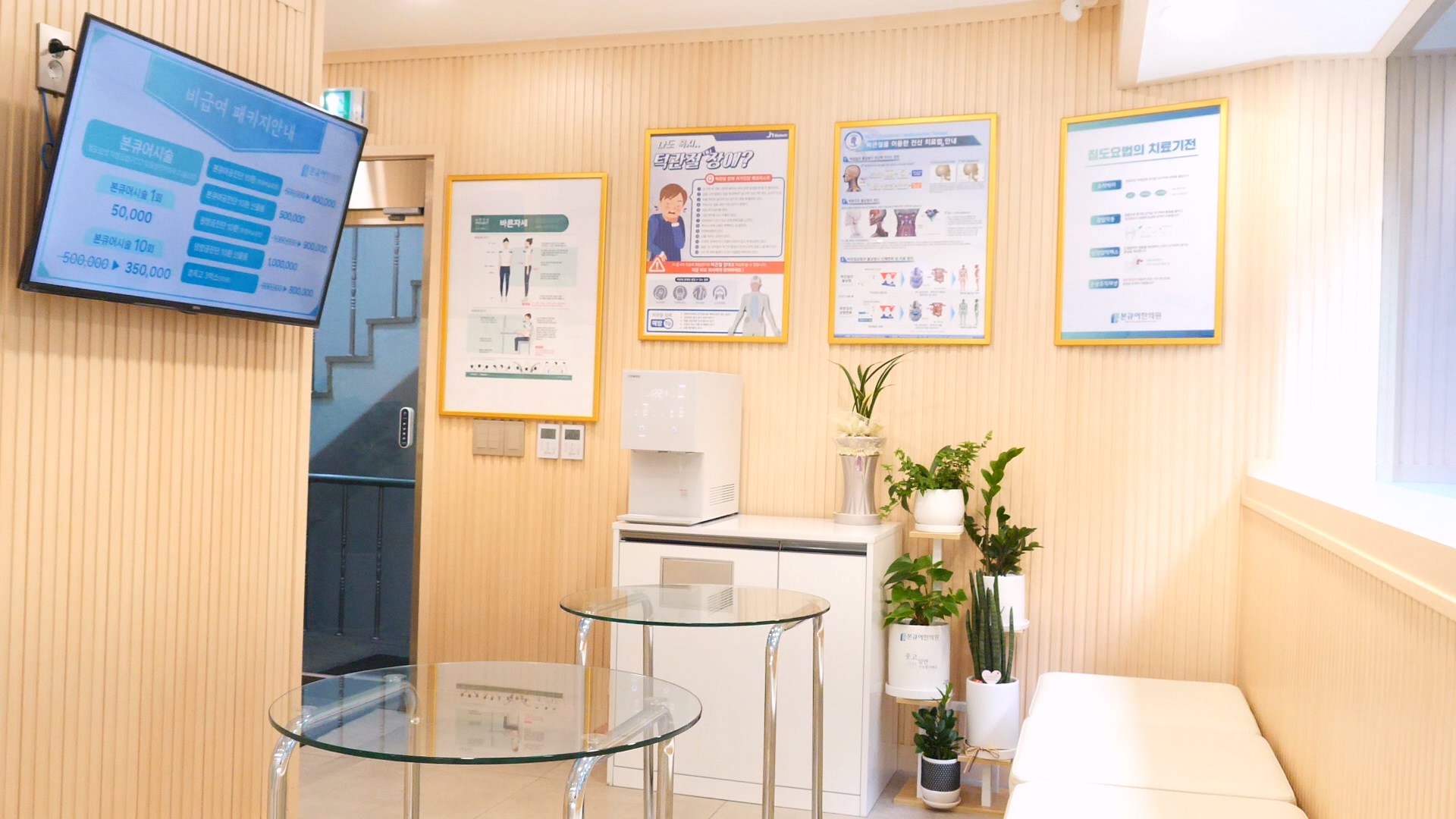
Rather than simply masking symptoms, we focus on identifying root causes—often found in the misalignment of the cranium and spine—to restore balance. This guide explores our 2026 clinical approach to structural integrity and systemic recovery.
Defining Structural Recovery and Systemic Balance at BoneCure
At BoneCure Korean Medicine Clinic, we devote ourselves to helping each patient regain a healthy and balanced daily life. A healthy life is not merely the absence of pain but the presence of functional harmony. When our bones and joints are properly aligned, the nervous and circulatory systems can operate without interference. Our primary goal is to identify why a patient is experiencing dysfunction rather than just where it hurts. By combining traditional wisdom with modern diagnostic movement evaluations, we create a tailored path to recovery. This comprehensive approach ensures that every intervention—whether it be physical manipulation or pharmacological support—serves the singular purpose of restoring the body's natural homeostatic rhythm and structural foundation.
The Philosophy of Structural Integrity and Balance
The philosophy of balance at BoneCure is encapsulated in our slogan: "When your bones smile, life smiles." This reflects our belief that the skeletal system is the scaffolding of human vitality. Our clinic focuses on identifying the root causes of pain and functional stagnation that often stem from structural misalignments. Our clinical philosophy prioritizes efficient care aimed at improving mobility and comfort, though individual response times may vary based on the patient's unique condition. By assessing the body as a whole, we identify how a tilt in the pelvis or a compression in the upper cervical spine may be causing systemic issues elsewhere. Our mission is to provide efficient care that aims for structural improvement, allowing many patients to experience a difference as their sessions progress. This methodology treats the body as an interconnected unit, aiming to support long-term systemic health and a more vibrant daily experience for our patients.
Beyond Simple Symptom Relief: Identifying Root Causes
Many patients come to us seeking a different approach to their health concerns. True recovery often involves looking at the body's structural foundation alongside lifestyle factors to support long-term wellness. At BoneCure, we utilize personalized clinical evaluations, including detailed posture and movement analysis, to understand how a patient’s internal systems are struggling. While we refer out for advanced imaging like X-rays or MRIs through our network of partner hospitals, our in-office expertise lies in the manual assessment of tissue adhesions and skeletal deviations. We focus on 'Suseunghwagang', the principle of circulating cool energy to the head and warm energy to the abdomen, which is only possible when the physical pathways are clear. By addressing the physical blockages that impede this flow, we help patients move past chronic stagnation and into a state of active, measurable recovery that lasts far beyond the treatment room.
Core Principles: Acupotomy and Chuna Therapy
Understanding the core principles of our practice involves recognizing the importance of 'Eohyeol' (stagnant blood) and 'Gyeoljeol' (tissue adhesions). These blockages are often the result of long-term structural stress or unresolved injury. Our clinical focus is on the manual and physical removal of these obstacles. We utilize Chuna therapy to correct the skeletal alignment and acupotomy to release the fibrous adhesions that trap nerves and blood vessels. This dual approach addresses both the hard scaffolding and the soft tissues of the body simultaneously. We emphasize that a misaligned spine can impede almost every biological process, from digestion to neural transmission. By focusing on the structural foundation, we create a synergistic effect that enhances the body’s innate healing capacity. This foundational understanding allows us to treat the person as a whole entity, providing a comprehensive solution for those who have struggled with chronic, unresponsive conditions for years.
Core Components of the Structural and Functional Recovery Process
The core components of our recovery process represent the fundamental therapeutic pillars used at BoneCure to restore health. We integrate specialized prescriptions and physical interventions to optimize the patient’s physiological state. These methods are designed to be efficient and impactful, focusing on the most critical areas of dysfunction first.
Personalized Korean Herbal Medicine (Hanyak)
Personalized herbal medicine is a critical support pillar for patients undergoing structural restoration at BoneCure. These formulas are not generic supplements; they are chemical signals tailored to an individual’s unique constitution and metabolic rate. We use high-quality, screened ingredients to support the body’s natural inflammatory response and assist in the gradual reduction of metabolic waste. In our practice, these prescriptions are used to 'soften' chronically tight tissues and improve circulation, making physical corrections more effective and long-lasting. While the number of doses required depends on the individual’s baseline health, the goal is always to provide the internal resources necessary for cellular repair. By adjusting these formulas throughout the treatment process, we ensure that the body is supported as it transitions toward a more aligned and balanced state. This internal support is essential for achieving sustainable results in chronic cases.
Acupotomy for Releasing Chronic Tissue Adhesions
Acupotomy, or 'Miniscarpel' therapy, is the centerpiece of our physical intervention strategy for deep-seated pain and dysfunction. Using expert techniques, we precisely release tight, fibrous tissues that have become adhered due to chronic stress or injury. These adhesions often act as physical 'anchors' that pull the spine out of alignment and compress vital nerves. Acupotomy focuses on the physical release of these stuck tissues to help restore muscle length and joint mobility. In my clinical experience, many patients observe improvements in their range of motion. We aim for treatments where the patient can experience structural progress during the session. This technique is a specialized option for those with 'tough' or 'frozen' tissues, though results depend on the individual's condition. It is a precise, minimally invasive clinical intervention performed without the need for large incisions.
Chuna Therapy for Spinal and Pelvic Alignment
Chuna therapy is our primary method for manual skeletal correction, focusing on the three-dimensional alignment of the spine and pelvis. At BoneCure, Chuna is not a generic massage; it is a clinical manipulation designed to restore the proper relationship between bones and joints. By applying specific pressure and movement to misaligned segments, we help the body return to its natural center of gravity. Proper alignment is crucial because even a minor deviation in the pelvis can cause compensatory pain in the neck or shoulders. We combine these manual adjustments with movement assessments to ensure that the body can maintain its new, healthy position during daily activities. This structural work is essential for opening the pathways of the autonomic nervous system, which governs organ function and metabolic health. By stabilizing the foundation, we reduce the recurring mechanical stress that often leads to chronic inflammation and tissue degradation over time.
| Feature | BoneCure Structural Recovery | Focus & Characteristics |
|---|---|---|
| Primary Goal | Root Cause & Structural Alignment | Focuses on skeletal and tissue balance |
| Diagnosis | Manual Movement & Posture Analysis | Comprehensive physical assessment |
| Methodology | Acupotomy, Chuna, Herbal Meds | Integrative Korean Medicine approach |
| Focus Area | Cranio-Spinal & Neural Flow | Holistic structural perspective |
| Clinical Impact | Structural Improvement | Aims for foundational recovery (results vary) |
| Supervision | Lead Doctor (Song Jung-hyun) | Direct clinical oversight |
Understanding the BoneCure Approach to Structural Restoration
The structural restoration approach at BoneCure focuses on systemic recovery. Our clinical approach looks at the mechanical and pharmacological interactions within the body to provide a comprehensive path toward health for our patients.
A Structural Approach to Root Causes
At BoneCure, we prioritize a gradual transition of the body’s internal state by addressing the structural scaffolding. Our approach focuses on identifying underlying structural imbalances that may contribute to nerve compression and discomfort. Our 2026 protocols emphasize the importance of identifying these mechanical 'snags' before they lead to permanent tissue changes. This clinical oversight is crucial for supporting the body’s transition toward a more stable and balanced state. We have observed that when the structural cause is addressed, the body's self-healing mechanisms often take over, leading to improvements in energy and mood. This structural approach provides a pathway to wellness that focuses on mechanical alignment and tissue health.
Targeted Adhesion Release for Tissue Regeneration
Targeted tissue release is a unique aspect of our program that focuses on repairing the damage caused by long-term inflammation. In our practice, we understand that physical posture directly impacts the function of internal organs. BoneCure utilizes Advanced Acupotomy in Seoul: Root Cause Pain Relief at BoneCure Korean Medicine Clinic to break down the physical barriers that restrict blood flow. By realigning the spine and pelvic structure, we create the physical space necessary for optimal fluid movement. This is a form of 'structural detox'—once the physical blockages are removed, the body can naturally flush out metabolic waste more efficiently. We monitor these changes through functional movement tests to confirm that the body is returning to its natural, healthy alignment. This dual focus on tissue quality and skeletal integrity provides a mechanical perspective on health issues that may also have chemical or systemic components.
Long-term Functional Stabilization and Vitality
Long-term functional stabilization is the ultimate goal of the BoneCure approach, ensuring that the benefits of treatment last long after the initial sessions are complete. By strengthening the structural foundation and balancing the internal environment with herbal medicine, we help patients reset their baseline for health. We emphasize that true vitality is a byproduct of a balanced body rather than a goal achieved through deprivation or temporary intensity. In our clinical observations, we focus on how addressing structural misalignments can support metabolic balance and energy levels. We provide ongoing guidance on A Professional Guide to Herbal Medicine Prescription in Korea to support the transition back to a high-functioning lifestyle. This phase is critical for reinforcing the new, healthy patterns the nervous system has learned. Success may include improvements such as sustained energy, relief from chronic pain, and the ability to engage in daily life with a 'smiling' skeletal system.
The Impact of Structural Recovery on Chronic Pain and Vitality
The impact of our structural approach focuses on the relationship between mechanical alignment and the alleviation of chronic physical discomfort. By addressing both the physical and internal aspects of health, we aim to support significant improvements in quality of life and physical capabilities in 2026.
Relieving Chronic Pain via Nerve Decompression
One of the primary goals of our structural recovery program is to provide relief from chronic pain. When the spine is misaligned, nerves can become physically pinched or irritated by surrounding tissues, leading to persistent pain signals. At BoneCure, we address this by using Chuna and acupotomy to physically decompress these neural pathways. This combined approach is designed for patients with conditions like chronic lower back pain, sciatica, or tension headaches, focusing on structural causes of discomfort. We focus on lowering the overall systemic stress level by removing the constant 'noise' of pain signals coming from the musculoskeletal system. In my clinical practice, I have observed that balancing spinal structures and releasing tissue adhesions can lead to relief for those with long-standing discomfort. Please note that these are individual clinical observations; results vary by patient, and chronic conditions typically require multiple sessions for stabilization.
Improving Systemic Circulation through Structural Alignment
Structural alignment treats systemic issues like poor circulation and digestive dysfunction as external manifestations of internal physical pressure. When the body's 'pipes'—the blood vessels and lymphatic channels—are compressed by misaligned joints or tight muscles, the body cannot effectively deliver nutrients or remove waste. At BoneCure, we use specific interventions to clear these physical pathways. During the recovery process, many patients notice improvements in digestion and circulation as their internal organs are freed from mechanical stress. We prioritize the restoration of spinal mobility, as the autonomic nerves exiting the spine play a crucial role in regulating internal organ function. By focusing on the internal landscape from a structural perspective, we provide an approach for systemic issues that works in harmony with the body's natural mechanics. This internal clearance may help support a healthier complexion and increased daily energy, reflecting a state of internal wellness.
Advanced Acupotomy for Neuromuscular Recovery
Acupotomy represents a specialized physical intervention in our program, targeting the deep-seated adhesions that impede neuromuscular flow. Using specialized, expert-level clinical techniques, we can precisely release tight tissues that have been constricted for years due to stress or injury. This technique is essential for opening up the physical pathways through which the body circulates vital nutrients to the brain and peripheral organs. By correcting the structural foundation, we help support the nervous system's ability to communicate with the entire body. This realignment may be beneficial for patients who suffer from chronic tension or unexplained functional fatigue, depending on individual health factors. We find that when the physical structure is aligned, the body’s natural recovery processes operate with much greater efficiency and less internal resistance. This deep-level work aims to root the recovery of health in the physical reality of the body's architecture, supporting a foundation for long-term wellness.
Clinical Considerations and Patient Safety Protocols
Clinical considerations and safety protocols encompass the procedures we follow to ensure every individual receives effective care while minimizing risks. We believe that transparency and thorough monitoring are essential for building trust and achieving the best clinical outcomes for our patients in 2026.
What to Expect from Our Clinical Process
Your journey at BoneCure begins with a detailed roadmap of your progress, starting with a comprehensive review of your medical history and a manual structural assessment. We track everything from your subjective mobility levels to objective functional improvements. These notes are updated during every session to monitor how your body is responding to Chuna therapy and herbal medicine. For example, we may note a significant increase in the range of motion in your cervical spine or a reduction in the tenderness of specific tissue points. This meticulous attention to detail allows us to adjust the treatment plan in real-time, ensuring you receive the most appropriate care for your current state. Patients are encouraged to engage with their Expert Korean Medicine Doctor Consultation: A 2026 Guide to Integrative Healing to fully understand their recovery path. This collaborative approach ensures that you are an active and informed participant in your own journey toward structural health.
Understanding Material Risks and Individual Variations
At BoneCure, we are committed to patient safety and informed consent. While our treatments are generally safe and non-surgical, it is important to understand that individual results vary. Some patients may experience temporary side effects as their body adjusts to structural changes. For procedures like acupotomy and deep Chuna, common side effects include mild muscle soreness, temporary bruising, or a feeling of fatigue for 24-48 hours after the session—much like the feeling after an intense workout. These are typical signs that the body is processing the physical release of long-held tensions. We screen all patients thoroughly to identify any contraindications and customize the intensity of the treatment to their specific tolerance levels. It is critical to remember that chronic, long-term conditions may require multiple treatments to achieve the desired clinical result. We provide clear post-treatment instructions to help manage any temporary discomfort and ensure a smooth, predictable recovery process for every patient.
Maintaining Post-Treatment Health and Lifestyle Guidance
Maintaining your health after the initial recovery phase is the final and most important step of the journey. After the intensive treatment phase is complete, we provide each patient with a personalized plan to support their new alignment. This includes specific corrective movements and ergonomic advice to prevent the re-accumulation of tissue tension. At BoneCure, we believe the goal is to empower you with the tools needed to keep your 'bones smiling' for years to come. We may recommend periodic maintenance sessions to address the stresses of modern life, such as long hours at a desk. Education is a key component of this guidance; we want our patients to recognize the early signs of structural stress before they turn into chronic pain. By empowering you with knowledge and structural stability, we ensure that the benefits of your treatment lead to a lifetime of vitality and a more active, pain-free daily life.
Key Takeaways
- Root Cause Focus: BoneCure targets the structural misalignments of the cranium and spine to resolve chronic pain and functional issues.
- Expert Acupotomy: We utilize advanced tissue release techniques to physically break down adhesions and restore nerve and blood flow.
- Efficient Care: Our clinical philosophy prioritizes targeted interventions. While many patients observe improvements in mobility and comfort, the pace of recovery varies individually.
- Patient Safety: Every treatment is customized to the individual, with clear protocols to manage risks and ensure a safe, supportive recovery environment.
Frequently Asked Questions
Q. What is the primary focus of BoneCure Korean Medicine Clinic?
Our primary focus is identifying and treating the root causes of pain and functional stagnation through structural alignment, with a heavy emphasis on the cranium and spine. We use Chuna therapy and acupotomy to restore the body’s balance.
Q. How is acupotomy different from regular acupuncture?
Acupotomy uses a specialized clinical technique to physically release fibrous adhesions and tight tissues. While regular acupuncture focuses on energy flow, acupotomy acts more as a non-surgical intervention to restore physical muscle length and joint space.
Q. Can structural alignment help with internal health issues like digestion?
Yes. When the spine is misaligned, it can place mechanical stress on the autonomic nervous system, which controls internal organs. Correcting this alignment may help support improved systemic functions, including digestion and circulation, though individual results vary.
Q. Are the herbal medicines used at the clinic safe?
Yes, we provide customized herbal medicine prescriptions after a thorough evaluation of your constitution. We use high-quality, screened ingredients and monitor each patient. While generally safe, rare side effects like digestive upset or allergies can occur, so consultation is essential.
Q. How many sessions will I need to see a difference?
Some patients may experience changes in mobility and pain levels relatively early in the process. However, individual results vary, and stabilizing a chronic condition typically requires a series of treatments over several weeks or months.
Q. Are there any side effects I should expect after treatment?
Some patients experience mild muscle soreness or temporary bruising at the site of acupotomy or Chuna therapy. These effects are usually mild and resolve within a day or two as the body adapts to its new alignment.
Q. Is this approach suitable for people with chronic, long-term pain?
We often treat patients with chronic pain who are looking for alternative structural approaches. Our focus on deep tissue release and structural correction can be a helpful option for long-standing issues, though individual outcomes vary.
Q. Do I need to bring my own X-rays or medical records?
While not required for your first visit, any previous imaging or records can be helpful. We conduct our own manual structural assessments and can refer you to our partner hospitals for new X-rays or MRIs if necessary.
If you have further questions or wish to start your recovery journey, please contact us for a consultation.
BoneCure / Song Jung-hyun
FAQ
- What exactly is a Traditional Korean Detox Program?
- It is a comprehensive health regimen rooted in Korean medicine that uses personalized herbal formulas, acupuncture, and lifestyle adjustments to restore the body’s natural balance and improve metabolic efficiency. This approach focuses on both the chemical environment of the body and its physical structure.
- How does this program differ from a standard weight loss diet?
- Unlike restrictive calorie-counting diets, the Korean detox focuses on identifying the root causes of toxin accumulation, improving circulation, and strengthening the digestive system to ensure sustainable results. It seeks to restore functional health rather than just achieving temporary weight loss.
- Can acupuncture help with detoxification during the program?
- Yes, acupuncture is used to stimulate blood flow and enhance the body's natural waste elimination processes by targeting specific meridian points. This helps to release toxins trapped in stagnant tissues and improves the overall efficiency of the detoxification process.
- Is the herbal medicine used in the program safe?
- At Bonecure, we provide customized herbal medicine prescriptions following a thorough evaluation of each patient's constitution and health history. While generally safe, we monitor all patients closely for any minor digestive changes or sensitivities to ensure the highest standard of care.
- How long does a typical Korean detox program last?
- Duration varies based on individual health goals and clinical assessments, but most programs range from several weeks to a few months for optimal physiological transition. The timeline is designed to allow the body to adjust safely and maintain the results long-term.
- Are there any side effects to be aware of during detox?
- Some patients may experience temporary fatigue or mild headaches as the body adjusts to the clearing of toxins. More specific procedures like acupotomy may involve temporary soreness or minor bruising at the site, but these effects are typically mild and short-lived.
- Will I see immediate results from the detox program?
- Many patients report feeling lighter and more energetic relatively quickly, often within the first week of treatment. However, significant clinical outcomes, such as reduced chronic pain or metabolic stabilization, vary depending on the individual’s initial condition and their adherence to the program.
- Is this program suitable for people with chronic pain conditions?
- Yes, we often integrate oriental medicine for chronic pain with detox protocols, as reducing internal inflammation often leads to a significant reduction in physical discomfort. Addressing structural alignment alongside detoxification provides a more comprehensive solution for chronic pain sufferers.