
Post
Tinnitus Self-Care: A 2026 Structural Guide to Ear Ringing Management
Hello, I am Dr. Song Jeong-hyeon, a Korean medicine practitioner who has specialized in acupotomy and structural restoration for many years.
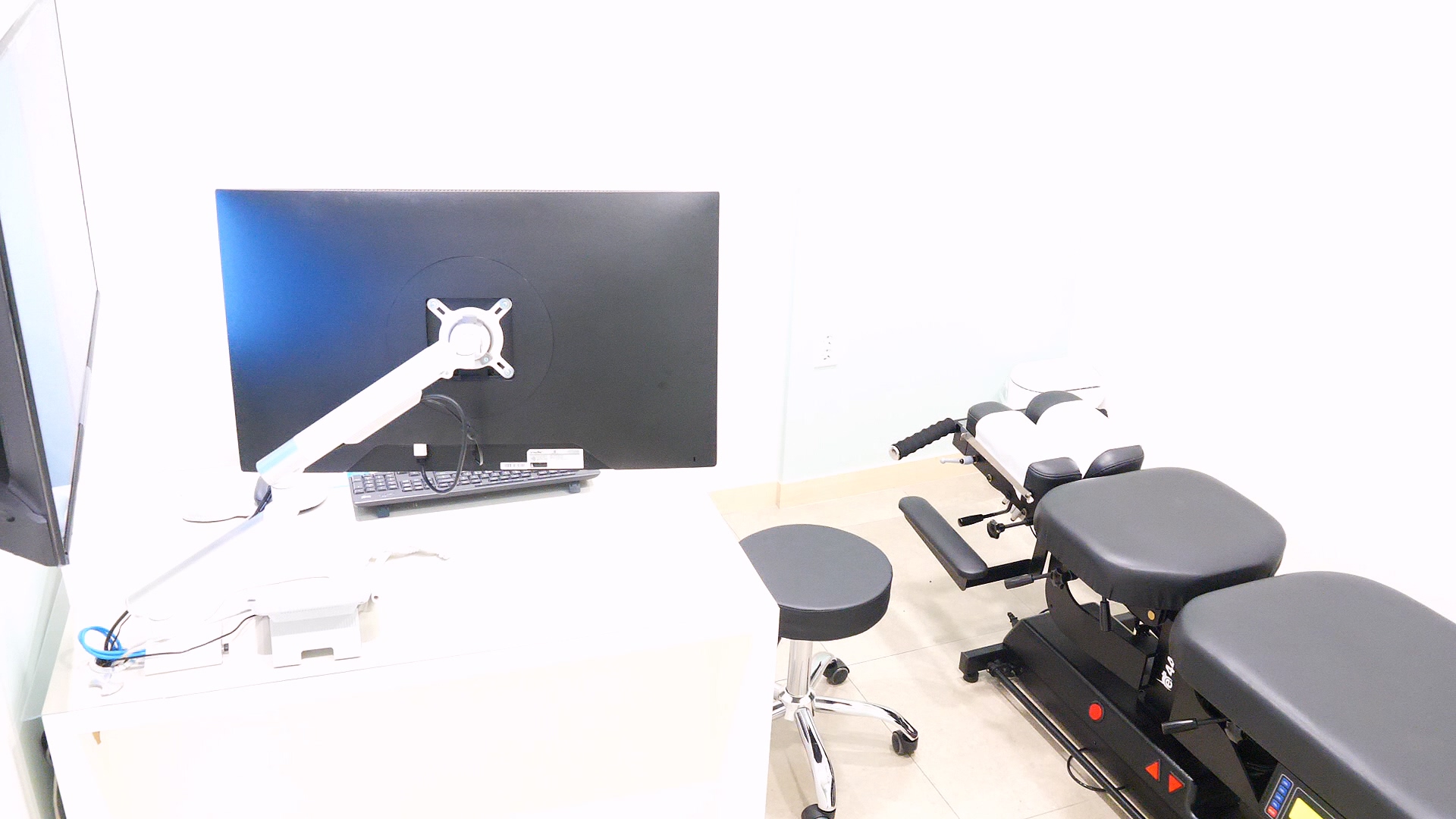
Tinnitus self-care refers to the diverse range of lifestyle adjustments and home-based practices aimed at reducing the perception of internal ear noise. This guide provides an evidence-based perspective on how to balance these daily efforts with professional clinical interventions to improve your quality of life.
Understanding Tinnitus Self-Care and Its Practical Boundaries
Tinnitus self-care is defined as a proactive approach where individuals implement environmental and behavioral changes to mitigate the distress caused by auditory phantoms. While these methods provide a necessary foundation for comfort, they are often limited by their inability to address deep-seated physiological or structural disruptions. Understanding where home management ends and clinical necessity begins is essential for long-term ear health.
Common Home Remedies for Managing Persistent Ear Ringing
Many individuals begin their journey with natural remedies such as reducing sodium intake or limiting caffeine, which some reports suggest can influence blood pressure and auditory sensitivity. Sound masking is another prevalent technique where white noise or ambient sounds are used to distract the brain from the internal ringing. While these methods are helpful for immediate relief, they serve as management tools rather than curative solutions. For example, clinical observations at Bonecure suggest that patients often rely on masking for several hours a day, yet the underlying symptom persists once the external sound stops. It is also beneficial to practice stress-reduction techniques, such as deep breathing or mindfulness, to lower the autonomic nervous system's reactivity. However, these steps should be viewed as supplementary to a broader diagnostic framework that investigates why the auditory system is hyperactive in the first place.
Recognizing the Limitations of Conventional Tinnitus Self-Care
Conventional self-care often fails to address the mechanical origins of ear ringing, particularly when the cause is related to the cervical spine or jaw alignment. Many patients spend months experimenting with supplements like Ginkgo biloba or zinc without seeing measurable changes in their symptom severity. This is because these interventions do not resolve physical nerve compression or tissue adhesions that might be hindering proper auditory signaling. Clinical observations suggest that for many individuals with long-standing symptoms, purely behavioral changes may provide only temporary relief. Without a structural evaluation, these self-care efforts can sometimes lead to frustration if the underlying mechanical cause remains unaddressed. It is important to recognize that while self-care is a vital component of a healthy lifestyle, it cannot replace the precision of a professional anatomical assessment or targeted clinical therapy.
Why Holistic Structural Awareness Matters for Auditory Health
Holistic structural awareness is the practice of monitoring how your body's overall alignment, from the skull to the pelvis, influences specific sensory symptoms like ear ringing. The auditory system does not exist in isolation; it is deeply interconnected with the neurological and vascular pathways of the neck. When a person develops a "forward head posture" due to excessive screen time, it can create significant tension in the suboccipital muscles, potentially impacting the vestibulocochlear nerve. Bonecure emphasizes that maintaining structural integrity is just as important as protecting one's hearing from loud noises. By becoming aware of how sitting or standing positions affect the intensity of ear noise, patients can begin to see the link between their musculoskeletal health and their auditory symptoms. This awareness serves as the bridge between simple symptom management and a more comprehensive path toward lasting structural stability and functional recovery.
The Structural Connection: Cervical Alignment and Auditory Symptoms
Cervical alignment refers to the precise positioning of the seven vertebrae in the neck, which serve as the primary conduit for nerves traveling to the brain and ears. Dysalignment in this region, often called somatic tinnitus, can create abnormal signals that the brain interprets as sound. Addressing these structural issues is a key pillar in the comprehensive management of persistent auditory conditions.
How Neck Dysfunction Contributes to Chronic Tinnitus
The relationship between the neck and the ears is largely mediated by the trigeminal and cervical nerve complexes. When the upper cervical vertebrae, specifically C1 and C2, are misaligned, they can cause inflammation or mechanical pressure on the nerves responsible for auditory processing. This dysfunction often manifests as a ringing that changes in pitch or volume when the head is turned or the jaw is clenched. Bonecure has observed that structural tension in the neck muscles can reduce blood flow to the inner ear, further aggravating the condition. In many clinical scenarios, patients with chronic neck pain and ear ringing find that treating the neck significantly alters their auditory experience. This indicates that the ear ringing is a symptom of a broader structural imbalance rather than an isolated ear disease, requiring a focus on spinal health for resolution.
Traditional Medicine Clinical Notes on Somatic Tinnitus Relief
Traditional Korean medicine provides a unique lens through which we view somatic tinnitus, focusing on the flow of energy and the physical release of obstructions. Techniques such as acupotomy are used to physically decompress the soft tissues surrounding the cervical spine, which can improve both nerve conduction and local circulation. In cases of chronic tinnitus, targeted structural releases around the neck can help facilitate a reduction in noise intensity by addressing physical obstructions. The body has a remarkable capacity for recovery when physical barriers to healing are removed. While traditional acupuncture focuses on systemic balance, the structural approach focuses on the mechanical reality of tissue adhesion. By integrating these insights, practitioners can offer a more nuanced strategy that addresses both the physiological and the mechanical aspects of the auditory system's distress.
Integrating Spinal Care into Your Daily Ear Health Routine
To support your auditory health, it is essential to integrate spinal care into your daily routine by practicing ergonomically sound movements and stretching. Simple exercises, such as chin tucks or gentle neck rotations, can help maintain the mobility of the cervical joints and prevent the buildup of tension. Bonecure encourages patients to evaluate their workstations to ensure their screens are at eye level, reducing the strain on the upper back and neck. Consistency is key, as small daily adjustments can prevent the progression of structural misalignments that lead to somatic symptoms. Furthermore, staying hydrated and ensuring adequate rest allows the muscles supporting the spine to recover from daily stressors. While these habits are excellent for prevention, they also serve to stabilize the gains made during professional clinical treatments, creating a synergistic effect between your personal efforts and expert medical care.
A 2026 Clinical Guide to the Root Causes of Tinnitus: A Structural Perspective at Bonecure
Professional Korean Medicine vs. Home Management Strategies
Professional clinical intervention involves specialized diagnostic and therapeutic tools that go beyond the scope of general self-care practices. While home management focuses on symptom mitigation, professional care at Bonecure aims to identify and correct the underlying mechanical causes of auditory dysfunction. The following table illustrates the key differences between these two approaches.
| Feature | Home Self-Care Management | Bonecure Clinical Intervention |
|---|---|---|
| Primary Goal | Symptom masking and comfort | Structural correction and restoration |
| Tools Used | White noise, diet, stretching | Acupotomy, Chuna, X-ray analysis |
| Mechanism | Behavioral adaptation | Physical release of tissue adhesions |
| Expertise | Patient-led daily habits | Specialized practitioner expertise |
| Duration | Ongoing lifestyle maintenance | Personalized based on immediate response |
| Outcome | Temporary relief of distress | Long-term functional improvement |
Comparing Acupotomy and Lifestyle Adjustments for Ear Health
Lifestyle adjustments, such as reducing loud noise exposure and managing stress, are foundational for preventing further auditory damage. However, these adjustments cannot physically break down the calcified or adhered tissues that may be pressing on the nerves in the cervical region. Acupotomy, a specialized form of treatment used at Bonecure, utilizes a small blade-like needle to perform micro-surgeries on these adhesions. This clinical procedure focuses on the physical release of deep-seated tissue adhesions, providing a targeted mechanical approach that complements dietary changes or simple stretches. While a patient might feel 10 percent better by changing their diet, the physical release of a nerve trapped by scar tissue can lead to much more significant shifts in symptom intensity. It is important to remember that while acupotomy carries minor risks like temporary soreness or bruising, its potential for structural restoration far exceeds the reach of standard home-based self-care routines.
The Role of Chuna Therapy in Restoring Auditory Balance
Chuna therapy is a manual manipulation technique where the practitioner uses their hands to realign the bones and soft tissues of the body. In the context of tinnitus, Chuna is specifically applied to the cervical spine to restore its natural curvature and reduce pressure on the auditory pathways. This therapy is highly effective when combined with self-care, as it addresses the "stuck" joints that the patient cannot mobilize on their own. Bonecure utilizes Chuna to improve the range of motion in the neck, which often correlates with a reduction in the "fullness" or ringing sensations in the ear. Unlike general massage, Chuna is a targeted medical intervention that considers the patient's entire spinal alignment. By correcting the structural foundation, Chuna helps the body return to a state of balance where the nervous system can function without interference, providing a level of relief that passive home remedies rarely achieve.
Treatment Comparison: Self-Care Versus Specialized Clinical Intervention
When choosing between continuing self-care alone or seeking specialized intervention, one must consider the severity and duration of the condition. Self-care is often sufficient for transient ear ringing caused by temporary fatigue or loud noise exposure. However, for chronic conditions lasting more than four weeks, specialized clinical intervention becomes necessary to prevent permanent neurological adaptation to the sound. Bonecure integrates diagnostic tools like X-ray analysis to visualize the structural defects that are invisible to the naked eye. While self-care is accessible, specialized treatment provides a roadmap for recovery based on clinical evidence and anatomical facts. The combination of both approaches typically yields the most stable results, as the clinic corrects the structural root while the patient maintains that correction through healthy daily habits.
Tinnitus Self-Check: A 2026 Structural Guide to Ear Ringing and Recovery at Bonecure
Clinical Evidence and Long-Term Recovery Pathways at Bonecure
Clinical evidence in the field of structural medicine consists of documented case studies and measurable outcomes that demonstrate the effectiveness of specific interventions. At Bonecure, we prioritize data-driven recovery pathways to ensure that each patient receives a treatment plan tailored to their unique anatomical needs.
Scientific Insights from Tinnitus Case Reports and Recovery Patterns
Case reports serve as a vital source of insight into how diverse patients respond to structural treatments. At Bonecure, we focus on treatments that yield observable changes early in the process. Scientific insights indicate that somatic tinnitus is highly responsive to cervical interventions. By studying recovery patterns, we can identify which structural markers, such as a loss of cervical lordosis, are most closely linked to auditory distress. It is important to note that these reports represent individual clinical outcomes and do not guarantee the same results for every patient. However, they provide a hopeful framework for those who have found little success with conventional self-care methods alone.
Managing Expectations and Understanding Individual Treatment Responses
Every individual's body responds differently to treatment based on their age, the duration of their symptoms, and their overall health status. At Bonecure, we do not prescribe a fixed number of sessions; instead, we focus on identifying and addressing root causes so that patients can feel immediate shifts in their condition. Recovery is rarely a linear process, and some patients may experience temporary fluctuations in noise volume as their body adjusts to structural changes. We use objective scales to track progress, ensuring that both the practitioner and the patient can see measurable shifts in symptom intensity and functional capacity. Understanding that individual results vary allows for a more patient-centered approach that honors the unique complexity of the human nervous system.
The Path to Stability: Balancing Structural Correction and Lifestyle
The ultimate goal of any treatment plan is to achieve a state of stability where the patient no longer requires frequent clinical visits. This stability is reached by balancing professional structural correction with a dedicated lifestyle routine that supports those changes. Bonecure provides each patient with a customized maintenance plan that includes specific stretches and ergonomic advice to prevent the recurrence of tissue adhesions. Clinical experience suggests that patients who actively participate in their recovery through consistent self-care are significantly more likely to maintain their clinical gains. By focusing on both the mechanical correction and the daily habits that sustain it, individuals can move toward a future where ear ringing no longer dictates their daily activities.
Safety Protocols and Essential Considerations for Tinnitus Patients
Safety protocols are the standardized procedures and guidelines designed to minimize risk and ensure the highest quality of care during medical interventions. Awareness of both the benefits and the limitations of treatment is a hallmark of informed medical care.
Potential Risks and Side Effects of Clinical Interventions
While clinical treatments like acupotomy are generally safe when performed by experienced practitioners, it is important to be aware of potential side effects. The most common responses include localized soreness at the treatment site, minor bruising, or a temporary feeling of fatigue as the body begins the healing process. These symptoms typically resolve within 24 to 48 hours. In rare cases, localized infection could occur, which is why Bonecure maintains strict sterilization and hygiene protocols. Patients are always encouraged to disclose their full medical history and any medications they are taking to further minimize risks. Transparency regarding these possibilities ensures that patients can make informed decisions.
When to Consult a Professional Instead of Continuing Self-Care
There are specific red flags that indicate when self-care is no longer sufficient. If ear ringing is accompanied by sudden hearing loss, severe dizziness, or localized neck pain, an immediate professional evaluation is necessary. Furthermore, if your tinnitus has persisted for more than four weeks despite your best self-care efforts, it may indicate a structural issue that requires specialized diagnostic tools. Bonecure provides comprehensive assessments to determine if the cause is mechanical in nature. Delaying professional care can sometimes allow a condition to become more chronic due to neural plasticity. Early intervention often leads to more efficient recovery pathways and better functional outcomes.
Maintaining Ear Health Through Evidence-Based Korean Medicine
Evidence-based Korean medicine offers a sustainable path for maintaining ear health by focusing on the body's structural integrity. By utilizing techniques like Chuna and acupotomy, we address root causes that are often overlooked. Bonecure is dedicated to providing care that is clinically rigorous and respectful of the patient's individual experience. Maintaining health involves regular check-ups to ensure the spine remains aligned and the nervous system stays balanced. By committing to an evidence-based approach, you are choosing a path that values long-term stability and functional vitality.
A 2026 Structural Guide to Ear Tinnitus Treatment through Acupotomy and Alignment
Key Takeaways
- Tinnitus self-care is a supportive tool but often requires clinical structural correction for chronic cases.
- Cervical spine misalignment is a significant contributor to somatic tinnitus and should be professionally evaluated.
- Acupotomy and Chuna therapy provide targeted mechanical releases that lifestyle changes alone cannot achieve.
- Long-term stability depends on a balance between professional treatment and consistent daily ergonomic habits.
- Individual results vary, and consulting a professional is recommended if symptoms persist beyond a few weeks.
Frequently Asked Questions
Q. Can tinnitus be completely cured through lifestyle changes alone?
While lifestyle changes like reducing sodium and caffeine may help manage symptoms, they often do not address the underlying structural or neurological causes. Self-care is a supportive tool, but chronic cases typically require a professional diagnosis to identify root issues such as cervical misalignment or nerve adhesion. Relying solely on home care may delay necessary clinical intervention.
Q. How does my neck posture affect the intensity of the ringing in my ears?
The cervical spine and the auditory system are closely linked through complex nerve pathways. Misalignment or tension in the neck muscles can put pressure on nearby nerves and blood vessels, potentially aggravating tinnitus symptoms. Improving posture is a key part of self-care, though clinical correction may be necessary for lasting results if structural adhesions are present.
Q. What is the difference between standard acupuncture and Acupotomy for tinnitus?
Standard acupuncture focuses on energy flow and muscle relaxation using very thin needles. Acupotomy, or Dochim, uses a specialized tool to physically release adhesions in the soft tissues around the neck and jaw. This structural release aims to improve circulation and nerve function specifically for those with somatic tinnitus, offering a more mechanical solution to physical obstructions.
Q. Are there any side effects to traditional Korean medicine treatments for ear issues?
Most patients experience only mild, temporary side effects such as localized soreness, minor bruising, or light fatigue following a session. Serious complications like infection are extremely rare when the procedure is performed by a licensed professional using sterile equipment. It is essential to disclose your full medical history during your consultation to ensure the safest possible care.
Q. Does sound masking work as a permanent solution for tinnitus?
Sound masking provides immediate relief by covering the ringing with external noise, which helps the brain ignore the symptom temporarily. However, it is a management strategy rather than a structural cure. Combining masking with structural treatments that address the neck often leads to more sustainable improvements in quality of life by reducing the underlying signal intensity.
Q. How many sessions are typically required to see an improvement in chronic tinnitus?
At Bonecure, we do not mandate a fixed number of sessions, as our goal is to achieve immediate and observable improvements. Recovery timelines vary significantly depending on the severity of the condition and the body's natural healing response. Your treatment plan will be personalized based on how your symptoms respond to initial interventions.
Q. When should I stop self-care and seek help from a Korean medicine doctor?
If your tinnitus is accompanied by neck pain, dizziness, or hearing loss, or if self-care methods have failed to provide relief after several weeks, a professional evaluation is recommended. Seeking care early can prevent the condition from becoming more difficult to manage due to long-term neurological changes. A structural check at Bonecure can determine if your symptoms have a mechanical origin.
For more information on structural restoration and ear health, please consult with us at the clinic.
Bonecure / Dr. Song Jeong-hyeon
FAQ
- Can tinnitus be completely cured through lifestyle changes alone?
- While lifestyle changes like reducing sodium and caffeine may help manage symptoms, they often do not address the underlying structural or neurological causes. Self-care is a supportive tool, but chronic cases typically require a professional diagnosis to identify root issues such as cervical misalignment or nerve adhesion. Relying solely on home care may delay necessary clinical intervention.
- How does my neck posture affect the intensity of the ringing in my ears?
- The cervical spine and the auditory system are closely linked through complex nerve pathways. Misalignment or tension in the neck muscles can put pressure on nearby nerves and blood vessels, potentially aggravating tinnitus symptoms. Improving posture is a key part of self-care, though clinical correction may be necessary for lasting results if structural adhesions are present.
- What is the difference between standard acupuncture and Acupotomy for tinnitus?
- Standard acupuncture focuses on energy flow and muscle relaxation using very thin needles. Acupotomy, or Dochim, uses a specialized tool to physically release adhesions in the soft tissues around the neck and jaw. This structural release aims to improve circulation and nerve function specifically for those with somatic tinnitus, offering a more mechanical solution to physical obstructions.
- Are there any side effects to traditional Korean medicine treatments for ear issues?
- Most patients experience only mild, temporary side effects such as localized soreness, minor bruising, or light fatigue following a session. Serious complications like infection are extremely rare when the procedure is performed by a licensed professional using sterile equipment. It is essential to disclose your full medical history during your consultation to ensure the safest possible care.
- Does sound masking work as a permanent solution for tinnitus?
- Sound masking provides immediate relief by covering the ringing with external noise, which helps the brain ignore the symptom temporarily. However, it is a management strategy rather than a structural cure. Combining masking with structural treatments that address the neck often leads to more sustainable improvements in quality of life by reducing the underlying signal intensity.
- How many sessions are typically required to see an improvement in chronic tinnitus?
- Recovery timelines vary significantly depending on the duration and severity of the condition and the patient's unique anatomy. While some individuals notice changes early on, chronic cases often require a series of treatments, sometimes up to 20 sessions, to achieve structural stability. Individual results are never guaranteed and depend on the body's natural healing response.
- When should I stop self-care and seek help from a Korean medicine doctor?
- If your tinnitus is accompanied by neck pain, dizziness, or hearing loss, or if self-care methods have failed to provide relief after several weeks, a professional evaluation is recommended. Seeking care early can prevent the condition from becoming more difficult to manage due to long-term neurological changes. A structural check at Bonecure can determine if your symptoms have a mechanical origin.