
Post
Tinnitus Medication and Structural Recovery: A 2026 Guide at Bonecure
Hello. I am Dr. Song Jeong-hyeon, a Korean medicine practitioner who has specialized in acupotomy for many years.
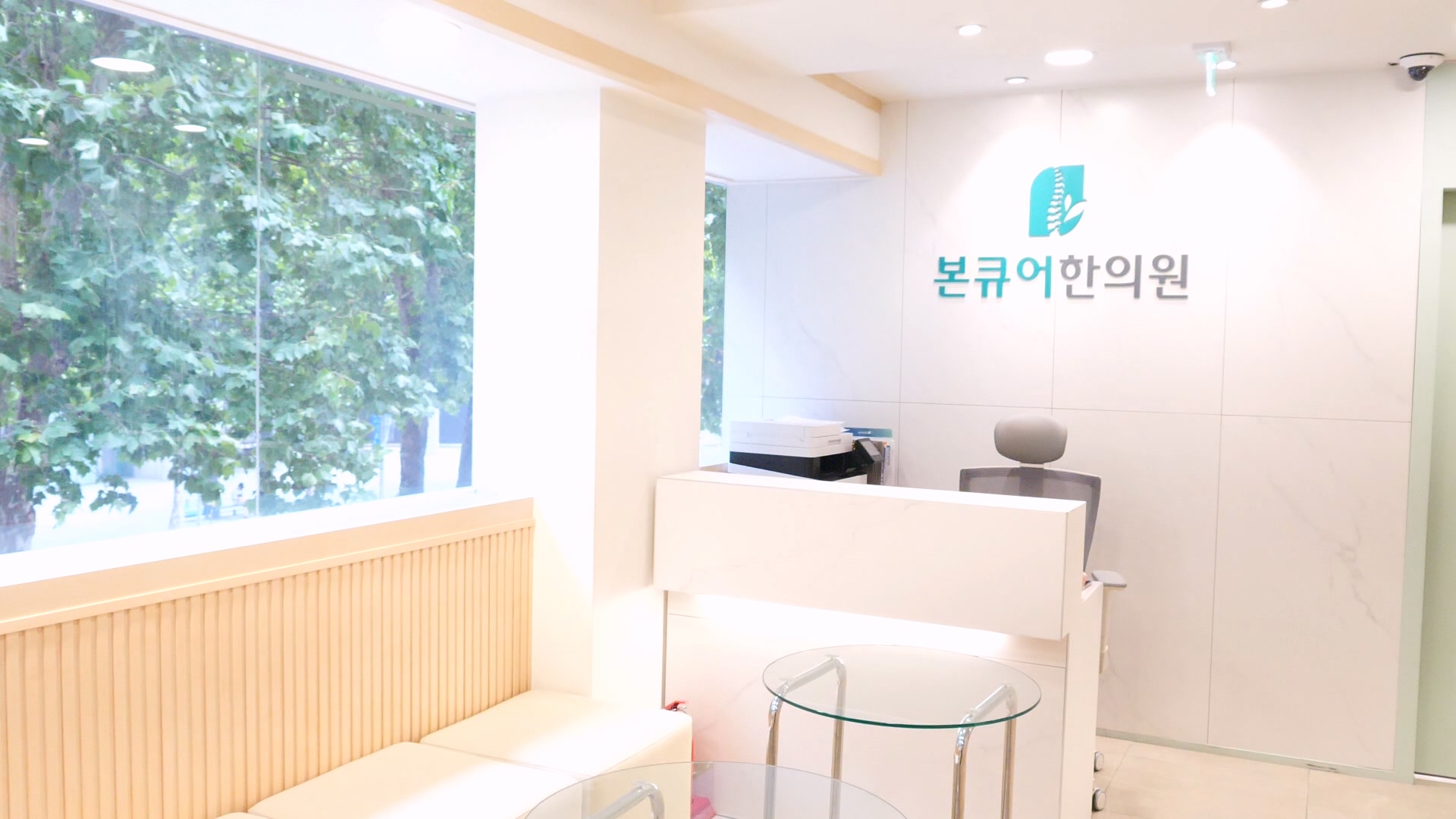
I understand the frustration of living with persistent ear ringing and the search for effective relief through various treatments. In this guide, I will share insights on how we approach auditory health from a structural perspective.
Tinnitus medication refers to various pharmacological agents used to manage the symptoms of ear ringing, though these often focus on symptom suppression rather than physical restoration. While drugs can help some patients cope with the distress, a comprehensive approach often requires evaluating the mechanical and neurological integrity of the body.
Understanding Tinnitus Medication and the Need for Multi-Modal Approaches
Tinnitus is the perception of noise or ringing in the ears without an external source, affecting nearly 15 percent of the global population. The current pharmacological landscape primarily relies on managing the emotional and neurological distress associated with the sound rather than eliminating the sound itself. Many patients are initially prescribed tinnitus medication to dampen the brain's overactive auditory signals or to manage the anxiety that often accompanies chronic ringing. While these drugs can provide temporary relief for some by focusing on neurological stability, our approach at Bonecure complements this by focusing more specifically on potential structural triggers. Medical professionals are increasingly looking toward multi-modal approaches that combine pharmacological support with physical therapies to improve overall patient outcomes. Understanding that tinnitus is often a symptom of an underlying condition is the first step toward finding a more sustainable management strategy for long-term auditory health and neural stability.
Defining Tinnitus and the Current Pharmacological Landscape
Common medications prescribed for auditory distress are usually systemic, meaning they affect the entire body to reach the brain's auditory processing centers. These include antidepressants, anti-anxiety medications, and sometimes anticonvulsants, which are used off-label to calm hyperactive nerves in the ear. While these can be effective in reducing the volume of the sound for certain individuals, they do not repair the physical structures that may be misfiring. Clinical observations suggest that while medication can lower the subjective distress score, it rarely addresses the root cause if that cause is mechanical. For instance, in a specific case report of an 18-year chronic condition, structural intervention led to a significant reduction in the patient's subjective discomfort score, a result that had been difficult to achieve through other means for that specific individual. This highlights the importance of distinguishing between managing the brain's perception and addressing the actual source of the signal dysfunction.
Common Medications Prescribed for Auditory Distress
Physicians frequently prescribe various categories of tinnitus medication to help patients cope with persistent auditory noise. Common options include tricyclic antidepressants like amitriptyline and anti-anxiety drugs like alprazolam, which may help reduce the severity of symptoms for certain individuals. While these medications do not cure the underlying cause, they can make the condition more manageable by altering the brain's emotional response to the noise. However, these systemic treatments come with potential side effects such as drowsiness, dry mouth, or nausea, which must be carefully monitored by a healthcare provider. According to clinical observations, some patients may experience a reduction in emotional distress, but the physical sensation of ringing often persists without structural correction. It is crucial for patients to recognize that these medications act more as a chemical buffer than a corrective tool for the auditory system's structural integrity.
Why Conventional Medication May Not Address Structural Causes
Conventional tinnitus medication is designed to target the central nervous system or neurotransmitters; however, it is also important to consider the physical structures surrounding the auditory nerve for a more comprehensive assessment. Structural issues, such as misalignments in the upper cervical spine or tension in the jaw muscles, can create mechanical pressure or restricted blood flow that triggers phantom sounds. When the cause is musculoskeletal, chemical interventions rarely provide lasting results because they do not resolve the physical compression. Bonecure emphasizes that chronic ear ringing can stem from tissue adhesions near the C1 and C2 vertebrae, which medications cannot physically release. Relying solely on drugs may lead to a cycle of temporary suppression without ever correcting the anatomical imbalances that sustain the symptoms. For patients who have not found relief through standard prescriptions, evaluating the structural relationship between the neck and the ears is an essential step in a comprehensive recovery journey.
Integrative Perspectives at our Acupuncture Clinic Seoul: Beyond Suppression
Integrative medicine in Seoul involves a holistic assessment of how the body's internal systems and physical structures interact to produce symptoms like ear ringing. By moving beyond simple suppression, we aim to identify where the signal transmission is being disrupted due to physical factors. A 2026 Clinical Guide to the Root Causes of Tinnitus: A Structural Perspective at Bonecure explains that when the body's alignment is restored, the nervous system can function more efficiently, potentially reducing the intensity of tinnitus symptoms.
The Role of Cervical Alignment in Auditory Nerve Health
The relationship between cervical alignment and the auditory system is a critical focus for any specialized acupuncture clinic in Seoul. The upper cervical spine, particularly the atlas and axis vertebrae, sits in close proximity to the nerves and blood vessels that supply the inner ear. When these vertebrae are misaligned due to poor posture or trauma, they can cause inflammation or mechanical irritation to the vestibulocochlear nerve. This physical stress often results in the brain perceiving a ringing sound that no tinnitus medication can physically alleviate. By focusing on restoring the natural curvature of the neck, we aim to reduce the pressure on these delicate neural pathways. Clinical data from our practice shows that improving cervical symmetry can help stabilize the signals sent to the brain, which may help the patient manage their symptoms more effectively. Proper alignment is the foundation of long-term auditory health.
Traditional Korean Medicine Treatment for Chronic Ear Ringing
Traditional Korean Medicine offers a unique framework for treating chronic ear ringing by balancing the body's vital energy and addressing physical blockages. At a specialized Korean medicine clinic, practitioners use a combination of herbal therapy, acupuncture, and structural manipulation to treat the patient as a whole. Rather than focusing solely on the ear, we examine the patient's overall constitution, including their circulatory health and nervous system balance. Herbal prescriptions are often used to nourish the auditory nerve and reduce systemic inflammation that contributes to hypersensitivity. This holistic approach complements structural therapies by providing the necessary nutrients for tissue repair and nerve stabilization. Many patients find that combining these traditional methods with modern structural assessments provides a more comprehensive recovery path than relying on single-modality treatments. By addressing both the internal environment and the external structure, we support the body's natural ability to maintain sensory equilibrium and reduce auditory distress.
How Traditional Medicine Clinical Notes Inform Patient Care
Clinical notes and case studies in traditional medicine provide a wealth of information that helps us customize treatments for each individual. By documenting the progress of various patients, we can identify patterns in how different body types respond to structural and herbal interventions. For example, our records show that patients with a history of neck tension often require a different protocol than those with metabolic imbalances. These clinical insights allow us to refine our techniques and set realistic expectations for recovery based on documented outcomes. At Bonecure, we do not adhere to fixed, long-term treatment quotas. Instead, we focus on providing highly efficient and impactful sessions where patients can feel immediate improvements in their symptoms. We use this evidence-based approach to ensure that every patient receives a plan tailored to their specific physiological needs without unnecessary visits. Utilizing these longitudinal observations helps us bridge the gap between ancient wisdom and modern clinical standards for patient safety.
Comparing Pharmacological Interventions and Structural Therapy
Comparative analysis between treatments involves looking at how different methods impact the patient's long-term well-being and symptom management. While some methods offer immediate symptom relief, others focus on rebuilding the body's structural foundation to prevent the recurrence of issues. Understanding these differences helps patients make informed decisions about their healthcare journey and choose the path that best aligns with their recovery goals.
| Feature | Tinnitus Medication | Structural Therapy (Bonecure) |
|---|---|---|
| Primary Goal | Symptom suppression / Anxiety reduction | Structural restoration / Nerve decompression |
| Method of Action | Systemic chemical alteration | Localized mechanical release (Acupotomy) |
| Side Effects | Drowsiness, dry mouth, nausea | Temporary soreness, minor bruising |
| Long-term Focus | Ongoing symptom management | Addressing anatomical root causes |
| Application | Oral ingestion or patches | Precision physical procedure |
Symptom Suppression vs Structural Restoration
The fundamental difference between symptom suppression and structural restoration lies in the ultimate objective of the treatment. Tinnitus medication is primarily designed to minimize the patient's awareness of the noise by sedating the nervous system or altering brain chemistry. While this is valuable for acute distress, it does not change the physical environment of the auditory nerve. In contrast, structural restoration at Bonecure focuses on identifying and releasing physical constraints, such as tight ligaments or misaligned vertebrae, that may be causing the nerve to malfunction. By correcting these mechanical issues, we aim to create a physical environment where the nerve can function normally without interference. Our procedures are designed to be extremely efficient and impactful, targeting root causes directly to promote immediate functional recovery rather than relying on daily systemic suppression.
Long-term Impact of Systemic vs Localized Treatment
Evaluating the long-term impact of treatment requires an understanding of how systemic drugs compare to localized physical interventions. Systemic tinnitus medication travels through the entire bloodstream, affecting organs and systems far removed from the ear, which increases the likelihood of side effects over years of use. Localized treatments, such as acupotomy or spinal alignment, target only the specific areas where the dysfunction originates, minimizing the impact on the rest of the body. For chronic sufferers, the long-term goal is often to reduce reliance on daily medication by improving the body's own regulatory functions. Structural improvements tend to be more durable because they change the physical architecture of the neck and jaw, providing lasting relief even after the active treatment phase ends. We have observed that patients who achieve structural balance often report a higher quality of life and reduced sensitivity to triggers that previously exacerbated their ear ringing.
Evaluating Individual Patient Factors in Treatment Selection
Choosing the right treatment involves a careful evaluation of individual patient factors, including the duration of symptoms, lifestyle, and overall health status. Not every patient is a candidate for every type of tinnitus medication, particularly if they have pre-existing conditions or are already taking other drugs. Similarly, structural therapy is most effective for those whose tinnitus is linked to musculoskeletal tension or cervical issues. At Bonecure, we conduct a thorough assessment to determine if a patient's symptoms are related to their spinal alignment or jaw function. We consider factors such as the patient's age, occupational posture, and history of injury to create a personalized recovery plan. This individualization is key to success, as what works for a person with acute noise-induced tinnitus may not work for someone with chronic, age-related structural decline. By prioritizing a patient-centered approach, we ensure that the chosen therapy is both safe and appropriate for the individual's specific needs.
The Bonecure Method: Acupotomy for Auditory Restoration
The Bonecure Method is a specialized approach that uses acupotomy to release deep-seated tissue adhesions that may be impinging on the nerves and blood vessels related to hearing. This technique combines the precision of a small surgical tool with the traditional principles of acupuncture to restore physical balance. Bonecure Acupotomy (Dochim) Therapy: A 2026 Guide to Structural Recovery provides a deeper look into how this procedure helps patients with chronic sensory issues.
Addressing Tissue Adhesion Near the Upper Cervical Spine
Tissue adhesions near the upper cervical spine are often the hidden culprits behind persistent ear ringing that fails to respond to standard tinnitus medication. These adhesions occur when chronic tension or past injuries cause the fascia and muscles to stick together, creating a rigid environment that can compress the nerves and arteries leading to the ear. Using the specialized blade-needle of acupotomy, we can precisely target and release these microscopic scar tissues to restore normal mobility and blood flow. This process is essentially like untying a physical knot that has been strangling the auditory system's supply lines. While the procedure involves a brief period of localized discomfort, it allows for a targeted release of deep tissue. As with any medical procedure, there are potential side effects such as temporary pain, minor bleeding, or infection at the site. Releasing these adhesions is a critical step in decompressing the vestibulocochlear nerve and allowing it to return to a state of normal physiological signaling and health.
Clinical Observations on Nerve Release and Tinnitus Relief
Our clinical observations at Bonecure indicate that nerve release through structural alignment and acupotomy can lead to significant improvements in tinnitus severity. In cases where patients have suffered for years, we focus on treatments that aim for immediate changes in symptoms by lifting the pressure on the auditory pathways. For instance, in a clinical report involving a patient with Meniere's-like symptoms and tinnitus, structural treatment resulted in improved hearing test values and a significant reduction in the perception of ringing for that individual. Please note that results are not guaranteed and vary by patient. These outcomes demonstrate the potential of addressing the physical triggers of sensory dysfunction. It is important to note that the timeline for results varies depending on the chronicity of the condition and the patient's adherence to the treatment plan. While we cannot guarantee a 100 percent cure, the goal is always to improve the patient's functional status and reduce the interference the sound causes in their daily life.
Integrating Oriental Medicine for Chronic Pain and Sensory Symptoms
Integrating Oriental medicine for chronic pain and sensory symptoms allows us to address the complex relationship between the body and mind. Tinnitus is rarely just an ear problem; it is often linked to the body's overall stress response and chronic pain patterns in the neck and shoulders. By using acupuncture to modulate the autonomic nervous system, we can help the patient move out of a "fight or flight" state, which often makes ear ringing seem louder and more intrusive. This integration supports the structural work we do by calming the nerves and reducing the systemic inflammation that can hinder recovery. Patients often report that as their chronic neck pain improves, their auditory symptoms become less dominant and easier to ignore. This multifaceted approach ensures that we are treating the person, not just the symptom, fostering a more resilient and balanced state of health. Combining physical release with nervous system regulation is the hallmark of a truly comprehensive Korean medicine strategy.
Comprehensive Care at our Korean Traditional Medicine Clinic Cheongdam
Comprehensive care at a specialized clinic refers to the integration of diagnosis, treatment, and long-term maintenance to ensure the best possible results for the patient. At our Korean Traditional Medicine Clinic Cheongdam, we provide a supportive environment where patients can undergo structural restoration while receiving guidance on how to maintain their progress at home. By focusing on both the immediate relief and the prevention of recurrence, we help our patients regain control over their auditory health.
Personalized Protocols for Persistent Auditory Noise
At Bonecure, we believe that persistent auditory noise requires a personalized protocol that reflects the unique structural makeup of each patient. We do not use a one-size-fits-all approach because the physical cause of ear ringing in a 30-year-old office worker is likely very different from that in a 60-year-old with degenerative changes. Our protocols involve a detailed assessment of the whole spine, jaw alignment, and lifestyle factors to determine the best course of action. This might include a combination of acupotomy, Chuna manual therapy, and specific herbal remedies designed to support nerve health. By tailoring the frequency and intensity of the treatments to the individual, we can maximize the potential for recovery while ensuring patient comfort. Each step of the protocol is explained clearly, so the patient remains an active participant in their own healing process. This collaborative approach is essential for achieving the most effective and sustainable results for our patients.
Maintenance and Lifestyle Adjustments for Lasting Results
Lasting results in managing tinnitus require more than just clinic visits; they require a commitment to maintenance and lifestyle adjustments. We educate our patients on the importance of ergonomic posture, particularly in the age of digital devices, to prevent the return of the cervical misalignments that cause nerve irritation. Simple changes, such as adjusting the height of a computer monitor or practicing regular neck stretches, can significantly extend the benefits of structural therapy. Additionally, we provide guidance on stress management techniques, as high stress levels can increase the perception of ear noise. Maintaining a healthy circulatory system through proper nutrition and moderate exercise also supports the long-term health of the auditory nerve. By empowering patients with the tools they need to take care of their bodies, we help them maintain their structural balance long after their treatment course at Bonecure has concluded. A proactive approach to daily habits is the best defense against the recurrence of chronic symptoms.
Navigating Treatment Limitations and Individual Variations
It is essential to navigate treatment limitations and individual variations with honesty and clinical transparency. While structural therapy and acupotomy offer significant potential, they are not a universal solution for every type of tinnitus, such as those caused by severe hearing loss or tumors. Results will vary significantly based on the underlying health of the patient, the age of the condition, and individual physiological responses. At Bonecure, we prioritize essential and efficient treatments, avoiding unnecessary prolonged therapy if results are not observed. It is also important to acknowledge potential side effects, such as temporary localized pain, minor bleeding, or bruising at the site of the acupotomy procedure. We maintain a realistic outlook, focusing on functional improvement and quality of life rather than making absolute claims of a total cure. By understanding these limitations, patients can make informed decisions and set healthy expectations for their recovery journey.
Key Takeaways
- Multi-Modal Approach: Tinnitus medication focuses on brain perception, while structural therapy at Bonecure targets the physical causes like cervical misalignment.
- Nerve Decompression: Acupotomy helps release deep tissue adhesions that may be physically impinging on the auditory nerve, providing a localized alternative to systemic drugs.
- Immediate Impact: We focus on efficient, high-impact treatments tailored to your structural needs, aiming for immediate improvement rather than a fixed number of mandatory sessions.
- Holistic Integration: Combining structural restoration with lifestyle adjustments and nervous system regulation offers a more sustainable path to managing ear ringing.
- Realistic Expectations: While significant improvement is possible, results vary, and patients should be aware of potential side effects like temporary soreness or bruising.
Frequently Asked Questions
Q. Are results from tinnitus medication or acupuncture guaranteed?
No treatment can offer a 100 percent guarantee of success as results vary significantly by individual. At Bonecure, we focus on identifying structural causes that may contribute to symptoms, though outcomes depend on a patient's specific health profile, chronicity, and overall spinal health.
Q. Can I combine tinnitus medication with traditional Korean medicine treatment?
Many patients utilize an integrative approach to manage their symptoms. It is essential to consult with both your primary physician and your Korean medicine doctor to ensure all therapies are coordinated safely and effectively, avoiding potential drug interactions while supporting structural recovery.
Q. What are the common side effects of tinnitus medications like antidepressants?
While these can reduce the emotional distress of tinnitus, they may cause systemic side effects like drowsiness, dry mouth, or nausea. In contrast, structural treatments like acupotomy may cause temporary localized soreness, minor bleeding, or minor bruising at the site of the procedure, which usually resolves quickly.
Q. How does an acupuncture clinic in Seoul address ear ringing differently from a hospital?
While hospitals often focus on the inner ear anatomy or pharmacological suppression of brain signals, we often examine the relationship between the cervical spine, jaw alignment, and blood flow to the auditory nerve. We look for mechanical root causes that might be overlooked in a standard pharmacological exam.
Q. How many sessions are typically required at a Korean medicine clinic for tinnitus?
We do not follow a fixed rule of 10 or 20 sessions. Our priority is providing an impact you can feel immediately. After an initial structural assessment, we design an efficient plan focused only on necessary treatments to monitor your progress toward recovery.
Q. Is acupotomy painful compared to standard acupuncture?
Acupotomy involves a specialized blade-needle to release deep adhesions, which can involve more sensation than standard thin needles. However, most patients find the brief discomfort manageable in exchange for the relief provided by releasing deep-seated tension and nerve compression that medications cannot reach.
Q. Does Bonecure provide medication for tinnitus?
We specialize in non-pharmacological structural treatments, including acupotomy and spinal alignment. We focus on the physical restoration of the body's musculoskeletal and nervous systems rather than prescribing synthetic drugs, although we can work alongside your existing medical prescriptions.
Bonecure / Dr. Song Jeong-hyeon
FAQ
- Are results from tinnitus medication or acupuncture guaranteed?
- No treatment can offer a 100 percent guarantee of success as results vary significantly by individual. At Bonecure, we focus on identifying structural causes that may contribute to symptoms, though outcomes depend on a patient's specific health profile, chronicity, and overall spinal health.
- Can I combine tinnitus medication with traditional Korean medicine treatment?
- Many patients utilize an integrative approach to manage their symptoms. It is essential to consult with both your primary physician and your Korean medicine doctor to ensure all therapies are coordinated safely and effectively, avoiding potential drug interactions while supporting structural recovery.
- What are the common side effects of tinnitus medications like antidepressants?
- While these can reduce the emotional distress of tinnitus, they may cause systemic side effects like drowsiness, dry mouth, or nausea. In contrast, structural treatments like acupotomy may cause temporary localized soreness, minor bleeding, or minor bruising at the site of the procedure, which usually resolves quickly.
- How does an acupuncture clinic in Seoul address ear ringing differently from a hospital?
- While hospitals often focus on the inner ear anatomy or pharmacological suppression of brain signals, we often examine the relationship between the cervical spine, jaw alignment, and blood flow to the auditory nerve. We look for mechanical root causes that might be overlooked in a standard pharmacological exam.
- How many sessions are typically required at a Korean medicine clinic for tinnitus?
- Chronic or severe cases often require multiple sessions over several weeks to achieve noticeable changes in nerve function and structural alignment. We typically provide a customized plan after an initial structural assessment, and many patients undergo 10 to 20 sessions to monitor progress.
- Is acupotomy painful compared to standard acupuncture?
- Acupotomy involves a specialized blade-needle to release deep adhesions, which can involve more sensation than standard thin needles. However, most patients find the brief discomfort manageable in exchange for the relief provided by releasing deep-seated tension and nerve compression that medications cannot reach.
- Does Bonecure provide medication for tinnitus?
- We specialize in non-pharmacological structural treatments, including acupotomy and spinal alignment. We focus on the physical restoration of the body's musculoskeletal and nervous systems rather than prescribing synthetic drugs, although we can work alongside your existing medical prescriptions.