
Post
A 2026 Structural Guide to Tinnitus and Hearing Loss Management
Hello. I am Dr. Song Jeong-hyun, a Korean medicine practitioner who has spent many years focusing on structural restoration and acupotomy.
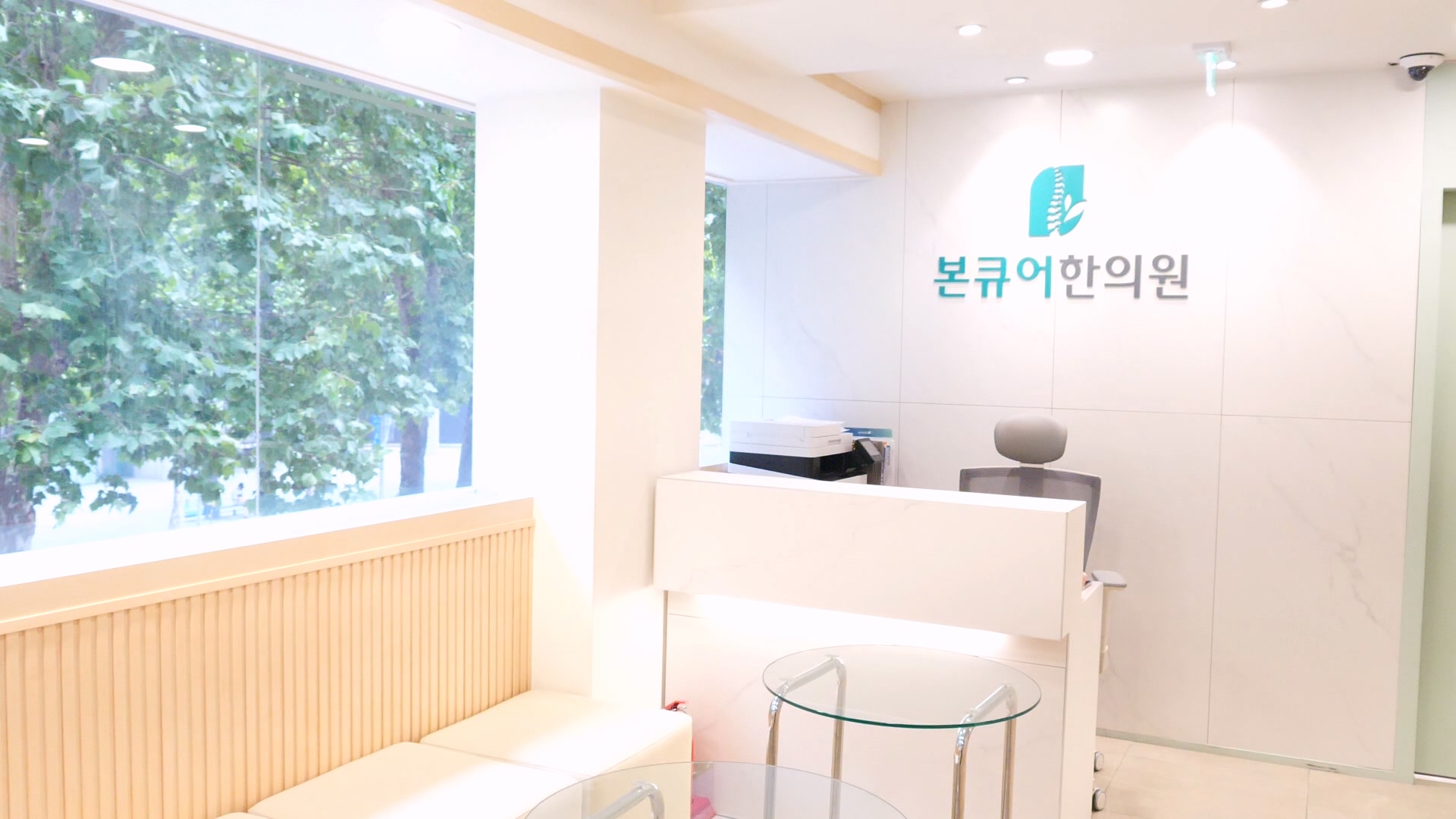
Tinnitus and hearing loss are often dual manifestations of a single underlying neurological or structural disruption that requires a specialized clinical approach. This article provides a comprehensive overview of how sensory deprivation and cervical misalignment impact auditory health and the science-based protocols we use to facilitate long-term management.
Understanding the Connection Between Tinnitus and Hearing Loss
Tinnitus and hearing loss are intrinsically linked phenomena where the perception of sound occurs in the absence of an external auditory stimulus. When the brain fails to receive sufficient signals from the ears, it often attempts to compensate by increasing the sensitivity of the auditory cortex, which generates phantom noises known as tinnitus. Understanding this relationship is the first step toward developing a management plan. At Bonecure, we focus on identifying structural and neurological factors that may contribute to these symptoms, providing a comprehensive approach to auditory health.
How Auditory Deprivation Triggers Persistent Ringing
Auditory deprivation occurs when the sensory pathways between the ear and the brain become damaged or obstructed, leading to a significant decrease in environmental sound input. In response, the neural circuits within the brainstem and auditory cortex undergo a process of maladaptive plasticity. Research suggests that as specific frequencies are lost due to cochlear damage, the brain recalibrates itself to fill the silence, often resulting in high-pitched ringing or buzzing. In my clinical experience, patients with an 18-year history of chronic tinnitus often exhibit these compensatory neural patterns. Addressing this deprivation involves more than just hearing aids; it requires investigating why the signals are not reaching their destination efficiently. By analyzing the structural integrity of the nerve pathways, we can begin to understand how to dampen these phantom signals. The goal is to provide the brain with consistent and clear sensory data to reduce the need for internal neural compensation.
Identifying Common Symptoms and Neurological Red Flags
Recognizing the early symptoms of auditory decline is vital for preventing the progression of severe tinnitus and sudden hearing loss. Patients often report a feeling of fullness in the ear, muffled speech, or an inability to distinguish high-frequency sounds in crowded environments. These signs frequently coincide with neurological red flags such as dizziness, lightheadedness, or even mild cognitive fatigue as the brain works harder to process sound. In several case reports, I have documented patients who initially ignored these minor changes only to experience a sharp decline in hearing over several months. Objective metrics are essential during this phase to track sensory thresholds and identify specific frequency deficits. While many assume these symptoms are purely age-related, structural issues in the jaw and upper neck can often exacerbate the perception of noise. Identifying these flags early allows for a more proactive intervention that prioritizes the health of the entire auditory and neurological system.
The Impact of Sensory Loss on Daily Cognitive Function
The impact of sensory loss extends far beyond the ears, as persistent tinnitus and hearing loss can significantly impair daily cognitive function and emotional well-being. When the brain is constantly preoccupied with processing phantom noises, the cognitive load increases, leading to decreased concentration and memory retention. Many patients at Bonecure describe a sensation of brain fog that mirrors the mental exhaustion found in chronic fatigue syndromes. This is because the auditory system is closely linked to the limbic system, which regulates emotions and stress responses. Prolonged exposure to high-pitched ringing can lead to increased anxiety levels and disrupted sleep patterns, further draining the body's energy reserves. By restoring structural balance and improving sensory input, we aim to reduce this cognitive burden. Individual results may vary, but focusing on the brain's ability to filter noise is essential for maintaining mental clarity and overall productivity.
A Structural Approach to Auditory Health at Bonecure
A structural approach to auditory health focuses on the physical alignment of the cervical spine and the surrounding tissues that support the ear's neurological pathways. At Bonecure, we recognize that the ear does not function in isolation from the rest of the skeletal system, particularly the upper neck and jaw. When these areas are misaligned, they can exert pressure on the nerves and blood vessels that supply the inner ear, leading to symptoms of tinnitus and fluctuating hearing thresholds. By correcting these imbalances, we seek to restore the environment necessary for sensory healing.
The Relationship Between Cervical Alignment and Ear Function
The alignment of the first and second cervical vertebrae plays a critical role in the health of the auditory system due to their proximity to the brainstem. Even a subtle misalignment in the upper neck can lead to significant nerve irritation, affecting the signals sent to the auditory cortex. This mechanical stress can restrict blood flow through the vertebral arteries, which are responsible for nourishing the delicate structures of the inner ear. In my clinical observations, restoring the natural curve of the neck often correlates with a reduction in the intensity of tinnitus sounds. Patients who present with "tech neck" or forward head posture frequently experience higher rates of ear-related issues. By utilizing specialized diagnostic tools such as whole spine X-rays, we can pinpoint these structural deviations and develop a plan to realign the spine. While structural correction is a gradual process, it provides a foundational layer for neurological recovery that simple medication often fails to address directly.
Traditional Medicine Clinical Notes on Spinal Integrity
Traditional medicine has long recognized the importance of spinal integrity in maintaining the function of the five senses, including hearing. Clinical notes from our practice emphasize that the body's structural framework must be balanced to allow for the smooth flow of energy and nervous system communication. When the spine is compromised by injury or chronic poor posture, the resulting tension in the paraspinal muscles can create a ripple effect that impacts the ears. We often look at the whole spine X-ray to see how a tilted pelvis might be contributing to a compensatory tilt in the neck. This holistic view ensures that we are not just treating the ear in a vacuum but are considering the patient's entire physical architecture. Case reports indicate that patients with idiopathic hearing loss often show marked improvement after 20 sessions of structural therapy and Chuna manipulation. These findings highlight the necessity of maintaining spinal health as a prerequisite for sensory longevity and the prevention of chronic auditory disorders. Individual results may vary.
How Nerve Compression Influences Sound Perception
Nerve compression in the cervical region can directly influence how the brain perceives sound by distorting the electrical signals traveling through the auditory nerve. When the nerves are compressed by tight muscles or misaligned vertebrae, the resulting "static" can be interpreted by the brain as tinnitus. This phenomenon is similar to how a pinched nerve in the back causes tingling in the legs. By releasing the physical pressure on these neural pathways, we can help clear the transmission of sound. At Bonecure, we focus on the relationship between the trigeminal nerve and the auditory system, as they share common pathways in the brainstem. Chronic jaw tension or cervical stiffness can overstimulate these nerves, leading to a persistent ringing sensation. Relieving this compression through targeted therapy helps the brain receive a cleaner signal, which may help lower the perceived volume of tinnitus over time. It is important to note that since every nervous system is unique, the rate of sensory improvement varies between individuals.
Integrative Treatment Modalities for Sensory Recovery
Integrative treatment modalities combine the precision of modern structural science with time-tested techniques to facilitate sensory recovery for patients with chronic tinnitus. These methods are designed to address both the physical adhesions in the soft tissues and the functional imbalances within the nervous system. By employing a multi-faceted approach, we can provide a more comprehensive care plan that targets the multiple layers of auditory dysfunction. Our goal is to create a stable environment where the body's natural healing mechanisms can effectively restore auditory clarity and reduce phantom noises.
Utilizing Acupotomy for Releasing Soft Tissue Adhesions
Acupotomy, also known as dochim, is a specialized tool used to release chronic adhesions in the soft tissues surrounding the neck and jaw. These adhesions are often the result of long-term inflammation or repetitive strain, and they can physically trap nerves and restrict blood flow to the ear. During a session at Bonecure, we use 100 percent sterile equipment to carefully decompress these areas, allowing the muscles to return to their natural length. This process is particularly effective for patients who have not responded to traditional massage or physical therapy. By physically breaking down the scar tissue at the cellular level, we can improve the mechanical function of the cervical spine. While some patients may feel a brief sensation of pressure during the procedure, it is typically followed by a significant release of tension. This modality is a cornerstone of our practice for those seeking a more direct intervention for their structural auditory issues.
Restoring Autonomic Balance via Traditional Korean Medicine
The autonomic nervous system regulates many of the body's involuntary functions, including the blood flow to the inner ear and the body's response to stress. Chronic tinnitus often keeps the body in a state of "fight or flight," which can exacerbate hearing loss by constricting the microvasculature of the cochlea. We use traditional Korean medicine, including specific herbal formulations and acupuncture, to help restore balance between the sympathetic and parasympathetic systems. This helps to calm the overactive auditory signals and improve the nutritional supply to the sensory cells. In one specific case study from our clinical data, a patient's tinnitus scale dropped from 54 points down to 2 points after a comprehensive course of autonomic balancing. Please note that results are not typical and individual outcomes may vary depending on the patient's condition. Reducing systemic inflammation through these methods supports the structural work we do on the spine, creating a synergistic effect.
Science-Based Protocols for Long-Term Symptom Management
Our science-based protocols are designed to ensure that the improvements gained during treatment are maintained over the long term through consistent monitoring and patient education. We use objective metrics, such as whole spine X-ray assessments and clinical evaluation scales (including Beck's anxiety/depression scales or tinnitus scoring), to track the patient's progress throughout their care journey. At Bonecure, we believe that empowering the patient with knowledge about their own structural health is key to preventing recurrence. This includes personalized corrective exercises that reinforce the alignment achieved during Chuna and acupotomy sessions. By following a structured timeline and hitting specific clinical milestones, patients can transition from active treatment to a maintenance phase with confidence. This systematic approach ensures that the recovery process is not just a temporary fix but a sustainable improvement in auditory and structural health. Long-term success requires a partnership between the practitioner and the patient.
Comparing Conventional and Integrative Auditory Care
Comparing conventional and integrative auditory care reveals significant differences in how chronic conditions like tinnitus and hearing loss are prioritized and managed. While standard medicine often focuses on external aids and pharmaceutical suppression, integrative care looks deeper into the body's structural and neurological foundations. Understanding these differences allows patients to make informed decisions about which path best suits their health goals.
| Feature | Conventional Auditory Care | Structural Care at Bonecure |
|---|---|---|
| Primary Focus | Symptom suppression and masking | Root cause and structural alignment |
| Diagnostics | Audiograms and imaging | X-ray and clinical evaluation scales |
| Treatment Tools | Hearing aids and medication | Acupotomy, Chuna, and herbal medicine |
| Goal | Auditory compensation | Neurological and physical restoration |
| Side Effects | Rare, mostly device-related | Temporary soreness or bruising |
Symptom Management vs. Root Cause Investigation
Conventional care for tinnitus often relies heavily on symptom management, such as white noise machines or tinnitus retraining therapy (TRT), which helps the brain ignore the sound. While these methods can be helpful for many, our investigation at Bonecure focuses on analyzing structural alignment and neurological patterns. We look for physical factors that might be influencing how the body processes sound, offering a different perspective on auditory management. By treating the source of the problem, we aim to reduce the intensity of the symptoms naturally. This shift from management to investigation is crucial for patients who seek sustainable improvement by addressing underlying causes. However, it is important to remember that chronic conditions developed over decades may require patience and multiple sessions to see a significant change in the root cause.
Comparative Analysis of Standard and Traditional Approaches
Standard medical approaches to hearing loss often categorize the condition as irreversible once the sensory hairs in the cochlea are damaged. While this is true on a cellular level, traditional approaches suggest that the functional capacity of the remaining auditory system can often be optimized. By improving the blood flow and nerve conduction to the ear, we can help the patient maximize their existing hearing potential. Our approach is highly personalized, adjusting the frequency of acupotomy and Chuna based on the patient's unique structural response. Combining these traditional insights with modern diagnostic imaging provides a comprehensive picture of the patient's health. While no treatment can guarantee a 100 percent return to baseline hearing, this integrative approach offers a pathway toward functional recovery by addressing structural integrity. Balancing both perspectives allows for a more robust clinical strategy.
Integrating Modern Diagnostics with Holistic Alignment
At Bonecure, we believe that modern diagnostics and holistic alignment are complementary tools for sensory health. We use imaging and clinical evaluation scales to confirm the structural deviations that traditional palpation might suggest. This integration allows us to be precise in our acupotomy applications, targeting the exact areas where tissue adhesions are most severe. For instance, specific evaluation scales can objectively show how a patient's nervous system is responding to treatment, providing a scientific basis for the effects of traditional therapies. This data-driven approach helps us refine our protocols and provide patients with clear evidence of their progress. Holistic alignment involves looking at how the entire spine works together to support the head and neck. By integrating these various data points, we can create a care plan that is both scientifically grounded and naturally aligned with the body's complex internal systems.
Navigating the Recovery Process and Patient Expectations
Navigating the recovery process for chronic auditory issues requires a clear understanding of patient expectations and the timelines involved in structural healing. Recovery is rarely a linear path, and it is important for patients to be prepared for the various stages of progress and stabilization. By setting realistic goals and maintaining open communication, we can ensure that the patient feels supported throughout their journey.
Developing Personalized Care Plans for Chronic Pain
Every patient who walks into Bonecure receives a personalized care plan tailored to their specific history of tinnitus and hearing loss. We take into account the duration of the symptoms, any past injuries, and the patient's current lifestyle demands. For a person with a long history of neck pain and ear ringing, the plan might involve more frequent sessions in the initial phase to break through chronic adhesions. We also incorporate principles from autonomic nervous system studies to address the systemic stress that often accompanies chronic pain. This personalization ensures that we are not over-treating or under-treating the condition. We adjust the intensity of our Chuna and acupotomy techniques based on how the patient's body responds after the first few visits. A dedicated plan provides a roadmap for both the practitioner and the patient to follow, ensuring consistency in care.
Objective Metrics for Monitoring Auditory Improvement
To ensure that our treatments are having the desired effect, we rely on objective metrics to monitor auditory and structural improvement. This includes using standardized tinnitus questionnaires where patients rate their symptoms on a scale, allowing us to track progress, such as the 54-to-2 point reduction observed in the specific case report mentioned earlier. It is important to remember that these results are specific to that individual and may not be the same for every patient. We also perform follow-up range-of-motion tests to verify that the cervical spine is maintaining its new alignment. Seeing these numbers change provides patients with the motivation to continue their care even when the day-to-day progress feels subtle. In some cases, we might see a patient's hearing thresholds stabilize after several months of Bonecure Acupotomy (Dochim) Therapy: A 2026 Guide to Structural Recovery. These metrics provide a clear, evidence-based picture of the healing process, moving beyond subjective reports to clinical reality.
Safety Considerations and Managing Potential Side Effects
While our treatments are designed to be minimally invasive, patient safety and the management of side effects remain our top priorities. Acupotomy, like any procedure involving the release of deep tissue, can sometimes lead to temporary soreness, localized bruising, or a brief increase in tinnitus intensity as the nerves begin to recalibrate. These are typical inflammatory responses that usually subside within 48 to 72 hours. We follow strict sterile protocols to minimize any risk of infection and ensure that each session is conducted in a clean, professional environment. It is also important to recognize the limitations of treatment; patients with severe congenital hearing loss or structural damage to the inner ear bones may see different results. We always provide a thorough consultation to discuss these possibilities and ensure that the patient is a good candidate for our methods. By prioritizing transparency and safety, we build a foundation of trust that is essential for a successful recovery journey.
Frequently Asked Questions
Q. What is the primary link between tinnitus and hearing loss?
Tinnitus is frequently a secondary symptom of hearing loss where the brain compensates for the lack of external sound by creating phantom auditory perceptions. When the auditory cortex doesn't receive signals, it increases its gain, which manifests as ringing. Addressing the underlying sensory deficit is crucial for managing the ringing sensation.
Q. Can structural issues in the neck cause ringing in the ears?
Yes, misalignments in the cervical spine, particularly the C1 and C2 vertebrae, can lead to nerve irritation and blood flow restrictions that affect the auditory system. This is often referred to as somatic tinnitus. At Bonecure, we focus on restoring structural balance to alleviate these physical pressures on the nerves.
Q. What is acupotomy and how does it help auditory disorders?
Acupotomy, or dochim, uses a specialized tool to release adhesions in the soft tissues and fascia around the neck and jaw. By breaking down these physical obstructions, we can improve circulation and nerve conduction to the ear. This process helps restore the environment needed for the auditory system to function correctly.
Q. Are the results of these treatments guaranteed?
Medical treatments do not carry guarantees as each individual's physiology and condition severity are different. While many patients at Bonecure experience significant relief from tinnitus and stabilized hearing, specific outcomes depend on the duration of the condition and the patient's unique response. We focus on evidence-based progress rather than absolute promises.
Q. Is the treatment at a Korean medicine clinic painful?
Some patients may feel brief discomfort or a sensation of pressure during acupotomy or spinal manipulation as the tissues are adjusted. However, this is typically followed by a feeling of release and lightness. We prioritize patient comfort and adjust the intensity of the treatment to suit each individual.
Q. How many sessions are usually required for tinnitus management?
The duration of care is personalized based on the initial assessment. Chronic or severe cases often require a series of 10 to 20 sessions to achieve stable structural alignment and neurological recovery. Your specific plan, including frequency and expected duration, will be discussed in detail during your first consultation.
Q. Are there any side effects associated with these procedures?
Minor side effects can include temporary soreness at the site of treatment, slight bruising, or a short-lived increase in sound sensitivity as the nerves react. These are generally mild and subside within a few days as the body heals. Serious complications like infection are extremely rare when following our strict sterile protocols.
Key Takeaways
- The Brain's Compensation: Tinnitus is often the brain's way of filling the void created by hearing loss or sensory deprivation.
- Structural Influence: Subtle misalignments in the upper cervical spine can impede blood flow and nerve signals to the inner ear, exacerbating auditory symptoms.
- Integrative Tools: Modalities like acupotomy and Chuna at Bonecure help release physical adhesions and restore nerve function for sustainable improvement.
- Personalized Metrics: Progress is tracked using objective scales (e.g., 54 to 2 points) and X-ray imaging to ensure the treatment is effective for each unique case.
- Safety First: While side effects like temporary soreness may occur, the use of sterile tools and individualized protocols ensures a high standard of patient care.
If you are struggling with persistent ringing or a decline in hearing clarity, a structural evaluation may provide the answers you have been seeking. Contact us to learn more about our specialized approach to auditory health.
Bonecure / Dr. Song Jeong-hyun
FAQ
- What is the primary link between tinnitus and hearing loss?
- Tinnitus is frequently a secondary symptom of hearing loss where the brain compensates for the lack of external sound by creating phantom auditory perceptions. When the auditory cortex doesn't receive signals, it increases its gain, which manifests as ringing. Addressing the underlying sensory deficit is crucial for managing the ringing sensation.
- Can structural issues in the neck cause ringing in the ears?
- Yes, misalignments in the cervical spine, particularly the C1 and C2 vertebrae, can lead to nerve irritation and blood flow restrictions that affect the auditory system. This is often referred to as somatic tinnitus. At Bonecure, we focus on restoring structural balance to alleviate these physical pressures on the nerves.
- What is acupotomy and how does it help auditory disorders?
- Acupotomy, or dochim, uses a specialized, tiny blade-like tool to release adhesions in the soft tissues and fascia around the neck and jaw. By breaking down these physical obstructions, we can improve circulation and nerve conduction to the ear. This process helps restore the environment needed for the auditory system to function correctly.
- Are the results of these treatments guaranteed?
- Medical treatments do not carry guarantees as each individual's physiology and condition severity are different. While many patients at Bonecure experience significant relief from tinnitus and stabilized hearing, specific outcomes depend on the duration of the condition and the patient's unique response. We focus on evidence-based progress rather than absolute promises.
- Is the treatment at a Korean medicine clinic painful?
- Some patients may feel brief discomfort or a sensation of pressure during acupotomy or spinal manipulation as the tissues are adjusted. However, this is typically described as a 'good pain' followed by a significant feeling of release and lightness. We prioritize patient comfort and adjust the intensity of the treatment to suit each individual.
- How many sessions are usually required for tinnitus management?
- The duration of care is personalized based on the initial assessment. Chronic or severe cases often require a series of 10 to 20 sessions to achieve stable structural alignment and neurological recovery. Your specific plan, including frequency and expected duration, will be discussed in detail during your first consultation.
- Are there any side effects associated with these procedures?
- Minor side effects can include temporary soreness at the site of treatment, slight bruising, or a short-lived increase in sound sensitivity as the nerves react. These are generally mild and subside within a few days as the body heals. Serious complications like infection are extremely rare when following our strict sterile protocols.