
Post
Stress Management Acupuncture: A 2026 Clinical Guide to Restoring Autonomic Balance at Bonecure
Hello. I am Dr. Song Jung-hyun, a practitioner at Bonecure Korean Medicine Clinic, where I have dedicated my career to the clinical application of Acupotomy and structural restoration.
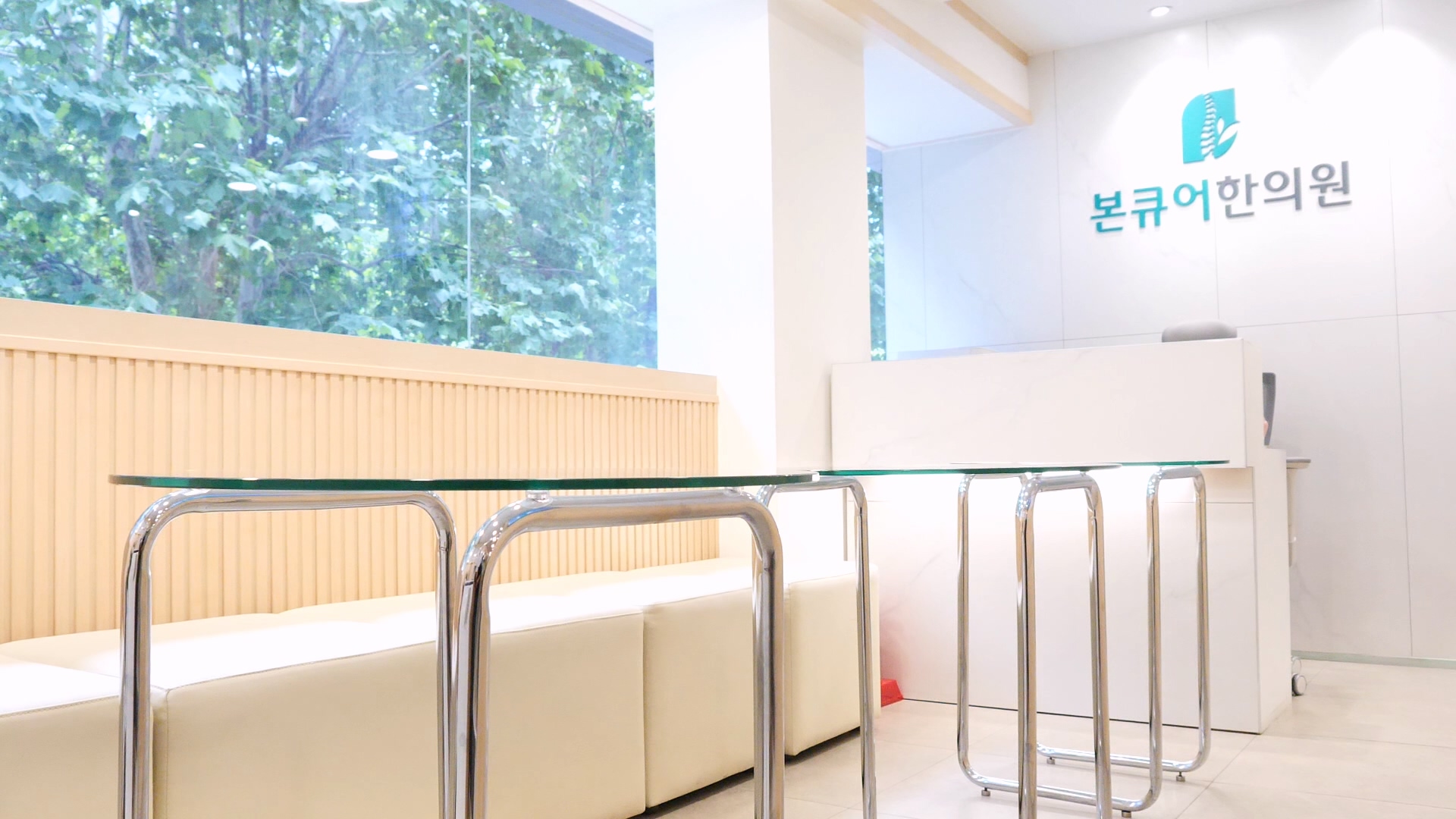
In 2026, stress management acupuncture is defined as a specialized bio-regulatory intervention that utilizes strategic needle placement to modulate the autonomic nervous system and release chronic physical tension. This guide explores how integrative care can transition your body from a state of constant 'fight-or-flight' to one of deep, structural recovery and lasting internal balance.
Understanding Stress Management Through Acupuncture
Stress management acupuncture is a therapeutic process that involves stimulating specific neuro-anatomical sites to regulate the body's physiological response to psychological and environmental pressures. At Bonecure, we view stress not just as a mental state but as a systemic disruption that manifests in the musculoskeletal and nervous systems. By targeting these intersections, we aim to facilitate a comprehensive return to homeostasis through evidence-based clinical protocols.
The Science of Stress and the Nervous System
The human body operates under the delicate balance of the sympathetic and parasympathetic nervous systems, which dictate our reaction to external stressors. Chronic stress often leads to a persistent sympathetic dominance, causing elevated cortisol levels, increased heart rate, and muscular rigidity. Through stress management acupuncture, we target points such as the GV20 (Baihui) and the auricular vagus nerve branch to signal the brain to downregulate this hyperactive state. Research suggests that consistent stimulation can help reduce subjective anxiety scores on the Beck Anxiety Inventory (BAI). While individual responses vary, clinical protocols aim to support the transition toward improved emotional stability through a structured course of treatment. By focusing on these neurological pathways, the treatment helps to recalibrate the hypothalamic-pituitary-adrenal (HPA) axis. This biological reset is crucial for individuals who suffer from stress-induced insomnia or digestive issues, as it allows the body to prioritize restorative functions that are typically suppressed during periods of high alert and chronic tension.
Acupuncture as a Bio-Regulatory Intervention
Acupuncture serves as a bio-regulatory tool that leverages the body's own signaling mechanisms to resolve internal imbalances caused by prolonged stress. When a needle is inserted, it creates a micro-trauma that triggers a localized immune response and the release of endorphins and enkephalins, which are natural pain-relieving and mood-stabilizing chemicals. In the context of Bonecure, we emphasize the role of these biochemical changes in promoting structural relaxation. By reducing the chemical markers of stress in the bloodstream, such as inflammatory cytokines, acupuncture supports the healing of soft tissues that have become tight and dysfunctional. This intervention is particularly effective for those who experience physical manifestations of stress, such as tension-type headaches or neck stiffness. The goal is to create a physiological environment where the nervous system can transition into a parasympathetic state, facilitating better circulation and oxygenation of tissues. This systemic approach aims to support the body's internal stress-response architecture and functional vitality, focusing on long-term wellness rather than temporary symptom suppression.
Defining the Bonecure Approach to Systemic Balance
At Bonecure, our approach to stress management acupuncture transcends traditional methods by integrating structural restoration with autonomic regulation. We recognize that chronic stress is often physically 'trapped' in the body in the form of myofascial adhesions and spinal misalignments. For instance, a patient with a forward head posture often experiences higher levels of autonomic strain due to the mechanical pressure on the cervical nerves. By utilizing Acupotomy, a specialized tool designed to release these hardened tissues, we directly address the physical barriers to relaxation. Clinical observations at Bonecure indicate that patients who receive combined structural and acupuncture therapy show more stable heart rate variability (HRV) compared to those receiving standard care. We focus on the principle that the 'bones must be happy for life to be happy,' meaning that a well-aligned skeletal system is the foundation for a calm mind. This holistic perspective ensures that every session addresses both the immediate symptoms of stress and the underlying structural triggers, leading to a more resilient and balanced physiological state for every individual patient who enters our clinic.
Acupotomy and Structural Realignment for Chronic Stress
Acupotomy is a modern clinical technique that uses a specialized tool to address adhered soft tissues, which may help release physical tension that contributes to chronic stress. In the clinical environment of Bonecure, this method is used to restore mobility in the spine and neck, which are primary areas where stress-induced tension accumulates. By physically breaking down the fibrous adhesions that restrict nerve flow, we provide a pathway for the nervous system to return to its natural, balanced state.
Characteristics of Bonecure Acupotomy
Bonecure Acupotomy utilizes a specialized tool designed to reach deep fascia and hardened ligaments. Unlike standard filiform needles, this approach focuses on the physical release of adhesions alongside neuro-chemical signaling. Each concentrated session typically lasts 10–20 minutes and is designed to address the structural foundations of chronic tension efficiently.
Releasing Adhesions to Restore Natural Flow
Chronic stress causes the body to remain in a defensive posture, leading to the formation of dense adhesions in the myofascial layers. These adhesions act like physical 'knots' that restrict blood flow and compress nerve endings, creating a feedback loop of pain and anxiety. At Bonecure, Acupotomy is employed to precisely target and release these obstructions in the paraspinal muscles. By decompressing these areas, we allow for the restoration of healthy blood circulation and neuro-electrical conductivity. This process is essential because, without physical release, the nervous system remains stuck in a loop of discomfort. Patients often report an immediate sense of 'lightness' after the release of these deep-seated tensions. This mechanical intervention is a cornerstone of our practice, as it provides a tangible solution to the physical limitations that stress imposes on the body. As the tissues soften, the body's natural ability to regulate its own stress levels is restored, leading to improved sleep quality and a significant reduction in the somatic symptoms of anxiety, such as chest tightness or shallow breathing patterns.
The Connection Between Spinal Alignment and Mental Calm
The relationship between spinal health and mental well-being is a primary focus of the stress management protocols at Bonecure. When the spine is misaligned, particularly in the cervical region, it can interfere with the vagus nerve's ability to transmit calming signals to the brain. In our clinical practice, we have observed that improving a patient's cervical curve, as measured by whole-spine X-ray analysis, often correlates with a decrease in self-reported stress levels. A misaligned spine acts as a constant physical stressor, forcing the brain to dedicate resources to maintaining balance and posture instead of focusing on cognitive and emotional regulation. By utilizing structural restoration techniques alongside stress management acupuncture, we aim to remove this mechanical burden. Clinical observations suggest that addressing spinal posture can support improvements in autonomic stability metrics. This structural foundation is intended to provide a more stable environment for the body's natural regulatory systems to function effectively. When the body is no longer fighting its own anatomy, the mind can finally achieve a state of sustained calm and focused clarity, free from the background 'noise' of physical discomfort.
Key Indicators for Stress-Related Physiological Recovery
Recovery from stress-related dysfunction is measured through objective clinical indicators that track both psychological shifts and physical structural changes. At Bonecure, we believe in 'evidence-first' care, which involves using standardized tools like the Beck Depression Inventory (BDI) and spinal imaging to validate the effectiveness of our treatments. These metrics ensure that the progress we observe is scientifically sound and replicable, providing patients with confidence in their healing journey.
Measuring Improvements in Beck Anxiety and Depression Scales
To accurately assess the impact of stress management acupuncture, we utilize the Beck Anxiety and Depression scales as baseline and progress indicators. In our clinical experience at Bonecure, patients dealing with chronic stress-induced autonomic imbalance often present with high initial scores. While individual results vary, we aim for a measurable reduction in anxiety scores over a consistent course of treatment, reflecting a shift toward improved emotional resilience. By monitoring these scores regularly, we can adjust our treatment protocols to better serve the individual's needs. This data-driven approach allows us to see how structural improvements in the neck and spine directly influence psychological resilience. While individual results vary, the trend toward lower scores across our patient population suggests that addressing the physical and neurological roots of stress leads to a measurable decrease in emotional distress. This objective tracking is a vital part of ensuring that our patients are moving toward long-term functional wellness and a better quality of daily life.
Case Study: Rapid Recovery for a High-Stress Professional
One notable case at Bonecure involved a high-stress professional who sought care for chronic fatigue, neck pain, and a sense of constant agitation. Initial assessments revealed significant cervical misalignment and a high Beck Anxiety score. After just a few sessions of Acupotomy combined with stress management acupuncture, the patient reported a substantial reduction in their perceived stress levels. Throughout the treatment period, their whole-spine X-ray showed a significant improvement in their spinal curvature and structural alignment, which corresponded with a resolution of their tension headaches. While this specific outcome is unique to this individual's physiological response, it highlights the potential for structural restoration to catalyze mental recovery. The patient also noted that their ability to handle work-related pressures had improved, likely due to the stabilization of their autonomic nervous system. This case serves as a clinical example of how targeting the physical anchors of stress can lead to comprehensive lifestyle improvements. Our approach focuses on achieving immediate and noticeable relief by addressing the root cause rather than relying on a fixed, prolonged schedule.
Navigating Your Path to Lasting Relief
The journey to stress reduction at Bonecure begins with a comprehensive consultation and a personalized plan tailored to your specific structural and autonomic needs. We prioritize a deep understanding of your history to ensure that every needle placement and structural adjustment serves a clear purpose. By integrating professional care with informed post-treatment habits, we help you navigate the complexities of chronic stress recovery with clarity and confidence.
Consultation and Personalized Treatment Planning
Every successful recovery at Bonecure starts with a detailed diagnostic phase. During your initial consultation, we perform a whole-spine X-ray and conduct a thorough review of your autonomic symptoms. This allows us to identify exactly where structural misalignments are exacerbating your stress response. Based on these findings, we develop a customized treatment plan that typically involves a combination of Acupotomy and stress management acupuncture. We explain the 'why' behind every step, ensuring you understand how releasing a specific adhesion in your neck will help calm your mind. This collaborative approach empowers you to take an active role in your health. We focus on providing impactful, efficient treatment, typically seeing immediate changes in symptom intensity. By mapping out the path to recovery from the start, we reduce the uncertainty that often accompanies chronic health issues. Our goal is to provide a structured environment where you feel supported as we work together to restore your body’s natural rhythm and functional balance.
Post-Treatment Care and Potential Reactions
Understanding the recovery process after a session of stress management acupuncture is essential for maximizing the benefits of the treatment. At Bonecure, we provide clear guidance on what to expect following Acupotomy and acupuncture procedures. It is common to experience temporary soreness or minor bruising at the treatment site, which typically resolves within 48 to 72 hours. Some patients may also feel a brief period of fatigue as the body begins to process the released tension and recalibrate the nervous system. As with any invasive procedure, minor bleeding or localized infection can occur, although rare. We maintain strict sterile protocols to minimize these risks. To support your recovery, we recommend staying hydrated and avoiding strenuous physical activity for at least 24 hours post-treatment. These steps help the body integrate the structural changes and sustain the calming effects on the nervous system. Consistent communication with our clinical team ensures that any reactions are addressed promptly, allowing for a safe and effective transition toward long-term stress resilience and physical comfort.
Korean Medicine Clinical Case Studies: A 2026 Guide to Evidence-Based Restoration
Traditional Korean Herbal Tea for Stress: A 2026 Clinical and Structural Perspective
Frequently Asked Questions
Q. How exactly does acupuncture help in managing chronic stress?
Stress management acupuncture works by stimulating specific points that signal the brain to regulate the autonomic nervous system. At Bonecure, we focus on resolving physical adhesions and spinal misalignments that keep the body in a constant state of 'fight or flight'. This dual approach promotes deep physiological relaxation by balancing neuro-chemical signals.
Q. Is the Acupotomy treatment painful for stress management?
Acupotomy uses a specialized tool to release hardened tissues and adhesions. While patients may experience a brief, intense sensation as these tissues are released, many individuals report an immediate feeling of lightness and reduced tension following the procedure. Individual experiences vary depending on the severity of the tension and the patient's sensitivity.
Q. How many sessions are typically required to see results for stress-related issues?
At Bonecure, we do not follow a rigid formula of a high number of sessions. Our goal is to provide immediate improvement that the patient can feel. The total course of treatment is personalized based on your initial diagnostic results and how your body responds to the structural alignment. We monitor progress through objective scales to ensure effectiveness.
Q. Are there any side effects associated with Acupotomy for stress?
Common side effects include temporary soreness at the site of treatment, minor bruising, or slight fatigue as the body begins to heal. Potential risks include minor bleeding or, very rarely, infection at the site of insertion. Most discomfort typically resolves within a few days, and we follow strict hygiene standards to ensure safety.
Q. Can acupuncture help with physical symptoms of stress like headaches or digestion?
Yes, stress often manifests as tension headaches or gastrointestinal distress due to the activation of the sympathetic nervous system. By addressing the structural misalignments in the neck and spine that contribute to these symptoms, we aim to provide comprehensive relief for both the mental and physical aspects of stress. This helps restore total functional harmony.
Q. How does Bonecure measure the success of stress management treatments?
We utilize objective assessment tools, including the Beck Anxiety and Depression Inventories, as well as whole-spine X-ray analysis. These metrics allow us to track your progress scientifically, ensuring that your recovery is measurable rather than just subjective. We look for both psychological improvements and physical structural changes.
Q. Is this treatment covered by insurance, and what is the cost?
The cost of treatment reflects the specialized nature of Acupotomy and structural correction performed by an experienced practitioner. While specific costs are determined during a personal consultation based on your diagnosis, we focus on providing long-term value through root-cause treatment. Please contact Bonecure for insurance verification and detailed pricing information.
Key Takeaways
- Stress management acupuncture at Bonecure targets the autonomic nervous system to restore balance.
- Acupotomy is designed to address physical adhesions that may contribute to a persistent stress response.
- Structural restoration of the spine is essential for long-term mental calm and neurological stability.
- Objective metrics like the Beck Anxiety scale and X-rays are used to track clinical progress.
- Personalized treatment plans at Bonecure ensure that both physical and emotional symptoms are addressed for lasting relief through efficient, high-impact care.
Bonecure / Dr. Song Jung-hyun
FAQ
- How exactly does acupuncture help in managing chronic stress?
- Stress management acupuncture works by stimulating specific points that signal the brain to regulate the autonomic nervous system. At Bonecure, we focus on resolving physical adhesions and spinal misalignments that keep the body in a constant state of 'fight or flight'. This dual approach promotes deep physiological relaxation by balancing neuro-chemical signals.
- Is the Acupotomy treatment painful for stress management?
- Acupotomy uses a specialized tool to release hardened tissues and adhesions. While patients may experience a brief, intense sensation as these tissues are released, many individuals report an immediate feeling of lightness and reduced tension following the procedure. Individual experiences vary depending on the severity of the tension and the patient's sensitivity.
- How many sessions are typically required to see results for stress-related issues?
- The number of sessions depends on the chronicity and severity of your condition. While some patients notice a significant shift after a few sessions, chronic cases involving autonomic dysfunction or structural issues may require a series of 10 to 20 treatments to achieve stable physiological improvements. We monitor progress through objective scales to ensure effectiveness.
- Are there any side effects associated with Acupotomy for stress?
- Common side effects include temporary soreness at the site of treatment, minor bruising, or slight fatigue as the body begins to heal. In rare cases, minor bleeding or infection may occur, which is why we maintain strict sterile protocols and provide detailed aftercare instructions. Most discomfort typically resolves within a few days.
- Can acupuncture help with physical symptoms of stress like headaches or digestion?
- Yes, stress often manifests as tension headaches or gastrointestinal distress due to the activation of the sympathetic nervous system. By addressing the structural misalignments in the neck and spine that contribute to these symptoms, we aim to provide comprehensive relief for both the mental and physical aspects of stress. This helps restore total functional harmony.
- How does Bonecure measure the success of stress management treatments?
- We utilize objective assessment tools, including the Beck Anxiety and Depression Inventories, as well as whole-spine X-ray analysis. These metrics allow us to track your progress scientifically, ensuring that your recovery is measurable rather than just subjective. We look for both psychological improvements and physical structural changes.
- Is this treatment covered by insurance, and what is the cost?
- The cost of treatment reflects the specialized nature of Acupotomy and structural correction performed by an experienced practitioner. While specific costs are determined during a personal consultation based on your diagnosis, we focus on providing long-term value through root-cause treatment. Please contact Bonecure for insurance verification and detailed pricing information.