
Post
The Role of Spinal Alignment in Supporting Healthy Cerebrospinal Fluid Flow: A 2026 Clinical Guide
Spinal alignment represents the precise structural positioning of the vertebrae that houses the central nervous system, while healthy cerebrospinal fluid flow signifies the rhythmic circulation of nutrient-rich liquid surrounding the brain and spinal cord. This article explores the vital link between skeletal integrity and neurological wellness, providing insights into how structural correction can support cognitive clarity and physical vitality. By understanding this hydraulic connection, individuals can better support the improvement of underlying structural factors related to chronic discomfort and systemic dysfunction.
Hello. I am Song Jung-hyun, a practitioner at Bonecure who has specialized in acupotomy and structural medicine for many years.
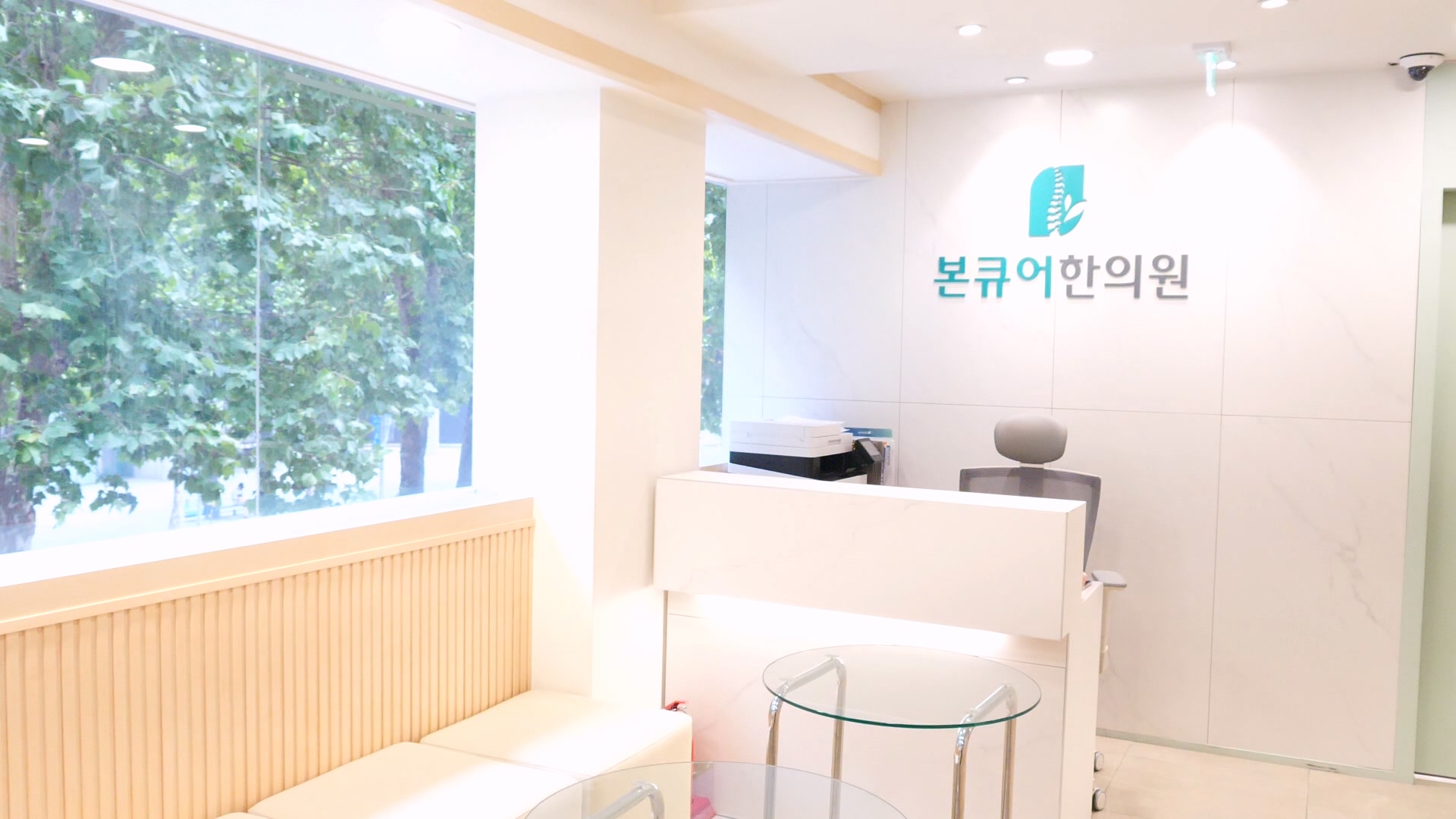
It is a privilege to share my clinical perspective on how the physical state of your spine dictates the fluid dynamics of your entire nervous system.
Understanding Spinal Alignment and Cerebrospinal Fluid (CSF) Flow
Spinal alignment refers to the precise positioning of the vertebrae, while cerebrospinal fluid (CSF) flow represents the essential circulation of protective liquid around the central nervous system. This fluid acts as a cushion and a waste removal system, ensuring that the brain operates in a stable environment. When the structural framework of the spine is compromised, the pathways for this fluid can become constricted, leading to physiological stress. Maintaining the natural curvature of the spine is therefore fundamental to ensuring that the brain and spinal cord receive adequate nourishment and detoxification through unimpeded fluid movement.
The Biological Connection Between Bone Alignment and Brain Health
The biological relationship between spinal alignment and brain health is rooted in the physical pathway provided by the vertebral column for the central nervous system. Cerebrospinal fluid flows within the subarachnoid space, surrounding the brain and spinal cord to provide buoyancy, protection, and nutrient delivery. When the spine maintains its natural curvature, this fluid moves freely, facilitating the efficient removal of metabolic waste products from the cranium. At Bonecure, we focus on the structural integrity of these pathways to ensure that the physiological environment for neural tissues remains optimal. Research into spinal dynamics suggests that even minor misalignments can influence the pressure gradients required for smooth fluid oscillation. Maintaining proper bone structure is not merely about posture. It is about preserving the delicate hydraulic system that supports every neurological function. By prioritizing structural health, patients may experience improved mental clarity and overall systemic resilience against chronic stressors that often affect the central nervous system over time.
How Structural Distortions Impede CSF Circulation
Structural distortions such as scoliosis, kyphosis, or cervical straightening can physically impede the circulation of cerebrospinal fluid by narrowing the spinal canal or creating localized pressure points. These misalignments act as physical barriers, disrupting the smooth pulsatile flow that is synchronized with the cardiac and respiratory cycles. When the vertebral bones are out of place, they can cause the dura mater, the protective outer layer of the spinal cord, to stretch or fold. This tension alters the volume of the space available for fluid movement, potentially leading to stagnation or increased intracranial pressure. Bonecure utilizes advanced diagnostic perspectives to identify these subtle obstructions that standard assessments might overlook. Over time, these mechanical blockages can lead to the accumulation of toxins within the brain tissue, as the glymphatic system relies heavily on healthy fluid exchange. Restoring the proper alignment of the vertebrae is essential to reopening these vital pathways and ensuring that the nervous system remains free from mechanical interference.
Comparing Normal CSF Dynamics vs. Obstructed Flow Patterns
Comparing normal cerebrospinal fluid dynamics with obstructed patterns reveals the significant impact of spinal health on internal physiology. In a healthy individual, the fluid moves in a consistent, rhythmic fashion, effectively cushioning the brain and clearing metabolic debris without resistance. Conversely, patients with spinal misalignments often exhibit turbulent or slowed flow patterns, which can be visualized through specialized imaging techniques. These obstructions are frequently linked to chronic tension and structural adhesions in the deep tissues surrounding the spine. The following table highlights the primary differences between these two states to illustrate why structural integrity is a cornerstone of neurological health at Bonecure. By analyzing these differences, we can better understand how mechanical issues translate into systemic symptoms. Correcting the underlying bone structure aims to restore the fluid rhythm that is characteristic of a balanced and healthy nervous system, thereby supporting the body’s innate ability to maintain internal equilibrium and recover from various forms of neurological strain.
| Feature | Balanced Spinal Alignment | Obstructed Spinal Alignment |
|---|---|---|
| CSF Flow Rate | Rhythmic and unimpeded | Restricted or turbulent |
| Waste Clearance | Efficient metabolic removal | Accumulated cellular debris |
| Neural Pressure | Optimal atmospheric balance | Potential for increased pressure |
| Symptoms | Alertness and physical comfort | Brain fog, headaches, or pain |
| Long-term Outlook | Supported systemic health | Risk of chronic dysfunction |
Clinical Symptoms and Risks Associated with CSF Flow Stagnation
Clinical symptoms of CSF flow stagnation encompass a wide range of neurological and physical complaints that arise when the metabolic clearance of the brain is compromised. This stagnation can lead to a buildup of cellular waste, which may manifest as persistent headaches, cognitive fatigue, or sensory disturbances. Without proper circulation, the central nervous system cannot maintain the homeostasis required for complex neural processing. Recognizing these symptoms early is crucial for preventing long-term neurological decline and ensuring that structural interventions are applied before significant tissue stress occurs.
From Chronic Pain to Cognitive Fog: The Impact of Spinal Imbalance
Spinal imbalance often acts as a silent contributor to a spectrum of symptoms ranging from localized chronic pain to generalized cognitive fog. When the spine is misaligned, the resulting tension in the musculature and fascia can cause referred pain that travels throughout the body. Furthermore, the restriction of cerebrospinal fluid flow associated with these imbalances can impair the brain’s ability to clear inflammatory markers. This biological stagnation often results in a feeling of mental cloudiness or reduced focus, which patients frequently describe as brain fog. At Bonecure, we observe that patients seeking relief from neck or back pain also report significant improvements in their mental clarity once their spinal alignment is addressed. The interconnectedness of physical structure and cognitive function means that addressing one often yields benefits for the other. By relieving the mechanical stress on the nervous system, we allow for more efficient neural communication and metabolic processing, which are essential for maintaining a high quality of life and daily productivity.
Neurological Consequences of Improper Fluid Exchange
The neurological consequences of improper fluid exchange can be profound, potentially contributing to conditions such as chronic migraines, dizziness, and even mood disorders. Cerebrospinal fluid is responsible for transporting hormones and neurotransmitters throughout the central nervous system. When this transport mechanism is hindered by spinal misalignments, the chemical balance of the brain may be disrupted. This disruption can lead to heightened sensitivity to pain and increased levels of anxiety or irritability. In my clinical experience, addressing the structural root cause is vital for patients who have not found relief through conventional symptom management. Improper fluid exchange can also lead to localized inflammation within the spinal canal, further aggravating nerve roots and causing sensory issues like numbness or tingling in the extremities. Ensuring a constant and healthy exchange of fluids is therefore a critical component of neurological health. By focusing on the restoration of spinal mechanics, we aim to provide a foundation for stable neurological function and reduced risk of chronic inflammatory conditions.
Identifying Warning Signs of Structural CSF Blockage
Identifying the warning signs of structural CSF blockage requires a careful assessment of both physical posture and neurological symptoms. Common indicators include recurring tension headaches that originate at the base of the skull, unexplained bouts of vertigo, and persistent stiffness in the upper cervical spine. Patients may also notice that their symptoms worsen during activities that require sustained posture, such as working at a computer for long periods. These signs often suggest that the spinal structure is failing to support optimal fluid dynamics. At Bonecure, we encourage patients to pay attention to these early signals before they escalate into more severe conditions. Other warning signs can include changes in sleep quality or a general sense of physical heaviness, which may reflect the accumulation of metabolic waste within the nervous system. A thorough clinical evaluation, including structural imaging, can help determine if these symptoms are linked to vertebral misalignments. Early intervention through specialized manual therapies and acupotomy can often prevent the progression of these issues and restore healthy fluid circulation.
Restoring the Natural Curve of the Neck Without Surgery: A Clinical Guide to Cervical Alignment
Advanced Korean Traditional Medicine Approaches for Spinal Restoration
Advanced Korean Traditional Medicine approaches for spinal restoration involve specialized techniques designed to release structural adhesions and realign the skeletal framework. These methods go beyond surface-level treatments by targeting the deep connective tissues that hold the spine in distorted positions. By combining time-honored principles with modern anatomical understanding, these therapies offer a comprehensive way to restore the natural flow of both energy and physical fluids. This structural focus ensures that the benefits of treatment are long-lasting and address the fundamental cause of the patient’s discomfort.
Acupuncture for Back Pain: Restoring Nerve and Fluid Communication
Acupuncture for back pain serves as a powerful tool for restoring the communication between nerves and the surrounding fluid environment. By inserting fine needles into specific points, we can modulate the nervous system’s response to pain and reduce muscle guarding that contributes to spinal misalignment. This process helps to relax the tight tissues that may be compressing the spinal canal or restricting the movement of cerebrospinal fluid. In the clinical setting at Bonecure, acupuncture is often used as a foundational therapy to prepare the body for deeper structural work. The stimulation of these points promotes local blood circulation and encourages the release of natural painkillers, which can provide immediate relief for acute episodes. However, the long-term goal is always to improve the structural environment of the spine. By consistently reducing muscle tension and improving nerve flow, acupuncture supports the overall goal of maintaining a healthy and unimpeded pathway for the central nervous system’s essential fluids, contributing to systemic health.
Acupotomy (Knife-needle Therapy) for Deep Tissue Adhesion Release
Acupotomy, often referred to as 'Do-chim' in Korean medicine, utilizes a specialized flat-headed needle to release chronic adhesions in the deep tissues surrounding the spine. These adhesions often act like internal scars, tethering the vertebrae in abnormal positions and physically blocking the flow of cerebrospinal fluid. Unlike standard acupuncture, acupotomy is designed to perform micro-dissections of these rigid tissues, allowing for a more significant restoration of mobility and alignment. At Bonecure, this technique is a primary intervention for cases where deep tissue adhesions require specialized release. My clinical philosophy centers on the fact that when structural problems are corrected, patients typically experience immediate and perceptible symptom improvement from the initial treatment. While results vary by individual, and minor side effects such as temporary soreness or bruising may occur, we focus on providing efficient care where the patient can feel the change right away. By addressing physical blockages, acupotomy facilitates the long-term health of the brain and spinal cord, supporting a return to normal physiological function.
Manual Alignment Techniques and Postural Correction Strategies
Manual alignment techniques and postural correction strategies are essential components of a comprehensive spinal restoration plan. These methods involve hands-on adjustments to the vertebrae and pelvis to ensure that the entire skeletal framework is balanced. When the spine is properly aligned, the mechanical stress on the spinal cord is minimized, allowing for optimal cerebrospinal fluid flow. Postural correction also involves educating patients on how to maintain these changes through specific exercises and ergonomic adjustments in their daily lives. The Bonecure approach integrates these manual therapies to reinforce the structural changes achieved through acupotomy and acupuncture. By focusing on the relationship between the skull, spine, and pelvis, we can address the full length of the CSF pathway. Sustained posture changes are necessary for preventing the recurrence of fluid stagnation and ensuring that the nervous system remains protected. These strategies empower patients to take an active role in their recovery, leading to more sustainable health outcomes and a reduced reliance on temporary relief measures for chronic spinal issues.
Advanced Acupotomy Techniques for Loosening Rigid Spinal Ligaments in 2026
Holistic Recovery and Scientific Evidence in Oriental Medicine
Holistic recovery in the context of oriental medicine refers to the measurable improvement of both physiological structures and subjective quality of life through integrated therapy. This approach relies on objective evidence, such as imaging and standardized clinical scales, to track progress and validate the effectiveness of structural interventions. By looking at the person as a whole, we can ensure that improvements in spinal alignment translate into broader health benefits, including enhanced emotional well-being and improved autonomic function. Scientific evidence continues to support the use of these integrated methods for managing complex, chronic conditions.
Case Study Analysis: Improvements in Spinal Curvature and Nervous System Function
Case study analysis provides valuable insights into how improvements in spinal curvature directly correlate with enhanced nervous system function. Clinical research and case reports suggest that for conditions like chronic tinnitus, improving cervical and upper thoracic alignment can be a significant factor in the management process. In specific clinical observations, addressing these structural imbalances has been associated with a reduction in symptom intensity, though results vary depending on the individual's condition. This case highlights how mechanical issues in the spine can manifest as complex neurological symptoms like hearing disturbances or ringing in the ears. In our clinical records at Bonecure, we have documented numerous examples where restoring the natural curve of the spine led to the normalization of physiological markers. It is important to remember that these results are specific to individual cases and do not guarantee the same outcome for every patient. However, they demonstrate the potential for structural medicine to address long-standing issues by reopening the pathways for fluid and nerve communication. Such evidence reinforces the importance of a structural perspective when treating chronic neurological complaints.
Objective Assessment Tools: X-ray and Physiological Scale Comparisons
Objective assessment tools such as whole-spine X-ray imaging and physiological scales are vital for monitoring the progress of spinal restoration. At Bonecure, we use these tools to provide clear evidence of structural changes and to correlate them with the patient's reported symptom relief. For example, the Beck Anxiety Inventory and Beck Depression Inventory are frequently used to assess the impact of structural health on the autonomic nervous system and emotional state. By comparing pre-treatment and post-treatment scores, we can objectively measure the holistic benefits of restoring spinal alignment. X-ray imaging allows us to see the physical realignment of the vertebrae, ensuring that the treatment is effectively opening the spaces required for healthy fluid flow. These objective metrics help to remove the guesswork from the recovery process and provide patients with a clear understanding of their progress. Using these validated tools ensures that our clinical approach remains grounded in scientific rigor while providing the personalized care that traditional medicine is known for, ultimately leading to more predictable and reliable health outcomes.
Long-term Maintenance for Sustained Spinal and Fluid Health
Long-term maintenance is the final and perhaps most important stage of sustained spinal and fluid health. Once the initial structural corrections have been made, it is essential to engage in regular follow-ups and lifestyle practices that prevent the return of adhesions and misalignments. This might include periodic maintenance sessions at Bonecure to ensure that the fluid pathways remain open and that the spine retains its flexibility. Patients are encouraged to adopt ergonomic habits that support their new alignment, such as proper seating at work and corrective stretching routines. Sustaining healthy cerebrospinal fluid flow is a lifelong endeavor that requires ongoing attention to the body’s structural integrity. By maintaining the health of the spine, patients can reduce their risk of age-related neurological decline and chronic pain syndromes. The goal of long-term care is to empower the individual to live a life free from the constraints of structural dysfunction. Through a combination of professional care and personal diligence, it is possible to maintain a healthy, vibrant nervous system that supports a high level of physical and mental performance for years to come.
Frequently Asked Questions
Q. How does spinal alignment specifically affect the flow of cerebrospinal fluid?
The spine acts as a primary conduit for the central nervous system. When vertebrae are misaligned, they can create physical pressure or restrict the space through which cerebrospinal fluid (CSF) circulates, potentially leading to increased intracranial pressure or poor metabolic waste removal from the brain. Proper alignment ensures that these hydraulic pathways remain open for optimal function.
Q. Can acupuncture for back pain also help with neurological symptoms?
Yes, acupuncture in a Korean traditional medicine clinic often targets muscle tension and nerve compression. By relieving structural stress on the spine, it can indirectly support healthy CSF flow and alleviate associated neurological discomforts like headaches or brain fog. It helps by relaxing the tissues that might be causing mechanical obstruction.
Q. What is acupotomy and how does it differ from standard acupuncture?
Acupotomy, or 'Do-chim' in Korean, utilizes a specialized flat-headed needle to release chronic adhesions in deep tissues. At Bonecure, we use this to restore the structural integrity of the spine, which helps normalize the pathways for fluid circulation that standard needles might not reach. It is a precise approach for releasing tissue that we believe should result in immediate, perceptible improvement.
Q. Are there any side effects to these spinal treatments?
Patients may experience temporary soreness at the site of treatment or minor bruising. In rare cases, localized infection can occur if post-care instructions are not followed correctly. It is important to note that results vary by individual and chronic cases may require multiple sessions to achieve full structural stability.
Q. Does Bonecure provide objective evidence of spinal improvement?
Yes, we utilize whole-spine X-ray imaging and clinical scales such as the Beck Anxiety or Depression Inventories to track physiological and structural changes. In specific clinical case reports, we have observed significant improvements in spinal curvature and neurological symptom scores. This data helps us validate the effectiveness of our restorative treatments.
Q. How many sessions are typically required to see an improvement in CSF-related symptoms?
At Bonecure, we focus on immediate results. Unlike clinics that tell patients they must wait for many sessions to feel better, our patients typically experience immediate and perceptible symptom improvement from their initial treatment. While a structured plan may be used for long-term recovery in chronic cases, you should feel a distinct difference right away.
Q. Is spinal alignment therapy suitable for women's health issues?
Absolutely. Korean medicine for women's health frequently addresses the pelvic and spinal structure, as these are central to hormonal balance and autonomic nervous system health. Proper alignment ensures that the entire system, including CSF flow, supports overall vitality and can help manage symptoms related to hormonal fluctuations and chronic stress.
Key Takeaways
- Spinal alignment is crucial for the unobstructed flow of cerebrospinal fluid, which clears metabolic waste from the brain.
- Structural distortions can lead to neurological symptoms like brain fog, migraines, and chronic pain due to fluid stagnation.
- Acupotomy (Do-chim) is a specialized technique used to release deep tissue adhesions, often resulting in immediate perceptible improvement.
- Objective tools like X-rays and psychological scales are used to monitor and validate structural and systemic recovery.
- Long-term maintenance through lifestyle changes and periodic care is essential for sustained neurological and spinal health.
For those seeking a structural approach to chronic pain or neurological discomfort, I invite you to schedule a consultation to discuss your specific needs.
Bonecure / Director Song Jung-hyun
FAQ
- How does spinal alignment specifically affect the flow of cerebrospinal fluid?
- The spine acts as a primary conduit for the central nervous system. When vertebrae are misaligned, they can create physical pressure or restrict the space through which cerebrospinal fluid (CSF) circulates, potentially leading to increased intracranial pressure or poor metabolic waste removal from the brain. Proper alignment ensures that these hydraulic pathways remain open for optimal function.
- Can acupuncture for back pain also help with neurological symptoms?
- Yes, acupuncture in a Korean traditional medicine clinic often targets muscle tension and nerve compression. By relieving structural stress on the spine, it can indirectly support healthy CSF flow and alleviate associated neurological discomforts like headaches or brain fog. It helps by relaxing the tissues that might be causing mechanical obstruction.
- What is acupotomy and how does it differ from standard acupuncture?
- Acupotomy, or 'Do-chim' in Korean, utilizes a specialized flat-headed needle to release chronic adhesions in deep tissues. At Bonecure, we use this to restore the structural integrity of the spine, which helps normalize the pathways for fluid circulation that standard needles might not reach. It is more of a micro-surgical approach to tissue release.
- Are there any side effects to these spinal treatments?
- Patients may experience temporary soreness at the site of treatment or minor bruising. In rare cases, localized infection can occur if post-care instructions are not followed correctly. It is important to note that results vary by individual and chronic cases may require multiple sessions to achieve the desired structural changes.
- Does Bonecure provide objective evidence of spinal improvement?
- Yes, we utilize whole-spine X-ray imaging and clinical scales such as the Beck Anxiety or Depression Inventories to track physiological and structural changes. In specific clinical case reports, we have observed significant improvements in spinal curvature and neurological symptom scores. This data helps us validate the effectiveness of our restorative treatments.
- How many sessions are typically required to see an improvement in CSF-related symptoms?
- While some patients reported immediate relief in our clinical notes, typical results for chronic structural issues usually require a structured treatment plan over several weeks. A consultation is necessary to determine the exact duration based on individual health status and the severity of the spinal misalignment. Chronic conditions often require a more gradual approach.
- Is spinal alignment therapy suitable for women's health issues?
- Absolutely. Korean medicine for women's health frequently addresses the pelvic and spinal structure, as these are central to hormonal balance and autonomic nervous system health. Proper alignment ensures that the entire system, including CSF flow, supports overall vitality and can help manage symptoms related to hormonal fluctuations and chronic stress.