
Post
The Essential Role of a Korean Traditional Medicine Practitioner in Structural Care
Hello, I am Dr. Jung-hyun Song, a licensed Korean Traditional Medicine practitioner dedicated to advanced structural restoration and acupotomy.
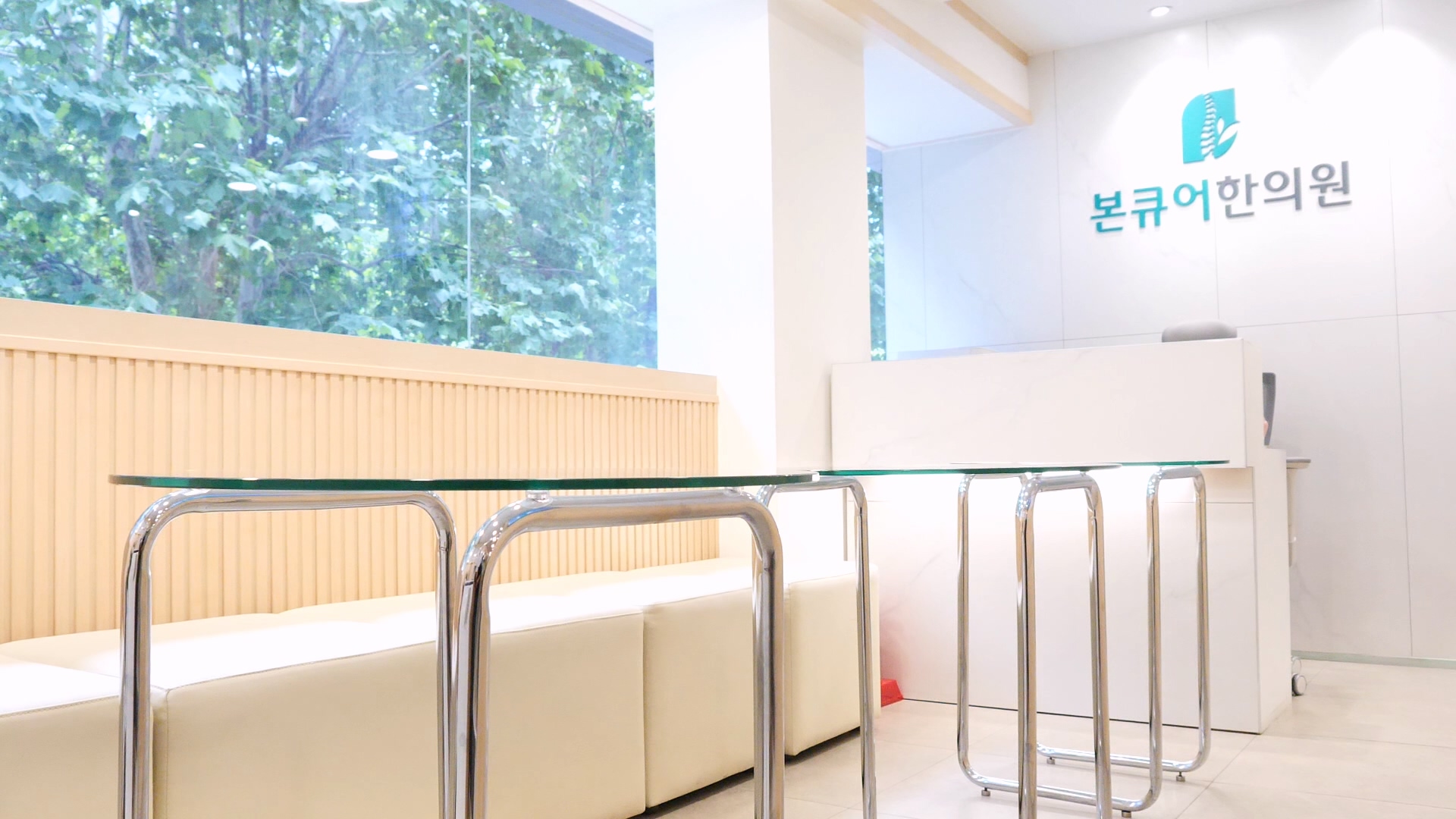
Achieving total physical wellness requires a thorough understanding of how internal balance intersects with structural alignment. This comprehensive guide details how professional traditional protocols restore mobility and alleviate chronic pain safely in 2026.
1. Understanding the Role of a Korean Traditional Medicine Practitioner
A Korean Traditional Medicine practitioner is a trained medical professional who evaluates the human body as an interconnected ecosystem where structural symmetry and internal vitality are codependent. By blending historical meridian theories with modern anatomical science, these professionals address the root causes of physical dysfunction rather than merely masking superficial symptoms.
Definition and Core Philosophy of Holistic Musculoskeletal Healing
Traditional structural rehabilitation emphasizes that chronic pain often stems from systemic imbalances and soft tissue restrictions rather than isolated joint issues. When a patient experiences chronic discomfort, a Korean Traditional Medicine practitioner evaluates the entire spinal framework, muscle symmetry, and nervous system integrity to identify deep-seated structural blockages. This holistic approach utilizes specialized diagnostic methods, including detailed structural palpation, to locate deep tissue adhesions that restrict natural movement. By focusing on the restoration of structural harmony, the treatment supports the body's intrinsic regenerative capabilities and enhances overall functional mobility. Patients receive comprehensive, individualized care plans designed to address their unique physiological patterns and long-term wellness goals. This structural focus ensures that every intervention targets underlying mechanical dysfunctions, helping individuals achieve a more balanced, resilient, and pain-free lifestyle over time.
Educational and Qualification Standards for Modern Practitioners
In the modern healthcare landscape, attaining the status of a qualified Korean Traditional Medicine practitioner requires rigorous academic training and clinical certification. Professionals must complete an intensive 6-year medical curriculum covering traditional theories, advanced human anatomy, pathology, and contemporary diagnostic methodologies. Following graduation, practitioners must pass comprehensive national licensing examinations administered by official health authorities to ensure safety and clinical competency. Many professionals pursue advanced postgraduate clinical training, specializing in targeted modalities such as micro-release acupotomy and complex spinal manipulation techniques. This extensive educational foundation ensures that every therapeutic intervention is backed by sound scientific principles and strict medical safety protocols. By integrating evidence-first clinical practices with anatomical insights, modern professionals provide a sophisticated level of care that meets contemporary medical standards while preserving traditional therapeutic integrity.
2. Structural Integrity and the Acupotomy Approach at Bonecure
Structural integrity refers to the balanced alignment and optimal biomechanical function of the skeletal framework, which Bonecure preserves using specialized tissue micro-release protocols. Through targeted interventions, these procedures systematically release deep-seated adhesions to alleviate structural tension and restore natural neurological flow throughout the body.
Restoring Mobility Through Advanced Tissue Micro-Release
Chronic musculoskeletal pain is frequently caused by deep tissue adhesions, where chronically strained muscles and ligaments become bound together, restricting joint mobility. At Bonecure, this condition is addressed using micro-scale acupotomy procedures that safely unbind these microscopic structural blockages. A Korean Traditional Medicine practitioner carefully inserts a specialized, ultra-thin flat-bladed needle into the affected area to perform precise micro-release of the adhered fibers. This advanced technique helps re-establish proper biomechanical alignment, reduces localized nerve compression, and stimulates the natural regeneration of healthy structural tissues. For more details on these mechanisms, explore Acupuncture Treatment Benefits: A 2026 Clinical Guide to Acupotomy and Structural Restoration to understand tissue repair. While individual recovery timelines vary based on the chronicity of the condition, many patients notice improvements in mobility and a reduction in deep-seated discomfort.
The Scientific Basis of Aligning the Spine and Nervous System
The relationship between spinal alignment and autonomic nervous system function represents a primary clinical focus for a modern Korean Traditional Medicine practitioner. When structural misalignments occur, compressed spinal nerves can disrupt autonomic signaling, potentially contributing to secondary issues like chronic fatigue or digestive imbalances. Clinical observations indicate that correcting spinal curvature and restoring structural balance can positively influence overall physiological stability. Systematic structural care helps the body achieve positive functional adaptations, supporting long-term musculoskeletal health and autonomic balance. Comprehensive notes detailed in A 2026 Clinical Guide to Dr. Song Jung-hyun's Structural Restoration at Bonecure highlight how target adjustments work. This evidence-first approach emphasizes objective measurement, utilizing comprehensive spinal evaluations to track structural alignment and functional improvements over a structured course of care, helping restore autonomic balance and systemic vitality.
3. Comparing Korean Traditional Medicine with Conventional Modalities
Comparing traditional eastern therapies with western orthopedics involves analyzing how different clinical methodologies target pain management and functional rehabilitation from distinct yet complementary perspectives. While conventional medicine often focuses on localized symptomatic relief, traditional practices emphasize global structural alignment and the restoration of natural biomechanical pathways.
Complementary Differences in Pain Management and Functional Rehabilitation
Understanding the unique benefits of various healthcare options allows patients to make informed decisions regarding their long-term recovery plans. Conventional orthopedic modalities frequently utilize pharmaceutical interventions or surgical procedures to address localized structural defects and acute inflammatory pain. In contrast, a Korean Traditional Medicine practitioner employs minimally invasive techniques, such as acupotomy and specialized soft tissue manipulation, to resolve chronic structural restrictions. This method focuses on expanding functional mobility and relieving nerve irritation without relying on aggressive interventions. Rather than viewing these systems as contradictory, modern clinical frameworks recognize them as complementary approaches to complex musculoskeletal conditions. Integrating traditional structural restoration with standard rehabilitative exercises can optimize patient outcomes, provided each plan is tailored to individual health profiles.
Comparative Analysis of Structural Treatment Methodologies
To provide a clear overview of how different structural approaches operate, it is helpful to analyze their specific clinical mechanisms and primary objectives. For instance, standard chiropractic care focuses extensively on high-velocity joint manipulations to improve segmental spinal mobility. Alternatively, the specialized protocols provided at Bonecure integrate deep micro-tissue release with traditional meridian-based principles to treat both the skeletal framework and the surrounding soft tissues simultaneously. This dual focus ensures that chronically shortened ligaments are lengthened, allowing the adjusted joints to remain in their correct positions over time. The following comparative table highlights the key characteristics of these modalities, emphasizing their neutral clinical attributes and typical applications for chronic pain.
| Modality | Primary Focus | Technical Mechanism | Typical Application |
|---|---|---|---|
| Korean Traditional Medicine | Total structural restoration and soft tissue balance | Micro-release acupotomy and meridian regulation | Chronic spinal pain, nerve compression, tissue adhesions |
| Conventional Orthopedics | Symptom management and structural stabilization | Pharmacotherapy, physical therapy, surgical intervention | Acute trauma, severe structural damage, focal inflammation |
| Chiropractic Care | Segmental joint mobility and spinal alignment | High-velocity low-amplitude spinal manipulation | Acute joint restrictions, localized biomechanical dysfunction |
4. Clinical Applications and Essential Safety Considerations
Clinical applications of traditional medicine encompass the structured treatment protocols used to manage chronic illnesses, alongside the vital safety guidelines required to minimize procedural risks for individual patients. Ensuring patient safety involves a careful pre-treatment assessment to identify potential contraindications and customize the intervention to the patient's specific physiological tolerance.
Addressing Chronic Conditions and Recognizing Individual Patient Variations
A qualified Korean Traditional Medicine practitioner frequently treats complex, long-standing conditions such as cervical spine misalignment, chronic lower back discomfort, and associated autonomic imbalances. Because every individual possesses a unique anatomical structure and rate of healing, clinical outcomes necessarily vary from patient to patient. The timeline for clinical progress depends heavily on individual health status, meaning that while some individuals notice changes early in their care, others with long-standing conditions may require a more extended approach. Long-term structural restoration depends heavily on factors such as the severity of tissue degeneration, overall lifestyle habits, and adherence to prescribed post-treatment protocols. Practitioners perform detailed baseline evaluations to map out realistic recovery timelines and establish appropriate therapeutic milestones. This personalized, evidence-first approach ensures that care remains safe, targeted, and aligned with the realistic healing capacity of each individual patient.
Potential Safety Protocols for Minimally Invasive Procedures
While advanced techniques like micro-release acupotomy are minimally invasive, they are medical procedures that require strict adherence to safety protocols to mitigate potential risks. Minor, temporary side effects can include localized soreness, mild swelling, or slight bruising at the insertion site, which typically resolve within a few days. Rare complications, such as localized infection or minor nerve irritation, are minimized by utilizing completely sterile, single-use instruments and maintaining precise anatomical accuracy. A professional Korean Traditional Medicine practitioner at Bonecure prioritizes patient safety by conducting thorough pre-screening consultations to rule out absolute contraindications. Patients are also provided with comprehensive post-care instructions to support the natural healing process and optimize tissue regeneration safely. Maintaining open communication regarding post-treatment sensations ensures that any temporary discomfort is managed appropriately, fostering a safe and reliable environment for structural recovery.
Frequently Asked Questions
Q. What exactly does a Korean Traditional Medicine practitioner do for chronic spinal pain?
A practitioner focuses on restoring the natural balance and structural alignment of the body. By combining meridian-based principles with modern anatomical understanding, they identify the root cause of nerve compression and muscular tension rather than just masking the symptoms. This comprehensive approach helps facilitate long-term functional recovery for the musculoskeletal system.
Q. What is the core technique used at Bonecure for long-standing structural issues?
Bonecure utilizes specialized acupotomy procedures as a foundational modality for chronic conditions. This method involves micro-scale tissue release to safely unbind adhered muscles and ligaments, helping restore optimal biomechanics and spinal curvature. Over a structured course of sessions, this treatment aims to improve mobility and reduce persistent physical discomfort.
Q. Are there any side effects or risks associated with micro-release acupotomy?
Minor side effects can include temporary soreness, localized swelling, or mild bruising at the insertion site. Severe complications are rare when performed by a licensed practitioner, though individual recovery times always vary based on health status. Following professional post-care guidelines carefully helps minimize these minor risks effectively.
Q. How does this holistic approach differ from standard chiropractic adjustments?
While both emphasize structural alignment, a Korean Traditional Medicine practitioner integrates specialized micro-acupuncture, soft tissue release, and herbal principles. This comprehensive approach simultaneously addresses underlying systemic deficiencies and repairs chronically adhered soft tissues. This dual focus supports both immediate joint mechanics and long-term structural stability.
Q. Can a single session completely resolve chronic structural misalignment?
Chronic or severe conditions typically require a structured series of sessions over time to achieve stable results. While some individuals notice immediate relief in mobility, long-term structural restoration depends heavily on the severity of the condition and adherence to post-care protocols. Gradual tissue remodeling is necessary for lasting biomechanical correction.
Q. How are treatment costs determined at Bonecure?
Treatment costs vary depending on the complexity of the spinal misalignment and the specific procedures required for your care plan at Bonecure. Detailed financial evaluations and tailored care plans are provided during personalized consultations rather than using fixed flat-rate pricing. This ensures you receive an accurate estimate based entirely on your unique clinical needs.
Q. When should someone seek a professional assessment from Dr. Song?
An assessment is highly recommended if you experience persistent neck pain, lower back discomfort, or symptoms of autonomic imbalance that have not responded well to conventional physical therapies. Seeking an early evaluation helps identify deep tissue adhesions before they lead to chronic structural compensation. A personalized consultation will determine if advanced micro-release protocols are appropriate for your condition.
Key Takeaways
- A professional traditional practitioner focuses on root-cause structural restoration by combining ancient meridian principles with modern clinical anatomy.
- Advanced acupotomy procedures at Bonecure facilitate the micro-release of deep tissue adhesions to safely restore joint mobility and alleviate nerve compression.
- Treatment outcomes vary individually, meaning chronic or severe structural misalignments generally require a structured series of sessions for optimal stability.
- Patient safety is maintained through strict sterile protocols, thorough pre-screening consultations, and comprehensive post-care guidance.
For consultations or further details regarding customized structural recovery plans, please reach out to our clinic. Bonecure Dr. Jung-hyun Song
FAQ
- What exactly does a Korean Traditional Medicine practitioner do for chronic spinal pain?
- A practitioner focuses on restoring the natural balance and structural alignment of the body. By combining meridian-based principles with modern anatomical understanding, they identify the root cause of nerve compression and muscular tension rather than just masking the symptoms. This comprehensive approach helps facilitate long-term functional recovery for the musculoskeletal system.
- What is the core technique used at Bonecure for long-standing structural issues?
- Bonecure utilizes specialized acupotomy procedures as a foundational modality for chronic conditions. This method involves micro-scale tissue release to safely unbind adhered muscles and ligaments, helping restore optimal biomechanics and spinal curvature. Over a structured course of sessions, this treatment aims to improve mobility and reduce persistent physical discomfort.
- Are there any side effects or risks associated with micro-release acupotomy?
- Minor side effects can include temporary soreness, localized swelling, or mild bruising at the insertion site. Severe complications are rare when performed by a licensed practitioner, though individual recovery times always vary based on health status. Following professional post-care guidelines carefully helps minimize these minor risks effectively.
- How does this holistic approach differ from standard chiropractic adjustments?
- While both emphasize structural alignment, a Korean Traditional Medicine practitioner integrates specialized micro-acupuncture, soft tissue release, and herbal principles. This comprehensive approach simultaneously addresses underlying systemic deficiencies and repairs chronically adhered soft tissues. This dual focus supports both immediate joint mechanics and long-term structural stability.
- Can a single session completely resolve chronic structural misalignment?
- Chronic or severe conditions typically require a structured series of sessions over time to achieve stable results. While some individuals notice immediate relief in mobility, long-term structural restoration depends heavily on the severity of the condition and adherence to post-care protocols. Gradual tissue remodeling is necessary for lasting biomechanical correction.
- How are treatment costs determined at Bonecure?
- Treatment costs vary depending on the complexity of the spinal misalignment and the specific procedures required for your care plan at Bonecure. Detailed financial evaluations and tailored care plans are provided during personalized consultations rather than using fixed flat-rate pricing. This ensures you receive an accurate estimate based entirely on your unique clinical needs.
- When should someone seek a professional assessment from Dr. Song?
- An assessment is highly recommended if you experience persistent neck pain, lower back discomfort, or symptoms of autonomic imbalance that have not responded well to conventional physical therapies. Seeking an early evaluation helps identify deep tissue adhesions before they lead to chronic structural compensation. A personalized consultation will determine if advanced micro-release protocols are appropriate for your condition.