
Post
A 2026 Guide to Postural Correction Treatment Seoul: Restoring Structural Harmony
Postural correction treatment in Seoul is a specialized medical field focused on realigning the skeletal framework to resolve chronic pain and systemic dysfunction.
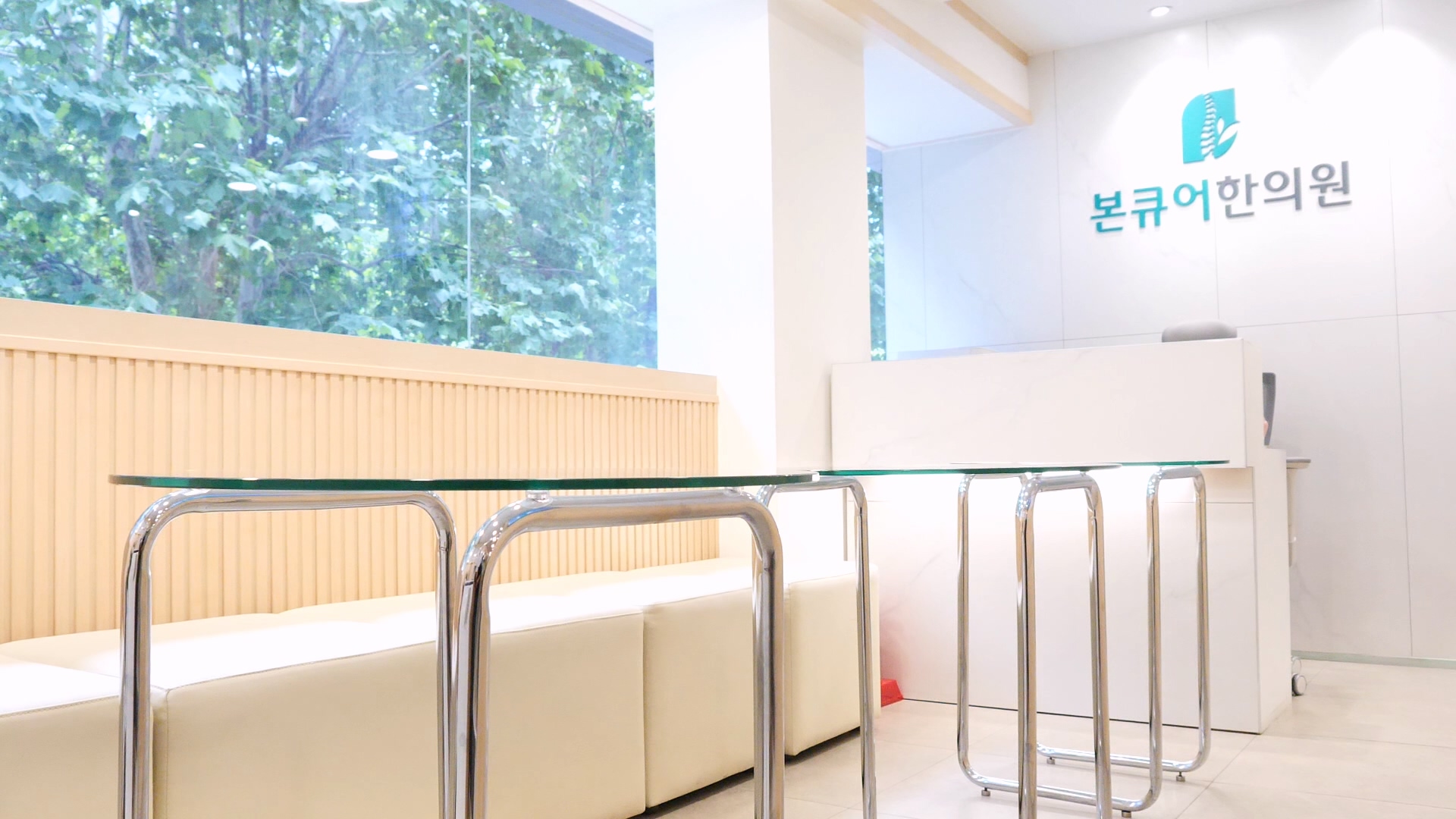
As a practitioner who has dedicated years to acupuncture scalpel therapy, I, Dr. Song Jeong-hyeon, have seen how structural misalignment impacts every facet of human health. At Bonecure, our goal is to move beyond temporary relief by focusing on the structural factors that contribute to physical distress. By analyzing objective diagnostic data from imaging performed at our partner institutions along with precise non-surgical interventions, we help patients achieve a state where their physical structure supports, rather than hinders, their daily vitality.
Understanding Postural Correction Treatment in Seoul: Foundation for Spine Health
Postural correction treatment in Seoul is a comprehensive therapeutic approach aimed at realigning the skeletal structure to alleviate chronic tension and neurological compression. This medical discipline involves diagnosing deviations in the spine and joints that disrupt the body's natural biomechanics. By restoring the anatomical blueprint, clinicians can mitigate the stress placed on the central nervous system and vascular pathways. This foundation is essential for long term wellness, as a misaligned spine often leads to a cascade of compensatory issues throughout the body.
Defining Structural Imbalance and Its Impact on Wellness
Structural imbalance refers to the deviation of the skeletal framework from its optimal anatomical alignment, which often triggers a cascade of physiological issues. In modern urban environments, prolonged sedentary behavior and poor ergonomics lead to conditions like forward head posture and pelvic tilt. At Bonecure, we observe that these deviations are not merely aesthetic concerns but significant health risks that impede proper nerve conduction and vascular efficiency. When the spine loses its natural curvature, it exerts undue pressure on the surrounding soft tissues, leading to chronic inflammation and restricted mobility. Our diagnostic process focuses on identifying these structural stressors through comprehensive physical examinations and analyzing detailed imaging data. By understanding the specific degree of misalignment, we can develop a targeted intervention strategy that addresses the root cause of discomfort rather than just managing peripheral symptoms. This foundational understanding is crucial for achieving long term structural stability and overall metabolic wellness in every patient we treat.
The Bonecure Approach: Structural Alignment and Nerve Restoration
The Bonecure approach to postural correction is centered on the principle that structural integrity is the cornerstone of neurological health. We utilize a specialized methodology that combines acupuncture scalpel therapy with precise manual adjustments to reposition the skeletal framework. Our protocol targets the hardened adhesions that fix bones in improper positions, working in tandem with other therapeutic approaches to support skeletal health. By releasing these deep tissue obstructions, we create the necessary space for the spine to return to its natural alignment. This process is vital for restoring proper nerve flow, which can be obstructed by even minor vertebral shifts. In our clinical experience, restoring this balance often leads to improvements in systemic issues, such as chronic fatigue and autonomic dysfunction. We prioritize an evidence-based path to recovery, ensuring that every adjustment is guided by the patient's specific anatomical needs. This holistic focus allows us to support the body's innate ability to heal and maintain functional harmony throughout the lifespan.
Why Seoul is a Hub for Advanced Non-Surgical Postural Correction
Seoul has emerged as a global hub for advanced non-surgical postural correction due to its unique integration of traditional wisdom and cutting edge medical technology. The city's medical infrastructure allows for a high degree of specialization in fields like structural acupuncture and functional medicine. Patients from around the world travel here to access therapies that are not widely available elsewhere, such as advanced acupuncture scalpel protocols. At Bonecure, we represent this innovative spirit by offering treatments that bridge the gap between structural remodeling and neurological restoration. The density of clinical expertise in Seoul fosters a competitive environment that drives continuous improvement in patient outcomes and safety standards. Furthermore, the availability of high resolution diagnostic imaging at nearby specialty centers ensures that postural corrections are performed with extreme precision. Choosing Bonecure in Seoul means accessing a sophisticated healthcare ecosystem dedicated to non-invasive structural health. Our commitment to utilizing these advanced resources ensures that each patient receives a level of care that is both scientifically rigorous and deeply personalized for their unique condition.
Innovative Techniques: Acupuncture Scalpel and Bone Alignment Therapy
Innovative techniques for structural restoration utilize advanced instruments to mechanically resolve soft tissue obstructions and reposition bone segments for optimal function. These methods go beyond surface-level massage by targeting the deep myofascial layers and ligamentous structures that dictate skeletal positioning. By employing specialized tools like the acupuncture scalpel, practitioners can perform micro-releases of adhesions that have formed over years of poor posture. This technical precision helps promote long-term structural stability and supports the maintenance of healthy postural alignment.
How Acupuncture Scalpel Therapy Resolves Adhesion and Promotes Tissue Regeneration
Acupuncture scalpel therapy, also known as acumotomy, is a refined technique that uses a flat-headed needle to release fibrous adhesions within the soft tissues. These adhesions act like internal scars, pulling the skeletal structure out of alignment and causing chronic pain. At Bonecure, we use this tool to precisely target and break down these hardened tissues, which facilitates the restoration of normal blood flow and nutrient delivery to the affected area. This mechanical release not only improves mobility but also stimulates the body's natural regenerative processes. As the micro-circulation improves, the damaged tissues begin to repair themselves, leading to a reduction in chronic inflammation. It is important to note that while the procedure is highly effective, individual responses may vary, and some patients may experience temporary soreness or minor bruising at the site. However, the long term benefits of resolving deep-seated adhesions often far outweigh these transient effects, providing a foundation for sustainable postural health.
The Role of Structural Adjustment in Correcting Spine Curvature
Structural adjustment plays a critical role in correcting spine curvature by manually repositioning vertebrae that have shifted due to trauma or chronic strain. At Bonecure, we focus on the relationship between the skull, the cervical spine, and the pelvis to ensure a comprehensive alignment. When the spine is properly aligned, the weight of the body is distributed evenly across the joints, reducing the risk of premature wear and tear. Our adjustments are informed by objective imaging data analyzed in-house, allowing us to apply force with therapeutic precision. This systematic approach is particularly effective for conditions like cervical kyphosis, where the natural curve of the neck has been lost. By gradually restoring the spinal curves, we can alleviate the pressure on the spinal cord and exiting nerve roots. While chronic conditions require careful management to achieve stability, the cumulative effect of these adjustments can lead to significant improvements in posture and overall physical comfort for patients seeking non-surgical solutions.
Understanding the Bonecure Structural Acupuncture Approach
When evaluating options for postural correction, it is helpful to understand the specific methodology of modern structural acupuncture. The protocols at Bonecure prioritize the release of soft tissue adhesions using the acupuncture scalpel in conjunction with structural adjustments. This integrated approach is designed to address both the soft tissue and skeletal components of the musculoskeletal system, allowing the body to settle into a more natural and balanced position. Please note that acupuncture scalpel therapy may cause temporary side effects such as localized pain, minor bleeding, or bruising, and results vary by individual. A 2026 Clinical Guide to Non-invasive Spine Therapy: Structural Restoration at Bonecure provides further insights into these distinctions. By addressing both the hard and soft components of the musculoskeletal system, modern structural acupuncture offers a comprehensive approach to remodeling the body's posture. This integrated strategy is designed to create lasting changes by treating the underlying cause of structural fixation.
| Feature | Bonecure Structural Restoration Details |
|---|---|
| Primary Mechanism | Adhesion release + Structural Alignment |
| Key Tool | Acupuncture Scalpel + Chuna Manual Therapy |
| Focus Area | Deep soft tissue adhesions and skeletal structure |
| Outcome Goal | Long-term structural stability and immediate relief |
| Diagnostic Basis | External X-ray analysis and functional scales |
Key Indicators for Postural Correction: From Neck Pain to Autonomic Dysfunction
Key indicators for postural correction are the objective clinical signs and subjective symptoms that suggest a patient’s skeletal framework is no longer in anatomical balance. These indicators often manifest as persistent neck pain, limited range of motion, or even systemic issues like dizziness and fatigue. When the body is out of alignment, it must work harder to perform simple movements, leading to a state of chronic physiological stress. Identifying these signs early at Bonecure allows for proactive intervention, preventing the progression of structural decay and the onset of secondary health complications.
Identifying Cervical Kyphosis and Scoliosis Through Objective X-ray Analysis
Objective X-ray analysis is the gold standard for identifying spinal deviations such as cervical kyphosis and scoliosis. At Bonecure, we analyze whole-spine imaging obtained through our partner medical institutions to measure precise angles and degrees of curvature, providing a clear roadmap for treatment. Cervical kyphosis, or "tech neck," is characterized by the reversal of the natural neck curve, which can significantly increase the load on the upper spine. Similarly, idiopathic scoliosis involves lateral curvatures that can disrupt the balance of the entire torso. By quantifying these deviations, we can track the progress of our structural restoration protocols over time. Clinical observations have shown that consistent treatment can lead to measurable improvements in these angles, though results depend on the patient's age and the severity of the condition. This data-driven approach ensures that our interventions are grounded in objective reality, allowing us to adjust our techniques as the patient's structure begins to normalize.
Symptoms Beyond Pain: How Misalignment Leads to Tinnitus and Dizziness
Structural misalignment can often lead to symptoms that seem unrelated to the spine, such as tinnitus and dizziness. These issues frequently arise from tension in the upper cervical spine, which can affect the blood flow to the inner ear and the function of the cranial nerves. Clinical observations at Bonecure suggest that addressing neck alignment can be a supportive factor in managing chronic tinnitus. We focus on stabilizing the cervical structure to help reduce sensory disturbances, aiming for clinically significant improvements in the patient's quality of life. However, results are highly individual and depend on the underlying cause of the symptoms. When the cervical vertebrae are misaligned, they can irritate the sympathetic nerve fibers, leading to a variety of sensory disturbances. By restoring the natural alignment of the neck, we can often reduce this irritation and improve the patient's quality of life. While individual results vary, the connection between spinal health and sensory function is a critical area of focus in our clinical practice.
Integrating Beck Depression and Anxiety Scales to Measure Holistic Recovery
At Bonecure, we recognize that chronic postural issues often coexist with psychological stress, which is why we integrate the Beck Depression and Anxiety Scales into our diagnostic framework. These standardized tools allow us to measure the emotional impact of structural dysfunction and track holistic recovery. Chronic pain and limited mobility can significantly contribute to feelings of anxiety and low mood, creating a cycle of physical and mental distress. By addressing the structural root causes, we often see a corresponding improvement in these psychological scores. For instance, a patient recovering from post-concussion syndrome might show high levels of autonomic instability along with elevated anxiety. As their spine is realigned and nerve function stabilizes, their scores on the Beck scales typically trend toward a healthier range. This integrative approach ensures that we are treating the whole person, not just a set of physical symptoms. Monitoring these metrics provides valuable feedback on the efficacy of our treatment plan and the overall well-being of the patient throughout their recovery journey.
Personalized Recovery Journeys and Clinical Evidence
Personalized recovery journeys are evidence-based clinical pathways that utilize objective data to monitor a patient's progress toward structural and functional equilibrium. No two spines are identical, and therefore, no two treatment plans should be the same. At Bonecure, we combine clinical case studies with real-time patient feedback to refine our approach continually. By documenting the specific interventions and outcomes of various cases, we build a robust body of evidence that supports the efficacy of structural restoration for a wide range of conditions, from scoliosis to autonomic imbalance.
Case Review: Structural Improvements in Patients with Idiopathic Scoliosis
Case reviews of patients with idiopathic scoliosis provide compelling evidence for the impact of structural restoration. In our clinical experience at Bonecure, we have managed cases where patients exhibited significant lateral curvatures that were successfully stabilized through targeted acupuncture scalpel therapy and bone alignment. We utilize X-ray data from our partner hospitals to monitor structural changes and ensure that the treatment plan is effectively supporting the patient's spinal symmetry. This process involves releasing the unilateral muscle tension that pulls the spine out of alignment and then gently guiding the vertebrae back toward the midline. A 2026 Clinical Guide to Dr. Song Jeong-hyeon's Structural Restoration at Bonecure discusses similar cases in detail. While complete straightening of the spine is not always possible in mature cases, achieving structural balance can significantly reduce pain and prevent further progression. Each case is a testament to the importance of a personalized, non-surgical approach to complex spinal conditions.
Restoring Balance in Autonomic Dysfunction Following Post-Concussion Syndrome
Autonomic dysfunction following post-concussion syndrome is a challenging condition that often responds well to structural alignment. Patients frequently suffer from symptoms like heart palpitations, digestive issues, and sleep disturbances due to the impact of the injury on the upper cervical spine. At Bonecure, we focus on restoring the alignment of the atlas and axis vertebrae to alleviate pressure on the brainstem and autonomic nerves. Clinical observations indicate that realigning these critical structures can help stabilize the sympathetic and parasympathetic nervous systems. By addressing structural imbalances in the upper cervical spine, we aim to support the stabilization of the autonomic nervous system, which may help improve related symptoms like sleep quality and heart rate variability. This recovery highlights the deep connection between the physical structure of the neck and the regulatory systems of the body. By addressing the mechanical trauma, we provide a pathway for the nervous system to return to its baseline state of health.
Managing Expectations: Immediate Results and Treatment Philosophy
When embarking on a postural correction journey, it is important to understand the treatment philosophy at Bonecure. Unlike traditional programs that may require dozens of sessions before progress is noticed, we prioritize treatments that provide immediate, perceptible improvements in symptoms. It is common to experience temporary soreness as the body adjusts to its new alignment, but our goal is for patients to feel the change from the very first session. Potential side effects like site tenderness or minor bruising are generally mild and resolve within a few days. We also emphasize that factors such as age and lifestyle will influence the long-term maintenance of therapy. We reject the notion that a set block of 10 or 20 sessions is mandatory to begin feeling better; instead, we focus on high-impact, efficient care where the patient can verify their own progress immediately. Our commitment is to provide transparent communication and evidence-based guidance throughout the process, ensuring every patient understands their unique path to recovery.
Frequently Asked Questions
Q. What exactly is postural correction treatment at Bonecure?
It is a specialized approach focused on restoring the natural alignment of the spine and joints using acupuncture scalpel therapy to release adhesions and structural adjustments to reposition the skeletal framework. By targeting the root mechanical issues, we aim to improve both physical mobility and neurological function.
Q. Is postural correction treatment in Seoul painful?
While the process of releasing hardened tissue may involve temporary discomfort or a slight aching sensation during the procedure, many patients report a sense of immediate relief and lightness afterward. We prioritize patient comfort and adjust our techniques based on individual sensitivity levels.
Q. How long does it take to see visible improvements in posture?
We focus on providing immediate results that the patient can feel right after the treatment. While measurable changes in spinal angles on X-ray may take time to stabilize, we do not require a specific number of sessions like 10 or 20 before the patient experiences a meaningful improvement in their symptoms.
Q. Are there any side effects to the acupuncture scalpel treatment?
Potential side effects include temporary soreness at the site, minor bruising, or light bleeding. These are generally mild and short-lived, though individual reactions and recovery times can vary depending on the patient's overall health.
Q. Can postural correction help with non-musculoskeletal issues like tinnitus?
Based on clinical case reports, correcting cervical spine alignment can improve nerve function and blood flow, which has shown positive outcomes in certain cases of chronic tinnitus and dizziness. Stabilization of the cervical spine can be a helpful component in a comprehensive management plan for these conditions.
Q. How much does postural correction treatment cost in Seoul?
The cost varies depending on the severity of the misalignment and the specific combination of therapies required for your case. We recommend a consultation for a detailed evaluation and a personalized cost estimation based on your specific needs.
Q. Does corrected posture stay permanent after treatment is finished?
Maintaining results requires a combination of clinical structural treatment and the patient's commitment to corrective habits and exercises. Preventing the recurrence of adhesions and misalignment involves ongoing mindfulness of ergonomics and physical activity.
Key Takeaways
- Postural correction at Bonecure focuses on providing immediate symptomatic relief by realigning the skeletal structure and releasing deep tissue adhesions.
- We utilize specialized acupuncture scalpel therapy to mechanically resolve hardened tissues that often cause chronic, recurring pain.
- Diagnostic precision is achieved by analyzing imaging data from partner medical facilities alongside standardized functional scales.
- Our treatment philosophy emphasizes efficient, high-impact care, allowing patients to feel improvements without needing to wait for a predetermined number of sessions.
For further information or to schedule a consultation regarding your spinal health, please contact our clinic. We are dedicated to helping you achieve lasting structural harmony.
Bonecure / Dr. Song Jeong-hyeon
FAQ
- What exactly is postural correction treatment at Bonecure?
- It is a specialized approach focused on restoring the natural alignment of the spine and joints using acupuncture scalpel therapy to release adhesions and structural adjustments to reposition the skeletal framework. By targeting the root mechanical issues, we aim to improve both physical mobility and neurological function.
- Is postural correction treatment in Seoul painful?
- While the process of releasing hardened tissue may involve temporary discomfort or a slight aching sensation during the procedure, many patients report a sense of immediate relief and lightness afterward. We prioritize patient comfort and adjust our techniques based on individual sensitivity levels.
- How long does it take to see visible improvements in posture?
- Significant changes in spinal curvature, as seen on X-ray, typically require a consistent treatment plan over several weeks. While some feel immediate ease in movement, chronic conditions usually require 10 to 20 sessions to achieve structural stability.
- Are there any side effects to the acupuncture scalpel treatment?
- Potential side effects include temporary soreness at the site, minor bruising, or light bleeding. These are generally mild and short-lived, though individual reactions and recovery times can vary depending on the patient's overall health.
- Can postural correction help with non-musculoskeletal issues like tinnitus?
- Based on clinical case reports, correcting cervical spine alignment can improve nerve function and blood flow, which has shown positive outcomes in certain cases of chronic tinnitus and dizziness. For example, we have seen symptom scores drop significantly after a dedicated treatment protocol.
- How much does postural correction treatment cost in Seoul?
- The cost varies depending on the severity of the misalignment and the specific combination of therapies required for your case. We recommend a consultation for a detailed evaluation and a personalized cost estimation based on your specific needs.
- Does corrected posture stay permanent after treatment is finished?
- Maintaining results requires a combination of clinical structural treatment and the patient's commitment to corrective habits and exercises. Preventing the recurrence of adhesions and misalignment involves ongoing mindfulness of ergonomics and physical activity.