
Post
2026 Clinical Guide to Post-Traumatic Recovery in Korean Medicine: The Bonecure Approach
Hello. I am Dr. Song Jung-hyun, a Korean Medicine doctor who has long focused on acupotomy as my primary therapeutic approach. Today, I would like to share a clinical guide on post-traumatic recovery, a specialized field focused on restoring physiological and structural integrity following physical or emotional trauma. At Bonecure, we prioritize the precise alignment of the spine and the release of internal soft tissue adhesions to ensure a comprehensive return to daily vitality.
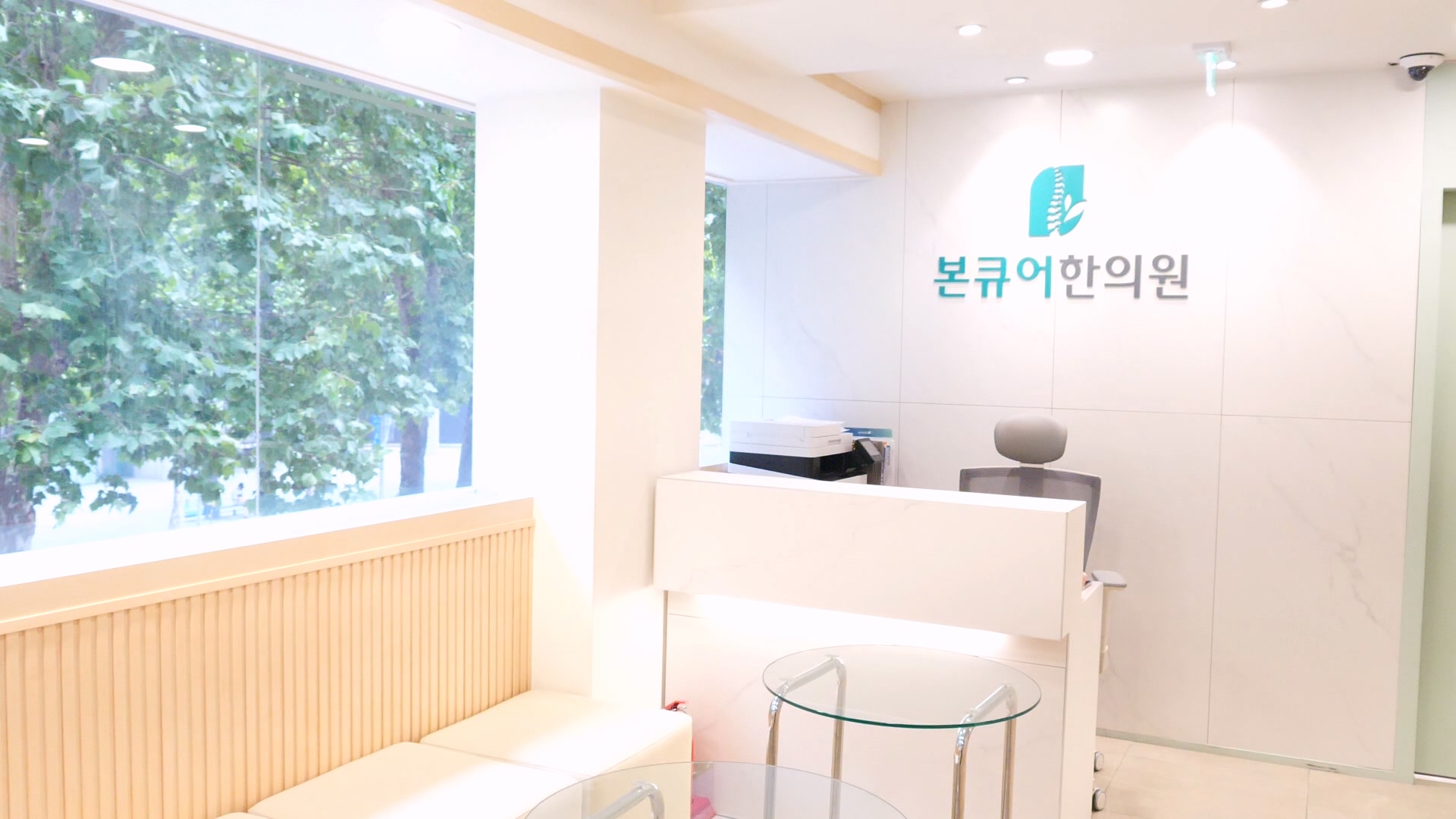
This 2026 clinical guide explores how structural restoration through acupotomy can address persistent symptoms that conventional treatments may overlook.
Understanding Post-Traumatic Recovery in Korean Medicine
Post-traumatic syndrome is defined as a complex cluster of physical and psychological symptoms that persist after an injury, necessitating a multifaceted approach to biological and structural restoration.
Defining Post-Traumatic Syndrome and Bonecure's Approach
Post-traumatic syndrome often manifests through persistent pain, dizziness, and autonomic dysregulation that lingers long after the initial injury has seemingly healed. At Bonecure, we recognize that these symptoms are frequently rooted in structural misalignments and internal tissue scarring that occur during the trauma. My approach involves a deep assessment of the musculoskeletal system to identify where the body has compensatory patterns. Instead of merely masking pain, we focus on the underlying structural integrity that supports the nervous system. By utilizing advanced diagnostics such as whole-spine X-rays, we can see the physical deviations that contribute to chronic discomfort. This evidence-based methodology ensures that each patient receives a plan tailored to their specific injury history. While recovery timelines differ for every individual, the goal remains the same: restoring the body to its natural, balanced state to prevent the development of long-term chronic conditions that often follow untreated traumatic events.
The Role of Acupotomy in Neuromuscular Restoration
Acupotomy is a specialized therapeutic technique that utilizes a blade-shaped needle to physically release adhesions within the soft tissues that have hardened due to trauma. When an injury occurs, the body often creates dense fibrous tissue as a protective mechanism, but this can lead to restricted mobility and chronic nerve irritation. At Bonecure, I use this tool to perform precise micro-dissections of these adhesions, which helps to restore normal blood flow and nerve conduction to the affected area. This process is essential for neuromuscular restoration because it removes the physical barriers preventing proper muscle function. In my clinical experience, patients often report a sensation of immediate relief in tension, even if the procedure itself involves brief discomfort. It is important to note that while acupotomy is highly effective for many, individual results will vary based on the severity of the tissue damage. This structural release is a cornerstone of our recovery protocols in 2026.
Why Traditional Healing Meets Modern Structural Science
The integration of traditional meridian theory with modern structural science allows for a more comprehensive understanding of how trauma affects the entire human frame. Bonecure bridges the gap between these two worlds by applying ancient wisdom regarding energy flow to the modern anatomical understanding of the myofascial system. We do not view the injury in isolation; rather, we see it as a disruption of the body's entire kinetic chain. By combining the precision of modern imaging with the holistic insights of Korean medicine, we can target the exact points where structural stress is highest. This dual approach ensures that we are not just treating a symptom but are realigning the body's foundation. Scientific verification is a key part of our process, as we use objective data to track the progress of structural changes over time. This synergy provides a robust framework for patients seeking a more natural yet scientifically grounded path to recovery after significant physical trauma.
Core Principles of Structural Alignment and Recovery
Structural alignment refers to the proper positioning of the skeletal system, particularly the spine and pelvis, to facilitate optimal nervous system function and physical mobility.
Restoring Balance through Spinal and Pelvic Realignment
The spine and pelvis serve as the central pillars of the human body, and any deviation in their alignment can lead to a cascade of post-traumatic symptoms. At Bonecure, we place immense importance on correcting these deviations to alleviate pressure on the spinal nerves and improve overall systemic function. Trauma often causes the pelvis to tilt or the spine to lose its natural curvature, which can lead to issues ranging from chronic back pain to digestive problems. Through the application of Chuna manual therapy and targeted acupotomy, I work to guide these structures back into their optimal positions. Correcting the alignment helps to redistribute mechanical stress evenly across the joints, which is crucial for preventing premature wear and tear. This restoration of balance is not just about comfort; it is about ensuring the body's long-term resilience against future injuries. Proper structural alignment acts as the foundation upon which all other physiological healing processes are built and sustained.
Adhesion Release: The Mechanism of Acupotomy for Trauma
The mechanical release of adhesions is a critical step in recovering from the restrictive effects of post-traumatic scarring within the musculoskeletal system. When tissues are traumatized, the resulting inflammation can cause layers of muscle and fascia to stick together, a condition known as an adhesion. These adhesions act like internal straightjackets, limiting range of motion and causing persistent pain. Bonecure utilizes acupotomy to break these bonds, effectively 'unlocking' the tissues and allowing them to glide freely once again. This mechanical intervention is often more direct than manual massage or standard acupuncture because the blade-shaped tip can physically separate the toughened fibers. By releasing these points of tension, we facilitate the influx of fresh oxygenated blood, which is necessary for the regeneration of healthy tissue. Although this process can result in temporary localized soreness, it is a vital component of restoring the functional mobility that is often lost after a major physical accident or repetitive strain injury.
Comparison: Conventional Physical Therapy vs. Bonecure Acupotomy
When evaluating recovery options, it is helpful to understand how different modalities address post-traumatic symptoms and structural integrity. Conventional physical therapy typically focuses on strengthening exercises and stretching to improve mobility over time. Conventional physical therapy typically focuses on strengthening exercises and stretching to improve mobility. Bonecure acupotomy provides a targeted structural intervention focusing on mechanical adhesion release, which can be used as a complementary approach for deep-seated tissue issues. Our approach is often used in conjunction with manual therapies to provide a comprehensive recovery experience. It is important to weigh the characteristics of each option based on your specific needs and the chronicity of your condition. Below is a comparison table outlining the general differences between these approaches to help you understand the unique value of our specialized methods.
| Feature | Conventional Physical Therapy | Bonecure Acupotomy |
|---|---|---|
| Primary Mechanism | Exercise, stretching, and heat | Mechanical adhesion release and realignment |
| Target Depth | Superficial to mid-level muscle | Deep fascia and chronic adhesions |
| Treatment Focus | Functional movement and strength | Structural restoration and tissue release |
| Immediate Sensation | Generally low discomfort | Brief pressure or sharp sensation |
| Long-term Goal | Sustained strength and flexibility | Root cause structural integrity |
Clinical Evidence and Case Reports on Trauma Recovery
Clinical evidence in the context of Korean medicine involves the use of objective diagnostic tools and standardized scales to verify the efficacy of structural treatments.
Scientific Verification: X-ray Improvements and Patient Outcomes
At Bonecure, we rely on objective data to validate the success of our post-traumatic recovery protocols. One of the primary tools we use is the whole-spine X-ray, which allows us to measure precise changes in spinal curvature and joint spacing before and after a treatment series. In my clinical case reports, I have documented significant improvements in spinal alignment among patients who had previously suffered from chronic trauma. For example, clinical observations indicate that while individual timelines vary, a tailored treatment series is typically required to observe measurable shifts toward a more neutral alignment in patients with idiopathic spinal deviations. Furthermore, we utilize standardized psychological and functional scales, such as the Beck Anxiety Inventory, to objectively track and support the improvement of psychological well-being alongside physical recovery. By monitoring these metrics, we can observe how structural restoration correlates with a patient's overall sense of health, though it is essential to remember that individual progress and outcomes vary based on the patient's specific condition.
Managing Post-Traumatic Tinnitus and Autonomic Dysregulation
Trauma to the head or neck can often result in secondary symptoms like tinnitus and autonomic nervous system imbalances, which require a specialized structural focus. Bonecure has developed protocols specifically for these intractable symptoms, focusing on the relationship between the upper cervical spine and the cranial nerves. Based on my research into chronic cases—including reports where patients with sudden hearing loss or tinnitus achieved significant milestones over a 20-session course—releasing deep muscle adhesions in the neck can lead to a reduction in noise intensity for some patients. Autonomic dysregulation, which may present as dizziness or heart palpitations, often responds well to the realignment of the thoracic and cervical spine. By reducing the structural irritation on the sympathetic and parasympathetic nervous systems, we help the body regain its internal equilibrium. While these conditions are complex, the restoration of structural balance provides a physiological basis for the nervous system to recalibrate itself after a traumatic event.
Acupotomy Safety Profile and Potential Temporary Side Effects
While acupotomy is a highly effective tool for structural recovery, it is important to maintain a realistic understanding of its safety profile and potential side effects. At Bonecure, we adhere to strict sterilization protocols to ensure the highest standards of patient safety. However, like any procedure that involves skin penetration, there are inherent risks. Patients may experience temporary pain at the site of the procedure, minor bruising, or slight localized bleeding immediately following the treatment. These are normal inflammatory responses as the body begins the healing process. Although extremely rare, there is a minor risk of infection, which is why post-treatment care instructions must be followed diligently. It is also important to note that individuals with certain blood-clotting disorders or those on specific medications should consult thoroughly before proceeding. Most temporary symptoms resolve within 24 to 72 hours, leading to the intended long-term benefits of the procedure. Individual results will vary, and treatment outcomes are not guaranteed.
Personalized Rehabilitation Plans for Lasting Health
Personalized rehabilitation involves the creation of a customized treatment strategy that addresses the unique structural and physiological needs of an individual patient.
Individualized Protocols for Chronic Pain Management
No two injuries are exactly alike, and therefore, no two recovery plans at Bonecure are identical. We begin each patient's journey with a comprehensive consultation to understand the history of their trauma and the specific ways it has impacted their life. This allows us to create an individualized protocol that may combine different frequencies and types of treatment. For chronic pain management, we might schedule a more intensive initial phase to break through long-standing adhesions, followed by a maintenance phase to support structural stability. I have found that patients who participate in a tailored program see more consistent results than those who follow a generic approach. Whether you are recovering from a recent car accident or dealing with the repercussions of an injury from a decade ago, our goal is to provide a roadmap that leads to lasting relief. This personalization ensures that we are addressing your body's specific compensatory patterns and structural weaknesses for a more effective recovery process.
Integrated Care: Combining Chuna Manual Therapy and Acupotomy
The most effective path to recovery often involves an integrated approach that utilizes multiple modalities to address different layers of the body. At Bonecure, we frequently combine Chuna manual therapy with acupotomy to maximize the benefits of each session. Chuna focuses on the broader realignment of the joints and bones through manual manipulation, while acupotomy targets the specific soft tissue blockages that might be pulling those bones out of place. This combination allows for a more comprehensive restoration of the body's structural integrity. By addressing both the 'hard' skeletal structures and the 'soft' connective tissues, we create a more stable environment for healing. This integrated care is especially beneficial for complex post-traumatic cases where multiple areas of the body are affected. My experience shows that this synergy helps to shorten the overall recovery time and provides a more profound sense of physical balance. It is a holistic strategy that treats the body as a single, interconnected system rather than a collection of parts.
Maintaining Structural Integrity After Initial Treatment
Achieving structural restoration is a significant milestone, but maintaining that integrity is essential for long-term health and the prevention of future issues. Once the initial phase of treatment at Bonecure is complete, we provide patients with strategies to support their newly realigned bodies. This often includes specific postural advice and ergonomic adjustments to their daily environment to prevent the recurrence of old patterns. Long-term health is a collaborative effort between the practitioner and the patient. While our treatments provide the necessary structural corrections, the patient's commitment to healthy movement patterns ensures that those corrections last. Regular check-ups may be recommended to address minor deviations before they become major problems again. By maintaining structural integrity, you are not just staying pain-free; you are investing in your future vitality and ensuring that your body remains resilient. Our final goal is to empower you with the knowledge and physical foundation necessary to live a full, active life without the shadow of past trauma.
Dr. Song Jung-hyun Korean Medicine: A Guide to Structural Restoration at Bonecure
Frequently Asked Questions
Q. What exactly is Acupotomy and how does it help with post-traumatic recovery?
Acupotomy is a specialized treatment using a blade-shaped needle to release adhesions in soft tissues. At Bonecure, we use it to restore normal tissue function and improve mobility by breaking down hardened, traumatized tissues, though individual results may vary. It is particularly effective for releasing the 'internal scarring' that often follows an injury.
Q. How long does it typically take to see results after a traumatic injury?
Recovery timelines depend on the severity and chronicity of the injury. While some experience immediate improvement in comfort, chronic cases often require multiple sessions to achieve structural stability. Specific benchmarks, such as a 20-session course, have been documented in clinical case reports for specific chronic conditions like sudden hearing loss. A detailed consultation is required for a specific diagnosis and timeline.
Q. Are there any side effects associated with Acupotomy treatments?
Acupotomy may cause temporary pain at the injection site, minor bruising, or slight bleeding immediately after the procedure. While rare, infection is a possibility, which is why we maintain strict sterilization protocols at Bonecure to minimize risks. Most side effects are mild and resolve within a few days.
Q. Can Bonecure's Korean Medicine approach help with neurological symptoms like dizziness after an accident?
Yes, we address symptoms related to post-concussion syndrome and autonomic nervous system imbalances through structural realignment. Based on my clinical case reports, correcting the alignment of the spine can help alleviate dizziness and tinnitus, although these findings are specific to those individual cases and not a general guarantee of results for every patient.
Q. Is Acupotomy painful compared to regular acupuncture?
Because the tool is designed to release physical adhesions, there can be a brief sensation of pressure or sharp discomfort during the procedure. Many patients describe it as a sensation that leads to immediate relief of underlying tension. The sensation is typically very brief and well-tolerated by most individuals.
Q. How do you verify if the treatment is actually working?
We use objective indicators such as whole-spine X-rays to monitor structural changes and standardized scales to track functional recovery. For instance, we may use standardized scales to track changes in anxiety or depression scores. This data allows both the practitioner and the patient to monitor the progress of recovery over time, though results are specific to each individual's clinical case.
Q. What is the cost of a full post-traumatic recovery program at Bonecure?
The value of fundamental structural recovery is significant for long-term health, but the specific cost depends on the customized plan tailored to your condition. Factors such as the number of sessions and the types of therapy included will influence the total. We recommend a consultation to discuss the most appropriate treatment path and associated fees.
Key Takeaways
- Post-Traumatic Recovery Korean Medicine focuses on restoring structural integrity and releasing internal tissue adhesions through specialized acupotomy.
- Bonecure utilizes objective diagnostic tools like whole-spine X-rays and standardized clinical scales to verify patient outcomes and track structural changes.
- Acupotomy involves a blade-shaped needle to mechanically release hardened tissues, which may cause temporary bruising or soreness but facilitates deep tissue healing.
- Integrated care involving both Chuna manual therapy and acupotomy provides a comprehensive approach to realigning the spine and pelvis for long-term health.
- Individual recovery results vary based on injury severity; a personalized consultation is essential for an evidence-based rehabilitation plan. Results are not guaranteed.
If you are struggling with persistent symptoms following a physical trauma, please reach out for a professional consultation. I am here to help you restore your body's natural balance and structural health.
Bonecure / Dr. Song Jung-hyun
FAQ
- What exactly is Acupotomy and how does it help with post-traumatic recovery?
- Acupotomy is a specialized treatment using a blade-shaped needle to release adhesions in soft tissues. At Bonecure, we use it to restore normal tissue function and improve mobility by breaking down hardened, traumatized tissues, though individual results may vary. It is particularly effective for releasing the 'internal scarring' that often follows an injury.
- How long does it typically take to see results after a traumatic injury?
- Recovery timelines depend on the severity and chronicity of the injury. While some experience immediate improvement in comfort, chronic cases often require multiple sessions, such as the 20 sessions noted in some clinical case reports, to achieve structural stability. A detailed consultation is required for a specific diagnosis and timeline.
- Are there any side effects associated with Acupotomy treatments?
- Acupotomy may cause temporary pain at the injection site, minor bruising, or slight bleeding immediately after the procedure. While rare, infection is a possibility, which is why we maintain strict sterilization protocols at Bonecure to minimize risks. Most side effects are mild and resolve within a few days.
- Can Bonecure's Korean Medicine approach help with neurological symptoms like dizziness after an accident?
- Yes, we address symptoms related to post-concussion syndrome and autonomic nervous system imbalances through structural realignment. Based on my clinical case reports, correcting the alignment of the spine can help alleviate dizziness and tinnitus, although these findings are specific to those individual cases and not a general guarantee.
- Is Acupotomy painful compared to regular acupuncture?
- Because the tool is designed to release physical adhesions, there can be a brief sensation of pressure or sharp discomfort during the procedure. Most patients describe it as a 'productive pain' that leads to immediate relief of underlying tension. The sensation is typically very brief and well-tolerated by most individuals.
- How do you verify if the treatment is actually working?
- We use objective indicators such as whole-spine X-rays to monitor structural changes and standardized scales to track functional recovery. For instance, we may track the reduction in Beck Anxiety or Depression scores. This data allows both the practitioner and the patient to see measurable evidence of improvement over time.
- What is the cost of a full post-traumatic recovery program at Bonecure?
- The value of fundamental structural recovery is significant for long-term health, but the specific cost depends on the customized plan tailored to your condition. Factors such as the number of sessions and the types of therapy included will influence the total. We recommend a consultation to discuss the most appropriate treatment path and associated fees.