
Post
Clinical Guide to Managing Swelling After Plastic Surgery through Structural Recovery in 2026
Swelling after plastic surgery, clinically known as post-operative edema, refers to the accumulation of interstitial fluid and inflammatory cells at the site of surgical trauma. Understanding how to manage this response is crucial for ensuring optimal aesthetic outcomes and restoring physical comfort.
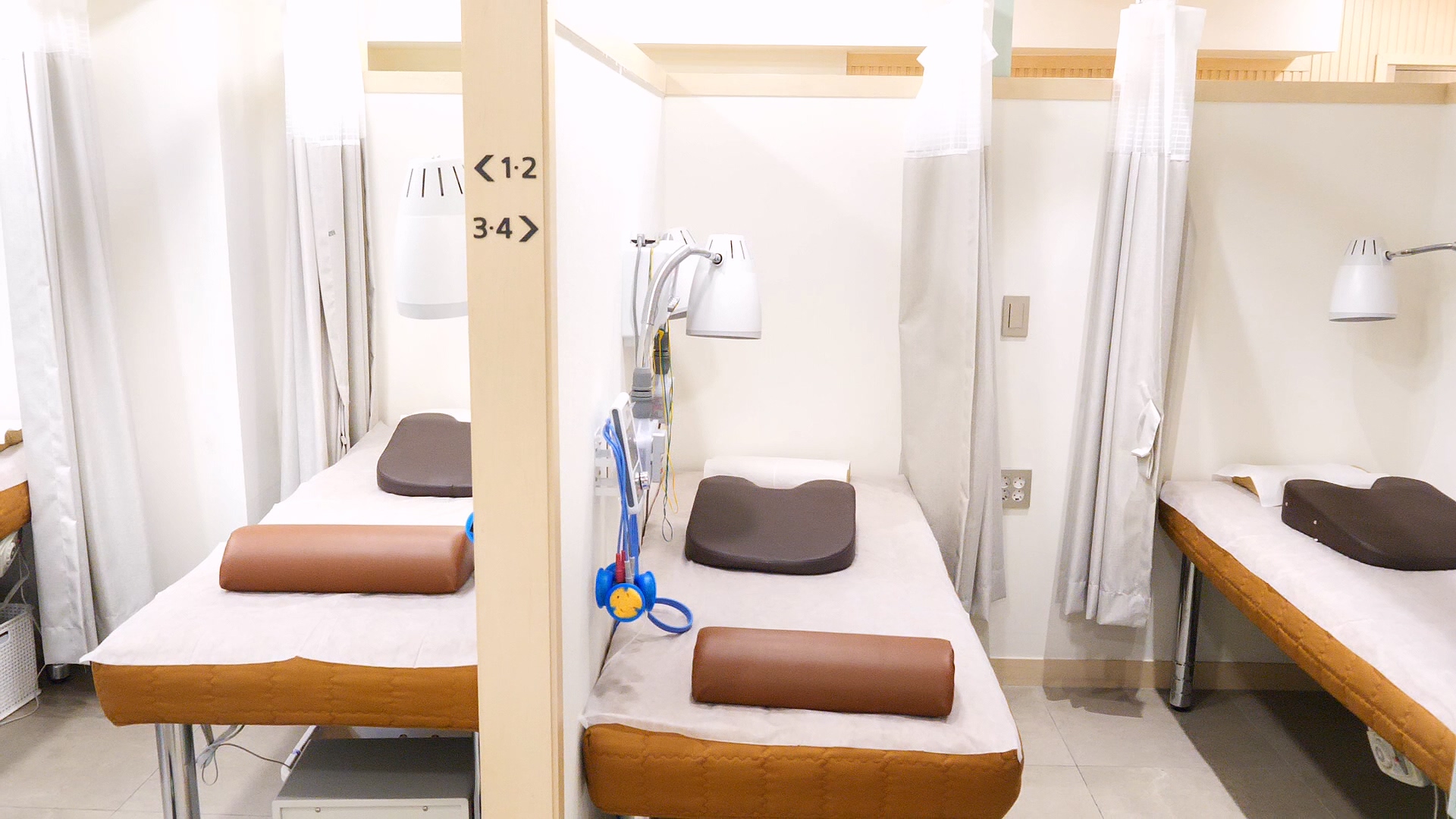
In this guide, we explore how structural alignment and microcirculation support the body's natural healing trajectory during the critical months following a procedure.
Understanding Swelling After Plastic Surgery and Its Recovery Path
Post-surgical edema is a physiological response to tissue trauma where excess fluid becomes trapped in the body's tissues during the healing process. During a surgical procedure, the physical manipulation of skin, muscle, and vascular structures triggers an immediate inflammatory cascade. This process increases capillary permeability, allowing plasma proteins and fluid to leak into the interstitial spaces. While this is a necessary part of the initial healing phase, persistent swelling occurs when the localized lymphatic vessels are damaged or overwhelmed by the volume of exudate. At Bonecure, we observe that the body’s ability to reabsorb this fluid depends heavily on the surrounding structural integrity. If the cervical or spinal alignment is compromised, the autonomic nervous system may not regulate vascular tone efficiently, leading to prolonged stagnation. Addressing these structural factors is essential because unresolved edema can eventually lead to tissue fibrosis or secondary adhesions, which may compromise the final aesthetic results of the plastic surgery.
What Causes Persistent Edema Post-Surgery
Persistent edema following a surgical intervention is often the result of disrupted lymphatic drainage pathways and localized inflammatory stagnation. While major swelling typically subsides within the first 2 to 4 weeks, some patients experience residual fluid retention that lasts for several months. This prolongation can be attributed to the extent of the surgical trauma and the individual's baseline circulatory health. In many clinical cases, we see that the trauma from the incision and tissue dissection creates micro-scarring that acts as a physical barrier to fluid movement. Furthermore, if the patient has a history of chronic tension or structural misalignment, the venous return is often less efficient. We utilize clinical data showing that patients with better spinal alignment often process inflammatory markers faster than those with postural imbalances. By identifying these underlying circulatory hurdles, we can better predict the recovery timeline and implement strategies that address both the surface swelling and the deeper vascular environment required for tissue regeneration.
The Importance of Lymphatic Circulation in Post-Op Recovery
Lymphatic circulation serves as the primary waste removal system for the body, transporting excess fluid and cellular debris away from the site of injury. In the context of post-operative recovery, the lymphatic system must work at an accelerated rate to manage the sudden influx of inflammatory byproducts. If this system is sluggish, the swelling becomes chronic, leading to a sensation of tightness, warmth, and discomfort. Clinical observations suggest that stimulating specific nodes and channels can significantly decrease the duration of post-op bruising. At Bonecure, we emphasize that the lymphatic system does not have a central pump like the heart. Instead, it relies on muscular movement and structural openness to function. When the neck or shoulders are stiff, the major lymphatic ducts can become compressed, effectively creating a bottleneck for fluid returning from the face or upper body. Restoring this flow is not just about comfort, but about providing the cells with the clean environment they need to heal without excessive scarring.
Traditional Korean Medicine Approach to Inflammatory Swelling
Traditional Korean Medicine views post-surgical swelling as a condition of blood stagnation and qi blockage resulting from external trauma. The approach focuses on 'Hwahyeol,' which means harmonizing the blood, to ensure that nutrients reach the wounded area while metabolic waste is effectively removed. This is achieved through a combination of thermal therapies, herbal applications, and precise needle work. Unlike purely symptomatic treatments, this method seeks to restore the body’s internal temperature and energy balance, which are often disrupted by anesthesia and surgical stress. Clinical experience with over 18 years of chronic case management suggests that warming the meridians can help dissolve hematomas and reduce the density of inflammatory edema. By treating the patient as a whole rather than focusing solely on the surgical site, we can address the systemic fatigue that often accompanies the recovery process. This integrative perspective ensures that the body has the constitutional strength to repair itself, leading to a more natural and sustainable recovery of the treated tissues.
Comprehensive Management Strategies for Post-Surgical Swelling
Management strategies for post-surgical swelling involve a multi-faceted approach that combines immediate home care with professional clinical interventions to optimize the healing environment. The primary goal is to minimize the initial inflammatory peak while preventing the transition into chronic edema. Through a combination of temperature regulation, elevation, and professional circulatory support, patients can often see a significant reduction in discomfort within the first 10 sessions of a targeted recovery program. Defining the right strategy requires a clear understanding of the difference between normal healing and pathological stagnation.
Home Care vs Professional Clinical Intervention
Home care typically focuses on the immediate post-operative period, utilizing icing for the first 48 hours to constrict blood vessels and limit fluid leakage. Patients are advised to keep the surgical site elevated to allow gravity to assist in drainage. However, once the acute phase passes, professional intervention becomes necessary to address deeper tissue adhesions. While home care is essential for stability, clinical treatments like those at Bonecure offer specialized tools to mobilize fluid that has become stuck in the deeper fascia. We often see that while surface swelling improves with rest, deep-seated tightness requires targeted acupotomy or structural alignment to fully resolve. Comparing these two levels of care is vital for setting realistic expectations. A patient who relies solely on home care may find that their recovery plateaus after 4 weeks, whereas professional guidance can help navigate the transition from initial healing to long-term tissue remodeling, ensuring that the final results are both comfortable and aesthetically pleasing for the patient.
The Role of Acupuncture in Enhancing Microcirculation
Acupuncture plays a pivotal role in post-operative recovery by stimulating the peripheral nervous system and improving microcirculation at the capillary level. By inserting fine needles into specific neuro-trigger points, we can induce a local vasodilatory effect that brings fresh, oxygenated blood to the healing tissues. This process is documented to assist in the reduction of pain signals, which can help lower the intensity of discomfort and support a more manageable recovery course. In addition to localized benefits, acupuncture helps regulate the autonomic nervous system, which is often stressed during surgery. A balanced nervous system leads to better vascular tone and more efficient fluid reabsorption. At Bonecure, we use acupuncture not just for the swelling itself, but to release the muscular guarding that occurs after trauma. This guarding often restricts blood flow to the head and neck, especially after facial surgeries. By relaxing these deeper muscle layers, we provide a clear pathway for the body to flush out toxins and inflammatory fluids, thereby accelerating the visible deswelling process naturally.
Dietary and Lifestyle Adjustments for Faster Deswelling
Lifestyle choices and nutritional intake significantly influence how quickly the body can process surgical inflammation and edema. A diet high in sodium can lead to increased water retention, which exacerbates post-surgical swelling and prolongs the recovery timeline. Conversely, prioritizing hydration and consuming anti-inflammatory foods can support the kidneys and lymphatic system in their drainage duties. We recommend that patients avoid strenuous exercise for the first 2 weeks but maintain light walking to encourage circulation without spiking blood pressure. During this recovery period, the body requires higher levels of protein and vitamin C to synthesize collagen and repair the micro-vasculature damaged during surgery. In our clinical experience spanning 18 years, we have found that patients who adhere to these lifestyle modifications often experience a more efficient recovery and a positive impact on the reduction of visible bruising. Small habits, such as avoiding alcohol and tobacco, which impair vascular health, make a substantial difference in the clarity and speed of the recovery, allowing the surgical results to manifest more quickly and with fewer complications.
Korean Traditional Medicine Interventions vs Conventional Recovery
Traditional medicine interventions offer a unique structural and energetic perspective that complements conventional surgical recovery by focusing on the body's internal self-regulation mechanisms. While conventional recovery often focuses on topical treatments or medications, the integrative approach looks at the flow of energy and the alignment of the skeletal system to ensure that recovery is not hindered by underlying structural blockages. This comparison helps patients understand how different modalities can be used synergistically to achieve the best possible health outcomes.
| Feature | Conventional Recovery | Bonecure Integrative Care |
|---|---|---|
| Primary Focus | Symptom management & meds | Structural alignment & circulation |
| Technique | Compression & icing | Acupotomy & structural recovery |
| Swelling Target | Surface fluid reduction | Deep fascial release & drainage |
| Recovery Goal | Incision healing | Restoring 'Bone Smile' balance |
| Timeframe | Variable based on site | Accelerated via microcirculation |
Synergy Between Western Surgery and Eastern Post-Op Care
The synergy between Western surgical techniques and Eastern post-operative care represents the pinnacle of modern integrative medicine. While the surgeon performs the necessary structural or aesthetic changes, the Traditional Korean Medicine practitioner prepares the body's environment to accept those changes without excessive inflammation. This dual approach is particularly effective for patients who have undergone complex procedures where tissue trauma is significant. By using acupoint stimulation, we can help the body integrate the surgical changes more smoothly. Clinical data from various case reports, including those involving chronic conditions, shows that integrative care can reduce the overall recovery period by several weeks. At Bonecure, we work to ensure that the patient’s structural foundation—the bones and spine—is aligned to support the new tissue contours. This holistic oversight prevents the development of secondary issues, such as chronic headaches or neck pain, which can sometimes arise when a patient subconsciously alters their posture to protect a surgical site. The result is a more harmonious transition from surgery to daily life.
Specific Clinical Notes on Acupoint Stimulation for Edema
Clinical acupoint stimulation for edema involves targeting specific nodes that govern fluid metabolism and systemic drainage. Points such as Sanyinjiao (SP6) and Zusanli (ST36) are frequently used to strengthen the spleen and stomach systems, which are responsible for transporting and transforming fluids in the body. When these points are stimulated, patients often report an increase in urinary output and a decrease in the heavy sensation associated with swelling. For facial surgery recovery, points around the neck and jawline are selected to clear the 'Upper Jiao' or the upper respiratory and circulatory pathways. In our practice, we have seen that a consistent treatment plan can significantly lower the perceived intensity of pressure and discomfort, helping patients return to their daily routines more comfortably. It is important to note that while these treatments are generally safe, some patients may experience temporary bruising or localized soreness at the needle site. These minor side effects are usually transient and are a sign that the microcirculation is being activated. By carefully selecting 5 to 7 primary points, we can tailor the treatment to the specific needs of the patient's surgical site.
Bonecure Method: Integrative Recovery and Structural Balance
The Bonecure method is a specialized approach to post-surgical recovery that emphasizes the 'Bone Smile' philosophy, focusing on structural alignment as the foundation for all healing. We define recovery not just as the absence of swelling, but as the restoration of perfect balance between the skeletal, muscular, and circulatory systems. By ensuring that the 'bones are smiling'—meaning they are in their correct anatomical positions—we allow the body’s vital energy to flow without obstruction, facilitating a deeper and more lasting state of health.
Acupuncture for Chronic Pain and Structural Alignment
Structural alignment is often the missing piece in the puzzle of chronic post-surgical pain and swelling. When the spine or joints are misaligned, they create tension in the surrounding soft tissues, which in turn compresses blood and lymph vessels. Bonecure utilizes specialized acupotomy, a technique using a blade-like needle, to release these deep-seated adhesions and restore structural mobility. This is particularly effective for patients who find that their swelling persists long after the typical 4-week window. By focusing on the structural foundation, we treat the root cause of the stagnation rather than just the symptoms. Our clinical experience shows that when the structural pressure is removed, the body’s natural drainage mechanisms are reactivated. This approach has helped patients who have suffered from chronic discomfort for years, demonstrating that the body has a remarkable capacity for recovery when the right structural conditions are met. We emphasize that individual results may vary, and a comprehensive evaluation of the spine and posture is always the first step in our treatment protocol.
Cupping Therapy and Moxibustion for Fluid Drainage
Cupping therapy and moxibustion are utilized at Bonecure to further enhance the drainage of metabolic waste and improve systemic warmth. Cupping creates a negative pressure environment that pulls stagnant blood and lymph to the surface, where it can be more easily processed by the body’s circulatory system. This is often applied to the back or neck to support overall drainage pathways, even if the surgery was on the face. Moxibustion, the application of herbal heat, is used to stimulate blood flow and dispel 'cold' stagnation that can lead to firm, stubborn edema. In clinical settings, we often apply these therapies for 15 to 20 minutes to achieve optimal vasodilation. The combination of these techniques helps to soften hardened tissues and reduce the feeling of tightness that many post-op patients describe. While these methods are highly effective, we always monitor for skin sensitivity and individual tolerance. By integrating these thermal and pressure-based therapies, we provide a comprehensive solution that addresses the fluid, the vessels, and the structural environment simultaneously, leading to a more comfortable recovery experience.
Clinical Case Insights: Restoring Natural Vitality Post-Surgery
Reflecting on 18 years of clinical experience, we have observed that restoring vitality post-surgery requires a patient-centered approach that respects the body's natural timing. When chronic swelling or tension persists for months after a procedure, focusing on cervical alignment and acupotomy can help address the underlying structural stagnation and promote a visible reduction in edema. Individual results may vary, but restoring structural balance is often key to resolving stubborn post-operative discomfort. These results illustrate how structural recovery can unlock the body's healing potential even when conventional methods have reached their limit. It is important to understand that chronic cases often require more time and a higher frequency of treatment to break down long-standing adhesions. We focus on the 'Bone Smile' philosophy, ensuring that as the swelling goes down, the patient's overall posture and energy levels improve. This case-based insight reminds us that recovery is a journey of returning to balance. While we cannot guarantee a specific outcome for every individual, our goal at Bonecure is to provide the most supportive environment possible for the body to return to its natural, vibrant state.
Identifying Causes of Facial Swelling and the Path to Structural Recovery
A 2026 Clinical Guide to Facial Asymmetry Correction and Structural Recovery at Bonecure
Key Takeaways
- Major post-surgical swelling usually subsides within 2 to 4 weeks, but structural issues can cause it to persist for several months.
- Effective recovery requires a combination of home care, like elevation, and professional intervention to address deep tissue stagnation.
- Acupuncture and acupotomy at Bonecure help improve microcirculation and release adhesions that block lymphatic drainage.
- Structural alignment of the spine and neck is essential for long-term resolution of post-operative edema and chronic pain.
- Individual recovery timelines vary, and consistent clinical support over 10 to 20 sessions is often needed for complex or chronic cases.
Frequently Asked Questions
Q. How long does swelling typically last after plastic surgery?
While major swelling often subsides within 2 to 4 weeks, residual minor edema can persist for several months. Individual recovery timelines vary significantly based on the surgical site and the patient's circulatory health. Factors such as age and pre-existing structural tension can also play a role in how long the body retains fluid.
Q. Is acupuncture safe to receive shortly after a surgical procedure?
Yes, when performed by a qualified Korean medicine doctor, acupuncture can safely support recovery by improving circulation. However, it is essential to consult with your practitioner to ensure the surgical incisions are sufficiently stable. We typically wait until the initial acute inflammatory phase has stabilized before beginning intensive stimulation.
Q. Does moxibustion help with post-operative bruising and swelling?
Moxibustion therapy in Seoul clinics is often used to warm the meridians and promote blood flow, which may assist in the natural absorption of hematomas. By applying gentle herbal heat, we help to dispel the stagnation that often causes bruises to linger. This warming effect also helps to relax the muscles surrounding the surgical site, improving overall comfort.
Q. Are there any side effects to Korean traditional medicine for swelling?
While generally safe, some patients may experience temporary soreness at the needle site or minor bruising from cupping or acupuncture. In rare cases, localized infection can occur if aftercare is neglected, so following clinical guidance is crucial. Most side effects are mild and resolve within a few days as the body continues to heal.
Q. What is the Bonecure approach to post-surgical recovery?
At Bonecure, we focus on structural alignment and the 'Bone Smile' philosophy, which posits that skeletal health is the foundation of all healing. We use specialized techniques like acupotomy to release adhesions and restore the flow of vital energy. This structural approach ensures that the circulatory and lymphatic systems are not physically obstructed by misaligned bones or tight muscles.
Q. Can cupping therapy be used for facial swelling after surgery?
Direct cupping on fresh facial surgical sites is usually avoided to protect the delicate healing tissues. However, applying cupping to the neck or back can improve systemic lymphatic drainage, which indirectly supports the reduction of facial edema. This method clears the main drainage pathways, allowing fluid from the face to exit the body more efficiently.
Q. Does traditional medicine guarantee a faster recovery time?
While many patients report accelerated comfort and reduced swelling, results are not typical for everyone and can vary. Traditional medicine at Bonecure aims to optimize the body's self-healing environment rather than promising a fixed timeline. Our focus is on providing a sustainable and holistic recovery that addresses the root causes of inflammation and pain.
For personalized consultation regarding your recovery path, please reach out to our clinical team.
Bonecure / Dr. Song Jeong-hyeon
FAQ
- How long does swelling typically last after plastic surgery?
- While major swelling often subsides within 2 to 4 weeks, residual minor edema can persist for several months. Individual recovery timelines vary significantly based on the surgical site and the patient's circulatory health. Factors such as age and pre-existing structural tension can also play a role in how long the body retains fluid.
- Is acupuncture safe to receive shortly after a surgical procedure?
- Yes, when performed by a qualified Korean medicine doctor, acupuncture can safely support recovery by improving circulation. However, it is essential to consult with your practitioner to ensure the surgical incisions are sufficiently stable. We typically wait until the initial acute inflammatory phase has stabilized before beginning intensive stimulation.
- Does moxibustion help with post-operative bruising and swelling?
- Moxibustion therapy in Seoul clinics is often used to warm the meridians and promote blood flow, which may assist in the natural absorption of hematomas. By applying gentle herbal heat, we help to dispel the stagnation that often causes bruises to linger. This warming effect also helps to relax the muscles surrounding the surgical site, improving overall comfort.
- Are there any side effects to Korean traditional medicine for swelling?
- While generally safe, some patients may experience temporary soreness at the needle site or minor bruising from cupping or acupuncture. In rare cases, localized infection can occur if aftercare is neglected, so following clinical guidance is crucial. Most side effects are mild and resolve within a few days as the body continues to heal.
- What is the Bonecure approach to post-surgical recovery?
- At Bonecure, we focus on structural alignment and the 'Bone Smile' philosophy, which posits that skeletal health is the foundation of all healing. We use specialized techniques like acupotomy to release adhesions and restore the flow of vital energy. This structural approach ensures that the circulatory and lymphatic systems are not physically obstructed by misaligned bones or tight muscles.
- Can cupping therapy be used for facial swelling after surgery?
- Direct cupping on fresh facial surgical sites is usually avoided to protect the delicate healing tissues. However, applying cupping to the neck or back can improve systemic lymphatic drainage, which indirectly supports the reduction of facial edema. This method clears the main drainage pathways, allowing fluid from the face to exit the body more efficiently.
- Does traditional medicine guarantee a faster recovery time?
- While many patients report accelerated comfort and reduced swelling, results are not typical for everyone and can vary. Traditional medicine at Bonecure aims to optimize the body's self-healing environment rather than promising a fixed timeline. Our focus is on providing a sustainable and holistic recovery that addresses the root causes of inflammation and pain.