
Post
A 2026 Clinical Guide to Facial Asymmetry Correction and Structural Recovery at Bonecure
Hello. I am Dr. Song Jung-hyun, a practitioner who has specialized in acupotomy and structural medicine for many years. Facial asymmetry is defined as an imbalance in the alignment of facial features that often stems from underlying skeletal or muscular deviations. While many seek correction for aesthetic reasons, at Bonecure, we view this condition as a signal of systemic structural misalignment that requires a comprehensive approach to restore true balance and functional health.
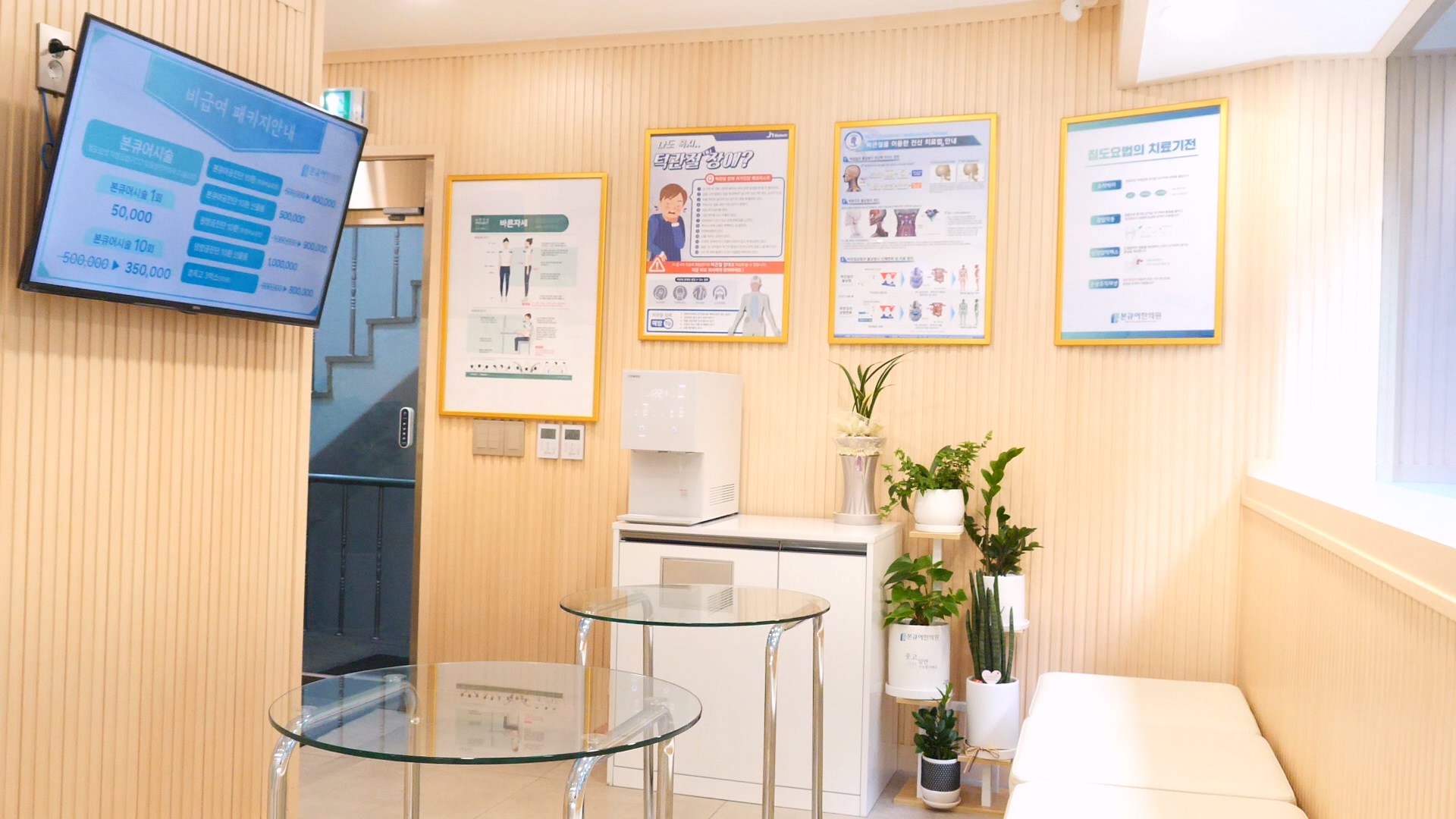
Understanding Facial Asymmetry and the Goal of Correction
Facial asymmetry is characterized by a lack of proportion between the left and right sides of the face, often involving the jaw, cheekbones, or eye levels. This condition frequently arises from chronic habits, dental issues, or structural imbalances in the neck and spine. In clinical settings, we categorize these as either functional asymmetries, caused by muscle tension and posture, or structural asymmetries involving bone growth. Addressing the root cause rather than just the surface symptoms is essential for achieving a result that feels both natural and sustainable over the long term.
Why Non-Surgical Correction is Gaining Popularity
In the landscape of 2026, more individuals are moving away from invasive surgeries toward regenerative and non-surgical structural therapies. The primary driver for this shift is the desire for correction that does not involve significant downtime or the risks associated with general anesthesia and permanent bone alteration. At Bonecure, we observe that patients are increasingly looking for ways to realign their facial structure by addressing the soft tissue adhesions and joint misalignments that pull features out of place. Based on available clinical observations, a significant number of functional asymmetry cases can see measurable improvement through conservative structural realignment. This approach focuses on the body's natural ability to reorganize and heal when physical obstructions, such as muscular fibrosis or joint subluxation, are removed. Patients appreciate the gradual, natural-looking transition that honors their original anatomy while correcting the imbalances that have developed over years of poor posture or repetitive strain.
The Structural Link Between the Spine and Facial Alignment
One must understand that the human face does not exist in isolation from the rest of the skeletal system. There is a profound structural link between the cervical spine, the pelvis, and the cranial bones that dictates facial symmetry. At Bonecure, we utilize whole-spine X-ray analysis to identify how a tilted pelvis or a rotated neck vertebra might be the true origin of a crooked jaw. When the foundation of the body is skewed, the head compensates by tilting, which eventually leads to the asymmetric development of facial muscles. In my clinical experience, correcting structural tilts in the upper cervical spine can significantly reduce the visual appearance of jaw deviation. By focusing on the foundation first, we ensure that the facial correction is not just a temporary fix but aims for long-term structural stability of the body's vertical axis. This holistic perspective is what differentiates a structural approach from mere cosmetic enhancement, providing a deeper sense of physical equilibrium.
Breakdown of Facial Asymmetry Correction Cost and Factors
Facial asymmetry correction cost is determined by the complexity of the misalignment and the specific modalities required to achieve structural stability. Generally, the investment for non-surgical correction in 2026 is distributed across a series of sessions tailored to the individual, making it accessible for those seeking a phased approach to their health. Understanding these costs requires a look at the diagnostic precision, the practitioner’s expertise, and the specialized tools like acupotomy used during the treatment process.
Factors Influencing the Total Investment
The total cost for a patient is influenced by the chronicity of the condition and the depth of care required to reach a stable state. For instance, a patient with a 10-year history of TMJ-related asymmetry may require more intensive care than someone with recent postural changes. At Bonecure, we prioritize personalized treatment plans that focus on immediate structural changes rather than rigid, long-term packages. In chronic cases, a dedicated and comprehensive treatment plan is necessary to facilitate a return to functional symmetry. Additionally, the need for integrated therapies, such as combining acupotomy with spinal manipulation, can affect the pricing. We prioritize transparency, ensuring that every patient understands that the value lies in preventing future degenerative changes and avoiding the high costs of surgical complications. Individual results may vary, and a personalized assessment is the only way to determine the exact investment needed for your specific structural profile.
Comparing Acupuncture and Manual Therapy Costs
When evaluating facial asymmetry correction cost, it is helpful to compare different non-surgical modalities. Traditional acupuncture may focus on surface-level muscle relaxation, whereas structural acupotomy at Bonecure targets deep-seated adhesions and ligamentous thickening. While manual therapy or Chuna can provide immediate relief from tension, combining it with acupotomy often helps accelerate the rate of structural stabilization in chronic cases. In the 2026 market, patients often weigh the per-session cost of these therapies against the long-term benefit of avoiding invasive bone shaving. While specialized structural acupuncture may have a higher per-visit cost than general wellness sessions, the focus on 'root-cause' correction often results in higher efficiency over time. We encourage patients to view this not merely as an expense but as a vital investment in their craniofacial health. By addressing the underlying biomechanics, we aim to provide a solution that reduces the need for repeated temporary cosmetic fillers or botulinum toxin injections.
Traditional Korean Medicine Approach vs. Surgical Methods
Choosing between a surgical intervention and a structural Korean medicine approach involves weighing risks, recovery times, and the desired outcome. While surgery can provide immediate changes to bone structure, it often fails to address the muscular imbalances that caused the asymmetry in the first place, potentially leading to relapse or functional pain. The Bonecure approach focuses on harmonizing the entire musculoskeletal system to support the facial features naturally.
The Bonecure approach focuses on harmonizing the entire musculoskeletal system to support the facial features naturally. While surgical methods focus on immediate aesthetic bone changes, our structural approach utilizes acupotomy and spinal realignment to address muscular balance. It is important to note that while our non-surgical method involves minimal downtime, patients may experience minor side effects such as temporary soreness, localized bruising, or slight swelling at the treatment site.
Safety Profile and Potential Side Effects of Acupotomy
Safety is a paramount concern for any patient undergoing facial correction. Acupotomy, the core technique used at Bonecure, involves the use of a specially designed micro-blade needle to release fibrotic tissues. While it is highly effective for structural restoration, it is important to note that it is a clinical procedure with associated recovery periods. Common side effects are generally mild and include temporary localized soreness, slight bruising, or minor swelling at the treatment site. These typically resolve within 3 to 5 days as the tissue begins its regenerative phase. It is crucial to understand that while we aim for significant improvement, 100% perfect symmetry is rarely achieved in nature, and individual biological responses to treatment will vary. Our goal is to bring the patient within a functional and aesthetic range that restores confidence and relieves any associated pain, such as jaw tension. We always provide a detailed consultation to ensure the procedure is appropriate for your specific medical history and structural needs.
The Bonecure Method: Restoring Balance through Structural Medicine
The Bonecure method is built on the principle that "When your bones smile, life smiles." This philosophy guides our use of acupotomy and structural realignment to treat complex facial imbalances. By focusing on the delicate relationship between the skull and the first two cervical vertebrae, we address the very pivot point of facial symmetry. Our clinical objective is to release the tension that has literally pulled the face out of alignment over time.
Role of Acupotomy in Releasing Muscle Adhesions
Acupotomy serves as a bridge between traditional acupuncture and modern surgery, offering a minimally invasive way to treat chronic muscular adhesions. In the context of facial asymmetry, certain muscles like the masseter or the temporalis can become pathologically shortened and fibrotic. At Bonecure, we use acupotomy to physically break down these adhesions, allowing the muscles to return to their natural length and the bones to settle into their proper positions. This is not a superficial treatment; it targets the deep fascia where structural memory is held. Based on our clinical data and case reports involving long-term conditions—such as patients with an 18-year history of chronic tinnitus—we have seen that releasing these deep-seated tensions can lead to a significant improvement in function and visible balance. For those struggling with chronic TMJ or facial tension, this method offers a path to recovery that respects the integrity of the body's soft tissues.
Long-term Maintenance and Value for Money
Investing in facial asymmetry correction at Bonecure is an investment in the longevity of your structural health. Unlike temporary cosmetic procedures that mask symptoms, our goal is to create a stable foundation that resists future misalignment. Long-term maintenance involves periodic check-ups and adhering to postural corrections provided during the treatment course. We have found that patients who follow their personalized structural recovery plans often maintain their results for years without further intervention. This durability provides immense value for money when compared to the recurring costs of fillers or the high risk-to-reward ratio of major surgery. Furthermore, by correcting the cervical and spinal foundation, many of our patients report secondary benefits, such as a reduction in chronic headaches or neck pain. We believe that true beauty is a byproduct of health, and by restoring the balance of your bones, we help you achieve a face that reflects your inner vitality. Your journey toward symmetry is a collaborative process between our clinical expertise and your commitment to structural wellness.
A 2026 Clinical Guide to TMJ Jaw Pain and Structural Recovery at Bonecure
A 2026 Clinical Guide to Teeth Grinding Prevention and Structural Recovery
Frequently Asked Questions
Q. What is the typical facial asymmetry correction cost at a Korean medicine clinic?
The cost varies depending on the severity of the asymmetry and the nature of the treatment plan. While we provide specific pricing during a consultation, patients generally find non-surgical structural therapy at Bonecure to be a valuable alternative that focuses on structural integrity without the risks associated with invasive surgery. The investment is typically spread over the course of treatment.
Q. How many sessions are usually needed to see visible results?
Every patient's case is unique and depends on the chronicity of the condition. At Bonecure, we focus on identifying root causes and providing efficient treatments that allow patients to feel immediate changes. The total duration of care is determined by your individual structural needs and biological response.
Q. Are there any side effects associated with acupotomy for facial correction?
Acupotomy is a safe procedure when performed by an experienced practitioner at Bonecure. Possible minor side effects include temporary soreness, slight bruising, or localized swelling at the treatment site, which typically resolve within a few days. We discuss these risks thoroughly before beginning any treatment plan.
Q. Is the cost of facial asymmetry correction covered by insurance?
Coverage depends on your specific insurance policy and whether the treatment is deemed medically necessary for functional issues like TMJ or cervical pain. We recommend checking with your provider for specific details regarding non-surgical structural treatments.
Q. Can I return to my daily routine immediately after the procedure?
Yes, one of the primary benefits of our non-surgical approach is that there is no significant downtime. Most patients return to their normal activities immediately after leaving Bonecure, although we advise avoiding strenuous exercise or heavy pressure on the treated areas for the first 24 hours to ensure optimal healing.
Q. Why does Bonecure focus on the spine for facial correction?
The face does not exist in isolation from the rest of the body. Facial asymmetry is often a secondary symptom of pelvic or cervical spinal misalignment. By correcting the foundation of the body through our structural medicine approach, we ensure that facial improvements are more natural, sustainable, and functionally sound.
Q. How does the price of Korean medicine treatments compare to Botox or fillers?
While Botox or fillers provide temporary aesthetic changes by masking the problem, the structural medicine at Bonecure focuses on realigning the underlying bone and muscle structure. While the initial investment for a full course of treatment may differ, the long-term value lies in addressing the root cause rather than just the symptoms.
Key Takeaways
- Root Cause Focus: Facial asymmetry is often a symptom of spinal and cervical misalignment that requires a structural foundation fix.
- Non-Surgical Benefits: Bonecure provides a safe, non-invasive alternative to surgery with minimal downtime and no permanent bone alteration.
- Cost Efficiency: While individual costs vary, the long-term value of structural recovery often exceeds that of temporary cosmetic fixes or high-risk surgeries.
- Acupotomy Excellence: This specialized technique releases deep tissue adhesions, allowing for natural realignment of the jaw and facial features.
- Stability: Personalized treatment plans focus on immediate improvement and structural stability without the need for fixed long-term packages.
Bonecure / Dr. Song Jung-hyun
FAQ
- What is the typical facial asymmetry correction cost at a Korean medicine clinic?
- The cost varies depending on the severity of the asymmetry and the number of sessions required. While we provide specific pricing during a consultation, patients generally find non-surgical structural therapy at Bonecure to be a more cost-effective and lower-risk alternative to invasive surgery. The investment is typically spread over several weeks of treatment.
- How many sessions are usually needed to see visible results?
- Every patient's case is unique and depends on the chronicity of the condition. However, many of my patients begin to notice structural improvements after 5 to 10 sessions. Chronic or severe cases involving significant spinal misalignment may require a longer treatment plan of 20 sessions or more for lasting stability.
- Are there any side effects associated with acupotomy for facial correction?
- Acupotomy is a safe procedure when performed by an experienced practitioner at Bonecure. Possible minor side effects include temporary soreness, slight bruising, or localized swelling at the treatment site, which typically resolve within a few days. We discuss these risks thoroughly before beginning any treatment plan.
- Is the cost of facial asymmetry correction covered by insurance?
- Coverage depends on your specific insurance policy and whether the treatment is deemed medically necessary for functional issues like TMJ or cervical pain. We recommend checking with your provider for specific details regarding non-surgical structural treatments. Our clinic can assist with the necessary documentation for your claim processes.
- Can I return to my daily routine immediately after the procedure?
- Yes, one of the primary benefits of our non-surgical approach is that there is no significant downtime. Most patients return to their normal activities immediately after leaving Bonecure, although we advise avoiding strenuous exercise or heavy pressure on the treated areas for the first 24 hours to ensure optimal healing.
- Why does Bonecure focus on the spine for facial correction?
- The face does not exist in isolation from the rest of the body. Facial asymmetry is often a secondary symptom of pelvic or cervical spinal misalignment. By correcting the foundation of the body through our structural medicine approach, we ensure that facial improvements are more natural, sustainable, and functionally sound.
- How does the price of Korean medicine treatments compare to Botox or fillers?
- While Botox or fillers provide temporary aesthetic changes by masking the problem, the structural medicine at Bonecure focuses on realigning the underlying bone and muscle structure. While the initial investment for a full course of treatment may differ, the long-term value lies in addressing the root cause rather than just the symptoms.